
Pinel, Tuke, and the Birth of Humane Mental Care


Welcome to Mind Care Guide, your go-to resource for navigating the intricate landscape of mental well-being. Here, we delve deep into the rich history of mental health, shining a light on pivotal figures and concepts that have shaped our understanding of care. In our featured article, “Pinel, Tuke, and the Birth of Humane Mental Care,” we explore the transformative journeys of Philippe Pinel and William Tuke, who championed compassion in treatment during an era of darkness.
Curious about how their revolutionary ideas continue to influence mental health practices today? Join us as we uncover the threads of humanity woven into the fabric of mental care, and empower yourself with knowledge that nurtures both understanding and empathy.
Pinel, Tuke, and the Birth of Humane Mental Care
- Introduction: Reimagining Mental Health Treatment
-
Philippe Pinel: A Pioneer of Moral Treatment in France
- Pinel's Early Life and Influences on Mental Health Care
- Challenging Traditional Views: Pinel's Revolutionary Ideas about Mental Illness
- The Bicêtre Experiment: Unchaining the Mentally Ill
- Salpêtrière Hospital: Continuing the Reform
- Pinel's Principles of Moral Treatment: Empathy and Respect
- Impact and Legacy of Pinel's Humane Approach
-
William Tuke: Quaker Principles and Mental Health Reform in England
- Tuke's Quaker Background and Social Concerns
- The Retreat at York: A Sanctuary of Compassionate Care
- Principles of the Retreat: Dignity, Respect, and Purpose
- Contrasting the Retreat with Traditional Asylums: A Comparison
- Tuke's Philosophy of Moral Management: Work, Recreation, and Community
- The Enduring Influence of Tuke's Model
- Comparing Pinel and Tuke: Parallel Paths to Humane Care
- The Core Tenets of Humane Mental Care
- Challenges and Criticisms of Early Humane Treatment
- The Lasting Legacy of Pinel and Tuke
- Conclusion: Towards a More Humane Future for Mental Health
-
Frequently Asked Questions
- What is meant by "Humane Mental Care" in the context of Pinel and Tuke's work?
- Who were Pinel and Tuke, and what were their contributions to mental health?
- What was the prevailing treatment of mental illness before Pinel and Tuke's reforms?
- How did Pinel and Tuke's approaches differ, and what did they have in common?
- What lasting impact did Pinel and Tuke's work have on modern mental health care?
- Final Reflection: A Legacy of Compassion: Reimagining Mental Healthcare
- Unlock the Legacy: Inspire Modern Mental Healthcare
Introduction: Reimagining Mental Health Treatment
For centuries, individuals experiencing mental health challenges were often met with fear, misunderstanding, and harsh treatment. Asylums, intended initially as places of refuge, frequently devolved into institutions of neglect and cruelty. However, a significant shift began during the Enlightenment, a period marked by reason, humanitarianism, and a burgeoning interest in human rights. This era provided fertile ground for revolutionary ideas about mental illness and its care.
This article delves into the lives and groundbreaking work of two pivotal figures from this transformative period: Philippe Pinel in France and William Tuke in England. Their independent efforts, though rooted in different contexts, converged on a shared vision of treating individuals with mental illness with dignity, respect, and empathy – a concept that would become known as "moral treatment." Their contributions were foundational in establishing the principles of humane mental care that continue to influence practices today.
The Dark Ages of Mental Asylums: A Historical Overview
Before the late 18th century, the prevailing view of mental illness was often intertwined with concepts of sin, demonic possession, or inherent moral failing. Treatment frequently involved methods designed to punish or control, rather than heal. Asylums like Bedlam (Bethlem Royal Hospital) in London, established as early as the 14th century, became notorious for their deplorable conditions.
Patients were often chained, confined to small, unsanitary cells, and subjected to painful or ineffective treatments such as bloodletting, purging, or cold baths. Visitors sometimes paid admission fees to observe the residents as a form of entertainment, highlighting the profound lack of understanding and empathy. While some institutions aimed for better care, the dominant model across Europe was one of custodial containment rather than therapeutic intervention, reflecting a societal fear and ignorance surrounding mental health conditions.
Seeds of Change: The Dawn of the Enlightenment and Mental Health Reform
The Enlightenment, with its emphasis on reason, individual rights, and scientific inquiry, began to challenge these long-held beliefs. Philosophers and social reformers questioned traditional authority and advocated for more humane treatment of all members of society, including the poor, the imprisoned, and those deemed "insane." This intellectual climate fostered a growing awareness that mental illness might be a medical or psychological condition, rather than a moral failing.
This shift in perspective paved the way for individuals like Pinel and Tuke to propose radical alternatives to the prevailing custodial model. Their work was part of a broader humanitarian movement that sought to alleviate suffering and improve social conditions. They applied principles of reason and compassion to the complex problem of mental illness, arguing that a change in environment and approach could lead to recovery and improved well-being, laying the groundwork for the concept of Pinel Tuke humane mental care.
Philippe Pinel: A Pioneer of Moral Treatment in France
Philippe Pinel (1745-1826) was a French physician who became one of the most influential figures in the early history of psychiatry. Trained initially in philosophy and later medicine, his career coincided with the tumultuous years of the French Revolution, a period that, despite its violence, brought about significant social reforms and a questioning of traditional institutions.
Pinel's work was deeply influenced by Enlightenment ideals and the emerging medical science of his time. He was particularly interested in understanding the human mind and the nature of mental illness, moving away from purely physical or moralistic explanations. His appointment to key hospitals in Paris provided him with the opportunity to implement his revolutionary ideas on a large scale, directly challenging the brutal practices that had been commonplace for centuries.
Pinel's Early Life and Influences on Mental Health Care
Born in southern France, Pinel received a strong education in classics and philosophy before studying medicine at the University of Toulouse and later Montpellier. His early work involved translating medical texts and writing on various medical topics, demonstrating a broad intellectual curiosity. He was influenced by the work of physicians like William Cullen, who classified diseases based on symptoms, and philosophers like Condillac, who explored the role of sensation in the formation of ideas.
A personal connection to mental illness – a friend reportedly developed a severe mental disorder and died in harsh conditions – is often cited as a significant motivator for Pinel's dedication to reform. These early experiences and intellectual foundations shaped his view that mental illness was a treatable condition, not a state of irreversible madness, and that environmental and psychological factors played a crucial role.
Challenging Traditional Views: Pinel's Revolutionary Ideas about Mental Illness
Pinel fundamentally rejected the notion that mental illness was caused by demonic forces or was a sign of moral depravity. He viewed it as a disorder affecting the mind, potentially influenced by physical, psychological, and social factors. This was a radical departure from the prevailing humoral theories or religious explanations that had dominated medical thought for centuries.
He argued that individuals with mental illness retained their capacity for reason and emotion and should be treated as individuals with dignity and respect. His approach was empirical; he meticulously observed his patients, documenting their behaviors, symptoms, and responses to different interventions. This clinical method contrasted sharply with the often-superficial or purely custodial approach of his contemporaries and was central to his development of humane mental care principles.
The Bicêtre Experiment: Unchaining the Mentally Ill
Pinel's most famous act occurred shortly after his appointment as chief physician at Bicêtre Hospital in Paris in 1793. This institution housed male patients, many of whom were considered "insane" and kept in horrific conditions, often shackled or chained to walls. Despite initial resistance and skepticism from staff and authorities, Pinel received permission from the revolutionary Commune to remove the chains from a select group of patients.
The results were dramatic. Patients who had been considered violent and incurable became calmer and more manageable once freed from their restraints and treated with kindness and provided with fresh air and exercise. Approximately 50 patients were reportedly unchained in this initial phase. This experiment at Bicêtre served as a powerful, real-world demonstration that humane treatment could have profound positive effects, directly challenging the need for mechanical restraint and coercion.
Salpêtrière Hospital: Continuing the Reform
Following his success at Bicêtre, Pinel was transferred to Salpêtrière Hospital in 1795, a much larger institution housing female patients, including many who were elderly or chronically ill, alongside those with mental health conditions. He continued to implement his reforms here, though the scale was even greater. He introduced similar principles of unchaining patients, improving living conditions, and establishing a more therapeutic environment.
At Salpêtrière, Pinel further developed his ideas on the classification of mental disorders, outlining categories such as melancholia, mania, dementia, and idiotism in his influential 1801 work, Treatise on Insanity. He emphasized the importance of detailed case histories and clinical observation. His work at both Bicêtre and Salpêtrière provided empirical evidence supporting the efficacy of his humane approach to mental health care.
Pinel's Principles of Moral Treatment: Empathy and Respect
Pinel's approach, known as "moral treatment" (traitement moral), was based on the belief that mental illness could be alleviated through psychological and social interventions, not just physical ones. Key principles included:
- Removing physical restraints (chains, straitjackets) as much as possible.
- Providing a clean, calm, and orderly environment.
- Engaging patients in meaningful activities and work.
- Encouraging social interaction and a sense of community.
- Treating patients with kindness, empathy, and respect.
- Employing physicians and staff who were compassionate and well-trained.
He believed that the physician's role was not just to diagnose but also to engage with the patient, offering counsel and support. This focus on the therapeutic relationship and the creation of a supportive environment was revolutionary and became a cornerstone of the evolving principles of Pinel Tuke humane mental care.
Impact and Legacy of Pinel's Humane Approach
Pinel's work had a profound and lasting impact on the treatment of mental illness in France and beyond. His Treatise on Insanity was translated into several languages and widely read by physicians across Europe and in the United States. His demonstration that patients could be managed without brutal restraints inspired reforms in other institutions.
His emphasis on clinical observation and classification also helped lay the groundwork for the medical specialty of psychiatry. While aspects of "moral treatment" would later face challenges and criticisms, Pinel's fundamental contribution was shifting the paradigm from custodial containment to therapeutic intervention, advocating for a more compassionate and scientific approach to mental health care that recognized the humanity of the patient.
William Tuke: Quaker Principles and Mental Health Reform in England
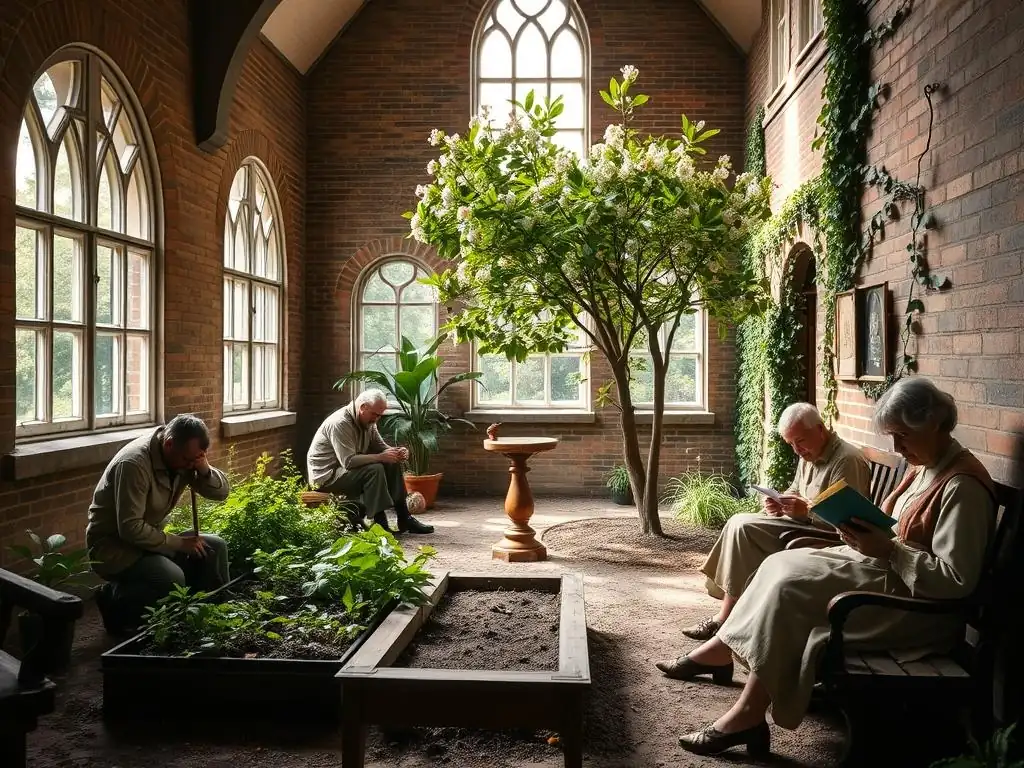
Across the English Channel, independently of Pinel, another significant movement for mental health reform was taking shape, led by William Tuke (1732-1822). Tuke was a successful businessman and a prominent member of the Religious Society of Friends (Quakers) in York, England. The Quaker faith emphasized equality, compassion, and the inherent dignity of every individual, principles that deeply influenced Tuke's social activism.
Tuke's efforts were spurred by a tragic event: the death of a Quaker woman, Hannah Mills, in 1790 at the York Asylum, a public institution known for its harsh conditions. Disturbed by the lack of humane treatment available, Tuke felt compelled to create an alternative institution based on Quaker values. This led to the establishment of The Retreat at York, a pioneering facility that embodied his vision of compassionate care, a key component in the development of Pinel Tuke humane mental care globally.
William Tuke was born into a prominent Quaker family in York. The Quaker tradition placed a strong emphasis on social justice, philanthropy, and the belief in the "Inner Light" or divine spark within every person, regardless of their circumstances. This belief fostered a deep commitment among Quakers to alleviating suffering and reforming societal injustices, including the plight of prisoners, the poor, and those with mental illness.
Tuke, along with other leading Quakers in York, was actively involved in various charitable endeavors. His business success provided him with the resources and influence to undertake ambitious projects. The shocking conditions at the existing York Asylum and the death of Hannah Mills galvanized Tuke and his community to take direct action, applying their core beliefs to the specific challenge of mental health care.
The Retreat at York: A Sanctuary of Compassionate Care
Founded in 1796, The Retreat was conceived as a small, family-like institution situated in a rural setting outside the city of York. Its name explicitly suggested a place of refuge and healing. The architecture and layout were designed to be non-institutional and domestic, with comfortable rooms, gardens, and common areas, starkly different from the prison-like structures of traditional asylums.
The initial capacity was modest, around 30 patients, reflecting the intention to provide individualized care. The staff, many of whom were Quaker families or individuals, lived on-site and interacted with patients in a familial atmosphere. This environment was deliberately created to be therapeutic, fostering a sense of calm, security, and belonging, which was central to Tuke's model of humane mental care.
Principles of the Retreat: Dignity, Respect, and Purpose
The care provided at The Retreat was guided by Quaker principles, emphasizing moral and religious influences, kindness, and the cultivation of self-restraint. Key elements included:
- Treating patients with dignity and respect, addressing them kindly and avoiding demeaning language or actions.
- Encouraging patients to engage in purposeful activities, such as gardening, needlework, or household chores.
- Providing opportunities for recreation and gentle exercise.
- Avoiding mechanical restraints whenever possible, relying instead on persuasion and the therapeutic relationship.
- Promoting a structured daily routine that provided a sense of order and predictability.
- Fostering a sense of community among patients and staff.
These principles were not merely administrative rules but were deeply embedded in the ethos of the institution and the conduct of its caregivers. The focus was on restoring patients to reason and self-control through gentle guidance and a supportive environment.
Contrasting the Retreat with Traditional Asylums: A Comparison
The differences between The Retreat and institutions like the York Asylum or Bedlam were profound.
- Environment: The Retreat was designed to be domestic and therapeutic, while traditional asylums were often prison-like, dark, and unsanitary.
- Treatment Philosophy: The Retreat employed moral management, focusing on kindness, routine, and purposeful activity. Traditional asylums relied heavily on physical restraint, punishment, and ineffective medical treatments.
- Staff-Patient Interaction: At The Retreat, staff lived with patients and interacted with them in a familial manner, fostering relationships based on trust and respect. In traditional asylums, staff often feared or mistreated patients, maintaining strict custodial control.
- Outcome Focus: The Retreat aimed for recovery and reintegration into society, emphasizing the patient's remaining capacities. Traditional asylums primarily focused on containment and separation from society.
This stark contrast highlighted the revolutionary nature of Tuke's model and provided a compelling alternative to the prevailing, often cruel, methods of the time, demonstrating the power of Pinel Tuke humane mental care principles in practice.
Tuke's Philosophy of Moral Management: Work, Recreation, and Community
Tuke's "moral management" was less theoretically medical than Pinel's but equally revolutionary in its practical application. He believed that providing a structured, purposeful, and supportive environment was crucial for recovery. Work, tailored to individual abilities, was seen not just as busywork but as a way to instill a sense of value, routine, and connection to reality.
Recreation, such as walks in the gardens or simple games, provided stimulation and enjoyment. The emphasis on community living and social interaction helped combat isolation and foster a sense of belonging. Tuke believed that treating patients as rational beings capable of moral choice and self-improvement was key to their recovery, relying on gentle persuasion and the influence of a calm, ordered environment rather than force.
The Enduring Influence of Tuke's Model
The success of The Retreat quickly gained recognition, serving as a powerful example of the effectiveness of humane treatment. Visitors from across Britain and abroad came to study its methods. The approach pioneered at The Retreat significantly influenced subsequent mental health reforms in England and other English-speaking countries.
Parliamentary inquiries into the conditions of asylums in the early 19th century often cited The Retreat as a model institution, contributing to legislative changes aimed at improving asylum standards. Tuke's legacy lies in demonstrating that compassion, dignity, and a therapeutic environment were not only morally right but also effective in the care of individuals with mental illness, further solidifying the principles of Pinel Tuke humane mental care.
Comparing Pinel and Tuke: Parallel Paths to Humane Care
Despite working in different countries with distinct political and social landscapes, Philippe Pinel and William Tuke arrived at remarkably similar conclusions about the necessity of reforming mental health care. Their independent initiatives marked a turning point, shifting the focus from punishment and containment towards empathy and therapy. Their work, while having unique characteristics, collectively championed the concept of Pinel Tuke humane mental care.
Their parallel paths underscore the growing momentum across Europe during the Enlightenment to apply humanitarian principles to previously neglected or mistreated populations. Although they may not have directly collaborated, their simultaneous breakthroughs reinforced the validity and potential of a more compassionate approach to mental illness, influencing reforms internationally.
Similarities in Their Approaches to Mental Illness
Several core similarities characterized the reforms implemented by Pinel and Tuke:
- Rejection of Restraint: Both sought to minimize or eliminate the use of mechanical restraints like chains and straitjackets, advocating for freedom of movement.
- Emphasis on Environment: Both recognized the crucial role of the physical and social environment in influencing a patient's mental state. They aimed to create calming, orderly, and supportive settings.
- Focus on Respect and Dignity: Both insisted on treating individuals with mental illness as human beings deserving of respect and kindness, regardless of their symptoms or behavior.
- Belief in Treatability: Both operated from the premise that mental illness was not necessarily a permanent state of "madness" but could be improved or treated through appropriate care and environment.
- Importance of Routine and Activity: Both incorporated structured daily routines and encouraged engagement in purposeful activities (work, recreation) as therapeutic tools.
These shared principles formed the bedrock of the early moral treatment movement and represent a significant departure from the custodial practices that preceded them.
Key Differences in Context and Implementation
While sharing fundamental principles, Pinel and Tuke's reforms also reflected their distinct contexts:
- Setting: Pinel implemented his reforms within large, state-run public hospitals (Bicêtre, Salpêtrière) during the French Revolution. Tuke established a smaller, private institution (The Retreat) rooted in Quaker philanthropy.
- Theoretical Basis: Pinel, as a physician, approached reform with a more scientific and medical framework, focusing on clinical observation and the potential for classification of mental disorders. Tuke's approach was primarily guided by religious and humanitarian principles, emphasizing moral and social influences.
- Scale: Pinel's work directly impacted hundreds, potentially thousands, of patients within the large Parisian hospitals. Tuke's immediate impact was on a smaller number of patients at The Retreat, though its influence spread through its model.
- Methodology: Pinel systematically documented case histories and sought to understand the underlying causes of illness. Tuke focused more on creating a specific therapeutic community and relying on the benevolent influence of the environment and staff.
These differences highlight that the movement towards humane mental care was diverse in its origins and implementation, yet united by a common goal of compassionate treatment.
The Spread of Moral Treatment: From France and England to the World
The success of Pinel's reforms in France and Tuke's model at The Retreat quickly gained international attention. Visitors from other countries, including physicians and social reformers, traveled to Paris and York to observe these pioneering institutions. Accounts of their methods were published and translated, inspiring similar initiatives elsewhere.
In the United States, figures like Thomas Kirkbride and Dorothea Dix were influenced by the principles of moral treatment, advocating for improved asylum conditions and state-funded institutions based on these ideals. By the mid-19th century, moral treatment had become the dominant philosophy in many newly established mental hospitals across Europe and North America. This global spread demonstrated the universal appeal and perceived effectiveness of the Pinel Tuke humane mental care approach.
The Core Tenets of Humane Mental Care

The legacies of Pinel and Tuke provide a foundational understanding of what constitutes humane mental care. Their work shifted the focus from merely housing or restraining individuals with mental illness to actively engaging with them, recognizing their individuality, and fostering environments conducive to healing. These core tenets remain relevant in modern mental health practices.
Understanding these principles is crucial for anyone working in or advocating for mental health services. They emphasize that effective care is not solely about medical intervention but also encompasses the quality of the human interaction and the therapeutic nature of the environment, embodying the spirit of Pinel Tuke humane mental care.
Emphasis on Dignity and Respect for Individuals with Mental Illness
A central tenet of the reforms championed by Pinel and Tuke was the unwavering belief in the inherent dignity of every individual, regardless of their mental state. They rejected practices that stripped patients of their humanity, such as public display, chaining, or treating them as animals. Instead, they insisted on addressing patients respectfully, providing them with clean clothing, adequate food, and comfortable living spaces – basic dignities denied in many earlier asylums.
This emphasis on respect extended to recognizing the patient's remaining capacities for reason and feeling. Pinel engaged patients in conversation and sought to understand their experiences, while Tuke's staff interacted with patients as members of a family. This fundamental shift in attitude was perhaps the most revolutionary aspect of their work, challenging centuries of prejudice and dehumanization.
The Importance of Empathy and Understanding
Both Pinel and Tuke stressed the need for caregivers to approach patients with empathy and a genuine desire to understand their distress. Pinel's detailed clinical observations were an attempt to understand the nature of mental suffering. Tuke's Quaker background instilled a natural inclination towards compassion and seeing the "Inner Light" in each person.
This empathetic approach meant moving away from fear-based interactions to ones built on trust and kindness. Caregivers were encouraged to be patient, listen to patients, and respond with gentleness rather than force. This focus on the therapeutic relationship, built on empathy and understanding, was a key component of the moral treatment model and remains vital in fostering recovery and well-being.
Creating Therapeutic Environments: Healing Through Compassion
Pinel and Tuke understood that the physical and social environment profoundly impacted a patient's mental state. They moved patients out of dark dungeons and into bright, airy rooms with access to fresh air and nature. The chaotic and often abusive atmosphere of traditional asylums was replaced with calm, orderly, and predictable routines.
At The Retreat, the domestic architecture and familial atmosphere were deliberately designed to be therapeutic. Pinel, within the constraints of larger hospitals, still sought to create separate, quieter areas and improve sanitation. The goal was to create a sanctuary where healing could occur, not just a place of confinement. This environmental aspect was crucial to their vision of humane mental care.
A practical application of the belief in patients' remaining capacities was the incorporation of purposeful activities and social interaction into their daily lives. Pinel and Tuke encouraged patients to engage in work (like gardening or crafts) and recreational activities. These activities provided structure, a sense of purpose, and opportunities for positive engagement.
Social interaction, whether through shared meals, conversations with staff, or activities with other patients, helped combat isolation and fostered a sense of community. This was a stark contrast to the solitary confinement common in earlier periods. These elements were early forms of what would later develop into occupational therapy and social rehabilitation, recognizing that recovery involves re-engaging with the world and finding meaning.
Challenges and Criticisms of Early Humane Treatment
While the moral treatment movement initiated by figures like Pinel and Tuke represented a monumental leap forward, it was not without its challenges and limitations. Implementing these principles on a large scale proved difficult, and the movement eventually faced criticism that led to its decline in the late 19th century.
Understanding these difficulties is important for a complete picture of the history of Pinel Tuke humane mental care. It highlights that progress in mental health care is an ongoing process, facing societal, institutional, and scientific hurdles.
Limitations of the Moral Treatment Approach
One significant limitation was the difficulty in applying the principles of moral treatment to the increasing number of patients in rapidly growing, publicly funded institutions. The intimate, high-staff-to-patient ratio model of places like The Retreat was hard to replicate in large state asylums housing hundreds or even thousands of patients. Overcrowding and underfunding often led to a return to more custodial practices.
Furthermore, moral treatment was most effective for patients with acute, less severe conditions or those whose illness was exacerbated by their environment. It was often less successful for individuals with chronic or severe psychotic disorders, for which there were no specific medical treatments available at the time. The lack of a strong scientific understanding of the biological basis of many mental illnesses limited its overall efficacy for all patients.
The Persistence of Stigma and Prejudice
Despite the efforts of reformers, societal stigma and prejudice against mental illness remained deeply entrenched. While Pinel and Tuke advocated for respect, the broader public and even some medical professionals continued to view mental illness with fear, suspicion, or moral judgment. This made it difficult to secure adequate funding and resources for truly humane care on a widespread basis.
The term "asylum," despite its original meaning of refuge, became synonymous with confinement and social exclusion. This persistent stigma contributed to the isolation of institutions and hindered the full integration of patients back into society, even when their condition improved. The societal context continued to present significant barriers to fully realizing the ideals of Pinel Tuke humane mental care.
The Need for Continued Reform in Mental Health Care
The eventual decline of pure moral treatment in the late 19th century, often termed the "great confinement," saw a return to more custodial approaches and a greater reliance on physical treatments, partly due to the challenges mentioned above and the rise of biological psychiatry. This highlighted that the battle for humane mental care was far from over.
The limitations of early moral treatment underscored the ongoing need for scientific research into the causes and treatments of mental illness, alongside the continued advocacy for compassionate and respectful care. The history demonstrates that maintaining humane standards requires constant vigilance, adequate resources, and a societal commitment to treating mental health as seriously as physical health.
The Lasting Legacy of Pinel and Tuke
The direct application of "moral treatment" as practiced by Pinel and Tuke may have waned, but their fundamental contributions created an irreversible shift in thinking about mental illness. Their work laid the ethical and philosophical foundation for modern mental health care, emphasizing the patient's humanity and the importance of the therapeutic environment.
Their legacy is not just historical; it continues to inform and inspire mental health professionals and advocates today. The principles they championed remain central to the ongoing pursuit of effective, ethical, and compassionate care for individuals experiencing mental health challenges, solidifying their place as pioneers of Pinel Tuke humane mental care.
Inspiring Future Generations of Mental Health Professionals
Pinel's Treatise and the model of The Retreat became essential texts and case studies for subsequent generations of physicians, psychiatrists, and social reformers. Their examples demonstrated that a career dedicated to the care of the mentally ill could be based on scientific observation and humanitarian principles, rather than just custodial management.
Figures like Benjamin Rush in the United States, often considered the "father of American psychiatry," were influenced by Pinel's work. The commitment and compassion shown by Pinel and Tuke served as powerful examples, encouraging others to enter the field and advocate for better treatment standards. Their pioneering spirit continues to inspire those dedicated to improving mental well-being.
Laying the Foundation for Modern Mental Health Practices
Many core concepts in modern mental health care can be traced back to the principles of moral treatment.
- The emphasis on a therapeutic environment is reflected in hospital design, community-based care models, and the importance of a supportive home environment.
- The use of purposeful activities is a precursor to modern occupational therapy and vocational rehabilitation programs.
- The focus on the therapeutic relationship between caregiver and patient is fundamental to psychotherapy and counseling.
- The rejection of unnecessary restraint and coercion is a cornerstone of patient rights and ethical practice in contemporary psychiatry.
While modern treatments include pharmacology and advanced therapies unknown to Pinel and Tuke, the ethical framework and the focus on the patient's dignity and well-being remain deeply rooted in their pioneering work.
The Ongoing Pursuit of Compassionate and Effective Mental Health Care
The history of mental health care is a continuous evolution. While significant progress has been made since the days of chains and neglect, challenges remain, including access to care, fighting stigma, and developing more effective treatments for complex conditions. The legacy of Pinel and Tuke serves as a reminder of the importance of balancing scientific advancement with compassionate, patient-centered care.
The ongoing pursuit of humane mental care involves advocating for policies that prioritize mental health, funding research, and ensuring that individuals experiencing mental health challenges are treated with the dignity, respect, and empathy that Pinel and Tuke first championed over two centuries ago. Their vision continues to guide efforts towards a more just and caring society for all.
Conclusion: Towards a More Humane Future for Mental Health
The stories of Philippe Pinel and William Tuke are powerful testaments to the impact that vision, compassion, and perseverance can have on transforming societal approaches to vulnerable populations. Working independently, they dismantled centuries-old practices of neglect and cruelty, replacing them with a revolutionary model based on humanitarian principles.
Their legacy extends far beyond the institutions they founded or reformed. They fundamentally altered the perception of mental illness, paving the way for it to be viewed as a condition requiring treatment and care, not just confinement. Their work reminds us that true progress in mental health is measured not only by scientific discovery but also by the degree of humanity and empathy woven into the fabric of care.
Remembering Pinel and Tuke: Their Contributions to Mental Well-being
Pinel, with his systematic, medical approach within public hospitals, and Tuke, with his philanthropic, community-based model rooted in Quaker values, together ignited a global movement towards humane mental care. Their contributions were not flawless, and the implementation of their ideas faced significant hurdles, but their core message resonated powerfully: individuals with mental illness deserve dignity, respect, and the opportunity to heal in a supportive environment.
Their names remain synonymous with the dawn of modern, compassionate mental health treatment. Remembering their work honors their courage in challenging the status quo and reinforces the enduring importance of their principles in the ongoing effort to improve mental well-being for everyone.
The Ongoing Evolution of Mental Health Treatment and Care
The field of mental health care continues to evolve, incorporating new scientific discoveries, therapeutic techniques, and community-based support systems. Yet, the fundamental principles advocated by Pinel and Tuke – the importance of the therapeutic relationship, the impact of environment, the value of meaningful activity, and above all, the necessity of treating each person with dignity and respect – remain as relevant today as they were in the late 18th century.
As we navigate the complexities of modern mental health challenges, the foundational vision of Pinel Tuke humane mental care serves as a guiding light, urging us to prioritize compassion, fight stigma, and work towards a future where everyone experiencing mental health difficulties receives the understanding, support, and humane treatment they deserve.
Frequently Asked Questions
What is meant by "Humane Mental Care" in the context of Pinel and Tuke's work?
Humane Mental Care refers to a more compassionate and ethical approach to treating individuals with mental health conditions, emphasizing dignity and respect over restraint and punishment. It marked a significant shift in the treatment of the mentally ill.
Who were Pinel and Tuke, and what were their contributions to mental health?
Philippe Pinel was a French physician who advocated for the removal of chains from patients in asylums. William Tuke, an English Quaker, founded the York Retreat, a place where patients were treated with kindness and respect, focusing on moral treatment.
What was the prevailing treatment of mental illness before Pinel and Tuke's reforms?
Before their reforms, individuals with mental illness were often subjected to inhumane conditions, including chaining, physical punishment, and neglect. They were typically seen as dangerous and incurable.
How did Pinel and Tuke's approaches differ, and what did they have in common?
Pinel focused on medical reforms within existing institutions, while Tuke established a new model based on moral treatment and community. Both shared a commitment to treating patients with compassion and dignity.
What lasting impact did Pinel and Tuke's work have on modern mental health care?
Their work laid the foundation for modern mental health care, emphasizing the importance of compassionate treatment, and influencing the development of more humane and effective therapies and approaches.
Final Reflection: A Legacy of Compassion: Reimagining Mental Healthcare
The fight for humane mental healthcare, pioneered by figures like Pinel and Tuke, remains profoundly relevant today. While significant strides have been made, the stigma surrounding mental illness persists, and access to quality care remains unevenly distributed across the globe. The fundamental principles they championed – respect for the individual, the rejection of brutal treatment, and the emphasis on therapeutic environments – are as vital now as they were centuries ago.
The legacy of Pinel and Tuke extends far beyond the walls of their asylums; it continues to shape our understanding of mental illness and the ethical responsibilities inherent in its treatment. Their work sparked a paradigm shift, moving away from the purely punitive and towards a more compassionate approach. This shift, however, is an ongoing process. The moral treatment of the insane is not merely a matter of kindness; it is a matter of justice.
This sentiment, though perhaps not explicitly stated by Pinel or Tuke in those exact words, encapsulates the enduring power of their vision.
Consider the impact of their work on your own life. How do you perceive mental illness? What role do you play in fostering a more compassionate and understanding society? Let the stories of Pinel and Tuke inspire you to advocate for better mental healthcare access, challenge stigma wherever you encounter it, and champion the human dignity of those struggling with mental health challenges. Their legacy calls us to action, urging us to build a future where humane care is not just a possibility, but a reality for all.
Unlock the Legacy: Inspire Modern Mental Healthcare
Thanks for exploring the fascinating history of Pinel and Tuke's revolutionary approach to mental healthcare! You've gained a powerful understanding of how compassion and reform shaped our understanding of mental illness. Now, let's build on that knowledge.
- Share this insightful story: Spread awareness of Pinel and Tuke's legacy by sharing this article with friends, family, or on your social media. Let's spark conversations about the evolution of mental health treatment!
- Explore local mental health resources: Find out what support networks and initiatives exist in your community to help those struggling with mental illness. Even a small action can make a difference.
- Consider volunteering: Many organizations rely on volunteers to provide vital support to individuals facing mental health challenges. Your time and compassion are invaluable.
What small step will you take today to contribute to a more humane and understanding approach to mental health?