
A Beginner's Path: Starting Yoga for Better Mental Health

Welcome to Mind Care Guide, your sanctuary for nurturing inner peace.
Are you feeling overwhelmed by anxiety and searching for a gentle way to reclaim your calm? You're not alone. This guide explores the transformative power of Yoga for Anxiety Relief, offering a beginner-friendly path to a more balanced and centered you. Ready to discover how simple poses can unlock a profound sense of well-being? Let's begin.
A Beginner's Path: Starting Yoga for Better Mental Health
- Introduction: Unlocking Mental Well-being with Yoga
- Understanding Yoga's Impact on Mental Health
- Preparing for Your First Yoga Session
- Basic Yoga Poses for Anxiety and Stress Reduction
- Building a Consistent Yoga Practice for Mental Health
- Finding Yoga Resources and Support
- Addressing Common Concerns About Starting Yoga
- Advanced Techniques to Deepen Your Yoga Practice for Mental Well-being
- Conclusion: Embracing Yoga for a Calmer, More Balanced Mind
-
Frequently Asked Questions
- How quickly can I expect to see results from yoga for anxiety relief?
- What style of yoga is best for anxiety relief?
- Do I need to be flexible to start yoga for anxiety relief?
- Can yoga replace other forms of mental health treatment, like therapy or medication?
- How often should I practice yoga for optimal anxiety relief?
- Final Reflection: Finding Inner Peace on the Yoga Mat
- Unroll Your Mat: Begin Your Journey to Inner Peace
Introduction: Unlocking Mental Well-being with Yoga
The Growing Need for Anxiety and Stress Relief
In today's fast-paced world, many individuals find themselves grappling with unprecedented levels of anxiety and stress. The constant demands of work, personal life, and global events can lead to persistent feelings of worry, tension, and overwhelm. Statistics from various health organizations often highlight the significant percentage of the population reporting symptoms of anxiety or stress-related issues, underscoring a widespread need for effective coping mechanisms and relief strategies. This growing challenge affects not only emotional states but also physical health, sleep patterns, and overall quality of life.
The search for natural and accessible ways to manage these feelings is more critical than ever. While therapeutic interventions and medication play vital roles, many people are exploring complementary practices that empower them to take an active role in their mental well-being. This increased interest points towards a desire for holistic approaches that address the mind-body connection, offering sustainable paths towards calmness and resilience in the face of daily pressures. Finding a reliable method for anxiety relief is a priority for countless individuals seeking a path towards a more balanced and peaceful existence.
Why Yoga is a Powerful Tool for Mental Health
Yoga, an ancient practice originating in India, is far more than just physical exercise; it is a comprehensive system designed to harmonize the body, mind, and spirit. By combining physical postures (asanas), breathing techniques (pranayama), and meditation or relaxation, yoga offers a unique approach to mental health challenges. Its inherent focus on present-moment awareness helps to interrupt the cycle of anxious thoughts and ruminations that often plague those experiencing stress or anxiety.
For beginners, starting a yoga practice can feel like stepping onto a path towards profound self-discovery and healing. It provides tangible techniques that can be immediately applied to calm the nervous system, reduce muscle tension often associated with stress, and cultivate a sense of inner peace. The accessibility of yoga, which can be practiced in various settings with minimal equipment, makes it a practical option for many seeking a natural method for anxiety relief and improved mental clarity.
Understanding Yoga's Impact on Mental Health
The Science Behind Yoga and Anxiety Reduction
Research into the effects of yoga on the brain and body provides compelling evidence for its efficacy in reducing anxiety. One key mechanism involves the regulation of the autonomic nervous system. Regular yoga practice helps shift the balance from the sympathetic nervous system (responsible for the "fight or flight" response) towards the parasympathetic nervous system (responsible for "rest and digest"). This shift leads to a decrease in stress hormones like cortisol. Studies have shown that consistent yoga can lower cortisol levels, which are often elevated in individuals with chronic stress and anxiety disorders.
Furthermore, yoga has been linked to changes in brain structure and function. Practices incorporating meditation and mindful movement have been shown to increase the density of gray matter in areas associated with self-awareness, compassion, and fear modulation, such as the prefrontal cortex and hippocampus. Conversely, there can be a reduction in the size or activity of the amygdala, the brain's fear center. These neurological changes, combined with yoga's effect on neurotransmitters like GABA (gamma-aminobutyric acid), which is a calming chemical often targeted by anti-anxiety medications, contribute significantly to its effectiveness as a tool for anxiety relief.
How Yoga Calms the Mind and Body
The physical postures and mindful movement in yoga help release muscular tension that often accumulates in the body as a physical manifestation of stress and anxiety. Holding poses, even simple ones, and moving through gentle flows encourages awareness of physical sensations, grounding the individual in the present moment rather than being lost in anxious thoughts about the future or past. This embodied awareness is a core component of mindfulness, which is cultivated through yoga practice.
Coupled with physical movement, yoga's emphasis on breath control (pranayama) directly impacts the nervous system. Slow, deep, and conscious breathing techniques signal to the brain that the body is safe, counteracting the shallow, rapid breathing often associated with anxiety. By focusing on the rhythm of the breath, the mind has a focal point, reducing mental chatter and promoting a state of calm. This powerful combination of movement, breath, and mindfulness makes yoga a potent practice for calming both the mind and the physical sensations of stress and anxiety.
Benefits of Yoga for Depression and Mood Regulation
Beyond its well-documented effects on anxiety, yoga also offers significant benefits for managing symptoms of depression and improving overall mood. Engaging in physical activity, even gentle yoga, stimulates the release of endorphins, natural mood elevators that can produce feelings of well-being. Consistent practice helps regulate sleep patterns, which are often disrupted in individuals experiencing depression or anxiety, further contributing to mood stability.
Yoga also fosters a sense of connection, whether practicing in a class setting or feeling connected to one's own body and breath. This can combat feelings of isolation often associated with depression. The practice encourages self-compassion and acceptance, shifting focus from self-criticism to mindful awareness and kindness towards oneself. By promoting a healthier lifestyle, improving body image through mindful movement, and providing tools for emotional regulation, yoga serves as a valuable complementary approach for supporting individuals on their journey towards improved mood and mental well-being.
Preparing for Your First Yoga Session
Choosing the Right Yoga Style for Anxiety Relief
When starting yoga specifically for anxiety relief, selecting the appropriate style is crucial to ensure a positive and beneficial experience. Some styles are inherently more calming and focus on gentle movement, breathwork, and relaxation, making them ideal for beginners seeking stress reduction. These approaches prioritize slowing down, tuning into the body's signals, and cultivating a sense of peace rather than focusing on physical intensity or complex poses.
Exploring descriptions of various yoga styles before attending a class or starting an online session can help you find the best fit. Look for styles that emphasize relaxation, mindfulness, and gentle stretching. It's okay to try a few different styles to see which one resonates most with you and your goals for using yoga for anxiety relief. The key is to find a practice that feels nurturing and supportive, not challenging or overwhelming.
Gentle Yoga Styles: Hatha, Restorative, and Yin Yoga
Hatha yoga is a foundational style often recommended for beginners. It typically involves holding poses for a few breaths, focusing on alignment and basic postures. The pace is usually slower than more dynamic styles, allowing ample time to connect with the breath and body. Many Hatha classes include a significant portion dedicated to relaxation at the end, making it excellent for stress reduction.
Restorative yoga is specifically designed for deep relaxation and healing. It uses props like bolsters, blankets, and blocks to support the body completely in gentle poses, allowing for passive stretching and profound release of tension. Poses are held for extended periods (often 5-20 minutes), giving the nervous system ample time to calm down.
Yin yoga focuses on holding passive stretches for longer durations (typically 3-5 minutes) to target the deep connective tissues. While sometimes intensely felt, the long holds encourage stillness and mindfulness, which can be very effective for releasing stored tension and promoting mental calm, offering a unique approach to yoga for anxiety relief.
Yoga Styles to Avoid Initially: Power Yoga and Ashtanga
While vigorous yoga styles offer many benefits, they might not be the best starting point if your primary goal is immediate anxiety relief and stress reduction, especially if you are new to yoga. Power yoga and Ashtanga yoga are examples of dynamic styles that involve fast-paced sequences, challenging postures, and a strong emphasis on physical exertion and building heat. These styles can be physically demanding and may initially increase heart rate and intensity, which could potentially feel overwhelming for someone experiencing significant anxiety.
The focus in these styles is often on building strength, endurance, and flexibility through vigorous flow. While they can be beneficial for mental health in the long run by providing a physical outlet for stress, their intensity might not be conducive to cultivating the immediate sense of calm and relaxation sought by beginners using yoga for anxiety relief. It's generally advisable to start with gentler styles and gradually explore more dynamic practices as you build confidence and comfort on your yoga journey.
Essential Yoga Equipment for Beginners
Starting yoga doesn't require a large investment in equipment, but a few basic items can significantly enhance comfort and support, especially when practicing at home. The most fundamental piece of equipment is a yoga mat. A good mat provides cushioning for joints, prevents slipping, and defines your practice space. Mats vary in thickness, material, and grip; a standard thickness (around 4-6mm) is usually suitable for beginners.
Beyond a mat, simple props like a yoga block and a strap can be incredibly helpful. Blocks can be used to bring the ground closer in poses like forward folds or triangles, providing support and making poses more accessible if you have limited flexibility.
A strap can assist in deepening stretches, such as reaching for your feet in seated forward bends. These props are not crutches but tools that allow you to experience poses safely and comfortably, enabling you to focus on your breath and the calming aspects of the practice, thereby enhancing the effectiveness of yoga for anxiety relief.
Creating a Relaxing Yoga Space at Home
Designating a specific area for your yoga practice, even a small corner, can help create a sense of ritual and focus, making it easier to transition into a calm state. Choose a space that is relatively quiet and free from distractions. Ensure there is enough room to extend your arms and legs fully without bumping into furniture.
Making the space aesthetically pleasing and calming can also support your practice aimed at anxiety relief. Consider elements like soft lighting, perhaps using a lamp instead of bright overhead lights. Some people find diffused essential oils (like lavender or chamomile) or a calming scent helpful. Keep the space tidy and free of clutter. Having your mat and any props readily available in this designated area removes barriers to starting your practice, making it easier to commit to using yoga for anxiety relief regularly.
Basic Yoga Poses for Anxiety and Stress Reduction
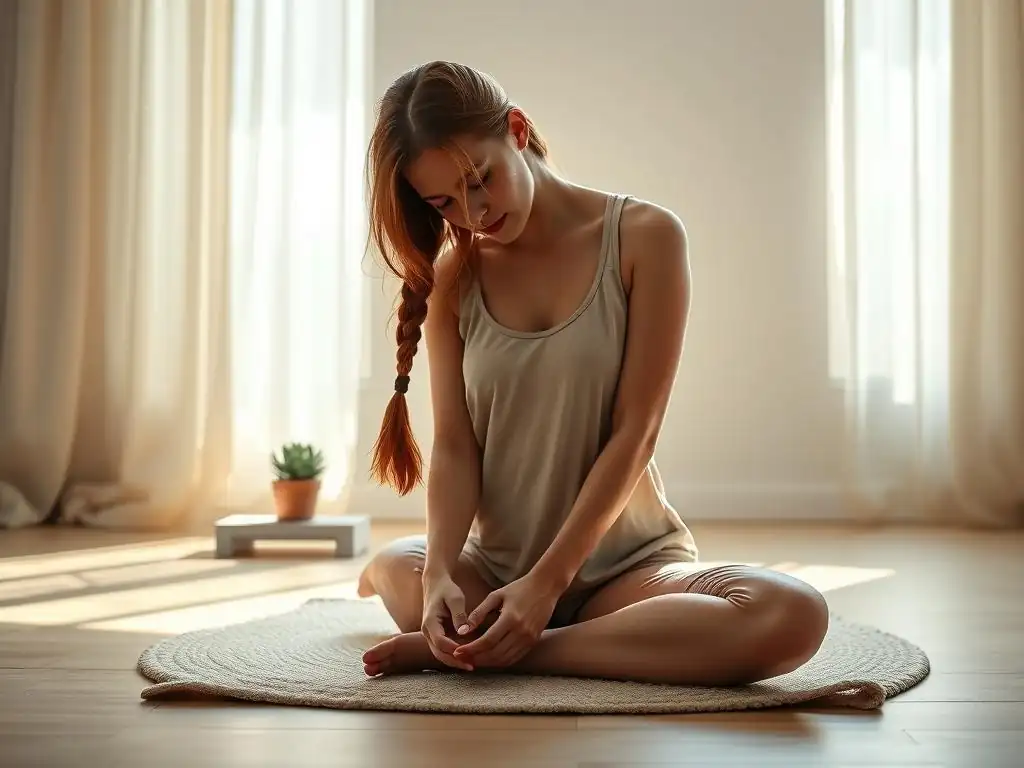
Foundational Poses: Mountain Pose (Tadasana) and Child's Pose (Balasana)
Mountain Pose (Tadasana) might seem simple, but it's a foundational standing pose that cultivates grounding and awareness. Stand with your feet together or hip-width apart, pressing down evenly through all four corners of your feet. Lengthen your spine, draw your shoulders down away from your ears, and let your arms hang naturally by your sides, palms facing forward. Focus on your breath and feel the connection to the earth. This pose helps establish stability and presence, counteracting feelings of being scattered or overwhelmed by anxiety.
Child's Pose (Balasana) is a deeply comforting and restorative pose that is excellent for calming the nervous system. Kneel on your mat with your big toes touching and knees wide (or together, if more comfortable). Fold forward, resting your torso between your thighs (or on top of them), and let your forehead rest on the mat.
Extend your arms forward or bring them back alongside your body. This pose encourages surrender and provides a gentle stretch for the back and hips. It's a safe haven you can return to at any point during a practice when you feel overwhelmed or simply need a moment of rest and introspection, making it a go-to for immediate anxiety relief.
Breathing Exercises (Pranayama) for Calming the Nervous System
Yoga places immense importance on breathwork (pranayama) as a direct link to controlling the mind and calming the nervous system. Conscious breathing techniques can immediately impact your physiological state, slowing heart rate and reducing the body's stress response. Integrating even a few minutes of focused breathing before, during, or after physical postures can significantly enhance the mental health benefits of your yoga practice.
Learning basic pranayama techniques provides you with powerful tools you can use anytime, anywhere, to manage feelings of anxiety and stress. These exercises help you regulate your nervous system, bringing you back to a state of equilibrium. Consistent practice of pranayama is a cornerstone of using yoga for anxiety relief and cultivating inner calm.
Diaphragmatic Breathing (Belly Breathing)
Diaphragmatic breathing, or belly breathing, is one of the most effective techniques for activating the parasympathetic nervous system. Sit or lie down comfortably. Place one hand on your chest and the other on your belly. Inhale deeply through your nose, allowing your belly to rise as you fill your lungs with air. Your chest should remain relatively still. Exhale slowly through your nose or mouth, feeling your belly gently fall.
Focus on making your exhalations longer than your inhalations, perhaps counting to four on the inhale and six on the exhale. This slow, deep breathing signals to your brain that you are safe and relaxed, counteracting the shallow chest breathing often associated with stress and anxiety. Practicing belly breathing for just a few minutes can bring about a noticeable sense of calm and is a fundamental technique in yoga for anxiety relief.
Alternate Nostril Breathing (Nadi Shodhana)
Alternate Nostril Breathing (Nadi Shodhana) is a balancing pranayama technique that is highly effective for calming the mind, reducing stress, and promoting mental clarity. It involves breathing through one nostril at a time, alternating between them. Sit comfortably with a straight spine. Close your right nostril with your right thumb and inhale slowly through your left nostril.
Close your left nostril with your ring finger, release your thumb from the right nostril, and exhale through the right nostril. Inhale through the right nostril, close it with your thumb, release your ring finger from the left nostril, and exhale through the left nostril. This completes one round.
Continue this pattern for several rounds, breathing smoothly and without strain. This technique is said to balance the flow of energy in the body and hemispheres of the brain, leading to a more balanced and peaceful state of mind. It's a powerful tool for recentering and finding calm when feeling anxious or overwhelmed, making it a valuable part of a yoga practice for anxiety relief.
Gentle Stretches to Release Tension
Stress and anxiety often manifest as physical tension held in the body, particularly in the shoulders, neck, back, and hips. Incorporating gentle stretches into your yoga practice helps to release this stored tension, promoting physical ease and contributing to mental relaxation. These poses are accessible for beginners and can be done anytime you feel the need to release physical tightness.
Focus on moving slowly and mindfully, coordinating your movement with your breath. Do not push into pain, but rather explore the sensation of the stretch and allow your muscles to soften with each exhale. Releasing physical tension is a vital component of using yoga for anxiety relief, as the mind and body are intimately connected.
Cat-Cow Pose (Marjaryasana to Bitilasana)
Cat-Cow pose is a gentle, flowing sequence performed on your hands and knees that warms up the spine and releases tension in the back and neck. Start on your hands and knees with your wrists under your shoulders and knees under your hips. On an inhale, drop your belly towards the mat, lift your chest and tailbone, and look slightly up (Cow pose).
On an exhale, round your spine towards the ceiling, tuck your chin to your chest, and draw your navel towards your spine (Cat pose). Move fluidly between these two poses with your breath for several rounds. This simple movement helps to increase spinal flexibility, release tension in the back muscles, and coordinate breath with movement, promoting a sense of flow and ease that can be very calming.
Forward Fold (Uttanasana)
Forward Fold (Uttanasana), or simply bending forward from the hips, can be incredibly grounding and help to calm the nervous system. Stand with your feet hip-width apart. On an exhale, hinge forward from your hips, allowing your torso to hang heavy towards your legs. You can keep a generous bend in your knees, especially if your hamstrings are tight; the goal is not to touch your toes but to release tension in the back and hamstrings.
Let your head and neck relax completely. You can gently shake your head yes and no. This pose can be practiced standing or seated. The inversion (head below the heart) can help to calm the mind, while the release in the back and hamstrings helps to alleviate physical stiffness often associated with stress. It's a simple yet profound pose for finding a moment of stillness and release, contributing to anxiety relief through yoga.
Building a Consistent Yoga Practice for Mental Health
Setting Realistic Goals for Yoga and Stress Management
Consistency is key when using yoga for anxiety relief and long-term mental health benefits. However, starting with overly ambitious goals can lead to frustration and discouragement. Instead of aiming for daily hour-long sessions immediately, begin with what feels manageable. Perhaps commit to 10-15 minutes of gentle stretching and breathing each day, or aim for two to three 30-minute sessions per week.
Setting realistic, achievable goals increases the likelihood that you will stick with your practice. Celebrate small victories, like completing a 10-minute session when you felt overwhelmed. Remember that some yoga is always better than no yoga. Your goals can evolve as you become more comfortable and experience the positive effects of your practice on your stress and anxiety levels.
Creating a Yoga Schedule That Works for You
Integrating yoga into a busy life requires thoughtful scheduling. Consider when you feel most able to commit time to your practice. Is it first thing in the morning to set a calm tone for the day? During a lunch break to reset? Or in the evening to unwind before sleep? Experiment with different times to see what feels sustainable and beneficial for your mental state.
Block out the time in your calendar as you would for any other important appointment. Treat this time as a non-negotiable investment in your mental well-being. Having a set schedule helps build routine and makes it easier to show up on your mat even when motivation is low. Remember that flexibility within your schedule is also important; if you miss a session, don't view it as a failure, simply get back on track with the next planned practice.
Listening to Your Body and Avoiding Injury
A core principle of yoga, especially when practicing for mental health and anxiety relief, is ahimsa, or non-harming. This applies to how you treat yourself on the mat. Pay close attention to the signals your body is sending you. Distinguish between a comfortable stretch and pain. Yoga should not be painful; discomfort can be explored gently, but sharp pain is a sign to back off.
Modifying poses to suit your current physical state is not a sign of weakness but of wisdom and self-care. Use props, take breaks in Child's Pose, or skip poses that don't feel right for you. Listening to your body prevents injury, which could derail your practice and increase stress. Practicing self-compassion and honoring your body's needs is an integral part of the mental health benefits derived from yoga.
Finding Yoga Resources and Support
Online Yoga Classes for Anxiety Relief
The digital age has made yoga more accessible than ever, with a vast array of online resources available specifically for mental health and anxiety relief. Platforms offer classes ranging from short, guided meditations to full-length gentle yoga flows. Many instructors specialize in trauma-informed yoga or yoga for stress reduction, providing practices specifically designed to calm the nervous system.
Online classes offer flexibility, allowing you to practice anytime, anywhere, without the need to travel to a studio. This can be particularly helpful for individuals who feel anxious about attending in-person classes. Look for platforms or instructors with positive reviews and clear descriptions of their class styles to find a good match for your needs related to yoga for anxiety relief.
Local Yoga Studios and Instructors
While online resources are convenient, attending classes at a local yoga studio can provide a valuable sense of community and personalized guidance. Practicing in a group setting can be motivating and help combat feelings of isolation. A qualified instructor can offer hands-on adjustments (with permission) and personalized modifications, ensuring you are practicing safely and effectively.
Look for studios that offer beginner classes, gentle yoga, restorative yoga, or specialized workshops focused on stress reduction or mindfulness. Don't hesitate to call the studio and ask about class styles and whether they are suitable for someone looking to use yoga for anxiety relief. Finding a supportive instructor and community can significantly enhance your yoga journey.
Yoga Apps and Guided Meditations for Mental Wellness
Numerous mobile applications offer guided yoga practices and meditations tailored for stress, anxiety, and sleep. These apps provide convenient access to short or long sessions that can fit into even the busiest schedules. Many feature guided meditations focusing on breath awareness, body scans, or cultivating calm, which are excellent complements to physical yoga postures for anxiety relief.
Apps can be a great way to start practicing yoga and meditation at home, offering structure and guidance. They often include progress tracking, reminders, and a variety of content to keep your practice fresh. Explore different apps to find one with an interface and content that resonates with you, providing easy access to tools for mental wellness whenever you need them.
Addressing Common Concerns About Starting Yoga
"I'm not flexible enough for yoga."
This is perhaps the most common misconception about starting yoga. Flexibility is not a prerequisite for yoga; it is a result of consistent practice. Yoga meets you where you are. Every pose can be modified to suit your current level of flexibility and strength. Using props like blocks and straps is encouraged and helps make poses accessible.
The primary focus in yoga, especially when using it for anxiety relief, is not on achieving pretzel-like poses but on connecting with your breath, cultivating body awareness, and calming your mind. Don't compare yourself to others; focus on your own journey and progress. Starting gentle yoga will naturally increase your flexibility over time, but the immediate benefits to your mental state don't depend on how far you can bend.
"I don't have enough time for yoga."
Feeling pressed for time is a significant source of stress for many. While it might seem counterintuitive, dedicating even a short amount of time to yoga can actually help you manage your time more effectively by reducing stress and improving focus. You don't need an hour-long session to reap benefits.
Even 10-15 minutes of focused practice – perhaps a few gentle stretches, some deep breathing, and a short relaxation period – can make a significant difference in your stress levels and mental state. Look for short guided practices online or in apps. Integrating short bursts of yoga or breathwork throughout your day can be more sustainable and just as effective as one long session for consistent anxiety relief.
"I'm intimidated by yoga classes."
Walking into a new environment, especially one where you feel you might not fit in or know what you're doing, can be intimidating, particularly for someone experiencing anxiety. If the thought of attending a public class feels overwhelming, remember that you have many other options to begin your yoga journey.
Starting with online classes or using yoga apps in the comfort of your own home can be a great way to build confidence and familiarity with basic poses and concepts before considering an in-person class. If you do decide to try a studio, look for beginner-specific classes and arrive a few minutes early to introduce yourself to the instructor and let them know you're new. Most yoga communities are welcoming and non-judgmental, focusing on personal practice rather than performance.
Advanced Techniques to Deepen Your Yoga Practice for Mental Well-being
Incorporating Mindfulness into Your Yoga Practice
As your yoga practice matures, intentionally weaving mindfulness into every aspect can significantly deepen its mental health benefits, particularly for anxiety relief. Mindfulness is the practice of being fully present in the moment, observing thoughts, feelings, and sensations without judgment. During physical poses, this means paying attention to how your body feels, the subtle adjustments you make, and the connection between movement and breath.
Off the mat, extending this mindful awareness to daily activities helps you stay grounded and less reactive to stressors. Noticing your breath during a challenging conversation or paying full attention while eating a meal are ways to integrate mindfulness. This consistent practice of presence, cultivated on the yoga mat, helps to interrupt automatic negative thought patterns associated with anxiety and fosters a greater sense of peace and control.
Using Yoga to Manage Panic Attacks
While yoga is a preventative and management tool, certain techniques can be helpful during moments of intense anxiety or panic attacks. Focusing intensely on the breath is paramount. Deep, slow diaphragmatic breathing, as discussed earlier, can help regulate the nervous system during a panic episode. Finding a grounding pose, such as Child's Pose (Balasana) or even just sitting or standing with feet firmly planted on the ground, can provide a sense of stability when feeling overwhelmed.
Gentle, repetitive movements, like the Cat-Cow flow or simple shoulder rolls, can also help release physical tension accompanying panic. The key is to have practiced these techniques beforehand so they are readily available when needed. Approaching these moments with self-compassion, using the tools yoga provides, can help shorten the duration and intensity of panic episodes.
The Role of Diet and Lifestyle in Supporting Yoga's Mental Health Benefits
Yoga is part of a holistic system, and its benefits for mental well-being are amplified when supported by other healthy lifestyle choices. A balanced diet rich in whole foods can positively impact mood and energy levels. Reducing intake of stimulants like caffeine and excessive sugar, which can exacerbate anxiety symptoms, is also beneficial.
Adequate sleep is crucial for mental health; yoga and relaxation techniques can help improve sleep quality. Regular physical activity outside of yoga, spending time in nature, and nurturing social connections further contribute to overall well-being. Viewing yoga not as a standalone cure but as a powerful component within a broader commitment to self-care enhances its long-term effectiveness for anxiety relief and cultivating a resilient mind.
Conclusion: Embracing Yoga for a Calmer, More Balanced Mind
The Long-Term Benefits of Yoga for Anxiety and Mental Health
Committing to a regular yoga practice offers profound long-term benefits for managing anxiety and improving overall mental health. Over time, consistent practice can lead to a sustained reduction in stress hormone levels, a more regulated nervous system, and increased resilience to daily challenges. The cultivation of mindfulness through yoga helps individuals become more aware of their thought patterns and emotional responses, enabling them to respond more skillfully to difficult situations rather than reacting impulsively.
Beyond symptom reduction, yoga fosters a deeper connection with oneself, promoting self-acceptance, self-compassion, and a sense of inner peace. It builds physical strength and flexibility, contributing to improved body image and confidence. These accumulated benefits create a powerful foundation for navigating life's ups and downs with greater ease and equanimity, making yoga a sustainable practice for lasting anxiety relief and mental well-being.
Taking the Next Steps on Your Yoga Journey
If you're ready to explore the potential of yoga for anxiety relief, the best way to begin is simply to start. Choose a gentle style or a short guided practice that appeals to you. Find a quiet space, grab a mat if you have one (or even just use a comfortable surface), and focus on your breath. Remember that your first steps don't need to be perfect; they just need to happen.
Explore the resources mentioned, whether online classes, apps, or local studios. Be patient and compassionate with yourself as you learn. Yoga is a journey, not a destination, and every practice offers an opportunity for growth and healing. By taking these first steps, you are investing in your mental well-being and opening the door to a calmer, more balanced life through the power of yoga.
Frequently Asked Questions
How quickly can I expect to see results from yoga for anxiety relief?
While individual experiences vary, many people experience immediate feelings of calm and relaxation after a yoga session. More sustained anxiety relief often requires consistent practice over several weeks or months.
What style of yoga is best for anxiety relief?
Gentle styles like Hatha, Restorative, and Yin yoga are often recommended for anxiety. These styles emphasize mindfulness, slow movements, and deep breathing, which can help regulate the nervous system.
Do I need to be flexible to start yoga for anxiety relief?
Absolutely not! Yoga is for everyone, regardless of flexibility. Modifications are always available, and the focus is on progress, not perfection.
Can yoga replace other forms of mental health treatment, like therapy or medication?
Yoga can be a valuable complementary therapy for anxiety, but it's not a replacement for professional treatment. If you're experiencing significant anxiety, consult with a mental health professional to discuss all available options.
How often should I practice yoga for optimal anxiety relief?
Aim for at least 2-3 yoga sessions per week to experience noticeable benefits. Even short, 15-20 minute sessions can be helpful in managing anxiety symptoms.
Final Reflection: Finding Inner Peace on the Yoga Mat
The journey towards better mental health is a deeply personal one, and the practice of yoga offers a powerful tool for navigating the complexities of anxiety and stress in our increasingly demanding world. The accessibility of yoga, as explored in this beginner's guide, makes it a remarkably effective method for cultivating inner calm and resilience, regardless of your experience level. This isn't just a fleeting trend; it's a pathway to lasting well-being.
The impact of incorporating mindful movement and breathwork into daily life cannot be overstated. I've personally witnessed the transformative power of yoga, not just in alleviating my own anxieties, but also in observing the positive changes in others who have embraced this practice. Yoga is not about touching your toes; it's about what you learn on the way down.
This quote perfectly encapsulates the journey of self-discovery that yoga facilitates, extending far beyond the physical postures to encompass a deeper understanding of the mind-body connection.
Now, it's your turn. Consider the insights shared in this article and take a moment to reflect on your own relationship with stress and anxiety. Perhaps try a simple sun salutation, or dedicate just five minutes to mindful breathing. Remember, the path to inner peace begins with a single step, a single breath, a single moment of self-compassion. Embrace the journey, and discover the transformative power of yoga for yourself.
Unroll Your Mat: Begin Your Journey to Inner Peace
Thanks for taking the time to explore the wonderful world of yoga and its benefits for mental well-being! We hope you found practical tips and inspiration to start your journey. Now it's time to put those insights into action.
- Take your first yoga class! Many studios offer introductory classes, or you can explore online resources for guided beginner sessions. This is the key step towards a calmer, more centered you.
- Share this article with a friend who might also benefit from yoga's calming effects. Spread the word about this incredible practice!
- Try a short, guided meditation from a reputable source (even 5 minutes can make a difference!). This will help you build a consistent mindfulness practice alongside your yoga.
What small step will you take today to prioritize your mental health and wellbeing?