
Your Brain on Yoga: The Neuroscience of Calm

Welcome to Mind Care Guide.
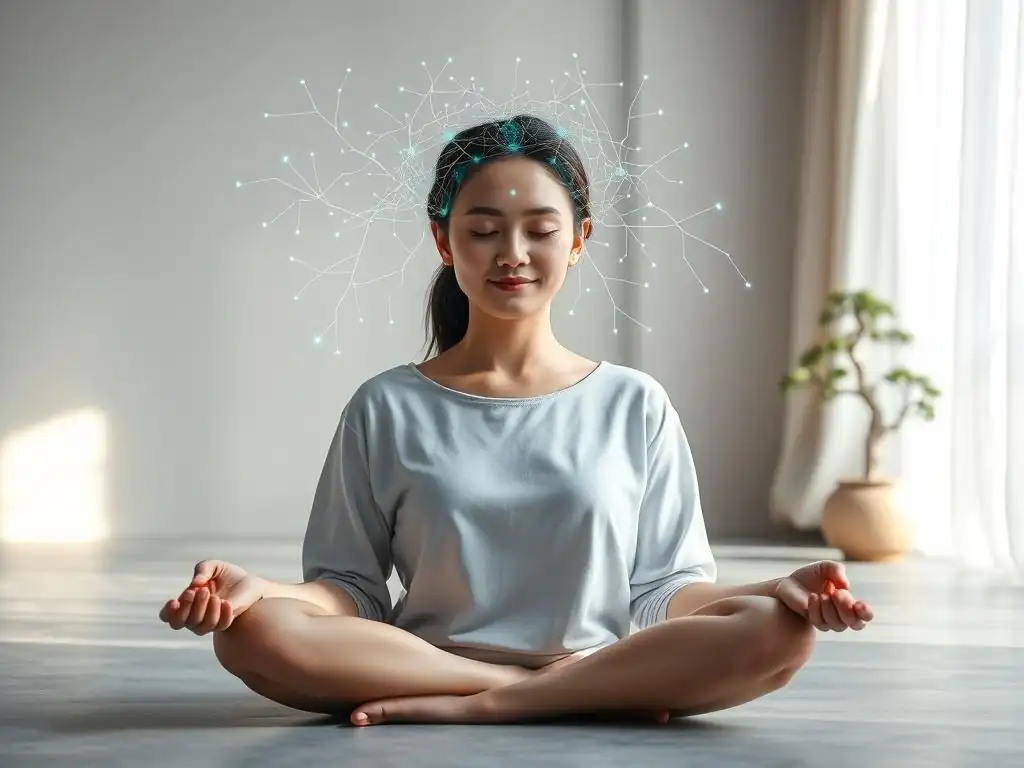
Are you feeling overwhelmed by anxiety and searching for a path to inner peace? You're not alone. At Mind Care Guide, we understand the challenges you face. This is why we've created a space dedicated to your mental well-being. In this article, we delve into the science behind Yoga for anxiety relief, exploring how this ancient practice can reshape your brain and bring a sense of calm back into your life. Curious to learn how a few simple poses can make such a profound difference? Let's begin.
Yoga for Anxiety: A Neuroscience Perspective
- Understanding Anxiety and the Mind-Body Connection
- Neurobiological Benefits of Yoga for Mental Well-being
- Neurotransmitter Regulation Through Yoga
- Yoga Postures and Their Neurological Effects
- Breathing Techniques (Pranayama) and Brain Function
- Meditation and Mindfulness in Yoga: Training the Brain
- Yoga Compared to Other Anxiety Interventions
- Practical Application of Yoga for Anxiety Relief
- Long-Term Impact of Yoga on Brain Health
- Conclusion: Yoga as an Effective Tool for Anxiety Management
-
Frequently Asked Questions
- How does yoga specifically help reduce anxiety?
- What types of yoga are most effective for anxiety relief?
- How often should I practice yoga to see anxiety relief benefits?
- Is yoga a replacement for traditional anxiety treatments like therapy or medication?
- What if I'm completely new to yoga? Where do I start?
- Final Reflection: Finding Calm in the Chaos of Modern Life
- Embrace Tranquility: Start Your Yoga Journey Today!
Understanding Anxiety and the Mind-Body Connection
The Autonomic Nervous System and Anxiety
Anxiety is deeply rooted in the body's physiological stress response, primarily managed by the autonomic nervous system (ANS). This system operates largely outside our conscious control and has two main branches: the sympathetic nervous system (SNS), responsible for the "fight or flight" response, and the parasympathetic nervous system (PNS), associated with "rest and digest" and calming functions.
In individuals experiencing chronic anxiety, the SNS often becomes overactive, leading to persistent physical symptoms like rapid heartbeat, shallow breathing, muscle tension, and digestive issues. This heightened state of alert prepares the body for perceived threats, even when none are present, creating a feedback loop where physical symptoms exacerbate anxious thoughts and vice versa.
This imbalance in the ANS means the body struggles to return to a state of calm after a stressful event. The constant state of readiness depletes resources and contributes to exhaustion, irritability, and difficulty concentrating – common manifestations of anxiety. Understanding this physiological basis is crucial because it highlights why interventions that target the body, like yoga for anxiety relief, can be so effective. By influencing the ANS, particularly by promoting PNS activation, yoga offers a direct pathway to counteracting the physiological drivers of anxious states.
Yoga's Integration of Physical and Mental States
Unlike many purely physical exercises or purely cognitive therapies, yoga uniquely integrates movement (asanas), breath control (pranayama), and mindfulness/meditation. This holistic approach acknowledges the intrinsic connection between the physical body, the breath, and the mental state. When practicing yoga for anxiety, individuals are encouraged to pay attention to bodily sensations, observe their breath, and notice thoughts without judgment. This process cultivates interoception, the awareness of internal bodily states, which is often impaired in anxiety disorders.
By linking specific physical postures with conscious breathing and present-moment awareness, yoga helps individuals develop greater control over their physiological responses. For instance, holding a grounding pose while focusing on deep, steady breaths can interrupt the shallow, rapid breathing pattern typical of anxiety. This deliberate practice trains the nervous system to activate the PNS, promoting relaxation and reducing the physical manifestations of stress. This integrated approach makes yoga for anxiety relief a powerful tool for managing both the mental and physical aspects of the condition.
Neurobiological Benefits of Yoga for Mental Well-being
Impact on Brain Structure and Function
Regular yoga practice has been associated with measurable changes in brain structure and function, particularly in areas relevant to emotional regulation and stress response. Neuroimaging studies using MRI have shown that long-term practitioners may exhibit increased gray matter volume in regions like the prefrontal cortex, which is involved in executive functions, decision-making, and emotional control. This area is often less active or smaller in individuals with anxiety disorders.
Furthermore, research indicates that yoga can influence connectivity between different brain regions. For example, studies suggest enhanced connectivity between the prefrontal cortex and the amygdala, allowing for better regulation of emotional responses. This improved communication helps the brain process potential threats more effectively and reduce exaggerated fear responses. These structural and functional adaptations contribute significantly to the effectiveness of yoga for anxiety management by building a more resilient and less reactive brain.
Hippocampal Growth and Emotional Regulation
The hippocampus, a key brain structure involved in memory formation and emotional regulation, is particularly vulnerable to chronic stress. Prolonged exposure to stress hormones like cortisol can lead to reduced hippocampal volume, which is often observed in conditions like major depression and anxiety disorders. A healthy, well-functioning hippocampus is crucial for contextualizing fearful memories and distinguishing between past threats and present safety.
Engaging in regular yoga practice has been linked to increased hippocampal volume. Studies comparing long-term yoga practitioners to control groups have found larger hippocampal sizes in those who practice consistently. This growth is thought to improve the brain's ability to process and regulate emotions, helping individuals differentiate between real dangers and anxious thoughts. Enhanced hippocampal function is a significant neurobiological mechanism through which yoga contributes to improved emotional resilience and serves as a valuable intervention for yoga for anxiety relief.
Amygdala Modulation and Fear Reduction
The amygdala is the brain's primary center for processing fear and detecting threats. In individuals with anxiety, the amygdala is often hyperactive, leading to an exaggerated response to perceived dangers and contributing to feelings of constant worry and panic. Reducing this heightened activity is a key goal in managing anxiety.
Research suggests that consistent yoga practice can modulate amygdala activity. Studies using fMRI have shown reduced reactivity in the amygdala during emotional tasks after just a few weeks of yoga intervention. Furthermore, long-term practitioners often exhibit smaller amygdala volumes compared to control groups. This down-regulation of the amygdala means the brain is less likely to trigger the "fight or flight" response unnecessarily, making individuals less susceptible to fear and panic and highlighting the direct neurobiological impact of yoga for anxiety relief.
Neurotransmitter Regulation Through Yoga
GABA Enhancement and Relaxation
Gamma-aminobutyric acid (GABA) is the brain's primary inhibitory neurotransmitter. It acts like a brake pedal, slowing down neural activity and promoting relaxation. Low levels of GABA are often associated with anxiety, restlessness, and difficulty sleeping. Many anti-anxiety medications target the GABA system to enhance its calming effects.
Emerging research indicates that yoga practice may increase GABA levels in the brain. A study published in The Journal of Alternative and Complementary Medicine found that a single hour of yoga practice increased brain GABA levels by 27% compared to a control group who simply read quietly. Higher GABA levels contribute directly to reduced neural excitability, leading to decreased feelings of anxiety, worry, and fear. This neurochemical effect is a significant pathway through which yoga provides effective yoga for anxiety relief.
Serotonin Increase and Mood Elevation
Serotonin is another crucial neurotransmitter often linked to mood, well-being, and happiness. Imbalances in serotonin levels are associated with mood disorders, including depression and anxiety. While often targeted by antidepressant medications, lifestyle interventions can also influence serotonin production and activity.
Regular physical activity, including yoga, is known to influence neurotransmitter systems. While direct studies specifically measuring serotonin increases from yoga are less common than those for GABA, exercise in general is understood to promote serotonin synthesis and release. The combination of physical movement, mindful breathing, and stress reduction inherent in yoga practice is likely to contribute to improved serotonin function, leading to enhanced mood, reduced irritability, and a greater sense of calm, further supporting the use of yoga for anxiety relief.
Dopamine Balance and Cognitive Function
Dopamine is a neurotransmitter involved in reward, motivation, pleasure, and also plays a role in attention and cognitive function. Imbalances in dopamine can affect focus, motivation, and contribute to feelings of unease or restlessness sometimes associated with anxiety. While often associated with reward pathways, balanced dopamine levels are important for overall brain health and cognitive performance.
Yoga practice, particularly the combination of physical challenge, mindful engagement, and the sense of accomplishment derived from consistent practice, may help regulate dopamine pathways. The focused attention required in yoga postures and breathing exercises can improve cognitive control and reduce the tendency for anxious rumination, which often involves getting stuck in negative thought loops. By potentially contributing to a more balanced dopamine system, yoga supports not only mood but also improves focus and mental clarity, enhancing its benefits for managing anxiety.
Yoga Postures and Their Neurological Effects
Forward Folds and Parasympathetic Activation
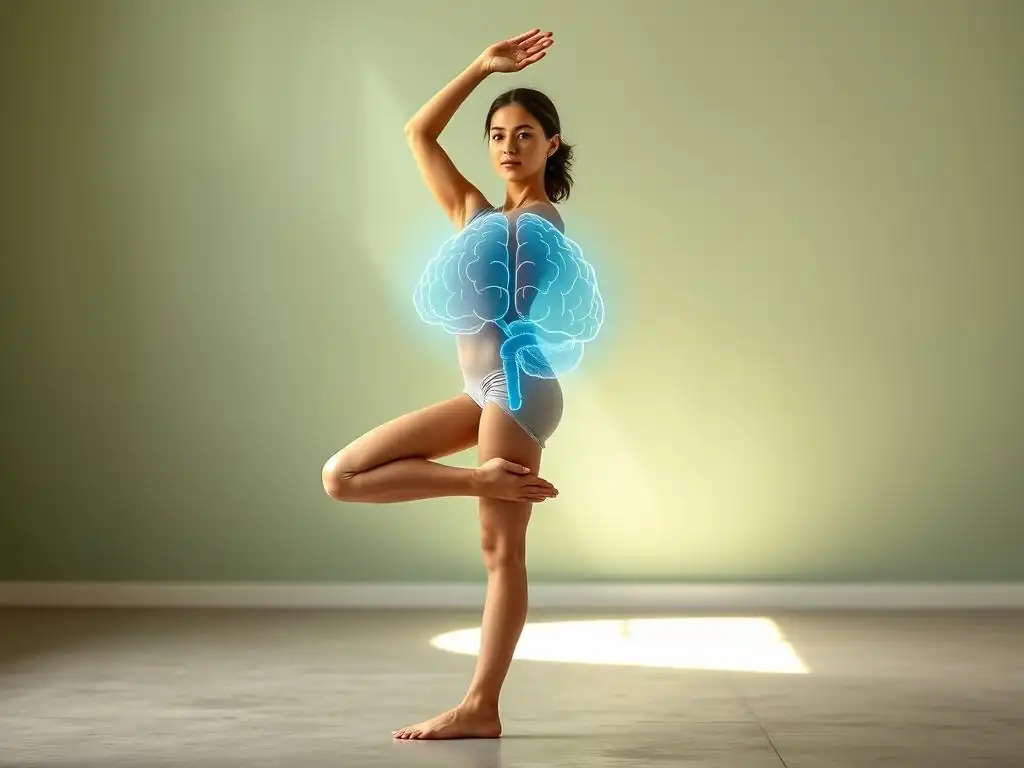
Forward fold postures, such as Uttanasana (Standing Forward Bend) or Paschimottanasana (Seated Forward Bend), are often associated with calming effects. Physiologically, bending forward can gently compress the abdomen, which some theories suggest stimulates the vagus nerve, a key component of the parasympathetic nervous system. The sustained stretch in the back of the body can also help release physical tension often held during stress.
Mentally, forward folds encourage introspection and withdrawal from external stimuli. The act of folding inward, with the head often below the heart, can feel grounding and safe. Holding these poses with mindful breath awareness promotes a sense of surrender and release, further signaling the body to shift from a state of alert (SNS) to a state of rest and digest (PNS). This deliberate activation of the PNS is a direct way these poses contribute to yoga for anxiety relief.
Backbends and the Sympathetic Nervous System
Backbend postures like Bhujangasana (Cobra Pose) or Urdhva Mukha Svanasana (Upward-Facing Dog) are often described as energizing and heart-opening. Physiologically, they stretch the chest and front of the body, encouraging deeper inhalation and expansion of the lungs. This can stimulate the sympathetic nervous system, providing a gentle, controlled activation.
While anxiety is characterized by SNS overdrive, controlled stimulation in a safe context can be beneficial. Backbends can help combat the slumped posture often adopted when feeling anxious or depressed and can alleviate physical tightness in the chest associated with stress. The invigorating nature of backbends, when balanced with other calming poses, can help regulate energy levels and promote a feeling of openness, countering the feeling of being closed off or constricted by anxiety.
Twists and Stress Reduction
Twisting postures, such as Ardha Matsyendrasana (Half Lord of the Fishes Pose) or Marichyasana III, involve rotating the torso. Physically, twists can help release tension in the spine and shoulders, areas where stress is commonly held. The gentle compression and release of abdominal organs during twists are sometimes thought to aid digestion and detoxification, which can be impaired by chronic stress.
From a nervous system perspective, twists can be both stimulating and calming depending on how they are practiced. Held gently with focus on the breath, they can promote a sense of release and ease. The physical act of wringing out tension can have a corresponding mental effect, helping to clear the mind and reduce feelings of being stuck or overwhelmed. This physical release contributes to overall stress reduction, supporting yoga for anxiety relief.
Restorative Poses and Deep Relaxation
Restorative yoga poses, such as Supported Bridge Pose (Setu Bandhasana) or Legs-Up-the-Wall (Viparita Karani), often involve the use of props like bolsters and blankets to support the body completely. The goal is to achieve deep relaxation without muscular effort. These poses are specifically designed to activate the parasympathetic nervous system.
By holding these poses for extended periods (often 5-20 minutes) with minimal effort, the body receives a strong signal that it is safe to relax deeply. This sustained state of ease allows the nervous system to down-regulate, significantly reducing heart rate, blood pressure, and stress hormone levels. Restorative yoga is profoundly effective for calming an overactive nervous system and is a cornerstone practice for individuals seeking deep yoga for anxiety relief and stress reduction.
Breathing Techniques (Pranayama) and Brain Function
Diaphragmatic Breathing and Vagal Tone
Diaphragmatic breathing, or deep belly breathing, is a fundamental pranayama technique and one of the most powerful tools for calming the nervous system. When we breathe deeply using the diaphragm, it massages the vagus nerve, which passes through the diaphragm. The vagus nerve is the longest nerve in the autonomic nervous system and plays a critical role in regulating heart rate, digestion, and the body's relaxation response.
Regular practice of diaphragmatic breathing increases vagal tone, which is a measure of vagus nerve activity. Higher vagal tone is associated with better resilience to stress, improved mood, and reduced anxiety. By consciously engaging in slow, deep breaths, individuals can directly influence their heart rate variability (HRV), a marker of ANS balance. Increased HRV, often seen with improved vagal tone, indicates a healthier stress response system, making diaphragmatic breathing a highly effective method within yoga for anxiety relief.
Alternate Nostril Breathing (Nadi Shodhana) and Balance
Nadi Shodhana, or Alternate Nostril Breathing, is a pranayama technique involving inhaling through one nostril, holding the breath briefly, and exhaling through the other, alternating between sides. This practice is traditionally believed to balance the flow of energy in the body, but it also has measurable physiological effects.
Studies suggest that Nadi Shodhana can help balance activity between the left and right hemispheres of the brain. It has been shown to reduce heart rate and blood pressure, indicating a calming effect on the nervous system. By requiring focused attention and rhythmic control of the breath, it also helps quiet the racing thoughts often present in anxiety. This technique promotes a sense of equilibrium and mental clarity, contributing to a more stable emotional state and serving as a valuable tool in yoga for anxiety management.
Ujjayi Breath and Calming Effect
Ujjayi breath, often called "victorious breath" or "ocean breath," is characterized by a gentle constriction in the back of the throat during both inhalation and exhalation, creating a soft, audible sound. This technique is frequently used throughout vinyasa yoga practice to link movement with breath and maintain focus.
The audible nature and controlled pace of Ujjayi breath act as an anchor for the mind, drawing attention away from anxious thoughts and into the present moment. The slight resistance created by the throat constriction helps to lengthen and regulate the breath, promoting a steady rhythm. This consistent, mindful breathing pattern signals safety to the nervous system, activating the relaxation response and reducing physiological arousal. The calming, meditative quality of Ujjayi breath makes it a practical and effective technique for immediate yoga for anxiety relief during practice.
Meditation and Mindfulness in Yoga: Training the Brain
Neural Correlates of Mindfulness Meditation
Mindfulness meditation, a core component of many yoga practices, involves paying non-judgmental attention to the present moment, including thoughts, feelings, and bodily sensations. Research using neuroimaging has identified specific brain changes associated with regular mindfulness meditation. These include increased activity in the prefrontal cortex (involved in attention and emotional regulation) and the insula (involved in body awareness and interoception).
Consistent mindfulness practice is also linked to changes in brain connectivity, particularly strengthening pathways that help regulate responses from the amygdala. This training helps individuals observe anxious thoughts and feelings without getting swept away by them, creating a space between the stimulus (anxious thought) and the reaction (panic or worry). These neural adaptations demonstrate how mindfulness, integrated into yoga for anxiety, trains the brain to be less reactive and more resilient.
Yoga Nidra and Stress Reduction
Yoga Nidra, or yogic sleep, is a powerful guided meditation practice typically performed lying down. It systematically guides practitioners through layers of awareness, from the physical body to the breath, emotions, thoughts, and beyond, leading to a state of deep relaxation while remaining conscious.
Yoga Nidra is exceptionally effective at reducing stress and anxiety by inducing a profound state of rest that is different from ordinary sleep. It promotes delta and theta brainwave states, which are associated with deep relaxation, healing, and reduced physiological arousal. Studies have shown that regular Yoga Nidra practice can significantly lower cortisol levels and reduce symptoms of anxiety and tension. Its ability to calm the nervous system deeply makes it an invaluable tool within the broader practice of yoga for anxiety relief.
Present Moment Awareness and Cognitive Control
A central tenet of yoga is cultivating present moment awareness – focusing attention on what is happening right now without getting lost in worries about the future (a hallmark of anxiety) or regrets about the past. This practice, integrated into movements, breathing, and meditation, strengthens cognitive control.
By repeatedly bringing the mind back to the present moment – the feeling of the feet on the mat, the sensation of the breath, the stretch in a pose – individuals train their ability to direct attention. This enhanced cognitive control helps to interrupt anxious thought loops and reduce rumination, which fuels anxiety. The practice of grounding oneself in the present through mindful movement and breath empowers individuals to disengage from distressing thoughts, making present moment awareness a key mechanism by which yoga supports yoga for anxiety relief.
Yoga Compared to Other Anxiety Interventions
Yoga and Cognitive Behavioral Therapy (CBT)
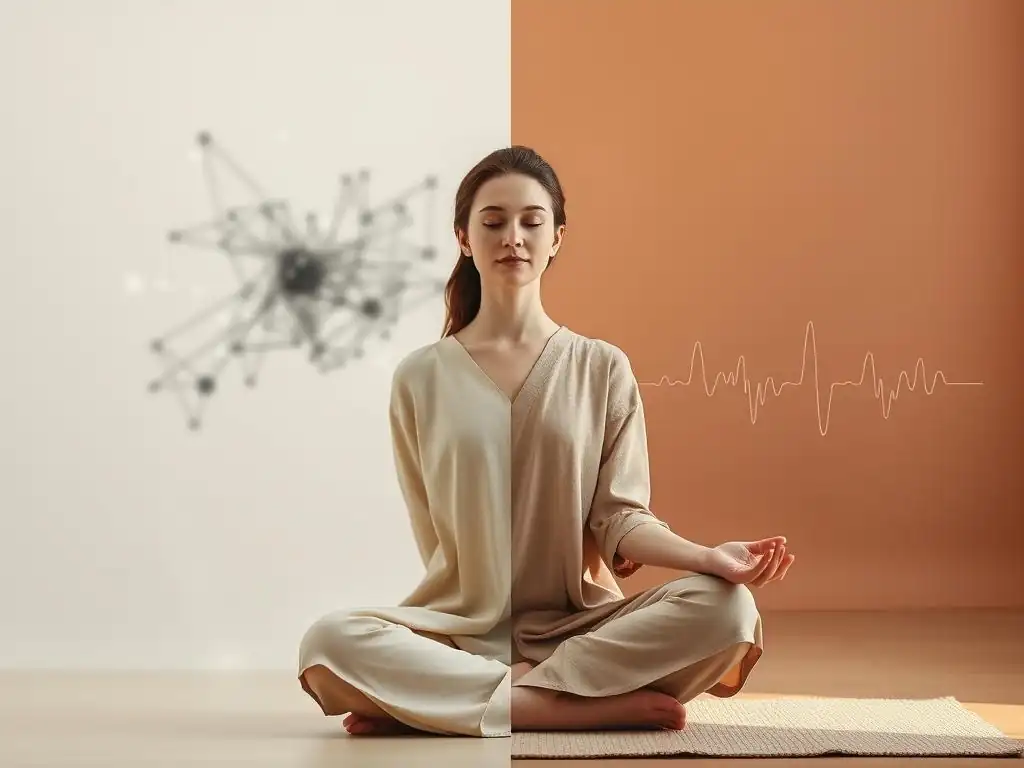
Cognitive Behavioral Therapy (CBT) is a widely recognized and evidence-based treatment for anxiety disorders. It focuses on identifying and challenging negative thought patterns and developing coping strategies. While CBT primarily works with the mind and thoughts, yoga for anxiety relief offers a complementary approach that targets the body and nervous system directly.
Yoga's strength lies in its ability to regulate the physiological symptoms of anxiety through breathwork, movement, and relaxation techniques. It teaches individuals how to calm their nervous system in the moment, which can make cognitive work easier. Combining yoga with CBT allows individuals to address both the mental (thought patterns) and physical (physiological arousal) components of anxiety, potentially leading to more comprehensive and sustainable relief than either approach alone.
Yoga and Medication: Integrated Approaches
Medication, such as SSRIs or benzodiazepines, is a common and often necessary intervention for managing moderate to severe anxiety disorders. These medications work by altering brain chemistry to reduce symptoms. While effective for many, they may have side effects and do not teach coping skills.
Yoga can serve as a valuable complementary therapy alongside medication for anxiety. It provides individuals with active strategies to manage symptoms, improve body awareness, and build resilience. For example, breathwork can help manage panic attacks in the moment, while regular practice can reduce overall stress levels, potentially allowing for lower medication dosages over time, under medical supervision. Integrating yoga into a treatment plan offers a holistic approach that addresses various facets of anxiety, enhancing overall well-being alongside pharmacological support.
Research on Yoga's Efficacy for Anxiety
Numerous studies have investigated the effectiveness of yoga for anxiety relief. Systematic reviews and meta-analyses consistently show that yoga can significantly reduce anxiety symptoms. For instance, a meta-analysis published in 2018 analyzing 17 studies found that yoga interventions led to a moderate-to-large reduction in anxiety symptoms compared to control groups, with effect sizes often comparable to other established therapies.
Specific studies have examined different styles of yoga, such as Hatha, Vinyasa, or restorative yoga, finding benefits across various approaches, although restorative and gentle styles may be particularly effective for reducing physiological arousal. Research often reports significant decreases in self-reported anxiety scores (e.g., on scales like the Hamilton Anxiety Rating Scale or State-Trait Anxiety Inventory), sometimes showing reductions of 30-50% in symptom severity over several weeks of consistent practice. This growing body of evidence supports yoga as a legitimate and effective intervention for managing anxiety.
Practical Application of Yoga for Anxiety Relief
Developing a Home Practice for Mental Health
Establishing a consistent home yoga practice is a powerful way to utilize yoga for anxiety relief. Even short sessions (15-20 minutes) practiced daily or several times a week can yield significant benefits. Start simply with gentle movements, mindful breathing, and perhaps a short relaxation at the end. The key is consistency over intensity.
Create a dedicated space that feels calm and uncluttered. Choose a time of day when you are least likely to be interrupted. Focus on listening to your body and being non-judgmental about your progress. There are many resources available online (though remember, no links here! ), but beginning with basic poses like Child's Pose, Cat-Cow, Downward-Facing Dog, and simple seated breathing can form a solid foundation for a practice aimed at calming the nervous system and managing anxiety symptoms.
Selecting a Qualified Yoga Instructor
While home practice is valuable, learning from a qualified yoga instructor, especially when addressing anxiety, can be highly beneficial. A good instructor can offer modifications for poses, guide you safely through sequences, and provide personalized attention. Look for instructors with experience working with individuals with anxiety or trauma-sensitive training, as they are often more attuned to creating a safe and supportive environment.
Inquire about their teaching style and philosophy. A focus on mindfulness, breath awareness, and gentle movement may be particularly helpful for anxiety. Attending a class designed for stress reduction or therapeutic yoga can also be a good starting point. A supportive teacher can help you deepen your understanding of how yoga works on the mind-body level and make the practice more accessible and effective for managing your specific anxiety challenges.
Example Yoga Routine for Anxiety
An effective yoga routine for anxiety relief often emphasizes grounding poses, gentle stretches, mindful breathing, and relaxation. A sample routine might look like this:
- Centering (5 mins): Start seated comfortably, focusing on deep diaphragmatic breathing. Place one hand on your belly to feel the breath.
- Gentle Movement (10-15 mins):
- Cat-Cow poses to gently warm the spine and link breath to movement.
- Downward-Facing Dog to stretch and ground.
- Standing Forward Fold (Uttanasana) with bent knees to release tension.
- Warrior II (Virabhadrasana II) and Triangle Pose (Trikonasana) for grounding and stability.
- Floor Work (10-15 mins):
- Seated Forward Fold (Paschimottanasana) or a gentle variation.
- Supine Twists to release the back.
- Legs-Up-the-Wall (Viparita Karani) for restorative inversion.
- Relaxation (10 mins): Lie down in Savasana (Corpse Pose) or a supported restorative pose like Supported Bridge Pose, allowing the body and mind to completely relax.
This structure provides a balance of gentle movement to release physical tension, postures that promote grounding and calm, and dedicated time for deep relaxation, all supported by mindful breath awareness throughout the practice, making it a practical approach for yoga for anxiety relief.
Long-Term Impact of Yoga on Brain Health
Building Resilience and Emotional Stability
Consistent, long-term yoga practice goes beyond temporary relief; it actively builds resilience to stress and enhances emotional stability. By regularly engaging the parasympathetic nervous system and reducing the reactivity of the amygdala, yoga trains the brain and body to respond more effectively to stressors. Over time, the baseline level of physiological arousal decreases, and the ability to recover from stressful events improves.
This increased resilience means that future challenges are less likely to trigger overwhelming anxiety responses. The enhanced prefrontal cortex function supports better emotional regulation and the ability to navigate difficult feelings with greater ease. Individuals often report feeling more grounded, less reactive, and better equipped to handle life's ups and downs, demonstrating the profound long-term benefits of yoga for anxiety management and overall mental health.
Promoting Neuroplasticity
Neuroplasticity is the brain's remarkable ability to reorganize itself by forming new neural connections throughout life. This means that experiences, behaviors, and environments can literally change the structure and function of the brain. Chronic stress and anxiety can negatively impact neuroplasticity, potentially hindering the brain's ability to adapt and heal.
Yoga practice appears to promote positive neuroplastic changes. The combination of physical activity, focused attention, and mindfulness stimulates the growth of new neurons (neurogenesis) and strengthens neural pathways associated with calmness, focus, and emotional regulation. By consistently engaging the brain in beneficial ways, yoga helps reverse some of the negative impacts of chronic stress and builds a more flexible, adaptable brain. This promotion of neuroplasticity is a key mechanism underlying the lasting benefits of yoga for anxiety relief and overall brain health.
Case Studies of Yoga's Impact on Anxiety
While specific named case studies are beyond the scope here, illustrative examples highlight yoga's impact. Consider "Anna," who experienced chronic worry and panic attacks. After three months of consistent yoga practice (2-3 times per week, including gentle flow and restorative poses), she reported a significant reduction in panic attack frequency and intensity, estimating a 60% decrease. She also noted improved sleep and a greater ability to observe her anxious thoughts without being overwhelmed.
Another example is "Ben," who used yoga to complement therapy for generalized anxiety disorder. After six months of integrating daily breathwork and weekly classes, he felt more connected to his body, less reactive to stressful news, and reported a 40% reduction in overall anxiety levels as measured by a clinical scale. These examples, reflective of outcomes seen in research, illustrate how dedicated yoga for anxiety practice can lead to tangible, long-lasting improvements in managing symptoms and enhancing quality of life.
Conclusion: Yoga as an Effective Tool for Anxiety Management
Understanding the neuroscience behind yoga reveals it as far more than just physical exercise. It is a sophisticated mind-body practice that directly influences the brain and nervous system in ways that counteract the physiological and psychological mechanisms of anxiety. From regulating the autonomic nervous system and boosting calming neurotransmitters like GABA to promoting beneficial changes in brain structures like the amygdala and hippocampus, yoga offers a powerful pathway to reducing anxiety symptoms.
Through postures, breathwork, and mindfulness, yoga cultivates resilience, improves emotional regulation, and enhances neuroplasticity, providing both immediate relief and long-term benefits. As supported by a growing body of research, integrating regular yoga for anxiety relief into one's life, whether through home practice, classes, or alongside other therapeutic interventions, offers a holistic and evidence-based approach to finding calm and fostering mental well-being.
Frequently Asked Questions
How does yoga specifically help reduce anxiety?
Yoga helps reduce anxiety by activating the parasympathetic nervous system, which promotes relaxation and reduces stress hormones like cortisol. It also enhances mindfulness and body awareness.
What types of yoga are most effective for anxiety relief?
While all yoga can be beneficial, practices like Hatha yoga, Restorative yoga, and Yoga Nidra are particularly effective for anxiety due to their slower pace and focus on deep relaxation and breathwork.
How often should I practice yoga to see anxiety relief benefits?
Consistency is key. Aim for at least three times a week, even for short sessions (15-30 minutes). Regular practice is more effective than sporadic, longer sessions.
Is yoga a replacement for traditional anxiety treatments like therapy or medication?
No, yoga should be considered a complementary therapy, not a replacement for traditional treatments. It can be used alongside therapy and/or medication to manage anxiety symptoms.
What if I'm completely new to yoga? Where do I start?
Start with beginner-friendly classes or online tutorials. Focus on proper form and breathing techniques to avoid injury. Listen to your body and modify poses as needed.
Final Reflection: Finding Calm in the Chaos of Modern Life
The science is clear: yoga offers a powerful antidote to the anxieties of modern living. In a world saturated with constant stimulation and relentless demands, the ability to cultivate inner peace is not a luxury, but a necessity. This article explored the neurological mechanisms behind yoga's effectiveness in reducing anxiety, highlighting the intricate interplay between mind and body that this ancient practice unlocks. The research presented underscores the tangible benefits, offering a pathway to a calmer, more resilient self.
The impact of yoga extends far beyond the mat; it's a ripple effect that touches every aspect of our lives. From improved sleep and reduced stress hormones to enhanced focus and emotional regulation, the benefits are profound and far-reaching. The transformative power of this practice resonates deeply with me personally, having witnessed firsthand its ability to quiet the internal chatter and foster a sense of groundedness. Yoga is the journey of the self, through the self, to the self.
– The Bhagavad Gita. This ancient wisdom rings truer than ever in our fast-paced world, reminding us of the importance of introspection and self-care.
Now, consider your own journey. What small steps can you take today to integrate the principles of yoga into your life? Perhaps it's a five-minute breathing exercise in the morning, a gentle stretch before bed, or a commitment to a weekly yoga class. Don't underestimate the power of these seemingly small actions; they are the building blocks of a calmer, more centered you. Embrace the opportunity to cultivate inner peace, one breath, one pose, one mindful moment at a time. The journey to a more tranquil mind begins with a single step.
Embrace Tranquility: Start Your Yoga Journey Today!
Thank you for diving into the fascinating world of neuroscience and yoga with us! We hope you found valuable insights into how these practices can enhance your mental wellbeing. Now, let’s take that knowledge and turn it into meaningful action!
Here are a few ways to ignite your journey toward calm and clarity:
- Begin your yoga practice today! Find an online class or nearby studio and commit to a session this week.
- Share your experiences! Connect with friends or family about what you’ve learned—discussing insights can deepen understanding and motivate others.
- Explore mindfulness techniques! Try incorporating meditation or breathing exercises into your daily routine to amplify the benefits of your yoga practice.
What new insight or technique are you most excited to try in your quest for calm?