
The BreathMind Connection: Unlocking Calm Through Qigong Breathing

Welcome to Mind Care Guide, a sanctuary for your mental well-being.
Feeling overwhelmed by anxiety? Imagine a simple, ancient practice that could gently guide you towards inner peace. In this article, we explore the profound connection between breath and mind, specifically focusing on Qigong breathing for anxiety relief. Discover how this powerful technique, rooted in centuries of wisdom, can help you reclaim control and cultivate a sense of calm amidst the storm. Intrigued? Let's breathe together and begin your journey towards a more peaceful you.
The BreathMind Connection: Unlocking Calm Through Qigong Breathing
- Introduction to Qigong Breathing for Anxiety Relief
- The Science Behind Qigong Breathing and Anxiety
- Essential Qigong Breathing Techniques for Calming the Mind
- Step-by-Step Guide to Practicing Qigong Breathing for Anxiety Relief
- Benefits of Regular Qigong Breathing Practice
- Common Mistakes to Avoid When Practicing Qigong Breathing
- Advanced Qigong Breathing Techniques for Mental Health
- Integrating Qigong Breathing with Other Mental Health Practices
- Resources for Learning More About Qigong Breathing
- Conclusion: Embracing Qigong Breathing for a Calmer, More Balanced Life
-
Frequently Asked Questions
- What is Qigong breathing and how does it relate to anxiety relief?
- How does Qigong breathing differ from other breathing exercises, such as diaphragmatic breathing?
- How often should I practice Qigong breathing to experience noticeable anxiety relief?
- Are there any potential side effects of practicing Qigong breathing?
- Where can I find resources to learn more about Qigong breathing for anxiety relief?
- Final Reflection: Breathing Your Way to a Calmer You
- Unlock Your Inner Calm: Start Your Qigong Journey Today!
Introduction to Qigong Breathing for Anxiety Relief
Understanding the Mind-Body Connection in Qigong
Qigong, an ancient Chinese practice often described as "energy cultivation," deeply understands the intrinsic link between the mind and body. This holistic perspective is fundamental to its approach to health and wellbeing. In Qigong philosophy, physical health, emotional state, and mental clarity are not separate entities but interconnected aspects of a single energy system, known as Qi. When this Qi flows smoothly and harmoniously, we experience vitality and balance. Conversely, blockages or imbalances in Qi are believed to manifest as physical ailments, emotional distress, or mental fogginess, including anxiety.
The practice of Qigong breathing specifically targets this connection. By consciously directing the breath, practitioners aim to regulate the flow of Qi throughout the body, influencing both physical sensations and mental states. For someone struggling with anxiety, this means addressing not just the racing thoughts but also the physical symptoms like shallow breathing, muscle tension, and rapid heart rate. Qigong breathing provides a tangible tool to interrupt the anxiety cycle by calming the nervous system and promoting a sense of groundedness, demonstrating how focused breath work can directly impact mental and emotional states.
How Qigong Breathing Differs from Diaphragmatic Breathing
While diaphragmatic breathing, or "belly breathing," is a foundational element shared by many relaxation techniques, including Qigong, Qigong breathing expands upon this basic principle with additional layers of intention and coordination. Diaphragmatic breathing primarily focuses on engaging the diaphragm for deeper inhalations and exhalations, which helps lower heart rate and activate the parasympathetic nervous system. It's a crucial first step in any effective breath work for anxiety relief.
Qigong breathing integrates diaphragmatic breathing with specific visualizations, gentle movements (in many Qigong forms), and a focus on guiding Qi or energy. It often involves coordinating the breath with slow, deliberate movements or specific postures designed to open energy channels (meridians). Furthermore, Qigong emphasizes the intention behind the breath – breathing in freshness and calm, breathing out tension and anxiety. This energetic and intentional component distinguishes Qigong breathing techniques, making them not just a physiological exercise but a holistic practice aimed at cultivating internal harmony and resilience against stressors.
The Science Behind Qigong Breathing and Anxiety
Physiological Effects of Qigong Breathing on the Nervous System
The practice of Qigong breathing has profound physiological effects, particularly on the autonomic nervous system (ANS), which controls involuntary bodily functions like heart rate, digestion, and breathing. Anxiety is often characterized by an overactive sympathetic nervous system, triggering the "fight or flight" response. Qigong breathing techniques are specifically designed to stimulate the parasympathetic nervous system, the counterpart to the sympathetic system, responsible for the "rest and digest" state.
Deep, slow breathing, characteristic of Qigong, increases vagal tone. The vagus nerve is a major component of the parasympathetic system, running from the brainstem to the abdomen. Higher vagal tone is associated with better mood, reduced anxiety, and improved resilience to stress. By slowing the breath rate to, say, 5-7 breaths per minute (compared to the typical 12-20 breaths per minute when anxious), Qigong breathing sends signals to the brain that the body is safe, effectively downregulating the stress response and promoting a state of calm within the nervous system.
Qigong Breathing's Impact on Stress Hormones: Cortisol and Adrenaline
Chronic anxiety is linked to elevated levels of stress hormones, primarily cortisol and adrenaline. These hormones, released by the adrenal glands, are vital for short-term stress responses but can become detrimental when persistently high, leading to various health issues and exacerbating anxiety symptoms. Qigong breathing for anxiety relief works by helping to regulate the release of these powerful hormones.
Studies have shown that regular practice of Qigong and its associated breathing techniques can lead to a significant reduction in circulating cortisol levels. For instance, some research indicates that participants practicing Qigong regularly showed cortisol levels up to 20% lower than control groups after several weeks. By activating the parasympathetic nervous system, Qigong breathing counteracts the physiological cascade that leads to adrenaline surges and sustained cortisol production. This hormonal balance contributes directly to a reduction in feelings of stress, worry, and physical tension associated with anxiety.
Research and Studies on Qigong for Anxiety and Mental Wellbeing
A growing body of research supports the efficacy of Qigong, including its breathing components, for improving mental health outcomes, particularly reducing anxiety and improving overall wellbeing. A meta-analysis published in 2017, reviewing multiple studies, concluded that Qigong interventions showed a significant positive effect on anxiety reduction across various populations, including healthy adults and those with chronic conditions.
More recent studies continue to reinforce these findings. For example, research published in the Journal of Consulting and Clinical Psychology highlighted how mindful movement practices like Qigong could significantly reduce symptoms of generalized anxiety disorder (GAD) in participants, with improvements sustained over time. While many studies examine Qigong as a whole practice (movement, breath, meditation), the emphasis on breath control and mindful awareness within Qigong is consistently cited as a key mechanism for its positive impact on the nervous system and stress hormone regulation, making Qigong breathing a central element in its therapeutic effect for anxiety.
Essential Qigong Breathing Techniques for Calming the Mind
Abdominal Breathing (Dan Tian Breathing) for Anxiety Reduction
Abdominal breathing, often referred to as Dan Tian breathing in Qigong, is the cornerstone technique for grounding and calming the mind. The Dan Tian is considered the body's energy center, located roughly two inches below the navel. Focusing the breath here helps to anchor the mind and draw energy downwards, counteracting the upward surge of energy often associated with anxiety and panic.
To practice Dan Tian breathing for anxiety reduction, sit or stand comfortably with a straight spine. Place one hand lightly on your abdomen. Inhale slowly and deeply through your nose, allowing your belly to expand like a balloon. Your chest should remain relatively still.
Exhale slowly and completely through your mouth (or nose), allowing your abdomen to gently fall back towards your spine. The exhalation should ideally be longer than the inhalation. Aim for a smooth, continuous breath cycle, focusing your awareness on the rise and fall of your abdomen and the area of the Dan Tian. This simple yet powerful technique immediately engages the parasympathetic nervous system, helping to quiet a busy mind and soothe nervous energy.
Reverse Abdominal Breathing: A Qigong Technique for Mental Clarity
Reverse abdominal breathing is a more advanced Qigong technique that can be highly effective for cultivating mental clarity and boosting energy, which indirectly helps manage the fatigue and fogginess sometimes associated with chronic anxiety. Unlike standard abdominal breathing where the belly expands on the inhale, in reverse breathing, the abdomen gently contracts on the inhale and expands on the exhale.
While this might sound counterintuitive, the technique is thought to stimulate the internal organs and help draw Qi upwards along the spine. It requires more coordination and control than regular abdominal breathing. To practice, inhale slowly while gently drawing your abdomen inwards and upwards.
On the exhale, slowly release the abdomen, allowing it to expand naturally. It's crucial not to force this technique initially; practice gently. While it might not be the first technique for acute anxiety symptoms, mastering reverse breathing can build internal strength and improve focus, providing a sense of empowered control that combats feelings of helplessness sometimes linked with anxiety.
Complete Thoracic Breathing: Expanding Lung Capacity and Reducing Stress
Complete thoracic breathing in Qigong integrates abdominal, intercostal (rib cage), and clavicular (upper chest) breathing to utilize the full capacity of the lungs. Anxiety often leads to shallow, upper-chest breathing, which limits oxygen intake and perpetuates the stress response. Practicing complete breathing helps to reverse this pattern, increasing oxygenation and promoting a more relaxed state.
Begin by inhaling into the abdomen (Dan Tian). Continue the inhalation, allowing your rib cage to expand outwards, filling the middle part of your lungs. Finally, draw a little more air in, feeling your upper chest and collarbones rise slightly as the top part of your lungs fills.
Exhale slowly and completely, first letting the upper chest relax, then the rib cage contract, and finally gently drawing the abdomen in to expel the last bit of air. Practicing this expansive breathing technique regularly can increase lung capacity over time and provide a profound sense of release, helping to alleviate the physical constriction often felt during stressful or anxious moments.
The "Microcosmic Orbit" Breath: Circulating Energy for Emotional Balance
The "Microcosmic Orbit" (Xiao Zhou Tian) is a meditative Qigong breathing technique focused on circulating energy along a specific pathway through the body, connecting the Governing Vessel (Du Mai) and Conception Vessel (Ren Mai) energy channels. This practice is considered highly beneficial for balancing emotions and calming the spirit, making it a powerful Qigong breathing for anxiety relief method.
While often combined with visualization, the core breathing aspect involves coordinating the breath with the intention of moving energy. On the inhale, visualize energy rising up the back from the tailbone to the crown of the head. On the exhale, visualize the energy flowing down the front of the body from the crown, down the face, throat, chest, and abdomen back to the Dan Tian.
This cyclical flow is believed to harmonize yin and yang energies and smooth emotional fluctuations. Regular practice, even for just 5-10 minutes daily, can foster a deep sense of internal peace and stability, helping to manage the emotional rollercoasters often accompanying anxiety.
Step-by-Step Guide to Practicing Qigong Breathing for Anxiety Relief
Finding a Comfortable Posture for Qigong Breathing
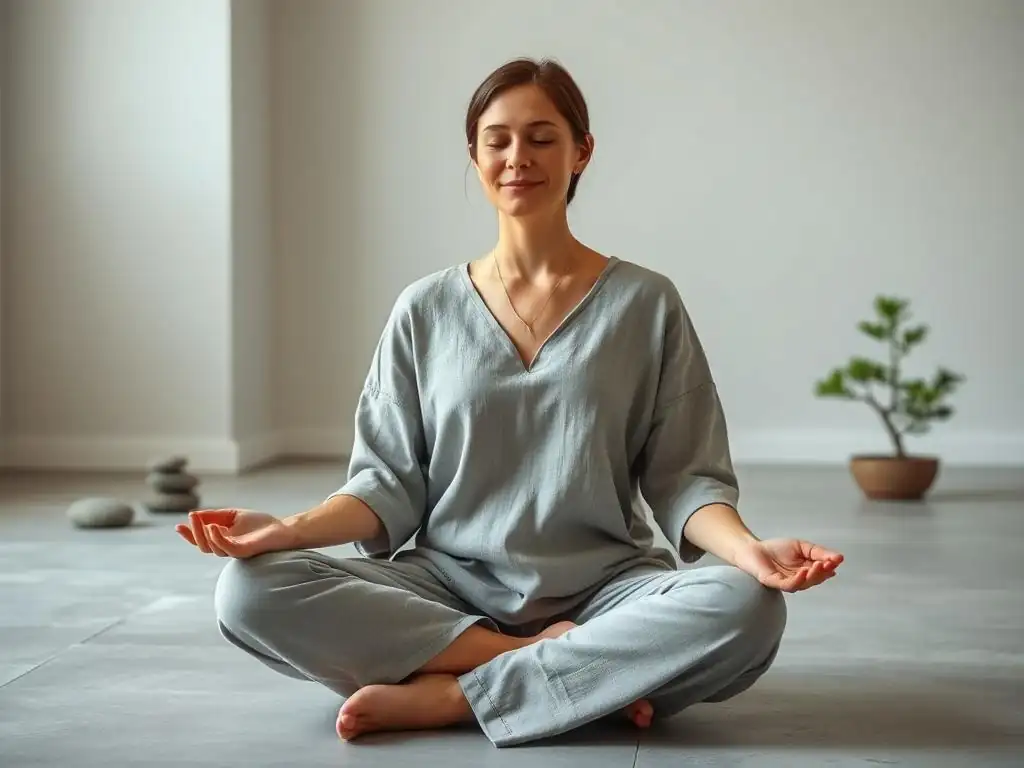
The first step in practicing Qigong breathing for anxiety relief is establishing a comfortable and stable posture. While Qigong movements are often performed standing, the breathing techniques can be practiced sitting or even lying down, especially when the goal is deep relaxation and anxiety reduction. If sitting, choose a chair with back support or sit cross-legged on the floor on a cushion. Ensure your spine is upright but relaxed, not stiff. Your shoulders should be relaxed, and your hands can rest gently on your lap or abdomen.
If standing, position your feet shoulder-width apart, knees slightly bent, spine straight but relaxed, and shoulders dropped. Imagine a thread gently pulling you up from the crown of your head while your tailbone releases downwards. The key is to find a posture where you can maintain a relaxed spine and allow your abdomen and chest to move freely with the breath without strain. This physical alignment supports the energetic flow and facilitates deeper, more effective breathing.
Focusing Your Mind: Mindfulness and Breath Awareness in Qigong
Once in a comfortable posture, the next step is to bring your awareness to your breath. This integrates mindfulness, a core component of Qigong practice. Close your eyes gently or soften your gaze. Begin by simply observing your natural breath without trying to change it. Notice the sensation of air entering and leaving your nostrils, the subtle movement of your chest or abdomen. This initial phase helps to ground you in the present moment, pulling your attention away from anxious thoughts about the past or future.
As you continue, gently guide your awareness to follow the breath through its entire cycle – the inhalation, the pause (if any), the exhalation, and the pause before the next inhale. If your mind wanders to anxious thoughts (which it will), simply acknowledge the thought without judgment and gently redirect your attention back to the physical sensation of breathing. This practice of returning to the breath builds your capacity for focused attention and helps to interrupt the rumination patterns often associated with anxiety.
Practicing Diaphragmatic Breathing: The Foundation of Qigong
With your awareness centered on your breath and body, begin to deepen your breath into the abdomen, practicing diaphragmatic breathing (Dan Tian breathing). Place one hand on your chest and the other on your abdomen. As you inhale slowly through your nose, feel the hand on your abdomen rise while the hand on your chest remains relatively still. This confirms you are engaging your diaphragm.
Exhale slowly and completely through your mouth or nose, feeling your abdomen gently fall. Aim for the exhalation to be longer than the inhalation – perhaps inhaling for a count of 4 and exhaling for a count of 6 or 8. This extended exhalation is particularly effective at activating the parasympathetic nervous system and promoting relaxation. Repeat this fundamental Qigong breathing pattern for several minutes, focusing on the smooth, deep rhythm and the calming effect it has on your body and mind.
Integrating Qigong Breathing into Your Daily Routine
Consistency is key to unlocking the full benefits of Qigong breathing for anxiety relief. Simply practicing for 5-10 minutes daily can make a significant difference. Find specific times in your day when you can dedicate this short period to your breathwork – perhaps first thing in the morning, during a lunch break, or before bed.
- Morning: Start your day grounded and centered.
- Midday: Use it as a stress-buster during a busy day.
- Evening: Wind down and prepare for restful sleep.
You can also integrate short breathing breaks throughout the day whenever you feel stress or anxiety rising. Even 1-2 minutes of focused abdominal breathing can help reset your nervous system. Consider setting reminders or incorporating the practice into existing routines, like during your commute or while waiting in line. Making Qigong breathing a non-negotiable part of your daily self-care routine builds resilience over time and provides a reliable tool for managing anxiety whenever it arises.
Benefits of Regular Qigong Breathing Practice
Long-Term Anxiety Management Through Qigong
Regular practice of Qigong breathing offers a sustainable approach to long-term anxiety management. Unlike temporary coping mechanisms, consistent breathwork helps to retrain the nervous system, making it less reactive to stressors over time. By strengthening the parasympathetic response through daily practice, individuals can lower their baseline anxiety levels and increase their capacity to handle challenging situations without becoming overwhelmed.
Over weeks and months of dedicated practice, the physiological changes accumulate. The body becomes more efficient at regulating stress hormones, muscle tension decreases, and the mind develops greater ability to stay present rather than spiraling into worry. Many practitioners report a significant reduction in the frequency and intensity of anxiety symptoms, finding themselves less prone to panic attacks and generalized worry. This isn't a quick fix, but a gradual cultivation of inner calm and resilience, empowering individuals to navigate life with greater ease.
Improved Sleep Quality and Reduced Insomnia Symptoms
Anxiety is a major contributor to sleep disturbances, including difficulty falling asleep, staying asleep, and experiencing restless nights. The constant mental chatter and physical tension associated with anxiety make it hard for the body and mind to relax sufficiently for restorative sleep. Qigong breathing techniques are highly effective in addressing these issues, leading to improved sleep quality and reduced insomnia symptoms.
Practicing calming Qigong breathing before bed signals to the body that it's time to rest. Deep abdominal breathing slows the heart rate and promotes the release of melatonin, the sleep hormone. Many people find that even 10-15 minutes of focused Dan Tian breathing helps quiet their racing thoughts and relax their muscles, making it easier to drift off to sleep. Regular practice also helps regulate the body's natural sleep-wake cycle over time, contributing to more consistent and restful sleep patterns, which in turn further reduces anxiety levels.
Enhanced Emotional Regulation and Mental Resilience
Beyond simply reducing anxiety, regular Qigong breathing practice cultivates enhanced emotional regulation and mental resilience. By becoming more aware of the breath and its connection to internal states, practitioners develop a greater capacity to recognize and process emotions without being overwhelmed by them. The breath acts as an anchor, providing a stable point of reference amidst emotional turbulence.
Through consistent practice, individuals build the ability to pause before reacting emotionally, giving themselves space to choose a more skillful response. This increased self-awareness and control contributes directly to mental resilience – the ability to bounce back from challenges and adapt to adversity. By cultivating a calm and centered internal state through Qigong breathing, individuals are better equipped to face life's stressors with greater equanimity and less reactivity.
Increased Energy Levels and Overall Wellbeing
Paradoxically, while Qigong breathing is calming, regular practice also leads to increased energy levels and an overall sense of wellbeing. Chronic anxiety is incredibly draining, consuming vast amounts of physical and mental energy. By reducing the physiological burden of stress and promoting relaxation, Qigong breathing frees up this trapped energy.
Furthermore, Qigong theory posits that proper breathing helps to cultivate and circulate vital energy (Qi) throughout the body. This enhanced energy flow nourishes the organs, improves circulation, and boosts vitality. Practitioners often report feeling more energized, less fatigued, and more vibrant in their daily lives. This combination of reduced anxiety, improved sleep, enhanced emotional balance, and increased energy contributes to a profound sense of overall wellbeing and vitality.
Common Mistakes to Avoid When Practicing Qigong Breathing
Holding Your Breath or Forcing the Exhale
One common mistake when starting Qigong breathing for anxiety relief is holding the breath or trying to force the exhale. While some advanced Qigong practices involve breath retention, for basic calming techniques, the breath should remain smooth, continuous, and relaxed. Holding your breath or straining during the exhale can actually increase tension and activate the stress response, counteracting the purpose of the practice.
The goal is a gentle, flowing breath, not a forced one. If you find yourself holding your breath, consciously soften your efforts and allow the breath to move naturally. Similarly, don't push the air out forcefully on the exhale; simply allow the breath to release completely and effortlessly. Focus on relaxation and ease rather than trying to achieve a specific breath length or volume through strain.
Overthinking the Technique and Losing Focus
Another pitfall is getting caught up in trying to perform the technique perfectly, leading to overthinking and losing the mindful focus that is essential to Qigong. While it's important to understand the basic mechanics of techniques like abdominal breathing, becoming overly self-critical or analytical during practice can distract you from the present moment and the calming effect of the breath itself.
Qigong is about cultivating a feeling of flow and ease. If you find yourself analyzing whether you're doing it "right," gently remind yourself that the primary goal is relaxation and breath awareness. Let go of the need for perfection and simply focus on the sensation of the breath moving in and out of your body. Return your attention to the breath whenever your mind drifts, whether to external thoughts or internal analysis of the technique.
Practicing in a Stressed or Distracted Environment
Attempting to practice Qigong breathing for anxiety relief in a highly stressed or distracting environment can make it difficult to achieve a state of calm. While short breathing exercises can be done anywhere, dedicating even a few minutes in a quiet, peaceful space enhances the effectiveness of the practice significantly. Trying to force relaxation amidst chaos is an uphill battle.
Choose a time and place where you are unlikely to be interrupted. Turn off notifications on your phone. If possible, find a quiet room or a peaceful spot outdoors. Creating a calm external environment supports the cultivation of a calm internal state. While the ability to use Qigong breathing in stressful situations is a goal, initial practice is best done in a supportive setting to build a strong foundation.
Neglecting Proper Posture and Alignment
While flexibility in posture is allowed (sitting, standing, lying), neglecting proper alignment can hinder the benefits of Qigong breathing. Slouching or maintaining a tense posture restricts the movement of the diaphragm and rib cage, preventing deep, full breaths. A collapsed posture also symbolically and physically reinforces feelings of being withdrawn or overwhelmed, which can exacerbate anxiety.
Ensure your spine is comfortably straight, allowing energy and breath to flow freely. If sitting, avoid leaning heavily on backrests; engage your core gently to support an upright posture. If standing, ensure your weight is balanced and your joints are soft. A relaxed yet aligned posture facilitates optimal breathing mechanics and supports the energetic principles of Qigong, enhancing its effectiveness for calming the mind and body.
Advanced Qigong Breathing Techniques for Mental Health
Bone Breathing: Strengthening the Body and Calming the Spirit
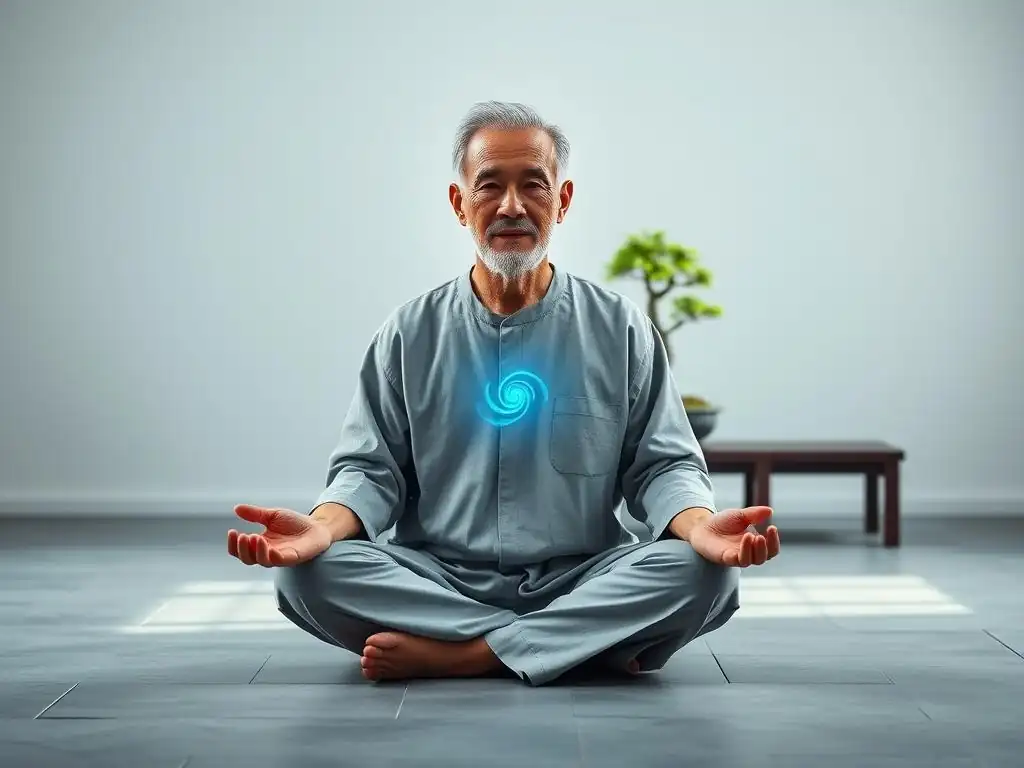
Bone Breathing is an advanced Qigong technique aimed at drawing energy deep into the bone marrow. While this might sound abstract, the practice is believed to strengthen the skeletal system, purify the blood, and ground the spirit, offering a profound sense of stability that is particularly beneficial for anxiety. It requires significant focus and visualization.
The technique involves visualizing the breath or energy being drawn not just into the lungs, but deep into the bones themselves on the inhale. On the exhale, visualize any tension, stagnation, or negativity being released from the bones and expelled from the body. This practice requires patience and sensitivity to subtle internal sensations. By focusing awareness deep within the physical structure, Bone Breathing helps to quiet the surface chatter of the mind and cultivate a deep, internal stillness that can significantly reduce feelings of nervousness and instability associated with anxiety.
The Six Healing Sounds: Releasing Negative Emotions Through Breath
The Six Healing Sounds (Liu Zi Jue) are a set of Qigong exercises that combine specific sounds, gentle movements, and focused breathing to cleanse and balance the energy of the internal organs, each associated with particular emotions. This is a powerful method for releasing pent-up negative emotions, such as worry, anger, or fear, which often fuel anxiety.
Each sound corresponds to a different organ and is exhaled with a specific mouth shape and accompanying movement:
- Xu (噓) for the Liver (anger, frustration)
- He (呵) for the Heart (anxiety, impatience)
- Hu (呼) for the Spleen (worry, overthinking)
- Si (咝) for the Lungs (sadness, grief)
- Chui (吹) for the Kidneys (fear, shock)
- Xi (嘻) for the Triple Burner (general tension, nervousness)
By using these sounds and coordinated breaths, practitioners actively expel stagnant or negative energy associated with these emotions, creating space for more positive feelings and promoting emotional equilibrium. This active release mechanism makes it a potent Qigong breathing for anxiety relief technique, especially when specific emotions are contributing to the anxious state.
Connecting Breath with Movement: Qigong Exercises for Anxiety
Many Qigong forms integrate breath seamlessly with slow, gentle movements. This coordination enhances the flow of Qi and provides a dynamic form of mindful movement that is highly effective for reducing anxiety. The synchronized movement and breath help to anchor the mind in the present moment, release physical tension, and promote a state of calm alertness.
Examples include movements like "Lifting the Sky" or "Separating Heaven and Earth," where the breath is coordinated with the raising and lowering of the arms. As you inhale, the arms might rise, expanding the chest and lungs; as you exhale, the arms lower, allowing the body to relax.
This conscious pairing of breath and movement amplifies the calming effect of the breathing itself, helping to discharge nervous energy through gentle physical activity while maintaining mental focus. Practicing Qigong forms that emphasize this breath-movement connection provides a comprehensive approach to using Qigong breathing for anxiety relief, addressing both the mental and physical manifestations of stress.
Integrating Qigong Breathing with Other Mental Health Practices
Combining Qigong with Mindfulness Meditation
Qigong breathing and mindfulness meditation are natural partners in promoting mental wellbeing and reducing anxiety. Both practices emphasize present moment awareness, non-judgment, and focused attention, often using the breath as the primary anchor. Combining them can deepen the benefits of each.
You can begin a mindfulness meditation session with a few minutes of focused Qigong breathing, such as Dan Tian breathing, to quickly calm the nervous system and prepare the mind for stillness. Alternatively, you can incorporate the principles of Qigong breathing – deep, relaxed abdominal breaths – into your seated meditation practice. The intentionality and energy focus of Qigong breathing can add a layer of vitality and grounding to the stillness of meditation, creating a powerful synergy that enhances mental clarity and emotional stability, making it a robust approach to using Qigong breathing for anxiety relief alongside other techniques.
Qigong and Yoga for Stress Reduction
Both Qigong and Yoga are ancient mind-body practices that utilize breath control (Pranayama in Yoga) and physical postures/movements to improve health and reduce stress. While they originate from different cultural traditions, their core principles of cultivating internal energy, improving flexibility, and calming the mind through breath and movement make them highly complementary for stress and anxiety reduction.
Integrating Qigong breathing techniques into a yoga practice, or practicing Qigong alongside yoga, can provide a more comprehensive approach to managing anxiety. For example, incorporating deep abdominal breathing (common to both) during yoga postures can deepen the stretch and enhance relaxation. The gentle, flowing movements of Qigong can also serve as a perfect warm-up or cool-down for a yoga session, further promoting energy flow and reducing tension. The combined focus on breath, movement, and body awareness offers multiple pathways to soothe the nervous system and build resilience against anxiety.
The Role of Qigong Breathing in Cognitive Behavioral Therapy (CBT)
Cognitive Behavioral Therapy (CBT) is a widely recognized and effective therapeutic approach for anxiety disorders, focusing on identifying and changing negative thought patterns and behaviors. While primarily a talk therapy, integrating somatic practices like Qigong breathing can significantly enhance its effectiveness by addressing the physiological symptoms of anxiety and providing practical coping skills.
CBT helps individuals challenge anxious thoughts, but the physical sensations of anxiety (racing heart, shortness of breath) can make it difficult to engage with cognitive restructuring. Qigong breathing provides an immediate tool to regulate these physical responses.
By teaching clients Qigong breathing techniques for anxiety relief, therapists can equip them with a tangible method to calm their nervous system in the moment, making them more receptive to identifying and modifying their thought patterns. Breathing exercises learned in Qigong can be used as a practical skill within a CBT framework to manage panic, reduce hyperventilation, and ground oneself when anxious thoughts arise, creating a powerful mind-body approach to therapy.
Resources for Learning More About Qigong Breathing
Recommended Books and Online Courses on Qigong
For those interested in delving deeper into Qigong breathing for anxiety relief, numerous resources are available. Books can provide a comprehensive theoretical foundation and detailed instructions for various techniques. Look for titles by respected authors in the field of Qigong and Traditional Chinese Medicine. Books like "The Root of Chinese Qigong" by Yang Jwing-Ming offer in-depth explanations of the principles and practices.
Online courses provide a flexible way to learn, often including video demonstrations of postures and breathing techniques. Platforms like Udemy, Coursera, or specialized Qigong websites offer courses ranging from beginner introductions to more advanced studies. When choosing a course, look for instructors with solid credentials and positive reviews, and ensure the course content specifically addresses the breathing aspects relevant to mental health and anxiety reduction.
Finding a Qualified Qigong Instructor Near You
Learning Qigong breathing from a qualified instructor can significantly enhance your practice, especially for understanding the subtle energetic nuances and ensuring correct form. An instructor can provide personalized guidance, correct mistakes, and help you tailor techniques to your specific needs and challenges with anxiety.
To find a qualified instructor, search online directories for Qigong or Tai Chi schools in your area. Look for instructors certified by reputable Qigong organizations. Don't hesitate to contact prospective instructors to ask about their background, experience working with students with anxiety, and their teaching philosophy. Many instructors offer introductory classes or consultations, allowing you to experience their teaching style before committing to regular classes.
Online Communities and Support Groups for Qigong Practitioners
Joining an online community or support group can provide valuable encouragement, shared experiences, and a sense of connection with others on a similar path. Practicing Qigong breathing for anxiety relief can sometimes feel solitary, and connecting with others can foster motivation and provide a space to ask questions and share insights.
Look for forums or groups on social media platforms dedicated to Qigong, Tai Chi, or energy practices. Websites focused on holistic health or mental wellbeing may also host relevant communities. These groups can be a source of inspiration, practical tips, and mutual support, reinforcing your commitment to the practice and reminding you that you are not alone in using these techniques to manage anxiety.
Conclusion: Embracing Qigong Breathing for a Calmer, More Balanced Life
The Power of Conscious Breathing for Mental Wellness
The journey towards mental wellness is deeply intertwined with our ability to regulate our internal state, and conscious breathing, particularly through the lens of Qigong, offers a direct pathway to achieving this. We breathe approximately 20,000 times a day, yet most of this happens unconsciously.
By bringing awareness and intention to even a small fraction of these breaths, we unlock a powerful innate mechanism for calming the nervous system, reducing stress hormone levels, and interrupting the cycle of anxious thoughts. Qigong breathing techniques, rooted in centuries of understanding the mind-body connection, provide a structured and effective way to harness this power, proving that a calmer mind is often just a breath away.
Making Qigong Breathing a Sustainable Part of Your Self-Care Routine
Integrating Qigong breathing for anxiety relief into your daily self-care routine is not about adding another burden, but about cultivating a simple yet profound habit that nourishes your entire being. Start small – perhaps just 5 minutes of focused abdominal breathing each morning. As you experience the benefits, you may naturally find yourself dedicating more time or exploring other techniques.
Consistency is more important than duration or perfection. Treat your breath practice as an act of self-compassion, a dedicated time to reconnect with yourself and replenish your inner resources. By making Qigong breathing a sustainable, integrated part of your life, you build a strong foundation for managing anxiety, enhancing emotional resilience, and fostering a sense of peace and balance that radiates into all aspects of your life.
Frequently Asked Questions
What is Qigong breathing and how does it relate to anxiety relief?
Qigong breathing is an ancient Chinese practice that utilizes specific breathing techniques to regulate energy and promote relaxation. It can be a powerful tool for managing anxiety by calming the nervous system and reducing stress.
How does Qigong breathing differ from other breathing exercises, such as diaphragmatic breathing?
While both are beneficial, Qigong breathing often incorporates movement and visualization, in addition to controlled breathing. This holistic approach aims to harmonize the body and mind, offering a more comprehensive approach than solely focusing on the diaphragm.
How often should I practice Qigong breathing to experience noticeable anxiety relief?
The frequency depends on individual needs, but aiming for 10-15 minutes daily can yield significant results. Consistency is key; even short, regular sessions can contribute to long-term anxiety management.
Are there any potential side effects of practicing Qigong breathing?
Generally, Qigong breathing is considered safe. However, individuals with pre-existing medical conditions should consult with a healthcare professional before starting. Occasionally, some may experience lightheadedness initially, which usually subsides.
Where can I find resources to learn more about Qigong breathing for anxiety relief?
Mind Care Guide offers a wealth of information, support, and resources related to mental well-being, including articles and guides on Qigong breathing. You can also explore local Qigong classes or online tutorials from reputable instructors.
Final Reflection: Breathing Your Way to a Calmer You
The profound connection between breath and mind, explored through the lens of Qigong, offers a powerful antidote to the pervasive anxiety of modern life. In a world saturated with stressors, learning to consciously control our breath isn't just a wellness trend; it's a vital skill for navigating the challenges of daily living and cultivating inner peace. The techniques detailed in this article provide a tangible pathway to managing anxiety, fostering resilience, and reclaiming a sense of calm amidst the chaos.
The impact of Qigong breathing on our cultural landscape is subtle yet significant. It represents a shift away from solely pharmaceutical solutions towards holistic well-being, a movement that prioritizes self-care and mindful practices. The body benefits from movement, and the mind benefits from stillness.
This quote, though not directly from a Qigong master, perfectly encapsulates the essence of the practice and its ability to bridge the gap between physical and mental health. As more people seek natural and sustainable ways to manage stress and anxiety, the gentle yet powerful techniques of Qigong breathing are poised to play an increasingly important role in our collective journey towards well-being.
Now, consider your own breath. Take a moment to feel it—the gentle rise and fall of your chest, the subtle expansion of your abdomen. This simple act, often overlooked, holds the key to unlocking a deeper sense of calm and self-awareness.
I invite you to explore the practices outlined in this article, to experiment with different breathing techniques, and to discover the transformative power of Qigong breathing for yourself. Begin today, even with just a few minutes of mindful breathing, and witness the positive ripple effect it can have on your mind, body, and overall well-being. The journey to a calmer, more centered you begins with a single breath.
Unlock Your Inner Calm: Start Your Qigong Journey Today!
Thanks for taking the time to explore the powerful connection between breath and mind through Qigong. We hope you discovered valuable techniques to cultivate inner peace. Now it's time to put them into practice!
- Begin your daily Qigong practice: Even 5 minutes of focused breathing can make a noticeable difference in your stress levels. Try the simple exercise outlined in the article as a starting point.
- Share your experience: Let others know how you’re incorporating Qigong into your daily life. What small changes have you noticed?
- Explore the Mind Care Guide resources: We have many more articles, guided meditations, and practices to help you further deepen your Qigong journey!
Ready to experience the transformative power of mindful breathing? What small step will you take today to nurture your inner peace?