
Creating Sacred Space: Designing Your Environment for Inner Peace

Welcome to Mind Care Guide, a sanctuary for your mental well-being.
Feeling overwhelmed? Perhaps your home, your haven, is contributing to the stress. Creating a truly peaceful home environment isn't just about aesthetics; it's about nurturing your inner peace. Explore with us how intentional design can transform your living space into a sacred space, fostering calm and supporting your journey to holistic well-being. Intrigued? Let's begin.
Creating a Sanctuary: Designing Your Home for Inner Peace and Wellbeing
- Introduction: The Profound Impact of a Peaceful Home on Mental and Emotional Wellbeing
- Understanding Sanctuary Spaces and Their Psychological Impact
-
Key Elements for Cultivating a Sanctuary at Home
- Decluttering: Releasing Physical and Mental Clutter for Clarity
- Optimizing Natural Light: Enhancing Mood and Energy Levels
- Color Psychology: Selecting Colors to Promote Calm and Focus
- Incorporating Nature: Connecting with the Natural World Indoors
- Sound Management: Minimizing Noise and Maximizing Serenity
- Designing Specific Areas for Tranquility and Mindfulness
- Practical Tips for Designing Your Home for Inner Peace
- Maintaining Your Sanctuary at Home
- Integrating Mindfulness Practices into Your Sanctuary Space
- Creating a Sanctuary on a Budget
- Conclusion: Embracing the Journey to a More Peaceful and Balanced Life Through Intentional Space Design
-
Frequently Asked Questions
- How does a peaceful home environment contribute to mental well-being?
- What are some key elements to consider when designing a peaceful home environment?
- How can color and lighting impact the overall atmosphere of a home?
- What are some simple and affordable ways to create a more peaceful home without a complete renovation?
- How can I minimize noise pollution in my home to promote inner peace?
- Final Reflection: Cultivating Sanctuary in the Everyday
- Unlock Your Inner Sanctuary: Design a Peaceful Space Today!
Introduction: The Profound Impact of a Peaceful Home on Mental and Emotional Wellbeing
Our homes are more than just physical structures; they are the backdrops to our lives, influencing our moods, energy levels, and overall sense of wellbeing. In today's fast-paced world, creating a peaceful home environment is not a luxury, but a necessity for nurturing mental health. A thoughtfully designed space can act as a buffer against external stressors, offering a haven for rest, rejuvenation, and emotional balance. This article explores how intentional design choices can transform your living space into a sanctuary, fostering inner peace and supporting your journey towards holistic wellbeing.
Understanding the deep connection between our surroundings and our psychological state is the first step in creating a peaceful home environment. Just as a cluttered desk can lead to a cluttered mind, a chaotic living space can amplify feelings of anxiety and overwhelm. Conversely, a space that feels calm, organized, and reflective of your personal needs can significantly reduce stress and enhance feelings of security and comfort. By focusing on creating a peaceful home environment, you are actively investing in your mental and emotional health, building a foundation for greater resilience and happiness.
Understanding Sanctuary Spaces and Their Psychological Impact
Defining "Sanctuary Space": More Than Just Aesthetics
A sanctuary space is fundamentally a place designed for psychological comfort, safety, and restoration. It's not merely about having a tidy or aesthetically pleasing room; it's about creating an environment that actively supports your emotional and mental needs. This could be a quiet corner dedicated to reading, a bedroom optimized for deep sleep, or even an entire home designed with tranquility in mind. The essence lies in intentionality – deliberately shaping your surroundings to promote feelings of calm, security, and personal peace, making the process of creating peaceful home environment a mindful act of self-care.
Defining your personal sanctuary space involves introspection about what makes you feel truly at ease and recharged. For one person, it might be a minimalist aesthetic with clean lines and open space, while for another, it could be a cozy nook filled with soft textures and personal mementos.
Studies in environmental psychology suggest that perceived control over one's environment is a significant factor in reducing stress; therefore, a sanctuary space is one where you feel empowered to shape it according to your needs, fostering a sense of ownership and peace. It is a space where you can retreat from the demands of the outside world and reconnect with yourself, reinforcing the benefits of creating peaceful home environment.
The Psychological Benefits of a Harmonious Home Environment
Living in a harmonious home environment offers profound psychological benefits that extend beyond simple comfort. A well-organized and peaceful space can significantly lower cortisol levels, the body's primary stress hormone. Research indicates that chronic exposure to clutter and disorganization can trigger a stress response similar to facing a perceived threat. Conversely, an environment that feels calming and orderly helps the nervous system relax, promoting a state of ease. This reduction in stress can lead to improved mood, reduced anxiety, and a greater capacity for emotional regulation.
Beyond stress reduction, a harmonious home fosters a sense of security and belonging, which are fundamental human needs. Knowing you have a safe and comfortable space to return to provides a psychological anchor in a turbulent world. It can enhance feelings of self-efficacy and control, boosting confidence and reducing feelings of helplessness.
Furthermore, a peaceful home can improve focus and concentration, making it easier to engage in activities that support mental wellbeing, such as mindfulness practices, creative pursuits, or simply enjoying quiet contemplation. These combined effects underscore the vital role that creating peaceful home environment plays in supporting overall mental health.
How Your Environment Influences Mood, Stress, and Overall Wellbeing
Our physical environment exerts a powerful, often subconscious, influence on our psychological state. Color choices, lighting conditions, noise levels, and even the arrangement of furniture can all impact our mood and stress levels. For example, exposure to natural light is known to regulate circadian rhythms, which are crucial for sleep and mood stability; insufficient natural light is linked to increased risk of depression. Similarly, high levels of ambient noise can elevate stress hormones and impair cognitive function, while soothing sounds or silence can induce relaxation.
The visual input from our surroundings also plays a key role. Clutter, for instance, can overwhelm our visual field, making it harder to focus and increasing feelings of being out of control. Conversely, an uncluttered space with clear pathways and organized areas can promote a sense of clarity and calm. The textures and materials we interact with also matter; soft fabrics and natural materials can evoke feelings of comfort and warmth, contributing to a sense of peace. Understanding these connections is fundamental to intentionally creating peaceful home environment that nurtures psychological wellbeing.
Key Elements for Cultivating a Sanctuary at Home
Decluttering: Releasing Physical and Mental Clutter for Clarity
Decluttering is often the foundational step in creating a peaceful home environment, as physical clutter has a direct psychological impact. Studies have shown a strong correlation between high levels of clutter and increased stress and anxiety, particularly in women. Piles of unused items, overflowing drawers, and disorganized surfaces can create a constant low-level visual distraction, making it difficult to relax or focus. The mere presence of clutter can trigger feelings of overwhelm and a sense of unfinished business, eroding peace of mind.
The process of decluttering itself can be therapeutic, offering a sense of accomplishment and control. By letting go of items that no longer serve a purpose or bring joy, you create physical space and, in turn, mental space. This process can be approached gradually, perhaps starting with one small area like a drawer or shelf. Focusing on progress over perfection, and celebrating small victories, makes the task less daunting. The goal isn't just an empty space, but a space where everything has a purpose or a designated place, contributing significantly to creating peaceful home environment.
Optimizing Natural Light: Enhancing Mood and Energy Levels
Natural light is a powerful tool for enhancing mood and energy levels, playing a critical role in creating a peaceful home environment. Exposure to sunlight helps regulate the body's internal clock, or circadian rhythm, which influences sleep patterns, hormone production, and overall mood. Lack of natural light is associated with Seasonal Affective Disorder (SAD) and general feelings of lethargy and low mood. Maximizing natural light involves simple strategies like keeping windows clean, using sheer curtains or blinds that can be easily opened, and positioning furniture to avoid blocking light sources.
Furthermore, the quality of light changes throughout the day, offering different psychological benefits. Morning light, rich in blue wavelengths, helps wake us up and improves alertness, while warmer evening light signals the body to prepare for rest.
Designing your space to take advantage of these natural cycles, perhaps by placing a workspace near a window that gets morning light or a reading nook by a window that receives softer afternoon light, can enhance your daily rhythm and contribute to a sense of natural harmony. For rooms with limited natural light, using mirrors to reflect light and choosing light paint colors can help amplify the available illumination, further aiding in creating peaceful home environment.
Color Psychology: Selecting Colors to Promote Calm and Focus
The colors we choose for our walls and décor have a significant, though often subconscious, impact on our mood and energy. Color psychology is a field that explores these effects, providing valuable insights for creating peaceful home environment. For instance, cool colors like blues, greens, and purples are generally associated with calmness, serenity, and relaxation. Light blues are often recommended for bedrooms due to their calming effect, potentially lowering heart rate and blood pressure. Greens are linked to nature and feelings of balance and harmony, making them suitable for living areas or spaces where you seek tranquility.
Warm colors like reds, oranges, and yellows tend to evoke feelings of energy, warmth, and stimulation. While vibrant hues might be too intense for a sanctuary space, softer shades of warm colors can add a touch of comfort and cheerfulness without being overwhelming.
For example, a soft, muted yellow might bring a sense of gentle optimism to a kitchen or living area. Understanding these basic principles allows you to intentionally select color palettes that support the desired atmosphere in different areas of your home, tailoring each space to its function while contributing to the overall goal of creating peaceful home environment.
Incorporating Nature: Connecting with the Natural World Indoors
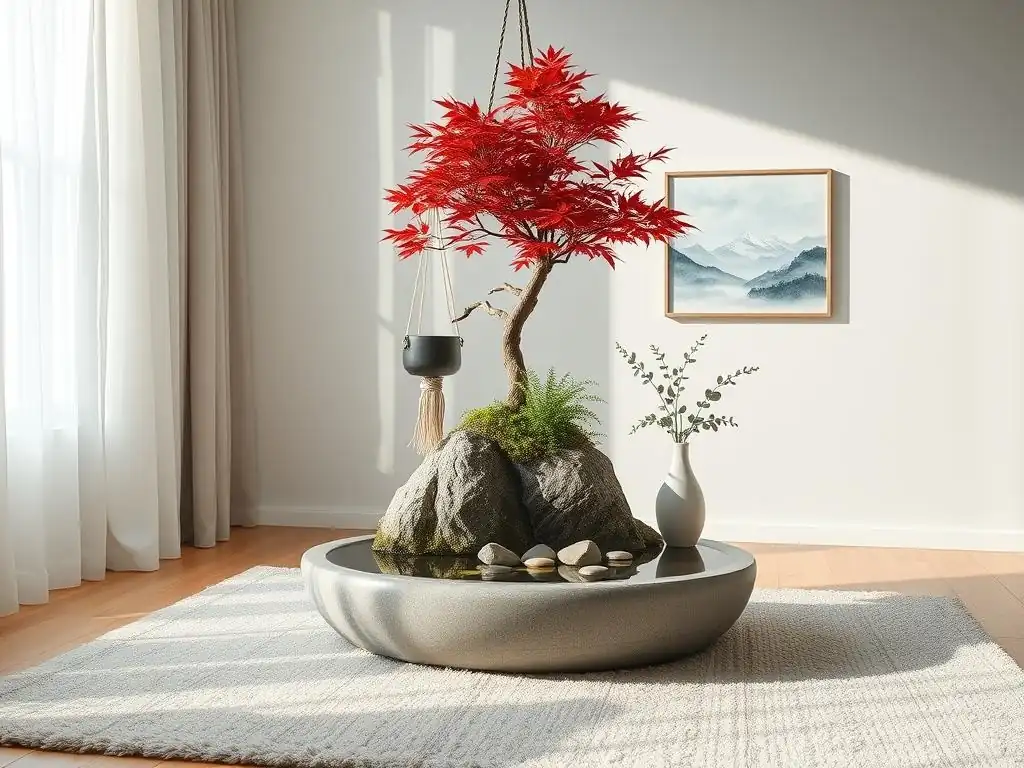
Bringing elements of nature indoors is a well-documented way to enhance wellbeing and is a cornerstone of creating peaceful home environment. The concept of biophilia suggests that humans have an innate need to connect with nature, and fulfilling this need can reduce stress, improve mood, and increase cognitive function. Simple additions like houseplants can purify the air, add visual appeal, and provide a sense of connection to the living world. Studies have shown that even viewing images of nature can promote recovery from stress.
Beyond live plants, incorporating natural materials like wood, stone, and bamboo into furniture and décor can evoke feelings of grounding and tranquility. Natural light, as discussed earlier, is another vital component. Water features, even small tabletop fountains, can add a soothing auditory element. Positioning furniture to allow views of the outdoors, or using natural textures in fabrics and rugs, all contribute to creating a space that feels more connected to the calming influence of the natural world, reinforcing the principles of creating peaceful home environment.
Sound Management: Minimizing Noise and Maximizing Serenity
The soundscape of our home significantly impacts our ability to feel peaceful and relaxed. Constant exposure to disruptive noise – whether from traffic, neighbors, or household appliances – can elevate stress levels and interfere with sleep, concentration, and overall wellbeing. Effective sound management is therefore essential in creating peaceful home environment. This can involve practical steps like sealing gaps around windows and doors, using heavy curtains or rugs to absorb sound, or strategically placing furniture to create noise buffers.
Conversely, introducing soothing sounds can enhance the sense of serenity. Gentle background music, nature sounds (like rain or ocean waves), or even the quiet hum of a fan can help mask disruptive noises and create a calming auditory environment. Designing specific quiet zones within the home, where noise is actively minimized, provides dedicated spaces for relaxation, meditation, or focused work. Paying attention to the sounds in your environment and taking steps to manage them is a crucial, yet often overlooked, aspect of creating a truly peaceful home environment.
Designing Specific Areas for Tranquility and Mindfulness
Creating a Meditation Space: A Dedicated Area for Inner Reflection
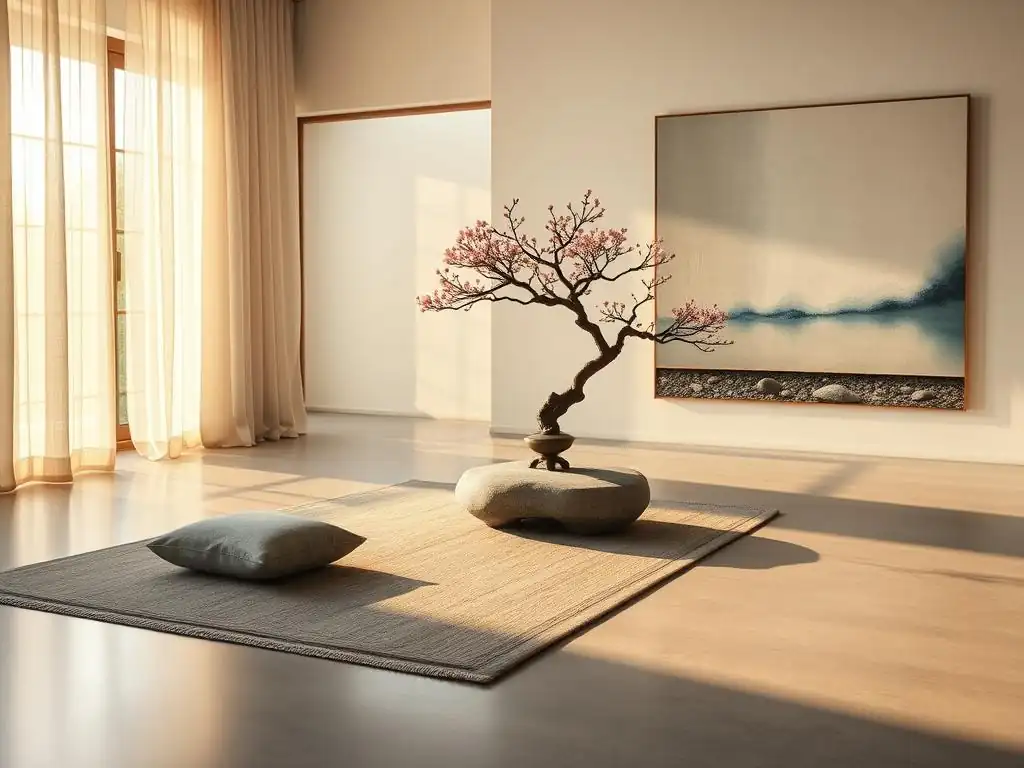
Designating a specific area for meditation or quiet contemplation is a powerful way to integrate mindfulness into your daily life and solidify the concept of creating peaceful home environment. This space doesn't need to be large; even a small corner can be transformed into a personal sanctuary. The key is to make it inviting, comfortable, and free from distractions. Choose a spot that is relatively quiet and where you feel a sense of calm.
Outfit your meditation space with elements that support your practice. This might include a comfortable cushion or bench for sitting, soft lighting (perhaps a lamp with a warm glow or natural light), and perhaps a small table for meaningful objects like a candle, incense, or a small plant. Keeping this area tidy and dedicated solely to quiet reflection helps train your mind to associate the space with peace and mindfulness, making it easier to drop into a meditative state and reinforcing its role in creating peaceful home environment.
Transforming Your Bedroom into a Sleep Sanctuary: Promoting Restful Sleep
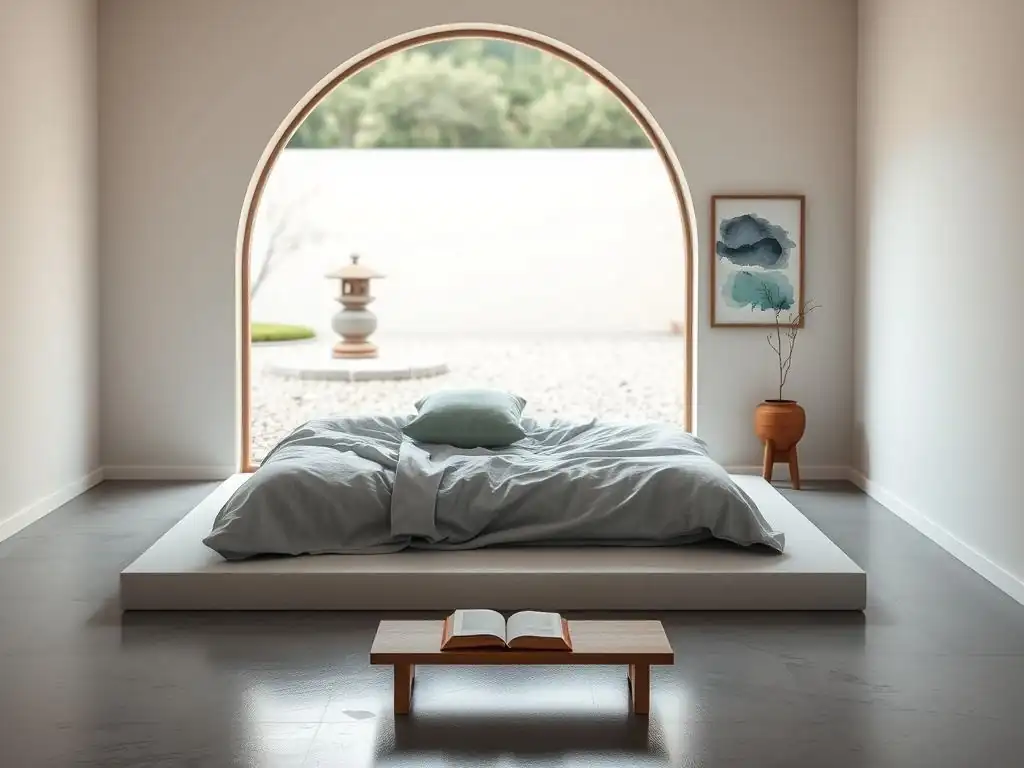
Given that we spend roughly a third of our lives sleeping, transforming the bedroom into a sleep sanctuary is paramount for overall wellbeing and a critical component of creating peaceful home environment. The bedroom's primary function should be rest and relaxation. Start by minimizing electronics and screens, as the blue light they emit can interfere with melatonin production and disrupt sleep cycles. Aim for a cool, dark, and quiet environment. Blackout curtains can be highly effective in blocking external light, and earplugs or a white noise machine can help mitigate noise.
Focus on comfort with quality bedding and pillows. The color scheme should be calming, favoring blues, greens, or soft neutrals. Ensure the space is clutter-free to promote mental quiet before sleep. The temperature is also crucial; most sleep experts recommend a room temperature between 60-67°F (15-19°C) for optimal sleep. By intentionally designing your bedroom for rest, you create a space that supports healthy sleep habits, which in turn positively impacts mood, cognitive function, and physical health, making it a prime example of creating peaceful home environment.
Designing a Relaxing Living Room: Fostering Connection and Calm
The living room often serves as a central hub for relaxation, connection with loved ones, and personal downtime, making its design crucial for creating peaceful home environment. This space should feel comfortable, inviting, and conducive to both quiet relaxation and social interaction. Plush seating, soft throws, and comfortable pillows can enhance feelings of coziness and ease. Consider the layout to facilitate conversation and create clear pathways, reducing visual friction.
Lighting in the living room should be layered, allowing for different moods. Overhead lighting can provide general illumination, while floor and table lamps offer softer, ambient light for relaxation. Incorporating elements like plants, personal art, and comfortable textures adds warmth and personality. The goal is to create an atmosphere where you and your family feel at ease, promoting relaxation and fostering positive interactions, thereby contributing significantly to creating peaceful home environment.
Cultivating a Peaceful Workspace: Enhancing Productivity and Reducing Stress
For many, the home workspace is a source of stress, yet cultivating a peaceful workspace is essential for productivity and mental wellbeing, integrating into the larger goal of creating peaceful home environment. A cluttered or uncomfortable workspace can hinder focus and increase feelings of being overwhelmed. Start by organizing your desk and surrounding area, keeping only necessary items within reach. Storage solutions like drawers, shelves, and file holders can help manage paperwork and supplies.
Ergonomics are key to physical comfort, which impacts mental state; ensure your chair is supportive and your screen is at eye level. Personalize the space with items that bring you joy or inspiration, such as a plant, a favorite piece of art, or a photo. Good lighting, preferably natural light, is also vital for focus and reducing eye strain. By creating a calm, organized, and comfortable workspace, you enhance your ability to concentrate, reduce stress associated with work, and make this necessary area a part of your overall strategy for creating peaceful home environment.
Practical Tips for Designing Your Home for Inner Peace
Choosing Furniture and Décor That Promotes Relaxation and Comfort
Selecting furniture and décor is about more than just aesthetics; it's about choosing items that contribute to the function and feel of creating peaceful home environment. Prioritize comfort, especially for seating areas like sofas and chairs. Look for pieces with soft lines and comfortable materials. Consider the scale of the furniture relative to the room size to avoid making the space feel cramped or overwhelming.
Décor items should be chosen intentionally. Instead of filling every surface, select a few meaningful pieces that evoke positive feelings or memories. Natural materials like wood, cotton, linen, and wool can add warmth and texture, enhancing the sense of comfort and connection to nature. Consider the placement of items to create a sense of flow and balance within the room. The goal is to curate a space that feels personal, comfortable, and calming, directly supporting the intention of creating peaceful home environment.
Utilizing Aromatherapy to Enhance Mood and Reduce Stress
Aromatherapy harnesses the power of scent to influence mood and emotional states, offering a simple yet effective way to enhance the sense of peace in your home environment. Certain essential oils have properties that promote relaxation and reduce stress. Lavender, for example, is widely known for its calming and sleep-inducing effects. Chamomile and bergamot are also popular choices for anxiety relief.
Diffusing essential oils in your living spaces can create a soothing atmosphere. Consider using a diffuser in your meditation space, bedroom, or living room. Be mindful of using high-quality oils and ensure adequate ventilation. Scented candles (preferably made from natural waxes like soy or beeswax) or potpourri with natural scents can also contribute to the desired ambiance. Incorporating intentional scents is a subtle but powerful layer in creating peaceful home environment.
Personalizing Your Space with Meaningful Objects and Art
While decluttering is important, creating peaceful home environment also involves personalizing your space with objects that hold meaning and evoke positive emotions. These could be photographs of loved ones, souvenirs from meaningful trips, handmade items, or pieces of art that resonate with you. These items serve as visual anchors, reminding you of positive experiences, relationships, and values.
Displaying personal items thoughtfully, rather than scattered haphazardly, helps maintain a sense of order while adding warmth and personality. Consider creating a dedicated display area or incorporating items into your décor in a way that feels intentional and curated. Art can also play a significant role; choose pieces that evoke feelings of calm, inspiration, or joy. Surrounding yourself with meaningful objects helps make your house feel like a true home and a personal sanctuary, enhancing the effectiveness of creating peaceful home environment.
Establishing Daily Rituals to Reinforce the Sacredness of Your Space
Creating a peaceful home environment is not a one-time project but an ongoing practice. Establishing daily rituals centered around your space can help reinforce its sacredness and maintain the atmosphere of peace. Simple rituals might include tidying up a specific area each evening, opening windows to let in fresh air each morning, lighting a candle or diffuser at the start of your relaxation time, or spending a few minutes watering your plants mindfully.
These small, consistent actions help maintain order and cleanliness, preventing clutter from accumulating, and signal to your mind that this space is valued and cared for. They also provide moments of mindfulness throughout the day, grounding you in your environment and reinforcing the intention behind creating peaceful home environment. Rituals transform routine tasks into opportunities for connection and appreciation of your sanctuary.
Maintaining Your Sanctuary at Home
Regular Cleaning and Decluttering: Maintaining a Sense of Order
Maintaining the sense of peace in your sanctuary requires consistent effort, and regular cleaning and decluttering are fundamental practices. Clutter can accumulate quickly, and dirt and dust can detract from the feeling of calm and cleanliness essential for creating peaceful home environment. Establishing a routine for cleaning, even if it's just 15-20 minutes daily or a dedicated hour weekly, can prevent tasks from becoming overwhelming.
Decluttering should also be an ongoing process. Instead of waiting for clutter to become noticeable, make it a habit to put things away immediately after use or to do a quick sweep of surfaces each day. Regularly review items in drawers and closets, donating or discarding what is no longer needed. This proactive approach ensures that your space remains a haven, continuously supporting your efforts in creating peaceful home environment.
Conscious Consumption: Preventing Clutter Accumulation
Preventing clutter from accumulating is just as important as clearing it out, and conscious consumption is a key strategy for maintaining a peaceful home environment. Before bringing new items into your home, ask yourself if you truly need them, if they serve a purpose, and if you have space for them. Consider the lifecycle of the item and its potential impact on your living space.
Adopting a mindset of conscious consumption reduces the influx of unnecessary items that can quickly become clutter. Prioritize quality over quantity, choosing items that are durable, meaningful, or truly enhance your life. This approach not only benefits your living space but can also align with broader values of sustainability and intentional living, reinforcing the mindful process of creating peaceful home environment.
Protecting Your Space from Negative Energy: Creating a Positive Atmosphere
While "negative energy" can be interpreted in various ways, the concept here refers to protecting your space from influences that disrupt peace, whether they are physical (like noise or mess) or emotional (like stress from work spilling into your home). Creating a positive atmosphere is about setting boundaries and cultivating positive interactions within your sanctuary, which is vital for creating peaceful home environment.
This might involve establishing rules about leaving work stress at the door, limiting screen time in certain areas, or consciously choosing to engage in positive activities within the space. Cleansing rituals, such as opening windows to air out the space, using uplifting scents, or even metaphorical practices like visualization, can help reset the energy. The intention is to make your home a place where positivity thrives and negativity is minimized, safeguarding your peaceful home environment.
Adapting Your Space to Evolving Needs and Preferences
Life changes, and so too should your sanctuary space. What feels peaceful and functional today may not meet your needs in the future. Regularly assessing how your space is serving you and being willing to adapt it is crucial for maintaining a truly peaceful home environment over time. Perhaps your work situation changes, requiring a different workspace setup, or your family structure evolves, necessitating changes in living areas.
Be flexible and open to rearranging furniture, repurposing rooms, or changing decor as your preferences and lifestyle shift. This adaptability ensures that your home remains a supportive environment for your mental and emotional wellbeing throughout different stages of life. Periodically reflecting on how your space feels and functions allows you to make necessary adjustments, ensuring your efforts in creating peaceful home environment continue to serve you effectively.
Integrating Mindfulness Practices into Your Sanctuary Space
Incorporating Mindfulness Exercises into Daily Life
A peaceful home environment provides an ideal backdrop for integrating mindfulness exercises into your daily routine. Mindfulness is the practice of being present and fully engaged in the current moment, and your sanctuary space can serve as a reminder and facilitator for this. Simple practices like mindful breathing, body scans, or simply paying attention to sensory details in your environment can be done anywhere in your home.
Dedicate a few minutes each day to sit quietly in your sanctuary space, focusing on your breath or observing your surroundings without judgment. Use the peacefulness of your environment to anchor your attention. These small moments of mindful presence, practiced within your carefully designed space, reinforce the connection between your environment and your inner state, deepening the impact of creating peaceful home environment.
Journaling and Self-Reflection Prompts for Personal Growth
Journaling is a powerful tool for self-reflection and emotional processing, and doing so in a peaceful home environment can enhance its benefits. A dedicated journal and pen kept in your sanctuary space serve as an invitation to pause and connect with your inner thoughts and feelings. Use prompts to guide your reflection, such as "What am I grateful for in this moment? ", "What emotions am I currently experiencing? ", or "What does my space help me feel? ".
Writing in a calm and comfortable setting allows for deeper introspection and can help reduce stress and gain clarity. The act of putting thoughts onto paper can be cathartic and provide valuable insights into your mental and emotional landscape. Your sanctuary space becomes a safe container for this vulnerable process, supporting personal growth within the context of creating peaceful home environment.
Mindful Movement Practices: Yoga, Tai Chi, and Stretching
Engaging in mindful movement practices like yoga, Tai Chi, or simple stretching within your peaceful home environment can enhance both physical and mental wellbeing. These practices encourage body awareness, reduce tension, and promote relaxation. Designating a small area in your living room, bedroom, or meditation space where you can comfortably move is beneficial.
Ensure you have enough space to stretch and move freely. Use a comfortable mat or soft flooring. The quiet and calm of your sanctuary space allows you to fully focus on your body's sensations and movements, making the practice more grounding and restorative. Incorporating mindful movement into your routine within your peaceful home environment is a holistic way to care for both your body and mind.
Connecting with Your Values and Intentions for a Meaningful Life
Your sanctuary space can serve as a physical representation and reminder of your values and intentions, helping you live a more meaningful life within your peaceful home environment. Use your space to display items that symbolize what is important to you, whether they are spiritual symbols, reminders of goals, or mementos of cherished relationships.
Take time in your sanctuary to reflect on your values and set intentions for your day or week. This might involve meditation, journaling, or simply quiet contemplation. By aligning your physical space with your inner world, you create an environment that supports your aspirations and helps you stay connected to what truly matters. This intentional connection strengthens the purpose behind creating peaceful home environment.
Creating a Sanctuary on a Budget
DIY Projects for Creating Serene Decor and Accessories
Creating peaceful home environment doesn't require a large budget; many serene décor items and accessories can be made through simple DIY projects. Painting walls yourself in calming colors is often more cost-effective than hiring professionals. Crafting your own wall art using pressed flowers, simple abstract painting techniques, or framed fabric can add personal touches without significant expense.
Sewing or repurposing fabric for cushion covers, throws, or curtains can update existing furniture and add texture and color. Building simple shelves from reclaimed wood or making your own plant hangers can enhance organization and bring nature indoors affordably. These projects not only save money but also offer a sense of accomplishment and allow for greater personalization, making the process of creating peaceful home environment accessible to everyone.
Thrifting and Repurposing Furniture and Décor
Thrifting and repurposing existing furniture and décor are excellent ways to furnish your sanctuary space affordably while adding unique character, contributing effectively to creating peaceful home environment. Look for second-hand furniture pieces at thrift stores, garage sales, or online marketplaces that have good bones but might need a little love. A fresh coat of paint, new hardware, or reupholstering can completely transform a piece.
Similarly, thrift stores are treasure troves for unique décor items like vases, picture frames, mirrors, and lamps. These items can often be purchased for a fraction of their retail price. Repurposing items you already own – like using old jars for storage or turning a scarf into wall art – also adds personal flair and saves money. This approach makes creating peaceful home environment achievable regardless of financial constraints.
Utilizing Free Natural Resources for Decoration and Ambiance
Nature offers a wealth of free resources that can be used to enhance the decoration and ambiance of your sanctuary space, aligning perfectly with the goal of creating peaceful home environment. Stones, shells, and driftwood collected from walks in nature can be displayed in bowls or on shelves, bringing a touch of the outdoors inside. Pinecones, acorns, or dried leaves can be used for seasonal decorations.
Clippings from your garden or foraged branches can be placed in vases to add greenery and life. Even simply opening windows to let in fresh air and natural sounds is a free way to improve the environment. Focusing on these natural elements not only costs nothing but also reinforces the connection to nature, which is inherently calming and beneficial for mental wellbeing, making it a simple yet powerful aspect of creating peaceful home environment.
Prioritizing What Truly Matters to Your Wellbeing and Happiness
Ultimately, creating peaceful home environment on a budget is about prioritizing what truly matters for your wellbeing and happiness, rather than focusing on expensive trends or perfect aesthetics. Identify the elements that are most important for your sense of peace – whether it's reducing clutter, having a quiet corner, or surrounding yourself with natural elements.
Invest your limited resources (time, money, energy) into those priorities first. Perhaps a comfortable reading chair is more important than expensive wall art, or blackout curtains are more crucial than new throw pillows. By focusing on the core needs that contribute to your feeling of peace and comfort, you can create a meaningful sanctuary space that genuinely supports your wellbeing without breaking the bank, embodying the spirit of creating peaceful home environment.
Conclusion: Embracing the Journey to a More Peaceful and Balanced Life Through Intentional Space Design
Creating a peaceful home environment is a continuous journey, not a final destination. It involves intentional choices about how we arrange, maintain, and interact with our living spaces. By understanding the profound connection between our environment and our mental and emotional wellbeing, we can transform our homes into true sanctuaries that nurture inner peace and support a balanced life.
From the foundational steps of decluttering and optimizing light to the thoughtful integration of nature and personal touches, each element contributes to a space that feels calm, safe, and restorative. Embracing this process is an act of self-care, a commitment to creating a physical environment that reflects and supports our desire for tranquility. As you continue on this path of creating peaceful home environment, remember that small, consistent efforts yield significant results, leading you towards a more peaceful and balanced existence, one intentional design choice at a time.
Frequently Asked Questions
How does a peaceful home environment contribute to mental well-being?
A peaceful home environment reduces stress and anxiety, allowing for better emotional regulation. It fosters a sense of safety and security, crucial for mental health.
What are some key elements to consider when designing a peaceful home environment?
Consider decluttering and organization, incorporating natural elements like plants and light, and establishing designated relaxation zones.
How can color and lighting impact the overall atmosphere of a home?
Soothing colors like blues and greens can promote calmness and relaxation. Natural light is vital, and soft, warm lighting can reduce eye strain and tension.
What are some simple and affordable ways to create a more peaceful home without a complete renovation?
Start with decluttering one area at a time. Add plants and essential oil diffusers. Incorporate soft textiles and cozy seating for comfort.
How can I minimize noise pollution in my home to promote inner peace?
Use sound-absorbing materials like rugs and curtains. Invest in noise-canceling devices. Establish quiet times and zones in the home.
Final Reflection: Cultivating Sanctuary in the Everyday
The pursuit of inner peace is no longer a luxury; it's a necessity in our increasingly frenetic world. Creating a peaceful home environment isn't just about aesthetics; it's about consciously designing a space that nurtures your mind, body, and spirit, allowing you to thrive amidst the chaos. This article has explored practical strategies to transform your home into a sanctuary, a place where you can consistently reconnect with yourself and find solace.
The impact of our surroundings on our well-being is profound and often underestimated. We spend a significant portion of our lives within the confines of our homes, and the energy of that space directly influences our emotional and mental state. As the ancient proverb states, The house is a reflection of the soul.
This resonates deeply with me, as I've personally experienced the transformative power of intentional design in creating a more peaceful and harmonious life. The simple act of decluttering, incorporating natural elements, and infusing calming colors has had a ripple effect, extending beyond my home to improve my relationships and overall sense of well-being.
Now, I invite you to consider your own home. What elements bring you joy and tranquility? What needs to be released to make space for peace? Take the principles explored in this article – mindful decluttering, the power of natural light, the use of calming colors and textures – and begin to consciously shape your environment to reflect your inner landscape. Remember, creating a peaceful home environment is an ongoing journey, not a destination. Embrace the process, and watch as your sanctuary unfolds, bringing you a deeper sense of calm and inner peace.
Unlock Your Inner Sanctuary: Design a Peaceful Space Today!
We hope you found practical insights in this article on creating sacred space for inner peace. You've taken a significant step towards a more mindful and tranquil life. Now it's time to put your newfound knowledge into action!
- Designate a peaceful corner: Start small! Choose a quiet spot in your home and dedicate it to relaxation and reflection. Even 5 minutes a day in this space can make a profound difference.
- Incorporate sensory elements: Think about the sights, sounds, and smells that bring you peace. Could you add a plant, a calming aroma, or soft music to your chosen space? Experiment and see what resonates with you!
- Share your sanctuary journey: Tell us about your experience creating your peaceful haven! Share a photo or describe your favorite element in the comments below – let's inspire each other!
What small change will you make today to enhance the peace and tranquility in your home?