
Cultivating Mindfulness: Your Path to a Balanced Lifestyle

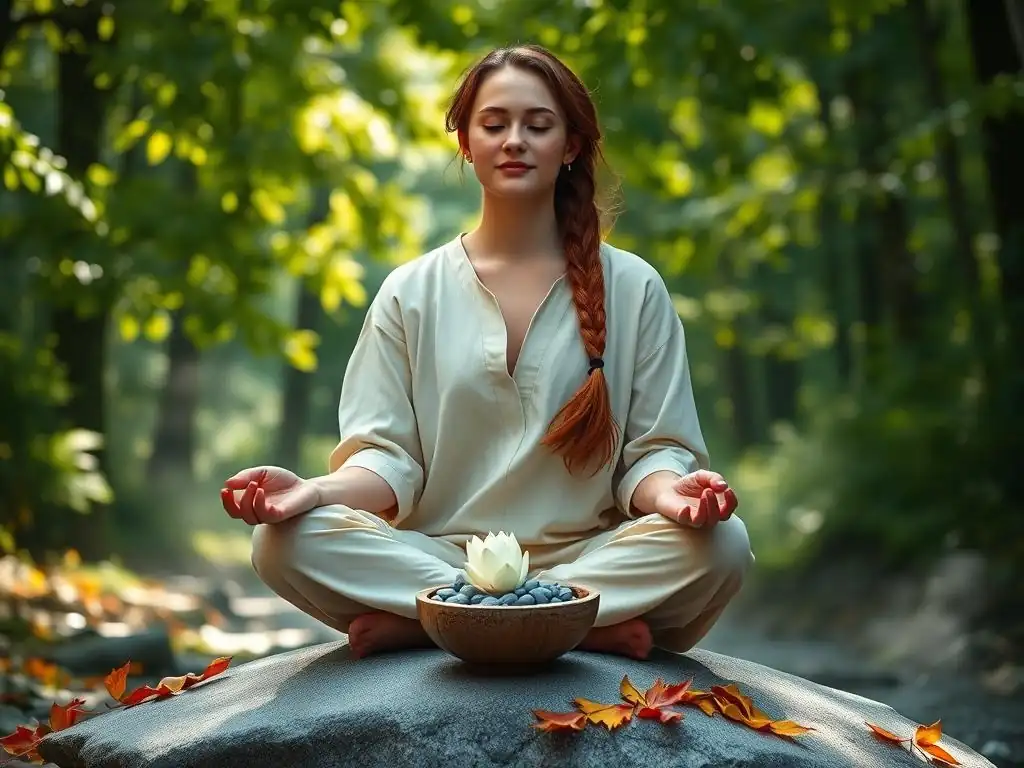
Welcome to Mind Care Guide, where we understand the journey to mental well-being can feel overwhelming. Are you seeking a calmer, more centered you? Cultivating Mindfulness is a powerful tool, and in this article, we explore its transformative potential for better mental health. Discover practical techniques and insightful strategies to weave mindfulness into your daily life and begin your path to a balanced lifestyle. Intrigued? Let's delve deeper.
Cultivating Mindfulness: Your Path to a Balanced Lifestyle
- Understanding Mindfulness for Better Mental Health
- Integrating Mindfulness into Your Daily Routine
- Practical Mindfulness Techniques for Improved Mental Health
- Overcoming Challenges in Your Mindfulness Journey
- Advanced Mindfulness Practices for Deeper Well-being
- Mindfulness and Long-Term Mental Health: Building Resilience
- Resources for Continued Mindfulness Practice
- Achieving a Balanced Lifestyle Through Mindful Living
-
Frequently Asked Questions
- What is mindfulness and how does it relate to mental well-being?
- How can practicing mindfulness contribute to a more balanced lifestyle?
- What are some simple mindfulness exercises I can start with today?
- Is mindfulness a replacement for professional mental health treatment?
- Where can I find resources and support to learn more about mindfulness for better mental health?
- Final Reflection: The Enduring Power of Mindfulness
- Unlock Your Inner Calm: Start Your Mindfulness Journey Today!
Understanding Mindfulness for Better Mental Health
What is Mindfulness? A Concise Explanation
Mindfulness is the practice of intentionally bringing one's attention to the present moment without judgment. It involves observing thoughts, feelings, bodily sensations, and the surrounding environment with open curiosity and acceptance. This simple yet profound practice is not about emptying the mind or achieving a state of bliss, but rather about developing a non-reactive awareness of whatever is happening, moment by moment. At its core, mindfulness is about learning to be fully present in your life, rather than being lost in thoughts about the past or worries about the future.
Developing this present-moment awareness is a fundamental aspect of improving mental well-being. It helps individuals step out of automatic pilot mode and respond to situations more thoughtfully, rather than reacting impulsively. By cultivating mindfulness, we train our minds to notice the richness of everyday experiences and to recognize thought patterns without getting swept away by them. This enhanced awareness is a key step toward achieving greater emotional balance and a deeper understanding of oneself.
The Benefits of Mindfulness for Mental Well-being: A Research Overview
Extensive research highlights the significant benefits of mindfulness for better mental health. Studies have shown its efficacy in reducing symptoms of anxiety and depression. For instance, meta-analyses of numerous studies indicate that mindfulness-based interventions can lead to a moderate reduction in anxiety and depression symptoms, comparable in some cases to pharmacological treatments for mild to moderate conditions. This suggests that regular mindfulness practice can provide a valuable complementary approach to traditional mental health care.
Beyond symptom reduction, mindfulness practice has been linked to increased self-compassion, improved emotional regulation, and enhanced cognitive function, such as better attention and working memory. Research using neuroimaging techniques has even shown that consistent mindfulness meditation can lead to structural and functional changes in the brain, particularly in areas associated with self-awareness, compassion, and fear regulation, like the prefrontal cortex and amygdala. These findings provide a neurological basis for the observed psychological improvements, underscoring the transformative potential of cultivating mindfulness for overall mental well-being.
Mindfulness and Meditation: Distinctions and Overlaps
While often used interchangeably, mindfulness and meditation are related but distinct concepts. Mindfulness is the state of present-moment awareness, an ongoing quality of consciousness that can be cultivated. Meditation is a practice, often involving specific techniques like focusing on the breath or body sensations, used to cultivate mindfulness. Think of mindfulness as the destination or the quality of being, and meditation as one of the primary vehicles used to get there.
Many meditation practices, such as Vipassana or walking meditation, are explicitly designed to enhance mindfulness. However, mindfulness can also be practiced informally throughout the day without formal meditation, such as by mindfully washing dishes or listening attentively to a conversation. The key overlap is that meditation serves as a structured training ground for developing the skill of mindfulness, making it easier to bring that quality of awareness into all aspects of life. Both are valuable tools on the path to achieving mindfulness for better mental health.
Integrating Mindfulness into Your Daily Routine
Morning Mindfulness: Setting Intentions for the Day
Starting your day with mindfulness can significantly impact your overall mental state. Even a few minutes dedicated to mindful breathing or a short body scan before getting out of bed can set a positive tone. This practice helps ground you in the present moment before the day's demands begin, reducing the likelihood of starting off feeling rushed or overwhelmed. It's an opportunity to gently transition from sleep to wakefulness with conscious awareness.
Setting an intention for the day is also a powerful aspect of morning mindfulness. This isn't about creating a rigid to-do list, but rather choosing a quality or attitude to embody, such as patience, kindness, or focus. For example, you might set the intention "Today, I will approach challenges with patience." This mindful intention serves as a gentle guide throughout the day, helping you return to a desired state of being when faced with difficulties and reinforcing the practice of mindfulness for better mental health.
Mindful Eating: Enhancing Awareness and Appreciation of Food
Mindful eating involves paying full attention to the experience of eating and drinking, both inside and outside the body. This means noticing the colors, smells, textures, and tastes of your food, as well as recognizing physical hunger and fullness cues. In a world where meals are often consumed quickly and distractedly, mindful eating invites you to slow down and truly connect with the nourishment you are receiving.
Practicing mindful eating can improve digestion, help regulate appetite, and increase the pleasure derived from food. It also fosters a healthier relationship with eating, moving away from restrictive dieting or emotional eating patterns. For instance, before taking a bite, you might pause to notice the food's appearance and aroma. As you chew, pay attention to the texture and evolving flavors. This simple act of bringing awareness to the meal transforms it from a routine task into a rich, sensory experience, contributing to overall well-being and mindful living.
Mindful Movement: Connecting Body and Mind Through Activity
Mindful movement is about bringing conscious awareness to physical activity, whether it's walking, stretching, yoga, or even household chores. Instead of viewing exercise solely as a means to an end (like weight loss or fitness goals), mindful movement emphasizes the process itself – paying attention to bodily sensations, the rhythm of breathing, and the connection between mind and body.
Engaging in mindful movement helps release physical tension and quiet mental chatter. It can be as simple as taking a walk and focusing on the sensation of your feet hitting the ground, the swing of your arms, and the feeling of air on your skin. This practice enhances body awareness and can make physical activity more enjoyable and sustainable. Integrating mindful movement into your routine supports both physical health and the cultivation of mindfulness for better mental health.
Mindfulness at Work: Improving Focus and Reducing Stress
The workplace can be a significant source of stress, but mindfulness techniques can help navigate its challenges more effectively. Simple practices like taking a few mindful breaths before a meeting, focusing completely on one task at a time, or practicing mindful listening during conversations can enhance concentration and reduce feelings of being overwhelmed.
Mindfulness at work isn't about adding another task; it's about how you approach the tasks you already have. For example, when feeling stressed by deadlines, a brief pause to notice your breath and the physical sensations of stress can create a small space between the feeling and your reaction. This allows for a more considered response, rather than a reactive one. Cultivating mindfulness in the professional sphere leads to improved focus, reduced stress, and better overall mental well-being.
Evening Mindfulness: Preparing for Rest and Relaxation
Wind down your day mindfully to promote better sleep and mental restoration. This can involve a short evening meditation, reflecting on the day's experiences without judgment, or engaging in a relaxing activity like reading or taking a bath with full presence. The goal is to transition from the day's activities to rest with awareness and ease.
An evening mindfulness practice can help process thoughts and emotions that arose during the day, preventing them from churning in your mind at night. A simple body scan meditation in bed, noticing sensations from head to toe, can release physical tension and prepare the body for sleep. By consciously letting go of the day's worries and focusing on the present moment of relaxation, you create optimal conditions for restful sleep, an essential component of mindfulness for better mental health.
Practical Mindfulness Techniques for Improved Mental Health
Breath Awareness: Anchoring Yourself in the Present
Focusing on the breath is one of the most fundamental and accessible mindfulness techniques. The breath is always happening in the present moment, making it a perfect anchor for awareness. Simply pay attention to the physical sensations of breathing: the rise and fall of the abdomen or chest, the feeling of air entering and leaving the nostrils, the temperature difference between the inhale and exhale.
When your mind wanders, which it inevitably will, gently notice where it went and then guide your attention back to the breath without judgment. This gentle redirection is the core practice – it's not about not having thoughts, but about noticing them and choosing to return to the present anchor. Practicing breath awareness for even a few minutes daily can significantly improve focus and reduce reactivity, supporting your journey toward mindfulness for better mental health.
Body Scan Meditation: Cultivating Awareness of Physical Sensations
A body scan meditation involves systematically bringing your attention to different parts of your body, noticing any sensations present without trying to change them. You might start with the toes, then move up through the feet, ankles, legs, torso, arms, and finally the head. The aim is simply to observe, accepting whatever is there – whether it's warmth, tingling, tension, or absence of sensation.
This practice enhances interoceptive awareness, your ability to sense what's happening inside your body. Improved body awareness can help you recognize signs of stress or emotion as they manifest physically, allowing you to address them mindfully before they become overwhelming. Regular body scans can reduce physical tension and promote relaxation, making it a valuable technique for cultivating mindfulness for better mental health.
Loving-Kindness Meditation: Fostering Compassion and Acceptance
Loving-Kindness Meditation, or Metta, is a practice focused on cultivating feelings of warmth, compassion, and kindness towards oneself and others. It typically involves silently repeating phrases that express goodwill, such as "May I be happy," "May I be healthy," "May I be safe," "May I live with ease." These phrases are often directed first towards oneself, then loved ones, neutral people, difficult people, and finally towards all beings.
This practice actively counteracts negative self-talk and judgment, fostering a more compassionate inner dialogue. Research suggests that regular Metta practice can increase positive emotions and decrease negative ones, including self-criticism. By intentionally cultivating kindness, you build resilience and improve your relationships, both internal and external, significantly enhancing mindfulness for better mental health.
Walking Meditation: Transforming Movement into Mindfulness
Walking meditation integrates mindfulness into the simple act of walking. Instead of walking as a means to get somewhere, the focus is entirely on the experience of walking itself. This involves paying attention to the physical sensations: the lifting of the foot, the movement of the leg, the placement of the foot on the ground, the shift of weight.
This practice can be done anywhere – indoors or outdoors. It helps ground you when you feel restless and provides an opportunity to practice mindfulness while engaged in activity. By bringing awareness to the physical process of walking, you can break free from habitual rumination or planning, fostering a sense of presence and connection to your body and environment. Walking meditation is an accessible way to integrate mindful living into your day and support your mental well-being.
Mindful Listening: Improving Communication and Empathy
Mindful listening is about giving your full, undivided attention to another person when they are speaking. It involves listening not just to the words, but also to the tone of voice, body language, and the emotions being conveyed, without interrupting or formulating your response while the other person is still talking.
This practice requires setting aside your own thoughts, judgments, and distractions to truly be present with the speaker. It enhances communication by making the other person feel heard and understood, strengthening connections and fostering empathy. Practicing mindful listening in conversations improves relationships and brings a quality of presence to interactions, contributing to overall mindful living and improved mental well-being.
Overcoming Challenges in Your Mindfulness Journey
Managing Distractions During Meditation
It's completely normal for the mind to wander during meditation; in fact, noticing that your mind has wandered is a key part of the practice. The challenge isn't to eliminate distractions, but to learn how to work with them skillfully. When you notice your mind drifting to thoughts about the past, future, or unrelated topics, simply acknowledge the thought without judgment – perhaps label it gently as "thinking" – and then guide your attention back to your chosen anchor, like the breath.
Approaching distractions with patience and curiosity, rather than frustration, is crucial. Each time you notice your mind has wandered and gently bring it back, you are strengthening the "muscle" of attention. It's helpful to remember that a "good" meditation isn't one where you have no thoughts, but one where you consistently practice the skill of returning to the present moment. This persistent, gentle effort is fundamental to cultivating mindfulness for better mental health.
Working with Difficult Emotions Mindfully
Mindfulness teaches us to approach difficult emotions with awareness and acceptance, rather than avoidance or suppression. When uncomfortable feelings like sadness, anger, or fear arise, the practice is to acknowledge them, perhaps naming the emotion ("This is sadness"), and allowing yourself to feel the physical sensations associated with it without getting lost in the story about the emotion.
This doesn't mean condoning or wallowing in difficult emotions, but rather creating space to experience them without immediate reaction. You might notice where in your body the emotion is felt most strongly and simply breathe with that sensation. By practicing this, you learn that emotions are temporary and do not define you. This capacity to be present with difficulty is a powerful aspect of mindful living and essential for improving mental well-being.
Cultivating Patience and Consistency in Your Practice
Building a consistent mindfulness practice takes patience and perseverance. It's easy to get discouraged if meditation doesn't immediately feel peaceful or if you miss a day or two. Remember that mindfulness is a skill, and like any skill, it improves with regular practice over time, not overnight. Expecting immediate, dramatic results can lead to frustration.
Aim for consistency rather than perfection. Even practicing for 5-10 minutes daily is more beneficial than sporadic longer sessions. If you miss a day, simply acknowledge it without self-criticism and start again the next day. Cultivating patience with the process and celebrating small increments of progress are key to establishing a sustainable mindfulness practice and reaping its long-term benefits for mental well-being.
Addressing Self-Criticism with Self-Compassion
Many people embarking on a mindfulness journey encounter a strong inner critic. When the mind wanders, or meditation feels difficult, self-critical thoughts ("I'm bad at this," "My mind is too busy") can arise. Mindfulness for better mental health involves recognizing these thoughts without getting caught up in them and actively countering them with self-compassion.
Self-compassion is treating yourself with the same kindness, understanding, and acceptance you would offer a friend who is struggling. When you notice self-criticism, you can gently acknowledge it ("Ah, there's the critic") and then consciously shift your internal dialogue to one of kindness ("It's okay, this is challenging, just keep going"). Practices like Loving-Kindness Meditation directed towards oneself are particularly helpful here. Developing self-compassion is a vital complement to mindfulness, fostering a nurturing inner environment.
Advanced Mindfulness Practices for Deeper Well-being
Insight Meditation (Vipassana): Cultivating Awareness and Understanding
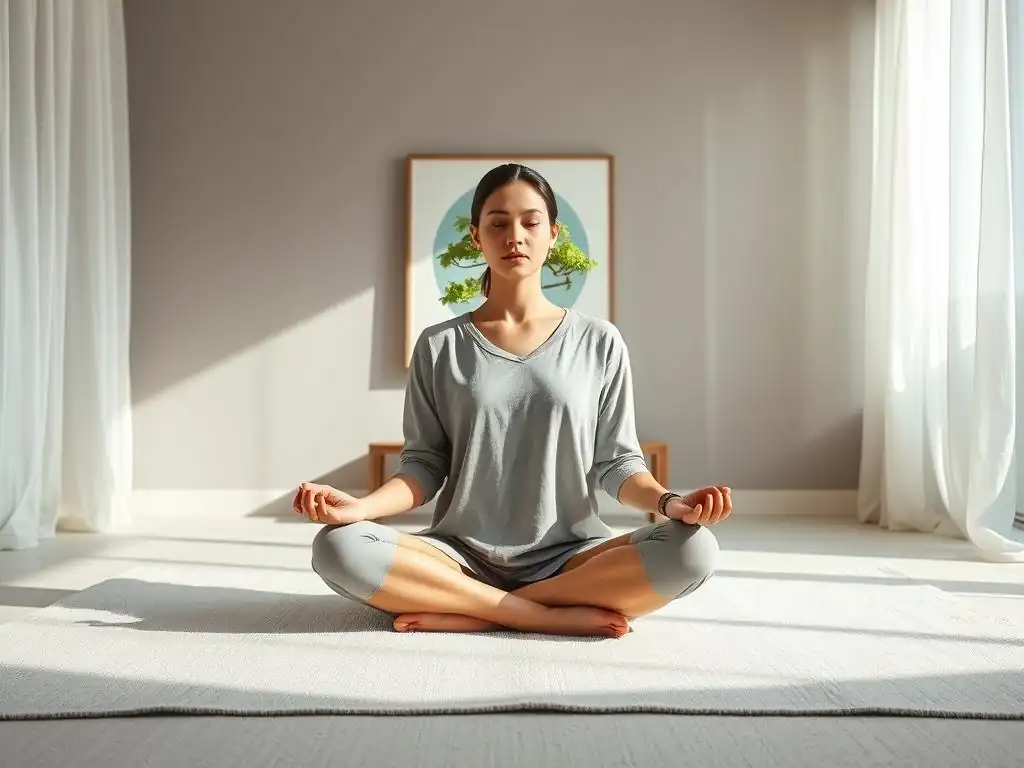
Insight Meditation, or Vipassana, is a traditional practice aimed at developing deep insight into the nature of reality, particularly the impermanence of all phenomena, the unsatisfactory nature of clinging, and the non-self. While breath awareness is often the starting point, Vipassana expands to observing the flow of thoughts, emotions, and physical sensations as they arise and pass away, recognizing their transient nature.
This practice moves beyond simple concentration to cultivate a clear, non-judgmental understanding of one's inner and outer experience. By observing phenomena without attachment, practitioners can gain profound insights into their habitual patterns of mind and develop freedom from reactive behaviors driven by craving or aversion. Regular Vipassana practice is a powerful path towards deeper self-understanding and cultivating mindfulness for better mental health on a foundational level.
Mindfulness-Based Stress Reduction (MBSR): A Structured Approach
Mindfulness-Based Stress Reduction (MBSR) is an evidence-based 8-week program developed by Jon Kabat-Zinn. It integrates intensive mindfulness meditation practice, body awareness, and gentle yoga to help participants reduce stress, anxiety, and chronic pain. The program typically involves weekly group sessions lasting 2.5 hours, a full-day retreat, and daily home practice assignments (around 45 minutes per day).
Research consistently shows that participants completing an MBSR program report significant reductions in perceived stress levels, often by 30% or more, and improvements in overall quality of life. It provides a structured, comprehensive framework for learning and applying mindfulness techniques to navigate life's challenges more effectively. MBSR is a widely recognized and effective method for cultivating mindfulness for better mental health and building resilience.
Mindfulness in Relationships: Enhancing Connection and Communication
Bringing mindfulness into relationships involves being fully present and attentive when interacting with others. This includes mindful listening, as discussed earlier, but also extends to being aware of your own thoughts, feelings, and reactions during communication, and responding thoughtfully rather than reacting automatically.
Mindful presence in relationships fosters deeper connection, reduces conflict stemming from misunderstandings, and enhances empathy. It allows you to appreciate the other person more fully and respond to challenges with greater patience and understanding. For example, pausing to take a mindful breath before responding to a partner's comment can prevent a hasty, reactive argument. Practicing mindfulness in relationships is a powerful way to extend the benefits of mindful living beyond individual practice.
Mindfulness and Emotional Regulation: Developing Resilience
Mindfulness is a cornerstone of emotional regulation. By cultivating awareness of emotions as they arise, without judgment, you develop the capacity to observe feelings without being overwhelmed or controlled by them. This allows for a more conscious choice in how to respond to emotional states.
Techniques like acknowledging emotions ("This is anger") and observing their physical sensations help to "de-fuse" from intense feelings. Over time, this practice weakens the link between an emotion and an automatic, often unhelpful, reaction. Studies show that mindfulness training improves emotional regulation skills, leading to increased emotional resilience and a greater ability to navigate life's ups and downs with equanimity. This is a crucial benefit of cultivating mindfulness for better mental health.
Mindfulness and Long-Term Mental Health: Building Resilience
Mindfulness for Anxiety: Reducing Worry and Fear
Mindfulness offers powerful tools for managing anxiety. Anxiety often involves excessive worry about future events. Mindfulness brings attention back to the present moment, where anxiety typically does not exist. Techniques like breath awareness provide an anchor when the mind is racing with anxious thoughts.
By observing anxious thoughts and physical sensations without judgment, individuals can learn to recognize anxiety without being consumed by it. Instead of trying to push anxiety away, which often intensifies it, mindfulness teaches how to be present with the discomfort, observing its transient nature. This practice can significantly reduce the frequency and intensity of anxious episodes, helping individuals cultivate mindfulness for better mental health and regain a sense of control.
Mindfulness for Depression: Fostering Hope and Well-being
Mindfulness-Based Cognitive Therapy (MBCT), which integrates mindfulness with principles of cognitive therapy, has shown significant effectiveness in preventing relapse in individuals with recurrent depression. Depression often involves rumination about the past and negative self-talk. Mindfulness helps individuals step out of these habitual thought patterns by bringing awareness to the present moment.
Practices like the body scan can help reconnect individuals with their physical experience, counteracting the feeling of disconnection often present in depression. Loving-Kindness Meditation can help challenge negative self-views and foster self-compassion. While not a standalone cure, integrating mindfulness into a treatment plan can provide valuable tools for managing depressive symptoms, fostering a greater sense of presence, and supporting the journey toward improved mental well-being.
Mindfulness for Stress: Cultivating Calm and Resilience
Stress is a ubiquitous part of modern life, and mindfulness is one of the most widely recognized tools for managing it effectively. Stress often arises from feeling overwhelmed by demands and feeling unable to cope. Mindfulness helps by changing our relationship to stress, rather than eliminating stressors.
By practicing present-moment awareness, individuals can identify stress triggers more easily and notice the early signs of stress in the body and mind. Techniques like mindful breathing provide immediate ways to interrupt the stress response. Regular practice builds resilience, enabling individuals to face stressful situations with greater calm and clarity, reducing the negative impact of chronic stress on both physical and mental health. Cultivating mindfulness is key to building resilience against stress.
Mindfulness and Trauma: Supporting Healing and Recovery
Mindfulness practices, when introduced carefully and appropriately, can be a valuable component in trauma recovery. Trauma can leave individuals feeling disconnected from their bodies or overwhelmed by intense emotions and memories. Mindfulness can help individuals gradually and safely increase their capacity to be present with their internal experience.
Trauma-informed mindfulness approaches emphasize gentle, choice-based practices, allowing individuals to regulate their engagement and avoid re-traumatization. Techniques like grounding exercises (focusing on physical sensations like the feet on the ground) can help individuals feel safer and more connected to the present. While working with trauma requires the guidance of trained professionals, integrating mindful awareness in a safe context can support the healing process and contribute to long-term mental well-being.
Resources for Continued Mindfulness Practice
Guided Mindfulness Meditations: Recommended Apps and Platforms
Guided meditations are an excellent way to start or deepen a mindfulness practice, providing instructions and structure. Numerous apps and online platforms offer a wide variety of guided meditations, ranging from a few minutes to longer sessions, covering different themes like stress reduction, sleep, or compassion. Popular options include Headspace, Calm, Ten Percent Happier, and Insight Timer (which offers a vast library of free guided meditations from various teachers).
These platforms often provide structured courses or daily practices that can help establish a consistent routine. They make the practice accessible anywhere, anytime, supporting individuals in cultivating mindfulness for better mental health on a regular basis. Exploring different teachers and styles can help you find what resonates best with you.
Mindfulness Retreats and Workshops: Finding Opportunities for Deeper Practice
For those wishing to immerse themselves more deeply in mindfulness practice, attending retreats or workshops can be transformative. Mindfulness retreats typically involve periods of silence, guided meditations, mindful walking, and sometimes talks on mindfulness principles. They offer an opportunity to step away from daily distractions and dedicate focused time to practice.
Workshops and courses, like the MBSR program mentioned earlier, provide structured learning environments to understand the principles and techniques of mindfulness in depth. These intensive experiences can solidify understanding, deepen practice, and provide a supportive community. Participating in a retreat or workshop can significantly accelerate your progress in cultivating mindful living.
Books and Articles on Mindfulness and Mental Health: A Curated List
Reading is another valuable resource for understanding the theory and practice of mindfulness and its impact on mental health. There are many influential books that offer guidance, scientific background, and practical exercises. Some foundational texts include "Wherever You Go, There You Are" by Jon Kabat-Zinn, which provides accessible practices, and "Mindfulness: An Eight-Week Plan for Finding Peace in a Frantic World" by Mark Williams and Danny Penman, which is based on MBCT principles.
Numerous articles and research papers are also available online (often accessible through university or public library databases) detailing the scientific evidence supporting the benefits of mindfulness for conditions like anxiety, depression, and stress. Exploring these resources can deepen your understanding and inspire your commitment to a regular mindfulness practice for improved mental well-being.
Achieving a Balanced Lifestyle Through Mindful Living
The Integration of Mindfulness, Nutrition, and Physical Activity
Achieving a truly balanced lifestyle involves recognizing the interconnectedness of mind, body, and spirit. Mindfulness acts as a bridge, enhancing awareness in other health-promoting areas like nutrition and physical activity. Mindful eating helps you make healthier choices and enjoy food more, while mindful movement makes exercise more enjoyable and helps you listen to your body's needs.
When practiced together, mindfulness, good nutrition, and regular physical activity create a powerful synergy. For example, mindfulness can help you notice emotional eating triggers (linking mind to nutrition) or recognize when your body needs rest versus activity (linking mind to movement). This integrated approach fosters holistic well-being, where cultivating mindfulness supports healthy habits in all aspects of life for better mental health.
Building a Supportive Community for Your Mindfulness Practice
Connecting with others who are also practicing mindfulness can provide encouragement, shared learning, and a sense of community. This could involve joining a local meditation group, participating in online forums, or practicing with a friend or partner. Sharing experiences and challenges with others can normalize difficulties and provide new perspectives.
A supportive community can help you stay motivated and accountable in your practice. Hearing about others' experiences with mindful living can also offer inspiration and practical tips. Building these connections reinforces the idea that cultivating mindfulness for better mental health is a shared journey, not a solitary endeavor.
Sustaining Your Mindfulness Practice for Long-Term Benefits
Sustaining a mindfulness practice over the long term requires dedication and flexibility. Life happens, and there will be days when practice feels difficult or gets missed. The key is to approach these moments with the same non-judgmental awareness you bring to your meditation. Recognize the lapse without self-criticism and simply return to the practice when you can.
Finding ways to integrate mindfulness informally throughout your day – such as mindful walking to work, mindful listening during conversations, or mindful breaks – can help maintain continuity even when formal practice time is limited. Committing to regular, even short, periods of formal practice, combined with informal mindfulness, is essential for reaping the enduring benefits of mindful living for sustained mental well-being.
Mindfulness: A Journey of Self-Discovery and Growth
Ultimately, cultivating mindfulness is more than just a set of techniques; it's a journey of self-discovery and continuous growth. Through dedicated practice, you learn to understand your inner landscape with greater clarity and acceptance. You become more aware of your thoughts, emotions, and patterns, not to judge them, but to relate to them with wisdom and compassion.
This increased self-awareness leads to greater freedom from reactive habits and a deeper connection to your authentic self. As you navigate life's inevitable challenges with mindful presence, you build resilience, cultivate inner peace, and move towards a more balanced and fulfilling lifestyle. Embracing mindfulness for better mental health is an ongoing, enriching path that unfolds over time.
Frequently Asked Questions
What is mindfulness and how does it relate to mental well-being?
Mindfulness is the practice of paying attention to the present moment without judgment. This practice cultivates awareness and acceptance, contributing to improved mental well-being by reducing stress and anxiety.
How can practicing mindfulness contribute to a more balanced lifestyle?
Mindfulness allows you to respond rather than react to stressors. This leads to better emotional regulation and improved decision-making, ultimately fostering a more balanced lifestyle.
What are some simple mindfulness exercises I can start with today?
Begin with mindful breathing, focusing on each inhale and exhale. You can also try body scan meditations to increase awareness of physical sensations, or mindful walking, paying attention to each step.
Is mindfulness a replacement for professional mental health treatment?
No, mindfulness is a complementary practice, not a replacement for professional help. If you are experiencing significant mental health challenges, it's essential to seek guidance from a qualified therapist or psychiatrist.
Where can I find resources and support to learn more about mindfulness for better mental health?
Mind Care Guide offers various resources, including articles, guided meditations, and links to support organizations. You can also find mindfulness apps and workshops online and in your community.
Final Reflection: The Enduring Power of Mindfulness
The pursuit of mindfulness isn't just a fleeting trend; it's a fundamental shift towards a healthier, more balanced existence in a world increasingly demanding our attention. In a society saturated with constant stimulation and relentless pressure, cultivating mindfulness offers a powerful antidote, a refuge from the chaos, and a pathway to genuine well-being. The practices discussed – from mindful breathing to meditation and mindful movement – are not merely techniques, but tools for reclaiming control over our mental and emotional landscapes.
The impact of mindfulness on our cultural landscape is undeniable, slowly but surely shifting the conversation from solely focusing on productivity to embracing well-being. We're seeing a growing recognition of the interconnectedness between mental health and overall quality of life. This shift is profoundly encouraging, a testament to the growing understanding of the power of inner peace. The mind is everything. What you think you become.
– Buddha. This ancient wisdom rings truer than ever in our modern, fast-paced world, reminding us that our internal state profoundly shapes our external reality.
Now, consider your own life. Where can you integrate more mindfulness? Perhaps it's starting with five minutes of mindful breathing each morning, or consciously savoring your meals without the distraction of screens. Maybe it's dedicating time each day to a mindful activity that brings you joy and peace. The journey towards a more mindful life is a personal one, a continuous process of self-discovery and growth. Embrace the challenge, nurture your inner peace, and discover the transformative power of presence. You deserve the serenity and balance that mindfulness offers.
Unlock Your Inner Calm: Start Your Mindfulness Journey Today!
Thanks for taking the time to explore the world of mindfulness with us! We hope you gained valuable insights into cultivating a more balanced and peaceful life. Now it's time to put those insights into action.
Here's how to keep the momentum going:
- Begin your daily mindfulness practice: Even 5 minutes a day can make a profound difference. Start with a simple breathing exercise or guided meditation, and let the feeling of calm wash over you.
- Share your mindfulness journey: Inspire others to prioritize their well-being by sharing this article with friends or family who could benefit from the knowledge. Let's build a supportive community of mindful living together!
- Explore Mind Care Guide's resources: Discover more tools and techniques to deepen your practice by browsing our extensive collection of articles and guides dedicated to helping you cultivate inner peace and balance.
What small step will you take today to nurture your mind and cultivate inner peace?