
The Cumulative Power of Practice: Why Consistency Matters in Stress Management

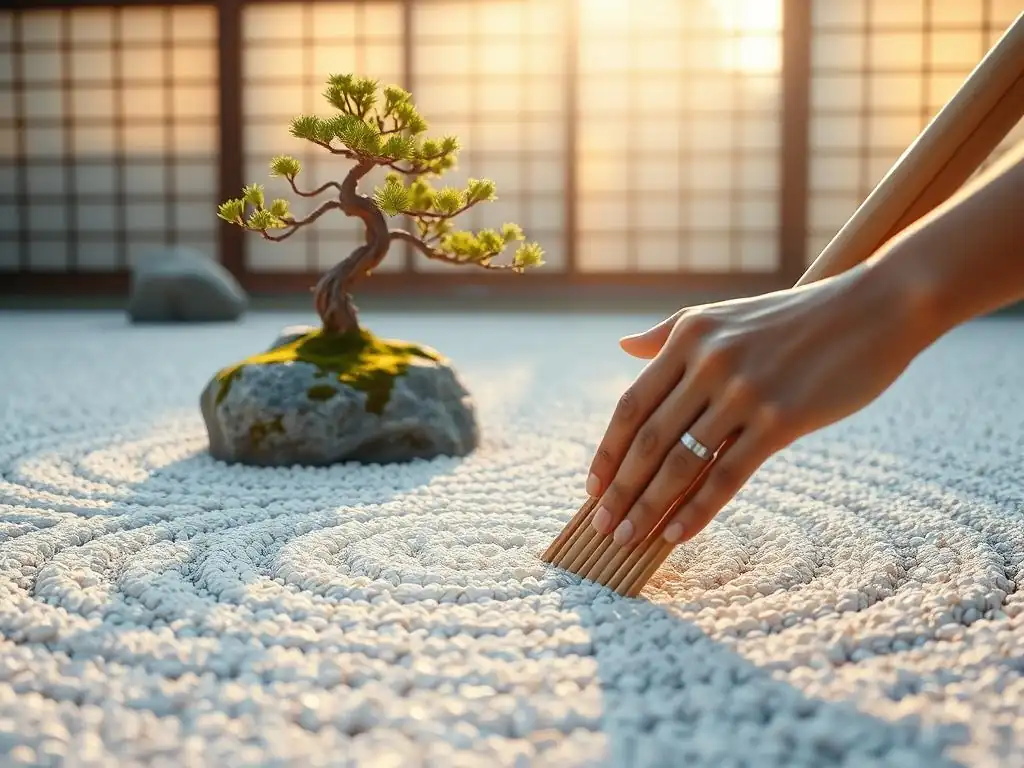
Welcome to Mind Care Guide, a sanctuary dedicated to nurturing your mental well-being.
Feeling overwhelmed? You're not alone. We understand the daily pressures that can weigh you down, which is why we're here to illuminate the path towards a healthier, more balanced you. This month, we delve into a crucial aspect of self-care: understanding how consistent stress management techniques benefit your overall mental health. Discover the cumulative power of practice and unlock the potential for lasting positive change. Ready to begin your journey to a calmer, more resilient self? Let's explore together.
The Cumulative Power of Practice: Why Consistency Matters in Stress Management
- Understanding the Importance of Consistent Stress Management Techniques for Mental Well-being
- The Science Behind Consistent Stress Management Benefits
- Identifying Your Personal Stressors and Tailoring Consistent Stress Management Strategies
- Building a Consistent Stress Management Routine: Practical Tips & Strategies
- Effective Stress Management Techniques and the Importance of Regular Application
- Overcoming Challenges to Consistent Stress Management Practice
- Tracking Your Progress and Measuring the Impact of Consistent Stress Management
- Long-Term Benefits of Consistent Stress Management Practices
- Cultivating a Mindful Lifestyle for Sustainable Stress Management
- Resources and Support for Consistent Stress Management Practice
-
Frequently Asked Questions
- How does consistent application of stress management techniques impact overall well-being?
- Why is consistency more important than the intensity of stress management techniques?
- What are some examples of consistent stress management practices that can be easily integrated into daily life?
- How long does it typically take to see the benefits of consistent stress management techniques?
- What are some common challenges to consistent stress management and how can they be overcome?
- Final Reflection: The Enduring Strength of Consistent Self-Care
- Unlock Your Inner Calm: Start Your Stress-Management Journey Today!
Understanding the Importance of Consistent Stress Management Techniques for Mental Well-being
Why Consistent Practice is Key for Effective Stress Reduction
Stress is a natural part of life, but chronic stress can significantly impact mental and physical health. While a single stress-relief activity might offer temporary respite, the true power lies in regularity. Engaging in consistent stress management techniques allows your body and mind to build resilience over time, much like building muscle through regular exercise. This isn't about eliminating stress entirely, which is often impossible, but about developing reliable coping mechanisms that become second nature.
Think of stress management as a skill. Just as you wouldn't expect to master a musical instrument or a new language after one lesson, you can't expect to fully manage stress after one meditation session or one deep-breathing exercise. Consistent practice reinforces the neural pathways associated with calm and control, making it easier to activate the relaxation response when faced with stressors. This steady application of techniques is what unlocks the deeper, more lasting benefits of stress management.
A Holistic Approach to Sustainable Stress Management
A sustainable approach to managing stress involves integrating various techniques into your daily life, creating a personalized toolkit that you can access anytime. This holistic view recognizes that stress isn't just a mental state but also affects the body, emotions, and even social interactions. Therefore, effective management often requires a combination of physical activities, mindfulness practices, emotional regulation strategies, and building supportive relationships.
Consistency in this holistic approach means regularly engaging with different facets of your well-being. It could involve daily mindful moments, weekly physical activity, regular check-ins with friends, or journaling to process emotions. This multifaceted and consistent effort provides a robust defense against the cumulative effects of stress, promoting overall mental and physical health rather than just addressing symptoms in isolation. The benefits of consistent stress management techniques are amplified when they are part of a broader, integrated strategy.
The Science Behind Consistent Stress Management Benefits
How Regular Practice Rewires the Brain for Resilience
The human brain is remarkably adaptable, a property known as neuroplasticity. Consistent stress management techniques harness this adaptability to build resilience. When you repeatedly engage in calming activities like meditation or deep breathing, you strengthen the neural connections in brain regions associated with self-awareness, emotional regulation, and executive function, such as the prefrontal cortex and the hippocampus. Simultaneously, you can weaken the dominance of areas associated with fear and the stress response, like the amygdala.
Studies have shown tangible changes in brain structure and function with regular practice. For instance, research indicates that consistent mindfulness meditation over several weeks can lead to increased gray matter density in areas related to learning, memory, and emotional regulation. This physical rewiring means that your brain becomes better equipped to handle stressful situations, responding with less reactivity and more thoughtful consideration. The benefits of consistent stress management techniques are literally built into your brain's architecture.
The Neuroplasticity of Stress Response: Building a Stronger Foundation
The body's stress response, mediated by the sympathetic nervous system and the release of hormones like cortisol, is designed for acute threats. However, chronic activation due to prolonged stress can be detrimental. Consistent practice of relaxation techniques helps to strengthen the parasympathetic nervous system, the "rest and digest" counterpart, which counteracts the stress response. This creates a more balanced autonomic nervous system, allowing for quicker recovery from stressful events.
Through consistent engagement with calming practices, you are essentially training your nervous system to be less reactive and more adaptable. This builds a stronger physiological foundation for handling stress. For example, regular deep breathing exercises help regulate heart rate and blood pressure, making it easier to stay calm under pressure. The cumulative effect of consistently activating the relaxation response is a nervous system that is more resilient and less prone to getting stuck in a state of high alert.
Consistent Mindfulness Meditation Practice and its Impact on the Amygdala
Consistent Mindfulness Meditation practice has been particularly studied for its effects on the amygdala, often referred to as the brain's "fear center." The amygdala is responsible for processing emotions, particularly fear, and triggering the fight-or-flight response. In individuals experiencing chronic stress or anxiety, the amygdala can become hyperactive.
Research, including studies using fMRI scans, has demonstrated that consistent mindfulness meditation can lead to a decrease in amygdala activity and even structural changes, such as a reduction in its size, over time. For example, an 8-week mindfulness-based stress reduction (MBSR) program has been shown to result in decreased amygdala gray matter density.
This suggests that regular practice helps to dampen the initial emotional reactivity to stressors, allowing the prefrontal cortex to take a more prominent role in evaluating and responding to situations. The benefits of consistent stress management techniques like mindfulness are directly linked to these observable neurological changes.
Identifying Your Personal Stressors and Tailoring Consistent Stress Management Strategies
Recognizing Individual Stress Triggers for Personalized Solutions
Effective stress management begins with understanding what specifically triggers your stress. Stressors are highly individual; what one person finds motivating, another might find overwhelming. These triggers can be external, such as work deadlines, financial pressures, or difficult relationships, or internal, like perfectionism, negative self-talk, or unrealistic expectations. Identifying these specific triggers is crucial because it allows you to develop targeted strategies rather than applying generic techniques haphazardly.
Keeping a stress journal for a week or two can be incredibly insightful. Note down when you feel stressed, what you were doing, who you were with, and how you reacted. Look for patterns. Are your stress levels highest on Monday mornings? Do certain people or situations consistently leave you feeling drained? Pinpointing these specifics provides the foundation for creating a personalized stress management plan that addresses the root causes and common occurrences of your stress.
Matching Stress Management Techniques to Specific Stressors
Once you've identified your personal stress triggers, the next step is to match appropriate stress management techniques to them. Different stressors may call for different approaches. For instance, if your stress is primarily triggered by feeling overwhelmed by tasks, techniques like time management, setting boundaries, or breaking down large projects might be most effective. If your stress manifests as physical tension, progressive muscle relaxation or gentle movement like yoga could be more beneficial.
It's also important to consider how and when you can realistically apply techniques in response to specific triggers. If public speaking triggers anxiety, practicing deep breathing exercises before a presentation is a direct way to manage the stress in the moment. If your stress builds up over the workday, scheduling short mindfulness breaks or a walk during lunch can help mitigate the cumulative effect. Tailoring techniques ensures that your efforts are relevant and impactful, making consistent application more likely.
Creating a Personalized Stress Management Plan You Can Consistently Follow
Building a plan you can stick to is paramount for reaping the benefits of consistent stress management techniques. This plan should be realistic, flexible, and integrated into your existing life. Start by selecting a few techniques that resonate with you and seem appropriate for your main stressors. Don't try to do everything at once. Perhaps commit to 5 minutes of meditation each morning and a 10-minute walk during your lunch break.
Write down your plan. This could be a simple list or integrated into your daily schedule. Consider when and where you will practice your chosen techniques. Having a clear intention makes it easier to follow through. Regularly review your plan and adjust it as needed. Life changes, and so might your stressors or your preferred coping methods. A personalized plan, designed by you and for you, is the most sustainable way to achieve consistent stress management benefits.
Building a Consistent Stress Management Routine: Practical Tips & Strategies

Start Small: Micro-Habits for Stress Reduction
Trying to implement drastic changes overnight can be overwhelming and counterproductive. When building a consistent stress management routine, the principle of "start small" is incredibly powerful. Instead of aiming for a 30-minute meditation session immediately, commit to just 2-3 minutes. Instead of a full yoga class, do three simple stretches at your desk. These tiny, easily achievable actions are known as micro-habits.
Micro-habits reduce the barrier to entry, making it much easier to begin and, more importantly, to repeat the action consistently. Once a micro-habit is established – like taking three deep breaths before opening your email or doing a 1-minute body scan before bed – you can gradually increase the duration or complexity. The goal is to build momentum and make the behavior feel automatic, laying a solid foundation for more significant consistent stress management practices over time.
Scheduling Stress Management Activities in Your Daily Life
Consistency often requires intentionality, especially in busy lives. Simply hoping you'll find time for stress management is unlikely to yield results. Treating your chosen activities like important appointments and scheduling them into your day significantly increases the likelihood that you'll actually do them. Use a calendar, a planner, or a reminder app to block out time for your stress-reducing practices.
Whether it's 15 minutes for a brisk walk, 10 minutes for mindful breathing, or 5 minutes for journaling, allocate a specific time slot. Consider when you are most likely to stick to the schedule. Is it first thing in the morning before the day gets hectic, during a mid-day slump, or in the evening to wind down? Find what works best for your rhythm and commit to it. Scheduled practice transforms stress management from an afterthought into a non-negotiable part of your well-being routine, maximizing the benefits of consistent stress management techniques.
Using Technology to Support Consistent Stress Management Practices
In today's digital age, technology can be a valuable ally in building and maintaining consistent stress management habits. Numerous apps offer guided meditations, breathing exercises, sleep stories, progress trackers, and gentle reminders. These tools can make starting easier, provide structure, and help you stay accountable.
For instance, many mindfulness apps offer short, guided sessions perfect for incorporating into a busy day. Habit-tracking apps can help you monitor your progress and provide visual cues of your consistency streak, which can be highly motivating. While it's important not to become overly reliant on technology, using it strategically can provide the structure and support needed to make consistent stress management a sustainable part of your life.
The Power of Habit Stacking for Stress Relief
Habit stacking is a simple but powerful strategy for integrating new habits into your routine by linking them to existing ones. The formula is: "After [current habit], I will [new stress management habit]." This leverages the momentum of an established behavior to trigger the new desired behavior.
For example, if you already have a routine of making coffee in the morning, you could stack a stress management micro-habit onto it: "After I pour my coffee, I will take three deep breaths." If you always brush your teeth before bed, you could add: "After I brush my teeth, I will do a 2-minute body scan." By linking stress management activities to habits you already perform automatically, you create natural triggers that make consistent practice much easier to maintain.
Effective Stress Management Techniques and the Importance of Regular Application
Consistent Mindfulness Meditation for Anxiety Relief
Mindfulness meditation involves focusing your attention on the present moment without judgment. While a single session can offer temporary calm, consistent mindfulness meditation is particularly effective for reducing chronic anxiety. Regular practice trains the mind to observe thoughts and feelings without getting swept away by them, helping to create distance from anxious rumination.
Studies have repeatedly shown that consistent mindfulness practice leads to significant reductions in reported anxiety levels. For instance, participants in mindfulness programs often report decreases in worry and improvements in emotional regulation after several weeks of daily practice, even for just 10-15 minutes. This regular engagement helps build a stronger capacity to tolerate uncertainty and discomfort, common drivers of anxiety, demonstrating a key area where consistent stress management techniques benefit mental health.
The Benefits of Regular Deep Breathing Exercises for Stress Reduction
Deep breathing exercises, such as diaphragmatic breathing, are simple yet potent tools for activating the body's relaxation response. While useful in the moment of acute stress, practicing them regularly, even when not stressed, enhances their effectiveness when you need them most. Consistent practice strengthens the connection between your breath and your nervous system, making it easier to shift from a state of fight-or-flight to rest-and-digest.
Integrating deep breathing into your daily routine – perhaps for 5 minutes in the morning and 5 minutes in the evening – can lower your baseline stress levels over time. This regular practice helps regulate cortisol levels and promotes a sense of calm. When a stressful situation arises, your body is already more primed to respond calmly, and consciously taking a few deep breaths will have a more profound impact because you've trained your system through consistency.
Practicing Progressive Muscle Relaxation Consistently for Physical Tension Release
Stress often manifests as physical tension in the body – clenched jaws, tight shoulders, knotted stomachs. Progressive Muscle Relaxation (PMR) is a technique that involves tensing and then releasing different muscle groups in the body to become more aware of physical sensations and release stored tension. Practicing PMR consistently helps you recognize the early signs of tension in your body and provides a reliable method for releasing it before it builds up.
Doing a full PMR sequence regularly, perhaps a few times a week or even daily for 15-20 minutes, can lead to a significant reduction in chronic muscle tightness and physical discomfort associated with stress. It also improves body awareness, allowing you to catch and release tension proactively throughout the day with shorter, targeted exercises. The consistent application of PMR is key to unlocking its potential for deep physical relaxation and stress relief.
Consistent Yoga and Tai Chi for Stress Reduction and Improved Mental Clarity
Mind-body practices like Yoga and Tai Chi combine gentle movement, breathwork, and mindfulness, offering a holistic approach to stress management. Engaging in these practices consistently provides cumulative benefits beyond just physical flexibility or strength. Regular participation helps to calm the nervous system, reduce stress hormones, and improve focus and mental clarity.
Attending a Yoga or Tai Chi class regularly (e.g., once or twice a week) or practicing at home for 20-30 minutes most days can lead to sustained reductions in perceived stress and improvements in mood. The combination of physical activity, controlled breathing, and mindful movement helps to interrupt the stress cycle and promote a sense of groundedness and peace. The benefits of consistent stress management techniques that integrate mind and body are profound for both physical and psychological well-being.
Overcoming Challenges to Consistent Stress Management Practice
Identifying and Addressing Common Barriers to Consistency
Maintaining consistency in any new habit, including stress management, comes with challenges. Common barriers include lack of time, feeling too stressed or tired to practice, forgetting, boredom, or feeling like the techniques aren't working fast enough. Identifying your specific barriers is the first step to overcoming them. Is it truly a lack of time, or is it a matter of prioritizing? Do you forget because you haven't scheduled it? Are you bored because the technique isn't engaging?
Once barriers are identified, specific strategies can be employed. If time is an issue, focus on micro-habits. If you forget, use reminders or habit stacking. If you're bored, try a different technique or find a guided version. If you feel it's not working, reassess your expectations and ensure you're practicing correctly, perhaps seeking guidance. Addressing these hurdles directly is essential for sustaining the benefits of consistent stress management techniques.
Strategies for Maintaining Motivation and Avoiding Burnout
Motivation naturally fluctuates. Relying solely on motivation to maintain consistent stress management practice can lead to inconsistency. Strategies for maintaining momentum include focusing on the feeling after practicing, rather than just the act itself. How do you feel after a walk or a meditation? Lighter? Calmer? More focused? Connecting with these positive outcomes reinforces the behavior.
Varying your techniques can also prevent boredom and burnout. If you're tired of meditation, try journaling or a gentle yoga session. Celebrate small wins – acknowledge and praise yourself for sticking to your plan, even if it was just for a few minutes. Remember why consistency matters to you – perhaps it's to feel more present with your family or perform better at work. Keeping your core values and long-term goals in mind can provide a powerful source of intrinsic motivation.
Seeking Support and Accountability to Stay on Track
You don't have to build consistent stress management habits alone. Seeking support from friends, family, or a professional can make a significant difference. Sharing your goals with someone you trust can provide encouragement and understanding. They might even join you in your practice.
Accountability can be a powerful motivator. This could involve checking in with a friend about your progress, joining a group class for yoga or meditation, or using an app with community features. For some, working with a therapist or coach provides structured support and accountability, helping them navigate challenges and stay committed to their stress management goals. External support reinforces internal commitment, making consistent stress management techniques more achievable.
Tracking Your Progress and Measuring the Impact of Consistent Stress Management

Using Journals and Apps to Monitor Your Stress Levels
Tracking your stress levels and your stress management practices can provide valuable insights and motivation. A simple journal where you rate your stress level at the beginning and end of the day, note what techniques you used, and how you felt can reveal patterns and show you the direct impact of your efforts. Do you notice your stress rating is lower on days you meditated? Does a specific technique seem more effective for certain situations?
Stress tracking apps offer digital versions of this, often with features like mood logging, activity tracking, and visual charts of your progress over time. Seeing data points showing a gradual decrease in average stress levels or an increase in reported calm days can be incredibly validating and reinforce the value of your consistent efforts. These tools help make the often subtle benefits of consistent stress management techniques more apparent.
Recognizing and Celebrating Small Wins in Your Stress Management Journey
Building consistency is a journey, not a destination, and it will have ups and downs. It's vital to recognize and celebrate the small wins along the way to maintain motivation and a positive mindset. Did you practice for 5 minutes even though you only felt like doing 2? Did you remember to take deep breaths before a stressful meeting? Did you stick to your routine for a full week?
These small successes are significant steps towards building lasting habits. Acknowledge your effort and commitment. This internal validation reinforces the positive association with your stress management practices. Celebrating progress, no matter how small, helps build self-efficacy and encourages you to continue applying consistent stress management techniques.
Adjusting Your Approach Based on Your Progress and Experiences
Tracking your progress isn't just about seeing how far you've come; it's also about gathering information to refine your approach. If your journal or app shows that a particular technique isn't helping reduce your stress related to a specific trigger, it might be time to try something new or adjust how you're practicing it. If you consistently miss your scheduled practice time, perhaps the time slot or method needs to be changed to better fit your life.
Regularly reviewing your tracking data and reflecting on your experiences allows you to make informed adjustments. Stress management is not a one-size-fits-all solution, and what works best for you may evolve over time. Being flexible and willing to adapt your personalized plan ensures that your consistent stress management efforts remain effective and sustainable.
Long-Term Benefits of Consistent Stress Management Practices
Chronic stress is a major contributor to numerous physical health problems, including cardiovascular disease, weakened immune function, digestive issues, and chronic pain. By consistently engaging in stress management techniques, you mitigate the harmful physiological effects of prolonged stress exposure. This isn't just about feeling better day-to-day; it's about significantly reducing your long-term health risks.
For example, consistent practice of relaxation techniques has been shown to help lower blood pressure, reduce inflammation markers, and improve sleep quality – all factors that contribute to better long-term health outcomes. The cumulative benefits of consistent stress management techniques provide a powerful protective effect against the damaging impact of chronic stress on the body's systems.
Improved Overall Mental and Physical Well-being
Beyond preventing disease, consistent stress management practices actively contribute to improved overall mental and physical well-being. Mentally, this means reduced symptoms of anxiety and depression, improved mood, enhanced focus and concentration, and greater emotional stability. Physically, it translates to more energy, less physical tension, better sleep, and a greater sense of vitality.
The regular application of stress-reducing techniques fosters a positive feedback loop: feeling better physically makes it easier to maintain mental well-being, and improved mental health provides the motivation to continue healthy physical practices. This holistic enhancement of well-being is a direct result of the sustained effort put into consistent stress management.
Enhanced Resilience and Coping Skills for Future Challenges
Perhaps one of the most significant long-term benefits of consistent stress management is the development of enhanced resilience. Resilience is the ability to bounce back from adversity and cope effectively with stress. By regularly practicing techniques that help you regulate your emotions, calm your nervous system, and maintain perspective, you are building an internal capacity to navigate future challenges with greater ease and confidence.
When faced with unexpected stressors, individuals with consistent stress management habits are better equipped to respond thoughtfully rather than react impulsively. They have a repertoire of proven coping skills they can readily access. This built-in resilience means that while stress may still occur, its impact is likely to be less severe and shorter-lived, demonstrating the profound advantage that consistent stress management techniques benefit your ability to thrive in the face of life's inevitable difficulties.
Cultivating a Mindful Lifestyle for Sustainable Stress Management
Integrating Mindfulness into Daily Activities
Sustainable stress management goes beyond scheduled practice; it involves cultivating a mindful approach to everyday life. This means bringing awareness and attention to routine activities, transforming mundane moments into opportunities for grounding and presence. It could be mindfully washing the dishes, paying attention to the temperature of the water and the feel of the soap, or mindfully eating your lunch, savoring each bite.
Integrating mindfulness doesn't require extra time; it simply requires a shift in attention during activities you're already doing. This consistent practice of present-moment awareness helps to interrupt the tendency to get lost in worries about the future or regrets about the past, which are common sources of stress. By weaving mindfulness throughout your day, you create a continuous thread of calm and awareness that supports overall stress reduction.
Creating a Supportive Environment for Consistent Stress Reduction
Your environment plays a significant role in your ability to maintain consistent stress management practices. This includes both your physical surroundings and your social connections. Creating a physical space that feels calm and organized can reduce background stress. Designating a specific corner for meditation or ensuring your workspace is tidy can make it easier to engage in stress-reducing activities.
Equally important are supportive relationships. Surrounding yourself with people who understand and support your efforts can provide encouragement and make consistency easier. Setting healthy boundaries in relationships and at work also reduces potential stressors. A supportive environment, both internal and external, acts as a foundation that makes consistent stress management techniques more accessible and sustainable.
Embracing Self-Compassion and Acceptance in Your Stress Management Journey
Consistency is not about perfection. There will be days when you miss your practice, days when you feel overwhelmed despite your efforts, and days when stress feels insurmountable. Embracing self-compassion – treating yourself with the same kindness and understanding you would offer a friend – is crucial for long-term consistency. Instead of self-criticism, acknowledge the challenge and gently recommit to your practice.
Acceptance also plays a key role. Accept that stress is a part of life and that managing it is an ongoing process, not a one-time fix. Accept that some days will be harder than others. This acceptance allows you to approach stress management with less frustration and more patience, making it easier to return to your practices even after setbacks. Cultivating this kind and accepting mindset is fundamental to reaping the full, long-term benefits of consistent stress management techniques.
Resources and Support for Consistent Stress Management Practice
Frequently Asked Questions
How does consistent application of stress management techniques impact overall well-being?
Consistent application leads to a habitual response to stress. This reduces the overall impact of stressors and promotes a more balanced emotional state.
Why is consistency more important than the intensity of stress management techniques?
While intensity can be beneficial, consistency builds neural pathways, making stress management automatic. Regular, small actions are ultimately more effective than infrequent, intense efforts.
What are some examples of consistent stress management practices that can be easily integrated into daily life?
Examples include daily mindfulness meditation, regular exercise, and consistent journaling to process emotions. These practices, done regularly, build resilience.
How long does it typically take to see the benefits of consistent stress management techniques?
The timeline varies, but many people notice improvements within a few weeks of consistent practice. The key is to maintain the routine for long-term benefits.
What are some common challenges to consistent stress management and how can they be overcome?
Challenges include lack of time, motivation, and forgetting to practice. Overcome this by scheduling dedicated time, finding an accountability partner, and integrating techniques into existing routines.
Final Reflection: The Enduring Strength of Consistent Self-Care
The pursuit of consistent stress management isn't a fleeting trend; it's a foundational pillar of long-term well-being. In a world increasingly characterized by relentless demands and constant connectivity, the ability to effectively manage stress isn't just beneficial—it's essential for navigating the complexities of modern life and thriving amidst the chaos. Ignoring the cumulative power of consistent self-care practices is akin to neglecting the very foundation upon which a healthy and fulfilling life is built.
The impact of consistent stress management techniques extends far beyond the immediate reduction of anxiety and tension. It ripples outwards, influencing our relationships, our productivity, and even our physical health. The cumulative effect of even small, daily practices can be transformative. The difference between ordinary and extraordinary is that little extra.
This quote perfectly encapsulates the power of consistent effort in building resilience and fostering a sense of calm amidst life's inevitable storms. It's a journey of self-discovery and empowerment, one small step at a time.
Now, consider your own life. What small, consistent practice could you integrate into your daily routine to better manage stress? Perhaps it's a brief meditation session, a mindful walk in nature, or simply setting aside 15 minutes each evening to disconnect from technology. Don't underestimate the profound impact of these seemingly insignificant acts. Embrace the cumulative power of consistent self-care, and watch as it transforms not only your ability to manage stress but also the overall quality of your life. Begin today, and experience the enduring strength of consistent self-care for yourself.
Unlock Your Inner Calm: Start Your Stress-Management Journey Today!
Thanks for taking the time to explore the power of consistent practice in stress management. You've gained valuable insights into building resilience and finding your calm – now it's time to put them into action!
Here's how you can start building a calmer, more resilient you:
- Establish a daily mindfulness practice: Even 5 minutes a day can make a significant difference. Try a guided meditation or simply focus on your breath. This is your primary step towards lasting change.
- Share your learnings: Discuss what you've learned with a friend or family member. Sharing your insights can reinforce your commitment and inspire others.
- Explore our other resources: Dive deeper into stress management techniques by checking out other articles on MindCareGuide.org. You might discover a new approach that perfectly fits your needs.
What small, consistent step will you take today to cultivate more inner peace?