
Navigating the Research Landscape: Keto for Various Mental Health Challenges


Welcome to Mind Care Guide, a space dedicated to nurturing your mental well-being. Are you curious about the potential connection between diet and your mental state? Emerging research is exploring the fascinating link between the ketogenic diet and mental health. Our guide delves into the latest findings on Keto mental health benefits research, offering a balanced perspective on its potential impact. Intrigued? Journey with us as we navigate the research landscape and uncover what this dietary approach might mean for your mental well-being.
Navigating the Research Landscape: Ketogenic Diet for Mental Health
- Introduction: Exploring the Potential of Ketogenic Diets in Mental Well-being
- Ketogenic Diet and Mental Health: An Overview of Research
- Ketogenic Diet for Depression: Investigating the Relationship
- Ketogenic Diet for Anxiety Disorders: Preliminary Research
- Ketogenic Diet for Bipolar Disorder: A Review of Current Evidence
- Ketogenic Diet for Schizophrenia: Exploring New Avenues
- Ketogenic Diet for ADHD: Exploring Cognitive Enhancement
- Mechanisms of Action: How Ketogenic Diets May Influence Mental Health
- Considerations and Cautions: A Balanced Approach to Implementation
- The Future of Ketogenic Diet and Mental Health Research
- Conclusion: Ketogenic Diets and Mental Health - A Promising Avenue
-
Frequently Asked Questions
- What specific mental health conditions have been studied in relation to the ketogenic diet?
- Is there solid scientific evidence supporting the Keto mental health benefits research for all mental health conditions?
- What are the potential risks or side effects of using the ketogenic diet for mental health?
- Where can I find reliable Keto mental health benefits research and resources?
- How important is it to consult a healthcare professional before starting a ketogenic diet for mental health?
- Final Reflection: The Evolving Landscape of Keto and Mental Wellness
- Unlock Your Brain's Potential: Start Your Keto Journey Today!
Introduction: Exploring the Potential of Ketogenic Diets in Mental Well-being
The Increasing Interest in Ketogenic Diets and Mental Health Outcomes
Interest in the ketogenic diet, traditionally known for its role in managing epilepsy, has expanded significantly into the realm of mental health. Researchers and individuals alike are exploring its potential impact on a range of conditions, from depression and anxiety to bipolar disorder and schizophrenia. This surge in interest is driven by anecdotal reports and preliminary studies suggesting that the metabolic state induced by ketosis might offer therapeutic benefits beyond seizure control. The focus is increasingly on understanding the underlying mechanisms by which a high-fat, low-carbohydrate diet could influence brain function and alleviate psychiatric symptoms.
The exploration of ketogenic diets for mental health represents a paradigm shift, moving beyond traditional pharmacological approaches to consider metabolic interventions. This area of research is relatively nascent but growing rapidly, fueled by the need for alternative or adjunctive therapies for complex mental health challenges. The potential of ketogenic diets to impact brain energy metabolism, inflammation, and neurotransmitter balance is central to this inquiry, prompting a deeper look into how dietary changes could serve as a tool in mental well-being strategies.
Scope: A Review of Current Evidence and Future Directions
This article aims to navigate the current research landscape regarding the ketogenic diet and its potential effects on various mental health conditions. We will examine the existing evidence, highlighting key findings from studies exploring the link between ketosis and conditions such as depression, anxiety, bipolar disorder, schizophrenia, and ADHD. The discussion will encompass the proposed biological mechanisms through which ketogenic diets may exert their effects on the brain.
Furthermore, we will address important considerations for implementation, including the necessity of professional guidance and potential challenges. The review will conclude by outlining promising areas for future keto mental health benefits research, emphasizing the need for more rigorous clinical trials and personalized approaches to fully understand and leverage the potential of this dietary strategy in mental healthcare.
Ketogenic Diet and Mental Health: An Overview of Research
Examining the Evidence Linking Ketogenic Diets and Improved Brain Health
Research linking ketogenic diets and improved brain health is multifaceted, exploring various neurological and psychiatric conditions. Early and robust evidence comes from epilepsy, where ketogenic diets have been used successfully for decades, particularly in drug-resistant cases. Studies have shown that the diet can significantly reduce seizure frequency, with some individuals achieving complete remission. This success spurred investigations into other brain disorders, hypothesizing similar metabolic mechanisms might be at play. For instance, preclinical studies in animal models of Alzheimer's and Parkinson's diseases have suggested potential neuroprotective effects, including reduced oxidative stress and improved mitochondrial function.
Beyond neurodegenerative conditions, preliminary evidence hints at the diet's influence on mood and cognition. While human trials are still limited in scope and duration for many mental health conditions, the foundational keto mental health benefits research from epilepsy and preclinical models provides a strong rationale for further investigation. The shift in primary brain fuel from glucose to ketones is believed to be central to these effects, potentially offering a more stable and efficient energy source for neurons, especially in compromised states.
Differentiating Correlation from Causation in Ketogenic Diet Studies
A critical aspect of interpreting keto mental health benefits research is distinguishing between correlation and causation. Many studies, particularly those involving observational data or small pilot trials, may show an association between adopting a ketogenic diet and changes in mental health symptoms. However, correlation does not inherently prove that the diet caused the observed improvement. Factors such as increased self-care associated with dietary changes, placebo effects, changes in lifestyle (like reduced processed food intake), or regression to the mean could contribute to reported benefits independent of ketosis itself.
Establishing causation requires well-designed controlled trials, ideally randomized controlled trials (RCTs), where participants are randomly assigned to either a ketogenic diet intervention or a control group. These studies help control for confounding variables and allow researchers to more confidently attribute observed outcomes to the dietary intervention. Currently, while promising correlations exist, the body of causal evidence specifically for many mental health conditions (outside of epilepsy) is still building, highlighting the need for more rigorous experimental designs in future keto mental health benefits research.
Ketogenic Diet for Depression: Investigating the Relationship
Studies on Ketogenic Diets and the Alleviation of Depressive Symptoms
Preliminary studies and case reports suggest a potential link between ketogenic diets and improvements in depressive symptoms. While large-scale, randomized controlled trials are scarce, smaller studies and clinical observations provide initial insights. For example, some pilot studies involving individuals with comorbid conditions, such as metabolic syndrome alongside depression, have noted reductions in depressive symptom scores following the adoption of a ketogenic diet. These findings, often measured using standardized scales like the Beck Depression Inventory (BDI) or the Hamilton Depression Rating Scale (HAM-D), indicate a promising area for further inquiry.
One study involving participants with obesity and depressive symptoms reported a significant decrease in BDI scores after several weeks on a ketogenic diet. Although this study had limitations, including the lack of a control group specifically tracking depression in a non-ketogenic intervention, it contributes to the growing anecdotal and preliminary clinical evidence. The mechanisms proposed include the diet's effects on brain energy metabolism, inflammation, and neurotransmitter balance, all of which are implicated in the pathophysiology of depression.
Potential Mechanisms: How Ketones May Influence Depressive Disorders
Several mechanisms are hypothesized to underlie the potential antidepressant effects of ketogenic diets. One primary mechanism involves the shift to ketones (like beta-hydroxybutyrate, BHB) as the main fuel source for the brain. BHB is not just an energy substrate; it also acts as a signaling molecule, influencing gene expression and cellular function. It may enhance mitochondrial function, reduce oxidative stress, and increase ATP production, potentially improving neuronal resilience and function in brain regions associated with mood regulation, such as the prefrontal cortex and hippocampus.
Furthermore, ketogenic diets may influence neurotransmitter systems. There is evidence that ketosis can increase the synthesis and availability of GABA, the brain's primary inhibitory neurotransmitter, which could have anxiolytic and mood-stabilizing effects. The diet may also modulate glutamate, the main excitatory neurotransmitter, helping to restore the balance between excitation and inhibition, which is often disrupted in depressive disorders. Additionally, ketogenic diets have been shown to reduce systemic and neuroinflammation, a key factor increasingly linked to the development and persistence of depression.
"Ketogenic diet benefits depressive disorders": Key Findings on Symptom Reduction
The phrase "ketogenic diet benefits depressive disorders" reflects a growing area of interest in keto mental health benefits research. While definitive proof from large RCTs is still needed, existing data suggests potential symptom reduction. For example, a meta-analysis reviewing dietary patterns and depression noted that diets emphasizing whole foods and low glycemic load, which align somewhat with ketogenic principles (though not strictly ketogenic), were associated with lower rates of depression. Specific to ketogenic diets, case studies have reported individuals experiencing significant improvements in severe, treatment-resistant depression when adopting the diet under medical supervision.
Quantitative data from pilot trials, albeit small, have shown statistically significant reductions in standardized depression scores compared to baseline. For instance, some studies report average decreases in BDI scores by approximately 10-15 points within 6-12 weeks on the diet, moving participants from moderate to mild depression categories. These findings, while preliminary, fuel ongoing keto mental health benefits research into the diet's specific impact on depressive symptoms and its potential as an adjunct therapy.
Ketogenic Diet for Anxiety Disorders: Preliminary Research

Exploring the Potential of Ketogenic Diets in Managing Anxiety Symptoms
Preliminary research suggests that ketogenic diets might hold promise for managing anxiety symptoms. Similar to depression, the evidence base is still developing, relying primarily on preclinical studies, case reports, and small pilot trials. The rationale for exploring ketogenic diets for anxiety stems from their observed effects on brain excitability and neurotransmitter balance, mechanisms believed to be dysregulated in anxiety disorders. Individuals adopting the diet, often for other reasons, have anecdotally reported feeling calmer and experiencing reduced anxiety levels.
Clinical observations in populations using ketogenic diets for epilepsy, where anxiety is a common comorbidity, have also noted improvements in anxiety symptoms alongside seizure control. While these observations are often secondary outcomes, they support the hypothesis that metabolic changes induced by ketosis could have a broad impact on mood and anxiety regulation. This has prompted dedicated keto mental health benefits research specifically focused on anxiety disorders.
GABA Modulation and Neurotransmitter Balance with Ketogenic Diets
One of the most compelling proposed mechanisms for the potential anxiolytic effects of ketogenic diets involves the modulation of GABA (gamma-aminobutyric acid). GABA is the brain's primary inhibitory neurotransmitter, counteracting the effects of excitatory neurotransmitters like glutamate. Anxiety disorders are often associated with an imbalance favoring excitation. Studies have shown that ketogenic diets can increase GABA levels in the brain and enhance GABAergic signaling. This effect is thought to be mediated, in part, by ketones themselves, particularly BHB, which may directly or indirectly influence GABA synthesis and receptor function.
By boosting inhibitory tone, the ketogenic diet could potentially dampen excessive neuronal activity and reduce the hyperexcitability characteristic of anxiety states. Furthermore, the diet may help restore balance in the glutamate-GABA system, promoting a more stable and less reactive brain state. This impact on fundamental neurotransmitter balance is a key area of focus in keto mental health benefits research regarding anxiety.
"The effect of ketogenic diet on anxiety symptoms": Initial Evidence of Reduction
The phrase "the effect of ketogenic diet on anxiety symptoms" encapsulates the current state of investigation. While large-scale, controlled trials are needed, initial evidence suggests a potential for symptom reduction. A small pilot study, for instance, assessing the impact of a ketogenic diet on individuals with metabolic syndrome, noted reductions in self-reported anxiety scores using scales like the Generalized Anxiety Disorder 7-item scale (GAD-7). Participants reported feeling less worried and more relaxed after several weeks on the diet.
Another study focusing on individuals with bipolar disorder implementing a ketogenic diet reported significant decreases in anxiety scores alongside improvements in mood stabilization. While these findings are often secondary to the primary study objectives or limited by sample size, they consistently point towards a potential therapeutic effect. This preliminary evidence encourages further, more focused keto mental health benefits research specifically targeting different types of anxiety disorders.
Ketogenic Diet for Bipolar Disorder: A Review of Current Evidence
Examining the Impact of Ketogenic Diets on Mood Stabilization in Bipolar Disorder
Bipolar disorder is characterized by extreme shifts in mood, energy, and activity levels, involving periods of mania or hypomania and depression. Managing these mood swings and achieving stability is a primary goal of treatment. Emerging keto mental health benefits research is exploring the potential of ketogenic diets as a metabolic therapy for bipolar disorder, based on the hypothesis that metabolic dysregulation may play a role in the condition's pathophysiology. The rationale is that the diet's effects on brain metabolism, inflammation, and neurotransmitter balance could help stabilize neuronal activity and temper mood extremes.
Case reports and small case series have described individuals with bipolar disorder experiencing significant reductions in mood episode frequency and severity after adopting a ketogenic diet. These reports often highlight improvements in both manic and depressive symptoms, suggesting a potential mood-stabilizing effect. While these are not controlled trials, they provide compelling qualitative data supporting the need for more rigorous investigation into the diet's impact on this complex disorder.
Management of Bipolar Symptoms Through Ketogenic Interventions
The potential for ketogenic interventions in managing bipolar symptoms centers on their multifaceted effects on brain function. By providing ketones as an alternative fuel, the diet may offer a more stable energy supply to neurons, potentially buffering against the metabolic fluctuations thought to contribute to mood instability. Ketones, particularly BHB, have also been shown to influence mitochondrial function and reduce oxidative stress, factors implicated in bipolar disorder.
Furthermore, the diet's impact on neurotransmitters like GABA and glutamate could help regulate the balance between excitation and inhibition, which is often disrupted in bipolar disorder. By enhancing inhibitory tone and potentially stabilizing excitatory activity, the ketogenic diet might help smooth out the extreme highs and lows characteristic of the condition. The anti-inflammatory effects of the diet are also considered relevant, as neuroinflammation is increasingly linked to the pathophysiology of bipolar disorder.
"Ketogenic diet as a metabolic therapy for bipolar disorder": Impact on Mood Swings
The concept of using a "ketogenic diet as a metabolic therapy for bipolar disorder" is gaining traction in keto mental health benefits research. This term emphasizes the diet's role in addressing potential underlying metabolic dysfunction rather than just symptom management. A notable open-label study involving individuals with bipolar disorder implemented a ketogenic diet and monitored mood symptoms. Preliminary results from this study indicated significant reductions in both manic and depressive symptom scores over several weeks.
Participants reported fewer and less severe mood swings, improved energy levels (without hypomania), and better overall mood stability. While this was not a randomized controlled trial, the findings were promising enough to warrant larger, controlled studies. The observed impact on mood swings suggests that targeting brain metabolism through ketosis could be a viable strategy for enhancing mood stability in individuals with bipolar disorder, complementing traditional pharmacological treatments.
Ketogenic Diet for Schizophrenia: Exploring New Avenues
Investigating the Neurometabolic Effects of Ketogenic Diets on Schizophrenia Symptoms
Schizophrenia is a severe chronic mental illness characterized by profound disruptions in thought, perception, emotional expression, and behavior. While antipsychotic medications are the cornerstone of treatment, many individuals experience persistent symptoms and significant side effects. Emerging keto mental health benefits research is exploring the potential role of ketogenic diets in managing schizophrenia, based on observations that metabolic abnormalities, including insulin resistance and mitochondrial dysfunction, are common comorbidities and may contribute to the illness's pathophysiology. The hypothesis is that a ketogenic diet could address these metabolic issues and directly influence brain circuits involved in psychotic symptoms.
Preclinical studies and case reports provide the initial basis for this exploration. Animal models of schizophrenia-like behaviors have shown improvements with ketogenic diets. Human case reports, some dating back several decades, have described significant reductions in psychotic symptoms, such as hallucinations and delusions, in individuals with schizophrenia who adopted ketogenic diets, often in conjunction with epilepsy management. These early observations, coupled with a better understanding of the metabolic underpinnings of schizophrenia, have renewed interest in this area.
Potential Cognitive and Symptomatic Benefits of Ketogenic Diets in Schizophrenia
The potential benefits of ketogenic diets in schizophrenia may extend beyond core psychotic symptoms to include cognitive function and negative symptoms (such as apathy and social withdrawal), which are often poorly addressed by current medications. By providing ketones as an alternative and potentially more efficient fuel source, the diet might improve brain energy metabolism, particularly in regions like the prefrontal cortex that are often hypoactive in schizophrenia. This could lead to improvements in executive function, attention, and working memory.
Furthermore, the diet's anti-inflammatory effects and potential to reduce oxidative stress could protect neurons and improve synaptic function, contributing to both cognitive and symptomatic relief. While direct evidence from controlled trials in schizophrenia is still limited, the theoretical basis and initial case reports suggest that ketogenic diets could offer a novel approach to managing the complex array of symptoms associated with the disorder.
"Ketogenic metabolic therapy for schizophrenia": Potential for Symptom Management
The term "ketogenic metabolic therapy for schizophrenia" highlights the potential of the diet to act on underlying metabolic dysfunction contributing to the illness. While robust clinical trials are needed, case reports provide some indication of impact. For example, a recent case series published in a peer-reviewed journal described several individuals with chronic schizophrenia who, after adopting a ketogenic diet, experienced notable reductions in positive symptoms (hallucinations, delusions) and improvements in negative symptoms and cognitive function.
One case detailed a participant experiencing a significant decrease in auditory hallucinations and paranoia, allowing for a reduction in antipsychotic medication dosage under strict medical supervision. While these are individual cases and not generalizable findings, they are compelling enough to drive further keto mental health benefits research. The potential for a non-pharmacological intervention to impact even a subset of individuals with treatment-resistant schizophrenia makes this a critical area of investigation.
Ketogenic Diet for ADHD: Exploring Cognitive Enhancement
Potential for Ketones to Improve Focus, Attention, and Cognitive Function
Attention-Deficit/Hyperactivity Disorder (ADHD) is characterized by persistent patterns of inattention and/or hyperactivity-impulsivity that interfere with functioning or development. While stimulant medications are effective for many, alternative and adjunctive strategies are sought. Keto mental health benefits research is beginning to explore the potential of ketogenic diets in improving cognitive function, particularly focus and attention, which are core challenges in ADHD. The rationale is based on the diet's effects on brain energy metabolism, neurotransmitter levels, and potential reduction of neuroinflammation, all of which could impact cognitive performance.
Ketones, especially BHB, are readily used by the brain for energy and may offer a more stable and efficient fuel source than glucose. This could be particularly beneficial for brain regions involved in attention and executive function. BHB also influences neurotransmitters like dopamine, which plays a crucial role in attention, motivation, and reward pathways often implicated in ADHD.
Research on Ketogenic Diets and ADHD Symptom Improvement
Research specifically on ketogenic diets for ADHD in humans is very limited, primarily consisting of anecdotal reports and a few small studies or case series. However, the findings from studies on other neurological conditions, like epilepsy, where cognitive improvements are sometimes observed, provide a basis for hypothesizing benefits in ADHD. Some parents of children with ADHD who have adopted ketogenic diets (often for other reasons) have reported noticing improvements in their children's focus, reduced hyperactivity, and better emotional regulation.
These observations, while not scientifically controlled data, suggest a potential link that warrants formal investigation. Future keto mental health benefits research needs to design studies specifically measuring ADHD symptoms and cognitive performance using standardized assessments in individuals following a ketogenic diet compared to a control group.
"Ketogenic diet improves cognition in children with ADHD": Impact on Attention Span
The claim that a "ketogenic diet improves cognition in children with ADHD" is currently more of a hypothesis driven by theory and anecdotal evidence than a firmly established fact from clinical trials. However, the theoretical basis is strong. If ketones provide a more stable energy source and positively influence neurotransmitter systems like dopamine, it is plausible they could support cognitive functions impaired in ADHD, such as sustaining attention and inhibiting impulsive responses.
While specific studies with quantitative data showing a statistically significant impact on attention span in children with ADHD are lacking, the area is ripe for keto mental health benefits research. Future studies could use objective measures of attention and impulsivity (e.g., continuous performance tests) alongside subjective rating scales to assess the true impact of ketogenic diets on ADHD symptoms and cognitive performance.
Mechanisms of Action: How Ketogenic Diets May Influence Mental Health
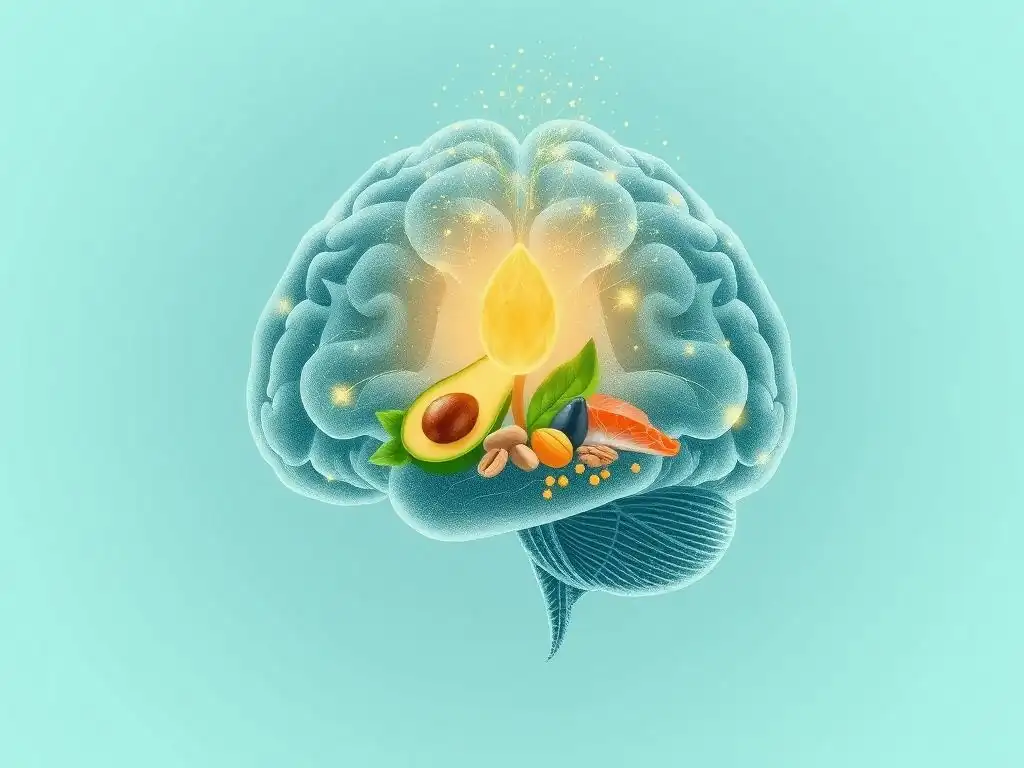
Ketogenic Diet and Brain Metabolism: Fueling the Brain with Ketones
The most fundamental way ketogenic diets influence mental health is by altering brain metabolism. When carbohydrate intake is drastically reduced, the body enters a state of ketosis, producing ketones from fat. These ketones, primarily beta-hydroxybutyrate (BHB), acetoacetate, and acetone, become a primary fuel source for the brain, supplementing or replacing glucose. This shift has profound implications. Ketones can provide energy more efficiently than glucose, potentially increasing the overall energy available to brain cells, especially in areas where glucose metabolism might be impaired, as hypothesized in certain mental health conditions.
Studies using neuroimaging techniques like PET scans have shown that the brain readily utilizes ketones for energy during ketosis. This alternative fuel source may be particularly beneficial during periods of metabolic stress or dysfunction. For example, in conditions associated with glucose hypometabolism in certain brain regions, ketones could provide a much-needed energy boost, potentially improving neuronal function and resilience.
Inflammation and Mental Health: The Anti-Inflammatory Effects of Ketogenic Diets
Chronic low-grade inflammation is increasingly recognized as a significant factor in the development and maintenance of various mental health conditions, including depression, anxiety, and schizophrenia. The ketogenic diet has demonstrated potent anti-inflammatory effects. Ketones, particularly BHB, can act as signaling molecules that inhibit inflammatory pathways, such as the NLRP3 inflammasome. Activation of this inflammasome is linked to the release of pro-inflammatory cytokines, which can negatively impact brain function and contribute to neuropsychiatric symptoms.
By suppressing inflammatory cascades, ketogenic diets could help reduce neuroinflammation, potentially alleviating symptoms associated with inflammatory processes in the brain. This anti-inflammatory mechanism is considered a key pathway through which the diet might exert its therapeutic effects on mental health, adding another layer to the complex picture of keto mental health benefits research.
Ketones as an Alternative Energy Source: Benefits for Brain Function
As mentioned, ketones serve as an alternative energy source, offering several potential benefits for brain function beyond simply providing fuel. Unlike glucose metabolism, which can generate more reactive oxygen species (ROS) under certain conditions, ketone metabolism may result in less oxidative stress. BHB has also been shown to directly act as an antioxidant, further protecting neurons from damage.
Furthermore, BHB can increase the production of Brain-Derived Neurotrophic Factor (BDNF), a protein crucial for neuronal growth, survival, and plasticity. BDNF plays a vital role in learning, memory, and mood regulation. Increased BDNF levels due to ketosis could promote synaptic health and neurogenesis (the creation of new neurons), potentially contributing to improved cognitive function and resilience against psychiatric disorders. This multifaceted role of ketones highlights why they are more than just fuel in the context of keto mental health benefits research.
Neurotransmitter Modulation: Impact on GABA, Glutamate, and Dopamine
Ketogenic diets can significantly influence neurotransmitter systems, impacting the balance between excitation and inhibition in the brain. As discussed earlier, ketosis is associated with increased GABA levels and enhanced GABAergic signaling, promoting a calming, inhibitory effect. Simultaneously, it may help regulate glutamate, the main excitatory neurotransmitter, preventing excitotoxicity which can be damaging to neurons.
Beyond GABA and glutamate, there is evidence suggesting that ketogenic diets can influence monoamine neurotransmitters like dopamine and serotonin, which are critical for mood, motivation, and reward. While the exact mechanisms are still being elucidated, changes in the availability of precursor molecules or the regulation of neurotransmitter synthesis and breakdown pathways are hypothesized. This modulation of key neurotransmitter systems is a central focus in understanding the neuropsychiatric effects observed in keto mental health benefits research.
Considerations and Cautions: A Balanced Approach to Implementation
Consulting Healthcare Professionals: Importance of Medical Supervision
Adopting a ketogenic diet, especially for managing a mental health condition, requires careful consideration and should always be undertaken under the supervision of qualified healthcare professionals. This includes physicians, registered dietitians, or nutritionists experienced in therapeutic carbohydrate restriction. Mental health conditions are complex, and sudden or unsupervised dietary changes can potentially interact with medications, affect nutrient status, and even temporarily exacerbate symptoms for some individuals.
A healthcare team can help assess if a ketogenic diet is appropriate, considering an individual's specific health profile, current medications, and mental health diagnosis. They can provide guidance on safe implementation, monitoring for potential side effects, ensuring nutritional adequacy, and integrating the diet with existing treatment plans. Self-treating a mental health condition with a ketogenic diet without professional guidance is not recommended due to the potential risks involved.
Potential Risks and Side Effects: Considerations for Long-Term Use
While often well-tolerated, ketogenic diets can have potential risks and side effects, particularly during the initial adaptation phase (often called the "keto flu," characterized by fatigue, headache, and irritability) and potentially with long-term use. Short-term side effects can include electrolyte imbalances, constipation, and nutritional deficiencies if the diet is not well-formulated. For individuals on psychiatric medications, there's a theoretical risk of altered drug metabolism, although specific data on this is limited in keto mental health benefits research.
Long-term considerations include potential impacts on kidney health (in individuals with pre-existing conditions), bone density, and lipid profiles. Some individuals may also find the diet restrictive and difficult to maintain socially or practically. These potential downsides highlight the importance of medical monitoring to identify and manage any adverse effects and ensure the diet is sustainable and safe for the individual.
Individualized Approaches: Tailoring Ketogenic Diets to Specific Needs
There is no one-size-fits-all ketogenic diet, and therapeutic implementation for mental health should be highly individualized. The specific macro-nutrient ratios (fat, protein, carbohydrates), food choices, and level of carbohydrate restriction may need to be tailored based on the individual's specific mental health condition, metabolic health status, lifestyle, preferences, and response to the diet. For example, some individuals may achieve sufficient ketosis and symptomatic benefit with a less strict approach (e.g., a modified Atkins diet), while others may require a more classic ketogenic ratio.
Working with a professional allows for personalization, ensuring the diet meets nutritional needs and is practical for the individual to follow. This personalized approach is crucial for optimizing potential keto mental health benefits research outcomes and improving adherence, which is key to long-term success.
Monitoring and Adjusting: Optimizing Ketogenic Diets for Mental Health
Ongoing monitoring is essential when using a ketogenic diet for mental health. This involves tracking ketosis levels (e.g., via blood or urine tests), monitoring body weight and vital signs, assessing nutritional markers through blood tests, and closely observing changes in mental health symptoms using standardized rating scales or clinical interviews. Regular check-ins with the healthcare team are necessary to evaluate the diet's effectiveness, identify any adverse effects, and make necessary adjustments to the dietary plan or concomitant medications.
Optimizing the ketogenic diet for mental health involves a dynamic process of monitoring the individual's response and making informed adjustments. This iterative process, guided by clinical observation and potentially biometric data, helps ensure the diet is both safe and maximally effective in supporting the individual's journey toward improved mental well-being.
The Future of Ketogenic Diet and Mental Health Research
Areas for Further Investigation: Clinical Trials and Long-Term Studies
Despite promising preclinical data and anecdotal reports, the field of ketogenic diets for mental health is still in its early stages. A critical area for future keto mental health benefits research is the execution of large-scale, randomized, placebo-controlled trials. These trials are necessary to provide high-level evidence on the efficacy of ketogenic diets for specific mental health conditions like depression, anxiety, bipolar disorder, and schizophrenia, determining whether observed benefits are truly attributable to the diet or other factors.
Long-term studies are also crucial to assess the sustained effectiveness and safety of ketogenic diets for chronic mental health conditions. Most existing studies are short-term (weeks to a few months). Understanding the impact of maintaining ketosis over years, including adherence rates, potential long-term side effects, and sustained symptom reduction, is vital for integrating this approach into clinical practice. Research is needed across diverse populations and different severities of illness.
Personalized Ketogenic Interventions: Tailoring Diets to Individual Needs
Future keto mental health benefits research should also focus on personalized approaches. Not everyone responds to dietary interventions in the same way, and factors like genetics, gut microbiome composition, metabolic phenotype, and individual preferences likely influence the effectiveness and tolerability of a ketogenic diet. Research is needed to identify biomarkers or predictors that can help determine which individuals are most likely to benefit from a ketogenic diet for their specific mental health challenges.
Exploring different variations of carbohydrate-restricted diets (e.g., cyclical ketosis, targeted ketosis, modified Atkins) and their impact on mental health outcomes is also important. Understanding how to tailor the diet to individual metabolic profiles and lifestyle needs will be key to maximizing its potential benefits and improving long-term adherence, making it a more practical and effective therapeutic option.
Conclusion: Ketogenic Diets and Mental Health - A Promising Avenue
Summary of Current Research and Potential Benefits
The current landscape of keto mental health benefits research reveals a promising, albeit still developing, area of study. While traditionally known for epilepsy management, the ketogenic diet's potential is being explored across a range of mental health conditions, including depression, anxiety, bipolar disorder, schizophrenia, and potentially ADHD. Preliminary evidence from preclinical models, case reports, and small pilot studies suggests that the diet may offer therapeutic benefits by influencing brain metabolism, reducing inflammation, providing neuroprotection, and modulating neurotransmitter systems.
Key proposed mechanisms include the brain's utilization of ketones as an alternative, potentially more efficient fuel source, the anti-inflammatory effects of ketones, their role in increasing neurotrophic factors like BDNF, and their impact on balancing excitatory and inhibitory neurotransmitters like glutamate and GABA. These biological pathways provide a strong theoretical basis for the observed preliminary improvements in symptoms across various conditions.
The Importance of Continued Investigation and Responsible Application
While the potential of ketogenic diets for mental health is exciting, it is crucial to approach this topic with a balanced perspective. The existing keto mental health benefits research provides a foundation, but much more rigorous investigation is needed, particularly large-scale, controlled clinical trials and long-term studies, to establish efficacy and safety definitively. It is essential to differentiate between promising preliminary findings and established clinical treatments.
For individuals considering a ketogenic diet for mental health, responsible application is paramount. This means consulting with qualified healthcare professionals who can provide medical supervision, assess individual suitability, guide implementation, monitor for potential risks and side effects, and integrate the diet with existing treatment plans. The future of using ketogenic diets in mental healthcare lies in continued, high-quality keto mental health benefits research coupled with careful, individualized clinical application.
Frequently Asked Questions
What specific mental health conditions have been studied in relation to the ketogenic diet?
Research has explored the potential benefits of the keto diet for conditions like epilepsy, Alzheimer's disease, and mood disorders such as depression and anxiety. However, more research is needed for conclusive evidence.
Is there solid scientific evidence supporting the Keto mental health benefits research for all mental health conditions?
No, the research is still evolving. While some studies show promise, particularly in areas like epilepsy management and potential cognitive improvements, the evidence base is not yet robust enough to recommend it universally.
What are the potential risks or side effects of using the ketogenic diet for mental health?
Potential side effects can include the "keto flu", which involves fatigue and headaches. Long-term risks may include nutrient deficiencies and kidney issues, so medical supervision is crucial.
Where can I find reliable Keto mental health benefits research and resources?
Look for peer-reviewed articles in medical journals, reputable websites like the National Institute of Mental Health (NIMH), and consult with qualified healthcare professionals. Always prioritize evidence-based information.
How important is it to consult a healthcare professional before starting a ketogenic diet for mental health?
It is absolutely essential. A doctor can assess your individual needs, monitor your health, and ensure the keto diet is safe and appropriate for you, especially considering potential interactions with medications or pre-existing conditions.
Final Reflection: The Evolving Landscape of Keto and Mental Wellness
The intersection of ketogenic diets and mental health is no longer a niche exploration; it's a rapidly expanding field demanding further rigorous investigation. While promising preliminary findings exist, we must acknowledge the need for more robust, large-scale studies to solidify the potential benefits and address potential risks. The current research, though encouraging, requires careful interpretation and a nuanced understanding of individual responses.
The journey through this research has underscored the complex interplay between diet, gut health, and brain function, highlighting the profound impact our nutritional choices have on our mental well-being. You are what you eat,
a common adage, takes on a new significance when considering the potential of the ketogenic diet to influence neurological processes. This exploration has not only deepened my understanding of the ketogenic approach but also reinforced the importance of personalized medicine and the need for individualized dietary strategies tailored to specific mental health conditions.
Now, it's your turn. Consider the information presented and reflect on your own relationship with food and mental health. Are there areas where you could explore a more mindful approach to nutrition? Perhaps a consultation with a healthcare professional or registered dietitian could help you determine if a ketogenic diet, or a modified version, might be a beneficial addition to your wellness journey. The path to mental well-being is multifaceted, and exploring the potential of dietary interventions like keto is a significant step towards a healthier and happier you.
Unlock Your Brain's Potential: Start Your Keto Journey Today!
Thanks for diving deep into the world of keto and mental health with us! We hope you gained valuable insights into how this dietary approach can potentially benefit various challenges. Ready to take the next step?
- Begin your personalized keto plan: Consider your specific needs and gently introduce ketogenic principles into your diet. Remember to consult with your healthcare provider before making significant dietary changes.
- Share your experiences: Let's build a supportive community! Share your thoughts, questions, or success stories in the comments below. Your insights could help others on their journey.
- Explore additional resources: Check out our other articles on MindCareGuide.org for more information on holistic approaches to mental wellness.
What initial step will you take to explore the potential benefits of keto for your mental well-being?