
Indoor Oasis: Simple Ways to Use Plants for Stress Reduction at Home

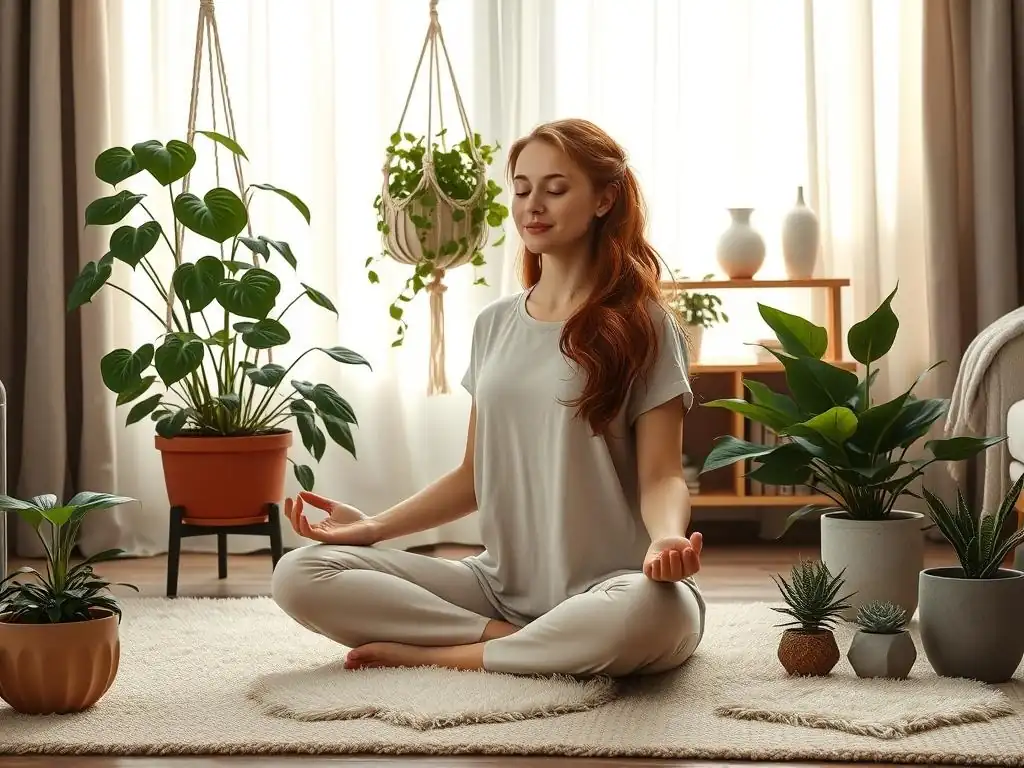
Welcome to Mind Care Guide, a space dedicated to nurturing your mental well-being. Feeling overwhelmed? We understand. In today's fast-paced world, finding moments of peace can be a challenge. But what if we told you a simple, natural solution could be right under your roof? Dive into our guide to discover how plants reduce home stress and transform your living space into a tranquil oasis. Ready to breathe easier and cultivate calm? Let's explore.
Biophilic Home: Using Plants for Stress Reduction
- Introduction: The Calming Power of Plants
- Understanding Stress and the Benefits of Indoor Plants
- Beginner-Friendly Plants for Stress Reduction
- Designing Your Indoor Oasis
- Maximizing Stress-Relieving Benefits
- Troubleshooting Plant Issues
- Conclusion: A Calmer Home with Plants
-
Frequently Asked Questions
- How do indoor plants actually reduce stress at home?
- Which types of plants are most effective for reducing stress in a home environment?
- How much plant care is required to experience the stress-reducing benefits?
- Besides air purification, what other psychological benefits do plants offer for stress reduction?
- How can I incorporate plants into my home in a way that maximizes stress reduction?
- Final Reflection: Cultivating Calm: The Enduring Power of Plants
- Unleash Your Inner Gardener: Cultivate Calm Today!
Introduction: The Calming Power of Plants
The Biophilic Connection: Nature and Well-being
Humans possess an innate tendency to seek connections with nature and other forms of life. This concept, known as biophilia, suggests that our deep-seated affinity for the natural world is a fundamental aspect of our psychological makeup. In modern life, often spent indoors surrounded by concrete and technology, this connection can become diminished, potentially contributing to feelings of stress and disconnection. Rekindling this link, even through simple means like introducing houseplants, can have profound effects on our mental and emotional states, helping to counter the pressures of daily life.
Studies exploring the biophilic effect have demonstrated that exposure to nature, or even representations of nature, can lead to reduced stress levels, improved mood, and enhanced cognitive function. For instance, research published in the Journal of Environmental Psychology has indicated that views of nature from office windows can positively impact job satisfaction and reduce perceived stress among employees. While not a direct substitute for outdoor experiences, bringing elements of the natural world inside, such as living plants, taps into this inherent connection and provides accessible pathways to well-being within our personal spaces.
Plants and Mental Health: A Holistic Approach
Integrating plants into the home environment is more than just decoration; it's a practical step towards a more holistic approach to mental health. By creating an indoor oasis filled with greenery, individuals can cultivate a calming atmosphere that actively works to mitigate stress. The presence of living organisms requiring care and attention can also provide a sense of purpose and routine, which are beneficial components of mental well-being, particularly for those feeling overwhelmed or isolated.
This approach aligns with the growing understanding that mental health is influenced by a complex interplay of factors, including our physical environment. Recognizing that plants reduce home stress empowers individuals to take simple, tangible actions to improve their living spaces and, consequently, their emotional landscape. It offers a gentle, non-pharmacological method for enhancing mood, increasing feelings of tranquility, and fostering a deeper connection to the cycles of life, all within the comfort and convenience of one's own home.
Understanding Stress and the Benefits of Indoor Plants
Identifying Home Stressors
Our homes are meant to be sanctuaries, yet they can often become sources of stress. Common home stressors include clutter and disorganization, which can create visual noise and a sense of being overwhelmed. Environmental factors such as poor air quality, inadequate lighting, and noise pollution also contribute significantly to stress levels within the living space. Furthermore, the pressures of maintaining a home, financial concerns related to housing, and interpersonal dynamics within the household can all add to the burden of stress experienced indoors.
Beyond the physical and logistical stressors, the psychological impact of a home environment that feels sterile, uninviting, or disconnected from the natural world can contribute to feelings of anxiety and low mood. In a world that demands constant attention and productivity, having a home that doesn't offer a true respite can exacerbate the effects of external stressors. Recognizing these common triggers is the first step in transforming the home environment into a space that actively supports mental well-being, highlighting why incorporating elements that counteract these stressors, like plants, is so valuable.
How Plants Reduce Stress: The Science
The ability of plants to reduce stress in the home is supported by several scientific mechanisms, ranging from improving air quality to positively impacting our psychological state. Research indicates that interacting with plants can lower physiological indicators of stress, such as heart rate and blood pressure. A study conducted at Washington State University, for example, found that participants in a stressful situation experienced lower blood pressure and reported feeling more attentive after being in a room with plants compared to a room without them. This suggests a direct, measurable calming effect.
Beyond these physiological responses, the simple act of caring for plants can be a meditative practice, diverting attention from stressors and promoting a sense of calm. The responsibility of nurturing a living thing provides a positive focus, and observing growth offers a sense of accomplishment and connection to natural cycles. This combination of physiological and psychological benefits underscores the power of bringing the outdoors in and explains why plants reduce home stress so effectively for many people.
Air Purification: Reducing Environmental Stress
Indoor air can be significantly more polluted than outdoor air, containing volatile organic compounds (VOCs) released from common household items like furniture, cleaning products, and building materials. These pollutants, such as formaldehyde, benzene, and xylene, can contribute to symptoms like headaches, fatigue, and respiratory irritation, which can in turn increase feelings of stress and discomfort in the home environment. Plants act as natural air filters, absorbing these harmful substances through their leaves and roots and converting them into less harmful compounds.
NASA's Clean Air Study, conducted in the late 1980s, famously explored the air-purifying capabilities of various houseplants, identifying several species highly effective at removing specific toxins from sealed environments. While typical home conditions differ from a sealed lab, the principle remains: a greater density and variety of plants can contribute to cleaner air, thereby reducing the environmental stressors that might unknowingly be contributing to your overall stress levels. Improving air quality is one tangible way plants reduce home stress by creating a healthier, more comfortable living space.
Psychological Impact: Visual and Tactile Benefits
The visual presence of plants has a documented positive impact on mood and stress levels. The color green, dominant in plants, is often associated with nature, tranquility, and healing. Simply looking at plants can evoke feelings of calm and relaxation. Their varied textures, shapes, and forms add visual interest and a connection to the organic world, breaking the monotony of artificial indoor environments. This visual engagement contributes significantly to how plants reduce home stress, making spaces feel more vibrant and alive.
Furthermore, the tactile interaction involved in caring for plants—touching leaves, repotting, or simply feeling the soil—can be grounding and therapeutic. This physical engagement provides a sensory experience that can distract from worries and focus the mind on the present moment. The act of nurturing something living can also foster feelings of empathy and connection, enhancing overall emotional well-being. These combined visual and tactile benefits contribute to the profound psychological relief that plants can offer within the home.
Beginner-Friendly Plants for Stress Reduction
Low-Maintenance Options
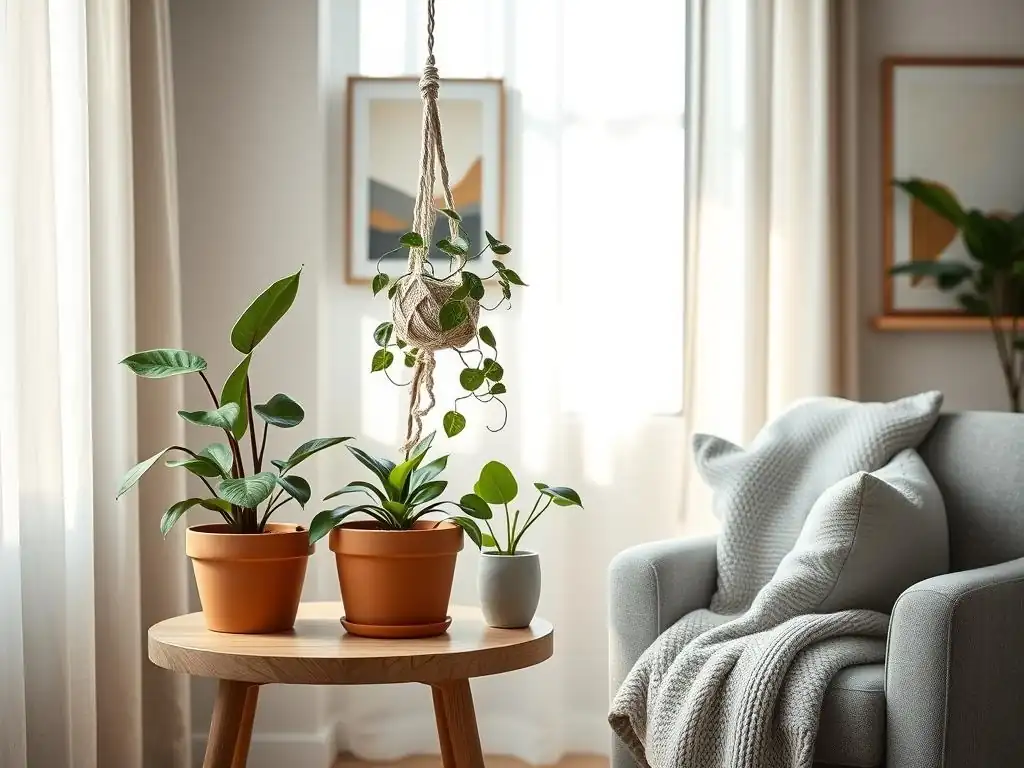
For those new to plant care or with limited time, choosing low-maintenance plants is key to ensuring the experience reduces stress rather than adding to it. These resilient species require minimal watering and can tolerate a range of light conditions, making them forgiving for beginners. Starting with easy-care plants builds confidence and allows you to enjoy the stress-reducing benefits without the pressure of complex horticultural demands.
The success of keeping a plant alive and thriving, even a low-maintenance one, provides a sense of accomplishment. This positive feedback loop reinforces the idea that caring for living things can be rewarding and manageable. Focusing on hardy varieties ensures that your initial foray into using plants to reduce home stress is a positive and encouraging one, paving the way for a potentially larger indoor garden in the future.
Snake Plant (Sansevieria trifasciata): Air Purification
The Snake Plant is renowned for its resilience and air-purifying qualities, making it an excellent choice for beginners looking to use plants to reduce home stress. It can tolerate low light conditions and infrequent watering, thriving even with minimal attention. This plant is particularly effective at filtering indoor air pollutants such as formaldehyde and benzene, contributing to a healthier breathing environment.
Beyond its air-cleaning benefits, the Snake Plant's upright, architectural form adds a modern aesthetic to any space. Its ability to survive neglect makes it ideal for busy individuals or those who travel frequently. Having a plant that actively improves air quality with little effort provides a tangible sense of improving one's living space and reducing environmental stressors.
ZZ Plant (Zamioculcas zamiifolia): Drought Tolerance
The ZZ Plant is perhaps one of the most drought-tolerant houseplants available, storing water in its thick rhizomes and leaves. This makes it incredibly forgiving if you occasionally forget to water, a common worry for plant beginners. It can also thrive in very low light conditions, making it suitable for darker corners of the home where other plants might struggle.
Its glossy, dark green leaves give it a lush appearance that can brighten up any room, even without direct sunlight. The ZZ Plant's remarkable hardiness means it's difficult to kill, offering a stress-free introduction to plant ownership. Its resilience serves as a quiet reminder of nature's ability to endure, a concept that can be subtly calming in itself.
Spider Plant (Chlorophytum comosum): Easy Propagation
Spider Plants are not only easy to care for but also famous for producing "spiderettes" or plantlets, which can be easily propagated to create new plants. This process of watching the plant produce babies and then successfully growing new plants from them can be incredibly rewarding and engaging. They are adaptable to various light conditions and only require moderate watering.
Known for their ability to filter formaldehyde and xylene from the air, Spider Plants contribute to a healthier indoor environment. The ease with which they reproduce offers an accessible way to expand your indoor garden or share plants with friends, fostering connection and generosity. This simple act of propagation adds another layer of positive interaction with your plants, reinforcing how plants reduce home stress through engagement and growth.
Plants for Relaxation and Mood
Certain plants are particularly valued for their aromatic properties or traditional uses in promoting relaxation and improving mood. Incorporating these species into your home can enhance the stress-reducing effects of greenery by adding sensory dimensions like scent. Placing these plants in areas where you relax, such as bedrooms or living rooms, can amplify their calming influence.
The power of scent to affect mood is well-documented. Plants with soothing fragrances can act as natural diffusers, creating a tranquil atmosphere. Choosing plants specifically known for their calming properties adds an extra layer to your strategy for using plants to reduce home stress, turning your home into a truly restorative sanctuary.
Lavender (Lavandula): Aromatic Benefits
Lavender is perhaps the most famous plant associated with relaxation and sleep, primarily due to its soothing fragrance. While often grown outdoors, certain varieties can thrive indoors with adequate sunlight, ideally several hours of direct sun per day. The scent of lavender has been shown in studies to lower heart rate and blood pressure, promoting a state of calm.
Having a pot of lavender in a sunny window or near your bedside can provide natural aromatherapy, helping to ease anxiety and improve sleep quality. Gently brushing the leaves releases the oils, allowing you to enjoy the calming scent whenever needed. Integrating this fragrant herb is a direct way to leverage the power of plants to reduce home stress through sensory experience.
Chamomile (Matricaria chamomilla): Calming Properties
Chamomile is widely recognized for its calming and sleep-inducing properties, often consumed as a tea. While typically grown in gardens, it is possible to grow German Chamomile indoors from seed, provided it receives sufficient sunlight (at least 4-5 hours of direct sun daily) and consistent moisture. The delicate white flowers and feathery foliage add a gentle beauty to your indoor space.
Growing your own chamomile allows you to have fresh flowers for tea, turning the process of making a calming drink into a direct interaction with your indoor garden. The simple act of nurturing and harvesting this plant can be a peaceful ritual in itself. Having fresh chamomile readily available provides a natural remedy and a tangible reminder of the plant's calming potential.
Jasmine (Jasminum): Fragrant and Relaxing
Certain varieties of Jasmine, particularly Jasminum polyanthum (Pink Jasmine), can be grown indoors and are prized for their intensely sweet and relaxing fragrance. The scent of Jasmine has been linked to reduced anxiety and improved mood, potentially acting as a natural sedative. These plants typically require bright, indirect light and consistent watering.
Placing a fragrant Jasmine plant in a living area or bedroom can significantly enhance the calming atmosphere. The strong, pleasant scent released by the flowers, especially in the evening, can help unwind after a long day and prepare for restful sleep. Cultivating such a fragrant plant adds a powerful sensory dimension to your indoor oasis, directly contributing to how plants reduce home stress through their aromatic influence.
Designing Your Indoor Oasis
Choosing Plants for Your Space and Lifestyle
Selecting the right plants is crucial for creating an indoor oasis that truly reduces stress rather than becoming a burden. Consider the conditions in your home: how much natural light do different rooms receive? What is the average temperature and humidity? Matching plants to their ideal environment ensures they thrive, making care easier and more rewarding. Don't try to force a sun-loving plant into a dark corner; instead, choose species known to tolerate low light.
Equally important is considering your lifestyle. Are you a busy professional with little free time, or do you enjoy spending time on detailed plant care? Opt for low-maintenance options if your schedule is packed. If you find plant care therapeutic, you might enjoy species that require more attention. Choosing plants that fit your space and routine makes the process enjoyable and ensures that your efforts to use plants to reduce home stress are successful and sustainable.
Strategic Placement: Sunlight and Aesthetics
The placement of your plants is vital for both their health and their visual impact on your space. Ensure that each plant receives the amount of light it needs; placing a sun-loving succulent far from a window will lead to disappointment. Observe how light shifts throughout the day in different rooms to find the best spots. Consider using plant stands or hanging baskets to maximize vertical space and ensure plants get adequate light.
Beyond light requirements, consider the aesthetic contribution of your plants. Use them to add color, texture, and life to areas that feel dull or sterile. Grouping plants of different sizes and leaf shapes can create interesting visual displays. Placing plants in strategic locations, such as near your workspace or in relaxation zones, directly enhances their ability to create a calming atmosphere and helps plants reduce home stress by transforming the visual environment.
Incorporating Plants into Your Daily Routine
Integrating plant care into your daily or weekly routine can transform it from a chore into a mindful practice. Simple tasks like checking soil moisture, misting leaves, or wiping dust off foliage can become moments of quiet connection and observation. These small interactions provide regular opportunities to pause, breathe, and engage with the living world, even for just a few minutes each day.
Making plant care a consistent part of your schedule helps ensure your plants remain healthy, which in turn keeps your indoor oasis thriving. It also provides a sense of structure and responsibility, which can be grounding. This regular engagement reinforces the positive relationship between you and your plants, solidifying their role in helping you manage stress at home.
Mindful Watering: A Meditative Practice
Watering plants can be much more than just adding water; it can be a simple yet effective meditative practice. Approach the task slowly, focusing on the feel of the soil, the weight of the watering can, and the sight and sound of the water soaking in. Pay attention to each plant individually, observing its leaves and soil to gauge its needs rather than watering on a strict, unthinking schedule.
This mindful approach turns a mundane chore into an opportunity for presence and connection. By focusing solely on the act of watering, you can quiet the mental chatter and find a moment of calm. This deliberate engagement with your plants transforms care into a form of self-care, directly contributing to the ways plants reduce home stress by providing moments of tranquility and focus.
Observing Growth: Finding Joy in Nature
One of the most rewarding aspects of keeping plants is observing their growth and changes over time. Noticing a new leaf unfurling, a bud forming, or roots developing can bring a simple but profound sense of joy and wonder. This connection to the slow, steady processes of nature provides a contrast to the fast-paced demands of modern life and offers a perspective on patience and resilience.
Taking a few moments each day or week to simply look at your plants, appreciate their progress, and notice the subtle changes can be a source of inspiration and calm. It reminds us of the persistent vitality of life and our connection to it. This observation fosters a deeper appreciation for your indoor oasis and reinforces the positive emotional impact that plants have on your home environment.
Maximizing Stress-Relieving Benefits
Aromatherapy with Plants: Natural Scents
Leveraging the natural scents of plants is a powerful way to enhance their stress-reducing capabilities. Beyond obviously fragrant plants like Lavender or Jasmine, many common houseplants release subtle, pleasant aromas, especially when their leaves are gently disturbed. The clean, earthy smell of soil can also be grounding and calming for some individuals.
Consider placing fragrant plants in areas where you spend time relaxing or unwinding. Even non-flowering plants like Eucalyptus (often used for its respiratory benefits) or certain types of Geraniums with scented leaves can contribute to a therapeutic atmosphere. Using the inherent aromatherapy of plants adds another sensory layer to your indoor oasis, significantly boosting how plants reduce home stress through their natural fragrance.
Creating a Green Sanctuary: Plant-Based Relaxation
Designating a specific area in your home as a "green sanctuary" can amplify the stress-relieving benefits of your plants. This could be a cozy reading nook filled with foliage, a corner by a sunny window with comfortable seating surrounded by plants, or even just a dedicated spot where you keep your most cherished plants. The key is to create a space specifically intended for relaxation and connection with nature.
Fill this area with plants that you find particularly calming or beautiful. Add comfortable cushions, soft lighting, and perhaps a water feature for added tranquility. Spending time in this green sanctuary, even for short periods, allows you to immerse yourself in the calming presence of your plants and fully experience how plants reduce home stress by providing a dedicated space for peace and rejuvenation.
Combining Plants with Stress-Reduction Techniques
Integrating your indoor plants with other established stress-reduction techniques can create a powerful synergy for enhancing well-being. The calming presence of plants can deepen the effects of practices like meditation, mindfulness, or gentle yoga. Simply having plants around you while engaging in these activities can make them feel more grounded and connected to the natural world.
For example, you might choose to meditate in your green sanctuary, allowing the quiet presence of the plants to help still your mind. Or, practice mindful breathing exercises while observing a single leaf or the intricate patterns of a plant's growth. This combination leverages the inherent calming qualities of plants to enhance the effectiveness of other techniques aimed at reducing stress and fostering inner peace.
Plants and Meditation: Deepening Inner Peace
Meditating in the presence of plants can enhance the experience by creating a more serene and natural environment. The stillness and quiet growth of plants offer a peaceful backdrop for focusing the mind and cultivating inner peace. Their living presence can act as a gentle anchor for your attention, helping you stay present during meditation practice.
Sitting among your plants, you might find it easier to let go of distractions and connect with a sense of calm. The subtle energy of living things can contribute to a feeling of tranquility and groundedness. This integration allows the passive presence of your plants to actively support your journey towards reduced stress and greater mindfulness.
Plants and Mindfulness: Enhancing Focus
Mindfulness is about paying attention to the present moment without judgment. Plants provide numerous opportunities for practicing mindfulness throughout the day. Simple acts like observing the texture of a leaf, noticing a plant turning its leaves towards the light, or feeling the moisture level of the soil can bring your awareness back to the present.
Using your plants as prompts for mindfulness exercises can enhance focus and reduce rumination on stressors. For instance, take a moment to mindfully water your plants, focusing on the sensations involved. Or, spend five minutes simply observing the details of one plant, noticing its colors, shapes, and how it holds itself. These practices leverage the tangible, immediate presence of plants to help you anchor your awareness in the here and now.
Troubleshooting Plant Issues
Identifying and Addressing Plant Problems
Even with low-maintenance plants, occasional issues can arise, such as yellowing leaves, drooping stems, or the appearance of pests. Learning to identify these common problems early is crucial for keeping your plants healthy and preventing plant care from becoming a source of stress itself. Yellow leaves often indicate overwatering or underwatering, while drooping can signal thirst or sometimes too much water. Small insects might point to pests like aphids or spider mites.
Addressing these issues promptly usually involves simple adjustments to care, such as altering your watering schedule, moving the plant to a spot with different light, or gently cleaning leaves. For pests, options range from wiping them off with a damp cloth to using a mild soap solution. Learning these basic troubleshooting steps empowers you to maintain your indoor oasis and ensures that your efforts to use plants to reduce home stress remain positive.
Maintaining a Healthy Environment
Preventing most plant problems starts with providing a healthy environment tailored to your specific plants' needs. This includes ensuring they receive the correct amount of light, maintaining appropriate watering habits (checking the soil before watering is key), and providing adequate humidity, especially for tropical species which might struggle in dry indoor air. Using a humidity tray or grouping plants can help increase local humidity.
Proper air circulation is also important to prevent fungal diseases. Avoid placing plants too close together or in stagnant corners. Regularly inspecting your plants allows you to catch issues early before they become severe. Creating and maintaining the right conditions minimizes stress for both you and your plants, reinforcing the positive benefits of your green space.
When to Seek Expert Advice: Local Horticulturalist
While basic troubleshooting covers many common issues, some plant problems can be more complex or persistent. If you've tried standard solutions and your plant is still struggling, it might be time to seek expert advice. Local garden centers often have staff horticulturalists who can diagnose problems and recommend specific treatments or care adjustments tailored to your region and plant type.
Don't view needing help as a failure; even experienced plant enthusiasts encounter challenges. Consulting a local expert can save your plant and provide valuable learning opportunities. Their knowledge can offer solutions for stubborn pests, diseases, or environmental issues you might not have considered. Reaching out for help ensures your efforts to maintain a stress-reducing plant environment are supported and successful in the long run.
Conclusion: A Calmer Home with Plants
Long-Term Benefits of a Plant-Filled Home
Creating an indoor oasis with plants offers significant long-term benefits for mental well-being and stress reduction. Over time, living in a home filled with greenery can contribute to consistently lower stress levels, improved mood, enhanced focus, and a greater sense of connection to nature. The cumulative effect of cleaner air, visual tranquility, and the therapeutic act of care can transform your home into a true sanctuary from the demands of the outside world.
Beyond personal well-being, a home environment that supports calm and reduces stress can also positively impact relationships with those you live with. A more peaceful living space encourages relaxation and can make it easier to unwind and connect with others. The ongoing presence of plants serves as a continuous, gentle reminder to pause, breathe, and appreciate the simple beauty of life, reinforcing the profound ways plants reduce home stress day after day.
Nurturing Your Indoor Oasis: A Journey to Well-being
Embarking on the journey of creating and nurturing an indoor oasis is an ongoing process that contributes significantly to your overall well-being. It's not about achieving perfection but about cultivating a living space that supports your mental health. As you learn about different plants, experiment with placement, and settle into a care routine, you'll discover what works best for you and your home.
Allowing yourself to be present with your plants, observing their cycles of growth and rest, offers a continuous source of calm and connection. This journey with plants is a tangible way to invest in your self-care and create a home environment where you can truly relax and recharge. By actively using plants to reduce home stress, you are cultivating not just a greener home, but a calmer, more peaceful life.
Frequently Asked Questions
How do indoor plants actually reduce stress at home?
Plants can help lower stress levels by purifying the air, which leads to a more relaxed and healthier environment. They also introduce a calming element of nature indoors, improving mood and reducing anxiety.
Which types of plants are most effective for reducing stress in a home environment?
Plants like lavender, snake plants, and peace lilies are known for their air-purifying qualities and calming scents. These plants are relatively easy to care for and can significantly improve indoor air quality.
How much plant care is required to experience the stress-reducing benefits?
Even minimal care, like watering and providing sunlight, can be enough to receive the psychological benefits of plants. Consistent care can also be a mindful practice, further contributing to stress reduction.
Besides air purification, what other psychological benefits do plants offer for stress reduction?
Plants can provide a sense of accomplishment and connection to nature, which can boost mood and reduce feelings of isolation. Their presence can also create a more visually appealing and calming atmosphere.
How can I incorporate plants into my home in a way that maximizes stress reduction?
Consider placing plants in areas where you spend the most time, like your bedroom or living room, to create a calming oasis. Grouping plants together can also amplify their air-purifying and aesthetic benefits.
Final Reflection: Cultivating Calm: The Enduring Power of Plants
The simple act of incorporating plants into our homes isn't just a design trend; it's a powerful, accessible tool for combating the pervasive stress of modern life. The research is clear: plants significantly improve air quality, reduce noise pollution, and offer a visual respite from the digital world, all contributing to a calmer, more focused environment. This isn't just about aesthetics; it's about actively cultivating well-being within our own four walls.
The impact of nature on our mental health is undeniable, and the ease with which we can bring that nature indoors is truly remarkable. This article explored practical, achievable ways to integrate plants into our homes, regardless of space or experience. The transformative power of even a single potted plant is something I've personally witnessed, and it resonates deeply with the wisdom of ancient cultures who understood the profound connection between humans and the natural world. Look deep into nature, and then you will understand everything better.
- Albert Einstein. This quote speaks to the inherent peace and understanding that can be found in the simple act of nurturing a living thing.
Now, consider your own space. What small change could you make today to invite more greenery into your life? Perhaps a single succulent on your desk, a vibrant fern in your living room, or even a small herb garden in your kitchen. Don't underestimate the potential of these small acts of connection with nature; they are seeds of calm, sown in the soil of your home, ready to blossom into a more peaceful and stress-free existence. Start small, nurture your plants, and watch as they, in turn, nurture your well-being.
Unleash Your Inner Gardener: Cultivate Calm Today!
Thanks for taking the time to explore the power of plants for stress reduction! We hope you've found some inspiring ideas to bring a little more serenity into your life. Ready to transform your space?
- Start small: Choose one plant that resonates with you and find the perfect spot in your home to nurture it. Observe its growth and notice how it impacts your mood.
- Share your green journey! Tell us about your favorite plant or your experience creating a calming indoor space in the comments below.
- Consider exploring different plant varieties – from easy-care succulents to vibrant flowering plants – to find the perfect companions for your well-being.
What small step will you take today to bring more tranquility into your home and life?