
Morning Rituals for Mental Peace: Start Your Day Right


Welcome to Mind Care Guide, your sanctuary for navigating the complexities of mental well-being.
Ever wonder if there's a secret to starting your day with a sense of calm and control? Dive into our latest article, exploring how calm mornings boost mental peace, and discover simple yet powerful rituals that can transform your entire outlook. Let's unlock a more peaceful you, one sunrise at a time. Curious to know how? Read on...
Morning Rituals for Mental Peace: Start Your Day Right
- Introduction: The Power of Calm Mornings for Mental Wellbeing
- Crafting Your Personalized Morning Ritual for Mental Peace
- Essential Elements of a Mental Peace Morning Ritual
- Sample Morning Rituals for Inspiration
- Troubleshooting Common Challenges in Establishing a Morning Ritual
- Maintaining and Adapting Your Morning Ritual for Lasting Mental Peace
- Conclusion: Embrace the Power of Calm Mornings for a More Peaceful Life
-
Frequently Asked Questions
- How can establishing morning rituals contribute to my overall mental well-being?
- What are some simple morning rituals I can incorporate to boost mental peace?
- How much time should I dedicate to my morning rituals for them to be effective?
- What if I struggle to wake up early enough to incorporate morning rituals?
- Can adapting my morning rituals to suit my individual needs improve their effectiveness?
- Final Reflection: Cultivating Calm, Harvesting Peace
- Unlock Your Day: Cultivate a Calmer You
Introduction: The Power of Calm Mornings for Mental Wellbeing
Why a Peaceful Morning Matters for Your Mental Health
The way you begin your day sets the tone for the hours that follow. A chaotic or rushed morning can trigger stress responses in your body, leading to elevated levels of cortisol, the primary stress hormone. High cortisol levels upon waking, especially when prolonged, can contribute to increased anxiety, difficulty concentrating, and even irritability throughout the day. Conversely, a calm and intentional start can significantly impact your mental state, fostering a sense of control and reducing the likelihood of being overwhelmed by daily challenges.
Scientific understanding supports the idea that our morning experiences influence our nervous system's state. Starting with peace allows the parasympathetic nervous system – responsible for rest and digest – to remain dominant, rather than immediately activating the sympathetic nervous system – associated with fight or flight. This calmer physiological state makes you more resilient to stress, improves emotional regulation, and enhances overall mental clarity. Establishing calm mornings boost mental peace, creating a foundation for a more balanced and less reactive day.
Understanding the Connection Between Morning Rituals and Mental Peace
Morning rituals are intentional, structured activities performed consistently at the start of your day. They are not simply routines driven by necessity (like brushing your teeth), but deliberate practices chosen to nourish your mind and spirit. The power of these rituals lies in their predictability and purpose. In a world often filled with uncertainty, having a set sequence of calming activities provides a sense of stability and grounding right from the moment you wake up.
This predictability helps to quiet the anxious mind, which often thrives on anticipating potential problems. By engaging in a ritual, you shift your focus from external pressures or internal worries to the present moment and the calming activity itself. For instance, dedicating 15 minutes to quiet reflection or gentle movement signals to your brain that this time is for peace and self-care. Over time, consistently practicing these rituals builds positive neural pathways, making it easier to access a state of calm and reinforcing the belief that calm mornings boost mental peace effectively.
Crafting Your Personalized Morning Ritual for Mental Peace
Assessing Your Current Morning Routine: Identifying Stress Triggers
Before you can build a peaceful morning ritual, it's crucial to understand what isn't working in your current one. Take a few days to observe your typical morning without judgment. Note down everything you do from the moment you wake up until you feel your day has truly begun. Pay close attention to activities that make you feel rushed, anxious, or stressed. Is it immediately checking emails or social media? Is it the frantic search for misplaced keys? Is it the lack of time for a proper breakfast?
Identify the specific stress triggers. For example, a common trigger for many is the jolt of an alarm and the immediate dive into news headlines or work notifications, which instantly puts the brain into a reactive mode. Another might be insufficient sleep leading to grogginess and a frantic rush. Pinpointing these exact points of friction is the first step towards designing a ritual that consciously avoids or mitigates them. This assessment provides a clear picture of the "before" state you are looking to transform.
Defining Your Goals: What Do You Want to Achieve with Your Morning Ritual?
Once you know what stresses you out, consider what you want to feel and achieve during your morning. Do you want to feel more centered and less anxious? Do you hope to increase your energy levels naturally? Is your goal to cultivate more gratitude or clarity before tackling work or daily tasks? Setting clear, positive intentions for your morning ritual provides direction and motivation. Instead of just "having a better morning," aim for something specific like "I want to feel calm and prepared by 8:00 AM" or "My goal is to start the day feeling grateful and positive."
Your goals should align with your mental health needs. If anxiety is a major challenge, your goals might focus on grounding techniques and reducing triggers. If you struggle with low mood, incorporating activities that boost positivity, like gratitude or uplifting music, might be key. Having defined goals helps you select the most effective elements for your ritual and makes it easier to measure its success over time. Remember, the aim is to create calm mornings boost mental peace specifically for you.
Essential Elements of a Mental Peace Morning Ritual
Mindfulness Meditation for a Calm Start
Benefits of Mindfulness Meditation for Anxiety and Stress Reduction
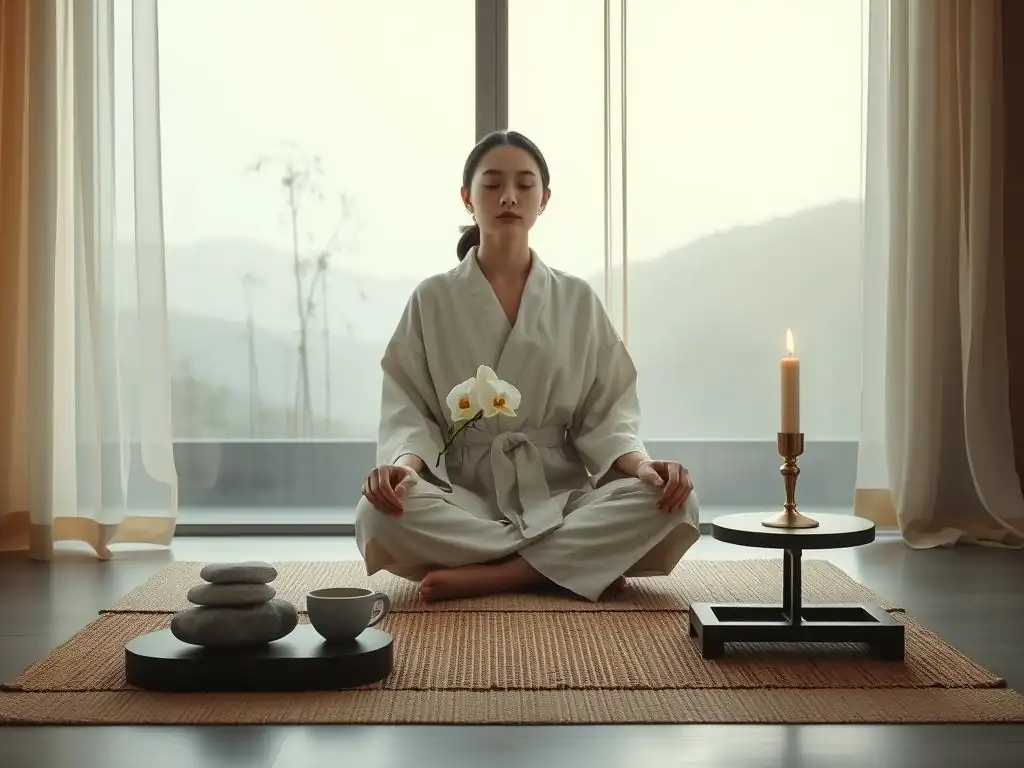
Mindfulness meditation is a powerful tool for anchoring yourself in the present moment and reducing the grip of anxious thoughts. Regular practice has been shown to decrease symptoms of anxiety and stress by cultivating awareness without judgment. For example, studies and clinical observations suggest that consistent mindfulness practice, even for just 10-15 minutes daily, can lead to a noticeable reduction in reported stress levels within weeks. It helps to regulate the amygdala, the brain's fear center, making you less reactive to perceived threats.
The benefits extend beyond immediate stress relief. Over time, mindfulness meditation can improve your ability to manage difficult emotions, enhance self-awareness, and increase feelings of overall well-being. It teaches you to observe thoughts and feelings without getting swept away by them, which is particularly helpful for those prone to worry spirals. Incorporating this practice into your morning ritual is a direct investment in creating calm mornings boost mental peace, providing a mental buffer against the day's potential stressors.
Guided Meditation Techniques for Morning Calm
For beginners, guided meditations are an excellent way to start. They provide a voice and structure to follow, making it easier to stay focused. Many free apps and online resources offer short, guided sessions specifically designed for morning. Look for meditations focusing on breathing, body scan, or cultivating positive intentions for the day. A simple 5-10 minute guided session can make a significant difference.
Alternatively, you can practice a simple unguided technique: Sit comfortably, close your eyes, and focus on your breath. Notice the sensation of air entering and leaving your nostrils or the rise and fall of your abdomen. When your mind wanders (which it will! ), gently guide your attention back to your breath without self-criticism. Even just a few minutes of this practice can help ground you and prepare your mind for a peaceful day.
Gentle Movement and Stretching for Mental Clarity
The Importance of Physical Activity for Mental Wellbeing
Physical activity is intrinsically linked to mental health. Even gentle movement in the morning can stimulate blood flow to the brain, improving cognitive function and boosting mood. Exercise releases endorphins, natural mood elevators that can help reduce feelings of pain and increase feelings of well-being. Starting your day with movement helps to shake off sleepiness and physical stiffness, creating a sense of vitality.
Moreover, engaging in gentle physical activity can serve as a moving meditation, allowing you to connect with your body and release pent-up tension. It provides a healthy way to channel nervous energy. Incorporating movement doesn't require a strenuous workout; simple stretches or a short walk can be incredibly effective. This physical element contributes significantly to the overall goal of achieving calm mornings boost mental peace.
Simple Yoga Poses and Stretches for a Peaceful Morning
Gentle yoga poses are perfect for a morning ritual as they combine movement, breathwork, and mindfulness. Poses like Cat-Cow stretch the spine and gentle wake up the body. Child's Pose is incredibly grounding and calming. Downward-Facing Dog can help energize while stretching the hamstrings and shoulders. Holding simple stretches like a seated forward bend or a gentle twist can release tension accumulated overnight.
- Cat-Cow: On hands and knees, inhale as you drop your belly and lift your gaze (Cow); exhale as you round your spine and tuck your chin (Cat). Repeat 5-10 times.
- Child's Pose: Kneel on the floor, wide knees, big toes touching. Sit back on your heels and fold forward, resting your torso between your thighs. Extend arms forward or alongside your body. Hold for 1-5 minutes.
- Seated Forward Bend: Sit with legs extended. Inhale to lengthen your spine, exhale as you fold forward from the hips. Don't worry about touching your toes; focus on a gentle stretch. Hold for 1-2 minutes.
Gratitude Journaling: Cultivating Positivity and Appreciation
How Gratitude Journaling Enhances Mental Peace
Focusing on gratitude shifts your perspective from what's lacking to what you already have, fostering feelings of contentment and positivity. Regularly practicing gratitude journaling has been linked to reduced symptoms of depression and anxiety, increased happiness levels, and improved overall life satisfaction. Research suggests that people who consistently practice gratitude report feeling happier and more optimistic, even when faced with challenges.
Writing down things you are grateful for trains your brain to notice the positive aspects of your life, which can counteract the negativity bias many people experience. It provides a tangible record of the good things, big and small, helping you appreciate the richness of your life. Making gratitude a part of your morning ritual sets a positive tone, ensuring that calm mornings boost mental peace by starting with an appreciative mindset.
Prompts for Your Morning Gratitude Journal
You don't need to write lengthy essays. Just a few bullet points or short sentences can be effective. Here are some prompts to get you started:
- Three things I am grateful for today are...
- One simple pleasure I enjoyed yesterday was...
- Something about myself I appreciate is...
- A challenge I overcame recently that I'm grateful for is...
- I am grateful for the opportunity to...
Mindful Eating and Hydration: Fueling Your Mind and Body
The Impact of Breakfast on Mood and Cognitive Function
Skipping breakfast or grabbing something sugary and processed can negatively impact your mood, energy levels, and cognitive function. Your brain needs fuel after an overnight fast. A balanced breakfast provides essential nutrients and stable blood sugar, preventing crashes that can lead to irritability, difficulty concentrating, and fatigue. Studies show that individuals who eat a nutritious breakfast tend to have better mood regulation and improved performance on cognitive tasks throughout the morning.
Mindful eating involves paying attention to your food – its taste, texture, and the signals of hunger and fullness from your body. This simple act turns eating from a rushed chore into a nourishing experience. Taking the time to mindfully enjoy your breakfast is a form of self-care that supports both physical health and mental peace. It ensures your body and mind are properly fueled to face the day ahead.
Healthy Breakfast Ideas to Promote Mental Clarity
Focus on a balance of protein, healthy fats, and complex carbohydrates to sustain energy and focus. Avoid excessive sugar, which can lead to a rapid spike and crash in blood sugar.
- Oatmeal with berries, nuts, and seeds
- Greek yogurt with fruit and a sprinkle of granola
- Scrambled eggs with avocado and whole-grain toast
- Smoothie with spinach, fruit, protein powder, and nut butter
- Whole-grain cereal with milk and a side of fruit
Also, don't forget hydration! Drink a glass of water upon waking to rehydrate your body after the night. Dehydration can contribute to fatigue and headaches, impacting your mental state.
Limiting Screen Time and News Consumption
Reducing Exposure to Stressful Information in the Morning
One of the quickest ways to disrupt calm mornings boost mental peace is immediately exposing yourself to the often-negative news cycle or the pressures of work emails and social media comparisons. This instant input can trigger anxiety, worry, and a sense of being behind before your day has even truly begun. The constant stream of notifications and updates primes your brain for distraction and reactivity rather than calm focus.
Making a conscious decision to delay checking your phone for the first 30-60 minutes of your day allows you to protect your mental space and focus on your chosen ritual. It creates a buffer zone where you are in control of your input, rather than being immediately bombarded by external demands and potentially upsetting information. This simple habit can dramatically reduce morning stress.
Alternatives to Checking Your Phone First Thing
Instead of reaching for your phone, replace that habit with one of your chosen ritual elements.
- Read a physical book or magazine.
- Listen to calming music or a podcast (not news-related).
- Write in your journal.
- Do your stretching or meditation.
- Simply sit and enjoy a cup of tea or coffee in silence.
Consider creating a physical barrier, like leaving your phone in another room overnight, to make it harder to access instinctively. This deliberate choice reinforces your commitment to a peaceful start.
Sample Morning Rituals for Inspiration
The "Mindful Movement" Morning Routine
This ritual focuses on waking up the body and calming the mind through gentle physical activity and breath awareness.
- Wake up naturally or to a gentle alarm.
- Drink a glass of water.
- Spend 15-20 minutes doing gentle yoga or stretching, focusing on breath synchronized with movement.
- Sit for 5-10 minutes of silent or guided meditation.
- Prepare and mindfully eat a nutritious breakfast.
- Delay checking phone/email for at least 30 minutes after waking.
This routine emphasizes the physical connection to mental peace, leveraging movement to release tension and prepare the body for the day.
The "Gratitude and Reflection" Morning Routine
This ritual centers around cultivating a positive mindset and setting intentions.
- Wake up naturally or to a gentle alarm.
- Drink a glass of water.
- Spend 10-15 minutes journaling: write down 3-5 things you're grateful for, one intention for the day, and any thoughts or feelings you want to acknowledge.
- Read a few pages of an uplifting book or listen to an inspirational podcast for 10 minutes.
- Prepare and mindfully eat a nutritious breakfast while contemplating your intentions.
- Delay checking phone/email for at least 30-45 minutes after waking.
This routine focuses on introspection and positive framing to ensure calm mornings boost mental peace from an emotional and cognitive perspective.
The "Nature Immersion" Morning Routine
This ritual connects you with the natural world for grounding and perspective. (Adaptable based on location and time availability).
- Wake up naturally or to a gentle alarm.
- Drink a glass of water.
- Spend 15-25 minutes taking a slow walk outside, focusing on observing nature (trees, sounds, smells, sky). Avoid distractions like music or podcasts.
- Sit outside or by a window for 5-10 minutes, practicing mindful breathing while simply being present.
- Prepare and mindfully eat a nutritious breakfast.
- Delay checking phone/email until after your outdoor time.
This routine uses the calming power of nature to foster a sense of peace and perspective, reinforcing how calm mornings boost mental peace when connected to the environment.
Troubleshooting Common Challenges in Establishing a Morning Ritual

Overcoming Resistance and Procrastination
Starting a new habit can feel daunting, and it's common to face internal resistance or simply hit the snooze button repeatedly. Acknowledge this resistance without judgment. Start small; even 5-10 minutes dedicated to a ritual element is better than nothing. Don't aim for perfection, aim for consistency. Tell yourself you'll just do one thing from your ritual today. Often, starting is the hardest part.
- Break it down: Choose just one element to start with (e.g., 5 mins of meditation).
- Be flexible: If you miss a day, don't give up. Just pick up again tomorrow.
- Find your "why": Remind yourself why calm mornings boost mental peace for you specifically.
- Schedule it: Treat your ritual like any other important appointment.
Finding Time in a Busy Schedule
Many people feel they simply don't have enough time in the morning. This often requires shifting priorities or adjusting your sleep schedule. Could you go to bed 15-20 minutes earlier? Could you prepare your breakfast the night before? Evaluate where your time is currently going. Is the extra 15 minutes of sleep truly more beneficial than the mental peace gained from a ritual?
Consider stacking habits. Can you listen to a short guided meditation while getting dressed? Can you drink your water while doing a few stretches? Even incorporating just 10-15 minutes can be impactful. Remember, this isn't about adding another chore; it's about investing in your well-being. Prioritizing calm mornings boost mental peace means making space for it, even if it's just a small space initially.
Staying Consistent with Your Morning Ritual
Consistency is key to reaping the long-term benefits of a morning ritual. Life happens, and there will be days when your routine is disrupted. Don't let one missed day derail your efforts. Simply acknowledge it and commit to getting back on track the next morning. Tracking your ritual can help; mark it on a calendar or use a habit-tracking app. Seeing your progress can be motivating.
- Be accountable: Tell a friend or family member about your goal.
- Reward yourself: Acknowledge your consistency with a small, healthy reward.
- Review and adjust: If your ritual isn't working, tweak it! It should feel supportive, not like a burden.
- Connect to the feeling: Regularly reflect on how your ritual makes you feel – remembering the peace it brings can be a powerful motivator to stick with it.
Maintaining and Adapting Your Morning Ritual for Lasting Mental Peace
Regularly Reviewing and Adjusting Your Routine
Your needs and circumstances change over time, and so too should your morning ritual. What worked perfectly six months ago might not be serving you as well now. Schedule a regular check-in with yourself – perhaps quarterly or whenever you notice your ritual feeling stale or ineffective. Ask yourself: Is this still helping me feel calm and centered? Are there elements that feel like a chore? Are there new practices I'd like to try?
Be honest about what's working and what's not. If a particular meditation technique no longer resonates, try a different one. If you find yourself skipping journaling, maybe it's not the right fit for this season of your life. Reviewing ensures your ritual remains a supportive tool for achieving calm mornings boost mental peace, rather than becoming another source of stress. This process of refinement is crucial for long-term adherence and effectiveness.
Incorporating New Elements to Keep Things Fresh
To prevent your ritual from becoming monotonous, consider occasionally incorporating new elements or rotating practices. This keeps the routine engaging and allows you to explore different techniques that might further enhance your mental peace.
For example:
- Try a walking meditation instead of seated meditation once a week.
- Add a few minutes of breathwork exercises.
- Listen to a short, inspiring poem.
- Spend one morning simply sitting and observing the sunrise or the view from your window.
- Learn a new gentle yoga pose.
Introducing novelty in small doses can re-energize your commitment and deepen your practice, ensuring your pursuit of calm mornings boost mental peace remains dynamic and effective.
Recognizing the Long-Term Benefits of Calm Mornings for Overall Mental Health
Consistently prioritizing calm mornings isn't just about starting the day well; it has cumulative, long-term benefits for your overall mental health. Over time, this practice can lead to a reduction in baseline anxiety levels, improved emotional resilience, better stress management skills, and a greater sense of self-efficacy and control over your well-being. It reinforces a positive feedback loop: the more peaceful your mornings are, the more capable you feel of handling challenges, which in turn reduces stress and makes maintaining your ritual easier.
Think of your morning ritual as a daily deposit into your mental health bank account. These small, consistent investments build significant reserves of resilience and peace over months and years. Individuals who maintain such practices often report feeling more grounded, less reactive, and more capable of navigating life's ups and downs with greater ease. The effort put into creating calm mornings boost mental peace pays dividends far beyond the initial hours of the day.
Conclusion: Embrace the Power of Calm Mornings for a More Peaceful Life
The Importance of Prioritizing Mental Wellbeing Through Daily Rituals
In a fast-paced world, it's easy to let the demands of life immediately take over our mornings. However, consciously choosing to dedicate the first part of your day to nurturing your mental peace is one of the most impactful forms of self-care. Daily rituals, particularly those practiced in the morning, serve as powerful anchors that ground you before the inevitable storms of the day arrive. They are not a luxury, but a necessary strategy for maintaining balance and preventing burnout.
Prioritizing mental wellbeing through consistent morning rituals sends a clear message to yourself: "My peace is important." This self-affirmation is foundational to building resilience and fostering a positive relationship with yourself. By making this commitment, you are actively shaping your mental landscape, setting a precedent for how you wish to experience your day and your life.
Taking the First Step Towards a Calmer, More Centered You
Embarking on the journey to create calm mornings boost mental peace begins with a single step. Don't feel pressured to implement an elaborate ritual overnight. Start small. Choose just one element that resonates with you – perhaps 5 minutes of quiet breathing, a glass of water and a few stretches, or writing down one thing you're grateful for. Commit to practicing this one small thing consistently for a week.
Observe how that single step makes you feel. Notice the subtle shifts in your mood and perspective. Building a personalized morning ritual is an ongoing process of exploration and self-discovery. Be patient and compassionate with yourself. Every conscious choice to start your day with peace is a victory, moving you closer to a more centered, resilient, and peaceful life. The power to transform your mornings, and by extension your mental peace, is within your reach.
Frequently Asked Questions
How can establishing morning rituals contribute to my overall mental well-being?
Establishing morning rituals can significantly improve mental well-being by setting a positive tone for the day. This helps in reducing stress and promoting a sense of control, leading to increased inner peace.
What are some simple morning rituals I can incorporate to boost mental peace?
Some simple rituals include mindful meditation, gentle stretching, and gratitude journaling. These activities can help calm the mind and promote positive thoughts for the rest of the day.
How much time should I dedicate to my morning rituals for them to be effective?
Even dedicating just 15-30 minutes to morning rituals can be highly effective. Consistency is key; even a small amount of time dedicated regularly can yield significant benefits for mental peace.
What if I struggle to wake up early enough to incorporate morning rituals?
Start small and gradually adjust your wake-up time. Focus on incorporating one small ritual at a time and build from there. The goal is to create a sustainable routine, not to overwhelm yourself.
Can adapting my morning rituals to suit my individual needs improve their effectiveness?
Absolutely! Tailoring your rituals to your personal preferences and needs is crucial. Experiment with different activities and find what resonates best with you to ensure the rituals contribute to your specific mental well-being goals.
Final Reflection: Cultivating Calm, Harvesting Peace
The pursuit of calm mornings is not a fleeting trend; it's a fundamental shift towards prioritizing mental wellbeing in a relentlessly demanding world. Our increasingly fast-paced lives often leave us feeling overwhelmed before the day even begins. This article explored the power of intentional morning rituals to counteract this, offering practical strategies to cultivate a sense of peace and purpose from the moment we wake. The impact of these small changes, when consistently practiced, is profound and far-reaching.
The influence of our morning routines extends far beyond the initial hours of the day. They set the tone for our entire experience, shaping our emotional landscape and influencing our interactions with others. As the saying goes, Well begun is half done.
This rings particularly true when it comes to mental wellbeing. By consciously crafting a calm and mindful start to our day, we're not just managing stress; we're actively building resilience and cultivating a more positive and productive life. This isn't just about personal improvement; it's about contributing to a more compassionate and understanding world, one peaceful morning at a time.
Now, consider your own morning routine. What elements contribute to stress, and which ones foster calm? I invite you to experiment with the techniques discussed in this article, tailoring them to your individual needs and preferences. Even small adjustments – a few minutes of meditation, a mindful cup of tea, or a moment of gratitude – can make a significant difference. Embrace the opportunity to design a morning that nurtures your mind, body, and spirit, and watch as the ripple effect of calm spreads throughout your day and beyond.
Unlock Your Day: Cultivate a Calmer You
Thanks for taking the time to explore the power of morning rituals! We hope you found some valuable insights to help you build a more peaceful and productive day. Now it's time to put those insights into action.
- Prioritize ONE new ritual: Choose just one morning practice from the article – even 5 minutes of mindful breathing – and commit to it for a week. This is your key to unlocking a calmer you.
- Share your experience: Tell us (or a friend!) about your chosen ritual and how it's impacting your day. What surprised you?
- Explore other Mind Care Guide articles: Discover more tips and techniques for building a life of mental well-being on our website.
Ready to begin your journey towards a more peaceful morning routine? What small step will you take today to prioritize your mental well-being?