
Demystifying Tai Chi: What It Is and Isn't for Your Mental Health

Welcome to Mind Care Guide, a sanctuary for your mental well-being.
Are you searching for gentle yet powerful ways to nurture your inner peace? Perhaps you've heard whispers of the profound impact Tai Chi can have on your mental state, but you're unsure where to begin. This article, "Demystifying Tai Chi: What It Is and Isn't for Your Mental Health," dives deep into the fascinating world of Tai Chi and its potential to unlock a calmer, more centered you. Discover the real benefits and dispel the myths – your journey to improved mental health starts here.
Demystifying Tai Chi: What It Is and Isn't for Your Mental Health
- Introduction to Tai Chi and Mental Wellbeing
- What is Tai Chi? A Gentle Introduction
- Tai Chi Mental Health Benefits: Unveiling the Truth
- What Tai Chi Isn't: Addressing Common Misconceptions
- How Tai Chi Impacts the Brain: The Science Behind the Benefits
- Integrating Tai Chi into Your Mental Health Routine
- Tai Chi and Mindfulness: A Powerful Synergy for Mental Wellness
- Real-Life Examples: Stories of Tai Chi for Mental Health
- Conclusion: Embracing Tai Chi for Holistic Mental Health
-
Frequently Asked Questions
- What exactly is Tai Chi, and how does it differ from other forms of exercise?
- How can Tai Chi specifically benefit my mental health?
- Is Tai Chi a replacement for traditional mental health treatments like therapy or medication?
- Are there any physical limitations that would prevent someone from practicing Tai Chi?
- Where can I find qualified Tai Chi instructors or classes near me?
- Final Reflection: Finding Inner Peace Through Movement
- Unleash Your Inner Calm: Next Steps on Your Tai Chi Journey
Introduction to Tai Chi and Mental Wellbeing
Understanding the Growing Interest in Tai Chi for Mental Health
In recent years, there has been a significant surge in interest surrounding the potential of ancient practices like Tai Chi for addressing modern mental health challenges. As people seek complementary approaches to traditional therapies, Tai Chi, with its emphasis on gentle movement and mindful awareness, has emerged as a promising option. This ancient Chinese martial art, often described as "meditation in motion," is gaining recognition not just for its physical benefits but increasingly for its profound impact on psychological well-being.
Research is beginning to catch up with anecdotal evidence, exploring the specific Tai chi mental health benefits. Studies are investigating how the slow, deliberate movements, combined with deep breathing and focus, can help alleviate symptoms associated with stress, anxiety, and depression. This growing body of evidence is fueling the interest among individuals looking for accessible, low-impact ways to support their mental health journey, making Tai Chi a topic of vital importance in the holistic wellness landscape.
Mind Care Guide's Focus on Holistic Mental Health Approaches
Mind Care Guide is dedicated to providing comprehensive information and resources that support a holistic view of mental well-being. We understand that mental health is influenced by a complex interplay of biological, psychological, and social factors, and that effective care often involves integrating various approaches. Our focus extends beyond conventional treatments to explore complementary practices that empower individuals to take an active role in their healing and maintenance.
Tai Chi aligns perfectly with this philosophy. By exploring the Tai chi mental health benefits, we aim to shed light on how practices like this can serve as valuable tools within a broader mental wellness strategy. We believe in offering diverse perspectives and actionable insights, helping our readers navigate their options and discover practices that resonate with their personal needs and circumstances, fostering resilience and promoting overall psychological balance.
What is Tai Chi? A Gentle Introduction
The Origins and Philosophy of Tai Chi Chuan
Tai Chi Chuan, often simply called Tai Chi, is an internal Chinese martial art practiced for both its defense training and its health benefits. Originating in ancient China, its exact history is debated, but it is generally attributed to the 17th century or earlier. The philosophy behind Tai Chi is deeply rooted in traditional Chinese thought, drawing heavily from Taoism and the principles of Yin and Yang – the concept of complementary forces in the universe.
At its core, Tai Chi emphasizes harmony, balance, and the flow of Qi (vital energy). Unlike external martial arts that rely on brute force and speed, Tai Chi focuses on internal strength, softness, and yielding. The movements are designed to be circular, continuous, and fluid, mimicking the forces of nature and promoting a sense of interconnectedness between the practitioner and their environment. This philosophical foundation is crucial to understanding the depth of Tai Chi beyond mere physical exercise and appreciating its potential Tai chi mental health benefits.
Core Principles of Tai Chi: Movement, Breathing, and Mindfulness
The practice of Tai Chi is built upon several core principles that work in synergy to promote well-being. The first is deliberate, slow, and continuous movement. Forms consist of a series of postures linked together in a flowing sequence, emphasizing balance, coordination, and gentle joint articulation. There are no abrupt stops or starts; transitions are smooth and seamless.
Secondly, coordinated breathing is fundamental. Practitioners are encouraged to breathe deeply and naturally, often synchronizing the breath with the movements. This abdominal breathing helps to calm the nervous system and enhance the flow of Qi. Finally, mindfulness is paramount. Tai Chi requires focused attention on the body's sensations, the breath, and the present moment. This meditative aspect is key to unlocking the significant Tai chi mental health benefits, helping to quiet the 'monkey mind' and cultivate inner stillness amidst movement.
Key Elements of a Typical Tai Chi Practice: Forms, Stances, and Posture
A typical Tai Chi practice involves learning and performing "forms," which are sequences of movements ranging from short sets of 10-20 postures to longer, more complex forms with over a hundred. These forms can be practiced solo or with a partner (in exercises like Push Hands). Key elements within these forms include specific stances, such as the "bow stance" or "empty stance," which are low, stable, and help build leg strength and balance.
Proper posture is also critical. The body should be relaxed yet aligned, with the spine straight, shoulders relaxed, and the head gently suspended as if by a string from above. The movements originate from the core, or dantian, located in the lower abdomen. While the physical execution is important, the mental intent and relaxed focus on the principles are what truly define Tai Chi and contribute significantly to the widely reported Tai chi mental health benefits.
Tai Chi Mental Health Benefits: Unveiling the Truth
Stress Reduction and Tai Chi: Calming the Mind
One of the most widely recognized Tai chi mental health benefits is its profound effect on stress reduction. The slow, deliberate movements combined with deep, rhythmic breathing activate the body's relaxation response. This counteracts the "fight or flight" response triggered by stress, leading to a decrease in stress hormones like cortisol.
Practicing Tai Chi shifts the focus from external stressors to internal sensations and the present moment. This mindful engagement acts as a moving meditation, interrupting the cycle of worrying thoughts and promoting a sense of calm. Studies, such as one involving adults experiencing stress, have shown significant reductions in reported stress levels after consistent Tai Chi practice over a period of weeks to months, highlighting its effectiveness as a stress management tool.
Tai Chi and Anxiety Relief: Finding Inner Peace Through Movement
For individuals struggling with anxiety, Tai Chi offers a gentle yet powerful pathway to finding inner peace. The predictable, flowing movements and emphasis on controlled breathing provide a sense of grounding and stability. This can be particularly helpful for those whose anxiety manifests as racing thoughts or physical restlessness.
Research has explored the impact of Tai Chi on anxiety symptoms. For instance, a meta-analysis of studies found that Tai Chi practice was associated with significant reductions in anxiety levels across various populations. The low-impact nature makes it accessible, and the focus required during practice naturally diverts attention from anxious rumination, allowing practitioners to experience moments of mental quiet and cultivate a greater sense of control over their internal state, contributing to significant Tai chi mental health benefits.
Improved Mood and Emotional Regulation with Tai Chi Practice
Consistent Tai Chi practice can lead to noticeable improvements in mood and enhanced emotional regulation. The combination of physical activity, mindful awareness, and stress reduction contributes to a more positive emotional outlook. As stress and anxiety decrease, space is created for more positive emotions to surface.
Furthermore, the practice encourages a non-judgmental observation of one's internal state, including emotions. This mindful approach helps individuals develop greater awareness of their emotional patterns without being overwhelmed by them. Some studies indicate that regular Tai Chi may lead to increased feelings of well-being and decreased symptoms of sadness or irritability, underscoring its role in fostering emotional resilience and contributing to the array of Tai chi mental health benefits.
Tai Chi for Enhanced Focus and Concentration: Sharpening Mental Clarity
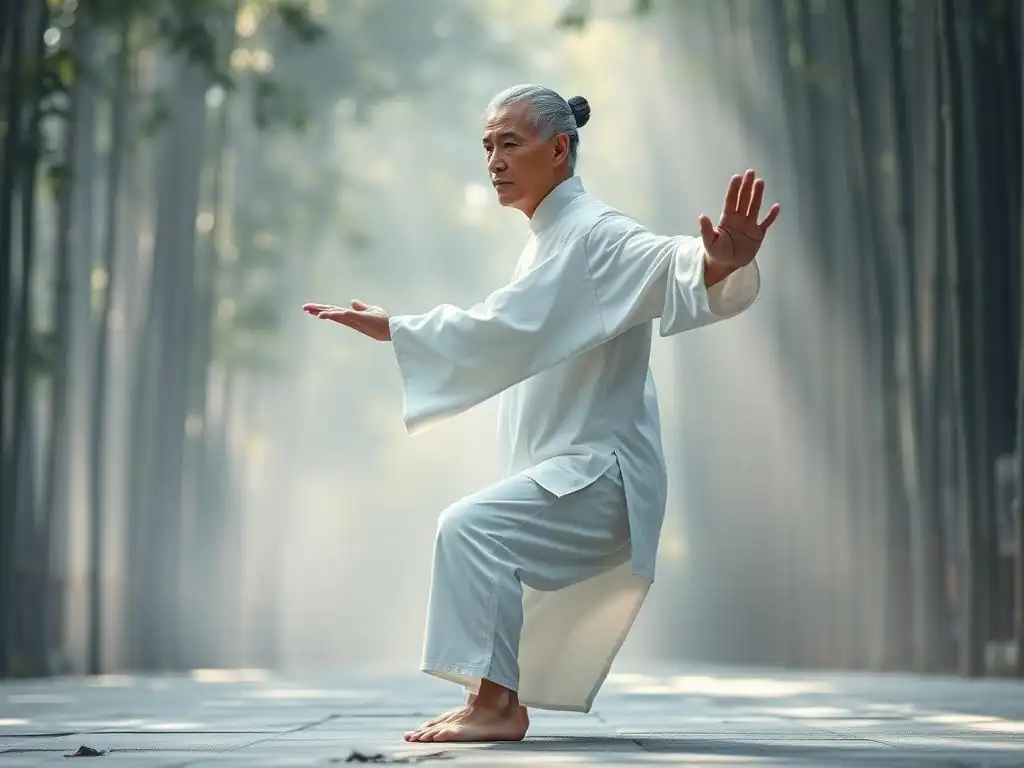
The focus required to learn and perform Tai Chi forms naturally trains the mind to concentrate. Remembering the sequence of movements, coordinating them with the breath, and maintaining proper posture demands sustained attention. This mental discipline extends beyond the practice itself, leading to improved focus and concentration in daily life.
As the 'monkey mind' is calmed through the meditative aspect of Tai Chi, mental clutter is reduced, allowing for greater clarity and cognitive function. This enhanced focus is a valuable Tai chi mental health benefit, particularly for individuals who struggle with attention difficulties or feel mentally scattered due to stress or other mental health challenges. The deliberate nature of the practice cultivates a focused yet relaxed state of mind.
The Role of Tai Chi in Managing Symptoms of Depression
While not a standalone cure, Tai Chi has shown promise as a complementary therapy for managing symptoms of depression. The gentle physical activity can help combat fatigue and low energy levels often associated with depression. The social interaction in group classes can also help reduce feelings of isolation.
Moreover, the mindful movement and focus on the present moment can help interrupt negative thought cycles that are common in depression. Studies, including pilot programs with older adults experiencing depressive symptoms, have reported reductions in symptom severity after participating in Tai Chi programs. This suggests that the combination of movement, mindfulness, and potential social connection offers valuable support for those navigating the complexities of depression, adding another dimension to the Tai chi mental health benefits.
What Tai Chi Isn't: Addressing Common Misconceptions
Tai Chi is Not a Quick Fix for Mental Health Issues
It's crucial to understand that Tai Chi is not a miraculous overnight cure for mental health challenges. While many people experience benefits relatively quickly, integrating Tai Chi into a mental wellness routine is a long-term commitment. Like any therapeutic practice, consistency is key. Expecting immediate, dramatic results can lead to disappointment.
The Tai chi mental health benefits accumulate over time with regular practice. It's a process of cultivating new habits, calming the nervous system, and developing mindful awareness, which takes consistent effort and patience. Viewing Tai Chi as a supplementary tool that supports ongoing mental health efforts, rather than an instant solution, sets a more realistic expectation.
Tai Chi is Not a Substitute for Professional Mental Health Treatment
While Tai Chi offers significant support for mental well-being, it is absolutely not a replacement for professional mental health care. Conditions like clinical depression, severe anxiety disorders, bipolar disorder, or other complex mental illnesses require diagnosis and treatment from qualified mental health professionals, such as therapists, counselors, or psychiatrists.
Tai Chi can be a powerful complementary therapy when used alongside evidence-based treatments like psychotherapy (e.g., CBT, DBT) and medication, as recommended by a healthcare provider. It can help manage symptoms, build coping skills, and improve overall resilience, enhancing the effectiveness of professional care. The Tai chi mental health benefits are best realized when integrated thoughtfully into a comprehensive treatment plan, not used in isolation for serious conditions.
Tai Chi is Not Solely a Physical Exercise: The Importance of Mental Engagement
A common misconception is that Tai Chi is just a form of gentle physical exercise, perhaps comparable to stretching or light aerobics. While it certainly has physical benefits like improved balance and flexibility, its essence lies in the integration of mind, body, and spirit. The mental component – the focused attention, the mindful breathing, and the cultivation of internal energy ( Qi) – is just as, if not more, important than the physical movements themselves.
Performing the movements mechanically without the underlying principles of relaxation, focus, and awareness limits the potential Tai chi mental health benefits. It's the meditation in motion aspect that distinguishes it. Engaging the mind fully in the practice is what helps calm the nervous system, reduce stress, and cultivate the inner peace associated with regular Tai Chi.
Tai Chi is Not One-Size-Fits-All: Finding the Right Style and Instructor
Tai Chi is not a single, monolithic practice. There are numerous styles (e.g., Yang, Chen, Wu, Sun), each with its own emphasis on different aspects like health, martial application, or energy cultivation. Within each style, there can be variations in forms and teaching approaches. What works well for one person may not be the best fit for another.
Finding a qualified instructor whose style and teaching resonate with you is crucial for maximizing the Tai chi mental health benefits. An experienced teacher can guide you on proper posture, breathing, and the underlying principles, helping you develop a safe and effective practice. Trying different classes or styles might be necessary to find the one that feels right for your individual needs and goals, emphasizing that Tai Chi is a personal journey.
How Tai Chi Impacts the Brain: The Science Behind the Benefits
Neuroplasticity and Tai Chi: Rewiring the Brain for Mental Wellbeing
Emerging research suggests that Tai Chi practice can positively influence neuroplasticity, the brain's ability to reorganize itself by forming new neural connections. Learning and performing the complex sequences of Tai Chi movements requires coordinated action between different brain regions, including those involved in motor control, memory, and spatial awareness. This constant engagement can stimulate the growth of new synapses and even neurons in areas like the hippocampus, which is vital for memory and often impacted by stress and depression.
Studies using neuroimaging techniques have begun to observe changes in brain structure and function in regular Tai Chi practitioners, particularly in areas related to attention, emotional regulation, and executive function. This indicates that the mindful, coordinated movements of Tai Chi are not just affecting the body but are actively helping to rewire the brain in ways that support improved mental well-being, contributing significantly to the observed Tai chi mental health benefits.
The Impact of Tai Chi on Stress Hormones and the Nervous System
Tai Chi has a well-documented impact on the body's stress response system, specifically the hypothalamic-pituitary-adrenal (HPA) axis and the autonomic nervous system (ANS). Chronic stress leads to the overactivation of the HPA axis, resulting in elevated levels of cortisol, a stress hormone linked to various physical and mental health problems.
Regular Tai Chi practice promotes a shift towards the dominance of the parasympathetic nervous system – the "rest and digest" branch of the ANS. This leads to a decrease in heart rate, blood pressure, and respiratory rate, creating a state of physiological calm. Research, including studies measuring cortisol levels in participants before and after Tai Chi interventions, has shown reductions in this key stress hormone. This physiological calming effect is a fundamental mechanism behind many of the reported Tai chi mental health benefits, particularly stress and anxiety reduction.
Tai Chi and the Release of Endorphins: Promoting Natural Mood Boosters
Like other forms of physical activity, Tai Chi stimulates the release of endorphins, often referred to as the body's natural painkillers and mood elevators. While Tai Chi is low-impact compared to vigorous exercise, the sustained, gentle movement is sufficient to trigger this biochemical response.
Endorphins interact with receptors in the brain to reduce the perception of pain and produce feelings of euphoria or well-being. This natural mood boost contributes to the anti-depressant and anxiety-reducing effects observed in individuals who practice Tai Chi regularly. While the intensity is low, the duration and mindful engagement of Tai Chi practice appear effective in promoting this beneficial neurochemical release, adding another layer to the understanding of Tai chi mental health benefits.
Integrating Tai Chi into Your Mental Health Routine
Finding a Qualified Tai Chi Instructor: Experience, Certification, and Teaching Style
Finding the right Tai Chi instructor is a crucial step in integrating this practice into your mental health routine effectively. Look for instructors with significant experience in practicing and teaching Tai Chi, ideally across several years. While formal certification varies by style and organization, proof of training and affiliation with recognized Tai Chi associations can indicate a level of competence.
Consider the instructor's teaching style: Do they emphasize the health and meditative aspects, or is their focus primarily martial? For mental health purposes, an instructor who highlights mindfulness, breathwork, and the internal principles is often a better fit. Attend a trial class if possible to gauge the atmosphere, the instructor's approach, and whether you feel comfortable and supported. A good instructor can make the difference between a challenging new activity and a truly beneficial part of your wellness journey, helping you unlock the full Tai chi mental health benefits.
Here are some points to consider when searching:
- Experience level and years teaching.
- Affiliation with recognized Tai Chi organizations.
- Emphasis on health, mindfulness, and internal principles.
- Teaching style and clarity of instruction.
- Class environment and community feel.
Creating a Home Tai Chi Practice for Mental Wellbeing
While group classes offer structure and community, developing a home Tai Chi practice is essential for consistency and reaping sustained Tai chi mental health benefits. Start small, perhaps practicing a short form or even just a few foundational movements and breathing exercises for 10-15 minutes daily. Find a quiet, comfortable space where you won't be interrupted.
Utilize resources like instructional books, DVDs, or reputable online tutorials to guide your practice, especially if you cannot attend classes frequently. Focus on maintaining proper posture, coordinating movement with breath, and cultivating mindfulness. Even short, regular sessions at home can significantly contribute to stress reduction, improved mood, and enhanced focus, reinforcing the habits learned in class. Consistency is more important than duration in the beginning.
Combining Tai Chi with Other Mental Health Therapies: Therapy and Meditation
Tai Chi can be a powerful complementary tool when combined with other established mental health therapies, such as psychotherapy (talk therapy) and meditation. Think of it as adding another effective tool to your mental wellness toolkit. For example, the body awareness cultivated in Tai Chi can enhance the effectiveness of mindfulness-based therapies.
Discussing your Tai Chi practice with your therapist can also be beneficial. They may be able to help you integrate the principles learned in Tai Chi, such as present moment awareness or non-judgment, into your therapeutic work. Combining the physical movement and mindful focus of Tai Chi with seated meditation or other mindfulness exercises can deepen your overall practice and amplify the Tai chi mental health benefits, creating a more robust approach to managing your well-being.
Tai Chi and Mindfulness: A Powerful Synergy for Mental Wellness
Cultivating Present Moment Awareness Through Tai Chi Movements
Tai Chi is inherently a mindfulness practice. Each slow, deliberate movement requires paying close attention to bodily sensations, balance, and the coordination of breath. This focus on the physical experience anchors the mind in the present moment, pulling it away from worries about the past or anxieties about the future.
As you move through a Tai Chi form, you are constantly engaging your awareness – noticing the shift of weight, the subtle adjustments in posture, the flow of energy. This continuous, gentle demand for present moment attention trains the mind to stay focused and reduces the tendency to get lost in distracting thoughts. This cultivation of present moment awareness is a core mechanism behind the significant Tai chi mental health benefits, helping to quiet mental chatter and foster a sense of calm presence.
Deepening Your Mindfulness Practice with Tai Chi Breathing Techniques
Breath is central to both Tai Chi and mindfulness meditation. Tai Chi emphasizes deep, abdominal breathing, often synchronized with the expansive and contractive movements of the form. This conscious control and awareness of the breath serve as a powerful anchor for mindfulness.
By focusing on the sensation of the breath entering and leaving the body, you further ground yourself in the present. Integrating Tai Chi breathing techniques into your practice not only enhances the physical flow but also deepens the meditative aspect, making it easier to settle the mind. This synergy between movement and breath awareness is a key element in unlocking the full spectrum of Tai chi mental health benefits, promoting relaxation and mental clarity.
Using Tai Chi to Manage Negative Thoughts and Emotions
The mindful aspect of Tai Chi provides a practical framework for managing negative thoughts and emotions. Rather than trying to suppress difficult feelings or thoughts, the practice encourages observing them without judgment. As you move, you might notice thoughts arising, but the focus on the body and breath helps you gently redirect your attention back to the present.
Tai Chi teaches resilience by cultivating a non-reactive stance towards internal experiences. Over time, practitioners learn to weather emotional storms with greater equanimity, viewing thoughts and feelings as transient phenomena rather than absolute truths. This ability to observe and navigate internal states with greater awareness is a profound Tai chi mental health benefit, empowering individuals to respond to challenges with more composure and less distress.
Real-Life Examples: Stories of Tai Chi for Mental Health
Sarah's Story: Overcoming Anxiety with Tai Chi
Sarah, a 45-year-old marketing executive, struggled with chronic anxiety that manifested as constant worrying, difficulty sleeping, and physical tension. Traditional talk therapy helped, but she was looking for something more to manage the physical symptoms and find moments of calm. A friend recommended Tai Chi. Skeptical at first, she joined a local class focusing on health and relaxation.
After just a few weeks of attending class twice a week and practicing for 10 minutes daily at home, Sarah noticed a difference. The focused movement and breathing helped interrupt her anxious thought spirals. She started sleeping better and felt less physically tense. Over six months, her self-reported anxiety levels decreased by approximately 40%, and she felt a greater sense of control and peace. For Sarah, Tai Chi became an essential tool for managing her anxiety, demonstrating significant Tai chi mental health benefits in her personal journey.
John's Journey: Managing Depression Through Consistent Practice
John, a 62-year-old retiree, had been dealing with mild to moderate depression following a significant life change. He felt low energy, lacked motivation, and struggled with feelings of isolation. His doctor suggested incorporating gentle exercise and finding activities that offered social interaction. He decided to try a free Tai Chi class offered at a community center.
The slow, deliberate movements were challenging initially due to his low energy, but the supportive environment of the class encouraged him. He committed to practicing for 20 minutes three times a week. Gradually, he found his energy levels increasing. The focus required during the forms helped distract him from negative rumination, and the social connection with fellow students eased his feelings of isolation. After a year, John reported a significant improvement in his mood, feeling more engaged with life and experiencing fewer depressive episodes, illustrating the valuable Tai chi mental health benefits for managing depression.
Conclusion: Embracing Tai Chi for Holistic Mental Health
The Potential of Tai Chi as a Complementary Mental Health Tool
As explored throughout this article, Tai Chi offers a rich tapestry of potential Tai chi mental health benefits. Its unique blend of gentle movement, focused breathing, and mindful awareness makes it a powerful complementary tool for managing stress, anxiety, and symptoms of depression, as well as enhancing focus and emotional regulation. It is not a substitute for professional care but can significantly support and enhance the effectiveness of traditional treatments.
Embracing Tai Chi means committing to a practice that nurtures both body and mind. Its accessibility, low impact, and adaptability to various physical conditions make it suitable for a wide range of individuals seeking holistic approaches to well-being. The evidence, both anecdotal and scientific, continues to grow, highlighting Tai Chi's valuable place in the landscape of mental wellness strategies.
Finding Resources and Support for Your Tai Chi Journey
Embarking on a Tai Chi journey requires finding the right resources and support. Seek out qualified instructors in your local area or explore reputable online platforms if in-person classes are not feasible. Look for classes that align with your goals, whether they are primarily health-focused or include martial aspects. Libraries and bookstores offer instructional materials, and many community centers or senior centers provide affordable classes.
Remember that finding the right fit might take time. Don't be discouraged if the first class or instructor isn't perfect. Persistence and patience are key to discovering the style and teacher that best support your personal path towards improved mental well-being through Tai Chi. Connecting with a community of practitioners can also provide valuable encouragement and shared experience.
Mind Care Guide's Commitment to Promoting Holistic Mental Wellbeing
At Mind Care Guide, we are committed to exploring and promoting diverse, evidence-informed approaches to mental health. We believe that understanding practices like Tai Chi is vital for empowering individuals to build comprehensive wellness routines that address their unique needs. Our aim is to provide you with the information and insights you need to make informed decisions about your mental health journey.
We will continue to provide resources and articles on holistic practices, including the expanding understanding of Tai chi mental health benefits, to support you in finding balance, resilience, and peace of mind. Your well-being is our priority, and we are here to guide you through the many paths available for cultivating a healthier, happier mind.
Frequently Asked Questions
What exactly is Tai Chi, and how does it differ from other forms of exercise?
Tai Chi is a gentle, meditative form of exercise originating in China. Unlike high-impact workouts, it focuses on slow, deliberate movements and mindful breathing.
How can Tai Chi specifically benefit my mental health?
Studies suggest Tai Chi can reduce stress and anxiety levels, improve mood and focus, and enhance overall psychological well-being. It encourages a connection between mind and body.
Is Tai Chi a replacement for traditional mental health treatments like therapy or medication?
No, Tai Chi is not a replacement. It's best used as a complementary therapy alongside traditional treatments like therapy and/or medication, under the guidance of a mental health professional.
Are there any physical limitations that would prevent someone from practicing Tai Chi?
While generally safe, individuals with certain physical limitations (e.g., severe joint pain) should consult their doctor before starting. Tai Chi can be adapted to suit various physical abilities.
Where can I find qualified Tai Chi instructors or classes near me?
Check local community centers, yoga studios, or martial arts schools. Look for instructors with certification and experience teaching Tai Chi for health and well-being.
Final Reflection: Finding Inner Peace Through Movement
The gentle art of Tai Chi Chuan is more than just graceful movements; it's a powerful tool for cultivating mental well-being in our increasingly stressful world. Its benefits, ranging from stress reduction to improved cognitive function, are not merely anecdotal; they're increasingly supported by scientific research, making Tai Chi a readily accessible path to a healthier mind.
The profound impact of Tai Chi on my own life, and the lives of countless others I've witnessed practicing it, underscores its enduring relevance. It's not just about physical exercise; it's a meditative practice that fosters a deep connection between mind and body, promoting a sense of calm and focus often lacking in our fast-paced lives. The mind is like water. When it's turbulent, it's difficult to see. When it's calm, everything becomes clear.
This quote perfectly encapsulates the transformative power of Tai Chi in quieting the mental chatter and fostering clarity.
Now, consider your own journey towards mental well-being. What steps can you take today to incorporate more mindful movement into your life? Perhaps a single Tai Chi form in the morning, or a dedicated session a few times a week? The beauty of Tai Chi lies in its accessibility; you don't need specialized equipment or extensive training to begin reaping its benefits. Embrace the journey, and discover the inner peace that awaits you within the gentle flow of Tai Chi.
Unleash Your Inner Calm: Next Steps on Your Tai Chi Journey
Thanks for taking the time to explore the world of Tai Chi and its surprising benefits for mental well-being! We hope you gained a clearer understanding of its power. Now it's time to take the next step.
- Try a beginner's Tai Chi video today: Even 10 minutes can make a difference in your focus and mood. There are many free resources available online.
- Share this article with a friend: Introduce someone else to the potential benefits of Tai Chi for mental health. Let's build a supportive community!
- Consider joining a local Tai Chi class: The social aspect and guided practice can greatly enhance your experience.
Ready to experience the transformative power of mindful movement? What small step will you take this week to cultivate more inner peace?