
Engage Your Senses: How Nature's Sounds, Sights, and Smells Heal


Welcome to Mind Care Guide, a sanctuary for your well-being. Feeling overwhelmed? You're not alone. Discover the incredible power of nature to soothe your mind. This week, we delve into how something as simple as listening to nature sounds can significantly reduce anxiety and stress. Curious to learn more about this natural remedy and how it can help you find inner peace? Let's explore the healing world around us.
Engage Your Senses: How Nature's Sounds, Sights, and Smells Heal
- The Profound Connection: Nature and Mental Well-being
- Nature Sounds Reduce Anxiety Stress: Auditory Healing
- Visual Therapy: The Healing Power of Nature's Sights
- Aromatherapy in Nature: Harnessing the Power of Natural Scents
- Integrating Nature's Sensory Experiences into Your Life
- The Future of Nature-Based Mental Health Therapies
- Conclusion: Embrace Nature's Healing Power for a Healthier Mind
-
Frequently Asked Questions
- How can nature sounds specifically help with anxiety and stress?
- What types of nature sounds are most effective at reducing anxiety?
- How often should I listen to nature sounds to see a benefit?
- Besides listening to nature sounds, how else can I engage my senses in nature for better mental health?
- Can I combine nature sounds with other relaxation techniques?
- Final Reflection: The Restorative Power of Nature's Symphony
- Unleash Your Inner Peace: Reconnect with Nature's Healing Power
The Profound Connection: Nature and Mental Well-being
Exploring the Link Between Sensory Experiences and Mental Health
The human connection to nature is deeply rooted in our evolutionary history. For millennia, our survival depended on interpreting the subtle cues of our environment – the rustling leaves indicating wind or approaching animals, the scent of rain on dry earth, the visual cues of edible plants. These sensory experiences shaped our brains and bodies, fostering a natural inclination towards environments that provided safety and resources.
In the context of modern life, often dominated by artificial stimuli and concrete landscapes, re-engaging these primal sensory pathways offers a powerful antidote to stress and anxiety. Our nervous systems are still wired to respond positively to natural inputs, promoting a state of calm and restoration.
Research consistently highlights the therapeutic benefits of interacting with nature through our senses. Studies using fMRI scans have shown that viewing nature scenes activates brain regions associated with empathy and altruism, while urban scenes activate areas related to fear and anxiety. Furthermore, exposure to natural environments has been linked to reduced activity in the subgenual prefrontal cortex, a part of the brain associated with rumination and negative thought patterns, suggesting a direct neurological impact on mental state. This underscores how simply engaging our senses with the natural world can initiate profound shifts in our psychological landscape.
Why Nature's Embrace is Essential for Modern Minds
Modern living often inundates us with stressors: demanding jobs, constant digital connectivity, noise pollution, and crowded urban spaces. This relentless barrage of artificial stimuli can lead to chronic stress, burnout, and contribute to conditions like anxiety and depression. Nature provides a stark contrast – an environment that encourages slower processing, offers restorative stimuli, and allows the mind to wander freely and creatively. It acts as a natural reset button for our overstimulated brains, offering a sense of peace and perspective that is often lacking in our daily routines.
Consider the impact of chronic noise pollution, a common feature of urban life. Studies have shown that prolonged exposure to high noise levels can increase stress hormones and contribute to sleep disturbances, negatively impacting mental health.
Conversely, the gentle, non-threatening sounds of nature, such as flowing water or rustling leaves, can actually lower cortisol levels and promote relaxation. Access to green spaces and the ability to engage with natural sensory inputs are no longer just pleasant amenities; they are increasingly recognized as essential components of a healthy lifestyle and a vital resource for maintaining mental equilibrium in the face of modern challenges.
Nature Deficit Disorder: Understanding the Impact of Limited Exposure
The term "Nature Deficit Disorder," coined by author Richard Louv, describes the human costs of alienation from the natural world. While not a formal medical diagnosis, it highlights the growing body of evidence suggesting that reduced time outdoors and limited engagement with nature contribute to a range of behavioral and mental health issues, particularly in children but also significantly impacting adults. Symptoms can include difficulty concentrating, increased rates of anxiety and depression, and a diminished capacity for creativity and problem-solving.
The lack of regular sensory engagement with nature deprives our brains of the specific type of restorative attention it provides. Unlike the directed attention required for tasks like reading or working on a computer, nature environments promote 'soft fascination' – effortless attention that allows the mind to recover from fatigue. Studies have shown that even short periods spent in nature or viewing nature scenes can improve performance on cognitive tasks requiring focus and memory.
For example, research from the University of Michigan found that walking in nature improved memory performance by 20% compared to walking in an urban environment. This deficit in natural sensory input starves our cognitive functions and emotional well-being, making regular exposure not just beneficial, but potentially critical for optimal mental health.
Nature Sounds Reduce Anxiety Stress: Auditory Healing
The Science Behind Sound Therapy and Natural Audio
The impact of sound on human physiology and psychology is profound. Our auditory system is constantly processing information, and certain frequencies and patterns of sound can trigger specific responses in the brain and body. Sound therapy, in various forms, has been used for centuries to promote healing and relaxation. From ancient chants to modern therapeutic music, the deliberate use of sound aims to influence mood, reduce pain, and alleviate stress. Natural audio, specifically the sounds emanating from the natural world, represents a powerful and accessible form of this therapy.
The science behind how nature sounds reduce anxiety stress involves the autonomic nervous system. Studies using physiological measures like heart rate variability, skin conductance, and cortisol levels have shown that exposure to natural soundscapes tends to decrease sympathetic nervous system activity (responsible for the 'fight or flight' response) and increase parasympathetic nervous system activity (responsible for 'rest and digest').
A study published in the Scientific Reports journal in 2017 found that listening to nature sounds led to a decrease in heart rate and a shift in brain connectivity patterns, suggesting an outward-directed focus and reduced internal rumination, consistent with reduced anxiety and stress. The non-threatening, often rhythmic or gently chaotic patterns of nature sounds provide a soothing auditory environment that signals safety to our primal brains.
Specific Nature Sounds for Anxiety Relief: A Detailed Guide
While all nature sounds can offer benefits, certain types are particularly noted for their ability to help nature sounds reduce anxiety stress. The specific acoustic properties of different natural environments can elicit distinct psychological and physiological responses, offering targeted relief for various states of mind. Understanding these nuances can help individuals select the most effective sounds for their particular needs, whether seeking deep relaxation, stress reduction, or a boost in mood.
Incorporating a variety of nature sounds into one's routine, or even focusing on a single preferred soundscape, can be a simple yet impactful strategy for managing daily stress and anxiety. Many find that a combination of these sounds provides a comprehensive auditory balm, creating a sense of being immersed in a healing environment even when physically indoors.
Ocean Waves for Calming the Mind
The rhythmic, repetitive whoosh and crash of ocean waves is one of the most universally recognized sounds for promoting relaxation. This consistent pattern is thought to act like a form of auditory meditation, helping to slow down brainwave activity and induce a state of calm. The sound of waves is often described as 'white noise' or 'pink noise' depending on the specific frequencies present, and these types of sounds are known to mask distracting background noises, making it easier to relax or fall asleep.
Physiologically, the sound of ocean waves can contribute to lower blood pressure and a slower heart rate, classic indicators of reduced stress. The predictability of the rhythm provides a sense of safety and stability, counteracting the feelings of uncertainty often associated with anxiety. Many people report feeling a sense of spaciousness and peace when listening to waves, as if their worries are being washed away with the tide.
Forest Sounds for Reducing Stress Hormones
Forest soundscapes, which often include the rustling of leaves, the creaking of branches, and the calls of forest creatures, create a rich and complex auditory environment. These sounds are typically less rhythmic than ocean waves but offer a tapestry of natural sounds that signal a healthy, vibrant ecosystem. The presence of birdsong within a forest setting is particularly noteworthy for its positive impact.
Research indicates that spending time in or listening to sounds from a forest environment can significantly lower levels of cortisol, the primary stress hormone. A study conducted in Japan on the practice of "Shinrin-yoku" (forest bathing) found that participants who spent time in a forest environment exhibited lower cortisol concentrations, lower heart rates, and lower blood pressure compared to those who spent time in an urban setting. While this study involved the full forest experience, the auditory component is considered a significant contributor to these physiological changes, reinforcing how forest nature sounds reduce anxiety stress.
Birdsong for Boosting Mood and Focus
Birdsong is often perceived as a cheerful and uplifting sound, and its positive effects on mood and cognitive function are supported by research. The complexity and variety of birdsongs can engage the auditory cortex in a way that is both stimulating and pleasant, potentially enhancing alertness and focus without causing stress. The presence of birdsong is also a strong indicator of a healthy, safe environment, which can subconsciously contribute to feelings of well-being and security.
Studies have shown that listening to birdsong can improve mood and reduce symptoms of depression. One study found that exposure to birdsong led to a greater reduction in stress and paranoid thoughts compared to exposure to urban sounds. Additionally, the intricate patterns of birdsong may help to gently engage the mind, providing a subtle form of cognitive stimulation that can aid focus and concentration, making it a useful soundscape for both relaxation and light work or study.
Creating Your Own Nature Soundscape for Relaxation
Designing a personal nature soundscape involves selecting sounds that resonate with you and create the desired atmosphere for relaxation or stress reduction. This can range from using high-quality recordings to seeking out natural environments physically. The goal is to immerse yourself in the calming auditory world of nature, allowing it to act as a buffer against the harsh sounds of modern life and help nature sounds reduce anxiety stress effectively.
Begin by experimenting with different types of nature sounds – ocean waves, rain falling, forest ambience, babbling brooks, or a chorus of crickets. Pay attention to how each sound makes you feel. Do you find the rhythmic nature of waves most soothing, or does the gentle complexity of a forest floor suit you better?
Consider using noise-canceling headphones to fully immerse yourself and block out external distractions. Many streaming services and apps offer extensive libraries of nature sounds, making it easy to access these auditory tools whenever and wherever you need them. You can combine different sounds, such as rain and distant thunder with soft forest sounds, to create a unique soundscape tailored to your personal preference for maximum relaxation benefit.
Visual Therapy: The Healing Power of Nature's Sights

Green Spaces and Cognitive Function: A Visual Boost
Beyond the auditory realm, the visual experience of nature offers profound benefits for mental health and cognitive function. Simply viewing green spaces, whether it's a sprawling park, a small garden, or even high-quality images of nature, can have a restorative effect on the mind. This phenomenon is partly explained by the Attention Restoration Theory (ART), which posits that exposure to natural environments allows our directed attention (the focus we use for demanding tasks) to rest, while engaging our effortless attention (fascination). This rest replenishes our cognitive resources, improving concentration and mental clarity.
Numerous studies have demonstrated the positive impact of green space views on cognitive performance. For instance, research has shown that students with views of nature from their classroom windows perform better on tests requiring attention and impulse control. Office workers with views of green spaces report higher job satisfaction and lower stress levels. A study involving participants completing demanding cognitive tasks found that those who took a short break to view a nature scene subsequently performed better than those who viewed an urban scene, highlighting the immediate restorative power of natural visuals on cognitive fatigue.
The Benefits of Forest Bathing (Shinrin-Yoku) for Mental Clarity
Shinrin-yoku, or "forest bathing," is a Japanese practice that involves mindfully spending time in a forest environment, engaging all the senses. While it encompasses more than just visual input, the visual experience of the forest – the deep greens, the dappled light filtering through leaves, the intricate patterns of bark and moss – is a central component. This immersive visual encounter is designed to promote relaxation and reduce stress.
Studies on Shinrin-yoku have shown remarkable physiological and psychological benefits. Participants typically exhibit reduced levels of cortisol, lower blood pressure, and decreased heart rate after forest bathing. Subjectively, people report feeling more relaxed, less stressed, and experiencing improved mood and mental clarity. A key aspect is the sensory overload is positive in nature, offering a gentle, complex visual environment that is calming rather than stimulating in a stressful way, contributing to improved focus and a sense of peace.
Natural Light and Circadian Rhythms: Improving Sleep and Mood
Natural light, a fundamental visual element of the natural world, plays a critical role in regulating our circadian rhythms – the body's internal biological clock that governs sleep-wake cycles, hormone release, and other bodily functions. Exposure to natural light, particularly sunlight, helps to synchronize this clock, signaling to our bodies when to be alert and when to prepare for rest.
Disruption of circadian rhythms dueated to insufficient or poorly timed exposure to natural light is strongly linked to mood disorders, including depression and seasonal affective disorder (SAD), as well as sleep disturbances. Spending time outdoors during daylight hours, allowing natural light to reach your eyes, helps to regulate melatonin production, promoting better sleep quality and subsequently improving mood and energy levels. Even on cloudy days, natural light is significantly brighter than most indoor lighting and provides the necessary cues for healthy circadian function.
Incorporating Natural Visuals into Your Daily Life (Indoor Plants, Nature Photography)
Even when direct access to expansive green spaces is limited, there are effective ways to integrate natural visuals into your daily environment. Bringing the outside in can provide a continuous source of visual restoration, offering mini-breaks for your eyes and mind throughout the day. These small interventions can accumulate to create a noticeable positive impact on stress levels and mood.
One simple method is incorporating indoor plants. Studies have shown that the presence of office plants can reduce stress and improve productivity. Viewing greenery provides a calming visual stimulus.
Another effective strategy is using nature photography or art. Decorating your home or workspace with images of landscapes, forests, oceans, or mountains can provide visual access to nature's restorative qualities. Even virtual nature experiences, such as watching high-definition nature documentaries or using nature scenes as computer backgrounds, have been shown to offer some level of psychological benefit, providing a visual escape that helps to soothe the mind and complement the effects of how nature sounds reduce anxiety stress.
Aromatherapy in Nature: Harnessing the Power of Natural Scents
The Olfactory System and Emotional Responses
The sense of smell, mediated by the olfactory system, is uniquely and powerfully linked to memory and emotion. Unlike other senses, olfactory signals bypass the thalamus and go directly to the limbic system, which includes the amygdala (involved in processing emotions like fear and pleasure) and the hippocampus (critical for memory formation). This direct pathway explains why a particular scent can instantly trigger vivid memories and strong emotional responses.
Natural scents, such as the smell of rain, pine needles, or blooming flowers, have evolved to be complex chemical signals that interact with our olfactory receptors. These interactions can influence neurotransmitter release and brain activity, directly impacting mood, stress levels, and cognitive function. The inhalation of volatile organic compounds (VOCs) emitted by plants, known as phytoncides in forests, is a prime example of how natural aromas can exert physiological effects, including lowering blood pressure and stress hormones.
Common Natural Scents and Their Mental Health Benefits
Specific natural scents have been studied for their therapeutic properties and are often used in aromatherapy. When experienced in their natural environment, these scents are often part of a richer sensory tapestry, but their individual effects remain significant contributors to nature's overall healing power. Harnessing these aromas, whether through direct exposure or natural extracts, can be a powerful tool for mental well-being.
Understanding the specific benefits of different natural scents allows for targeted use. For instance, if you're feeling anxious, seeking out the scent of lavender could be particularly helpful. If you need a cognitive boost, rosemary might be your go-to. Engaging with nature through your sense of smell provides a unique pathway to relaxation and mental restoration, working in concert with the visual and auditory inputs.
Lavender: A Classic for Relaxation and Stress Reduction
Lavender is perhaps the most well-known natural scent associated with relaxation and anxiety relief. The aroma of lavender contains compounds like linalool and linalyl acetate, which have been shown to interact with neurotransmitters in the brain, including GABA, producing a calming effect similar to some anti-anxiety medications.
Studies have demonstrated that inhaling lavender essential oil can reduce anxiety, improve sleep quality, and lower heart rate and blood pressure. For example, research on dental patients found that diffusing lavender scent in the waiting room significantly reduced their anxiety levels. While experiencing fresh lavender in a garden offers a more nuanced aroma, the core calming properties are consistent, making it a go-to scent for those seeking to soothe frayed nerves and reduce stress.
Pine: Invigorating and Uplifting the Spirit
The crisp, clean scent of pine needles is characteristic of forest environments and is often described as invigorating and refreshing. This aroma is attributed to compounds like alpha-pinene, which are also found in other coniferous trees. Inhaling the scent of pine is associated with improved mood and a sense of vitality.
Exposure to forest air, rich in phytoncides like alpha-pinene, has been linked to increased activity of natural killer (NK) cells, a type of white blood cell that supports immune function, and reduced stress hormones. The scent itself contributes to feelings of being refreshed and uplifted, counteracting feelings of fatigue and low spirits. Walking through a pine forest, or even smelling a pine branch, can provide a quick mood boost and a sense of mental clarity, complementing the calming effects when nature sounds reduce anxiety stress.
Rosemary: Enhancing Memory and Focus
While often associated with culinary uses, the potent aroma of rosemary has a long history of use for enhancing cognitive function. The scent contains compounds like 1,8-cineole, which research suggests may affect neurotransmitter systems involved in memory and learning.
Studies have shown that inhaling rosemary aroma can improve performance on cognitive tasks, particularly those related to speed and accuracy. One study found that participants exposed to rosemary aroma performed significantly better on prospective memory tasks (remembering to do something in the future) compared to a control group. While not a direct stress reducer in the same way as lavender, improved focus and mental clarity can indirectly alleviate stress caused by feeling overwhelmed or disorganized.
Creating a Sensory Garden for Aromatic Healing
Designing a sensory garden that prioritizes fragrant plants is an excellent way to ensure regular access to nature's therapeutic scents. This doesn't require a large space; even a few pots on a balcony or windowsill can host a collection of aromatic herbs and flowers. The act of tending the garden itself can be therapeutic, and the reward is a constant source of natural aromatherapy.
Consider planting a variety of herbs known for their calming or invigorating scents, such as lavender, mint, lemon balm, and rosemary. Include fragrant flowers like jasmine, roses, or honeysuckle. Place these plants where you can easily brush against them to release their aromas, or near seating areas where you can simply relax and inhale the scents. This personal oasis provides a multi-sensory experience, combining visual greenery with therapeutic aromas, creating a powerful environment for stress reduction and mental restoration.
Integrating Nature's Sensory Experiences into Your Life
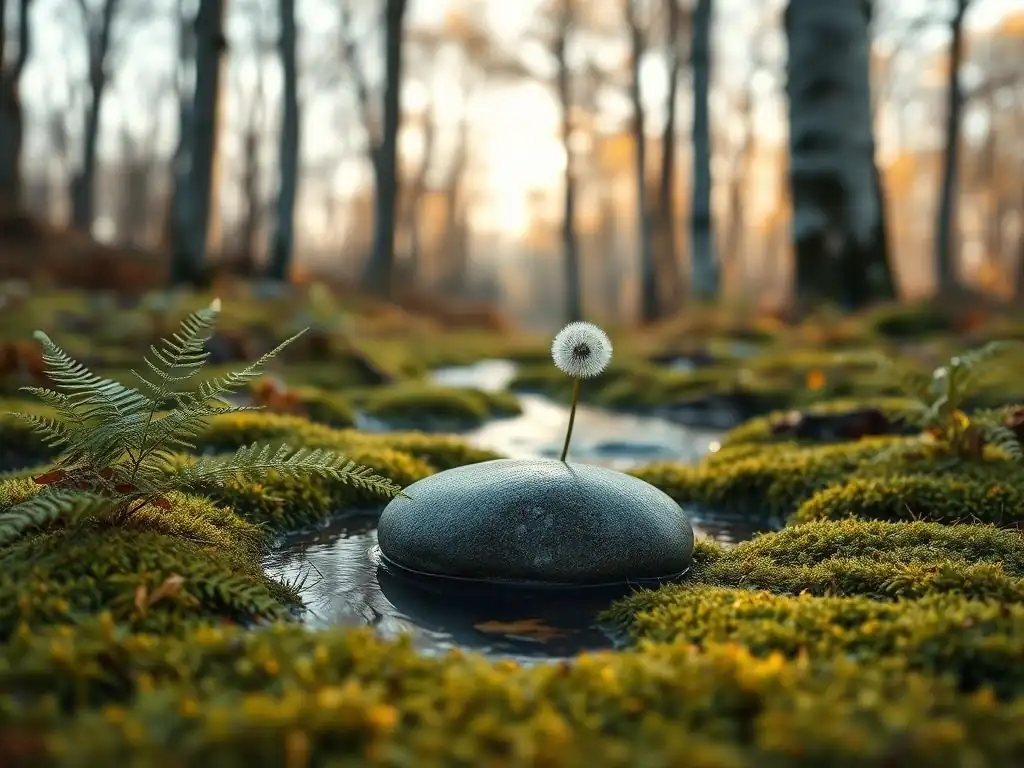
Mindfulness Practices in Natural Environments
Combining mindfulness with time spent in nature amplifies the therapeutic benefits. Mindfulness involves paying deliberate attention to the present moment without judgment, and doing so in a natural setting encourages a heightened awareness of sensory details – the feel of the breeze, the warmth of the sun, the intricate patterns of leaves, the distant call of a bird. This focused sensory engagement deepens the connection to the environment and enhances the calming effects.
Try a simple walking meditation outdoors. As you walk, pay attention to the sensation of your feet on the ground, the movement of your body, and the sights, sounds, and smells around you. Notice the textures of bark, the colors of flowers, the different layers of sound (birdsong, rustling leaves, insect hum). This practice anchors you in the present and allows the restorative qualities of nature to permeate your being, helping to alleviate stress and improve focus. Even five minutes of mindful observation in a park or backyard can make a difference.
Simple Activities to Engage Your Senses in Nature (Hiking, Gardening, Nature Walks)
Incorporating nature engagement into your routine doesn't require epic adventures. Simple, accessible activities can effectively engage your senses and provide significant mental health benefits. The key is to be present and actively tune into the sensory inputs available in your chosen environment. These activities offer practical ways to leverage how nature sounds reduce anxiety stress, alongside visual and olfactory benefits.
- [ ] Go for a nature walk: Pay attention to the crunch of leaves or gravel underfoot, the scent of damp earth or pine needles, the variety of greens, the sounds of insects or distant traffic.
- [ ] Spend time in a garden: Feel the soil, smell the flowers and herbs, observe the bees or butterflies, listen to the rustling leaves.
- [ ] Sit by a body of water: Watch the movement of the water, listen to the waves or flow, feel the spray or mist, smell the fresh air.
- [ ] Simply sit outside: Close your eyes and focus solely on the sounds around you for a few minutes. Then open your eyes and focus only on the visual details. Then focus on the scents.
These activities are adaptable to various environments, from a city park to a wilderness trail, and require minimal equipment or preparation.
Overcoming Barriers to Nature Exposure (City Living, Limited Mobility, Time Constraints)
Access to nature can be challenging, especially for those living in urban areas, individuals with limited mobility, or those with packed schedules. However, even small doses of nature engagement can be beneficial. Creative solutions and a proactive mindset can help overcome these common barriers and make nature's healing power more accessible.
For city dwellers, seek out local parks, community gardens, or even tree-lined streets. Look for rooftop gardens or botanical conservatories. If mobility is an issue, spend time near an open window with a view of trees or sky, listen to nature sounds recordings, or engage with indoor plants.
When time is limited, aim for short, frequent breaks – a 10-minute walk in a nearby park during lunch, spending coffee breaks on a bench under a tree, or simply stepping outside for a few minutes to breathe fresh air and observe the sky. Even virtual reality nature experiences are showing promise in providing a sense of immersion for those unable to access physical nature.
Maximizing the Benefits of Short Nature Breaks
Even brief encounters with nature can be restorative. The key is to make these short breaks intentional and sensory-focused. Instead of just rushing through a park on your way somewhere, pause for a few minutes. Find a comfortable spot to sit and consciously engage your senses.
During a short break, try focusing on just one sense at a time. Spend two minutes only listening to the sounds, identifying as many as possible. Then spend two minutes just observing the visual details – the textures, colors, light and shadow. Then spend two minutes focusing on any scents you can detect.
This focused engagement, even for a short period, can interrupt stress cycles, lower physiological arousal, and provide a much-needed mental reset. Consistency is more important than duration; regular short breaks are often more effective than infrequent long ones for maintaining mental well-being. These micro-doses of nature help keep stress levels lower throughout the day, reinforcing how nature sounds reduce anxiety stress in conjunction with other sensory inputs.
The Future of Nature-Based Mental Health Therapies
Emerging Research on Sensory Nature Interventions
The scientific community is increasingly recognizing the significant impact of nature on mental health, leading to a surge in research on specific nature-based interventions. Studies are delving deeper into the physiological and neurological mechanisms by which sensory exposure to nature influences mood, cognition, and stress response. This includes investigating the specific compounds emitted by plants (phytoncides), the effects of different light spectrums on mood, and the optimal characteristics of natural soundscapes for therapeutic use.
For example, ongoing research is exploring the precise frequencies and patterns in nature sounds that are most effective at reducing anxiety and stress hormones. Other studies are using neuroimaging techniques to map brain activity changes during exposure to specific natural stimuli. This growing body of evidence is paving the way for more targeted and evidence-based nature therapies, potentially leading to their integration into mainstream mental healthcare practices. The aim is to move beyond general recommendations to specific prescriptions for 'nature dosage' based on individual needs and conditions.
The Role of Technology in Enhancing Nature Experiences (Virtual Reality Nature, Binaural Beat Soundscapes)
Technology is playing an interesting role in making nature experiences more accessible and potentially enhancing their therapeutic effects. While not a replacement for direct contact with nature, technological tools can serve as valuable supplements, especially for individuals with limited access or mobility, or as part of clinical therapy.
Virtual Reality (VR) is being used to create immersive nature experiences, allowing users to "walk" through forests or sit by virtual oceans. Preliminary research suggests that VR nature experiences can induce relaxation and reduce anxiety, showing promise as a therapeutic tool. Similarly, advanced audio technologies are being used to create sophisticated nature soundscapes, sometimes incorporating binaural beats (audio frequencies that influence brainwave activity) layered with natural sounds to potentially enhance relaxation or focus.
While these technologies offer exciting possibilities, research is still ongoing to understand their full potential and limitations compared to real-world nature exposure. They offer a bridge for those who cannot easily access physical nature, allowing them to experience aspects of how nature sounds reduce anxiety stress, even indoors.
Advocating for Access to Green Spaces for All
Recognizing the profound mental health benefits of nature, there is a growing movement advocating for equitable access to green spaces in urban planning and public health initiatives. Ensuring that parks, community gardens, and natural areas are available and accessible to all populations, regardless of socioeconomic status or location, is becoming a critical public health goal.
Policies supporting the creation and maintenance of urban green infrastructure, promoting nature-based education, and integrating nature prescriptions into healthcare are gaining traction. The understanding that access to environments where nature sounds reduce anxiety stress, where green visuals soothe the mind, and natural scents uplift the spirit is fundamental to well-being is driving efforts to make nature a more integral part of everyday life for everyone. This advocacy is crucial for leveraging nature's full potential as a public health resource.
Conclusion: Embrace Nature's Healing Power for a Healthier Mind
Engaging your senses with the natural world offers a simple yet profound pathway to improved mental well-being. From the calming rhythm of ocean waves and the stress-reducing chorus of a forest to the restorative sight of greenery and the uplifting scent of pine, nature provides a rich tapestry of sensory experiences that nourish the mind and soothe the spirit. The science is clear: nature's sounds reduce anxiety stress, its sights restore cognitive function, and its smells influence mood and memory.
In a world that often feels overwhelming and disconnected, reconnecting with nature through your senses offers a powerful antidote. It's a readily available, often free, resource that can help regulate your nervous system, reduce stress hormones, improve mood, and enhance cognitive function. Whether you have access to a sprawling forest or just a single potted plant, make a conscious effort to invite nature's sensory gifts into your life. Embrace the healing power of nature – step outside, listen, look, smell, and allow the natural world to be a gentle balm for your modern mind.
Frequently Asked Questions
How can nature sounds specifically help with anxiety and stress?
Nature sounds, like birdsong or ocean waves, can activate the parasympathetic nervous system, promoting relaxation and reducing stress hormones such as cortisol. This leads to a feeling of calm and improved mental well-being.
What types of nature sounds are most effective at reducing anxiety?
Generally, gentle and predictable sounds are most effective. Examples include flowing water, rain, or wind rustling through leaves. Avoid sounds that are sudden, loud, or jarring, as these can trigger anxiety responses.
How often should I listen to nature sounds to see a benefit?
There's no set rule, but even short sessions (10-15 minutes) daily can make a difference. Regular exposure to nature sounds can help build resilience to stress and promote long-term mental health.
Besides listening to nature sounds, how else can I engage my senses in nature for better mental health?
Actively engaging your other senses, like sight (observing natural beauty), smell (inhaling fresh air or floral scents), and touch (feeling grass or sand), can enhance the therapeutic effects of nature and contribute to stress reduction.
Can I combine nature sounds with other relaxation techniques?
Yes! Combining nature sounds with meditation, deep breathing exercises, or mindfulness can create a powerful synergy. This integrated approach can significantly enhance stress relief and promote overall mental well-being.
Final Reflection: The Restorative Power of Nature's Symphony
The pervasive anxieties of modern life demand a potent antidote, and the healing power of nature offers precisely that. Our exploration of nature's sounds, sights, and smells reveals a profound connection between our sensory experiences and our mental well-being. The evidence is clear: immersing ourselves in the natural world isn't just pleasant; it's a vital component of stress reduction and overall mental health.
The impact of nature's sensory richness on our cultural landscape is undeniable, yet often overlooked in our increasingly digital world. We've become disconnected from the rhythms of the natural world, a disconnection that contributes to the very anxieties we seek to alleviate. The cure for anything is salt water: sweat, tears, or the sea.
– Isak Dinesen. This quote speaks to the inherent restorative power of nature, a power that transcends mere relaxation and touches upon a deeper, more primal connection to our well-being. The growing interest in forest bathing, soundscapes, and aromatherapy reflects a societal yearning for this reconnection.
Consider, for a moment, the sounds that soothe you: the gentle lapping of waves, the rustling of leaves, the chirping of crickets. Recall the sights that bring you peace: a vibrant sunset, a flowing river, a field of wildflowers. Let these memories be a reminder of the readily available balm nature offers. Make a conscious effort to integrate more nature into your daily life – even a short walk in a park can make a difference. Embrace the healing power of the natural world, and discover the profound tranquility it holds within its embrace.
Unleash Your Inner Peace: Reconnect with Nature's Healing Power
Thanks for taking the time to explore the restorative power of nature! We hope you gained valuable insights into how easily accessible natural elements can positively impact your well-being. Ready to deepen your connection?
- Start a mindful nature walk today: Even 15 minutes in a park or nearby green space can make a world of difference. Notice the details – the sounds of birds, the feel of the sun, the scent of the earth.
- Share your nature experiences: Tell us about your favorite calming natural place or a moment when nature soothed you. Let's build a community of nature lovers!
- Create a sensory nature journal: Document your experiences, sketching, writing, or even recording sounds to capture the calming effects of nature.
What small step will you take today to bring more nature into your life and enhance your inner peace?