
Finding Your Center: Achieving Emotional Balance Through Qigong

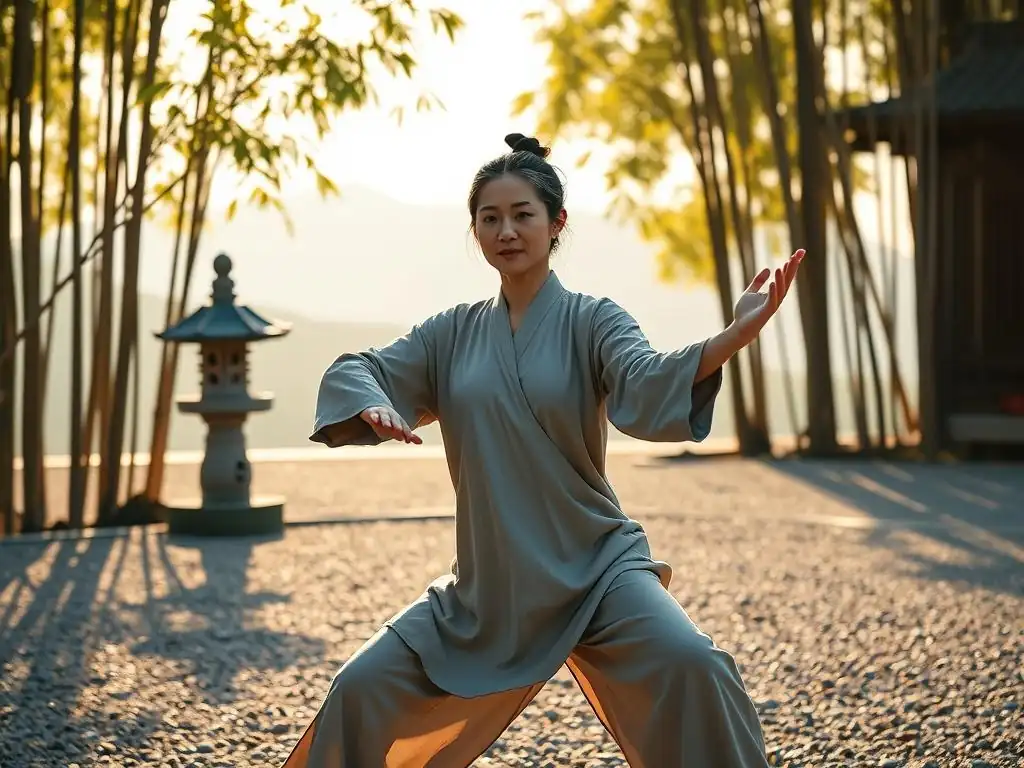
Welcome to Mind Care Guide, your sanctuary for nurturing inner peace. Feeling overwhelmed by the storms of life? This journey toward emotional well-being begins with a single breath. Discover how Qigong emotional balance techniques can help you reclaim your center and cultivate lasting serenity. Intrigued? Let's explore the ancient wisdom that can transform your emotional landscape...
Finding Your Center: Achieving Emotional Balance Through Qigong
- Introduction to Qigong for Emotional Well-being
- Qigong Emotional Balance Techniques: A Comprehensive Guide
- Specific Qigong Exercises for Emotional Regulation
- Integrating Qigong into Your Daily Life for Sustained Emotional Balance
- The Science Behind Qigong and Emotional Health
- Advanced Qigong Practices for Deeper Emotional Transformation
- Potential Benefits and Considerations of Qigong for Emotional Health
- Conclusion: Embracing Qigong for a More Balanced and Harmonious Life
-
Frequently Asked Questions
- What is Qigong and how does it relate to emotional balance?
- How can Qigong techniques specifically help improve emotional balance?
- Are there any specific Qigong exercises particularly effective for emotional regulation?
- How often should I practice Qigong to experience noticeable improvements in my emotional well-being?
- Is Qigong safe for everyone, and are there any precautions I should take?
- Final Reflection: Cultivating Inner Peace Through Qigong
- Unlock Your Inner Calm: Start Your Qigong Journey Today!
Introduction to Qigong for Emotional Well-being
Understanding Qigong's Holistic Approach to Mental Health
Qigong, an ancient Chinese practice, translates roughly to "cultivating life energy." It involves coordinated body movements, breathing exercises, and meditation, all aimed at harmonizing the body's energy flow, known as Qi. This holistic approach recognizes that physical, mental, and emotional states are deeply interconnected.
Unlike practices that might focus solely on talk therapy or medication, Qigong addresses mental well-being by directly influencing the body's energetic and physiological systems. It posits that emotional imbalances, such as persistent anxiety, sadness, or anger, can manifest as stagnation or disruption in the body's energy pathways, and that gentle movement and focused breathing can help restore equilibrium.
This practice is rooted in Traditional Chinese Medicine (TCM) principles, which view health as a state of balance between opposing forces (Yin and Yang) and the smooth flow of Qi through meridians. When Qi is blocked or deficient, it can lead to physical ailments and emotional distress.
Qigong practices are designed to clear these blockages, replenish vital energy, and promote relaxation, thereby fostering a state of mental clarity and emotional resilience. The emphasis is on gentle, flowing movements and deep, conscious breathing, making it accessible to people of varying physical abilities, and offering a non-strenuous path towards managing mental health challenges.
The Mind-Body Connection: How Qigong Influences Emotions
The connection between the mind and body is a cornerstone of Qigong philosophy and practice. Modern science increasingly validates this ancient wisdom, showing how physical states directly impact emotional health and vice versa. For example, chronic stress can lead to physical tension, digestive issues, and a weakened immune system, while also contributing to anxiety and depression. Qigong intervenes in this cycle by regulating the nervous system. The slow, deliberate movements and deep breathing activate the parasympathetic nervous system, often referred to as the "rest and digest" system, counteracting the "fight or flight" response triggered by stress.
Furthermore, Qigong helps to release physical tension stored in the body, which is often linked to suppressed emotions. Practices that involve gentle stretching and movement can help release myofascial restrictions, where emotional stress is believed to accumulate. By fostering a greater awareness of the body's sensations, Qigong helps individuals recognize and process emotional responses more effectively.
Regular practice has been shown in preliminary studies to potentially reduce levels of stress hormones like cortisol, contributing to improved mood and a greater sense of calm. This mindful engagement with the physical self provides a powerful pathway to achieving Qigong emotional balance techniques.
Qigong Emotional Balance Techniques: A Comprehensive Guide
Foundational Principles of Qigong Practice for Emotional Regulation
Achieving emotional balance through Qigong relies on several foundational principles. The first is mindful intention (Yi). This involves focusing the mind gently on the movement, breath, or a specific internal state, rather than allowing thoughts to wander. This focused attention helps to calm the mental chatter often associated with emotional distress. The second principle is relaxed posture and movement. Tension in the body restricts the flow of Qi and exacerbates emotional rigidity. Qigong movements are typically soft, flowing, and performed without strain, encouraging the release of physical and emotional blockages.
A third key principle is coordinated breathing (Tu Na). Breathing is seen as the bridge between the mind and body, and conscious, deep breathing is fundamental to regulating the nervous system and promoting relaxation. Finally, gentle repetition is crucial. Qigong is not about performing complex movements perfectly, but about consistent, gentle practice that allows the body and mind to gradually unwind and rebalance. These principles, applied consistently, form the basis of effective Qigong emotional balance techniques.
Breathing Techniques (Tu Na) for Calming the Mind
Breathing, or Tu Na, is a cornerstone of Qigong for emotional regulation. The way we breathe directly impacts our nervous system and emotional state. Shallow, rapid breathing, common in anxiety, reinforces the stress response. Deep, slow breathing, however, signals safety and calm to the brain. Qigong emphasizes abdominal or diaphragmatic breathing, which maximizes oxygen intake and stimulates the vagus nerve, a key player in the parasympathetic nervous system. Practicing conscious breathing helps to anchor the mind in the present moment, reducing rumination on past worries or future fears, which are often sources of emotional imbalance.
Beyond basic deep breathing, Qigong utilizes specific breathing patterns, such as coordinating inhalation and exhalation with movements or holding the breath briefly at certain points. These techniques are designed to regulate the flow of Qi, release stagnant energy, and promote a sense of peace. For instance, exhaling with a gentle sound or focusing on the out-breath is often used to release tension and negative energy. Consistent practice of these breathing techniques can significantly lower baseline stress levels and improve the ability to cope with challenging emotions when they arise, making them vital Qigong emotional balance techniques.
Diaphragmatic Breathing: Activating the Relaxation Response
Diaphragmatic breathing, also known as belly breathing, is a fundamental Qigong technique for activating the body's natural relaxation response. Instead of shallowly lifting the chest, this technique involves breathing deeply into the abdomen, allowing the diaphragm to contract and the belly to expand on inhalation, and then gently deflate on exhalation. This type of breathing is characteristic of a relaxed state and is the primary breathing pattern in infants and during sleep. By consciously engaging the diaphragm, you signal to your nervous system that you are safe and can relax.
Studies have shown that consistent diaphragmatic breathing can decrease heart rate, lower blood pressure, and reduce levels of stress hormones like cortisol. For someone experiencing anxiety, focusing on this deep, steady breath can interrupt the panic cycle and bring a sense of calm.
It shifts the body from a sympathetic "fight or flight" state to a parasympathetic "rest and digest" state, which is essential for emotional regulation and recovery. Integrating just a few minutes of diaphragmatic breathing into your day can provide immediate relief from stress and contribute to long-term emotional stability, serving as a powerful Qigong emotional balance technique.
Abdominal Breathing for Stress Reduction
Abdominal breathing is closely related to diaphragmatic breathing and is a core practice in Qigong for stress reduction. It involves inhaling deeply through the nose, feeling the abdomen expand outwards as the diaphragm pulls air into the lower lungs. The exhalation is slow and controlled, often through the mouth, with the abdomen gently contracting inwards.
The focus is on making the breath smooth, deep, and even, without strain. This deliberate, slow pace of breathing helps to regulate the heart rate variability (HRV), a marker of the body's ability to handle stress. Higher HRV is generally associated with better emotional regulation and resilience.
Regular practice of abdominal breathing not only calms the nervous system in the moment but also helps to retrain the body's default breathing pattern towards a more relaxed state. This can have a cumulative effect on reducing chronic stress and its associated emotional burdens. For example, someone prone to worrying might find that five minutes of focused abdominal breathing several times a day helps to quiet their racing thoughts and reduce feelings of tension. It’s a simple yet profound technique that forms a vital part of Qigong emotional balance techniques, accessible anytime, anywhere.
Movement Exercises (Dong Gong) for Releasing Emotional Blockages
Movement, or Dong Gong, is a dynamic aspect of Qigong that plays a crucial role in releasing physical tension and emotional blockages. The gentle, flowing movements are designed to promote the smooth circulation of Qi and blood throughout the body. Stagnant Qi is often associated with stuck emotions – for example, tension in the shoulders and neck can be linked to stress and worry, while tightness in the chest might relate to grief or anxiety. Qigong movements work to loosen these areas, allowing blocked energy and emotions to dissipate.
These exercises are typically low-impact and can be modified for different fitness levels. They often involve coordinated movements of the limbs and torso, combined with conscious breathing and intention. The repetitive, meditative nature of the movements helps to quiet the analytical mind and bring awareness into the body, facilitating the release of stored emotional energy. Practicing specific movements targeting different organ systems, which are linked to various emotions in TCM (e.g., the liver with anger, the lungs with sadness), can be particularly effective Qigong emotional balance techniques.
Specific Qigong Movements for Anxiety Relief
Certain Qigong movements are particularly effective as Qigong emotional balance techniques for anxiety relief. Movements that promote grounding and stability are often recommended. For instance, standing postures like "Wu Ji" (Primordial Stance) or "Holding the Ball" help cultivate a sense of rootedness and presence, counteracting the feeling of being scattered or overwhelmed that often accompanies anxiety. These static yet active postures build internal stability.
Flowing movements that involve gentle opening and closing, such as "Cloud Hands" or "Wave Hands Like Clouds," are also beneficial. These circular motions promote a smooth flow of Qi through the body, releasing tension in the chest and shoulders, common sites for anxiety-related tightness. The repetitive, rhythmic nature of these movements is calming and meditative, helping to shift focus away from anxious thoughts and into the present moment. Practicing these specific movements regularly can help reduce the frequency and intensity of anxious feelings.
Qigong Flow for Depression Management
Qigong flows, which link a series of movements together, can be particularly helpful as Qigong emotional balance techniques for managing depression. Depression is often associated with low energy, lethargy, and a sense of stagnation. Qigong flows are designed to gently invigorate the body's energy, promoting circulation and lifting the spirit without being overly strenuous. Movements that involve extending the limbs and opening the chest can help counteract the slumped posture often seen in depression and encourage a sense of openness and possibility.
Flows that focus on stimulating the lung and heart meridians are often recommended, as these are associated with grief, sadness, and joy in TCM. For example, movements like "Separating Heaven and Earth" or "Drawing the Bow" help to expand the chest and improve breathing, which can alleviate feelings of constriction and heaviness. The gentle, continuous nature of a Qigong flow encourages perseverance and helps to build momentum, counteracting the inertia of depression. While Qigong is not a substitute for professional help, incorporating a gentle daily flow can significantly support mood improvement and energy levels.
Meditation and Visualization (Jing Gong) for Emotional Clarity
Meditation and visualization, known as Jing Gong, are quiet practices within Qigong that complement the movement and breathing techniques. While movement helps to release physical and energetic blockages, meditation focuses on cultivating a calm mind and fostering emotional clarity. Qigong meditation often involves sitting or standing quietly, focusing on the breath, internal sensations, or a specific point of focus, such as the lower abdomen (Dantian). This practice helps to quiet the incessant stream of thoughts that can fuel emotional turmoil.
Visualization techniques in Qigong involve using the power of imagination to guide Qi and influence internal states. For emotional balance, this might involve visualizing stagnant or negative energy leaving the body with the exhale, or visualizing bright, healing light filling areas of tension or emotional pain. These practices help to reframe emotional experiences and cultivate a sense of inner peace and resilience. Jing Gong techniques are powerful Qigong emotional balance techniques that cultivate inner awareness and emotional intelligence.
Inner Smile Meditation for Cultivating Positive Emotions
The Inner Smile meditation is a powerful Qigong visualization technique used to cultivate positive emotions and promote relaxation. It involves directing a gentle, loving smile inwards towards various organs and parts of the body. According to TCM, specific organs are associated with certain emotions – for example, the heart with joy, the spleen with worry, the lungs with sadness, the kidneys with fear, and the liver with anger. By smiling at these organs, the practice aims to release negative emotional energy stored within them and cultivate their associated positive counterparts.
Practicing the Inner Smile can help to shift one's internal state from stress and negativity towards warmth, acceptance, and self-compassion. For instance, directing a smile towards the heart can help alleviate sadness and promote feelings of joy and love. Smiling at the liver can help release anger and frustration. This practice fosters a gentle, nurturing relationship with oneself and can be a profound Qigong emotional balance technique for transforming difficult emotions into positive energy.
Visualizations for Emotional Release and Renewal
Beyond the Inner Smile, Qigong utilizes various visualizations for emotional release and renewal. One common technique involves visualizing negative or stagnant energy as a dark or heavy substance that is expelled from the body with each exhale, perhaps sinking into the earth or dissolving into light. Simultaneously, on the inhale, one might visualize fresh, vital Qi or light entering the body, filling areas that felt heavy or empty. This active process of visualization helps to externalize and release emotional burdens.
Another visualization involves picturing a peaceful natural scene, such as a calm lake or a serene forest, and imagining oneself fully immersed in that environment, absorbing its tranquility and stillness. Such visualizations can provide a mental escape from stressful thoughts and cultivate a sense of peace and renewal. These techniques are powerful Qigong emotional balance techniques that use the mind's capacity to influence the body and energy field, facilitating emotional cleansing and rejuvenation.
Specific Qigong Exercises for Emotional Regulation
Qigong for Managing Anxiety and Fear
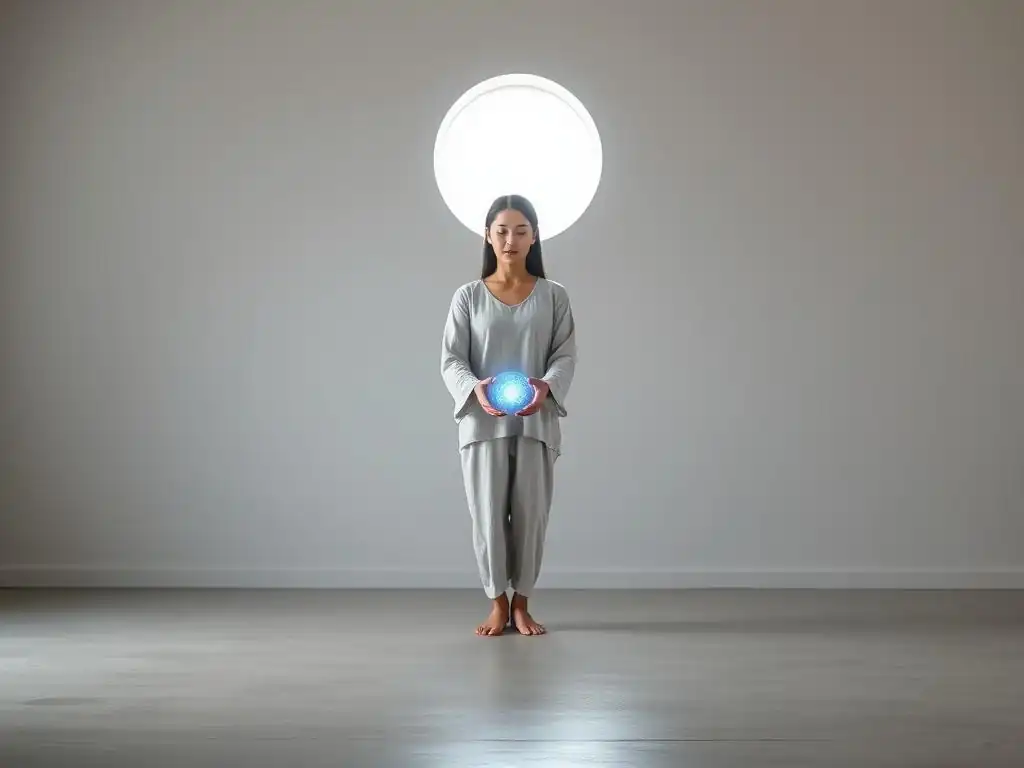
Anxiety and fear are often characterized by a feeling of being ungrounded, with energy rising into the head and chest. Qigong exercises for managing these emotions often focus on bringing energy down, rooting the body, and calming the nervous system. Movements that involve gentle bending and stretching, particularly of the spine and limbs, can help release physical tension associated with anxiety. Standing meditation postures also cultivate stillness and presence, counteracting the restless energy of fear.
Specific exercises like "Standing Like a Tree" (Zhan Zhuang) are foundational for building internal stability and grounding. While seemingly simple, holding this posture for extended periods strengthens the legs, calms the mind, and helps to anchor the energy in the lower body. Paired with deep abdominal breathing, these exercises create a sense of safety and solidity that can significantly reduce feelings of anxiety and fear, making them excellent Qigong emotional balance techniques.
"Knocking on the Door of Life" for Grounding
"Knocking on the Door of Life" is a simple yet effective Qigong exercise for grounding and releasing tension, particularly beneficial for anxiety. It involves standing with feet shoulder-width apart and gently twisting the torso from side to side. The arms swing loosely like ropes, gently tapping the lower back (around the Mingmen or "Door of Life" point) and the abdomen. This gentle tapping stimulates energy flow in the core and lower back, helping to bring energy down from the head and chest.
The repetitive, rhythmic motion combined with the gentle impact helps to relax the muscles of the back and shoulders, areas where tension often accumulates during stress. The focus on the core and lower body promotes a sense of being rooted and stable, counteracting the feeling of being "in your head" that often accompanies anxiety. Practicing this movement for a few minutes can provide immediate relief from nervous energy and promote a feeling of calm presence, making it a practical Qigong emotional balance technique.
"Cloud Hands" for Releasing Tension
"Cloud Hands" is a classic Qigong movement found in many styles, renowned for its ability to promote relaxation, smooth energy flow, and release tension. It involves standing or walking slowly while moving the hands in slow, circular motions in front of the body, as if turning wheels or moving through clouds. The torso gently twists from side to side, coordinating with the hand movements and shifting weight from one leg to the other.
This continuous, flowing motion helps to release tension in the shoulders, arms, and upper back. The gentle twisting massages the internal organs and promotes circulation. The slow, deliberate pace and coordination of breath with movement are inherently calming, helping to quiet the mind and release accumulated stress. Practicing "Cloud Hands" cultivates a sense of fluidity and ease, making it a powerful Qigong emotional balance technique for letting go of worry and rigidity.
Qigong for Overcoming Sadness and Grief
Sadness and grief are emotions often associated with the Lungs in TCM, which are related to the element of Metal and the season of Autumn. These emotions can manifest as a feeling of heaviness in the chest, shallow breathing, and low energy. Qigong exercises for sadness and grief often focus on opening the chest, improving lung capacity, and gently invigorating the body's energy to counteract lethargy and promote a sense of release.
Movements that involve expanding the chest and arms, coupled with deep, full inhalations, are particularly beneficial. These help to release the physical constriction often felt with sadness and encourage deeper breathing, which can be emotionally cathartic. Practices that connect with the Earth element, associated with nourishment and grounding, can also provide support during times of grief, helping to cultivate a sense of stability and comfort. These are important Qigong emotional balance techniques for processing loss.
"Gathering Qi from the Earth" for Nourishment
"Gathering Qi from the Earth" is an exercise that helps to ground and nourish oneself, particularly useful when feeling depleted by sadness or grief. It involves standing with feet shoulder-width apart, bending the knees slightly, and reaching the hands down towards the earth on the exhale, as if releasing heavy energy. On the inhale, the hands slowly rise up the front of the body, bringing the energy of the earth upwards, perhaps pausing at the abdomen or chest to gather and absorb this nourishing energy.
This movement connects the practitioner to the grounding and supportive energy of the earth. It helps to release stagnant energy downwards and draw fresh, vital energy upwards into the body. The slow, deliberate motion combined with deep breathing cultivates a sense of being supported and replenished, which can be incredibly comforting when navigating feelings of loss or sadness. This serves as a fundamental Qigong emotional balance technique for self-support.
"Opening the Heart Center" for Emotional Release
Movements specifically designed to open the chest and heart area are powerful Qigong emotional balance techniques for releasing sadness and grief, which can often feel trapped in this region. One variation involves standing or sitting, bringing the hands together in front of the chest, and then slowly opening the arms wide out to the sides and slightly back on the inhale, expanding the chest. On the exhale, the arms return to the front.
This expansive movement physically opens the chest, counteracting the hunched posture often associated with sadness and encouraging deeper breathing. Symbolically, it represents opening the heart to allow emotions to flow and release. Focusing on the heart center during this movement, perhaps visualizing warmth or light, can help to process feelings of grief and cultivate self-compassion. Regular practice can help alleviate tightness in the chest and promote emotional catharsis.
Qigong for Releasing Anger and Frustration
Anger and frustration are often associated with the Liver in TCM, linked to the element of Wood and the season of Spring. These emotions can manifest as tension in the jaw, neck, and shoulders, headaches, and irritability. Qigong exercises for releasing anger and frustration typically involve movements that promote smooth energy flow, particularly through the sides of the body and the liver meridian, and techniques that help to transform intense energy rather than suppress it.
Vigorous yet controlled movements, sometimes involving shaking or striking, can be used to physically release pent-up energy. Movements that involve extending and rotating, particularly of the arms and torso, help to stretch the sides of the body and promote the smooth flow of liver Qi. Combining these movements with strong exhalations or vocalizations can also facilitate the release of frustration. These are dynamic Qigong emotional balance techniques.
"Shooting the Arrow" for Transforming Anger
"Shooting the Arrow" is a dynamic Qigong movement often used to release stagnant or intense energy, making it suitable for transforming anger and frustration. It typically involves standing with feet shoulder-width apart, shifting weight to one leg while extending the opposite arm forward like drawing a bow, and then releasing it with a focused intention, as if shooting an arrow. The eyes follow the imaginary arrow, and there is often a sharp exhale or even a sound on the release.
This movement provides a physical outlet for intense energy. The drawing of the bow builds tension, which is then powerfully released, mimicking the process of acknowledging and releasing anger. The focus and intention involved help to channel the energy constructively rather than letting it erupt chaotically. Practicing this movement can help to dissipate feelings of frustration and cultivate a sense of empowerment and clarity, serving as an active Qigong emotional balance technique.
"Liver Qi Release" for Detoxification
Specific Qigong exercises target the Liver meridian to help release stagnant Liver Qi, which is often associated with anger, frustration, and irritability. These movements often involve stretching the sides of the body, where the Liver meridian runs. A common exercise involves standing and gently bending to the side, reaching one arm overhead while the other arm hangs down, stretching the entire side of the torso. Repeating this on both sides helps to open the channels.
Another technique involves massaging or tapping along the Liver meridian pathway, which runs up the inner thigh, across the groin, and up the sides of the torso. Combining these physical techniques with visualizations of green energy (the color associated with the Liver) flowing smoothly or stagnant energy being released can enhance the effect. These practices are designed to promote the smooth, free flow of Liver Qi, thereby reducing feelings of tension, irritability, and anger, making them effective Qigong emotional balance techniques.
Integrating Qigong into Your Daily Life for Sustained Emotional Balance
Creating a Qigong Practice Routine for Mental Wellness
Integrating Qigong into your daily life is key to achieving sustained emotional balance. Consistency is often more important than duration. Even just 10-15 minutes of daily practice can yield significant benefits. Start by choosing a time of day when you are least likely to be interrupted, perhaps first thing in the morning to set a positive tone for the day, or in the evening to unwind before sleep. Find a quiet space where you feel comfortable.
Your routine doesn't need to be elaborate. It could start with a few minutes of conscious breathing, followed by a few simple movements like "Knocking on the Door of Life" or "Cloud Hands," and ending with a short period of standing or sitting meditation. As you become more comfortable, you can gradually increase the duration or add more movements. The goal is to make it a regular, enjoyable part of your day, like brushing your teeth, rather than a chore. This consistent engagement with Qigong emotional balance techniques builds resilience over time.
Tips for Staying Consistent with Your Qigong Practice
Maintaining consistency with any new practice can be challenging. One helpful tip is to start small. Committing to just 5-10 minutes daily is much more manageable than aiming for an hour, especially when you're busy. You can gradually increase the time as the practice becomes a habit. Another tip is to link your Qigong practice to an existing daily activity, such as doing it immediately after waking up or before your evening meal.
Finding a Qigong style or set of movements that you genuinely enjoy is also crucial. Explore different practices and see what resonates with you. Practicing with a friend or joining a local class or online group can provide support and accountability. Don't aim for perfection; some practice is always better than no practice. If you miss a day, simply pick up where you left off the next day without self-criticism. Remembering why you started – to cultivate Qigong emotional balance techniques for better well-being – can be a powerful motivator.
Combining Qigong with Other Mental Health Practices
Qigong can beautifully complement other mental health practices, creating a more comprehensive approach to well-being. It pairs well with mindfulness meditation, as both emphasize present moment awareness and non-judgmental observation of thoughts and feelings. Combining Qigong movements with mindfulness can deepen the mind-body connection and enhance emotional regulation skills.
Qigong can also be integrated with forms of therapy, such as Cognitive Behavioral Therapy (CBT) or Dialectical Behavior Therapy (DBT). The physical practices of Qigong can help manage the physiological symptoms of anxiety or depression, making it easier to engage with therapeutic techniques aimed at restructuring thoughts and behaviors. For example, using Qigong breathing techniques during moments of intense emotion can be a practical skill learned in DBT. Similarly, incorporating Qigong's focus on energy flow and self-care aligns well with a holistic approach to mental wellness, reinforcing the benefits of various Qigong emotional balance techniques.
The Science Behind Qigong and Emotional Health
Research on Qigong's Impact on Stress Reduction and Mood Improvement
Scientific research on Qigong, while still developing compared to some other practices, increasingly supports its benefits for stress reduction and mood improvement. Numerous studies, including systematic reviews and meta-analyses, have explored Qigong's effects on psychological well-being. For instance, a meta-analysis published in the Journal of Psychosomatic Research reviewing multiple studies involving hundreds of participants found that Qigong practice was associated with significant reductions in stress, anxiety, and depression symptoms. Another review in the American Journal of Health Promotion noted positive effects on mood states and perceived stress levels among various populations.
Specific studies have looked at markers like cortisol levels (a primary stress hormone). Research has shown that regular Qigong practice can lead to lower baseline cortisol levels and a reduced stress response. Participants in Qigong programs often report subjective improvements in mood, increased feelings of calm, and a greater sense of emotional resilience. While more large-scale, rigorously controlled trials are needed, the existing evidence strongly suggests that Qigong is a promising complementary practice for supporting mental and emotional health, reinforcing its role in Qigong emotional balance techniques.
How Qigong Affects the Nervous System and Hormones
Qigong's impact on emotional health is significantly mediated by its effects on the nervous system and hormonal balance. The slow, rhythmic movements and deep, controlled breathing stimulate the vagus nerve, a major component of the parasympathetic nervous system. Activating the parasympathetic system counteracts the "fight or flight" response (sympathetic nervous system activation) associated with stress and anxiety, leading to a reduction in heart rate, blood pressure, and muscle tension.
Beyond the immediate calming effect, regular Qigong practice appears to modulate the hypothalamic-pituitary-adrenal (HPA) axis, which regulates the body's stress response and cortisol production. By calming the HPA axis, Qigong can help prevent the chronic elevation of cortisol, which is linked to various negative health outcomes, including mood disorders. Furthermore, some research suggests Qigong may influence the production of neurotransmitters like serotonin, which plays a key role in mood regulation. By promoting a balanced nervous system and hormonal environment, Qigong provides a physiological foundation for better emotional regulation, highlighting the mechanisms behind Qigong emotional balance techniques.
Advanced Qigong Practices for Deeper Emotional Transformation

Exploring Different Styles of Qigong for Emotional Healing
Qigong encompasses a vast array of styles, each with its own focus and approach. While foundational practices provide general benefits, exploring different styles can offer deeper avenues for emotional transformation. Some styles, like Medical Qigong (Yi Shou Zi Fa), specifically focus on using Qi to heal the body and mind, often incorporating techniques for clearing energetic blockages associated with specific emotions or organ systems. These practices may involve more complex visualizations, energy sensing, and even therapeutic touch.
Other styles, such as Five Animal Frolics (Wu Qin Xi), mimic the movements of animals (tiger, deer, bear, monkey, bird) to cultivate different qualities of Qi and address specific organ systems and associated emotions. For example, the Tiger movements might focus on strength and courage (related to the Liver and overcoming anger/fear), while the Bird movements emphasize lightness and grace (related to the Heart and cultivating joy). Exploring these diverse styles allows practitioners to find practices that resonate most deeply with their specific emotional needs, offering a wider range of Qigong emotional balance techniques.
Working with a Qigong Instructor for Personalized Guidance
While many foundational Qigong exercises can be learned from books or videos, working with a qualified Qigong instructor can provide personalized guidance for deeper emotional transformation. An experienced instructor can assess your individual needs and energy imbalances, recommending specific exercises and practices tailored to address your unique emotional challenges. They can provide hands-on adjustments to posture and movement, ensuring you are practicing correctly and safely.
Furthermore, a skilled instructor can guide you through more advanced techniques, such as specific meditations for emotional release or visualizations for working with trauma stored in the body. They can also offer insights into the underlying TCM principles related to your emotional patterns, providing a deeper understanding of your experiences. Working with an instructor creates a supportive environment for exploration and healing, accelerating your journey towards mastering Qigong emotional balance techniques.
Potential Benefits and Considerations of Qigong for Emotional Health
Who Can Benefit from Qigong for Emotional Balance?
Qigong for emotional balance can benefit a wide range of individuals. People experiencing stress, anxiety, or mild to moderate depression can often find relief and improved coping skills through regular practice. Individuals dealing with chronic emotional patterns, such as excessive worry, irritability, or sadness, may find that Qigong helps to shift these ingrained states.
Qigong is also beneficial for those seeking a proactive approach to mental wellness, aiming to build resilience and prevent emotional burnout. Its gentle nature makes it suitable for older adults, people with physical limitations, or those recovering from illness. Athletes and performers can use Qigong to manage performance anxiety and improve focus. Essentially, anyone looking to cultivate a stronger mind-body connection and enhance their emotional regulation abilities can potentially benefit from incorporating Qigong emotional balance techniques into their lives.
Precautions and Contraindications for Qigong Practice
While generally safe and gentle, there are some precautions and contraindications to consider before starting Qigong, especially if you have pre-existing health conditions. Individuals with acute illnesses, severe pain, or recent surgeries should consult with their healthcare provider before beginning any new exercise program, including Qigong. People with certain mental health conditions, such as psychosis or severe bipolar disorder, should practice Qigong only under the guidance of a qualified mental health professional who is knowledgeable about mind-body practices.
It's important to listen to your body and avoid pushing yourself into pain or discomfort. Qigong is about gentle cultivation, not strenuous exertion. If you feel dizzy, nauseous, or experience any unusual symptoms, stop the practice and rest. Pregnant individuals or those with specific orthopedic issues should seek guidance from an instructor experienced in adapting Qigong for these conditions. While Qigong emotional balance techniques are powerful, they should complement, not replace, conventional medical or psychological treatment when necessary.
Conclusion: Embracing Qigong for a More Balanced and Harmonious Life
Embracing Qigong offers a profound path towards achieving emotional balance and cultivating a more harmonious life. Through its unique blend of gentle movement, conscious breathing, and focused intention, Qigong addresses the intricate connection between the mind and body, providing practical techniques to navigate the complexities of our emotional landscape. From calming anxiety with grounding postures and flowing movements to releasing sadness and anger through expansive exercises and visualizations, Qigong provides a rich toolkit of Qigong emotional balance techniques.
Consistent practice helps to regulate the nervous system, reduce stress hormones, and foster a greater sense of presence and self-awareness. By integrating Qigong into your daily routine, even for short periods, you build resilience, enhance your ability to process difficult emotions, and cultivate inner peace. Whether you are seeking relief from specific emotional challenges or simply wish to deepen your connection with yourself, exploring the world of Qigong can be a transformative journey towards a more centered, balanced, and emotionally vibrant life.
Frequently Asked Questions
What is Qigong and how does it relate to emotional balance?
Qigong is an ancient Chinese practice involving coordinated body posture and movement, breathing, and meditation used for health, spirituality, and martial arts training. It relates to emotional balance by helping to regulate energy flow and reduce stress and anxiety.
How can Qigong techniques specifically help improve emotional balance?
Qigong techniques promote emotional balance by calming the nervous system, improving self-awareness, and fostering a sense of inner peace and stability. These techniques can help release emotional blockages and cultivate positive emotions.
Are there any specific Qigong exercises particularly effective for emotional regulation?
Yes, certain Qigong exercises are especially effective. Examples include the "Six Healing Sounds" which focuses on releasing negative emotions from specific organs, and "Inner Smile" which cultivates feelings of self-acceptance and compassion.
How often should I practice Qigong to experience noticeable improvements in my emotional well-being?
Consistency is key. Aim for at least 15-30 minutes of Qigong practice 3-5 times per week to start experiencing noticeable improvements in emotional balance and overall well-being.
Is Qigong safe for everyone, and are there any precautions I should take?
Qigong is generally safe, but it's essential to listen to your body. Individuals with pre-existing health conditions should consult with their doctor before starting. It's also recommended to learn from a qualified instructor to ensure proper form and technique.
Final Reflection: Cultivating Inner Peace Through Qigong
The pursuit of emotional balance is no longer a luxury, but a necessity in our fast-paced, demanding world. The practices outlined in this article, focusing on the gentle yet powerful movements and mindful breathing of Qigong, offer a tangible path towards achieving that elusive inner peace. We've explored various techniques, from simple standing meditations to flowing sequences, all designed to help you reconnect with your body and cultivate a sense of calm amidst the chaos.
The impact of Qigong on my own life, and the lives of those I've witnessed practicing it, has been profound. It's not just about physical health; it's a journey of self-discovery, a process of untangling the knots of stress and anxiety that often bind us. As Bruce Lee eloquently stated, Knowing is not enough; we must apply. Willing is not enough; we must do.
This perfectly encapsulates the essence of Qigong – it's not enough to read about its benefits; you must experience them firsthand to truly understand its transformative power. The ongoing influence of Qigong is evident in the growing number of people seeking holistic wellness practices, recognizing the importance of mind-body connection in navigating the complexities of modern life.
Now, it's your turn. Consider how you can integrate even a few minutes of Qigong practice into your daily routine. Start small, perhaps with just five minutes of deep breathing and gentle stretches. Observe the subtle shifts in your emotional landscape, the increased awareness of your body, and the growing sense of calm that will inevitably follow. Don't be afraid to experiment, to find the techniques that resonate most deeply with you. The journey to emotional balance is a personal one, and Qigong is your compass, guiding you towards a more peaceful, centered, and fulfilling life.
Unlock Your Inner Calm: Start Your Qigong Journey Today!
Thank you for taking the time to explore the power of Qigong for emotional balance. We hope you found valuable insights into this ancient practice and its potential to transform your well-being. Now it's time to put your newfound knowledge into action!
- Begin your daily Qigong practice: Even 5-10 minutes a day can make a noticeable difference. Start with the simple exercises outlined in the article and gradually increase the duration and complexity as you feel comfortable. This is your primary step towards cultivating inner peace.
- Share your experience: Connect with others on their Qigong journey. Tell a friend or family member about your experience and invite them to join you!
- Explore additional resources: Deepen your understanding by researching Qigong instructors or online communities dedicated to this practice. This will allow you to continue your journey and potentially find support and guidance.
What simple change in your daily routine will you implement to embrace a more balanced and centered life?