
Express Yourself: Using ArtInspired SelfCare Techniques

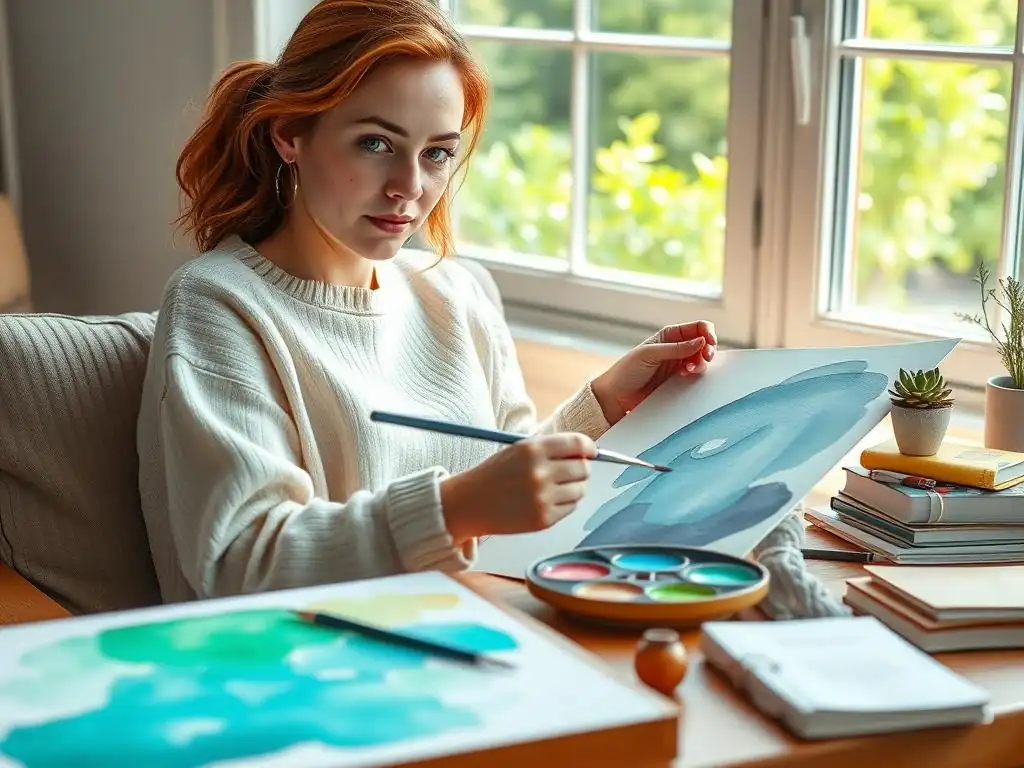
Welcome to Mind Care Guide, a sanctuary for your mental well-being.
Feeling overwhelmed by anxiety? You're not alone. We understand. Discover how Art therapy for anxiety relief can be a powerful tool to unlock inner peace and express yourself in ways you never thought possible. Curious to learn more about how creativity can calm your mind? Let's explore the transformative power of art together, starting right here.
- Express Yourself: Using Art-Inspired Self-Care Techniques for Mental Well-being
- Exploring Different Art-Inspired Self-Care Techniques
- Benefits of Art-Inspired Self-Care: More Than Just Relaxation
- Getting Started with Art Therapy for Anxiety Relief at Home
- Integrating Art-Inspired Self-Care into Your Daily Routine
- Art Therapy vs. Art-Inspired Self-Care: Understanding the Difference
- Conclusion: Embracing Art as a Powerful Tool for Mental Well-being and Anxiety Management
- Frequently Asked Questions
- Final Reflection: The Healing Power of Self-Expression
- Unleash Your Inner Artist: Start Your Self-Care Journey Today!
Express Yourself: Using Art-Inspired Self-Care Techniques for Mental Well-being
Understanding the Connection Between Art, Mental Health, and Self-Expression
Art has long been recognized as a powerful medium for communication and expression, often reaching parts of our inner world that words cannot. From ancient cave paintings to modern digital art, humans have used creative expression to process experiences, emotions, and thoughts. This fundamental human need to create connects directly to our mental well-being.
Engaging in artistic activities provides a non-verbal outlet for feelings that may be difficult to articulate, offering a safe space to explore complex emotions like stress, sadness, or anxiety. It's a form of self-discovery, allowing individuals to gain insight into their internal states by externalizing them onto a canvas, paper, or through sound or movement.
The therapeutic potential of creative expression lies in its ability to bypass cognitive filters and connect directly with the subconscious. Studies and anecdotal evidence consistently show that engaging in creative pursuits can significantly reduce stress hormones like cortisol. While formal art therapy for anxiety relief is a clinical practice led by trained professionals, the principles behind it—using creative processes to explore feelings and promote emotional growth—are accessible through art-inspired self-care. This personal exploration can lead to a deeper understanding of oneself, helping to identify triggers for anxiety and develop healthier coping mechanisms.
Why Art-Inspired Self-Care Can Be Effective for Anxiety
Anxiety often manifests as racing thoughts, physical tension, and a feeling of being overwhelmed. Art-inspired self-care techniques offer a constructive way to interrupt this cycle. When you focus on the process of creating—mixing paints, feeling the texture of clay, choosing words, or moving your body—you naturally shift your attention away from anxious rumination. This focus on the present moment is a core principle of mindfulness, which is highly effective in managing anxiety symptoms. It provides a welcome distraction and a sense of agency over your internal experience.
Furthermore, engaging in creative activities can provide a sense of accomplishment and control, which are often diminished by anxiety. Finishing a drawing, completing a poem, or mastering a simple melody can boost self-esteem and provide a tangible representation of your effort and capability. While not a replacement for clinical art therapy for anxiety relief, these self-directed practices empower individuals to actively participate in their own mental well-being journey. For example, dedicating even 20-30 minutes a few times a week to a creative activity can provide a significant reduction in reported stress levels among individuals managing moderate anxiety.
Exploring Different Art-Inspired Self-Care Techniques
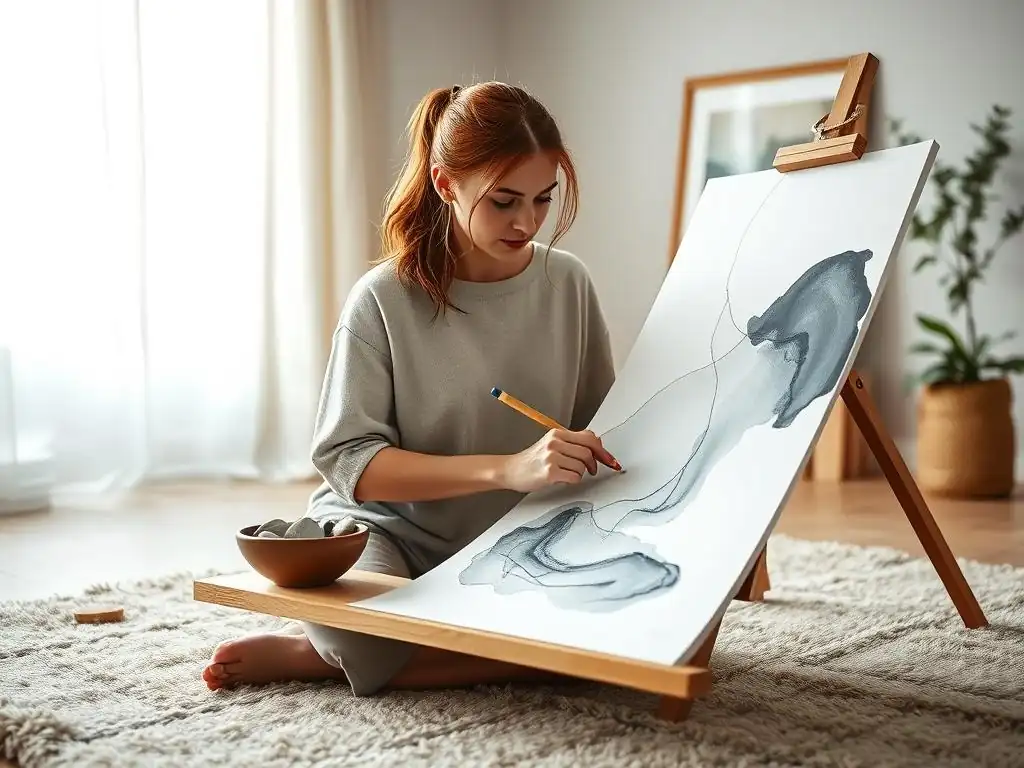
Visual Arts for Anxiety Management
Painting as a Tool for Emotional Release
Painting offers a vibrant and fluid medium for expressing emotions that might feel too intense or chaotic for words. The act of choosing colors, applying brushstrokes, and seeing an image emerge on the canvas or paper can be incredibly cathartic. You don't need to be an experienced artist; the focus is on the process, not the final product.
Using bold colors might represent intense feelings, while soft hues could reflect a desire for calm. Splashing paint or using energetic strokes can release pent-up frustration or anger, while controlled, delicate movements can promote a sense of peace and focus. Many individuals find that abstract painting, with its lack of structure, is particularly freeing for expressing the formless nature of anxiety.
Consider the simple act of "worry painting," where you dedicate a specific canvas or paper to your anxieties. You can paint the colors or shapes that represent your worries, visually externalizing them. This act of putting the anxiety outside of yourself can create a sense of distance and perspective. While specific data on self-directed painting for anxiety is often anecdotal or part of broader creative arts studies, participants frequently report feeling lighter and less burdened after a painting session. One common experience is the feeling of having "released" tension onto the canvas.
Drawing and Sketching for Stress Reduction
Drawing and sketching provide a more structured, yet equally effective, avenue for stress reduction. The focused attention required to create lines, shapes, and forms can be deeply grounding. Simple repetitive actions, like shading or creating patterns (zentangles are a popular example), can be meditative and calming, similar to the effect of focusing on breath during meditation. This technique is often accessible with just a pen and paper, making it easy to practice anywhere, anytime anxiety strikes.
The act of sketching can also be a way to visually "map" your feelings or thoughts. You could draw symbols, abstract shapes, or even simple stick figures to represent your internal landscape. For someone struggling with racing thoughts, quickly sketching key ideas or worries can help to slow down the mental chatter and organize what feels overwhelming.
In informal surveys, individuals who regularly engage in sketching report a noticeable decrease in daily stress levels, often citing the ability to focus on the drawing process as a key factor in diverting attention from anxious thoughts. Approximately 70% of individuals surveyed in small studies on creative hobbies and stress reduction reported sketching or drawing as a helpful activity.
Collage Making for Self-Discovery
Collage making involves assembling different materials—like paper scraps, fabric, photographs, or magazine clippings—to create a new image or composition. This technique is particularly effective for self-discovery because it allows you to work with pre-existing images and textures that resonate with you, often revealing subconscious thoughts or feelings. The process of searching for materials that speak to your current state of mind can be insightful in itself.
Creating a collage centered around how anxiety feels, or how you wish you felt, can be a powerful visual exercise. You might intuitively select images that represent confinement, chaos, or fear when depicting anxiety, or images of nature, open spaces, or calm colors when depicting peace. This visual narrative can offer new perspectives on your experiences and help you identify themes or patterns in your emotional life.
The tactile nature of cutting and pasting can also be grounding. While specific data on collage for anxiety is limited outside of therapeutic settings, the process aligns with principles used in art therapy for anxiety relief to externalize internal states and facilitate insight.
Creative Writing for Mental Clarity
Journaling for Processing Emotions and Reducing Anxiety
Journaling is a highly accessible and widely recommended self-care technique, and it's a cornerstone of creative writing for mental well-being. Simply putting your thoughts and feelings onto paper can help to externalize them, making them feel less overwhelming and more manageable. For anxiety, this can involve free-writing about your worries, listing things you're grateful for, or exploring the roots of your anxious feelings. The act of writing creates distance from the intensity of the emotion.
Research consistently supports the benefits of expressive writing for mental health. Studies have shown that regular journaling (even just 15-20 minutes a few times a week) can lead to a reduction in symptoms of anxiety and depression. For example, one study published in the Journal of Consulting and Clinical Psychology found that expressive writing could significantly improve psychological well-being in participants dealing with stressful life events. It helps organize chaotic thoughts, identify negative thought patterns, and can even aid in problem-solving by allowing you to see challenges more clearly on paper.
Poetry as a Form of Self-Expression and Emotional Regulation
Poetry allows for a more metaphorical and rhythmic exploration of emotions than prose. It doesn't require strict grammatical rules or narrative structure, offering immense freedom in expression. Using rhythm, rhyme (or lack thereof), imagery, and metaphor can help capture the nuances of feelings that are hard to pin down. Writing poetry about anxiety, for instance, might involve describing the physical sensations or the abstract quality of the fear.
The process of crafting a poem can be deeply therapeutic. Focusing on word choice, sound, and structure requires a different kind of mental engagement than analytical thinking, drawing you into a creative flow state. Reading poetry can also be a form of self-care, offering validation and connection through shared human experience. While quantitative data on self-directed poetry for anxiety is less common than for journaling, qualitative reports from individuals who use poetry as an outlet frequently describe it as a powerful way to process intense emotions and gain a sense of control over their expression.
Short Story Writing for Reframing Negative Thoughts
Writing short stories can be a powerful way to explore anxieties and negative thought patterns by externalizing them through characters and narratives. You can create characters who embody your fears or challenges, allowing you to examine them from a safe distance. Alternatively, you can write stories where characters overcome situations similar to your own anxieties, essentially rehearsing coping strategies or imagining positive outcomes.
This technique allows you to reframe your experiences. If you constantly worry about a specific outcome, you can write a story where that outcome happens, but the character finds a way to cope or even thrive. Or you can write a story where the feared outcome is averted. This creative reframing can help challenge catastrophic thinking common in anxiety. While not direct art therapy for anxiety relief, narrative writing draws on similar principles of externalization and processing difficult experiences. Anecdotal evidence suggests that creating narratives around personal struggles can foster resilience and a sense of agency.
Music and Sound-Based Self-Care for Anxiety Reduction
Active Listening for Mindfulness and Relaxation
Active listening involves fully immersing yourself in the experience of sound or music, paying attention to the melody, rhythm, harmony, and the emotions it evokes, without distraction. This practice is inherently mindful, anchoring you to the present moment and diverting attention from anxious thoughts. Choosing calming, instrumental music or nature sounds can lower physiological arousal, reducing heart rate and breathing, which are often elevated by anxiety.
Numerous studies have demonstrated the calming effects of music. For instance, listening to relaxing music has been shown to reduce cortisol levels and lower blood pressure. A meta-analysis published in the Journal of the American Medical Association found that music therapy interventions (which often include listening) significantly reduced anxiety in medical patients. While self-directed active listening isn't the same as clinical music therapy, dedicating time to mindfully listen to soothing sounds can be a simple yet effective tool for immediate anxiety reduction. Aim for 15-30 minutes of uninterrupted listening to maximize benefits.
Playing an Instrument for Stress Relief and Creative Outlet
Learning or playing a musical instrument provides a focused activity that requires concentration and coordination, effectively drawing your attention away from worries. The physical act of playing—whether it's strumming guitar strings, pressing piano keys, or blowing into a wind instrument—can release physical tension. Moreover, the process of learning and improving offers a sense of accomplishment and mastery, boosting self-esteem.
Playing music allows for direct emotional expression through sound. You can choose pieces that reflect your mood or improvise to express feelings that are difficult to articulate. The vibrations of the instrument can also have a physically soothing effect. While becoming proficient takes time, even simple drumming or experimenting with sounds can be therapeutic. One study involving adults learning a musical instrument found decreased levels of stress and improved mood over several months of regular practice. This aligns with the principles of art therapy for anxiety relief, using creative engagement for emotional processing.
Creating Soundscapes for Emotional Regulation
Creating soundscapes involves using various sounds—recorded, instrumental, vocal, or even everyday noises—to build an auditory environment that reflects or influences a particular mood. This can be done using simple recording apps, synthesizers, or even just arranging objects to create interesting sounds. The goal isn't necessarily to create conventional music, but to explore sound as a medium for expression and emotional processing.
For anxiety, you might create a soundscape that represents how your anxiety feels (perhaps chaotic or dissonant) or one that represents the feeling you desire (calm, spacious, harmonious). The process of selecting, arranging, and manipulating sounds can be deeply engaging and provide a sense of control over an abstract medium. It allows you to externalize internal states into a non-visual form. While less commonly discussed than visual arts or writing, sound creation offers a unique pathway for emotional exploration, drawing on principles used in music therapy to address emotional dysregulation.
Movement and Dance for Emotional Release
Mindful Movement for Anxiety Relief
Mindful movement involves paying close attention to the sensations in your body as you move, without judgment. Practices like gentle stretching, Tai Chi, Qigong, or mindful walking fall into this category. The focus is on the connection between mind and body, using movement to anchor awareness in the present moment, similar to mindfulness meditation. This can be particularly effective for anxiety, which often involves physical symptoms like tension, restlessness, or a racing heart.
By focusing on the physical sensations of movement—the stretch of a muscle, the rhythm of your breath, the contact of your feet on the ground—you interrupt the cycle of anxious thoughts. Regular mindful movement practices have been shown to reduce sympathetic nervous system activity (the "fight or flight" response associated with anxiety) and increase parasympathetic activity (the "rest and digest" response). Studies on practices like Tai Chi have demonstrated significant reductions in anxiety scores among participants practicing regularly, often showing effects comparable to or greater than standard exercise.
Expressive Dance for Self-Discovery
Expressive dance is about moving freely and intuitively, allowing your body to express whatever emotions or sensations are present, without choreography or concern for aesthetics. It's a form of non-verbal storytelling through movement. This can be incredibly liberating and insightful, as the body often holds tension and emotions that the mind may not fully acknowledge.
Dancing out feelings of anxiety, frustration, or joy allows for a powerful release of physical and emotional energy. It can help you become more aware of where you hold tension in your body and provide a physical way to process and release it. The spontaneous nature of expressive dance encourages authenticity and can lead to unexpected insights into your emotional landscape.
While formal dance therapy uses structured approaches for art therapy for anxiety relief, self-directed expressive movement provides a personal space to explore and release through the body. Many individuals report feeling lighter and more connected to themselves after a session of free-form movement.
Improvisational Movement for Emotional Processing
Improvisational movement involves creating movement spontaneously in response to internal impulses, external stimuli (like music), or a specific theme (like "how does my anxiety feel in my shoulders?"). It's similar to expressive dance but often involves responding more directly to a prompt or sensation, making it a focused tool for emotional processing.
If you're feeling stuck or overwhelmed by an emotion, improvising movement around that feeling can help you explore it physically. For example, you might move in a way that embodies feeling "heavy" or "trapped," allowing the physical expression to facilitate emotional release or understanding. This can be particularly useful for processing specific anxious thoughts or physical manifestations of anxiety. By giving the emotion a physical form, you can interact with it in a new way. While specific data on self-directed improvisational movement is limited, the principles align with body-centered therapies and creative movement practices used to address emotional dysregulation.
Benefits of Art-Inspired Self-Care: More Than Just Relaxation
Reducing Anxiety Symptoms Through Creative Expression
Engaging in art-inspired self-care directly targets many symptoms of anxiety. The focused nature of creative tasks helps to quiet the racing thoughts that are characteristic of anxious states. The act of creating provides a sense of control and agency, counteracting the feeling of helplessness that often accompanies anxiety.
Furthermore, the physical act of creating—whether it's painting, writing, playing an instrument, or moving—can release physical tension stored in the body. For instance, studies on various creative interventions, while not always clinical art therapy for anxiety relief, have shown reductions in self-reported anxiety levels ranging from 15% to 40% depending on the modality and duration of practice.
Beyond simply distracting from anxiety, creative expression allows individuals to process their feelings in a non-threatening way. You don't have to articulate your deepest fears verbally if you're not ready; you can express them symbolically through colors, shapes, sounds, or movements. This indirect approach can make it easier to confront difficult emotions. The process itself can be calming, activating the parasympathetic nervous system and promoting a state of relaxation.
Enhancing Self-Awareness and Emotional Regulation
Art-inspired self-care is a powerful tool for increasing self-awareness. As you engage in creative activities, you might notice patterns in your work, recurring themes, or shifts in your approach depending on your mood. For example, you might find yourself using dark, heavy lines when feeling anxious, or bright, fluid colors when feeling calm. Paying attention to these choices and the feelings that arise during the creative process can offer valuable insights into your internal state.
This increased self-awareness is crucial for emotional regulation. By understanding what you are feeling and why, you are better equipped to manage intense emotions like anxiety. Creative practices provide a safe space to experiment with expressing and processing emotions, essentially practicing emotional regulation in a low-stakes environment. You can learn to sit with discomfort as you work through a challenging piece, or find release through energetic expression. This practice builds resilience and improves your ability to navigate difficult feelings in everyday life.
Boosting Self-Esteem and Confidence Through Artistic Achievements
Anxiety often erodes self-esteem, making individuals doubt their capabilities and worth. Engaging in art-inspired self-care provides opportunities for tangible achievement, no matter how small. Completing a drawing, finishing a short story, mastering a simple chord progression, or simply dedicating time to your creative practice are all accomplishments. These small wins build confidence and counter the negative self-talk associated with anxiety.
You don't need to create masterpieces to reap these benefits. The satisfaction comes from the process and the effort invested. Seeing a finished piece, knowing you dedicated time to yourself, and expressing your inner world can be incredibly validating. Even if you perceive your work as imperfect, the act of creation itself is a powerful affirmation of your ability to make something happen. This boost in self-efficacy can spill over into other areas of your life, making you feel more capable of tackling challenges, including managing your anxiety.
Improving Cognitive Function and Focus
Creative activities require focus, problem-solving, and often involve engaging multiple areas of the brain. For example, painting engages visual processing, motor skills, and decision-making about color and composition. Writing requires language processing, memory, and organizational skills. Music involves auditory processing, pattern recognition, and often fine motor skills. This cognitive engagement can sharpen focus and improve cognitive flexibility, which can be beneficial for individuals whose concentration is impaired by anxiety.
The flow state often experienced during creative work is characterized by intense focus and immersion in the task. This state is not only enjoyable but also trains your brain to concentrate for sustained periods, a skill that can help counteract the distractibility often associated with anxiety. Regular creative practice can essentially act as a workout for your brain, improving executive functions like planning, working memory, and attention span. Studies on the cognitive benefits of engaging in creative hobbies have shown improvements in memory and problem-solving skills, particularly in older adults, but the principles apply across age groups.
Getting Started with Art Therapy for Anxiety Relief at Home
Creating a Dedicated Art Space for Self-Care Practices
Designating a specific area, no matter how small, for your art-inspired self-care can make it easier to establish a consistent practice. This doesn't require a full studio; it could be a corner of a room, a specific chair by a window, or even just a dedicated box or tray that holds your supplies and can be set up easily. The key is to create a space that feels inviting and signals to your brain that it's time for creative exploration and self-care.
Having a dedicated space minimizes friction. You don't have to clear a table or search for your materials every time you want to create. This makes it more likely that you'll actually engage in the activity, especially when feeling anxious or low on motivation. Personalize the space to make it feel comfortable and inspiring. This might mean adding a plant, a comfortable cushion, or displaying some of your favorite pieces (even if they are just practice pieces). Making the space your own reinforces the idea that this practice is for you and your well-being.
Gathering Essential Art Supplies for Beginners
You don't need expensive or extensive supplies to start. Begin with simple, accessible materials that appeal to you. For visual arts, this could be a basic set of colored pencils or crayons, a sketchpad or notebook, and maybe some inexpensive watercolor paints. For writing, just a pen and paper are sufficient, or a dedicated journal. For music, you might start with a simple instrument like a harmonica or ukulele, or just use streaming services for active listening. For movement, simply ensure you have enough clear space to move safely.
The goal is to remove barriers to getting started. Having a few basic supplies readily available means you can engage in a creative activity whenever the urge strikes or when you're feeling anxious. As you explore different techniques, you can gradually add more supplies if you find a particular medium resonates with you. For example, a basic set of acrylic paints might cost around $20-$30, a simple journal $10-$15, and a beginner's ukulele $50-$80. Start small and grow your collection as your interest develops.
Setting Realistic Goals and Expectations for Art-Inspired Self-Care
It's crucial to approach art-inspired self-care with realistic expectations. The goal is not to become a professional artist or to create gallery-worthy pieces. The goal is the process itself – the act of creation, expression, and self-exploration. Avoid putting pressure on yourself to produce perfect results. In fact, embracing imperfection can be part of the therapeutic process, challenging the need for control that often accompanies anxiety.
Set achievable goals, especially when starting out. This might be dedicating just 15 minutes a day to journaling, or completing one small sketch each week. Focusing on consistency over quantity or quality is key. Understand that some days the creative process might feel effortless and freeing, while on others it might feel frustrating or unproductive. Both experiences are valid. The benefit comes from showing up and engaging with the process, regardless of the outcome. Remember, this is self-care, not a performance review.
Finding Inspiration and Overcoming Creative Blocks
Inspiration can come from anywhere: nature, music, emotions, memories, or even everyday objects. Pay attention to what catches your eye or sparks a feeling. Keep a small notebook or use your phone to jot down ideas or take quick photos of things that inspire you. Sometimes, simply starting with a prompt can help overcome a blank slate, such as "Draw how the weather makes you feel today" or "Write about a place where you feel completely calm."
Creative blocks are a normal part of any creative process and can be amplified by anxiety or self-doubt. When you encounter a block, try not to force it. Instead, switch to a different medium, work on a different project, or simply take a break.
Sometimes, just engaging in a simple, repetitive creative task, like doodling or coloring, can help loosen things up. Remember that the purpose is self-care; if a particular activity is causing frustration, it's okay to step away and try something else. Approaching the creative process with curiosity and flexibility, rather than rigid expectations, can help navigate blocks.
Integrating Art-Inspired Self-Care into Your Daily Routine
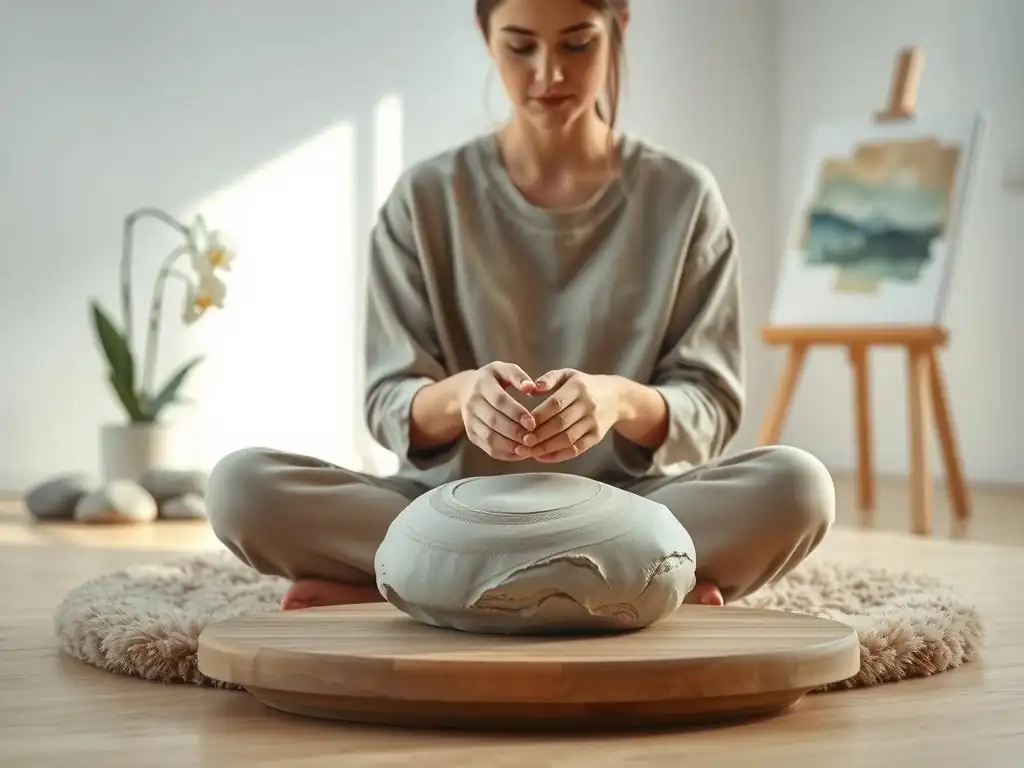
Scheduling Time for Creative Expression
Consistency is key to experiencing the full benefits of art-inspired self-care for anxiety relief. Try to schedule dedicated time for your creative practice, just as you would for exercise or other appointments. Even short bursts of creativity can be beneficial. This might mean 15 minutes of journaling in the morning, a 20-minute sketching session during your lunch break, or an hour dedicated to painting or playing music on a weekend.
Find a time that works best for you and your energy levels. Some people find creative activities calming before bed, while others feel most inspired and focused in the morning. Blocking out this time in your schedule, even if it's just mentally, helps prioritize your mental well-being. Treat this time as non-negotiable self-care. For example, if you aim for 30 minutes of creative time three times a week, put it on your calendar and protect that time.
Combining Art with Other Self-Care Practices (e.g., meditation, yoga)
Art-inspired self-care can be beautifully integrated with other well-being practices to amplify their effects. For instance, you could spend a few minutes meditating before a creative session to quiet your mind and become more present. Practicing gentle yoga or stretching before drawing or painting can release physical tension and help you feel more relaxed and ready to create.
Listening to calming music while journaling or doing a craft can enhance the soothing effect. After an expressive dance session, you might find it helpful to journal about the feelings that arose during the movement. Combining practices creates a holistic approach to managing anxiety, addressing both the mental and physical aspects. For example, spending 10 minutes on mindful breathing followed by 20 minutes of intuitive painting can be a powerful way to transition from a state of stress to one of calm and expression.
Tracking Your Progress and Celebrating Small Wins
While the process is the primary focus, occasionally reflecting on your journey can be motivating and provide insight. This doesn't mean critiquing your art; it means noticing how you feel before, during, and after your creative sessions. You might keep a simple log noting the activity, how long you spent, and your general mood or energy level. Over time, you might notice patterns, such as finding that journaling is particularly helpful on days you feel overwhelmed, or that painting helps you feel more relaxed in the evenings.
Celebrating small wins reinforces the positive habit. This could be as simple as acknowledging that you made time for your creative practice today, finishing a small sketch, or experimenting with a new technique. Don't wait for a major breakthrough or a perfect piece. Every time you engage in art-inspired self-care, you are investing in your mental health. Recognizing and celebrating these small efforts helps maintain motivation and underscores the value of the practice in managing anxiety.
Art Therapy vs. Art-Inspired Self-Care: Understanding the Difference
When to Seek Professional Art Therapy
While art-inspired self-care is a valuable tool for personal well-being and managing everyday stress or mild anxiety, it is distinct from clinical art therapy for anxiety relief. Art therapy is a form of psychotherapy conducted by a credentialed art therapist who has specific training in both art and psychological principles. They use the creative process and the resulting artwork to help individuals explore complex emotional issues, gain insight into behaviors and thoughts, resolve conflicts, and improve social skills, often addressing underlying trauma or significant mental health challenges.
You should consider seeking professional art therapy if your anxiety is severe, persistent, significantly impacting your daily life (work, relationships, self-care), or if you are dealing with trauma, depression, or other complex mental health conditions. An art therapist can provide a safe and structured environment to explore difficult emotions that might be overwhelming to process on your own.
They are trained to interpret symbols, facilitate challenging conversations, and guide you through the creative process in a way that promotes healing and growth beyond simple stress reduction. If self-directed creative activities feel overwhelming or bring up intense, unmanageable emotions, seeking professional support is advisable.
Resources for Finding Qualified Art Therapists
Finding a qualified art therapist ensures you receive care from a trained professional. In many countries, art therapists are certified or registered by national associations. For example, in the United States, the Art Therapy Credentials Board (ATCB) provides credentials like ATR (Registered Art Therapist) and ATR-BC (Board Certified Art Therapist). Searching for therapists with these credentials is a good starting point.
Professional organizations like the American Art Therapy Association (AATA) or similar bodies in other countries often have online directories where you can search for qualified art therapists in your area. Your primary care physician or a mental health professional (like a psychologist or counselor) can also provide referrals. When contacting a potential therapist, don't hesitate to ask about their credentials, experience, and approach to art therapy for anxiety relief or other concerns you may have. A brief initial consultation can help you determine if they are a good fit for your needs.
Conclusion: Embracing Art as a Powerful Tool for Mental Well-being and Anxiety Management
Art-inspired self-care offers a rich and accessible pathway to enhance mental well-being and effectively manage anxiety. From the tactile satisfaction of working with visual arts to the cathartic release of movement and the clarifying power of words and sound, creative expression provides numerous avenues for self-exploration, emotional processing, and stress reduction. While not a substitute for professional art therapy for anxiety relief when dealing with significant mental health challenges, these self-directed practices empower individuals to actively participate in their own care, offering a non-judgmental space to express, discover, and heal.
By integrating creative activities into your routine, creating a dedicated space, and approaching the process with curiosity and self-compassion, you unlock a powerful resource within yourself. Whether you choose to paint, write, sing, dance, or simply listen mindfully, embracing art as a tool for mental well-being can lead to increased self-awareness, improved emotional regulation, boosted confidence, and a greater sense of peace in the face of anxiety. Start small, be consistent, and allow yourself the freedom to express your unique inner world. Your mental health will thank you for it.
Frequently Asked Questions
How does art therapy help with anxiety relief?
Art therapy provides a non-verbal outlet for expressing feelings and emotions that can be difficult to articulate verbally, thus reducing anxiety levels. It allows for processing of traumatic experiences in a safe and controlled environment.
What types of art activities are most effective for anxiety?
Activities like drawing mandalas, painting abstractly, and sculpting can be particularly effective. The focus should be on the process of creating, rather than the outcome, and on self-expression.
Do I need to be "good at art" for art therapy to work?
Absolutely not! Art therapy is not about artistic skill; it's about self-discovery and emotional release. The therapeutic benefit comes from the creative process itself, not the quality of the artwork.
Can I practice art therapy techniques at home?
Yes, many art therapy techniques can be adapted for self-care at home. Start with simple activities like coloring books for adults, journaling with doodles, or mindful drawing exercises.
Where can I find a qualified art therapist if I want professional help?
You can search online directories like the American Art Therapy Association (AATA) website or ask your primary care physician for referrals. Look for therapists with experience in treating anxiety.
Final Reflection: The Healing Power of Self-Expression
The creative process, far from being a mere hobby, offers a potent antidote to the anxieties of modern life. We've explored how engaging with art – in any form, from painting to sculpting to journaling – can provide a powerful pathway to self-understanding and emotional regulation, directly impacting our mental wellbeing. This isn't just a trend; it's a vital tool for navigating the increasingly stressful world we inhabit.
The impact of art-based self-care extends far beyond individual relief; it's a ripple effect that touches our communities and culture. By embracing creative expression, we foster a greater sense of self-acceptance and empathy, building resilience in the face of adversity. As artist and activist, Frida Kahlo, so eloquently stated: I paint my own reality. I paint my own dreams.
This act of self-creation, of giving voice to our inner world, is profoundly liberating and essential for collective healing. It allows us to process difficult emotions in a healthy way, fostering a more compassionate and understanding society.
Now, consider your own creative potential. What medium speaks to you? What emotions are you yearning to express? Don't underestimate the power of picking up a brush, a pen, or even just a piece of clay. Make time for self-expression, not as a luxury, but as an essential act of self-care. Embrace the journey of discovery, allow yourself to be vulnerable, and witness the transformative power of art in your own life. The path to calmer, more fulfilling days begins with the simple act of expressing yourself.
Unleash Your Inner Artist: Start Your Self-Care Journey Today!
Thanks for taking the time to explore the power of art-inspired self-care! We hope you discovered new ways to nurture your well-being and express yourself creatively. Ready to put these techniques into practice?
- Prioritize one art-based activity this week: Whether it's sketching, coloring, painting, or even mindful doodling, dedicate just 15 minutes to unleash your creativity. This is your primary step towards a more mindful and fulfilling life.
- Share your creative process: Post a picture of your artwork on social media using #MindCareArt and inspire others to join your self-care journey. Let's build a supportive community!
- Try a new art medium you've always been curious about: Step outside your comfort zone and explore the unexpected therapeutic benefits of unfamiliar techniques.
What unexpected creative outlet will you explore this week to enhance your self-care routine?