
GABA Foods: Natural Ways to Promote Calmness


Welcome to Mind Care Guide, your sanctuary for navigating the complexities of mental well-being.
Feeling overwhelmed by anxiety? You're not alone. We understand the yearning for natural solutions, and that's why we're delving into the fascinating world of GABA foods. Could the key to a calmer mind be on your plate? Explore our article to discover how incorporating these foods into your diet might help reduce anxiety and promote a sense of peacefulness. Let's unlock the power of holistic well-being, together.
GABA Foods: Natural Ways to Promote Calmness
- Mind Care Guide: Nutrition for Mental Well-being
- Top GABA Foods to Naturally Reduce Anxiety
- Incorporating GABA Foods into Your Diet for Anxiety Management
- Other Lifestyle Strategies to Boost GABA and Reduce Anxiety
- Potential Benefits and Considerations of Increasing GABA Through Diet
- Conclusion: Embrace GABA Foods for a Calmer Mind
-
Frequently Asked Questions
- What exactly are GABA foods, and how do they relate to anxiety reduction?
- Do GABA foods directly increase GABA levels in the brain, and if not, how do they work?
- What are some specific examples of GABA foods I can easily incorporate into my diet?
- How long does it typically take to notice a difference in anxiety levels after incorporating GABA foods into my diet?
- Are there any potential side effects or interactions to be aware of when consuming GABA foods for anxiety relief?
- Final Reflection: Embracing Calmness Through GABA Foods
- Embrace Calmness: Take Your First Step Today!
Mind Care Guide: Nutrition for Mental Well-being
What is GABA? The Brain's Natural Calming Agent
Gamma-aminobutyric acid, or GABA, is a principal inhibitory neurotransmitter in the central nervous system. Its primary role is to reduce the activity of neurons, essentially acting as a brake pedal on brain excitability. When GABA binds to its receptors, it decreases the likelihood that a neuron will fire, leading to a calming effect. This process is crucial for regulating mood, sleep, and relaxation, and it plays a significant part in preventing overstimulation of the brain.
Think of GABA as the body's natural anti-anxiety agent. It helps to counteract the effects of excitatory neurotransmitters like glutamate, which can lead to feelings of stress and anxiety when their activity is unchecked. Adequate GABA levels help maintain a balanced state in the brain, promoting feelings of tranquility and reducing the likelihood of experiencing excessive worry or fear. Many pharmaceutical interventions for anxiety disorders target the GABA system to enhance its inhibitory effects.
The Link Between Low GABA Levels and Anxiety Disorders
Research suggests a strong correlation between reduced GABA activity or lower GABA levels in the brain and various anxiety disorders, including generalized anxiety disorder (GAD), panic disorder, and post-traumatic stress disorder (PTSD). Studies using magnetic resonance spectroscopy (MRS) have indicated lower concentrations of GABA in certain brain regions, such as the prefrontal cortex and anterior cingulate cortex, in individuals diagnosed with these conditions compared to healthy controls. This points to a potential underlying neurochemical imbalance contributing to heightened states of anxiety and arousal.
Furthermore, disruptions in the function or density of GABA receptors can also contribute to anxiety symptoms. When the brain's natural calming system is impaired, either due to insufficient GABA production or problems with how it's received by neurons, the result can be an increased susceptibility to stress, excessive worrying, and panic attacks. While the exact causal relationship is complex and involves multiple factors, supporting healthy GABA function is often a key target in managing anxiety.
How GABA Supplements Differ from GABA-Rich Foods
While GABA supplements are available and marketed for stress and anxiety relief, their effectiveness when taken orally is debated. The challenge lies in GABA's ability to cross the blood-brain barrier, the protective filter between the bloodstream and the brain. Many studies suggest that orally ingested GABA may not efficiently reach the brain in significant quantities, meaning the effects observed might be minimal or potentially attributed to indirect mechanisms or placebo effects. A typical dose in supplements might range from 100 mg to 750 mg.
In contrast, focusing on GABA foods reduce anxiety through a different approach. These foods don't necessarily contain massive amounts of pre-formed GABA that directly enters the brain. Instead, many GABA foods contain precursors, cofactors (like magnesium and B vitamins), or compounds (like L-theanine) that support the body's own production of GABA or enhance its function.
Additionally, some foods, particularly fermented ones, can influence the gut microbiome, which in turn can impact neurotransmitter production and overall brain chemistry. This dietary strategy is often seen as a supportive measure, contributing to overall nutritional well-being and potentially modulating GABA activity over time as part of a balanced diet.
Top GABA Foods to Naturally Reduce Anxiety
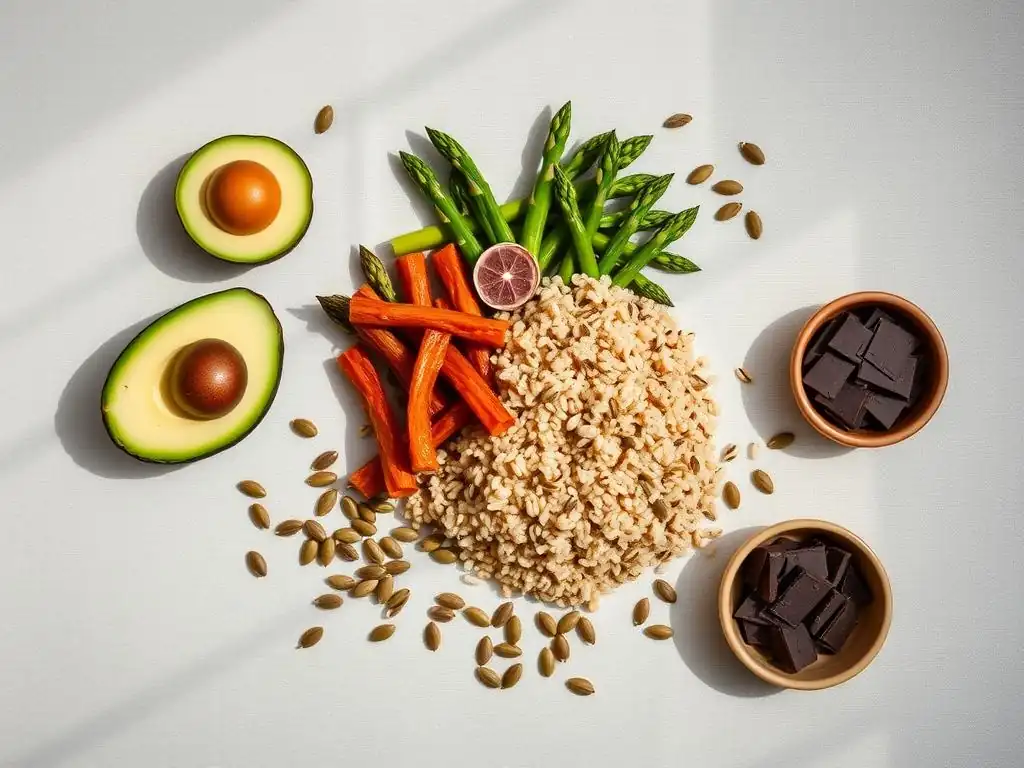
Focusing on whole, nutrient-dense GABA foods reduce anxiety symptoms by providing the building blocks and cofactors necessary for the body's natural GABA synthesis. These foods contribute to a balanced diet that supports overall brain health and neurotransmitter function, offering a gentle and sustainable approach compared to direct supplementation. While the amount of pre-formed GABA in many foods is relatively low, their synergistic effects through vitamins, minerals, and other compounds are key.
Incorporating a variety of these foods ensures a broad spectrum of nutrients that support not just GABA pathways but also overall mental well-being. For instance, foods rich in magnesium, zinc, and B vitamins are crucial for enzymatic processes involved in neurotransmitter synthesis. Antioxidants found in many plant-based GABA foods help protect brain cells from damage, further supporting healthy neurological function and potentially helping GABA foods reduce anxiety effectively over time.
Fermented Foods for Increased GABA Production
Fermented foods are created through a process involving beneficial bacteria and yeasts, which can produce various metabolites, including some neurotransmitters or their precursors. These foods are particularly noted for their positive impact on gut health, which is increasingly recognized as being intimately connected to brain health via the gut-brain axis. A healthy gut microbiome can influence the production of neurotransmitters and other signaling molecules that affect mood and anxiety levels.
Consuming fermented GABA foods reduce anxiety not just through potentially containing some GABA, but more significantly by fostering a diverse and healthy gut environment. This can indirectly support the body's natural ability to produce and regulate neurotransmitters. Examples range from traditional fermented vegetables to dairy products, each offering unique strains of probiotics and fermentation byproducts that can contribute to overall well-being and potentially influence GABA activity.
Kimchi: A Probiotic Powerhouse for GABA Enhancement
Kimchi, a traditional Korean dish made from fermented vegetables, primarily cabbage, is rich in probiotics and various vitamins. The fermentation process itself can lead to the production of GABA by the lactic acid bacteria present. While the precise amount varies depending on the fermentation time and specific microbial cultures, some studies have shown that certain strains of Lactobacillus found in kimchi are capable of producing GABA.
Beyond direct GABA production, the diverse array of beneficial bacteria in kimchi supports gut health. A healthy gut microbiome is linked to reduced inflammation and improved mood regulation, both of which can indirectly help manage anxiety. Including kimchi in your diet can contribute to a robust gut flora, potentially creating an environment conducive to better mental health outcomes and supporting the body's natural calming systems.
Sauerkraut: Delivering GABA and Gut-Friendly Bacteria
Similar to kimchi, sauerkraut is fermented cabbage and is a good source of probiotics and fiber. The fermentation process carried out by lactic acid bacteria can also generate GABA. While the concentration may not be extremely high, regular consumption contributes to the intake of beneficial bacteria that support overall gut integrity and function.
The probiotics in sauerkraut contribute to a balanced gut microbiome, which is vital for the production of various neurotransmitters, including serotonin and potentially influencing GABA pathways. The fiber content also supports digestive health. By nurturing the gut-brain axis, incorporating sauerkraut and other fermented GABA foods reduce anxiety symptoms indirectly by promoting a healthier internal environment.
Yogurt: Supporting Gut Health and GABA Synthesis
Yogurt, particularly varieties containing live and active cultures, is another well-known source of probiotics. Certain probiotic strains, such as Lactobacillus helveticus, have been specifically studied for their potential effects on mood and anxiety, with some research suggesting they can influence neurotransmitter levels or stress hormone responses. While yogurt itself may contain minimal pre-formed GABA, its primary benefit lies in supporting gut health.
A healthy gut environment fostered by the probiotics in yogurt can indirectly influence GABA production and signaling. The gut microbiome communicates with the brain through various pathways, including the production of short-chain fatty acids and modulation of inflammation. Choosing yogurts with diverse and well-researched probiotic strains can be a simple dietary step towards supporting both digestive and mental well-being, potentially aiding in the effort to use GABA foods reduce anxiety.
Plant-Based GABA Foods for Anxiety Relief
Many plant-based foods contain compounds that can act as precursors to GABA or contain nutrients essential for its synthesis and function. While they may not be as potent in delivering direct GABA as some fermented options might be perceived, their overall nutritional profile contributes significantly to brain health. These foods offer a variety of vitamins, minerals, and antioxidants that support overall nervous system function.
Incorporating a wide array of colorful fruits, vegetables, grains, and legumes ensures you're getting a broad spectrum of nutrients that work synergistically. For example, foods rich in B6 are crucial because this vitamin is a cofactor for the enzyme that converts glutamate to GABA. Magnesium is also vital for GABA receptor function. Thus, a plant-heavy diet naturally rich in these nutrients supports the body's ability to maintain healthy GABA levels, helping GABA foods reduce anxiety symptoms over time.
Spinach: A Leafy Green Source of GABA
Spinach is a nutrient-dense leafy green vegetable that contains a variety of vitamins and minerals, including magnesium and B vitamins, which are important for neurotransmitter synthesis. While research on the precise amount of bioavailable GABA in spinach is ongoing, it is often listed among foods containing this compound. Its rich nutrient profile makes it a valuable addition to any diet aimed at supporting mental health.
The magnesium content in spinach is particularly noteworthy, as magnesium plays a critical role in regulating neurotransmitter function and is known for its calming properties. Deficiency in magnesium has been linked to increased anxiety and stress. By providing essential nutrients like magnesium and B vitamins, spinach supports the body's natural processes, contributing to overall brain health and potentially aiding in the effectiveness of GABA foods reduce anxiety.
Sweet Potatoes: A Comforting Source of GABA and Nutrients
Sweet potatoes are a source of complex carbohydrates, fiber, and various vitamins, including vitamin B6 and vitamin C. They also contain compounds that are thought to contribute to overall well-being and may influence neurotransmitter activity. While not typically highlighted as a primary source of pre-formed GABA, they provide essential nutrients that support the body's stress response and neurotransmitter balance.
The vitamin B6 in sweet potatoes is essential for the synthesis of several neurotransmitters, including GABA. Complex carbohydrates also play a role in mood regulation by affecting serotonin levels. Including sweet potatoes as part of a balanced diet provides valuable nutrients that support brain function and can contribute to feelings of calmness, indirectly supporting the role of GABA foods reduce anxiety.
Brown Rice: Enhancing GABA Levels Through Sprouting
Brown rice, especially when sprouted, has been shown to contain higher levels of GABA compared to regular brown rice. The sprouting process activates enzymes within the grain that can increase the concentration of certain nutrients, including GABA. Sprouted brown rice is also a good source of complex carbohydrates, fiber, and B vitamins.
Consuming sprouted brown rice can contribute a notable amount of dietary GABA compared to its unsprouted counterpart. Furthermore, the complex carbohydrates help stabilize blood sugar levels, which can prevent mood swings and irritability often associated with fluctuating glucose. As a whole grain, it provides sustained energy and nutrients that support overall brain health, making it a valuable component when using GABA foods reduce anxiety.
Nuts and Seeds: Small but Mighty GABA Sources
Nuts and seeds are nutritional powerhouses, packed with healthy fats, protein, fiber, vitamins, and minerals. Many varieties are particularly rich in magnesium, zinc, and B vitamins, all of which are essential cofactors in the synthesis and function of GABA. Their nutrient density makes them excellent snacks for supporting brain health and managing stress.
Including a handful of nuts or seeds daily can provide a significant boost of these crucial nutrients. For example, magnesium is vital for nerve function and relaxation, and its deficiency can exacerbate anxiety. Healthy fats, like omega-3s found in walnuts and pumpkin seeds, are also important for brain structure and function. By supplying these key nutrients, nuts and seeds enhance the body's ability to utilize and synthesize GABA, contributing to the effort to have GABA foods reduce anxiety.
Almonds: A Healthy Snack for GABA Support
Almonds are a good source of magnesium, a mineral known for its calming effects and its role in GABA receptor function. A single ounce of almonds contains roughly 76 mg of magnesium, contributing significantly to the daily recommended intake. They also provide vitamin E, a potent antioxidant, and healthy monounsaturated fats.
Snacking on almonds provides essential nutrients that support the nervous system. The magnesium content helps regulate stress hormones and supports the activity of GABA, promoting relaxation. Their combination of healthy fats, protein, and fiber also helps maintain stable blood sugar levels, preventing energy crashes that can sometimes trigger anxiety.
Walnuts: Rich in GABA and Omega-3 Fatty Acids
Walnuts are unique among nuts for their high content of alpha-linolenic acid (ALA), a plant-based omega-3 fatty acid. Omega-3s are crucial for brain health and have been linked to reduced symptoms of anxiety and depression. Walnuts also contain magnesium and B vitamins, supporting GABA pathways.
While walnuts contain some pre-formed GABA, their primary benefit for anxiety likely comes from their omega-3 content and the synergistic effect of their overall nutrient profile. Omega-3 fatty acids help reduce inflammation and support the structural integrity of brain cells, optimizing neurotransmitter signaling. Incorporating walnuts into your diet is a delicious way to support brain health and potentially enhance the effects of GABA foods reduce anxiety.
Pumpkin Seeds: Boosting GABA with Magnesium and Antioxidants
Pumpkin seeds are an excellent source of magnesium, providing about 156 mg per ounce, nearly half the daily recommended amount for many adults. They are also rich in zinc, another mineral important for brain health and neurotransmitter function, and contain antioxidants.
The high magnesium content in pumpkin seeds makes them a powerful food for promoting relaxation and supporting GABA activity. Magnesium binds to GABA receptors, enhancing their function and promoting a calming effect. Snacking on pumpkin seeds or adding them to meals is a simple way to boost your intake of this crucial mineral and support your body's natural ability to manage stress and anxiety.
Teas and Herbs That May Increase GABA
Certain teas and herbal remedies have been traditionally used for their calming and relaxation properties, and some research suggests they may influence GABA activity or levels in the brain. These beverages offer a soothing way to potentially support your body's natural calming mechanisms.
While the direct mechanism isn't always about adding pre-formed GABA to the body, these plants often contain compounds that interact with GABA receptors, stimulate GABA production, or promote relaxation through other pathways. Incorporating these into a daily routine can complement the benefits of GABA foods reduce anxiety as part of a holistic approach.
Green Tea: L-Theanine and GABA Synergistic Effects
Green tea contains L-theanine, an amino acid known for its ability to promote relaxation and reduce stress without causing drowsiness. L-theanine is thought to influence levels of several neurotransmitters, including increasing GABA, dopamine, and serotonin. It may also block the binding of excitatory neurotransmitters like glutamate to their receptors.
The calming effect of green tea is often attributed to the synergy between L-theanine and the small amount of caffeine it contains. L-theanine helps to buffer the stimulating effects of caffeine while promoting a state of calm focus. Regularly consuming green tea can be a pleasant way to potentially support GABA activity and contribute to a calmer state of mind, making it a valuable addition to the strategies using GABA foods reduce anxiety.
Chamomile Tea: A Relaxing Beverage for GABA Enhancement
Chamomile is a well-known herbal remedy used for centuries to promote sleep and relaxation. It contains an antioxidant called apigenin, which is thought to bind to certain receptors in the brain, including those that interact with GABA. This interaction may enhance GABA's inhibitory effects, leading to a reduction in anxiety and promoting sleepiness.
Drinking chamomile tea can provide a gentle calming effect, making it a popular choice before bedtime or during stressful periods. While it doesn't directly provide GABA, its potential to modulate GABA receptor activity makes it a complementary strategy when focusing on how GABA foods reduce anxiety and promote relaxation through dietary means.
Passionflower: Traditionally Used to Promote Calmness and GABA Activity
Passionflower ( Passiflora incarnata) is another herb traditionally used to alleviate anxiety and insomnia. Research suggests that compounds in passionflower may interact with the GABA system. Some studies indicate it might increase GABA levels in the brain or enhance the binding of GABA to its receptors.
Passionflower is available in various forms, including teas, tinctures, and capsules. Its potential to influence GABA activity aligns with the goal of enhancing the body's natural calming processes. Like chamomile, incorporating passionflower tea can be a supportive practice alongside dietary changes aimed at using GABA foods reduce anxiety.
Incorporating GABA Foods into Your Diet for Anxiety Management
Making conscious choices to include GABA-rich foods and those that support GABA synthesis is a practical step towards managing anxiety naturally. It doesn't require drastic changes but rather thoughtful additions and substitutions to your regular eating patterns. The key is consistency and variety to ensure a broad spectrum of nutrients.
Start by identifying which of the mentioned GABA foods you already enjoy and find ways to consume them more regularly. Then, explore adding new ones gradually. For example, swapping white rice for sprouted brown rice, adding a handful of almonds to your snack rotation, or including a serving of kimchi or sauerkraut with a meal are simple ways to begin leveraging the potential benefits of GABA foods reduce anxiety symptoms.
Creating a GABA-Rich Meal Plan
Designing a meal plan focused on GABA-supporting foods involves integrating them into breakfast, lunch, dinner, and snacks. For breakfast, consider yogurt with nuts and seeds, or a smoothie with spinach. Lunch could include a salad with leafy greens and pumpkin seeds, or a sandwich on whole-grain bread with a side of fermented pickles.
Dinner options are plentiful, such as a stir-fry with brown rice and leafy greens, or a baked sweet potato alongside a protein source. Snacks can include almonds, walnuts, or a small serving of fermented food. Regularly incorporating these elements ensures a steady intake of nutrients and compounds that support GABA pathways, making it easier for GABA foods reduce anxiety over time.
Tips for Maximizing GABA Absorption from Food
While direct absorption of pre-formed GABA from food into the brain is limited, you can maximize the benefits by focusing on overall nutrient synergy and gut health. Pairing GABA foods with sources of Vitamin B6 can enhance the body's conversion of glutamate to GABA. Examples include combining spinach or sweet potatoes with foods rich in B6 like fish, poultry, or chickpeas.
Supporting a healthy gut microbiome through fermented foods and fiber-rich plant foods is crucial. A healthy gut can produce some GABA itself and influences overall neurotransmitter balance. Consuming a balanced diet rich in antioxidants and healthy fats also supports brain cell health, optimizing the environment for GABA function. Focus on whole, unprocessed foods for the greatest benefit when using GABA foods reduce anxiety as a strategy.
The Importance of a Balanced Diet and Lifestyle for Optimal GABA Function
Relying solely on specific GABA foods reduce anxiety may not be sufficient. Optimal GABA function is part of a complex system influenced by overall diet and lifestyle. A diet high in processed foods, sugar, and unhealthy fats can contribute to inflammation and gut dysbiosis, potentially undermining the benefits of GABA-rich foods.
Combining a nutrient-dense diet with other healthy habits is key. Adequate sleep, regular exercise, stress management techniques like meditation, and limiting alcohol and caffeine intake all play a significant role in regulating neurotransmitter levels, including GABA. A holistic approach that addresses diet, physical activity, stress, and sleep provides the best foundation for supporting natural GABA production and reducing anxiety effectively.
Other Lifestyle Strategies to Boost GABA and Reduce Anxiety
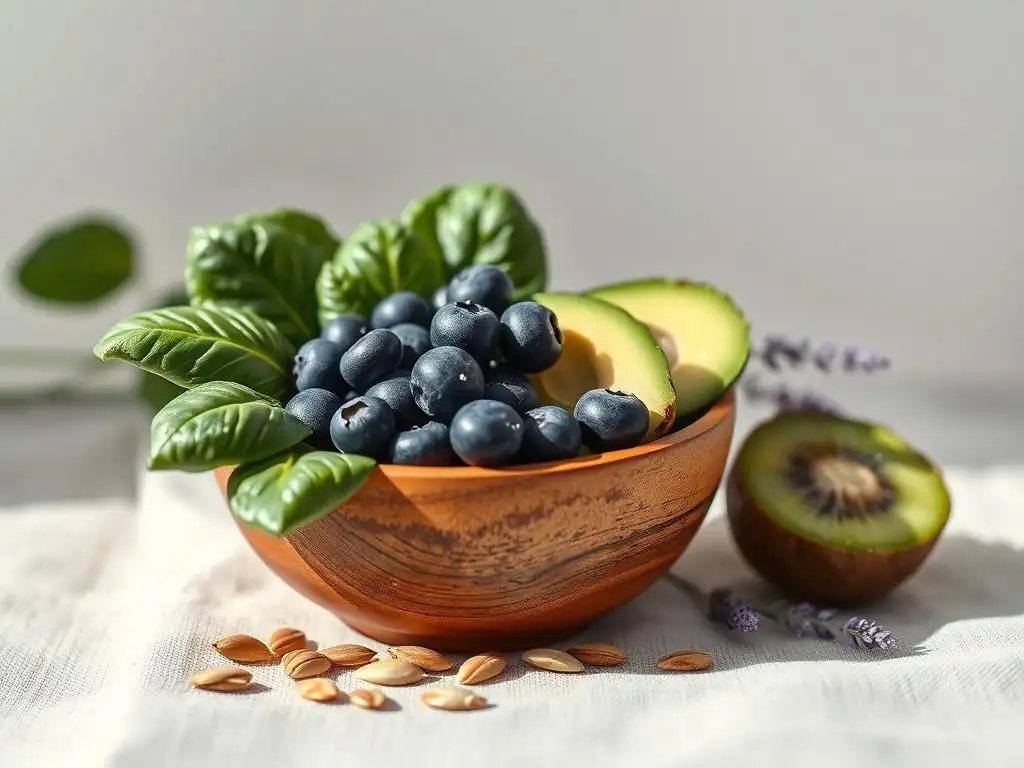
Beyond diet, several lifestyle factors have been shown to positively influence GABA levels and activity. Incorporating these practices alongside dietary changes can create a powerful synergy for managing anxiety and promoting a sense of calm. These strategies often work by activating the body's relaxation response and reducing the physiological effects of stress.
Adopting these habits regularly can lead to measurable changes in brain chemistry over time. They provide non-pharmacological ways to support the same neurotransmitter system targeted by some anxiety medications. Understanding that these strategies complement the benefits of GABA foods reduce anxiety makes them integral components of a comprehensive mental wellness plan.
Exercise: A Natural Way to Increase GABA Levels
Regular physical activity is a potent natural anxiolytic. Studies have shown that exercise can increase GABA concentrations in the brain. Both aerobic exercise and resistance training appear to have this effect, although the magnitude may vary depending on the intensity and duration.
Exercise helps to burn off excess adrenaline and cortisol, stress hormones that can contribute to anxiety. It also promotes the release of endorphins, which have mood-boosting effects. Including consistent exercise, even moderate activity like brisk walking for 30 minutes most days of the week, is a highly effective strategy to support healthy GABA levels and significantly help GABA foods reduce anxiety symptoms when combined.
Meditation and Mindfulness: Activating the Relaxation Response and Boosting GABA
Practices like meditation and mindfulness training have been shown to reduce activity in brain areas associated with the stress response and increase activity in regions linked to calmness and self-awareness. Some research suggests that long-term meditation practitioners may have higher baseline levels of GABA in certain brain regions compared to non-meditators.
Meditation helps to quiet the "fight or flight" response and activate the "rest and digest" system, which is mediated in part by the parasympathetic nervous system. This shift in physiological state is associated with increased relaxation and potentially enhanced GABAergic activity. Regular practice, even for a few minutes daily, can train the brain to be less reactive to stressors, complementing the effects of GABA foods reduce anxiety.
Sleep Hygiene: Prioritizing Sleep for GABA Production and Mental Well-being
Sleep is crucial for overall brain health and the regulation of neurotransmitters. Chronic sleep deprivation or poor sleep quality can disrupt neurotransmitter balance, including potentially lowering GABA levels and increasing anxiety and irritability. During sleep, the brain consolidates memories and performs essential maintenance tasks that support optimal function while awake.
Prioritizing 7-9 hours of quality sleep per night is fundamental for mental well-being. Establishing a regular sleep schedule, creating a relaxing bedtime routine, and ensuring your sleep environment is dark, quiet, and cool can significantly improve sleep hygiene. Adequate sleep supports the body's natural processes, including neurotransmitter synthesis and regulation, providing a vital foundation for the effectiveness of using GABA foods reduce anxiety.
Potential Benefits and Considerations of Increasing GABA Through Diet
Focusing on GABA foods reduce anxiety offers a gentle, natural approach that can provide broad health benefits beyond just mood regulation. This dietary strategy supports overall nutritional status and can contribute to a healthier body and mind. However, it's important to have realistic expectations and understand that dietary changes are often part of a larger wellness picture.
While increasing dietary intake of GABA-supporting foods is generally safe and beneficial, it's not a guaranteed cure for severe anxiety disorders. It's a supportive strategy that works best when integrated into a healthy lifestyle. Understanding both the potential upsides and any considerations is key to a balanced approach to using GABA foods reduce anxiety effectively.
Benefits of GABA Foods Beyond Anxiety Reduction
The foods recommended for supporting GABA levels are often nutrient powerhouses that offer numerous health benefits. Fermented foods improve gut health, which is linked to better digestion, immune function, and even skin health. Leafy greens, nuts, and seeds provide essential vitamins, minerals, fiber, and antioxidants that protect against chronic diseases like heart disease and certain cancers.
Complex carbohydrates like brown rice and sweet potatoes provide sustained energy and contribute to stable blood sugar levels, beneficial for preventing energy crashes and supporting overall metabolic health. By incorporating these GABA foods reduce anxiety, you're also nourishing your body in ways that promote long-term physical well-being, demonstrating the interconnectedness of physical and mental health.
Are There Any Risks or Side Effects of Consuming High-GABA Foods?
Consuming GABA-rich foods as part of a normal diet is generally considered safe and does not pose significant risks or side effects. The amounts of GABA or GABA-supporting compounds obtained through food are typically much lower and are absorbed differently compared to high-dose supplements. There is no known toxicity level associated with consuming these foods in reasonable quantities.
However, some fermented foods can cause digestive discomfort like bloating or gas in individuals not accustomed to them, especially when introduced too quickly. It's best to start with small portions and gradually increase intake. Additionally, individuals with specific dietary restrictions or allergies should choose foods appropriate for their needs. For the vast majority of people, increasing intake of these healthy foods is beneficial.
Consulting a Healthcare Professional About Anxiety and GABA
While dietary and lifestyle changes can be incredibly supportive in managing anxiety, they are not a substitute for professional medical advice or treatment, especially for moderate to severe anxiety disorders. If you are experiencing persistent or debilitating anxiety, it is crucial to consult with a healthcare professional, such as a doctor or a mental health therapist.
They can provide an accurate diagnosis, discuss treatment options including therapy (like CBT or exposure therapy) and potentially medication, and help you integrate dietary strategies like incorporating GABA foods reduce anxiety into a comprehensive treatment plan. They can also rule out any underlying medical conditions that may be contributing to your symptoms and ensure that dietary changes are appropriate for your individual health status.
Conclusion: Embrace GABA Foods for a Calmer Mind
Frequently Asked Questions
What exactly are GABA foods, and how do they relate to anxiety reduction?
GABA foods are foods that either contain GABA (Gamma-Aminobutyric Acid) or help the body produce more GABA, a neurotransmitter that promotes calmness and reduces anxiety. They are considered a natural approach to managing anxiety symptoms.
Do GABA foods directly increase GABA levels in the brain, and if not, how do they work?
While GABA from food may not directly cross the blood-brain barrier, these foods often contain compounds that support GABA production or activate GABA receptors in the gut, indirectly influencing brain function and reducing anxiety.
What are some specific examples of GABA foods I can easily incorporate into my diet?
Examples include fermented foods like kimchi and yogurt, as well as spinach, almonds, and green tea. These foods contain compounds that can promote relaxation and support GABA levels.
How long does it typically take to notice a difference in anxiety levels after incorporating GABA foods into my diet?
The timeframe varies depending on the individual and the severity of their anxiety. Some may experience subtle improvements within a few days, while others may require several weeks of consistent consumption to notice significant benefits.
Are there any potential side effects or interactions to be aware of when consuming GABA foods for anxiety relief?
Generally, GABA foods are safe. However, some fermented foods can cause digestive discomfort in sensitive individuals. It's always wise to consult a doctor, especially if you're on medication for anxiety or have underlying health conditions, to avoid potential interactions.
Final Reflection: Embracing Calmness Through GABA Foods
In a world that often feels chaotic and overwhelming, the exploration of GABA foods and their ability to reduce anxiety has never been more relevant. As we navigate the complexities of modern life, the natural solutions provided by our diet can serve as powerful tools for promoting mental well-being. The understanding that what we consume can directly influence our emotional state is a profound realization that invites us to rethink our relationship with food and its impact on our mental health.
The influence of GABA foods extends beyond individual well-being; it resonates deeply within our cultural and social landscapes. As we collectively seek healthier coping mechanisms in the face of rising anxiety levels, the emphasis on natural remedies like GABA-rich foods highlights a shift towards holistic health. This movement is echoed in the words of Hippocrates, who famously said, “Let food be thy medicine and medicine be thy food.” > This timeless wisdom reminds us that our dietary choices can play a crucial role in fostering a calmer, more balanced life.
As you reflect on the insights shared in this article, I invite you to take action in your own life. Consider incorporating GABA foods into your daily routine and observe how they influence your mood and stress levels. Embrace this journey towards calmness and well-being, and remember that each small change can lead to significant improvements in your mental health. By prioritizing what we eat, we can cultivate a more peaceful existence, not just for ourselves, but for those around us as well.
Embrace Calmness: Take Your First Step Today!
Thank you for joining us on this journey through the incredible world of GABA foods! You're now equipped with valuable insights to help cultivate a sense of calm in your life. Why not take action and make these natural remedies a part of your routine? Here’s how you can get started:
- Incorporate GABA-rich foods into your meals: Try adding foods like brown rice, beans, or spinach to your favorite dishes.
- Experiment with new recipes: Discover innovative ways to enjoy these calming foods—perhaps a refreshing GABA smoothie or a comforting grain bowl.
- Share your journey: Discuss your experiences with friends or online communities—your journey may inspire others to embrace these calming techniques!
What delicious GABA food will you try first to promote calmness in your day-to-day life?