
The Healing Power of SelfCompassion: A Mindfulness Approach to Stress


Welcome to Mind Care Guide, a safe space dedicated to nurturing your mental well-being.
Are you feeling overwhelmed by stress and anxiety? You're not alone. Discover how the profound practice of selfcompassion reduces stress anxiety, offering a gentle yet powerful path to inner peace and resilience. Explore our holistic resources and begin your journey towards a kinder, more compassionate you.
The Healing Power of Self-Compassion: A Mindfulness Approach to Stress
- Understanding Self-Compassion and Its Role in Stress Reduction
- The Science Behind Self-Compassion: How it Impacts the Brain and Body
- Practical Mindfulness Techniques to Cultivate Self-Compassion
- Overcoming Barriers to Self-Compassion: Addressing Self-Criticism and Shame
- Integrating Self-Compassion into Daily Life for Long-Term Stress Relief
- Self-Compassion for Specific Stressors: Applying it to Burnout, Relationship Conflicts, and Health Concerns
- Maintaining Your Self-Compassion Practice: Tips for Staying Committed
- The Future of Self-Compassion in Mental Health: A Promising Approach to Well-being
-
Frequently Asked Questions
- What is self-compassion, and how does it differ from self-esteem?
- How can self-compassion reduce stress and anxiety?
- What are some simple exercises to cultivate self-compassion?
- Is self-compassion the same as self-pity, and how can I avoid confusing the two?
- Where can I find more resources or support for developing self-compassion as a tool for mental well-being?
- Final Reflection: Cultivating Inner Peace Through Self-Compassion
- Unleash Your Inner Calm: Cultivate Self-Compassion Today
Understanding Self-Compassion and Its Role in Stress Reduction
What is Self-Compassion? Defining Kindness, Common Humanity, and Mindfulness
Self-compassion is a practice rooted in mindfulness that involves treating ourselves with the same kindness, care, and understanding we would offer to a close friend facing difficulty. It's not about self-pity or making excuses, but rather an active process of acknowledging our suffering and responding with warmth and acceptance. Dr. Kristin Neff, a leading researcher in the field, identifies three core components: self-kindness versus self-judgment, a sense of common humanity versus isolation, and mindfulness versus over-identification. Self-kindness means being gentle and understanding towards ourselves when we fail or suffer, rather than harshly criticizing ourselves.
The concept of common humanity recognizes that suffering, imperfection, and failure are universal human experiences. When we practice self-compassion, we understand that our difficulties are part of the shared human condition, rather than feeling isolated or uniquely flawed. Mindfulness, in this context, involves observing our painful thoughts and emotions with balanced awareness, neither suppressing them nor getting swept away by them.
This allows us to acknowledge our pain without exaggerating it or minimizing it, providing the necessary space to respond with compassion. Together, these three elements form a powerful framework for relating to ourselves more kindly, especially during challenging times.
The Connection Between Self-Compassion and Stress Reduction: An Overview
The link between self-compassion and stress reduction is becoming increasingly clear through psychological research and clinical practice. When we face stressful situations, our natural tendency might be to engage in self-criticism, blaming ourselves for difficulties or feeling inadequate. This internal judgment adds a significant layer of emotional pain on top of the initial stressor, amplifying feelings of anxiety and overwhelm. Self-compassion offers an alternative response, allowing us to acknowledge the stress and our feelings about it without adding this burden of self-blame.
By cultivating self-kindness, we can soothe our distress rather than exacerbate it. Recognizing our common humanity reminds us that struggling with stress is normal, reducing feelings of isolation that can intensify anxiety. Mindfulness helps us stay present with the stress without getting lost in catastrophic thinking or rumination. This shift in internal dialogue and perspective directly impacts our physiological and psychological responses to stress. Research indicates that selfcompassion reduces stress anxiety by fostering emotional resilience and promoting a more balanced outlook during difficult periods.
Why Self-Compassion is Crucial for Mental Well-being in Today's World
In a world that often emphasizes achievement, comparison, and constant external validation, self-compassion serves as a vital counterbalance for maintaining mental well-being. The pressures of modern life, from demanding careers to social media comparisons and economic uncertainties, contribute significantly to rising levels of stress and anxiety globally. In such an environment, relying solely on external success or the approval of others for self-worth can be precarious and lead to increased vulnerability to stress-related issues like burnout and depression. Self-compassion provides an internal source of stability and acceptance.
Practicing self-compassion helps individuals navigate these external pressures by building inner strength and emotional regulation skills. Instead of crumbling under criticism or feeling worthless after a setback, a self-compassionate person can acknowledge the pain, learn from the experience, and move forward with greater resilience. This internal resilience is crucial for buffering the impact of chronic stress. Furthermore, by fostering a kinder relationship with oneself, self-compassion can improve relationships with others, reduce feelings of shame associated with mental health struggles, and encourage help-seeking behaviors, all of which are essential components of comprehensive mental health.
The Science Behind Self-Compassion: How it Impacts the Brain and Body
The Neurological Benefits of Self-Compassion: Calming the Nervous System
The practice of self-compassion has observable effects on the brain and nervous system, particularly in areas related to threat response and emotional regulation. When we engage in self-criticism or experience acute stress, areas like the amygdala, the brain's fear center, become highly active, triggering the 'fight or flight' response. Conversely, research using fMRI scans has shown that when individuals practice self-compassion, there is reduced activity in the amygdala and increased activity in areas associated with safety, soothing, and social connection, such as the prefrontal cortex and regions linked to oxytocin release.
This shift in neural activity suggests that self-compassion helps to downregulate the threat response system and activate the parasympathetic nervous system, often called the 'rest and digest' system. This leads to a reduction in physiological stress markers like heart rate and blood pressure. Studies involving mindfulness and self-compassion training have demonstrated these effects. For instance, participants engaging in self-compassion practices often report feeling calmer and more secure, reflecting a tangible change in their internal state that is supported by neurological evidence. This calming effect is a key reason why selfcompassion reduces stress anxiety so effectively.
Self-Compassion and the HPA Axis: Regulating the Stress Response System
The Hypothalamic-Pituitary-Adrenal (HPA) axis is the body's central stress response system. When activated by a perceived threat (whether physical or psychological), it releases stress hormones like cortisol. While this system is crucial for short-term survival, chronic activation due to ongoing stress or harsh self-criticism can have detrimental effects on physical and mental health, contributing to issues like chronic fatigue, weakened immune function, and increased anxiety and depression.
Research indicates that cultivating self-compassion can help regulate the HPA axis, leading to a healthier stress hormone profile. Studies measuring cortisol levels in individuals who practice self-compassion have often shown lower baseline levels and a less pronounced cortisol response to stress compared to those high in self-criticism. For example, one study found that participants who underwent a brief self-compassion intervention showed reduced salivary cortisol levels during a social stress test. This physiological evidence further underscores how self-compassion helps manage stress and anxiety by moderating the body's primary stress system.
Research Supporting the Effectiveness of Self-Compassion for Stress Management
A substantial body of research supports the effectiveness of self-compassion as a strategy for stress management and emotional well-being. Numerous studies have demonstrated a strong negative correlation between self-compassion levels and psychological distress, including stress, anxiety, and depression. For instance, a meta-analysis pooling data from many studies concluded that self-compassion is significantly associated with lower levels of these negative psychological states.
Furthermore, randomized controlled trials evaluating the impact of mindfulness-based self-compassion programs (like Mindful Self-Compassion) have consistently shown positive outcomes. Participants in these programs typically report significant reductions in stress, anxiety, and depression, alongside increases in self-compassion, life satisfaction, and emotional resilience. A study involving healthcare professionals, a group prone to high stress, found that a self-compassion intervention led to decreased burnout and perceived stress. These findings collectively provide robust evidence that selfcompassion reduces stress anxiety and improves overall psychological health.
Practical Mindfulness Techniques to Cultivate Self-Compassion
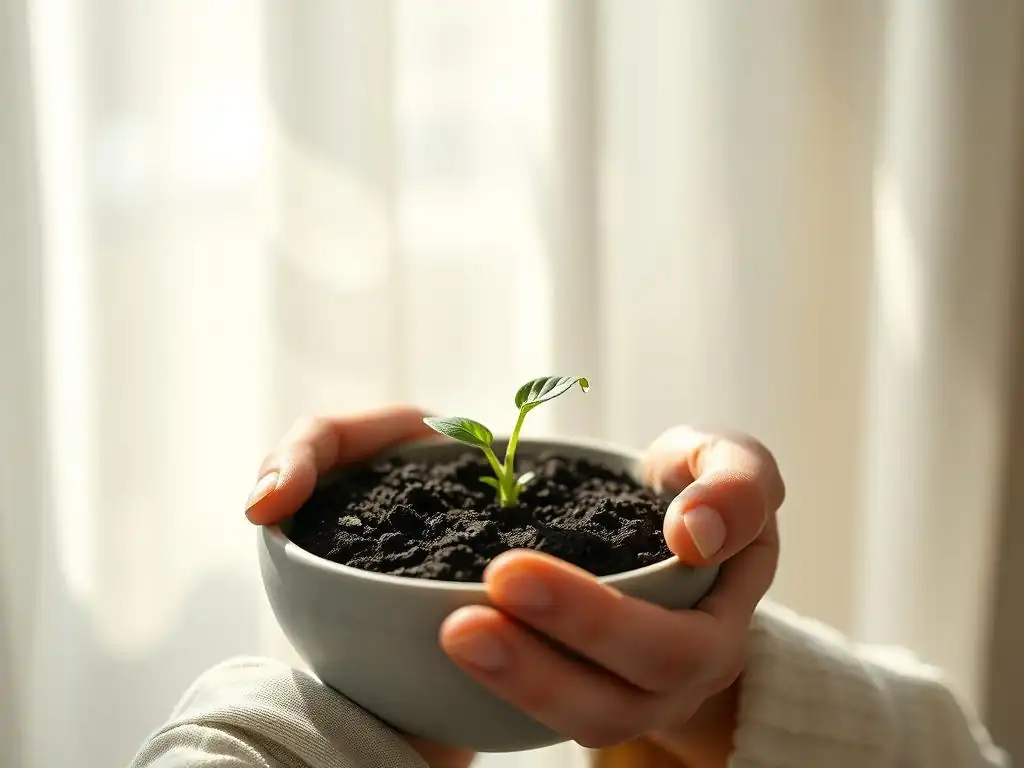
Mindfulness Meditation for Self-Compassion: A Step-by-Step Guide
Mindfulness meditation provides a foundational practice for developing self-compassion. It involves paying attention to the present moment without judgment, which is essential for recognizing our suffering and responding kindly. To begin, find a comfortable seated position and gently close your eyes or soften your gaze. Bring your awareness to your breath, noticing the sensation of air entering and leaving your body without trying to change it. This anchors you in the present moment.
After settling your attention on the breath for a few minutes, gently bring to mind a situation that is causing you some stress or difficulty. Notice any feelings that arise – perhaps tension, frustration, or sadness. Acknowledge these feelings with curiosity and acceptance, simply observing them without judgment. Now, offer yourself a kind phrase, such as "This is a difficult moment," "Suffering is a part of life," or "May I be kind to myself."
Allow these words to resonate. This process of acknowledging pain (mindfulness) and responding with kindness (self-compassion) is the core of this practice. Continue for several minutes, returning to your breath as an anchor whenever your mind wanders, and gently redirecting your attention back to offering yourself kindness.
Self-Compassion Break: A Quick Exercise for Moments of Stress
The Self-Compassion Break is a short, powerful practice developed by Dr. Kristin Neff and Dr. Chris Germer, designed to be used in the midst of daily stress. It involves three steps, aligning with the three components of self-compassion. The first step is to acknowledge the suffering: This is a moment of suffering. You might say this phrase internally or simply recognize the feeling of stress, pain, or difficulty. This is the mindfulness component – being present with what is happening.
The second step is to recognize common humanity: Suffering is a part of life. Or, Other people feel this way too. This step helps counter feelings of isolation and reminds you that you are not alone in your struggles. The third step is to offer yourself kindness: May I be kind to myself.
Or, May I give myself the compassion I need. You can place a hand over your heart or offer any gesture of warmth. This is the self-kindness component. Practicing this break whenever you feel stressed – before a challenging meeting, after receiving difficult news, or simply during a busy day – can quickly activate the soothing system and help selfcompassion reduce stress anxiety in the moment.
Loving-Kindness Meditation: Expanding Compassion to Yourself and Others
Loving-Kindness Meditation, also known as Metta meditation, is a practice focused on cultivating feelings of warmth, care, and compassion towards oneself and others. While traditionally starting with oneself, it often expands to include loved ones, neutral acquaintances, difficult people, and all beings. Begin by focusing on yourself and silently repeating phrases that express goodwill and kindness. Common phrases include: May I be safe. May I be healthy. May I be happy. May I live with ease.
Repeat these phrases gently, allowing yourself to feel the intention behind them. After focusing on yourself for a while, you can extend these phrases outward. First, bring to mind someone you love dearly and offer them the same phrases: May you be safe. May you be healthy. May you be happy.
May you live with ease. Then, extend the practice to a neutral person, then a difficult person, and finally to all beings. While the practice often focuses on others, starting with and deeply cultivating kindness for oneself is crucial. This practice directly builds the capacity for self-kindness, a core element of how selfcompassion reduces stress anxiety by fostering a gentle and accepting internal environment.
Overcoming Barriers to Self-Compassion: Addressing Self-Criticism and Shame
Identifying Your Inner Critic: Recognizing Negative Self-Talk
One of the primary barriers to practicing self-compassion is the pervasive voice of the inner critic. This internal monologue often manifests as harsh judgments, relentless comparisons, and feelings of inadequacy. Recognizing this voice is the first crucial step in disarming it. Pay attention to the thoughts that arise when you make a mistake, face a challenge, or feel insecure. Do you hear phrases like "You're so stupid," "You always mess things up," "You're not good enough," or "What's wrong with you?" These are hallmarks of the inner critic at work.
Identifying the inner critic also involves noticing the tone and intensity of these thoughts. Is it harsh, demanding, contemptuous, or dismissive? Understanding how the critic speaks to you provides insight into its nature. For example, someone might realize their inner critic sounds remarkably like a harsh parent they had, or perhaps it's a voice they've internalized from past experiences of failure or rejection. Simply observing this voice without immediately believing or arguing with it, using mindfulness, creates a space to choose a different response – one rooted in self-compassion.
Challenging Self-Judgment: Reframing Negative Thoughts with Compassion
Once you've identified your inner critic, the next step is to challenge its validity and reframe negative thoughts with a more compassionate perspective. This doesn't mean denying reality or pretending everything is fine, but rather responding to difficult thoughts and situations with kindness instead of judgment. When the inner critic says, "You failed, you're a loser," a self-compassionate response might be, "Yes, I made a mistake, and that's painful. Mistakes are part of learning. How can I support myself through this?"
This reframing involves consciously choosing to speak to yourself as you would a friend. Ask yourself: "If someone I cared about made this mistake, how would I talk to them?" You would likely offer understanding, encouragement, and practical support, not harsh condemnation. Applying this same gentle voice internally helps to dismantle the power of the inner critic. Over time, consistently choosing compassionate responses helps to rewire neural pathways, weakening the habitual pattern of self-judgment and strengthening the capacity for self-kindness, which in turn helps how selfcompassion reduces stress anxiety stemming from internal conflict.
Dealing with Shame and Guilt Through Self-Acceptance
Shame and guilt are powerful emotions that often arise from self-judgment and can be significant obstacles to self-compassion. Guilt is typically associated with feeling bad about something you did, whereas shame is feeling bad about who you are. Shame, in particular, thrives in secrecy and isolation and is deeply antithetical to the common humanity aspect of self-compassion. Addressing shame requires bringing it into the light of awareness and meeting it with acceptance.
Practicing self-acceptance means acknowledging your flaws, imperfections, and past mistakes without judgment. It involves recognizing that you are a complex human being with both strengths and weaknesses, and that your worth is not dependent on being perfect. When feelings of shame or guilt arise, approach them with mindfulness – notice the physical sensations and thoughts without getting overwhelmed.
Then, apply self-kindness, perhaps by placing a hand on your heart and offering yourself soothing words. Remind yourself of your common humanity – everyone experiences shame and guilt at times. Bringing these difficult emotions into compassionate awareness, perhaps even sharing them with a trusted friend or therapist, significantly diminishes their power and fosters self-acceptance, which is foundational for the healing power of self-compassion.
Integrating Self-Compassion into Daily Life for Long-Term Stress Relief
Self-Compassionate Journaling: Exploring Your Emotions with Kindness
Journaling is a powerful tool for self-reflection, and when approached with self-compassion, it can significantly aid in processing difficult emotions and reducing stress. Instead of using your journal as a space to vent self-criticism or ruminate on problems, try writing from a place of kindness and understanding. When documenting a stressful experience, describe the situation factually, acknowledge the emotions it brought up (e.g., "I felt overwhelmed and anxious"), and then respond to yourself with compassion.
You might write a letter to yourself as if you were a wise, kind friend. For example, after writing about a failure, you could write, "My dear [Your Name], it's okay to feel disappointed. That was a really tough situation, and anyone would struggle with it. Please be gentle with yourself. You did your best, and you can learn from this. You are still worthy and capable." This practice helps externalize the inner critic, process emotions safely, and consciously infuse your internal narrative with kindness, reinforcing how selfcompassion reduces stress anxiety by changing your fundamental relationship with your experiences.
Practicing Self-Care: Nurturing Your Physical and Emotional Needs
Self-care is a tangible expression of self-compassion, involving intentionally taking steps to nurture your physical, emotional, and mental well-being. It's not a luxury, but a necessity for managing stress effectively. Engaging in activities that replenish your energy and soothe your nervous system is a direct way of applying kindness to yourself. This can include getting enough sleep (aiming for 7-9 hours for most adults), eating nutritious food, engaging in regular physical activity (even a 20-minute walk can be beneficial), and taking breaks throughout the day.
Beyond physical needs, self-care involves attending to your emotional and mental needs. This might mean setting healthy boundaries in relationships or at work, pursuing hobbies that bring you joy, spending time in nature, listening to music, or simply scheduling moments of quiet reflection. When you prioritize these activities, you are sending a powerful message to yourself that you are worthy of care and attention. This deliberate act of self-nurturing provides a buffer against stress and burnout, demonstrating how selfcompassion helps manage stress and anxiety by building resilience through consistent kindness.
Using Self-Compassionate Language: Speaking to Yourself with Gentleness
The language we use internally has a profound impact on our emotional state. Shifting from a critical internal dialogue to one that is gentle and supportive is a cornerstone of integrating self-compassion into daily life. Become mindful of the words you use when you are struggling, make a mistake, or feel inadequate. Replace harsh judgments like "I'm so stupid" with kinder phrases such as "That was a difficult situation," "I'm learning," or "It's okay to not be perfect."
This practice extends to acknowledging your suffering openly and kindly. Instead of suppressing difficult emotions or tough experiences, allow yourself to name them with empathy. For instance, saying "I'm feeling really overwhelmed right now, and that's hard" is more self-compassionate than "Just snap out of it" or "Stop complaining." Consciously choosing gentler words helps to calm the nervous system and reinforce a sense of inner safety. By consistently using self-compassionate language, you retrain your mind to respond to challenges with support rather than blame, solidifying the ways selfcompassion reduces stress anxiety by transforming your inner voice.
Self-Compassion for Specific Stressors: Applying it to Burnout, Relationship Conflicts, and Health Concerns

Self-Compassion and Burnout: Reclaiming Energy and Motivation
Burnout is a state of emotional, physical, and mental exhaustion caused by prolonged stress, often in a work context. Individuals experiencing burnout frequently suffer from feelings of ineffectiveness, cynicism, and a lack of accomplishment. Self-criticism can fuel burnout, with individuals blaming themselves for not being able to cope or for feeling exhausted. Self-compassion offers a pathway to recovery by addressing the internal pressure that contributes to this state.
Applying self-compassion to burnout means acknowledging the reality of the exhaustion without judgment. Instead of thinking, "I should just be able to handle this; I'm weak," a self-compassionate response is, "I am feeling completely drained, and that's a clear sign I need rest and support. This is a difficult experience, and many people face it."
It involves recognizing the common humanity of burnout and allowing yourself to be imperfect and vulnerable. Self-kindness prompts you to prioritize rest, set boundaries, delegate tasks, and seek support, which are essential steps in recovering energy and motivation. By being gentle with yourself and tending to your needs, selfcompassion reduces stress anxiety associated with burnout, allowing for healing.
Self-Compassion in Relationships: Fostering Healthy Communication and Boundaries
Relationships, while sources of great joy, can also be significant sources of stress and anxiety, often stemming from conflict, misunderstandings, or difficulties setting boundaries. Self-compassion plays a crucial role in navigating these challenges constructively. When conflict arises, our inner critic might blame us entirely or make us feel unworthy of love. Self-compassion helps us approach relationship difficulties with more balance and resilience.
Practicing self-compassion in relationships involves acknowledging the pain caused by conflict or disappointment without getting trapped in self-blame or blaming the other person excessively. It means recognizing that both partners are imperfect and that conflict is a normal part of human connection (common humanity). Self-kindness allows you to soothe your own distress during difficult conversations and communicate your needs and feelings with assertiveness rather than aggression or passive-aggression.
Importantly, self-compassion empowers you to set healthy boundaries, recognizing that caring for yourself is essential for maintaining healthy connections. By fostering inner stability and reducing reactivity, selfcompassion reduces stress anxiety within relationships and promotes healthier interactions.
Self-Compassion and Health Concerns: Managing Anxiety and Promoting Healing
Facing health concerns, whether chronic illness, injury, or medical procedures, is inherently stressful and can trigger significant anxiety about the future, pain, or loss of function. The uncertainty and physical discomfort can be overwhelming, and individuals may also struggle with feelings of frustration, anger, or sadness towards their bodies or circumstances. Self-compassion provides vital emotional support during these challenging times.
Applying self-compassion to health concerns begins with acknowledging the reality of the illness or pain without judgment. It's okay to feel scared, angry, or sad – these are normal responses to difficult health situations. Recognizing common humanity reminds you that you are not alone in facing health challenges; millions navigate similar paths.
Self-kindness involves treating your body with care, listening to its needs, and being patient with the healing process, which is often non-linear. It also means allowing yourself to rest, accepting support from others, and grieving losses. Research suggests that self-compassion is associated with better coping with chronic illness and reduced anxiety related to health issues, demonstrating how selfcompassion helps manage stress and anxiety while promoting emotional well-being alongside physical healing efforts.
Maintaining Your Self-Compassion Practice: Tips for Staying Committed
Building a Support System: Connecting with Others Who Practice Self-Compassion
Sustaining a self-compassion practice is often easier and more effective when you have the support of others. Connecting with individuals who are also exploring or practicing self-compassion can provide encouragement, shared wisdom, and a sense of not being alone in the journey. This aligns perfectly with the common humanity aspect of self-compassion – recognizing that struggles are universal and best navigated with connection.
Consider joining a mindfulness or self-compassion group, either in person or online. Many communities and centers offer courses like Mindful Self-Compassion (MSC). Engaging in shared practice and discussions can deepen your understanding and commitment. Even connecting with a friend or family member who is open to discussing these concepts can be beneficial. Sharing your experiences and hearing about others' challenges and successes can reinforce your motivation and provide valuable insights into applying self-compassion in different situations.
Tracking Your Progress: Monitoring the Impact of Self-Compassion on Your Stress Levels
Monitoring the impact of your self-compassion practice can provide valuable feedback and motivation to stay committed. While progress isn't always linear, paying attention to subtle shifts can be encouraging. Consider keeping a simple journal where you jot down how you feel before and after a specific self-compassion practice, or note instances where you chose a self-compassionate response instead of a critical one.
You might also track your general stress and anxiety levels over time using a simple scale or by noting specific symptoms (e.g., sleeplessness, tension). Comparing your stress levels before starting the practice with how you feel after a few weeks or months can highlight the benefits. For example, you might notice that while stressors still occur, your reaction to them is less intense, or your recovery time from difficult moments is shorter. This tangible evidence of how selfcompassion reduces stress anxiety can be a powerful motivator to continue cultivating this vital skill.
Resources for Continued Learning and Support in Self-Compassion
Committing to a lifelong practice like self-compassion involves ongoing learning and accessing supportive resources. The journey of being kind to yourself is continuous and deepens over time. Fortunately, there are many avenues for continued growth beyond initial practices.
Exploring books by pioneers in the field like Dr. Kristin Neff or Dr. Chris Germer can offer deeper theoretical understanding and practical exercises. Numerous websites and apps are dedicated to mindfulness and self-compassion, offering guided meditations and daily reminders. Consider attending workshops or retreats focused on self-compassion to immerse yourself in the practice and connect with a supportive community.
For those struggling with significant self-criticism, shame, or trauma, working with a therapist who incorporates self-compassion into their approach can provide invaluable personalized support. Utilizing these resources helps solidify your practice and reinforces the profound ways selfcompassion helps manage stress and anxiety over the long term.
The Future of Self-Compassion in Mental Health: A Promising Approach to Well-being
The growing body of research and clinical success surrounding self-compassion points towards its increasingly significant role in the future of mental health care and overall well-being. As we gain a deeper scientific understanding of its neurological and physiological impacts, self-compassion is moving from a niche concept to a recognized, evidence-based strategy for enhancing psychological resilience. Its integration into therapeutic modalities like Cognitive Behavioral Therapy (CBT) and Acceptance and Commitment Therapy (ACT), as well as dedicated programs like Mindful Self-Compassion, highlights its versatility and effectiveness.
Looking ahead, self-compassion is poised to become a more standard component of mental health education and preventative care. Teaching self-compassion skills in schools, workplaces, and community settings could equip individuals with essential tools to navigate life's challenges more effectively from an early age.
Its potential to mitigate the effects of chronic stress, reduce the incidence of anxiety and depression, and improve recovery outcomes makes it a promising approach for fostering a more compassionate and resilient society. The evidence is clear: cultivating self-compassion reduces stress anxiety and offers a powerful path toward greater emotional health and well-being for individuals and communities alike.
Frequently Asked Questions
What is self-compassion, and how does it differ from self-esteem?
Self-compassion involves treating yourself with the same kindness and understanding you would offer a friend in distress. Unlike self-esteem, which is based on external achievements, self-compassion is unconditional.
How can self-compassion reduce stress and anxiety?
Practicing self-compassion can buffer against negative emotions by fostering a sense of inner security and acceptance. This reduces the impact of stressful situations and lessens anxiety.
What are some simple exercises to cultivate self-compassion?
Try mindful self-compassion meditations, focusing on recognizing your suffering and offering yourself words of kindness. Also, practice self-soothing activities when you're feeling overwhelmed.
Is self-compassion the same as self-pity, and how can I avoid confusing the two?
No, self-compassion is not self-pity. Self-compassion acknowledges suffering with acceptance and a desire to alleviate it. Self-pity tends to dwell on negativity without seeking solutions.
Where can I find more resources or support for developing self-compassion as a tool for mental well-being?
Websites like Mind Care Guide offer information, support, and resources for various mental health challenges. Consider exploring mindfulness-based stress reduction (MBSR) programs or seeking guidance from a therapist trained in self-compassion techniques.
Final Reflection: Cultivating Inner Peace Through Self-Compassion
The relentless pace of modern life often leaves us feeling overwhelmed, fueling a cycle of stress and anxiety. But what if the key to breaking free lies not in external solutions, but within ourselves, in the cultivation of self-compassion? This exploration of mindfulness-based self-compassion has revealed its profound potential to alleviate suffering and foster a deeper sense of well-being.
The impact of self-compassion extends far beyond individual stress management; it ripples outwards, influencing our relationships, our work, and the very fabric of our society. By treating ourselves with the same kindness and understanding we would offer a dear friend, we create a space for genuine healing and growth. As Kristin Neff, a leading researcher on self-compassion, eloquently states: Self-compassion involves treating yourself with the same kindness, concern, and understanding that you would offer a good friend.
This simple yet powerful act can transform our inner landscape, fostering resilience and allowing us to navigate life's challenges with greater ease and grace.
Now, consider your own life. Where are you holding yourself to impossibly high standards? Where could a dose of self-kindness make a difference? I invite you to begin practicing self-compassion today. Start small – acknowledge your struggles without judgment, offer yourself words of encouragement, and celebrate your strengths. By embracing self-compassion, you are not only reducing stress and anxiety, but you are embarking on a journey of profound self-discovery and lasting inner peace. The path to well-being begins within.
Unleash Your Inner Calm: Cultivate Self-Compassion Today
Thanks for taking the time to explore the powerful connection between self-compassion and stress reduction! We hope you've gained valuable insights into nurturing your well-being. Now, it's time to put your newfound knowledge into practice.
- Start a daily self-compassion meditation: Even 5 minutes a day can make a significant difference in your stress levels and overall sense of peace. This is your primary step towards embracing self-kindness.
- Share this article with someone you care about: Spreading the message of self-compassion can have a ripple effect, benefiting both you and those around you. Imagine the positive impact you could create!
- Try journaling about a recent stressful situation: Reflect on how you could have approached it with more self-compassion. This will help you identify patterns and develop healthier coping mechanisms.
Ready to embark on this journey towards greater self-acceptance and resilience? What's one small act of self-compassion you can practice today?