
Identify Your Triggers: Pinpointing Stressors for Proactive SelfCare


Welcome to Mind Care Guide, your trusted companion on the path to mental well-being.
Feeling overwhelmed? You're not alone. Discover the power of understanding what truly sets off your stress. This guide delves into essential stress trigger identification strategies, offering practical tools and insights to help you pinpoint the root causes of your anxiety. Are you ready to take control and build a more resilient you? Let's begin uncovering the keys to a calmer, more centered life...
Identify Your Triggers: Pinpointing Stressors for Proactive Self-Care
- Understanding Stress Triggers and Their Impact on Mental Well-being
- Stress Trigger Identification Strategies: A Practical Guide
- Techniques for Pinpointing Specific Stressors
- Managing and Mitigating Identified Stress Triggers
- The Role of Self-Awareness in Long-Term Stress Management
- Examples of Stress Triggers and Effective Coping Strategies
- Long-Term Benefits of Proactive Stress Trigger Management
-
Frequently Asked Questions
- What are stress triggers, and why is it important to identify them?
- How can I start identifying my stress triggers effectively?
- What are some common categories of stress triggers that people often experience?
- What strategies can I use to cope with stress triggers once I've identified them?
- If I'm struggling to identify or manage my stress triggers, when should I seek professional help?
- Final Reflection: Unmasking Your Triggers, Mastering Your Well-being
- Unlock Your Calm: Take Control of Your Stress
Understanding Stress Triggers and Their Impact on Mental Well-being
Defining Stress Triggers: What Are They and Why Do They Matter?
Stress triggers are the specific internal or external stimuli that initiate a stress response in an individual. They can be events, situations, people, thoughts, or even physical sensations. Understanding what activates your stress response is the foundational step in effective stress management and proactive self-care. These triggers are highly personal; what stresses one person may not affect another in the same way. Identifying them is crucial because it provides a roadmap for managing your reactions and potentially avoiding or mitigating the stressors themselves.
Pinpointing these specific catalysts is far more effective than simply trying to manage general feelings of stress. For instance, while one person might feel stressed by public speaking (a situational trigger), another might be more affected by feelings of inadequacy (an internal thought trigger). Without identifying the root cause, any coping strategies would be generalized and less effective. Therefore, developing robust stress trigger identification strategies is vital for anyone seeking to improve their mental well-being and build resilience against daily pressures.
The Connection Between Stress Triggers and Mental Health Challenges
The persistent activation of the body's stress response system by unmanaged stress triggers has a profound impact on mental health. Chronic exposure to stressors is linked to an increased risk of developing conditions such as anxiety disorders, depression, and burnout. When stress triggers are not recognized and addressed, the body remains in a heightened state of alert, which can disrupt sleep, impair concentration, affect mood stability, and even contribute to physical ailments.
Studies consistently show a correlation between chronic stress and mental health decline. For example, research indicates that individuals experiencing prolonged work-related stress are significantly more likely to experience symptoms of depression or anxiety compared to their less-stressed counterparts. Similarly, navigating challenging relationship dynamics without identifying the specific triggers involved can lead to chronic emotional strain and negatively impact psychological well-being. Effective stress trigger identification strategies are therefore not just about feeling better in the moment, but about safeguarding long-term mental health.
Recognizing the Importance of Stressor Identification for Self-Care
Identifying your personal stress triggers is arguably the most critical component of a truly effective self-care plan. Self-care is often discussed in terms of activities like exercise, meditation, or getting enough sleep, but these are responses to stress, not necessarily ways to prevent or mitigate its onset. By pinpointing stressors, you gain the power to be proactive. You can anticipate challenging situations, develop targeted coping mechanisms, or even make lifestyle changes to reduce exposure to these triggers altogether.
Consider the difference between simply feeling overwhelmed and knowing exactly what makes you feel that way. Is it the cluttered inbox? The pressure of a specific colleague? The morning commute? Once you know, you can take specific action – perhaps dedicating time to email management, setting boundaries with that colleague, or exploring alternative transportation. This targeted approach, enabled by effective stress trigger identification strategies, allows self-care to move beyond mere symptom management to addressing the root causes of stress, leading to more sustainable improvements in mental well-being.
Stress Trigger Identification Strategies: A Practical Guide
Step-by-Step Guide to Identifying Your Personal Stress Triggers
Embarking on the journey of stressor identification requires a systematic approach. Begin by committing to observation and reflection. The first step is simply becoming aware of your physical and emotional state throughout the day, noting when you feel tense, anxious, irritable, or overwhelmed. Don't just note the feeling, but immediately ask yourself: What just happened? Who was I with? Where was I? What was I thinking about? This initial questioning helps link the feeling to an external event or internal state.
Next, dedicate time specifically for reflection, perhaps at the end of each day or week. Review the moments you identified as stressful. Look for patterns. Do certain people or situations consistently precede feelings of stress? Are there specific times of day or types of tasks that are reliably challenging? This process of analyzing recurring themes is a core component of stress trigger identification strategies. Be honest and non-judgmental with yourself during this process; the goal is understanding, not self-criticism.
Common Categories of Stress Triggers: Work, Relationships, and Environment
While stress triggers are highly individual, they often fall into identifiable categories. Work-related stressors are extremely common, including tight deadlines, heavy workloads, difficult colleagues or supervisors, job insecurity, and lack of control. Approximately 80% of workers report feeling stressed on the job, highlighting the prevalence of this category. Identifying whether your stress stems primarily from workload versus interpersonal dynamics at work is a key step in developing targeted coping mechanisms.
Relationship triggers involve interactions with family, friends, partners, or even acquaintances. These can include conflict, lack of support, communication issues, or navigating complex family dynamics. Environmental triggers encompass aspects of your surroundings, such as noise pollution, clutter, uncomfortable temperatures, or even the daily commute. Recognizing which of these broad categories your triggers belong to provides a useful framework for further exploration and the application of specific stress trigger identification strategies.
Utilizing Stress Journals for Accurate Trigger Identification
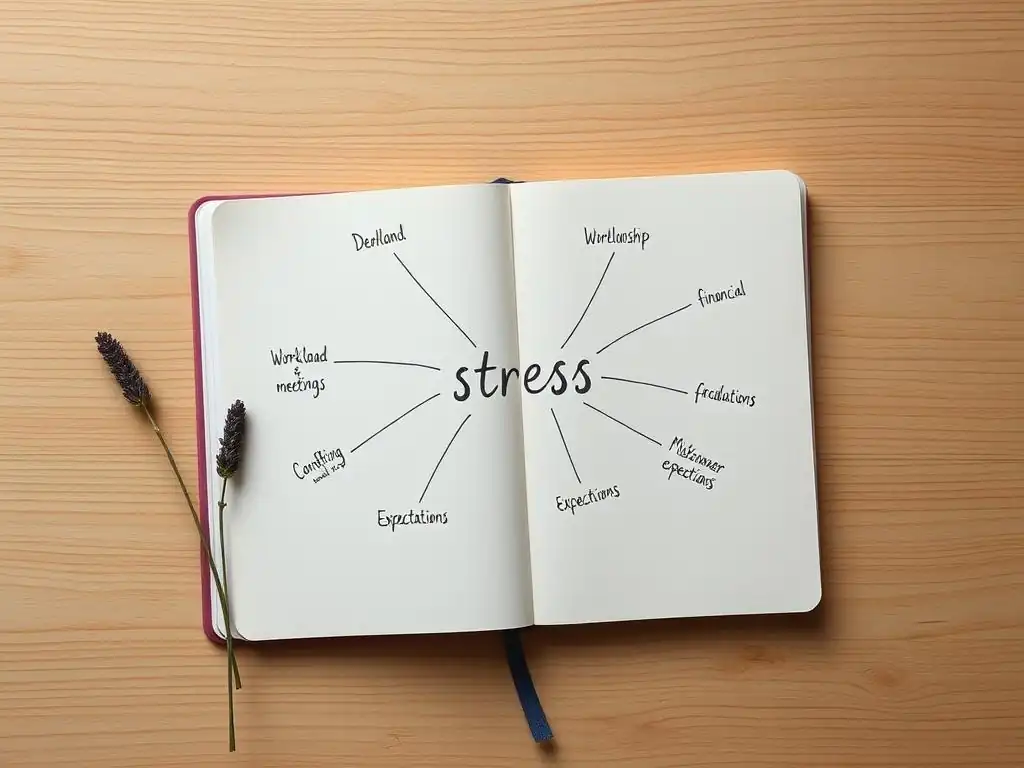
A stress journal is an invaluable tool for systematically recording and analyzing your stress responses. It provides a concrete record over time, allowing you to move beyond vague feelings of stress to identify specific patterns and triggers you might otherwise miss. Consistent journaling helps solidify your stress trigger identification strategies by providing data points for review. Aim to write in it regularly, perhaps daily, especially on days when you experience noticeable stress.
How to Keep a Stress Journal Effectively
To keep an effective stress journal, consistency and detail are key. Each entry should ideally include the date and time of the stressful incident or feeling. Describe the situation or event that occurred immediately before you felt stressed. Note your physical reactions (e.g., rapid heart rate, tense shoulders, headache) and emotional responses (e.g., anger, fear, frustration, sadness). Finally, record what you were thinking at the time and any actions you took in response.
For example, an entry might read: "Date: [Date], Time: 10:30 AM. Situation: Received an email from my manager requesting a report by end of day. Physical: Stomach churned, felt hot. Emotional: Anxious, overwhelmed. Thoughts: 'I'll never finish this; I'm not good enough.' Action: Froze for a few minutes, then started rushing." This level of detail is crucial for effective stress trigger identification strategies.
Analyzing Your Stress Journal Entries for Patterns
After journaling for a week or two, dedicate time to review your entries. Look for recurring themes across different days. Do certain people appear frequently in your entries? Are specific types of tasks always linked to stress? Is your stress higher at particular times of the day or week? Pay attention to your thoughts and physical reactions – do similar thoughts or physical symptoms accompany different situations?
Analyzing your journal can reveal surprising insights. You might discover that your stress isn't caused by the workload itself, but by the way assignments are communicated, or that your tension headaches consistently occur after interactions with a specific person. This pattern recognition is where stress trigger identification strategies truly pay off, providing clear targets for intervention and management.
Techniques for Pinpointing Specific Stressors
Mindfulness and Self-Reflection Exercises for Stressor Awareness
Mindfulness is a powerful technique for enhancing your awareness of your internal state and external environment in the present moment, without judgment. Regular mindfulness practice, such as meditation or mindful breathing exercises, can significantly improve your ability to notice the subtle cues that precede a full-blown stress response. By training yourself to be present and observant, you become more attuned to your physical sensations, thoughts, and emotions as they arise in response to potential triggers.
Self-reflection exercises, often combined with mindfulness, involve consciously reviewing your experiences and reactions. This can be done through journaling (as discussed earlier), quiet contemplation, or talking with a trusted friend or therapist. Asking yourself questions like "What felt difficult today?" or "When did I feel most energized, and when did I feel drained?" helps connect your feelings to specific events or interactions. These practices are fundamental stress trigger identification strategies, cultivating the inner awareness needed to spot stressors in real-time.
Cognitive Behavioral Therapy (CBT) Techniques for Identifying Negative Thought Patterns
Cognitive Behavioral Therapy (CBT) offers structured techniques particularly effective at identifying the internal, thought-based stress triggers that often accompany external events. CBT helps individuals recognize and challenge negative or irrational thought patterns that contribute to stress and anxiety. For example, a negative thought like "If I don't get this perfect, I'm a failure" can be a significant internal trigger, even if the external task isn't inherently overwhelming.
Techniques like thought records, a core CBT tool, involve documenting a stressful situation, the associated feelings and physical sensations, and critically, the automatic negative thoughts that arose. You then evaluate the evidence for and against these thoughts and work on developing more balanced and realistic perspectives. By systematically examining the link between situations, thoughts, feelings, and behaviors, CBT provides robust stress trigger identification strategies focused on the cognitive aspects of stress.
Seeking Support from Therapists and Counselors in Stressor Identification
Sometimes, identifying stress triggers can be challenging on your own, especially if they are deeply rooted in past experiences, trauma, or complex interpersonal dynamics. Therapists and counselors are trained professionals who can provide invaluable support in this process. They offer a safe and objective space to explore your experiences and reactions.
Using techniques like guided questioning, therapeutic exercises, and providing insights into common psychological patterns, a therapist can help you uncover triggers you might not recognize yourself. They can also help you understand why certain things trigger you and develop more effective stress trigger identification strategies tailored to your specific history and personality. Seeking professional help is a sign of strength and a highly effective way to gain clarity on your stressors.
Managing and Mitigating Identified Stress Triggers
Developing Coping Mechanisms for Specific Stress Triggers
Once you have identified your specific stress triggers, the next crucial step is developing targeted coping mechanisms. A generic stress-reduction technique like deep breathing is helpful, but a strategy specifically designed for a particular trigger is far more effective. For instance, if public speaking is a trigger, practicing your presentation extensively or using visualization techniques might be more helpful than general meditation.
Consider the trigger: tight deadlines at work. Possible coping mechanisms could include breaking large tasks into smaller, manageable steps, setting realistic timelines, communicating potential delays proactively, or using time-management techniques like the Pomodoro method. The key is to match the coping strategy to the specific nature of the trigger identified through your stress trigger identification strategies.
Creating a Proactive Self-Care Plan Based on Trigger Analysis
Armed with the knowledge of your personal stress triggers, you can build a truly proactive self-care plan. This plan should go beyond reactive coping and incorporate strategies to anticipate and minimize exposure to stressors where possible. Review your identified triggers and brainstorm specific actions you can take before they occur or when you know they are imminent.
If your morning commute is a major trigger, your proactive plan might involve leaving earlier, listening to calming music or podcasts, or exploring carpooling options. If certain family interactions are stressful, the plan might include setting time limits for visits, deciding which topics are off-limits, or having a pre-arranged signal with a supportive family member. This approach, informed by detailed stress trigger identification strategies, shifts the focus from simply enduring stress to actively shaping your environment and responses.
Avoiding and Minimizing Exposure to Stressors When Possible
While not always feasible, strategically avoiding or minimizing exposure to identified stressors is a powerful management technique. This doesn't mean avoiding everything challenging, but rather making conscious choices about your time, energy, and commitments based on your trigger analysis. Sometimes, saying "no" to additional responsibilities or distancing yourself from consistently negative influences is necessary for your well-being.
For example, if excessive social media use triggers feelings of inadequacy or comparison, minimizing your time on certain platforms is a direct way to reduce exposure. If a cluttered workspace is a constant stressor, dedicating time to organizing it directly mitigates that trigger. Applying stress trigger identification strategies allows you to identify these opportunities for avoidance or reduction, rather than passively enduring stress.
The Role of Self-Awareness in Long-Term Stress Management

Cultivating Self-Awareness for Ongoing Stress Trigger Monitoring
Self-awareness is not a destination but an ongoing practice. Cultivating it is essential for long-term stress management because stress triggers can evolve over time. New job roles, life changes, or shifts in relationships can introduce new stressors, while old ones may diminish in intensity. Continuous self-awareness allows you to stay attuned to these changes and adapt your stress trigger identification strategies accordingly.
This involves regularly checking in with yourself – paying attention to your energy levels, mood, and physical symptoms. Are you feeling more irritable lately? Is your sleep disrupted? These can be early warning signs that new or previously low-impact triggers are becoming significant stressors. Maintaining a mindful, reflective stance helps you catch these shifts early.
Adjusting Self-Care Strategies as New Triggers Emerge
As you cultivate ongoing self-awareness and continue to monitor for new triggers, it's vital to be flexible and adjust your self-care plan. A strategy that worked for managing work deadlines might be ineffective for navigating a family conflict. Your self-care approach should be dynamic, evolving as your life circumstances and identified stressors change.
Review your stress journal periodically or simply reflect on recent experiences. Have any new patterns emerged? Are your current coping mechanisms still effective for the stressors you're facing? Being willing to adapt your stress trigger identification strategies and subsequent coping techniques ensures that your self-care remains relevant and effective over the long haul, preventing stagnation and potential burnout.
The Benefits of Proactive Self-Care in Reducing Stress and Improving Mental Health
The ultimate benefit of applying stress trigger identification strategies and developing a proactive self-care plan is a significant reduction in overall stress levels and a marked improvement in mental health. When you understand what triggers your stress, you move from a reactive state of constantly battling overwhelming feelings to a proactive state of managing potential challenges before they escalate.
This proactive approach builds resilience, making you better equipped to handle inevitable life stresses. It reduces the frequency and intensity of the stress response, protecting both your mental and physical health. By consistently identifying and addressing your stressors, you gain a greater sense of control over your well-being, leading to improved mood, better sleep, increased energy, and a greater capacity to enjoy life.
Examples of Stress Triggers and Effective Coping Strategies
Consider Sarah, a project manager who felt constantly overwhelmed and on edge at work. Initially, she attributed it to the demanding nature of her job. By implementing stress trigger identification strategies, specifically using a stress journal for two weeks, she noticed a pattern: her stress levels spiked not just when deadlines were tight, but particularly after meetings with her manager, who often gave unclear instructions and shifted priorities unexpectedly.
Sarah identified the manager's communication style and lack of clarity as specific triggers, rather than just "heavy workload." Her coping strategies then became targeted: she started asking clarifying questions during meetings, summarized action items in follow-up emails to ensure alignment, and scheduled brief, regular check-ins to manage shifting priorities. This specific trigger identification allowed her to implement precise, effective solutions, significantly reducing her daily workplace stress.
Mark found himself feeling drained and irritable after phone calls with his mother, even though he loved her. Using stress trigger identification strategies, he realized the trigger wasn't the calls themselves, but his mother's tendency to dwell on negative topics and complain extensively without seeking solutions. This specific dynamic was consistently draining his energy.
Mark identified the trigger as "negative and complaining conversation topics" during calls. His coping strategy involved setting a time limit for calls (e.g., 20 minutes) and gently redirecting the conversation to more positive or neutral topics. He also started scheduling calls at times when he felt emotionally prepared. By pinpointing the specific aspect of the interaction that was triggering, he could maintain the relationship while protecting his own emotional well-being.
Example: Mitigating Environmental Stress Triggers
Emily worked in an open-plan office and frequently felt overwhelmed and unable to concentrate, which she initially put down to general office noise. Through careful stress trigger identification strategies, she realized the primary trigger wasn't just noise, but specifically unpredictable loud noises and constant interruptions from colleagues talking nearby. Consistent background hum was manageable, but sudden noises and being frequently pulled away from tasks were the real issues.
Identifying "unpredictable noise and interruptions" as the specific triggers, Emily implemented several strategies. She started using noise-canceling headphones for focused work periods. She also spoke to her team about establishing brief "do not disturb" periods when heads-down work was needed, perhaps indicated by a visual cue. These targeted interventions, based on specific stressor identification, significantly improved her focus and reduced her daily stress in the office environment.
Long-Term Benefits of Proactive Stress Trigger Management
Enhancing Resilience and Emotional Well-being
Successfully identifying and managing stress triggers through consistent stress trigger identification strategies significantly enhances your psychological resilience. Resilience is the ability to bounce back from adversity and adapt to stressful situations. When you understand your triggers and have effective coping mechanisms in place, you are less likely to be derailed by challenges.
This proactive approach builds confidence in your ability to handle stress, reducing the fear associated with potential stressors. Over time, this leads to greater emotional stability and a stronger sense of control over your reactions and feelings, contributing significantly to overall emotional well-being. You become more robust in the face of life's inevitable ups and downs.
Improving Overall Quality of Life Through Stress Reduction
Chronic stress negatively impacts almost every aspect of life, from physical health and sleep quality to relationships and job performance. By actively engaging in stress trigger identification strategies and managing those triggers effectively, you directly reduce the burden of stress on your system. This reduction has a cascading positive effect on your overall quality of life.
Lower stress levels often lead to better sleep, improved concentration, fewer physical ailments (like headaches or digestive issues), and a more positive outlook. You may find you have more energy for hobbies, better patience in relationships, and greater enjoyment of daily activities. Reducing the grip of stress allows you to live a fuller, healthier, and more satisfying life.
Preventing Burnout and Promoting Sustainable Self-Care Practices
Burnout is a state of emotional, physical, and mental exhaustion caused by prolonged stress. It's a significant risk when stress triggers are not identified and managed. By proactively pinpointing your stressors and implementing targeted strategies, you significantly reduce your risk of reaching a state of burnout. This is particularly important in demanding professional or personal roles.
Effective stress trigger identification strategies are the foundation for sustainable self-care. Instead of viewing self-care as an occasional luxury or a desperate measure when you're already overwhelmed, it becomes an integrated, ongoing practice of managing your energy and responding effectively to specific challenges. This prevents the cycle of chronic stress followed by exhaustion, promoting long-term well-being and vitality.
Frequently Asked Questions
What are stress triggers, and why is it important to identify them?
Stress triggers are specific events, situations, or thoughts that activate the body's stress response. Identifying them allows you to anticipate and manage these situations, leading to improved well-being.
How can I start identifying my stress triggers effectively?
Begin by keeping a stress journal to record situations, thoughts, and feelings associated with stress. Also, practice mindfulness to become more aware of your body's responses to different situations.
What are some common categories of stress triggers that people often experience?
Common categories include work-related pressures, relationship conflicts, and financial concerns. Also, environmental factors such as noise or overcrowding can be triggers.
What strategies can I use to cope with stress triggers once I've identified them?
Strategies include avoiding triggers when possible, modifying your environment, and developing coping mechanisms like deep breathing or exercise.
If I'm struggling to identify or manage my stress triggers, when should I seek professional help?
Seek professional help if stress is significantly impacting your daily life, relationships, or work. A therapist can provide personalized strategies and support.
Final Reflection: Unmasking Your Triggers, Mastering Your Well-being
The ability to identify our stress triggers is not merely a self-help trend; it's a fundamental skill for navigating the complexities of modern life. Ignoring the subtle (and not-so-subtle) stressors that chip away at our mental and physical health is a recipe for burnout and diminished quality of life. Understanding our individual triggers is the first step towards building resilience and proactively protecting our well-being.
The journey of identifying personal stress triggers is deeply personal, a process of self-discovery that unveils hidden patterns and vulnerabilities. It's a journey I've undertaken myself, and the insights gained have been invaluable in shaping my approach to self-care. The impact of this awareness extends beyond the individual; recognizing our triggers allows us to build stronger, more empathetic relationships, fostering understanding and support within our communities. The greatest weapon against stress is our ability to choose one thought over another.
– William James. This quote highlights the power we hold in shaping our responses to stressors once we've identified them.
Now, it's your turn. Take a moment to reflect on the triggers you've identified throughout this article. Consider how you can integrate these insights into your daily life – perhaps through mindful practices, setting healthy boundaries, or seeking support from loved ones. Don't underestimate the power of small, consistent actions in building a life less burdened by stress and more filled with joy, peace, and resilience. Begin your journey towards a healthier, happier you, starting today.
Unlock Your Calm: Take Control of Your Stress
Thanks for taking the time to explore the power of identifying your stress triggers! Understanding what pushes your buttons is the first step towards building a resilient and peaceful life. Now it’s time to put that knowledge into action.
- Develop your personalized stress-reduction plan: Based on the triggers you identified, create a practical, manageable plan – even just three small steps – to address each one. This could involve anything from setting boundaries to practicing mindfulness. This is your primary action!
- Share your insights: Discuss your triggers and coping strategies with a trusted friend or family member. Sharing your journey can offer support and build stronger connections.
- Explore a new relaxation technique: Try a new approach to stress management – a guided meditation, a calming yoga flow, or even a creative hobby. Experiment and find what works best for you.
What small, manageable step will you take today to proactively manage your stress?