
Learn & Grow: How New Skills Boost Mental Resilience


Welcome to Mind Care Guide, a sanctuary for your mental well-being.
Feeling overwhelmed or stuck? You're not alone. Discover how boosting mental resilience through new skills can be a powerful catalyst for positive change. We're here to guide you on a journey of self-discovery and empowerment. Curious to learn how a simple new skill can unlock a stronger, more resilient you? Let's explore together...
Learn & Grow: How New Skills Boost Mental Resilience
- Holistic Mental Health and Skill Acquisition: A Path to Resilience
- The Science Behind Skill-Building and Psychological Resilience
-
Practical Skills to Enhance Your Mental Resilience
- Mindfulness and Meditation: Cultivating Inner Peace and Focus
- Creative Expression: Unlocking Emotional Release and Resilience
- Problem-Solving Skills: Tackling Challenges with Confidence
- Communication Skills: Building Stronger Relationships and Support Networks
- Physical Skills: Connecting Mind and Body for Resilience
-
Implementing a Skill-Building Plan for Increased Mental Resilience
- Identifying Skills that Align with Your Values and Goals
- Setting Realistic Learning Goals and Tracking Progress
- Overcoming Challenges and Maintaining Motivation
- Managing Time Constraints: Prioritizing Skill Development
- The Long-Term Benefits of Continuous Learning for Mental Wellness
- Building Self-Efficacy and Confidence Through Skill Mastery
- Fostering a Growth Mindset and Embracing Change
- Creating a More Meaningful and Purposeful Life
- Resources for Skill Development and Mental Resilience Support
- Boosting Your Mental Resilience Through New Skills: A Recap
-
Frequently Asked Questions
- How exactly do new skills contribute to boosting mental resilience?
- What types of skills are most effective for boosting mental resilience?
- How much time should I dedicate to learning new skills to experience mental resilience benefits?
- Can learning new skills help with specific mental health challenges like anxiety or depression?
- Where can I find resources and support to begin learning new skills and boosting mental resilience?
- Final Reflection: The Resilience Revolution: Building Strength Through Learning
- Unlock Your Inner Resilience: Take the Next Step!
Holistic Mental Health and Skill Acquisition: A Path to Resilience
Understanding the Link Between Learning and Mental Well-being
Learning new skills is not merely about acquiring knowledge or technical abilities; it's a profound process that significantly impacts our mental well-being. When we engage in learning, whether it's a new language, a craft, or a sport, we activate areas of the brain associated with problem-solving, memory, and emotional regulation.
This active engagement provides a sense of purpose and accomplishment, combating feelings of stagnation or helplessness that can sometimes accompany mental health challenges. The very act of stepping outside our comfort zone to learn signals to our brain that we are capable of growth and change, fostering a more positive self-image and outlook on life.
Furthermore, the process of learning often involves facing challenges and setbacks, which provides invaluable practice in coping and perseverance. Successfully navigating these difficulties builds confidence and reinforces the belief in our ability to overcome obstacles, a cornerstone of mental resilience. For instance, someone learning to play a musical instrument will inevitably hit wrong notes and struggle with complex pieces.
Each time they practice and improve, they are not just mastering a melody; they are training their brain to handle frustration, develop patience, and celebrate small victories. This consistent, low-stakes exposure to challenge and success is a powerful tool for boosting mental resilience through new skills.
Why Skill Development is Crucial for Mental Strength
Skill development is crucial for building mental strength because it directly enhances our capacity to adapt to stress and adversity. Think of mental strength as an inner reserve – the more tools and abilities you possess, the better equipped you are to handle unexpected difficulties.
Learning a new skill provides you with these tools, whether they are practical (like knowing how to repair something, reducing dependency and anxiety) or cognitive (like improved critical thinking from learning coding). This expanded toolkit reduces the feeling of being overwhelmed when faced with life's inevitable curveballs, as you have more options and confidence in finding solutions.
Moreover, skill development often involves setting goals and working towards them, a process that is inherently empowering. Achieving milestones, no matter how small, triggers the brain's reward system, releasing neurotransmitters like dopamine that reinforce positive behavior and increase motivation.
This cycle of effort, progress, and reward is vital for maintaining a positive mental state and building self-efficacy – the belief in one's ability to succeed in specific situations or accomplish a task. For someone recovering from a period of low mood, successfully completing an online course module or mastering a new recipe can provide tangible evidence of their capability, directly contributing to boosting mental resilience through new skills.
The Science Behind Skill-Building and Psychological Resilience
Neuroplasticity: How Learning Rewires Your Brain for Resilience
Neuroplasticity, the brain's incredible ability to reorganize itself by forming new neural connections throughout life, is the fundamental biological mechanism underpinning how learning new skills boosts mental resilience. Every time you learn something new – a fact, a movement, a concept – your brain creates new pathways or strengthens existing ones. This physical change in the brain's structure and function makes it more adaptable and robust.
When you learn a skill that involves focus, like meditation, you strengthen the neural circuits responsible for attention and emotional regulation. Similarly, learning a complex skill, such as a foreign language, increases grey matter density in areas associated with language processing and memory, making your brain more efficient and flexible.
This increased flexibility and efficiency are directly linked to enhanced psychological resilience. A brain that is constantly learning and adapting is better equipped to handle stress, recover from trauma, and maintain cognitive function under pressure.
Research, including studies using fMRI, has shown that engaging in mentally stimulating activities can increase the volume of the hippocampus, a brain region crucial for memory and emotional regulation, which is often reduced in conditions like chronic stress or depression. By actively pursuing new skills, you are essentially performing targeted exercises for your brain, making it more resilient to the challenges of life and significantly boosting mental resilience through new skills.
Dopamine and Motivation: Fueling Your Skill Acquisition Journey
The neurotransmitter dopamine plays a crucial role in the motivation and reward system of the brain, acting as a powerful driver for skill acquisition and, consequently, boosting mental resilience through new skills. Dopamine is released not just when we receive a reward, but also in anticipation of one, and particularly during the process of pursuing a goal.
When you decide to learn a new skill, set a goal (e.g., learn three chords on a guitar, complete one lesson in a coding tutorial), and make progress, your brain releases dopamine. This release creates a feeling of pleasure and satisfaction, reinforcing the behavior and motivating you to continue learning.
This dopamine-fueled motivation is essential for overcoming the initial hurdles and frustrations often encountered when learning something new. It transforms the challenging process into a rewarding journey. Moreover, this system helps build persistence, a key component of resilience.
As you experience the positive reinforcement from making progress, you become more likely to stick with the task, even when it gets difficult. This positive feedback loop – effort leads to progress, progress leads to dopamine release, dopamine increases motivation and reinforces effort – strengthens your ability to pursue goals and cope with setbacks, directly contributing to your mental strength and resilience.
Practical Skills to Enhance Your Mental Resilience
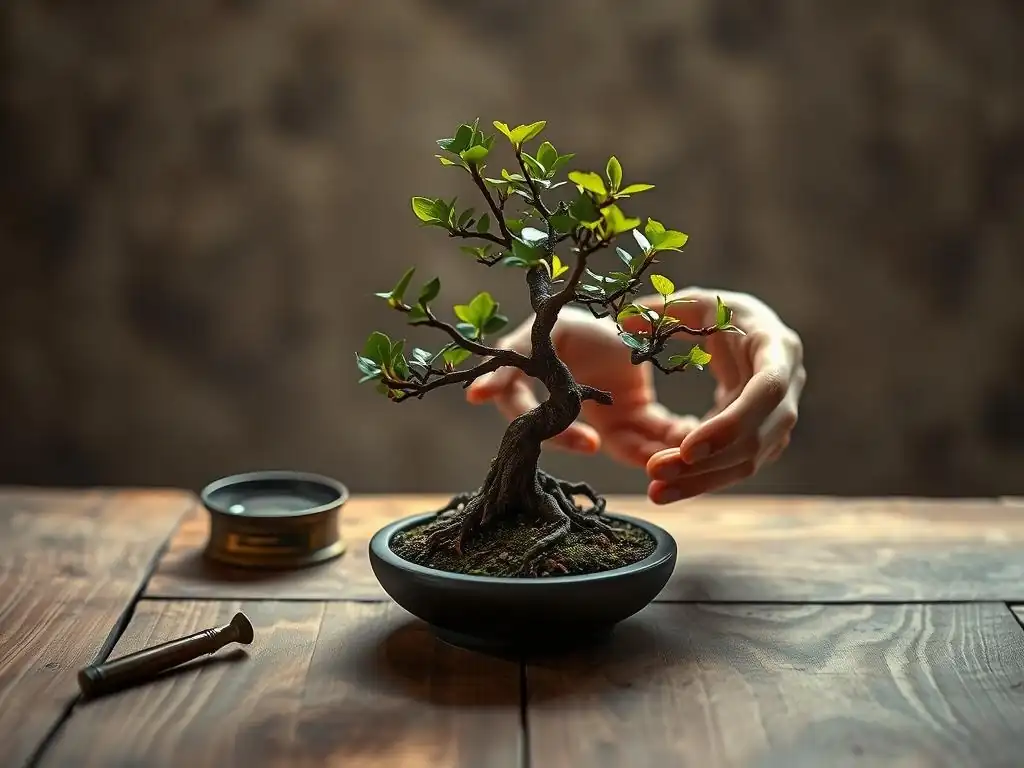
Mindfulness and Meditation: Cultivating Inner Peace and Focus
Mindfulness and meditation are powerful practices that cultivate present-moment awareness and significantly enhance mental resilience. Learning these skills involves training your attention to observe thoughts, feelings, and sensations without judgment. Regular practice, even just 10-15 minutes daily, has been shown in numerous studies to reduce symptoms of anxiety and depression, lower stress levels, and improve emotional regulation. For example, a meta-analysis published in JAMA Internal Medicine in 2014 reviewed 47 clinical trials and found that mindfulness meditation programs had moderate evidence of improving anxiety, depression, and pain.
Cultivating mindfulness helps build resilience by creating psychological space between you and your reactions. Instead of being swept away by difficult emotions or stressful thoughts, you learn to observe them with greater clarity and choose how to respond. This non-reactive stance is crucial during times of crisis or high stress. By practicing meditation, you strengthen your ability to focus, reduce rumination on negative thoughts, and develop a greater sense of inner calm and stability. This inner peace is a vital resource for navigating life's challenges, making mindfulness a core skill for boosting mental resilience through new skills.
Creative Expression: Unlocking Emotional Release and Resilience
Engaging in creative activities provides a unique avenue for emotional expression and can be incredibly effective in boosting mental resilience through new skills. Whether it's painting, writing, sculpting, dancing, or playing music, creative expression allows individuals to process complex emotions, reduce stress, and gain new perspectives on their experiences. It offers a non-verbal language for feelings that may be difficult to articulate, providing a healthy outlet for stress and emotional tension. Studies have indicated that engaging in art therapy, for instance, can lead to significant reductions in cortisol levels, the body's primary stress hormone.
Learning a new creative skill also fosters a sense of mastery and accomplishment. The process of bringing something new into existence, whether it's a finished painting, a completed story, or a learned song, provides tangible proof of one's capabilities. This sense of achievement is particularly important for individuals who may feel overwhelmed or ineffective in other areas of their lives. Creative pursuits encourage experimentation, embrace imperfection, and celebrate the unique voice of the individual, all of which contribute to building self-acceptance and emotional robustness.
Painting, Writing, Music: Finding Your Creative Outlet
- Painting/Drawing: Allows for visual expression of emotions and abstract concepts. Can be calming and focus-enhancing.
- Writing: Offers a structured way to explore thoughts and feelings, process experiences, and create narratives. Journaling is a simple yet powerful form.
- Music: Learning an instrument or singing can be deeply therapeutic, engaging multiple areas of the brain and providing a powerful emotional release.
Choosing a creative outlet that resonates with you is key. There are countless free tutorials and resources available online to get started, requiring minimal initial investment. For example, community centers or local libraries often offer low-cost introductory art or writing classes, making these skills accessible. Starting small, perhaps dedicating just 20 minutes a few times a week, can yield significant mental health benefits.
Problem-Solving Skills: Tackling Challenges with Confidence
Developing strong problem-solving skills is fundamental to mental resilience. Life is full of challenges, and the ability to approach problems effectively reduces feelings of helplessness and increases confidence in navigating difficult situations. This skill isn't just for complex mathematical puzzles; it applies to everyday issues, interpersonal conflicts, and major life decisions. Learning to break down problems, analyze potential solutions, and evaluate outcomes empowers you to take control rather than feeling like a victim of circumstances. This proactive approach is a core aspect of boosting mental resilience through new skills.
Formal learning in areas like logic, critical thinking, or project management can directly enhance problem-solving abilities. However, even practical skills like learning to fix things around the house or managing a budget involve applying problem-solving techniques. Each time you successfully identify a problem, brainstorm solutions, and implement one that works, you reinforce your belief in your capability to handle challenges. This repeated success builds a robust sense of self-efficacy, proving to yourself that you possess the agency to influence your environment and overcome obstacles.
Breaking Down Complex Problems into Manageable Steps
One effective problem-solving technique is breaking down large, daunting problems into smaller, more manageable steps. This approach prevents overwhelm and makes the task feel less impossible.
- Identify the core problem: Clearly define what needs to be solved.
- Break it down: Divide the main problem into smaller, sequential tasks.
- Brainstorm solutions for each step: Think creatively about how to tackle each smaller task.
- Evaluate options: Weigh the pros and cons of potential solutions.
- Create an action plan: Outline the steps you will take.
- Implement the plan: Start working on the first step.
- Review and adjust: Assess progress and modify the plan as needed.
Applying this structured approach, whether to a career change, a health challenge, or a personal conflict, makes the path forward clearer and less intimidating. It transforms a seemingly insurmountable obstacle into a series of achievable tasks, significantly reducing anxiety and increasing your sense of control.
Communication Skills: Building Stronger Relationships and Support Networks
Effective communication is a vital skill for building and maintaining strong relationships, which are a cornerstone of mental resilience. The ability to express yourself clearly, understand others, and navigate interpersonal dynamics reduces conflict, fosters connection, and ensures you have a robust support network to rely on during difficult times. Learning skills like active listening, assertive communication, and conflict resolution empowers you to build healthier boundaries, articulate your needs, and offer support to others, all of which strengthen your social ties. Poor communication, conversely, can lead to misunderstandings, isolation, and increased stress, eroding mental well-being.
Developing communication skills is an ongoing process that can be learned and refined. Workshops, books, and even practicing with trusted friends can help. For instance, learning about non-verbal cues – body language, tone of voice – can dramatically improve your understanding of others and your ability to convey empathy. Improving your ability to communicate effectively directly contributes to boosting mental resilience through new skills by enhancing your primary support systems and equipping you to navigate social challenges with greater ease and confidence.
Active Listening and Assertive Communication Techniques
- Active Listening: Involves fully concentrating on, understanding, responding to, and remembering what is being said. Techniques include:
- Making eye contact.
- Nodding or using verbal affirmations like "I see" or "Go on."
- Paraphrasing what the speaker said to confirm understanding ("So, if I understand correctly, you're saying...").
- Asking clarifying questions.
- Avoiding interruption.
- Assertive Communication: Expressing your thoughts, feelings, and needs in a clear, direct, and respectful manner, without being aggressive or passive. Key elements include:
- Using "I" statements (e.g., "I feel frustrated when..." instead of "You always make me frustrated").
- Stating your needs or requests clearly and specifically.
- Setting healthy boundaries politely but firmly.
- Respecting the other person's perspective, even if you disagree.
Mastering these techniques reduces conflict, resolves misunderstandings more quickly, and builds trust and respect in relationships. These skills are crucial for navigating the complexities of social interaction, which is a significant factor in maintaining positive mental health and boosting mental resilience through new skills.
Physical Skills: Connecting Mind and Body for Resilience
Learning physical skills is another powerful way to enhance mental resilience, highlighting the intricate connection between mind and body. Engaging in physical activity has well-documented benefits for mental health, including reducing stress, improving mood, and increasing energy levels. However, learning a new physical skill – be it a sport, a dance style, or a mind-body practice like yoga or Tai Chi – adds layers of cognitive benefit. It requires focus, coordination, patience, and the ability to learn from physical mistakes, all of which translate into improved mental agility and resilience.
The process of mastering a physical skill involves setting goals, practicing consistently, and overcoming physical and mental barriers. Each time you learn a new movement, improve your technique, or increase your endurance, you experience a sense of physical and mental accomplishment. This physical mastery builds confidence and reinforces the mind's ability to direct and improve the body, strengthening the overall sense of self-efficacy. Furthermore, many physical activities are social, providing opportunities for connection and support, which further contributes to mental well-being.
Yoga, Tai Chi, and Other Mind-Body Practices
- Yoga: Combines physical postures, breathing exercises, and meditation. Learning yoga improves flexibility, strength, and balance while calming the nervous system and reducing stress. It teaches mindful movement and body awareness.
- Tai Chi: A gentle form of exercise that involves slow, flowing movements. It improves balance, flexibility, and cardiovascular health, while also promoting relaxation and mental focus. Often described as "moving meditation."
- Other Practices: Pilates, Qigong, and even learning a new dance style (like salsa or ballroom) combine physical activity with mental engagement, improving coordination, memory, and emotional expression.
These practices are particularly effective because they intentionally link physical movement with mental focus and breathing control. Learning them provides not just physical fitness but also practical techniques for managing stress and staying centered, directly contributing to boosting mental resilience through new skills. Many community centers and studios offer introductory classes, making them accessible starting points.
Implementing a Skill-Building Plan for Increased Mental Resilience
Identifying Skills that Align with Your Values and Goals
The first step in implementing a skill-building plan for boosting mental resilience is to identify which skills are most meaningful to you. Consider your core values, your personal interests, and your long-term goals, both personal and professional. Learning a skill that genuinely excites or serves you is far more sustainable and rewarding than pursuing something you feel obligated to do. Ask yourself:
- What have I always been curious about?
- What challenges do I face where a new skill could help?
- What activities bring me joy or a sense of flow?
- What skills could help me connect better with others?
For instance, if creativity is a core value, learning pottery or creative writing might be a great fit. If feeling more in control of your health is a goal, learning about nutrition or a specific exercise technique could be ideal. Aligning your skill choice with your inner compass ensures sustained motivation and makes the learning process a source of genuine satisfaction, significantly contributing to boosting mental resilience through new skills.
Setting Realistic Learning Goals and Tracking Progress
Once you've identified a skill, setting realistic goals is crucial for maintaining motivation and seeing tangible progress. Avoid setting overly ambitious targets initially, as this can lead to frustration and discouragement. Break down the larger skill into smaller, achievable milestones. For example, if learning a language, don't aim for fluency in a month; aim to learn 50 basic vocabulary words, introduce yourself, or understand a simple conversation within a specific timeframe.
- Define specific, measurable, achievable, relevant, and time-bound (SMART) goals.
- Keep a log or journal of your practice sessions and achievements.
- Celebrate small victories along the way.
Tracking your progress, whether through a checklist, a journal entry, or a simple note on your phone, provides visible proof of your effort and improvement. Seeing how far you've come reinforces motivation and builds confidence, fueling your continued journey in boosting mental resilience through new skills. Even noting "Practiced guitar chords for 15 minutes" or "Completed Lesson 2 in online course" is a valuable record of your commitment.
Overcoming Challenges and Maintaining Motivation
Learning a new skill inevitably involves facing challenges – moments of frustration, boredom, or feeling like you're not progressing fast enough. These are normal parts of the learning curve. Developing strategies to overcome these hurdles is itself a practice in resilience.
- Recognize that setbacks are opportunities to learn, not failures. What went wrong? What can you adjust?
- Connect with others who are also learning the same skill. Sharing challenges and successes can provide support and perspective.
- Remind yourself why you started learning this skill and the benefits it brings to your well-being.
- Take short breaks when feeling overwhelmed, but commit to returning to the task.
- Adjust your goals if necessary – sometimes initial estimates are unrealistic.
Maintaining motivation requires conscious effort. Vary your practice methods, find ways to make learning fun, and integrate the skill into your daily life where possible. For example, if learning cooking, commit to trying one new recipe a week. If learning a language, listen to music or watch short videos in that language. Consistent, mindful engagement helps keep motivation high and solidifies the skill's contribution to boosting mental resilience through new skills.
Managing Time Constraints: Prioritizing Skill Development
In today's busy world, time is often the biggest barrier to learning new skills. Effectively managing time constraints is key to making skill development a sustainable practice for boosting mental resilience. It requires conscious prioritization and finding pockets of time throughout your day or week.
- Schedule dedicated time for learning, just as you would for any other important appointment. Even 15-30 minutes a few times a week is valuable.
- Identify time-wasting activities you can reduce (e.g., excessive social media scrolling, passive television watching).
- Integrate learning into existing routines. Listen to language podcasts during your commute, practice mindfulness during your lunch break, or read about your skill before bed.
- Be flexible. Some weeks you might have more time than others. Don't let a missed session derail your entire plan.
Think of skill development as an investment in your mental capital. Just as you make time for physical health, making time for mental growth is essential. Prioritizing this time sends a powerful message to yourself that your well-being and personal growth are important, reinforcing your commitment to boosting mental resilience through new skills.
The Long-Term Benefits of Continuous Learning for Mental Wellness

Embracing continuous learning as a lifestyle choice offers profound long-term benefits for mental wellness and resilience. It keeps the mind active and engaged, reducing the risk of cognitive decline as we age. A study published in the Journal of the International Neuropsychological Society in 2013 found that engaging in mentally stimulating activities across the lifespan was associated with a reduced risk of developing cognitive impairment. Learning keeps neural pathways active and encourages the formation of new ones, maintaining brain health and flexibility.
Beyond cognitive benefits, continuous learning fosters a sense of purpose and vitality. It provides ongoing challenges and opportunities for growth, preventing stagnation and boredom. It also opens doors to new experiences, communities, and perspectives, enriching life and expanding one's capacity to adapt to change. A lifelong learner is better equipped to navigate career shifts, technological advancements, and personal transitions, demonstrating enhanced adaptability – a core component of resilience.
Building Self-Efficacy and Confidence Through Skill Mastery
One of the most significant long-term benefits of skill acquisition is the profound impact it has on self-efficacy and confidence. Each time you successfully learn a new technique, overcome a challenge in practice, or complete a project related to your skill, you accumulate evidence of your capabilities. This tangible proof directly strengthens your belief in your ability to succeed in other areas of life. This is particularly powerful for individuals who may struggle with low self-esteem or feelings of inadequacy.
Mastering a skill provides a domain where you are competent and knowledgeable. This competence can spill over into other areas, giving you the courage to tackle new challenges outside of your learned skill. For instance, someone who has diligently practiced and mastered a musical instrument might feel more confident approaching a difficult task at work or pursuing a new personal goal. This enhanced self-efficacy is a critical factor in boosting mental resilience, empowering you to face adversity with greater belief in your ability to overcome it.
Fostering a Growth Mindset and Embracing Change
Continuous learning naturally cultivates a growth mindset, a belief that abilities and intelligence can be developed through dedication and hard work. This contrasts with a fixed mindset, where abilities are seen as innate and unchangeable. A growth mindset is intrinsically linked to resilience because it views challenges and failures not as indicators of inadequacy, but as opportunities to learn and improve.
By regularly engaging in the process of learning and overcoming difficulties, you train your brain to see effort as the path to mastery. This perspective makes you more willing to embrace challenges, persist in the face of setbacks, and view change as an opportunity for development rather than a threat. This adaptability and positive outlook are vital for navigating an ever-changing world and are powerful outcomes of boosting mental resilience through new skills.
Creating a More Meaningful and Purposeful Life
Engaging in continuous learning and skill development contributes significantly to creating a more meaningful and purposeful life. Learning often involves exploring areas of personal interest and passion, which adds richness and depth to daily existence. Furthermore, many skills allow for contribution to others or engagement in activities that align with deeply held values.
Whether it's using communication skills to advocate for a cause, employing creative skills to express personal truths, or utilizing problem-solving skills to help a community group, learned abilities provide avenues for making a positive impact. This sense of contribution and alignment with purpose is a powerful buffer against feelings of emptiness or despair, reinforcing mental well-being and providing a strong foundation for boosting mental resilience through new skills.
Resources for Skill Development and Mental Resilience Support
Online Courses and Workshops for Skill Acquisition
The digital age has made learning new skills more accessible than ever before. Numerous online platforms offer courses and workshops on virtually any topic imaginable, often at affordable prices or even for free. Platforms like Coursera, edX, Khan Academy, Udemy, and Skillshare provide structured learning paths, video lectures, and interactive exercises. Many universities also offer free access to course materials through initiatives like OpenCourseWare.
These resources allow individuals to learn at their own pace and on their own schedule, removing common barriers to skill acquisition. For example, someone interested in coding can start with free introductory courses on Python, while someone wanting to improve their communication can find workshops on public speaking or negotiation. Exploring these online resources is a practical first step in boosting mental resilience through new skills by making learning convenient and flexible.
Mental Health Organizations and Support Groups
While learning new skills is a powerful tool for building resilience, it's important to remember that it complements, rather than replaces, professional mental health support when needed. Mental health organizations and support groups provide invaluable resources, information, and community for individuals facing mental health challenges. They offer safe spaces to share experiences, learn coping strategies, and connect with others who understand.
Organizations often provide helplines, online forums, educational materials, and referrals to mental health professionals. Support groups, whether in-person or online, offer peer support and reduce feelings of isolation. Engaging with these resources provides a crucial safety net and can offer guidance on integrating skill-building into a broader mental wellness plan.
National Alliance on Mental Illness (NAMI): Support and Advocacy
The National Alliance on Mental Illness (NAMI) is a prominent example of a mental health organization that offers extensive support and advocacy. NAMI provides education programs, support groups (like NAMI Connection Recovery Support Group), and helplines for individuals affected by mental illness and their families. They advocate for better mental healthcare access and work to reduce stigma surrounding mental health conditions.
Accessing resources from organizations like NAMI can provide essential support structures while you embark on your journey of boosting mental resilience through new skills. They offer a community and expert guidance that can be particularly helpful during challenging periods, ensuring that skill development is part of a comprehensive approach to mental well-being.
Boosting Your Mental Resilience Through New Skills: A Recap
Key Takeaways and Actionable Steps for Continued Growth
Boosting mental resilience through new skills is a dynamic and rewarding process that leverages the brain's capacity for change and growth. We've explored how learning enhances neuroplasticity, leverages dopamine for motivation, and provides practical tools across various domains – from mindfulness and creativity to problem-solving and communication. The journey of skill acquisition builds self-efficacy, fosters a growth mindset, and contributes to a more purposeful life.
To continue this path of growth and resilience:
- [ ] Reflect on your values and interests to identify skills that truly resonate.
- [ ] Set small, achievable goals for your chosen skill(s).
- [ ] Schedule dedicated time for practice, even if it's just 15 minutes daily.
- [ ] Track your progress to see how far you've come and celebrate milestones.
- [ ] Embrace challenges as learning opportunities, not failures.
- [ ] Connect with others learning similar skills or utilize mental health support resources if needed.
- [ ] Remember that consistency is key; small, regular efforts yield significant long-term benefits.
- [ ] Be patient and compassionate with yourself throughout the learning process.
By actively engaging in the acquisition of new skills, you are making a powerful investment in your mental health, equipping yourself with the tools and confidence needed to navigate life's complexities with greater strength and adaptability.
Frequently Asked Questions
How exactly do new skills contribute to boosting mental resilience?
Learning new skills provides a sense of accomplishment and mastery, which directly impacts self-esteem and confidence. This, in turn, strengthens your ability to cope with stress and challenges. It also activates new neural pathways, making your brain more adaptable.
What types of skills are most effective for boosting mental resilience?
There isn't a single "best" skill; it depends on individual preferences. However, skills that promote mindfulness (like meditation), enhance problem-solving abilities (like coding), or foster creativity (like painting) are generally effective.
How much time should I dedicate to learning new skills to experience mental resilience benefits?
Even small increments of time can make a difference. Aim for at least 15-30 minutes per day dedicated to learning your chosen skill. Consistency is key for seeing long-term improvements in your mental well-being.
Can learning new skills help with specific mental health challenges like anxiety or depression?
Yes, learning new skills can be a valuable component of a comprehensive treatment plan. It can help reduce feelings of helplessness associated with depression and provide a healthy distraction from anxious thoughts. However, it's essential to consult with a professional.
Where can I find resources and support to begin learning new skills and boosting mental resilience?
Mind Care Guide offers articles, resources, and links to external platforms that provide skill-building courses and support groups. Consider exploring online learning platforms or community centers for accessible and affordable options.
Final Reflection: The Resilience Revolution: Building Strength Through Learning
The pursuit of new skills isn't just about career advancement; it's a potent antidote to the anxieties of modern life. Learning actively combats the stagnation that can breed mental fragility, offering a powerful pathway to cultivate inner strength and resilience in the face of adversity. The ability to adapt and overcome challenges is no longer a luxury, but a necessity in our rapidly changing world.
The impact of continuous learning on our collective well-being is profound and far-reaching. We've seen firsthand how mastering new skills, whether it's coding, painting, or even a new language, fosters a sense of accomplishment and self-efficacy that ripples outwards, influencing our relationships and our overall outlook. This sense of agency is crucial. The only way to do great work is to love what you do. If you haven't found it yet, keep looking. Don't settle.
- Steve Jobs. This quote speaks to the intrinsic motivation that learning ignites, a motivation that fuels resilience and helps us navigate life's inevitable setbacks with greater confidence.
So, what will you learn next? Don't let the fear of failure or the perceived lack of time hold you back. Embrace the challenge, the discomfort, even the occasional stumble. Each new skill acquired is a testament to your capacity for growth, a brick in the foundation of a stronger, more resilient you. Start small, find something that sparks your curiosity, and watch as your mental fortitude blossoms alongside your newfound abilities. The journey of learning is a journey of self-discovery, and the destination is a more resilient, empowered you.
Unlock Your Inner Resilience: Take the Next Step!
Thanks for investing your time in learning how new skills can boost your mental resilience! We hope you found the insights valuable and inspiring. Now it's time to put that knowledge into action.
Here's how you can continue your journey towards greater mental strength:
- Start learning something new today! Choose a skill – anything that sparks your interest, whether it's coding, painting, or even learning a new language. The process itself builds resilience.
- Share this article with someone who could benefit. Spreading the word about building resilience through skill-building can help others too.
- Consider joining an online community dedicated to learning and personal growth. Connect with others, share your experiences, and find support.
What new skill are you excited to tackle, and how will you incorporate learning into your daily routine to foster greater resilience?