
The MindBody Connection: How Relaxation Techniques Heal Stress

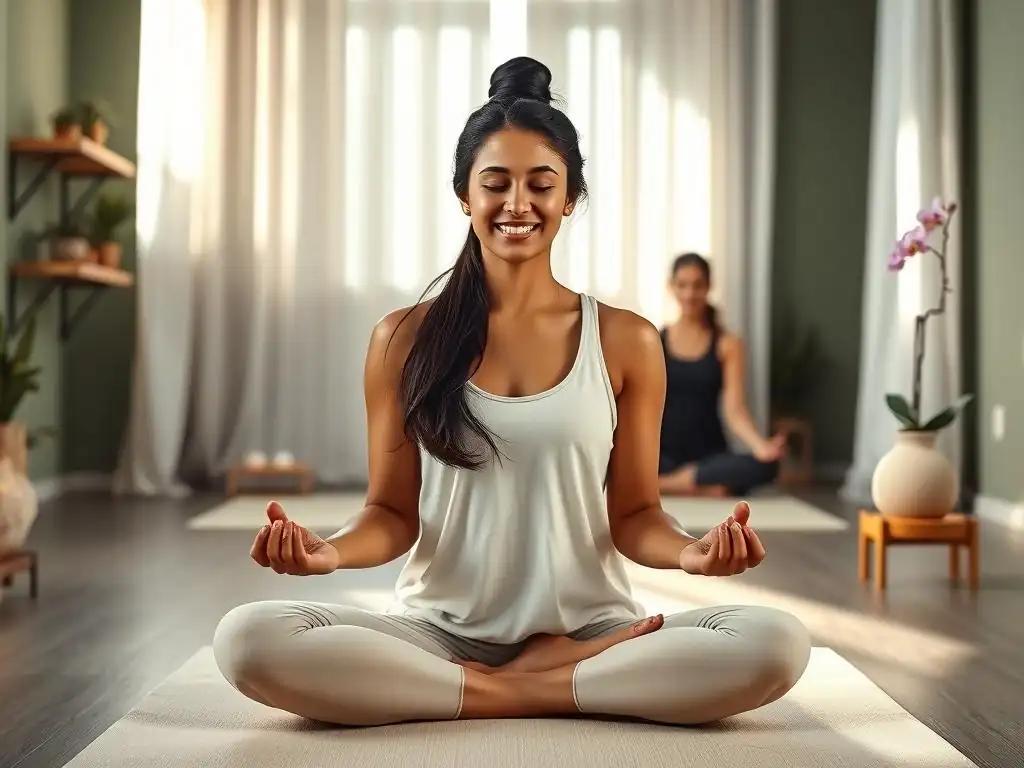
Welcome to Mind Care Guide, your compassionate companion on the journey to mental well-being.
Feeling overwhelmed by stress and anxiety? You're not alone. Discover how simple relaxation techniques can reduce stress anxiety and unlock a deeper sense of calm and control. We invite you to explore the MindBody Connection and begin your path to a more peaceful you. What if finding relief was easier than you thought? Let's begin...
The MindBody Connection: How Relaxation Techniques Heal Stress
- Understanding the Mind-Body Connection and Stress
- Exploring Relaxation Techniques for Stress Reduction
- Deep Breathing Exercises for Stress and Anxiety Relief
- Progressive Muscle Relaxation (PMR) for Tension Release
- Mindfulness Meditation for Stress Management
- Yoga and Tai Chi: Movement-Based Relaxation Methods
- Visualization and Guided Imagery for Stress Reduction
- The Role of Self-Care in Stress Reduction
- Tips for Incorporating Relaxation Techniques into Your Daily Life
- Long-Term Benefits of Consistent Relaxation Practice for Anxiety and Stress
-
Frequently Asked Questions
- How do relaxation techniques reduce stress anxiety?
- What are some examples of relaxation techniques mentioned in the "Mind Care Guide"?
- How does the MindBody connection relate to mental well-being and relaxation techniques?
- How often should I practice relaxation techniques to see a reduction in stress anxiety?
- Where can I find more resources and support for managing stress anxiety through relaxation techniques?
- Final Reflection: Unraveling the Power Within: Mind, Body, and Stress Relief
- Unleash Your Inner Calm: Start Your Relaxation Journey Today!
Understanding the Mind-Body Connection and Stress
The Interplay of Mental and Physical Health
Our mental and physical states are intrinsically linked, forming a complex system where each influences the other profoundly. This mind-body connection means that how we think and feel can directly impact our physical health, and conversely, our physical condition affects our mental state. For instance, persistent negative thoughts or chronic stress can trigger physiological responses like increased heart rate, elevated blood pressure, and weakened immune function. This isn't just theoretical; research, such as studies correlating psychological stress with inflammation markers in the body, provides concrete evidence of this deep connection.
Conversely, improving physical health through practices like regular exercise or adopting relaxation techniques can significantly boost mental well-being, helping to reduce stress and anxiety. When the body is relaxed, the mind often follows, leading to clearer thinking, improved mood, and greater emotional resilience. Recognizing this fundamental link is the first step in understanding how practices aimed at calming the body, like various relaxation techniques, can be powerful tools for healing mental distress and improving overall health.
How Stress Impacts the Body and Mind
Stress, especially when chronic, can wreak havoc on both our physical and mental landscapes. Physiologically, it triggers the "fight or flight" response, flooding the body with hormones like cortisol and adrenaline. While useful in short bursts for survival, sustained high levels of these hormones can lead to serious health issues over time. This includes digestive problems like irritable bowel syndrome, cardiovascular issues such as hypertension, and even musculoskeletal pain due to constant muscle tension.
Mentally and emotionally, chronic stress manifests as persistent worry, irritability, difficulty concentrating, and feelings of being overwhelmed. It can exacerbate existing mental health conditions like depression and anxiety disorders. The constant state of alert depletes mental energy, making it harder to cope with daily challenges and diminishing overall quality of life. Understanding these impacts underscores the critical need for effective strategies, such as employing relaxation techniques, to mitigate stress and anxiety.
Recognizing the Symptoms of Chronic Stress
Identifying chronic stress is crucial for intervention. The symptoms are varied and can affect almost every system in the body. Physically, common signs include headaches, fatigue, muscle aches, digestive upset (like nausea or stomach cramps), frequent colds or infections, and changes in sleep patterns (insomnia or excessive sleeping). Some people might also experience skin conditions or a racing heart.
Beyond the physical, look for emotional and behavioral indicators. These might involve feeling anxious, restless, or worried most of the time; becoming easily frustrated or irritable; having trouble relaxing; withdrawing from social activities; changes in appetite; or relying on unhealthy coping mechanisms like excessive alcohol or substance use. Cognitive symptoms include difficulty concentrating, memory problems, indecisiveness, and constant negative thoughts. Recognizing these persistent signs is the first step towards seeking help and implementing strategies like relaxation techniques reduce stress anxiety effectively.
Exploring Relaxation Techniques for Stress Reduction
What are Relaxation Techniques? Definition and Benefits
Relaxation techniques are practices designed to produce the body's natural relaxation response, characterized by slower breathing, a lower heart rate, reduced blood pressure, and a sense of increased well-being. They are intentional methods that shift the body out of the stress-induced "fight or flight" mode and into a state of calm. These techniques can range from simple breathing exercises to more complex practices like meditation or yoga.
The benefits of regularly employing relaxation techniques are extensive and well-documented. They not only help in the immediate reduction of stress and anxiety but also contribute to long-term improvements in both mental and physical health. Benefits include lower blood pressure, improved sleep quality, reduced muscle tension and chronic pain, better digestion, enhanced mood, increased focus and concentration, and greater resilience to future stressors. Integrating these techniques into daily life is a proactive way to manage stress and promote overall health.
The Science Behind Relaxation and Stress Relief: Activation of the Parasympathetic Nervous System
The effectiveness of relaxation techniques in reducing stress and anxiety is rooted in their ability to activate the parasympathetic nervous system (PNS). While stress triggers the sympathetic nervous system (SNS) – the "fight or flight" response – relaxation techniques stimulate the PNS, often called the "rest and digest" system. Activation of the PNS counteracts the effects of the SNS, slowing heart rate, lowering blood pressure, regulating breathing, and promoting a state of calm and recovery.
For example, deep, slow breathing exercises directly signal the vagus nerve, a major component of the PNS, telling the body that it is safe and can relax. Similarly, progressive muscle relaxation releases physical tension, interrupting the stress cycle. Consistent practice of these methods trains the body and mind to more readily shift into the PNS-dominant state, reducing the baseline level of stress hormones like cortisol and building resilience against the physiological impacts of stress. This scientific basis explains why relaxation techniques reduce stress anxiety so effectively.
Deep Breathing Exercises for Stress and Anxiety Relief
Diaphragmatic Breathing: A Simple Technique for Calm
Diaphragmatic breathing, also known as belly breathing, is one of the simplest yet most powerful relaxation techniques. It involves consciously engaging the diaphragm, a large muscle located below the lungs, to pull air deep into the lungs, causing the abdomen to rise rather than just the chest. This method slows your breathing rate, increases the amount of oxygen in your blood, and directly stimulates the vagus nerve, promoting a calming effect on the nervous system.
To practice, find a comfortable position, either sitting or lying down. Place one hand on your chest and the other on your belly just below your rib cage. Inhale slowly through your nose, feeling your belly rise as you fill your lungs. Your chest should remain relatively still. Exhale slowly through pursed lips, gently contracting your abdominal muscles to push the air out, feeling your belly fall. Aim for 6-10 slow, deep breaths per minute. Practicing this for just a few minutes can significantly reduce immediate feelings of stress and anxiety.
Box Breathing: A Structured Approach to Relaxation
Box breathing, also known as square breathing, is a structured breathing technique often used by athletes, military personnel, and individuals seeking a quick way to calm the nervous system under pressure. It follows a simple four-count pattern: inhale, hold, exhale, hold, each for the same duration. This rhythmic approach can help quiet a busy mind and regulate the breath, making it an effective relaxation technique reduce stress anxiety.
To practice box breathing, find a quiet place to sit comfortably. Close your eyes if you wish. Inhale slowly through your nose for a count of four. Hold your breath for a count of four. Exhale slowly through your mouth for a count of four. Hold your breath again for a count of four before repeating the cycle. Continue for several rounds, focusing on the counts and the sensation of the breath. This method provides a mental anchor, diverting attention away from stressful thoughts and promoting a sense of control and calm.
Alternate Nostril Breathing (Nadi Shodhana): Balancing the Nervous System
Alternate nostril breathing, or Nadi Shodhana in Sanskrit, is a yogic breathing technique aimed at balancing the flow of energy (prana) in the body and calming the mind. It involves breathing through one nostril at a time, alternating between them. This practice is believed to balance the left and right hemispheres of the brain and harmonize the sympathetic and parasympathetic nervous systems, offering a profound sense of relaxation and focus.
To practice, sit comfortably with a straight spine. Close the right nostril with your right thumb and inhale slowly through the left nostril. Close the left nostril with your right ring finger, release the thumb from the right nostril, and exhale slowly through the right nostril. Inhale through the right nostril, close it with the thumb, release the ring finger from the left nostril, and exhale through the left nostril. This completes one round. Continue for 5-10 rounds, maintaining a smooth, steady breath. This technique is particularly helpful for reducing agitation and promoting mental clarity alongside stress reduction.
Progressive Muscle Relaxation (PMR) for Tension Release
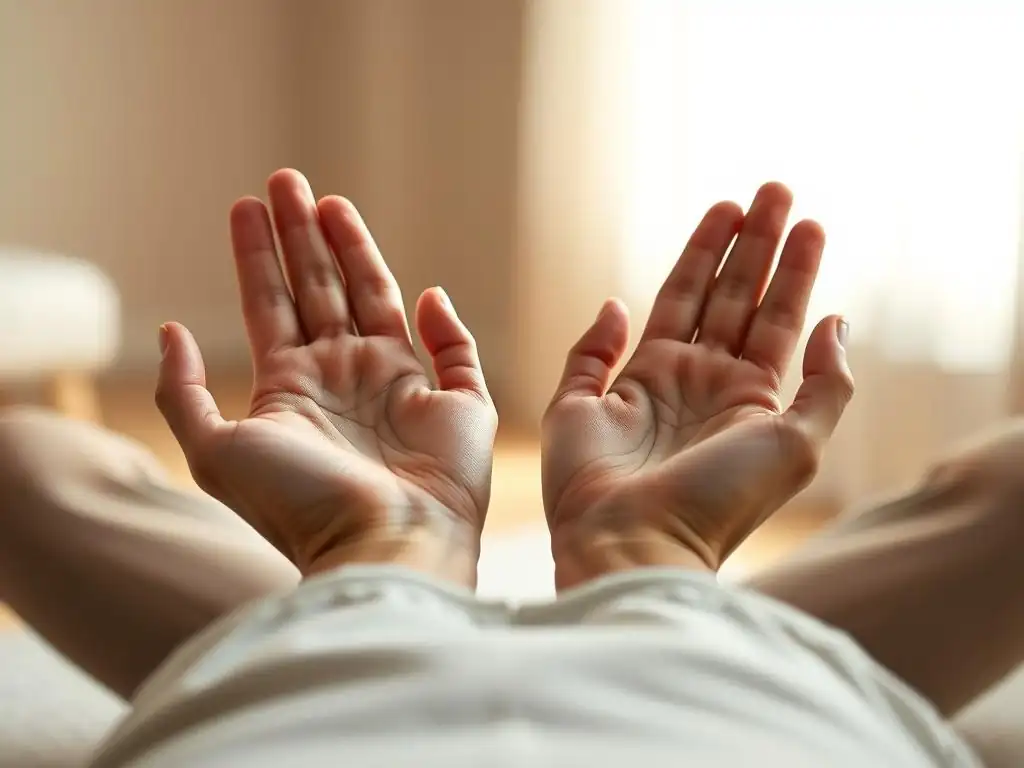
What is Progressive Muscle Relaxation (PMR)?
Progressive Muscle Relaxation (PMR) is a relaxation technique that involves systematically tensing and then releasing different muscle groups in the body. The core idea is that by deliberately creating tension in a muscle group and then letting it go, you become more aware of the sensation of relaxation and can learn to release tension more effectively. It's a practical, body-focused method that directly addresses the physical manifestation of stress – muscle tightness.
Developed by Dr. Edmund Jacobson in the early 20th century, PMR is based on the principle that physical relaxation leads to mental relaxation. By consciously working through the body, group by group, individuals learn to differentiate between the feeling of tension and the feeling of deep relaxation. This awareness is key to identifying and releasing unconscious tension held in the body, which is a common symptom of chronic stress and anxiety.
Step-by-Step Guide to Practicing PMR: Tensing and Relaxing Muscle Groups
Practicing Progressive Muscle Relaxation involves moving through the body in a specific sequence, typically starting from the feet and moving upwards, or vice versa.
- Find a quiet, comfortable space: Sit or lie down where you won't be disturbed.
- Start with your feet: Curl your toes tightly for about 5-10 seconds. Notice the tension.
- Release the tension: Relax your feet completely. Exhale and feel the tension drain away. Notice the difference between tension and relaxation. Rest for 15-20 seconds.
- Move to your lower legs: Tighten the muscles in your calves. Hold for 5-10 seconds. Release and relax.
- Continue through the body: Work your way up through your major muscle groups: thighs, buttocks, abdomen, chest, back, hands, forearms, upper arms, shoulders, neck, and face. For each group, tense, hold, and then release, focusing on the contrast.
- Finish by noticing overall relaxation: Spend a few moments enjoying the feeling of looseness and calm throughout your entire body.
This systematic approach ensures that no area of tension is overlooked and trains the body to achieve a deeper state of relaxation than might otherwise be possible.
Benefits of PMR for Stress and Physical Tension
Progressive Muscle Relaxation is particularly effective for individuals who hold stress physically, experiencing symptoms like tight shoulders, headaches, or jaw pain. Its primary benefit is teaching the body how to consciously release muscle tension, which is a direct physical manifestation of stress and anxiety. Regular practice can significantly reduce chronic muscle pain and stiffness.
Beyond the physical benefits, PMR also helps calm the mind. By focusing intensely on the physical sensations of tension and release, it acts as a form of mindfulness, drawing attention away from stressful thoughts and worries. Studies have shown PMR can be effective in reducing symptoms of insomnia, irritable bowel syndrome, and certain types of chronic pain, in addition to its well-established role in helping relaxation techniques reduce stress anxiety levels and improve overall well-being.
Mindfulness Meditation for Stress Management
Introduction to Mindfulness Meditation
Mindfulness meditation is a practice that involves paying attention to the present moment without judgment. It's about observing your thoughts, feelings, bodily sensations, and surrounding environment with acceptance and curiosity. Unlike some forms of meditation that focus on emptying the mind, mindfulness is about acknowledging what is happening right now, whether pleasant, unpleasant, or neutral.
The goal isn't to stop thinking, but to change your relationship with your thoughts – seeing them as temporary mental events rather than absolute truths. By regularly practicing mindfulness, individuals can develop a greater awareness of their internal and external experiences, learn to respond to challenges with more intention and less reactivity, and cultivate a sense of calm amidst life's inevitable stresses. This practice is a cornerstone of many programs designed to help people manage stress and improve emotional regulation.
Guided Mindfulness Meditation for Stress Reduction
For beginners, or those who find it difficult to maintain focus, guided mindfulness meditation can be incredibly helpful. Guided meditations involve listening to an instructor who leads you through the process, offering prompts to focus on the breath, bodily sensations, sounds, or thoughts as they arise. This guidance can make the practice more accessible and help you stay on track.
Many resources offer guided meditations specifically aimed at stress reduction. These sessions often encourage you to observe feelings of stress or anxiety without trying to push them away, learning instead to sit with them and recognize their impermanence. Regular engagement with guided mindfulness can train your brain to become less reactive to stressors, fostering a greater sense of peace and resilience. For instance, a 10-minute daily guided practice can show noticeable improvements in self-reported stress levels within a few weeks for many individuals.
Cultivating Present Moment Awareness to Combat Stress
Stress often involves worrying about the future or dwelling on the past. Cultivating present moment awareness through mindfulness directly counters this tendency. By intentionally bringing your attention back to what is happening right now – the feeling of your feet on the ground, the sensation of breathing, the sounds around you – you interrupt the cycle of anxious thoughts and worries.
This practice helps you recognize that while stress might be a reaction to past or future events, your experience in this moment might be perfectly fine. It allows you to step out of the narrative of stress and connect with the reality of the present. Over time, this reduces the power that stressful thoughts hold over you, enabling you to respond to challenges from a place of calm rather than reaction. Integrating mindfulness into daily activities, even simple ones like eating or walking, can build this crucial skill and help relaxation techniques reduce stress anxiety more effectively over time.
Yoga and Tai Chi: Movement-Based Relaxation Methods
Yoga for Stress Relief: Poses and Benefits
Yoga is an ancient practice that combines physical postures (asanas), breathing techniques (pranayama), and meditation or relaxation. It is a holistic approach to well-being that is highly effective in reducing stress and anxiety. The physical postures help release tension held in the muscles, improve flexibility and strength, and promote better circulation.
The emphasis on linking breath with movement in yoga helps calm the nervous system and encourages mindfulness. Specific poses, such as child's pose (Balasana), supported bridge pose (Setu Bandhasana), or legs-up-the-wall pose (Viparita Karani), are particularly known for their calming and restorative effects. Regular yoga practice not only improves physical health but also cultivates a greater sense of body awareness, emotional balance, and mental peace, making it a powerful tool among relaxation techniques reduce stress anxiety. Studies have indicated that consistent yoga practice can lower cortisol levels and improve mood states.
Tai Chi for Stress Reduction: Gentle Movement and Meditation
Tai Chi is a traditional Chinese martial art often practiced for its health benefits, particularly its ability to reduce stress. It involves a series of slow, flowing movements performed with deep, conscious breathing. Often described as "meditation in motion," Tai Chi cultivates a state of relaxed awareness and calm focus.
The gentle, continuous movements promote relaxation, improve balance and flexibility, and reduce physical tension without strenuous effort. The focus on mindful movement and breath helps quiet the mind and encourages a meditative state. Tai Chi is accessible to people of all ages and fitness levels and provides a gentle yet effective way to calm the nervous system, reduce stress hormones, and promote overall well-being. Its low-impact nature makes it an excellent option for individuals who may find more vigorous forms of exercise challenging.
Integrating Yoga and Tai Chi into Your Daily Routine
Incorporating movement-based relaxation techniques like yoga or Tai Chi into your daily routine can provide consistent stress relief. Even short sessions, like 15-20 minutes a few times a week, can yield significant benefits. Many online resources, local studios, or community centers offer classes suitable for beginners.
Consider starting with beginner-level classes focusing on gentle movements and basic postures. Listen to your body and practice without judgment. The key is consistency. Finding a time that works for you – perhaps a morning session to start the day calmly or an evening practice to unwind – can help make it a sustainable habit. Integrating these practices is a proactive step towards using powerful relaxation techniques reduce stress anxiety and improve physical and mental health.
Visualization and Guided Imagery for Stress Reduction
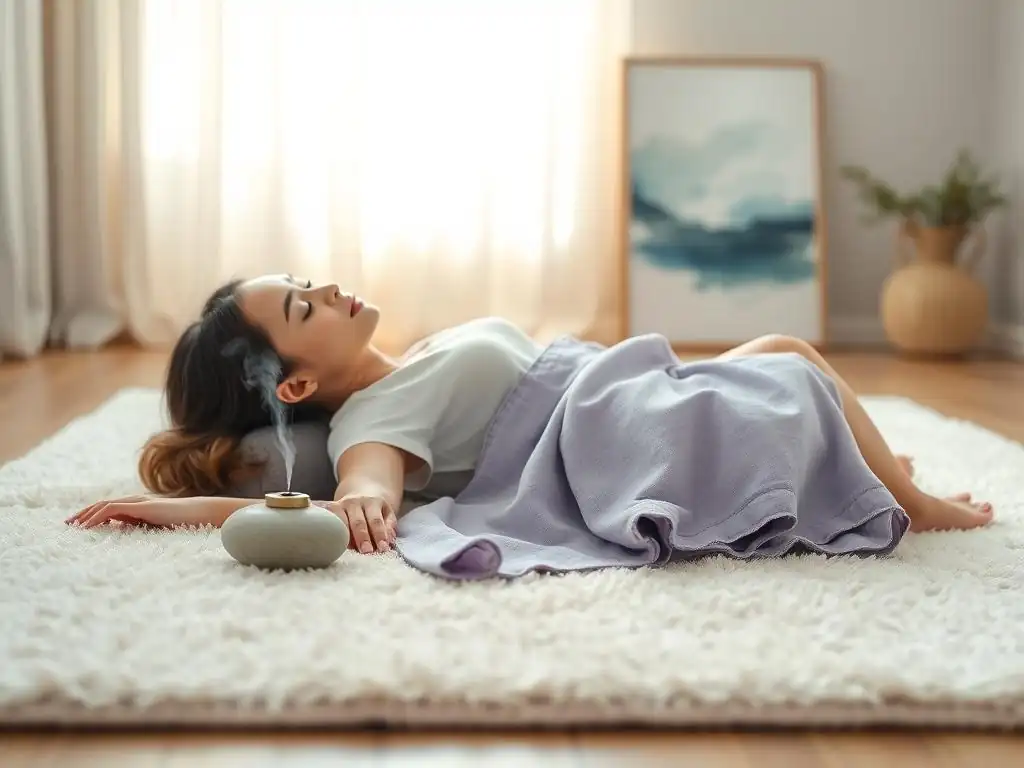
The Power of Visualization
Visualization, or guided imagery, is a relaxation technique that involves creating peaceful mental images to promote relaxation and reduce stress. It leverages the power of the mind to influence the body. When you vividly imagine a calm, peaceful scene, your brain can respond as if you were actually there, triggering the relaxation response in your nervous system.
This technique can transport you mentally away from stressors, offering a temporary escape and a chance for your system to reset. Whether it's imagining a tranquil beach, a peaceful forest, or a cozy, safe space, the details you conjure – sights, sounds, smells, textures – enhance the experience and deepen the relaxation. It's a versatile tool that can be used anywhere, anytime you need a moment of calm.
Creating a Relaxing Mental Image
To effectively use visualization, choose a place or scene that you find inherently relaxing and peaceful. This could be a real place you've visited or a completely imagined one. Once you have your scene, close your eyes and begin to build the image in your mind. Engage all your senses:
- Sight: What do you see? Colors, shapes, light?
- Sound: What do you hear? Waves, birdsong, silence?
- Smell: What scents are present? Salt air, pine needles, flowers?
- Touch: What do you feel? Warm sun, cool breeze, soft sand?
- Taste: (If applicable) Is there a taste associated with the place?
Spend several minutes fully immersing yourself in this imagined environment. Breathe slowly and deeply as you explore the scene. The more detailed and sensory your visualization, the more powerful its effect on reducing stress and anxiety.
Guided Imagery Scripts for Stress and Anxiety
For those new to visualization or who find it challenging to create their own scenes, guided imagery scripts or recordings can be very helpful. These scripts lead you step-by-step through a relaxing scenario, prompting you to focus on specific sensory details and encouraging deep relaxation.
You can find guided imagery resources online, through apps, or in books. Many are specifically designed to target stress and anxiety, guiding you to release tension and cultivate feelings of peace and safety. Listening to a guided script can make the process easier, allowing you to simply follow along and let the words paint the relaxing picture for you. Consistent use of guided imagery is another effective way that relaxation techniques reduce stress anxiety levels and promote mental calm.
The Role of Self-Care in Stress Reduction
Prioritizing Self-Care for Mental and Physical Well-being
Self-care is not a luxury; it is a fundamental necessity for maintaining both mental and physical well-being, especially in the face of stress. It involves actively taking steps to care for your health and happiness. This includes setting boundaries, ensuring adequate rest, engaging in enjoyable activities, and utilizing tools like relaxation techniques.
Prioritizing self-care means recognizing your own needs and making time for activities that nourish you, even when life is busy. Ignoring self-care often leads to burnout, increased stress levels, and a diminished capacity to cope with challenges. Making self-care a non-negotiable part of your routine empowers you to build resilience and maintain a healthier, more balanced life. It's the foundation upon which effective stress management, including the practice of relaxation techniques, is built.
Lifestyle Changes to Support Relaxation and Reduce Stress Levels: Healthy Diet, Regular Exercise
Beyond specific techniques, broader lifestyle changes play a significant role in managing stress and supporting relaxation. A healthy diet, rich in whole foods, fruits, vegetables, and lean proteins, provides the body with the nutrients it needs to function optimally and manage stress more effectively. Limiting caffeine and sugar, which can exacerbate anxiety symptoms, is also beneficial.
Regular physical exercise is another powerful stress reliever. Physical activity releases endorphins, natural mood boosters, and helps reduce stress hormones. Even moderate exercise, like a brisk 30-minute walk most days of the week, can significantly improve mood and reduce tension. Combining a healthy diet and regular exercise creates a strong physical foundation that supports the body's ability to relax and cope with stress, amplifying the effects of specific relaxation techniques reduce stress anxiety.
Creating a Personalized Stress Management Plan
Effective stress reduction often requires a personalized approach that combines various strategies. Creating a stress management plan involves identifying your main stressors, recognizing your typical stress responses, and choosing a mix of relaxation techniques and lifestyle changes that work best for you.
Your plan might include scheduling regular time for deep breathing exercises, committing to a few yoga sessions per week, incorporating mindfulness into daily activities, ensuring you get 7-9 hours of sleep per night, and planning enjoyable social activities. Write down your plan and review it regularly, adjusting as needed. Having a proactive plan makes it easier to implement relaxation techniques reduce stress anxiety consistently and effectively, rather than only reacting when stress becomes overwhelming.
Tips for Incorporating Relaxation Techniques into Your Daily Life
Finding Time for Relaxation
One of the biggest hurdles to practicing relaxation techniques is finding the time in a busy schedule. It's easy to view relaxation as a luxury rather than a necessity. However, even short bursts of relaxation throughout the day can be incredibly beneficial. Start small; aim for just 5-10 minutes initially.
Look for opportunities to integrate techniques into existing routines. For example, practice deep breathing during your commute, do a quick body scan mindfulness exercise during your lunch break, or listen to a guided relaxation audio before bed. Scheduling relaxation time, just like any other important appointment, can also help ensure it happens. Remember, consistent short practices are often more effective than infrequent long ones for helping relaxation techniques reduce stress anxiety.
Overcoming Challenges to Regular Practice
Maintaining a consistent practice of relaxation techniques can be challenging due to factors like lack of motivation, feeling too busy, or doubting their effectiveness. It's important to be patient and compassionate with yourself. If you miss a day, don't view it as a failure; simply get back on track the next day.
Identify what obstacles you face and brainstorm solutions. If time is an issue, look for shorter versions of techniques or stack them with existing habits. If motivation wanes, try practicing with a friend or joining a group. Tracking your progress (even just noticing how you feel after a session) can also provide motivation. Understanding that these techniques are skills that improve with practice can help manage expectations and encourage perseverance.
Tracking Your Progress and Staying Motivated
Monitoring your experience with relaxation techniques can be a powerful motivator. Keep a simple journal or use a tracking app to note which techniques you practiced, for how long, and how you felt before and after. Did your stress level decrease? Did you feel calmer or more focused?
Over time, reviewing your notes can show you the tangible benefits of your efforts, reinforcing the value of consistent practice. Celebrate small victories, like completing a week of daily breathing exercises. Sharing your progress with a supportive friend or family member can also provide encouragement. Seeing the positive impact on your stress and anxiety levels is the most compelling reason to keep going and allows you to refine which relaxation techniques reduce stress anxiety most effectively for you.
Long-Term Benefits of Consistent Relaxation Practice for Anxiety and Stress
Improved Sleep Quality Through Relaxation Techniques
Chronic stress and anxiety are major contributors to sleep problems like insomnia. The racing thoughts and physical tension associated with stress make it difficult to fall asleep and stay asleep. Regularly practicing relaxation techniques can significantly improve sleep quality.
Techniques such as deep breathing, progressive muscle relaxation, and guided imagery before bed help calm the nervous system, reduce mental chatter, and release physical tension, creating a more conducive state for sleep. For example, studies have shown that individuals who incorporate PMR into their bedtime routine report falling asleep faster and experiencing fewer nighttime awakenings. Consistent use of these relaxation methods helps break the cycle of stress-induced sleeplessness, contributing to overall health and well-being.
Enhanced Emotional Regulation and Resilience
Consistent engagement with relaxation techniques helps build emotional regulation skills and enhances resilience. By regularly practicing mindfulness or deep breathing, you become more aware of your emotional states and learn to respond to difficult feelings with greater calm and less reactivity.
Instead of being overwhelmed by anger, fear, or frustration, you develop the capacity to observe these emotions without being swept away by them. This emotional agility allows you to bounce back more effectively from challenging situations and navigate stress with greater ease. Over time, your baseline stress and anxiety levels may decrease, and you'll be better equipped to handle future stressors without becoming excessively distressed. The regular application of relaxation techniques reduce stress anxiety and fosters a stronger, more stable emotional foundation.
The long-term benefits of consistent relaxation practice extend significantly to physical health, particularly in reducing the risk of stress-related conditions. Chronic stress contributes to inflammation, elevated blood pressure, and hormonal imbalances, all of which are risk factors for serious illnesses.
By consistently activating the parasympathetic nervous system, relaxation techniques help counteract these harmful effects. Regular practice can lead to lower blood pressure, reduced heart rate, improved digestive function, and a stronger immune system. For example, individuals who manage stress effectively through techniques like meditation or yoga may see improvements in conditions like irritable bowel syndrome or a reduced likelihood of stress-induced headaches. Ultimately, integrating relaxation techniques reduce stress anxiety and serves as a preventative measure against a range of chronic health problems, promoting long-term vitality.
Frequently Asked Questions
How do relaxation techniques reduce stress anxiety?
Relaxation techniques activate the parasympathetic nervous system, which counteracts the fight-or-flight response triggered by stress. This leads to a decrease in heart rate, blood pressure, and muscle tension, ultimately reducing feelings of anxiety.
What are some examples of relaxation techniques mentioned in the "Mind Care Guide"?
The "Mind Care Guide" often highlights techniques like deep breathing exercises, meditation, and progressive muscle relaxation. These are all designed to promote a state of calm and reduce the physical symptoms of stress.
How does the MindBody connection relate to mental well-being and relaxation techniques?
The MindBody connection acknowledges the interplay between mental and physical health. Relaxation techniques leverage this connection by physically calming the body, which, in turn, positively impacts mental well-being and reduces anxiety.
How often should I practice relaxation techniques to see a reduction in stress anxiety?
Consistency is key. Aim for daily practice, even if it's just for a few minutes. Regular use of relaxation techniques will build resilience to stress and gradually reduce feelings of anxiety over time.
Where can I find more resources and support for managing stress anxiety through relaxation techniques?
The "Mind Care Guide" website offers a wealth of information, resources, and support for various mental health challenges, including stress anxiety. You can find articles, guided meditations, and links to professional help there.
Final Reflection: Unraveling the Power Within: Mind, Body, and Stress Relief
The pervasive nature of stress in modern life demands a proactive approach to well-being, and the mind-body connection offers a powerful pathway to lasting relief. Understanding this intricate relationship is not merely academic; it's a crucial key to unlocking a healthier, happier existence in a world that constantly pushes our limits. The techniques explored in this article—from mindful breathing to progressive muscle relaxation—are not fleeting trends but fundamental tools for navigating the complexities of daily life.
The impact of stress extends far beyond fleeting anxiety; it permeates our physical and mental health, influencing everything from our sleep patterns to our relationships. Stress is the tax we pay for the privilege of living.
This quote, while stark, highlights the unavoidable reality of stress, but it also underscores the importance of developing effective coping mechanisms. The exploration of relaxation techniques throughout this article serves as a testament to the resilience of the human spirit and our innate capacity to heal and thrive, even amidst adversity. This journey of self-discovery, of learning to listen to and nurture our bodies, is a continuous process, one that deserves consistent attention and care.
You now possess the knowledge and tools to begin your own journey towards stress reduction. Don't view relaxation techniques as a luxury, but as an essential investment in your overall well-being. Start small, experiment with different methods, and find what resonates with you. Listen to your body, honor its needs, and cultivate a mindful approach to life. The power to reduce stress and enhance your well-being lies within you; embrace it, nurture it, and watch as your life transforms.
Unleash Your Inner Calm: Start Your Relaxation Journey Today!
Thanks for taking the time to explore the powerful connection between mind and body! We hope you gained valuable insights into how relaxation techniques can help you manage stress effectively. Now, it's time to put your knowledge into action.
- Prioritize your relaxation: Choose one relaxation technique from the article (deep breathing, meditation, or progressive muscle relaxation) and commit to practicing it for just 5 minutes daily this week. Notice how it shifts your energy.
- Share your experience: Tell a friend or family member about what you learned and encourage them to try a relaxation technique with you. Sharing is caring (and relaxing! ).
- Explore further: Delve deeper into the world of relaxation by searching for guided meditations or relaxation apps online. There's a whole universe of calming practices waiting to be discovered!
What small step will you take today to cultivate more inner peace?