
Navigate Overwhelm: SelfCare Techniques for Difficult Moments


Welcome to Mind Care Guide, a safe space dedicated to nurturing your mental well-being.
Feeling overwhelmed by self-care? You're not alone. It's easy to get caught in the trap of doing self-care, rather than being with yourself. Explore our latest article, "Navigate Overwhelm: SelfCare Techniques for Difficult Moments," where we delve into practical selfcare overwhelm management techniques to help you reclaim your peace and build a sustainable path to inner calm. Curious to discover how to simplify your self-care routine and find what truly nourishes you? Let's begin.
Navigate Overwhelm: Self-Care Techniques for Difficult Moments
- Understanding Overwhelm and Its Impact on Mental Well-being
- Practical Selfcare Overwhelm Management Techniques
- Long-Term Strategies for Managing Overwhelm
- Self-Care Activities to Reduce Overwhelm: A Practical Guide
- Overcoming Common Obstacles to Self-Care
- Mastering Selfcare Overwhelm Management Techniques: Your Path to Well-being
-
Frequently Asked Questions
- What is self-care overwhelm, and why does it happen?
- How can I identify if I'm experiencing self-care overwhelm?
- What are some simple self-care techniques I can use in difficult moments to avoid overwhelm?
- How do I personalize my self-care routine to prevent future overwhelm?
- Where can I find more resources and support for managing self-care overwhelm?
- Final Reflection: Finding Stillness Amidst the Storm
- Unleash Your Inner Calm: Practical Steps to Manage Stress
Understanding Overwhelm and Its Impact on Mental Well-being
Recognizing the Signs and Symptoms of Overwhelm
Overwhelm often manifests as a cascade of physical, emotional, and cognitive signals. Physically, you might notice a racing heart, shallow breathing, muscle tension, or even digestive issues like stomach upset. These are your body's ways of signaling that your stress response system is on high alert, potentially entering a state akin to the fight-or-flight response. Chronically, these physical symptoms can contribute to more significant health issues, such as persistent fatigue or weakened immune function.
Emotionally, overwhelm can show up as irritability, anxiety, feeling constantly on edge, or a sense of dread. You might feel emotionally numb or struggle to experience joy. Cognitively, signs include difficulty concentrating, impaired decision-making, forgetfulness, and feeling like your mind is racing with too many thoughts simultaneously. For example, someone feeling overwhelmed at work might find it impossible to focus on a single task, leading to decreased productivity and increased stress, creating a vicious cycle. Recognizing these varied signs is the first step toward implementing effective selfcare overwhelm management techniques.
The Connection Between Overwhelm and Mental Health
The relationship between overwhelm and mental health is deeply intertwined. Persistent feelings of being overwhelmed are a significant risk factor for developing or exacerbating conditions like anxiety disorders and depression. The constant stress response depletes mental and emotional resources, making it harder to cope with daily challenges. Studies indicate that chronic stress, a key component of ongoing overwhelm, can alter brain chemistry and structure, impacting areas responsible for mood regulation and executive function.
Furthermore, overwhelm can lead to burnout, a state of emotional, physical, and mental exhaustion often accompanied by cynicism and a reduced sense of accomplishment. Burnout isn't just feeling tired; it's a profound depletion that makes it difficult to function effectively in any area of life. Addressing overwhelm with proactive self-care strategies is not merely about comfort; it's a vital component of preventative mental healthcare and a cornerstone of effective selfcare overwhelm management techniques.
Identifying Your Personal Overwhelm Triggers
Understanding what specifically triggers your feelings of overwhelm is crucial for developing targeted self-care strategies. Triggers can be external, such as a demanding workload, relationship conflicts, financial pressures, or unexpected events. They can also be internal, stemming from perfectionism, negative self-talk, unrealistic expectations, or a fear of failure. For instance, one person might feel overwhelmed by social gatherings (external trigger), while another might be triggered by their own internal pressure to perform flawlessly (internal trigger).
A helpful way to identify your triggers is to keep a simple journal for a week or two. Note down moments when you felt overwhelmed and what was happening just before or during that time. Look for patterns. Were you trying to do too many things at once? Were you saying 'yes' to commitments when you really wanted to say 'no'? Were you spending time with someone who consistently drained your energy? Pinpointing these specific catalysts allows you to anticipate high-risk situations and proactively apply your selfcare overwhelm management techniques before the feelings become debilitating.
Practical Selfcare Overwhelm Management Techniques
Immediate Relief Strategies for Overwhelming Feelings
When overwhelm strikes, having immediate, go-to techniques can provide rapid relief. These are tools you can use in the moment to interrupt the stress response and regain a sense of control. They don't solve the underlying problem, but they create space for you to think more clearly and choose your next steps. Think of them as your emotional first-aid kit, designed for quick application when you feel the surge of stress and anxiety.
These techniques are often simple and require minimal time or resources, making them accessible even in challenging situations. Practicing them regularly, even when not overwhelmed, helps build muscle memory so they are more effective when you need them most. Integrating these into your routine is a core part of practical selfcare overwhelm management techniques.
Deep Breathing Exercises for Instant Calm
Deep breathing is one of the most accessible and effective tools for immediate relief. When you're overwhelmed, your breathing tends to become shallow and rapid, reinforcing the stress response. Consciously slowing and deepening your breath sends a signal to your nervous system that you are safe, helping to lower your heart rate and blood pressure. A simple technique is Box Breathing: Inhale slowly for a count of four, hold for a count of four, exhale slowly for a count of four, and hold again for a count of four. Repeat this cycle several times.
Just a few minutes of focused deep breathing can significantly reduce the intensity of overwhelming feelings. It redirects your attention away from distressing thoughts and grounds you in the present moment. Many people find that practicing this for even 3-5 minutes can shift their state from panic towards calm, proving the power of simple physiological interventions in selfcare overwhelm management techniques.
Grounding Techniques to Reconnect with the Present
Grounding techniques help pull you out of overwhelming thoughts or emotions by focusing your attention on the external world and your physical sensations. The 5-4-3-2-1 method is a popular example: Name 5 things you can see, 4 things you can touch, 3 things you can hear, 2 things you can smell, and 1 thing you can taste. This exercise engages your senses and anchors you firmly in the here and now, away from the swirling chaos of overwhelm.
Other grounding techniques include simply focusing on the feeling of your feet on the ground, holding a comforting object, or describing your surroundings in detail. These methods interrupt the cycle of rumination that often accompanies overwhelm, providing a mental reset. They are powerful, simple tools in your arsenal of selfcare overwhelm management techniques.
The Power of a Quick Mindfulness Break
A quick mindfulness break involves intentionally bringing your attention to the present moment without judgment. This could be as simple as pausing for 60 seconds to notice the feeling of the air on your skin, the sounds around you, or the sensations in your body. It's not about clearing your mind, but about observing what is happening right now.
Even a brief 1-2 minute mindfulness exercise can create a valuable pause when you feel overwhelmed. It allows you to step back from the intensity of your feelings and gain perspective. Regularly integrating these short breaks throughout your day can also help prevent overwhelm from building up in the first place, making them a proactive as well as reactive selfcare overwhelm management technique.
Building a Self-Care Toolkit for Overwhelm Prevention
While immediate strategies help during overwhelm, building a self-care toolkit focuses on preventing it or reducing its frequency and intensity. This involves consistent practices that nourish your mind, body, and spirit, creating a reservoir of resilience. It's about proactive self-care, not just reactive coping.
Developing this toolkit is a personal process; what works for one person might not work for another. The key is to identify activities that genuinely recharge you and make them a non-negotiable part of your routine. This is where the concept of selfcare overwhelm management techniques shifts from crisis management to sustainable well-being.
Creating a Personalized Self-Care Plan
A personalized self-care plan is a roadmap for maintaining your well-being. It outlines specific activities you will engage in regularly to nurture yourself. Start by listing activities you enjoy or find relaxing – reading, listening to music, spending time in nature, hobbies, connecting with loved ones. Then, schedule them into your week like any other important appointment.
Your plan doesn't need to be rigid, but having one makes self-care intentional rather than an afterthought. Aim for a mix of activities: some for physical health, some for emotional processing, some for social connection, and some purely for pleasure. A well-rounded plan is a robust defense system, central to effective selfcare overwhelm management techniques. For example, a plan might include:
- Monday: 30 min walk
- Wednesday: Journaling 15 min
- Friday: Coffee with a friend
- Sunday: Read for 1 hour
Prioritizing Rest and Relaxation
In a culture that often glorifies busyness, prioritizing rest and relaxation can feel counterintuitive, but it's essential for preventing overwhelm. Adequate sleep is foundational; most adults need 7-9 hours per night. Lack of sleep impairs cognitive function, increases irritability, and makes you more susceptible to stress and overwhelm.
Beyond sleep, schedule dedicated time for activities that help you relax and unwind. This could be soaking in a bath, meditating, gentle stretching, or simply doing nothing for a short period. These moments of downtime allow your nervous system to calm down and your mind to process information, significantly boosting your capacity for selfcare overwhelm management techniques.
The Importance of Setting Boundaries to Prevent Overwhelm
Setting healthy boundaries is perhaps one of the most critical, yet challenging, self-care techniques for preventing overwhelm. Boundaries are the limits you set on your time, energy, and emotional availability to protect your well-being. This means learning to say 'no' to requests that would overextend you, limiting exposure to draining relationships, and defining clear lines between work and personal life.
Failing to set boundaries often leads to taking on too much, feeling resentful, and ultimately, becoming overwhelmed. It requires asserting your needs respectfully but firmly. While it can feel uncomfortable initially, establishing clear boundaries is a powerful act of self-preservation and a fundamental element of sustainable selfcare overwhelm management techniques.
Long-Term Strategies for Managing Overwhelm

Cultivating Resilience Through Mindful Practices
Resilience is the ability to bounce back from adversity and stress. It's not about avoiding challenges but about developing the capacity to navigate them effectively without being completely derailed. Mindful practices are powerful tools for building this inner strength, helping you stay present and centered even when facing difficult situations or feelings of overwhelm.
Regular engagement with mindfulness helps you become more aware of your thoughts, feelings, and bodily sensations without getting swept away by them. This detached observation allows you to respond to stress more thoughtfully rather than reacting impulsively. It's a crucial long-term strategy for enhancing your overall selfcare overwhelm management techniques.
Incorporating Mindfulness Meditation into Your Daily Routine
Mindfulness meditation involves dedicating specific time to sit quietly and focus your attention, often on your breath, bodily sensations, or sounds, observing whatever arises without judgment. Starting with just 5-10 minutes a day can make a significant difference. Numerous guided meditation apps and online resources can make it easy to begin.
Consistent meditation practice trains your brain to be less reactive to stress and more present in your daily life. Over time, you may find that overwhelming situations feel less intense, and you are better equipped to handle them calmly. This regular practice is a cornerstone of building resilience and improving your capacity for selfcare overwhelm management techniques.
Practicing Gratitude to Shift Your Perspective
Practicing gratitude involves intentionally focusing on the positive aspects of your life, no matter how small. This can be done through journaling, mentally listing things you're grateful for, or expressing thanks to others. When you're overwhelmed, it's easy for your focus to narrow onto problems and challenges. Gratitude helps broaden your perspective.
Even in difficult times, there are usually things to be grateful for – a roof over your head, a supportive friend, a moment of peace, the ability to breathe. Shifting your focus, even slightly, toward appreciation can counteract negative thought patterns associated with overwhelm and cultivate a more positive emotional state, enhancing your long-term selfcare overwhelm management techniques.
Developing Effective Time Management Skills
Poor time management is a common precursor to overwhelm. Feeling like there aren't enough hours in the day or being unsure where to start can quickly lead to a sense of being buried under tasks. Developing effective time management skills isn't about cramming more into your day, but about organizing your responsibilities and time more efficiently and realistically.
This involves setting priorities, estimating how long tasks will take, and allocating appropriate time slots. It's about working smarter, not just harder. Mastering these skills is a practical, long-term approach to reducing the environmental triggers of overwhelm and strengthening your selfcare overwhelm management techniques.
Breaking Down Tasks into Manageable Steps
Large, complex tasks can feel incredibly overwhelming. A powerful technique is to break them down into smaller, more manageable steps. Instead of seeing "Write Article" as one daunting task, break it into: "Outline Article," "Research Section 1," "Write Section 1," "Edit Section 1," and so on. Each small step feels less intimidating and is easier to start and complete.
As you complete each small step, you gain a sense of accomplishment, which can fuel your motivation and reduce feelings of being buried. This approach makes large projects feel less daunting and more achievable, directly combating a major source of overwhelm and supporting your selfcare overwhelm management techniques. Consider a task list like this:
- [ ] Break down project into steps
- [ ] Estimate time for Step 1
- [ ] Schedule time for Step 1
- [ ] Complete Step 1
Learning to Delegate and Ask for Help
Recognizing that you don't have to do everything yourself is crucial for managing overwhelm long-term. Learning to delegate tasks to others, whether at work, home, or in volunteer roles, frees up your time and energy. This requires trust and letting go of the need for perfectionism, but it's essential for preventing burnout.
Equally important is learning to ask for help when you need it. Many people hesitate to ask for help out of pride, fear of burdening others, or a belief that they should be able to handle everything on their own. However, reaching out to friends, family, or colleagues for support is a sign of strength, not weakness. It acknowledges your limits and utilizes your support network, which is a vital part of selfcare overwhelm management techniques.
Seeking Support and Connection
Humans are social creatures, and connection is a fundamental need. When you're feeling overwhelmed, isolating yourself can make things worse. Reaching out to others provides emotional support, different perspectives, and practical assistance. Building and nurturing a strong support network is a critical long-term strategy for managing stress and overwhelm.
Sharing your feelings with someone you trust can significantly lighten your emotional load. Knowing you're not alone in your struggles can provide immense comfort and validation. This social aspect is often overlooked but is a powerful component of effective selfcare overwhelm management techniques.
Connecting with Friends and Family
Make time for meaningful interactions with supportive friends and family members. This doesn't always have to involve talking about your problems; sometimes, simply spending enjoyable time together can be incredibly restorative. Plan regular coffee dates, phone calls, or shared activities.
These connections provide a sense of belonging and emotional security. They remind you that you are valued and supported, which can buffer the negative effects of stress and overwhelm. Nurturing these relationships is a form of active self-care that strengthens your overall resilience.
Joining a Support Group for Shared Experiences
Support groups offer a unique kind of connection – with people who understand exactly what you're going through. Whether it's a group for managing stress, anxiety, or a specific life challenge, sharing experiences and coping strategies with others facing similar situations can be incredibly validating and empowering.
Hearing how others navigate overwhelm and sharing your own journey can reduce feelings of isolation and provide new insights and tools. Many communities offer free or low-cost support groups, and online options are also widely available. This shared experience is a powerful collective selfcare overwhelm management technique.
When to Seek Professional Help for Persistent Overwhelm
While self-care techniques are powerful, there are times when overwhelm is persistent, debilitating, and doesn't significantly improve with these strategies. This is a key indicator that professional help may be needed. If overwhelm is consistently interfering with your daily life, work, relationships, or causing significant distress, consulting a mental health professional is a sign of strength.
Therapists, counselors, or psychologists can provide tailored strategies, help you uncover underlying issues contributing to overwhelm, and address co-occurring conditions like anxiety or depression. They can offer evidence-based treatments like Cognitive Behavioral Therapy (CBT) or Acceptance and Commitment Therapy (ACT), which are highly effective in teaching long-term coping mechanisms. Seeking professional guidance is not a failure of your self-care efforts but a wise and necessary step in mastering selfcare overwhelm management techniques when the challenge is significant.
Self-Care Activities to Reduce Overwhelm: A Practical Guide
Self-care isn't just about managing crises; it's about building a lifestyle that supports your well-being and prevents overwhelm from taking root. This involves engaging in activities that nourish you physically, emotionally, and mentally on a regular basis. Integrating these into your routine is a proactive approach to enhancing your capacity for selfcare overwhelm management techniques.
These activities should be enjoyable and restorative, not feel like another chore. Experiment to find what resonates most with you and make them a consistent part of your week.
Physical Self-Care for Mental Clarity
Taking care of your physical body has a direct and profound impact on your mental state. When you neglect your physical health, your capacity to handle stress and overwhelm is significantly reduced. Physical self-care activities don't need to be extreme; simple, consistent practices make the biggest difference.
Focusing on movement, nutrition, and sleep provides a strong foundation for managing mental and emotional challenges. These physical pillars are essential components of effective selfcare overwhelm management techniques.
The Benefits of Exercise and Movement
Regular physical activity is a potent stress reliever. Exercise releases endorphins, which have mood-boosting and stress-reducing effects. It also helps reduce the levels of stress hormones like cortisol and adrenaline. You don't need to run a marathon; even moderate activities like brisk walking, dancing, or gardening for 30 minutes most days of the week can be beneficial.
Movement helps discharge pent-up physical tension associated with overwhelm and provides a healthy distraction from ruminating thoughts. Finding an activity you enjoy makes it easier to stick with it consistently, contributing significantly to your physical and mental resilience.
Nourishing Your Body with Healthy Foods
What you eat affects how you feel, both physically and mentally. While comfort food might offer temporary solace, a diet rich in whole foods, fruits, vegetables, lean proteins, and healthy fats provides the sustained energy and nutrients your brain needs to function optimally and manage stress effectively. Conversely, diets high in processed foods, sugar, and unhealthy fats can exacerbate feelings of anxiety and low mood.
Aim for balanced meals and snacks throughout the day to maintain stable blood sugar levels and avoid energy crashes that can make you feel more overwhelmed. Staying well-hydrated by drinking plenty of water is also crucial for cognitive function and overall well-being.
Prioritizing Sleep Hygiene for Optimal Mental Function
Consistent, quality sleep is non-negotiable for managing overwhelm. During sleep, your brain processes information, consolidates memories, and regulates mood. Chronic sleep deprivation impairs concentration, decision-making, emotional regulation, and increases irritability – all factors that make you more vulnerable to feeling overwhelmed.
Establish a regular sleep schedule, create a relaxing bedtime routine, ensure your bedroom is dark, quiet, and cool, and limit screen time before bed. Prioritizing 7-9 hours of sleep per night is one of the most foundational selfcare overwhelm management techniques you can adopt.
Emotional Self-Care for Emotional Regulation
Emotional self-care involves activities that help you acknowledge, process, and manage your feelings in a healthy way. Overwhelm often comes with a rush of difficult emotions – anxiety, frustration, sadness, fear. Having tools to navigate these feelings is vital for preventing them from becoming debilitating.
This type of self-care encourages self-awareness and acceptance, allowing you to experience emotions without being consumed by them. It's about building emotional intelligence and resilience, key aspects of comprehensive selfcare overwhelm management techniques.
Journaling as a Tool for Processing Emotions
Journaling provides a safe space to explore your thoughts and feelings without judgment. When you're feeling overwhelmed, writing down what's on your mind can help untangle chaotic thoughts, identify patterns, and gain clarity. You can free-write, use prompts, or simply list things you're feeling or thinking.
Studies suggest that expressive writing can reduce stress and improve mood. Aiming for even 10-15 minutes of journaling a few times a week can be incredibly beneficial for emotional processing and gaining perspective on sources of overwhelm.
Engaging in Creative Expression
Engaging in creative activities can be a powerful way to process emotions and reduce stress. This doesn't mean you need to be a professional artist; it could be painting, drawing, writing poetry, playing a musical instrument, singing, dancing, or crafting. The act of creating allows for non-verbal expression of feelings.
Creative flow can be deeply absorbing, providing a welcome break from worrying thoughts. It allows you to express emotions that might be difficult to articulate verbally and provides a sense of accomplishment. Making time for creative pursuits is a joyful and effective selfcare overwhelm management technique.
Practicing Self-Compassion and Acceptance
Self-compassion involves treating yourself with the same kindness, understanding, and empathy you would offer a good friend who is struggling. When you're overwhelmed, it's easy to fall into self-criticism ("I should be able to handle this," "I'm not good enough"). Self-compassion counters this harsh inner dialogue.
Acceptance doesn't mean giving up; it means acknowledging your current reality, including your feelings of overwhelm, without resistance or judgment. It's okay to feel overwhelmed; it's a common human experience. Practicing self-compassion and acceptance reduces internal conflict and creates space for healing and growth, strengthening your ability to apply selfcare overwhelm management techniques.
Overcoming Common Obstacles to Self-Care
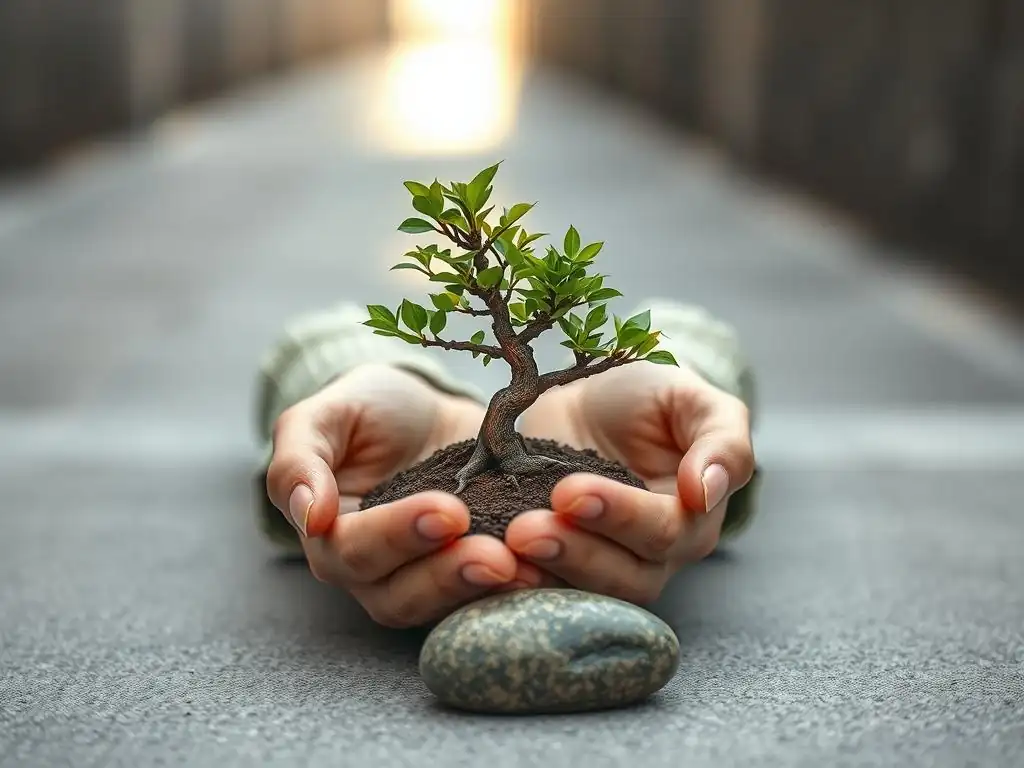
Implementing self-care practices sounds simple in theory, but in reality, there are common obstacles that can make it challenging. Recognizing these hurdles is the first step to overcoming them and consistently applying your selfcare overwhelm management techniques.
These obstacles often relate to time, mindset, or external pressures. Developing strategies to navigate them is crucial for making self-care a sustainable part of your life.
Addressing Time Constraints and Prioritization Challenges
One of the most frequently cited reasons for not practicing self-care is lack of time. When feeling overwhelmed, adding another item to the to-do list can feel impossible. However, viewing self-care as a luxury rather than a necessity is the core of the problem. Self-care isn't something extra; it's the fuel that allows you to handle everything else.
To address time constraints, start small. Even 5-10 minutes of a chosen activity can make a difference. Schedule self-care like any other important appointment. Prioritize it by recognizing its value in preventing burnout and enhancing your overall effectiveness. Use time blocking or create a simple daily checklist:
- [ ] 10 min walk
- [ ] 5 min breathing exercise
- [ ] Drink 8 glasses of water
Combating Feelings of Guilt or Selfishness
Many people feel guilty or selfish when they take time for themselves, especially if they have many responsibilities or feel others rely on them. This feeling often stems from societal conditioning that values productivity and self-sacrifice. However, neglecting your own needs is not sustainable and ultimately harms your ability to care for others effectively.
Reframe self-care as an act of responsibility – you are taking care of yourself so that you can be present and capable for others. Understand that you deserve care and rest simply because you are a human being, not because you have earned it by being constantly productive. Challenging the belief that self-care is selfish is vital for consistent selfcare overwhelm management techniques.
Maintaining Consistency in Your Self-Care Routine
Starting a self-care routine is one thing; maintaining it consistently, especially when life gets busy or challenging, is another. It's easy to let self-care slide when you feel overwhelmed or when new demands arise. This inconsistency can lead to a cycle where you only engage in self-care when you're already in crisis mode.
To maintain consistency, be flexible. If you miss a planned activity, don't view it as a failure; just get back on track as soon as possible. Track your self-care activities in a planner or app to build accountability. Find an accountability buddy. Remind yourself regularly why self-care is important for managing overwhelm and protecting your well-being. Small, consistent efforts are more effective than occasional grand gestures.
Mastering Selfcare Overwhelm Management Techniques: Your Path to Well-being
Frequently Asked Questions
What is self-care overwhelm, and why does it happen?
Self-care overwhelm occurs when the pressure to engage in numerous self-care activities becomes stressful itself. This often happens because people feel they must do everything, leading to anxiety and guilt.
How can I identify if I'm experiencing self-care overwhelm?
Look for signs like feeling more stressed after attempting self-care, experiencing guilt for not doing enough, or avoiding self-care altogether. These signals indicate your self-care routine needs adjustment.
What are some simple self-care techniques I can use in difficult moments to avoid overwhelm?
Focus on small, manageable actions, such as deep breathing exercises, a short walk, or listening to calming music. These mini-moments of self-care can provide immediate relief without adding to stress.
How do I personalize my self-care routine to prevent future overwhelm?
Prioritize activities that genuinely bring you joy and relaxation, rather than following trends. Regularly assess your routine and eliminate anything that feels like a chore.
Where can I find more resources and support for managing self-care overwhelm?
The Mind Care Guide website provides a comprehensive collection of articles, tools, and resources. Seeking guidance from a therapist or counselor can also offer personalized strategies and support.
Final Reflection: Finding Stillness Amidst the Storm
The relentless pace of modern life leaves many of us feeling overwhelmed, a pervasive feeling that impacts our mental and physical well-being. This article explored practical self-care techniques designed to navigate these turbulent waters, offering a lifeline in the face of seemingly insurmountable pressures. Understanding and implementing these strategies isn't just a luxury; it's a necessity for thriving in today's demanding world.
The impact of chronic overwhelm extends far beyond individual struggles; it shapes our collective cultural landscape, influencing productivity, relationships, and even societal structures. We live in a culture that often glorifies busyness, subtly (and sometimes overtly) punishing those who prioritize self-care. This needs to change. Self-care is not selfish. You cannot serve from an empty vessel.
This quote perfectly encapsulates the importance of prioritizing our own well-being, not just for personal gain, but for the benefit of those around us. We can only truly give our best when we've taken the time to replenish ourselves.
Now, I invite you to reflect on your own relationship with overwhelm. Identify your personal triggers, and consciously choose one or two techniques from this article to integrate into your daily life. Start small, perhaps with a five-minute mindfulness exercise or a short walk in nature. Remember, self-care is a journey, not a destination. By consistently prioritizing your well-being, you'll not only navigate difficult moments with greater ease, but you'll cultivate a deeper sense of resilience and inner peace. Begin your journey to a calmer, more fulfilling life today.
Unleash Your Inner Calm: Practical Steps to Manage Stress
Thank you for taking the time to explore self-care strategies for navigating challenging moments. We hope you found valuable insights to help you better manage stress and build resilience. Now, let's put these tools into action!
- Prioritize one self-care practice: Choose one technique from the article – whether it's mindful breathing, a short walk, or journaling – and commit to doing it daily for the next week. This small step can make a big difference!
- Share your experience: Tell us (or a friend!) about your chosen self-care practice and how it’s working for you. Sharing your journey can inspire others and deepen your own commitment.
- Explore complementary resources: Consider researching other Mind Care Guide articles on stress management or mindfulness to further enhance your self-care routine.
What small act of self-compassion will you commit to today?