
Nightly Rituals for a Peaceful Mind: Building a Sleep Hygiene Routine That Works


Welcome to Mind Care Guide.
Feeling overwhelmed by anxiety that creeps in just as you're trying to drift off? You're not alone. We understand the toll sleepless nights can take on your mental well-being. In this guide, we'll unravel the power of a simple, yet effective tool: a sleep hygiene routine anxiety relief. Discover how establishing nightly rituals can transform restless nights into peaceful slumber and unlock a calmer, more centered you. Keep reading to learn how to build a routine that truly works.
Nightly Rituals for a Peaceful Mind: Building a Sleep Hygiene Routine That Works
- Understanding Sleep Hygiene for Anxiety Relief
- Creating Your Personalized Sleep Hygiene Routine for Anxiety
- Troubleshooting Your Sleep Hygiene Routine: Addressing Common Challenges
- Maintaining Long-Term Sleep Hygiene Habits for Lasting Anxiety Relief
-
Frequently Asked Questions
- What exactly is a sleep hygiene routine and how does it relate to anxiety relief?
- How can building a sleep hygiene routine specifically help with managing anxiety?
- What are some key elements to include in a sleep hygiene routine focused on anxiety relief?
- How long does it typically take to see the benefits of a consistent sleep hygiene routine on anxiety levels?
- What should I do if I've tried implementing a sleep hygiene routine and am still struggling with anxiety and sleep problems?
- Final Reflection: Cultivating Calm in a Chaotic World
- Unlock Your Best Sleep: Start Your Peaceful Nightly Ritual Now!
Understanding Sleep Hygiene for Anxiety Relief
What is Sleep Hygiene and Why Does it Matter for Mental Well-being?
Sleep hygiene refers to the set of habits and environmental factors that can be modified to improve sleep quality and duration. It's essentially a behavioral and environmental approach to sleep. Implementing a robust sleep hygiene routine is not merely about getting more hours of sleep; it's about cultivating sleep that is restful and restorative, which is profoundly important for overall mental well-being. For individuals grappling with anxiety, disturbed sleep is a common and debilitating symptom, often creating a vicious cycle where anxiety prevents sleep, and lack of sleep exacerbates anxiety.
Developing a mindful sleep hygiene routine can act as a powerful tool in breaking this cycle. By consistently practicing healthy sleep habits, you signal to your brain and body that it's time to wind down and prepare for rest. This predictability can significantly reduce the anticipatory anxiety that often arises as bedtime approaches for those who struggle with sleep.
It's estimated that a significant portion of people with anxiety disorders also report sleep problems, highlighting the critical link between these two aspects of health. A well-structured sleep hygiene routine offers a concrete, actionable strategy for regaining a sense of control over sleep, which in turn can lead to substantial anxiety relief.
The Link Between Poor Sleep and Increased Anxiety
The relationship between poor sleep and anxiety is deeply intertwined and bidirectional. Lack of adequate sleep can heighten the brain's reactivity to stress, making individuals more prone to feeling anxious and overwhelmed during the day. Research, including studies using fMRI scans, has shown that sleep deprivation can lead to increased activity in the amygdala, the brain region associated with fear and emotional responses, while decreasing activity in the prefrontal cortex, responsible for rational thought and emotional regulation. This imbalance makes it harder to manage worries and can trigger or worsen anxiety symptoms.
Conversely, anxiety itself is a major disruptor of sleep. Racing thoughts, persistent worries, and physical tension can make it difficult to fall asleep, stay asleep, or achieve deep, restorative sleep stages. This chronic sleep disturbance can lead to fatigue, irritability, difficulty concentrating, and a diminished ability to cope with daily stressors – all of which can further fuel anxiety. Breaking this negative feedback loop often requires a targeted approach that addresses both sleep habits and anxiety management techniques, making a dedicated sleep hygiene routine for anxiety relief an essential component of a holistic mental health strategy.
Debunking Common Sleep Myths Affecting Anxiety Sufferers
Numerous myths about sleep can inadvertently worsen anxiety for those struggling to rest. One pervasive myth is that you can "catch up" on lost sleep during the weekend. While extra rest can help somewhat, consistently varying sleep times disrupts the body's natural circadian rhythm, making it harder to fall asleep on subsequent nights and potentially increasing anxiety about Monday morning. Another myth is that alcohol or sedatives are good sleep aids; while they might induce drowsiness initially, they often disrupt sleep later in the night, preventing deep REM sleep crucial for emotional processing, which is vital for managing anxiety.
A third harmful myth is that you should stay in bed until you fall asleep, no matter how long it takes. For someone with anxiety, lying awake in bed for hours can turn the bedroom into a source of frustration and stress, associating the space with wakefulness and worry rather than rest.
Experts often recommend getting out of bed after about 20-30 minutes of wakefulness, going to another room to do something quiet and relaxing in dim light, and returning to bed only when feeling sleepy. Addressing these and other sleep myths is crucial for building an effective sleep hygiene routine anxiety relief plan, empowering individuals with accurate information to make healthier choices about their sleep.
Creating Your Personalized Sleep Hygiene Routine for Anxiety
Step 1: Optimize Your Bedroom Environment for Better Sleep
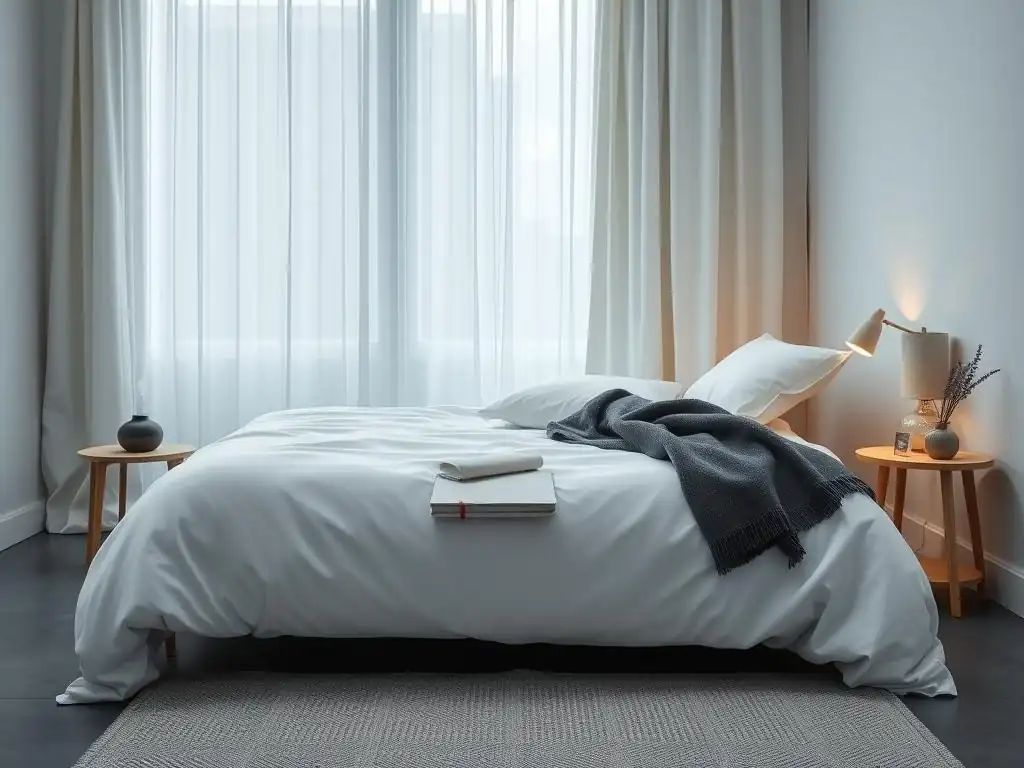
Creating a sleep sanctuary is fundamental to a successful sleep hygiene routine anxiety relief strategy. The bedroom should be a space dedicated primarily to sleep and intimacy, free from work, screens, and clutter that can trigger stress or alertness. Focusing on key environmental factors—temperature, darkness, and noise—can significantly improve sleep quality, especially for those prone to anxiety.
Research suggests the optimal bedroom temperature for sleep is relatively cool, somewhere between 60 and 67 degrees Fahrenheit (about 15 to 19 degrees Celsius). A cooler environment helps lower your core body temperature, which is a natural part of the sleep process. Ensuring the room is as dark as possible blocks light signals that tell your brain to be awake; consider blackout curtains or an eye mask. Minimizing noise disturbances, whether through earplugs, a white noise machine, or soundproofing, creates a peaceful environment less likely to trigger awakenings or anxious thoughts.
Temperature, Darkness, and Noise Considerations for Anxiety Reduction
Maintaining a consistently cool, dark, and quiet bedroom environment sends powerful signals to your body that it's time to rest. For someone with anxiety, this predictability and lack of external stimuli can reduce the mental chatter and physical tension that often accompanies bedtime. For example, a sudden noise might trigger a stress response in someone with heightened anxiety, making it difficult to fall back asleep. A white noise machine providing a constant, soothing sound can mask these sudden noises, creating a more stable environment.
Similarly, even small amounts of light, such as from streetlights or electronic devices, can suppress melatonin production, the hormone that regulates sleep. Ensuring complete darkness reinforces the body's natural sleep-wake cycle. By meticulously controlling these environmental factors, you create a passive support system for your sleep hygiene routine anxiety relief efforts, making it easier for your body and mind to relax and transition into sleep.
Choosing the Right Mattress and Pillows for Sleep Quality
While often overlooked in sleep hygiene discussions, the comfort and support provided by your mattress and pillows play a significant role in sleep quality. An uncomfortable sleeping surface can lead to tossing and turning, physical discomfort, and fragmented sleep, all of which can exacerbate anxiety symptoms. Investing in a mattress that provides adequate support for your spine and is comfortable for your preferred sleeping position is crucial.
Pillows are equally important for maintaining proper neck and spinal alignment. The right pillow can prevent stiffness and pain, allowing you to relax more fully. While personal preference varies greatly, consider factors like firmness, loft (height), and fill material. Think of your mattress and pillows as essential components of your sleep environment, contributing to the overall comfort and physical relaxation needed for effective sleep hygiene routine anxiety relief. Ensuring physical comfort removes a potential source of frustration and discomfort that could otherwise fuel anxious thoughts at bedtime.
Step 2: Establish a Consistent Sleep Schedule
One of the most impactful components of any effective sleep hygiene routine is establishing and maintaining a consistent sleep schedule, even on weekends. Going to bed and waking up at roughly the same time every day helps regulate your body's internal clock, known as the circadian rhythm. This rhythm dictates when you feel sleepy and when you feel alert, and keeping it consistent makes it easier to fall asleep at night and wake up feeling refreshed in the morning.
Irregular sleep schedules can throw your circadian rhythm out of sync, leading to symptoms often referred to as "social jetlag." This disruption can make it harder to initiate sleep, result in fragmented sleep, and increase daytime fatigue, all of which are known triggers and amplifiers of anxiety. Aim for a target bedtime and wake-up time that allows for approximately 7-9 hours of sleep, which is the recommended range for most adults. Consistency is key to training your body for optimal rest and supporting your sleep hygiene routine anxiety relief goals.
The Importance of Circadian Rhythm Regularity
The circadian rhythm is a roughly 24-hour cycle that influences various physiological processes, including sleep-wake patterns, hormone release, and body temperature. Light is the primary external cue that helps set this internal clock. By exposing yourself to natural light shortly after waking and minimizing light exposure (especially blue light from screens) in the hours before bed, you help reinforce a strong, regular rhythm.
Maintaining a consistent sleep schedule aligns your body's natural sleep drive with your planned bedtime, making it easier to fall asleep. When your circadian rhythm is out of sync, you might feel wide awake when you want to sleep and groggy when you need to be alert. For someone with anxiety, this dysregulation can add another layer of stress and unpredictability, making it harder to manage symptoms. A regular schedule is a cornerstone of a reliable sleep hygiene routine anxiety relief plan.
How to Manage Weekend Sleep Schedule Variations
While ideal sleep hygiene suggests minimal variation, strict adherence on weekends can be challenging. The goal is to minimize the disruption to your circadian rhythm. Try to limit the difference between your weekday and weekend wake-up times to no more than one hour. For instance, if you wake up at 7 AM on weekdays, aim to wake up by 8 AM on weekends.
Avoiding significant "lie-ins" helps prevent the disruption that makes it harder to fall asleep on Sunday night, often leading to "Sunday scaries" (anxiety about the week ahead). If you feel the need for extra rest, a short nap (20-30 minutes) in the early afternoon is preferable to sleeping in significantly later. Managing weekend variations mindfully is a practical step in maintaining the consistency needed for an effective sleep hygiene routine anxiety relief strategy throughout the week.
Step 3: Develop Relaxing Pre-Sleep Rituals
The hour or two before bed should be a transition period, signaling to your body and mind that it's time to wind down. Engaging in calming pre-sleep rituals is a critical component of a sleep hygiene routine anxiety relief strategy, helping to lower physiological arousal and quiet racing thoughts that often keep anxious individuals awake. This period should be free from stimulating activities like intense exercise, work, or stressful conversations.
Instead, focus on activities that promote relaxation. This might include taking a warm bath, listening to soothing music, gentle stretching, reading a physical book (not on a backlit device), or practicing mindfulness or meditation. The key is consistency; doing the same sequence of calming activities each night creates a predictable routine that your body will begin to associate with sleepiness and relaxation.
Mindfulness and Meditation Techniques for Anxiety Relief Before Bed
Mindfulness and meditation are powerful tools for quieting an anxious mind before sleep. Simple practices, such as focusing on your breath or doing a body scan, can help anchor you in the present moment and reduce the tendency to ruminate on worries about the past or future. Even just 5-10 minutes of seated meditation or mindful breathing can make a significant difference in your ability to relax.
Guided meditations specifically designed for sleep or anxiety are widely available and can be particularly helpful. These practices train your mind to observe thoughts without judgment, reducing their power to trigger anxiety and keep you awake. Incorporating mindfulness into your pre-sleep ritual is a direct way to address the cognitive aspects of anxiety that interfere with sleep, strengthening your sleep hygiene routine anxiety relief efforts.
The Power of Gentle Stretching or Yoga for Sleep
Physical tension is a common symptom of anxiety, and releasing this tension before bed can significantly improve sleep quality. Gentle stretching or restorative yoga poses can help relax muscles and calm the nervous system. Avoid vigorous exercise, but a light sequence of stretches, focusing on areas like the neck, shoulders, hips, and hamstrings, can ease physical discomfort and promote a sense of ease.
Poses like Child's Pose, Legs-Up-the-Wall, or a gentle supine twist held for several breaths can activate the parasympathetic nervous system, which is responsible for rest and digestion. This physical relaxation complements mental relaxation techniques, providing a holistic approach within your sleep hygiene routine anxiety relief plan. Spending even 15-20 minutes stretching can make your body feel more relaxed and ready for sleep.
Reading and Avoiding Blue Light Exposure Before Sleep
Reading a physical book is a classic pre-sleep activity that can help you unwind. It provides a distraction from worries and can induce a state of drowsiness. However, the type of reading material matters; avoid anything too stimulating, frightening, or work-related. Opt for fiction or light non-fiction that is engaging but not overly exciting.
Crucially, avoid screens (phones, tablets, computers, e-readers with backlights) in the hour or two before bed. These devices emit blue light, which mimics daylight and suppresses melatonin production, making it harder to fall asleep. If you must use a screen, many devices have a "night mode" that filters blue light, but ideally, avoiding screens altogether is best for optimizing your sleep hygiene routine anxiety relief.
Step 4: Monitor Your Diet and Hydration Before Bed
What you eat and drink, and when you consume it, can significantly impact your ability to fall and stay asleep. Paying attention to dietary habits in the hours leading up to bedtime is an important, though sometimes overlooked, part of a comprehensive sleep hygiene routine anxiety relief strategy. Certain substances can be disruptive, while others might be mildly helpful.
Avoid heavy meals, excessive fluids, caffeine, and alcohol close to bedtime. Eating a large meal right before sleep can lead to digestive discomfort, while too much fluid can cause awakenings for bathroom breaks. Caffeine is a stimulant that can keep you awake for hours, even if consumed in the late afternoon. While alcohol might initially make you feel sleepy, it disrupts sleep architecture later in the night, preventing restorative sleep.
Foods and Drinks to Avoid for Improved Sleep
Caffeine's effects can last for many hours; some individuals are sensitive enough that caffeine consumed in the early afternoon can still impact sleep onset at night. Try to cut off caffeine intake at least 6-8 hours before your planned bedtime. Alcohol, while seemingly relaxing, significantly disrupts REM sleep, which is crucial for emotional processing and memory consolidation – vital for managing anxiety. Avoid alcohol within 3-4 hours of sleep.
Spicy or acidic foods can cause heartburn or indigestion, making it uncomfortable to lie down. Large amounts of fluids can lead to nighttime awakenings. Sugary snacks can cause blood sugar spikes and crashes, potentially disrupting sleep. Being mindful of these common culprits is essential for preventing unnecessary sleep disturbances within your sleep hygiene routine anxiety relief efforts.
Best Late-Night Snacks for Promoting Relaxation
If you feel genuinely hungry before bed, a light, sleep-friendly snack can prevent hunger pangs from keeping you awake. Opt for small portions of foods that contain tryptophan, an amino acid that the body converts into serotonin and then melatonin. Examples include a small bowl of oatmeal, a banana, a handful of almonds or walnuts, or a small glass of warm milk.
Combining a carbohydrate with a protein source can also be effective, such as a small piece of whole-wheat toast with a little peanut butter. The goal is a light snack, not a full meal, consumed perhaps an hour before bed. These types of snacks can subtly support your body's natural sleep processes without causing digestive distress, fitting gently into your sleep hygiene routine anxiety relief plan.
Step 5: Manage Stress and Anxiety Throughout the Day
While nightly rituals are crucial, managing stress and anxiety throughout the day is equally important for improving sleep at night. Chronic daytime stress and unresolved worries can easily spill over into bedtime, making it impossible to relax. Integrating stress-management techniques into your daily life is a vital complement to your sleep hygiene routine anxiety relief strategy.
This might involve scheduling short breaks during the day, practicing deep breathing exercises when feeling overwhelmed, or engaging in activities you enjoy. Proactively addressing anxiety during waking hours reduces the mental burden you carry into the night, making it easier for your sleep hygiene efforts to be effective. Think of daytime management as setting the stage for peaceful nights.
Journaling and Thought Reframing Techniques
If your anxiety manifests as racing thoughts or persistent worries at bedtime, journaling can be incredibly helpful. Designate a specific time earlier in the evening, perhaps an hour or two before your wind-down routine begins, to write down whatever is on your mind. This "brain dump" can help you process worries and get them out of your head and onto paper, reducing their tendency to surface when you're trying to sleep.
Thought reframing involves challenging negative or anxious thought patterns. Instead of dwelling on worst-case scenarios, try to identify more balanced or realistic perspectives. Techniques from Cognitive Behavioral Therapy (CBT), such as examining the evidence for and against a worry, can be practiced during the day to build resilience and reduce the intensity of anxious thoughts that might otherwise disrupt your sleep hygiene routine anxiety relief.
Incorporating Exercise into Your Daily Routine (But Not Too Close to Bedtime)
Regular physical activity is well-documented to reduce stress and anxiety levels and improve sleep quality. Aim for at least 30 minutes of moderate-intensity exercise most days of the week. Exercise helps regulate mood, reduces tension, and can make you feel more physically tired, promoting deeper sleep.
However, the timing of exercise is important for sleep hygiene. Avoid vigorous workouts in the 2-3 hours before your planned bedtime, as they can be stimulating and raise your body temperature, making it harder to fall asleep. Morning or afternoon exercise is generally best for supporting a healthy sleep-wake cycle and enhancing the effectiveness of your sleep hygiene routine anxiety relief efforts.
Troubleshooting Your Sleep Hygiene Routine: Addressing Common Challenges
Dealing with Insomnia and Sleep Disturbances
Even with a diligent sleep hygiene routine, individuals with anxiety may still experience nights of insomnia or frequent awakenings. It's important not to become overly distressed by occasional poor nights, as this can create performance anxiety about sleep itself. If you find yourself unable to fall asleep after about 20-30 minutes, or if you wake up and cannot return to sleep within that time frame, get out of bed.
Go to another room and engage in a quiet, non-stimulating activity in dim light, such as reading a physical book or listening to quiet music. Avoid screens, bright lights, and frustratingly trying to force sleep. Return to bed only when you feel genuinely sleepy again. This strategy helps break the association between your bed and wakeful frustration, reinforcing the bed as a place for sleep and improving your long-term sleep hygiene routine anxiety relief success. Consistency with this approach, even on tough nights, is key.
Anxiety can manifest in sleep through unsettling dreams, including nightmares or, less commonly in adults, sleep terrors. Nightmares typically occur during REM sleep, often in the latter part of the night, and you usually remember them upon waking. Sleep terrors occur during deep non-REM sleep earlier in the night and involve sudden awakenings with intense fear, but little or no memory of a dream.
For frequent nightmares related to anxiety, techniques like Imagery Rehearsal Therapy (IRT) can be helpful. This involves rewriting the nightmare's narrative during the day to give it a less threatening outcome and rehearsing the new version in your mind. Addressing underlying daytime anxiety through therapy and stress management is also crucial. Maintaining a consistent sleep schedule helps stabilize sleep stages, which can sometimes reduce the frequency of these disturbances, supporting your sleep hygiene routine anxiety relief more broadly.
When to Seek Professional Help for Sleep Problems and Anxiety
While a robust sleep hygiene routine is a powerful tool, it may not be sufficient for everyone, especially if sleep problems are severe or persistent, or if anxiety is debilitating. If you consistently struggle to fall or stay asleep, experience excessive daytime sleepiness, or if your sleep difficulties are significantly impacting your mood, health, or daily functioning despite implementing sleep hygiene, it's time to consult a healthcare professional.
This could be your primary care doctor, a sleep specialist, or a mental health professional. They can help rule out underlying medical conditions contributing to sleep issues (like sleep apnea or restless legs syndrome) and assess the severity of your anxiety. Therapies like Cognitive Behavioral Therapy for Insomnia (CBT-I) are highly effective and often recommended as a first-line treatment for chronic insomnia, particularly when linked to anxiety. A professional can provide tailored strategies and support beyond general sleep hygiene routine anxiety relief advice.
Maintaining Long-Term Sleep Hygiene Habits for Lasting Anxiety Relief
Tracking Your Sleep and Identifying Patterns
Maintaining the benefits of a sleep hygiene routine for anxiety relief requires ongoing effort and awareness. One helpful strategy is to track your sleep patterns. You don't need fancy gadgets; a simple sleep diary where you record your bedtime, estimated time to fall asleep, number of awakenings, wake-up time, and how rested you feel upon waking can provide valuable insights.
Over time, reviewing your sleep diary can help you identify specific habits, foods, or activities that negatively impact your sleep or trigger anxiety at night. For example, you might notice that late-night caffeine or watching a stressful TV show consistently leads to poorer sleep. This data allows you to make informed adjustments to your routine, reinforcing the habits that work best for you and sustaining your sleep hygiene routine anxiety relief benefits.
Adapting Your Routine to Life Changes and Travel
Life is full of changes – new jobs, relationship shifts, travel, or illness – and these can disrupt even the best-established sleep hygiene routine. The key is flexibility and adaptation rather than abandoning your habits entirely. When traveling across time zones, try to adjust your sleep schedule gradually in the days leading up to your trip and expose yourself to natural light at appropriate times upon arrival to help reset your circadian rhythm.
During periods of increased stress or life changes, be extra diligent about sticking to your core sleep hygiene principles, such as maintaining a consistent bedtime and wake-up time as much as possible and prioritizing your wind-down ritual. Recognize that perfection isn't required, but consistent effort to adapt your sleep hygiene routine anxiety relief practices will help you navigate disruptions more smoothly.
The Importance of Consistency and Patience
Building and maintaining an effective sleep hygiene routine for anxiety relief is a process that requires consistency and patience. You likely won't see dramatic improvements overnight, especially if you've struggled with sleep and anxiety for a long time. Small, consistent steps taken nightly will yield better results than sporadic, intense efforts.
Be kind to yourself on nights when sleep is elusive despite your best efforts; anxiety can be powerful. Simply return to your routine the following night. Celebrate small victories, like falling asleep a little faster or having fewer awakenings. Over time, sticking to your sleep hygiene practices will strengthen the positive association between your routine and restful sleep, providing lasting support in managing anxiety and improving your overall well-being.
Disclaimer: This article provides general information and is not a substitute for professional medical or psychological advice.
Frequently Asked Questions
What exactly is a sleep hygiene routine and how does it relate to anxiety relief?
A sleep hygiene routine is a set of consistent habits and practices you do before bed to improve sleep quality. It relates to anxiety relief because better sleep often leads to reduced anxiety symptoms.
How can building a sleep hygiene routine specifically help with managing anxiety?
A good routine promotes relaxation and signals to your body that it's time to sleep, helping to regulate your nervous system and reduce racing thoughts often associated with anxiety. This can help to reduce overall stress and improve mood.
What are some key elements to include in a sleep hygiene routine focused on anxiety relief?
Key elements include establishing a consistent sleep schedule, creating a relaxing bedtime environment, avoiding caffeine and alcohol before bed, and incorporating mindfulness practices like meditation or deep breathing.
How long does it typically take to see the benefits of a consistent sleep hygiene routine on anxiety levels?
While it varies from person to person, many people start noticing improvements in their sleep and anxiety levels within a few weeks of consistently following a well-structured sleep hygiene routine.
What should I do if I've tried implementing a sleep hygiene routine and am still struggling with anxiety and sleep problems?
If your anxiety and sleep issues persist despite your best efforts, it's crucial to seek professional help. A therapist or doctor can help you identify underlying causes and develop a personalized treatment plan.
Final Reflection: Cultivating Calm in a Chaotic World
The pursuit of a peaceful mind is no longer a luxury, but a necessity in our increasingly demanding world. The overwhelming pressures of modern life often leave us struggling to unwind, leading to sleep deprivation and heightened anxiety. This article explored the power of establishing a consistent sleep hygiene routine as a proactive tool to combat these challenges, offering practical strategies to reclaim control over your mental and physical well-being.
The impact of sleep on our mental and emotional landscape is profound and often underestimated. A good night's rest isn't just about feeling refreshed; it's fundamental to our ability to cope with stress, regulate emotions, and navigate the complexities of daily life. As Aristotle wisely observed, For the things we have to learn before we can do them, we learn by doing them.
This applies directly to sleep hygiene: the more consistently we practice these healthy habits, the more naturally they become ingrained, leading to a more peaceful and productive existence.
Now, consider your own nightly routine. What elements contribute to a restful sleep, and which ones might be hindering your ability to unwind? I invite you to take a moment to reflect on your current habits and identify areas for improvement. Start small, perhaps by incorporating just one new practice from this article into your evening ritual. With consistent effort and self-compassion, you can cultivate a sanctuary of calm amidst the chaos, transforming your nights into a foundation for a more peaceful and fulfilling life.
Unlock Your Best Sleep: Start Your Peaceful Nightly Ritual Now!
Thanks for taking the time to explore the power of a consistent sleep hygiene routine! You've learned valuable techniques to transform your nights into peaceful escapes. Now it's time to put that knowledge into action.
- Prioritize your primary sleep ritual: Choose one new technique from the article – whether it's a calming bedtime tea, a relaxing meditation, or a consistent sleep schedule – and commit to it for a week. Notice the difference!
- Share your sleep journey: Tell a friend or family member about your experience. Sharing your progress helps solidify your commitment and might even inspire others to join you.
- Explore our community: Join the conversation in the comments below! Share your favorite calming techniques, and let’s support each other in creating peaceful nights.
What small step will you take tonight to cultivate a more restful sleep?