
From Overwhelmed to Calm: A Yoga Sequence for Stress

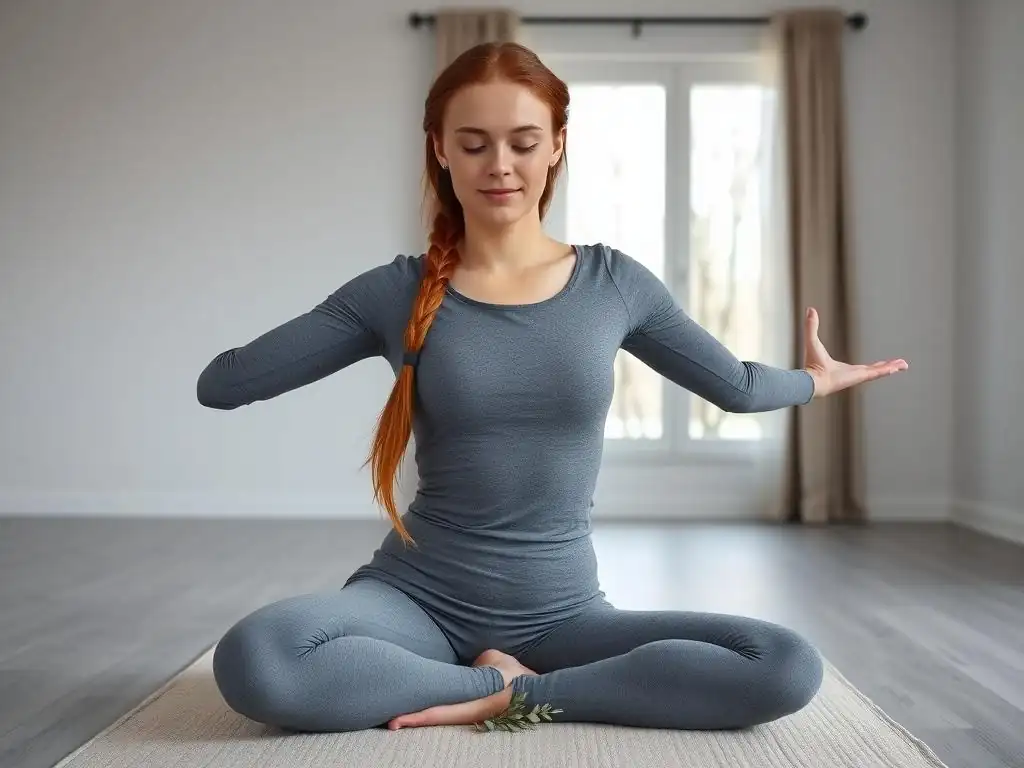
Welcome to Mind Care Guide, a sanctuary for your well-being. Feeling overwhelmed? You're not alone. Dive into our comprehensive guide, starting with a calming yoga sequence for stress relief, and discover practical tools and resources to navigate life's challenges. Let's embark on this journey to inner peace together; your path to mental well-being starts now.
From Overwhelmed to Calm: A Yoga Sequence for Stress Relief
- Introduction: Finding Calm with Yoga
- Understanding Stress and Its Impact
- Preparing for Your Practice
-
The Yoga Sequence: Step-by-Step
- Pose 1: Child's Pose (Balasana) - Grounding
- Pose 2: Cat-Cow Pose (Marjaryasana to Bitilasana) - Releasing Tension
- Pose 3: Downward-Facing Dog (Adho Mukha Svanasana) - Energizing and Calming
- Pose 4: Warrior II (Virabhadrasana II) - Building Strength and Stability
- Pose 5: Triangle Pose (Trikonasana) - Releasing Tension
- Pose 6: Seated Forward Fold (Paschimottanasana) - Calming the Mind
- Pose 7: Legs-Up-the-Wall Pose (Viparita Karani) - Gentle Inversion
- Pose 8: Corpse Pose (Savasana) - Deep Relaxation
- Maximizing Stress-Relieving Benefits
- Integrating Yoga Principles into Daily Life
- Conclusion: Embrace the Calming Power of Yoga.
-
Frequently Asked Questions
- What is the primary benefit of using a yoga sequence for stress relief?
- How often should I practice this yoga sequence for stress relief to see results?
- Are there any specific yoga postures in this sequence that are particularly effective for stress?
- Can beginners practice this yoga sequence, or is it only for experienced yogis?
- What else can I do besides yoga to manage my stress levels effectively?
- Final Reflection: Finding Stillness in the Storm
- Unwind and Find Your Flow: Start Your Stress-Melting Journey
Introduction: Finding Calm with Yoga
In the hustle and bustle of modern life, stress has become an unwelcome companion for many. It can feel like a constant weight, impacting our physical health, emotional balance, and overall well-being. Finding effective ways to navigate this pervasive challenge is crucial for maintaining a healthy mind and body. While numerous approaches exist, the ancient practice of yoga offers a powerful and holistic pathway to stress reduction, utilizing movement, breath, and mindfulness to restore a sense of calm.
This article will guide you through a gentle yet effective yoga sequence for stress relief, specifically designed to help you transition from a state of feeling overwhelmed to one of greater peace and presence. By mindfully moving through these postures and connecting with your breath, you can activate your body's natural relaxation response and cultivate inner tranquility.
Understanding Stress and Its Impact
Stress is a complex physiological and psychological response to demanding situations. While short-term stress can be motivating, chronic stress can have detrimental effects on nearly every system in the body. Recognizing these impacts is the first step toward finding effective strategies, like a targeted yoga sequence for stress, to manage them.
The Physical and Emotional Toll
Chronic stress triggers the body's "fight or flight" response, leading to the release of hormones like cortisol and adrenaline. Prolonged exposure to elevated levels of these hormones can contribute to various health issues. Physically, many people experience muscle tension, particularly in the neck, shoulders, and back, as well as headaches, digestive problems, and even a weakened immune system.
For instance, persistent tension headaches are a common manifestation of chronic stress, affecting millions globally. Similarly, stress can exacerbate conditions like irritable bowel syndrome (IBS), with estimates suggesting a significant portion of IBS sufferers report stress as a major trigger for their symptoms.
Emotionally, stress often manifests as anxiety, irritability, difficulty concentrating, and feelings of being overwhelmed or helpless. This emotional burden can strain relationships and reduce overall quality of life. For example, someone under chronic work stress might experience increased anxiety about deadlines, leading to sleep disturbances and a reduced ability to focus on tasks, creating a negative feedback loop. The constant state of alert can deplete emotional reserves, making it harder to cope with daily challenges and leading to feelings of burnout.
Yoga's Role in Stress and Anxiety Management
Yoga offers a multifaceted approach to managing stress and anxiety by addressing both the physical and mental aspects. The combination of physical postures (asanas), breathing techniques (pranayama), and meditation helps to calm the nervous system. Research consistently points to yoga's ability to lower cortisol levels, often referred to as the primary stress hormone. A study published in the Journal of Alternative and Complementary Medicine, for example, indicated that regular yoga practice significantly reduced cortisol levels in participants compared to a control group.
Beyond hormonal effects, yoga promotes a shift from the sympathetic nervous system (responsible for the stress response) to the parasympathetic nervous system (responsible for rest and digestion). This shift can result in a lower heart rate, reduced blood pressure, and a greater sense of calm. The mindful movement encourages body awareness, allowing individuals to recognize and release stored tension. Furthermore, the focus on breath control provides a tangible tool for managing anxiety in the moment, offering a sense of control and grounding when feeling overwhelmed.
Preparing for Your Practice
Before diving into the yoga sequence for stress relief, taking a few moments to prepare your space and mindset can significantly enhance the benefits of your practice. Creating a dedicated time and environment signals to your body and mind that it's time to slow down and nurture yourself. This preparation phase is an integral part of cultivating the calming effect of yoga.
Creating a Calm Environment
Choose a quiet space where you won't be disturbed for the duration of your practice. This doesn't need to be a large area, just enough room to move comfortably. Dim the lights if possible, or use natural light.
Some people find it helpful to light a candle or use an essential oil diffuser with calming scents like lavender or chamomile. Ensure the temperature is comfortable – not too hot or too cold. Clearing the space of clutter can also help create a sense of mental clarity and reduce distractions, allowing you to fully immerse yourself in the yoga sequence for stress.
Making the space feel safe and peaceful encourages your mind to let go of external worries. Think of it as creating a mini-sanctuary for yourself. Even dedicating a small corner of a room can work wonders. The consistency of practicing in the same peaceful spot can build a positive association, making it easier to drop into a state of relaxation each time you step onto your mat.
Essential Props
While you can practice yoga with minimal equipment, a few props can make your yoga sequence for stress more comfortable and accessible, especially if you are new to yoga or have physical limitations. A yoga mat provides cushioning and prevents slipping. A blanket can be used for padding under knees, or for warmth and comfort during Savasana.
Yoga blocks and a strap are particularly useful for modifying poses to suit your body's needs, allowing you to experience the benefits of a stretch without strain. For example, blocks can bring the floor closer in standing poses or support the head in forward folds, reducing tension rather than creating it. Using props empowers you to listen to your body and adapt the practice, ensuring that the experience is nurturing rather than frustrating, which is key when using yoga for stress relief.
Mindful Breathing
Before starting the physical postures, take a few moments to focus on your breath. This simple act is profoundly powerful in calming the nervous system and preparing your mind for the practice. Find a comfortable seated position, close your eyes, and simply notice your breath without trying to change it. Observe the natural inhale and exhale.
Once you feel settled, begin to deepen your breath. Inhale slowly through your nose, feeling your belly and chest expand. Exhale slowly through your nose, gently drawing your navel towards your spine. Try to make your exhales slightly longer than your inhales. This conscious, slow breathing signals to your body that it is safe to relax. Practicing mindful breathing for just a few minutes before starting the yoga sequence for stress relief can significantly enhance its calming effects and help you stay present throughout the practice.
The Yoga Sequence: Step-by-Step
This yoga sequence for stress relief is designed to be gentle and accessible, focusing on poses that promote grounding, release tension, and calm the mind. Move through these poses slowly, connecting each movement with your breath. Listen to your body and modify as needed.
Pose 1: Child's Pose (Balasana) - Grounding
Child's Pose is a foundational resting pose that offers immediate comfort and a sense of grounding. It allows you to turn inward, providing a gentle stretch for the back and hips while calming the mind. This pose is often used at the beginning or end of a yoga sequence for stress, or whenever you need a moment to rest and reconnect.
Benefits for Stress Reduction
This pose is incredibly effective for stress reduction because it encourages surrender and introspection. Resting your forehead on the mat stimulates the third eye point, which is believed to calm the nervous system and relieve headaches. The gentle compression on the front of the body and stretch along the back helps to release physical tension often held in the spine and shoulders due to stress.
Many find that curling into this fetal-like position provides a sense of safety and security, allowing the mind to quiet down and anxieties to dissipate momentarily. It's a pose that asks nothing of you but to simply be, offering a profound sense of relief from the demands of daily life.
Alignment and Modifications
To come into Child's Pose, start on your hands and knees. Bring your big toes to touch and widen your knees about hip-width apart, or even wider for a deeper hip stretch. Lower your hips back towards your heels. Extend your arms forward, resting your forehead on the mat.
If your hips don't comfortably reach your heels, you can place a rolled blanket or block between your hips and heels. If your forehead doesn't reach the mat, stack your fists or use a block under your forehead. Ensure your shoulders are relaxed and your breath is slow and deep. Stay here for 5-10 breaths or longer, allowing your body to fully relax into the pose.
Pose 2: Cat-Cow Pose (Marjaryasana to Bitilasana) - Releasing Tension
Cat-Cow is a gentle flow that warms up the spine and coordinates movement with breath. This simple sequence helps to release tension in the back, neck, and shoulders, areas where stress often accumulates. Moving fluidly between these two shapes can be incredibly soothing and help to break cycles of physical stiffness linked to mental tension.
Relieving Stress and Improving Mobility
The rhythmic movement of Cat-Cow helps to release fascia and muscle tension along the spine, which can become tight and rigid under stress. By articulating each vertebra, you improve spinal mobility and flexibility. This physical release can have a direct impact on emotional tension, as the body and mind are intimately connected.
Focusing on the breath linked to the movement also brings you into the present moment, diverting attention away from stressful thoughts. Many practitioners report feeling a sense of lightness and ease in their back and shoulders after just a few rounds, making it an essential part of a yoga sequence for stress relief.
Synchronizing Breath with Movement
Begin on your hands and knees, wrists stacked under shoulders and knees under hips. As you inhale, drop your belly, lift your chest and tailbone, coming into Cow Pose (Bitilasana). Look slightly forward or up without craning your neck. As you exhale, round your spine towards the ceiling, tuck your chin towards your chest, and let your tailbone drop, coming into Cat Pose (Marjaryasana).
Press firmly into your hands and knees. Continue flowing between these two poses with the rhythm of your breath for 5-10 rounds. Focus on the sensation of the breath initiating the movement, allowing it to be fluid and unforced.
Pose 3: Downward-Facing Dog (Adho Mukha Svanasana) - Energizing and Calming
Downward-Facing Dog is an inversion that offers both energizing and calming benefits. While it builds strength, the mild inversion helps to calm the nervous system by sending blood flow towards the head. It stretches the hamstrings, calves, and shoulders while decompressing the spine.
Stress Relief and Improved Circulation
This pose can be surprisingly calming despite its active nature. The inversion helps to quiet the mind by shifting perspective and promoting relaxation in the brain. By lengthening the spine and stretching the back of the body, it helps to release accumulated physical stress.
The pose also improves circulation, which can help alleviate feelings of sluggishness or fatigue often associated with stress. The effort required in the pose can also act as a healthy distraction from anxious thoughts, grounding you in the physical sensation of your body. Holding the pose steadily while focusing on deep breaths can create a meditative effect, further enhancing its stress-relieving properties.
Modifications for Beginners
Start on your hands and knees. Tuck your toes under and lift your hips up and back, forming an inverted V shape with your body. Your hands should be shoulder-width apart, fingers spread wide, pressing firmly into the mat. Your feet should be about hip-width apart. It's perfectly fine to have a generous bend in your knees, especially if your hamstrings are tight.
You can also keep your heels lifted. The priority is to lengthen your spine and lift your sitting bones towards the ceiling. If wrist pressure is too intense, you can try placing your hands slightly wider or using wedges under your palms. Breathe deeply here for 5-8 breaths, focusing on extending your spine with each inhale and releasing tension with each exhale.
Pose 4: Warrior II (Virabhadrasana II) - Building Strength and Stability
Warrior II is a strong standing pose that cultivates focus, stability, and inner strength. While building heat and endurance, it also encourages a sense of groundedness and presence, which can be empowering when feeling scattered or anxious due to stress. It opens the hips and chest, areas where emotional tension can be held.
Cultivating Inner Strength and Reducing Anxiety
Holding a strong pose like Warrior II requires concentration and steady breathing, which helps to anchor the mind in the present moment. The physical act of standing firm and expansive can translate into a feeling of mental fortitude and resilience. By stretching the hips and opening the chest, the pose helps to counter the hunched posture often adopted when feeling stressed or anxious. This physical opening can create a sense of spaciousness and freedom, reducing feelings of constriction. The pose builds confidence and a sense of empowerment, counteracting feelings of helplessness that chronic stress can induce.
Proper Alignment and Avoiding Mistakes
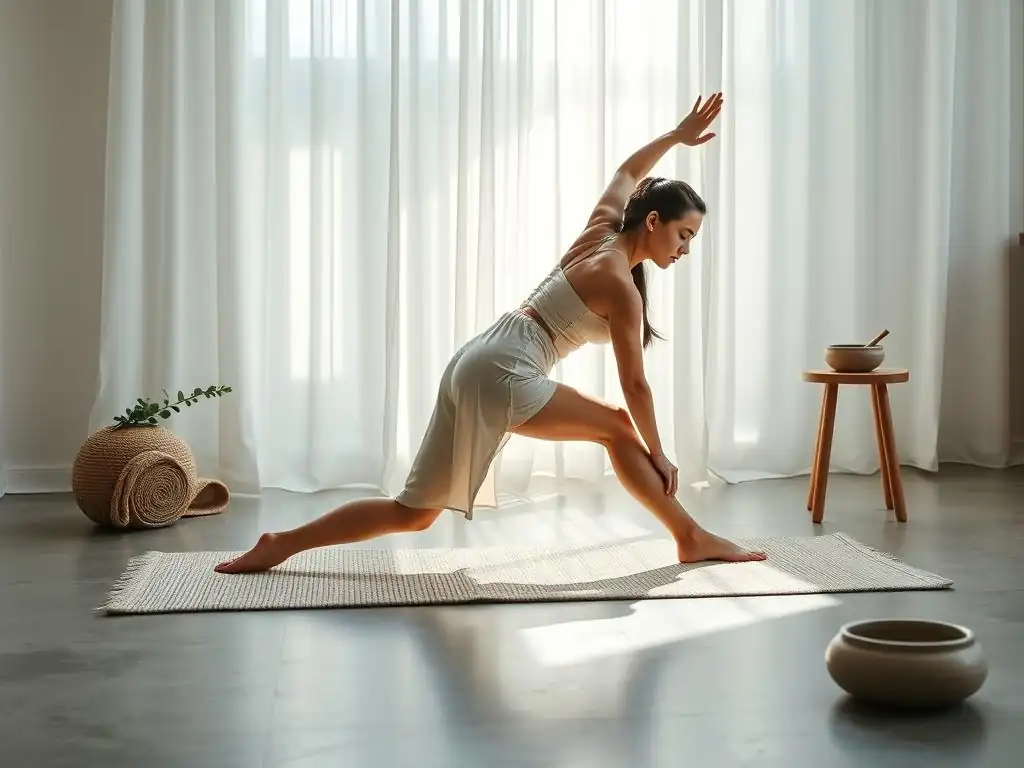
From Downward Dog or standing, step your right foot forward between your hands. Spin your left heel down so your back foot is parallel to the back edge of the mat, toes pointing slightly inward. Align your right heel with the arch of your left foot. Bend your front knee to a 90-degree angle, ensuring your knee is stacked directly over your ankle. Extend your arms parallel to the floor, reaching forward with your right hand and backward with your left, palms facing down.
Gaze over your right fingertips. Keep your shoulders relaxed and down away from your ears. Ensure your torso is centered over your hips, not leaning forward. Hold for 5-8 breaths, feeling strong and grounded. Repeat on the left side.
Pose 5: Triangle Pose (Trikonasana) - Releasing Tension
Triangle Pose is a standing pose that stretches the sides of the body, hamstrings, and hips, while also opening the chest and shoulders. It is both grounding and expansive, helping to release physical tension and create a sense of lightness. This pose promotes balance and stability, both physically and mentally, which is beneficial for navigating the instability that stress can bring.
Enhancing Flexibility and Stress Reduction
By lengthening the side body from the hip to the fingertips, Triangle Pose helps to release tension often stored in the intercostal muscles (between the ribs) and obliques, which can tighten when stressed or anxious. The gentle inversion (when looking up) can help calm the mind, similar to Downward Dog. The broad opening of the chest encourages fuller breathing, which is a key tool in managing stress and anxiety.
Stretching the hamstrings and hips, areas often tight from sitting or stress-induced clenching, further contributes to overall physical release. It's a pose that combines grounding through the feet with expansion through the upper body, fostering a sense of balanced ease.
Maintaining Balance
From Warrior II on the right side, straighten your front leg. Shift your hips slightly back towards your left heel as you reach your right hand forward. Hinge from your right hip, bringing your right hand down to rest on your shin, ankle, a block, or the floor outside your right foot. Extend your left arm straight up towards the ceiling, stacking your left shoulder over your right. Gaze forward or up towards your left hand, or down if looking up strains your neck.
Keep both legs strong and engaged. Avoid locking your front knee; maintain a micro-bend. Ensure your torso isn't collapsing forward; imagine leaning back against an imaginary wall. Hold for 5-8 breaths, then press into your feet to come back up and repeat on the left side.
Pose 6: Seated Forward Fold (Paschimottanasana) - Calming the Mind
Seated Forward Fold is a calming pose that stretches the entire back side of the body, from the heels to the crown of the head. Forward folds are inherently soothing to the nervous system, promoting introspection and relaxation. This pose is a wonderful addition to any yoga sequence for stress relief, helping to quiet the mental chatter.
Relieving Stress and Promoting Relaxation
Forward folds have a profound calming effect on the brain and nervous system. By bringing the head below the heart (even slightly), they can help to reduce anxiety and mild depression. The deep stretch along the back of the body, particularly the spine and hamstrings, helps to release physical tension that can contribute to feelings of stress.
As you fold forward, the pose encourages introspection and turning inward, creating a sense of detachment from external stressors. The gentle compression of the abdomen can also aid digestion, which is often negatively impacted by stress. Many people experience a significant sense of release and quietness in the mind after holding this pose.
Modifications for Tight Hamstrings
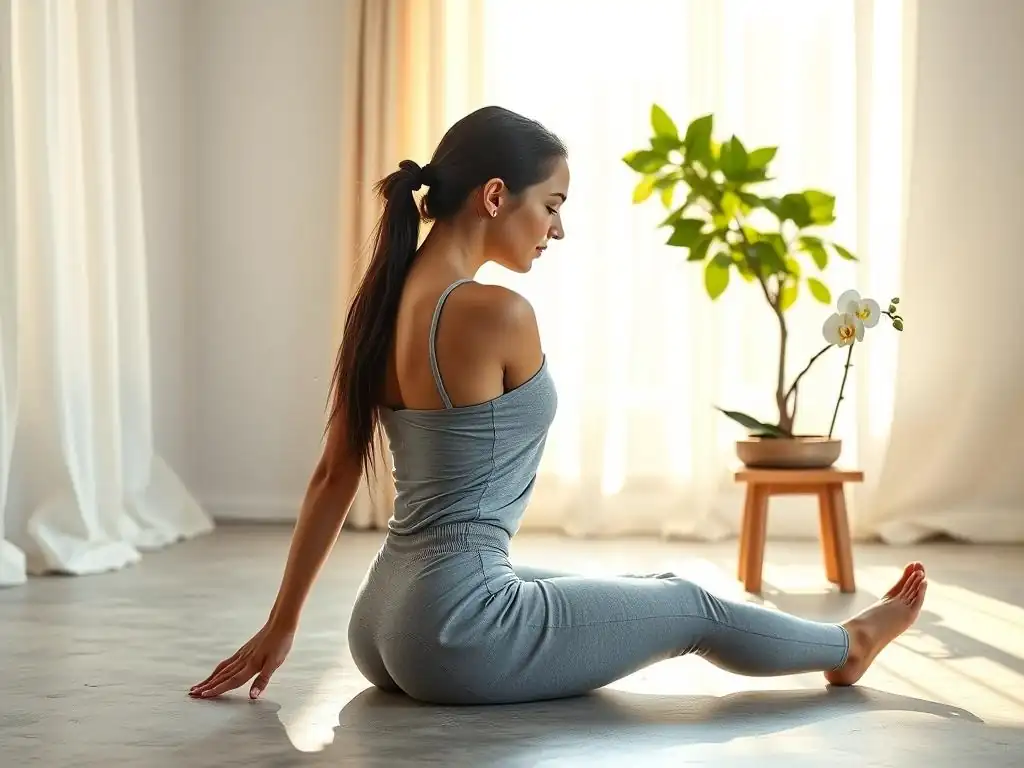
Sit on your mat with your legs extended straight out in front of you. You may want to sit on the edge of a folded blanket or cushion to help tilt your pelvis forward, making it easier to fold. Flex your feet, drawing your toes towards your shins. Inhale to lengthen your spine, and as you exhale, hinge forward from your hips, keeping your back straight initially. Walk your hands down your legs, grasping your shins, ankles, or feet.
If your hamstrings are very tight, keep a significant bend in your knees; the focus is on lengthening the spine, not forcing your head to your knees. You can also place a rolled blanket under your knees. Allow your upper body to relax and release tension, letting your head hang heavy. Hold for 5-10 breaths, breathing into any areas of tension.
Pose 7: Legs-Up-the-Wall Pose (Viparita Karani) - Gentle Inversion
Legs-Up-the-Wall is a restorative inversion that is incredibly calming and therapeutic. It requires minimal effort and allows gravity to work its magic, promoting relaxation and reducing swelling in the legs and feet. This pose is a perfect way to wind down your yoga sequence for stress relief.
Reducing Stress and Improving Circulation
This pose helps to activate the parasympathetic nervous system, counteracting the "fight or flight" response. By elevating the legs above the heart, it encourages lymphatic drainage and improves circulation, which can reduce fatigue and promote a sense of ease. The gentle inversion calms the brain and helps to alleviate anxiety, stress, and mild depression. It's a passive pose that encourages deep relaxation and surrender, allowing the body to rest and rejuvenate. Many find this pose particularly effective for winding down before sleep or when feeling overwhelmed and needing a quiet moment.
Comfortable Setup
Find a wall space. Sit sideways with one hip as close to the wall as possible. Swing your legs up the wall as you lie back onto your mat or floor, adjusting until your hips are close to the wall and your legs are comfortably supported. You can place a folded blanket or bolster under your hips for a gentle inversion and added comfort. Your arms can rest by your sides, palms up, or on your belly.
Close your eyes and allow your body to become heavy. Let go of any effort in your legs. Stay here for 5-15 minutes, focusing on slow, deep breaths. To come out, gently bend your knees, roll to one side, and rest there for a moment before slowly pushing yourself back up to a seated position.
Pose 8: Corpse Pose (Savasana) - Deep Relaxation
Savasana, or Corpse Pose, is arguably the most important pose in any yoga sequence for stress relief. It is a pose of complete surrender and deep rest, allowing your body and mind to fully absorb the benefits of the practice. It is not simply lying down, but an active state of conscious relaxation.
The Importance of Complete Relaxation
In Savasana, you consciously relax every part of your body, from your toes to the crown of your head. This deliberate release of physical tension is crucial because stress often manifests as chronic muscle tightness. By allowing the body to be still and heavy, the nervous system has the opportunity to fully downregulate.
This state of deep rest helps to lower heart rate and blood pressure, reduce stress hormones, and promote overall healing. Skipping Savasana is like leaving a workout before the cool-down; you miss the essential integration phase where the body and mind truly let go of stress and find equilibrium. Aim for at least 5-10 minutes in this pose.
Guided Relaxation
Lie flat on your back with your legs extended and arms resting comfortably by your sides, palms facing up. Let your feet fall open naturally. Ensure your head and neck are comfortable; you can place a thin blanket or cushion under your head if needed. Close your eyes.
Begin by bringing your awareness to your breath, allowing it to be natural and easy. Then, systematically bring your awareness to each part of your body, consciously inviting it to relax. Start with your toes, moving up through your feet, ankles, calves, knees, thighs, and hips. Relax your abdomen, chest, back, fingers, hands, wrists, forearms, elbows, upper arms, and shoulders.
Soften your neck, jaw, cheeks, eyes, and forehead. Allow your entire body to feel heavy and supported by the ground beneath you. If thoughts arise, simply notice them without judgment and gently guide your awareness back to your breath or the sensation of your body resting. You can use a guided meditation or simply rest in silence.
Maximizing Stress-Relieving Benefits
Incorporating a yoga sequence for stress relief into your routine is a powerful step towards managing stress, but maximizing its benefits involves more than just going through the motions. Several factors can enhance the calming effects of your practice.
Consistency is Key
Like any practice aimed at improving well-being, consistency is paramount when using yoga for stress relief. Practicing even a short sequence regularly, perhaps 15-20 minutes several times a week, is far more effective than infrequent, longer sessions. Regular practice helps to build resilience in the nervous system and creates a positive feedback loop, making it easier to access a state of calm when you need it most.
For instance, studies on mindfulness practices, of which yoga is a form, often show cumulative benefits appearing after consistent engagement over weeks or months. Making yoga a habit helps train your body and mind to respond to stress in a more adaptive way over time.
The cumulative effect of consistent yoga practice extends beyond the mat. Many regular practitioners report feeling less reactive to daily stressors, improved sleep quality, and a general sense of increased well-being even during challenging periods. This isn't just anecdotal; research indicates that consistent mind-body practices can lead to structural changes in the brain associated with stress regulation, such as increased gray matter density in areas related to self-awareness and emotional regulation. Setting a regular schedule, whether daily or weekly, helps solidify these positive changes and makes the yoga sequence for stress a reliable tool in your self-care arsenal.
Listening to Your Body
Yoga is not about pushing yourself into extreme shapes, especially when practicing for stress relief. It is crucial to listen to your body and honor its needs on any given day. Some days you might feel more energetic and capable of deeper stretches, while on others, a gentler, more restorative practice is what your body craves. Pushing through pain or discomfort can actually increase stress and the risk of injury.
Pay attention to the subtle signals your body sends you. If a pose feels strained, back off or use a modification. If you feel overwhelmed or fatigued during the sequence, return to Child's Pose or Savasana for a moment of rest. Practicing with awareness and compassion towards yourself reinforces the empathetic tone of yoga and helps to cultivate a positive relationship with your body, which is essential for long-term stress management. This mindful approach prevents the practice from becoming another source of pressure and ensures it remains a source of comfort and support.
Combining Yoga with Other Techniques
While a yoga sequence for stress relief is highly effective on its own, its benefits can be amplified when combined with other stress management techniques. Integrating yoga with practices like meditation, deep breathing exercises (even outside of your practice), or journaling can create a comprehensive approach to well-being. For example, starting your day with a short meditation followed by a gentle yoga flow can set a calm tone for the hours ahead.
Healthy lifestyle choices also complement the effects of yoga. Ensuring adequate sleep, maintaining a balanced diet, and engaging in other forms of enjoyable physical activity contribute significantly to stress resilience. Social connection and spending time in nature are also powerful stress reducers that pair well with a regular yoga practice. By building a toolkit of various strategies, you create a robust defense against the negative impacts of stress and support your overall mental and physical health.
Integrating Yoga Principles into Daily Life
The benefits of yoga aren't confined to the mat. The principles learned during your yoga sequence for stress relief can be woven into the fabric of your daily life, helping you navigate challenges with greater ease and presence. Integrating these concepts supports continuous stress management beyond scheduled practice times.
Mindfulness and Yoga Philosophy
At its core, yoga is a practice of mindfulness – paying attention to the present moment without judgment. This skill, honed during your physical practice as you focus on breath and sensation, is invaluable in daily life.
When faced with a stressful situation, the ability to pause, notice your physical and emotional response without immediately reacting, and choose a conscious response is a direct application of mindfulness learned on the mat. Yoga philosophy, such as the concept of aparigraha (non-attachment), can also help in letting go of worries about the future or regrets about the past, major sources of stress.
Applying mindfulness means bringing awareness to everyday activities – eating, walking, talking. Instead of rushing through tasks on autopilot, you engage with them fully. This presence can make even mundane moments feel richer and less like a race against time. When stress arises, instead of being swept away by anxious thoughts, you can use your breath as an anchor, a technique practiced repeatedly in your yoga sequence for stress. This conscious anchoring helps to interrupt the stress response cycle and allows for a more measured reaction to challenging circumstances.
Cultivating Self-Compassion
Yoga encourages a journey of self-discovery and acceptance. Practicing self-compassion is vital when dealing with stress, as it's easy to fall into patterns of self-criticism or feeling like you "should" be handling things better. Yoga teaches you to listen to your body and mind with kindness, acknowledging limitations and celebrating small victories. This empathetic approach to yourself is a cornerstone of mental well-being.
Approaching your yoga sequence for stress with self-compassion means letting go of perfectionism. It's okay if you can't do every pose perfectly or if your mind wanders. The practice is about showing up for yourself, not achieving an ideal. Extending this kindness off the mat involves treating yourself with the same understanding and patience you would offer a friend facing similar challenges. Recognizing that stress is a common human experience and allowing yourself space to feel and process emotions without judgment is a powerful act of self-care that significantly reduces the burden of stress.
Conclusion: Embrace the Calming Power of Yoga.
Navigating stress is an ongoing journey, but with tools like a dedicated yoga sequence for stress relief, you can build resilience and find moments of calm amidst the chaos. This sequence, from the grounding comfort of Child's Pose to the deep relaxation of Savasana, offers a holistic approach to releasing tension, calming the mind, and reconnecting with your inner peace.
By consistently practicing, listening to your body, and integrating the principles of mindfulness and self-compassion into your daily life, you empower yourself to respond to stress with greater awareness and ease. Embrace the calming power of yoga and discover how it can transform your experience of stress, guiding you from feeling overwhelmed to finding a deeper sense of tranquility and balance.
Frequently Asked Questions
What is the primary benefit of using a yoga sequence for stress relief?
The primary benefit is the combination of physical postures, controlled breathing, and mindfulness to reduce tension and promote relaxation. This holistic approach can significantly lower stress levels.
How often should I practice this yoga sequence for stress relief to see results?
Consistency is key. Aim for at least 3-4 times a week to experience noticeable improvements in your stress levels and overall well-being. Listen to your body and adjust as needed.
Are there any specific yoga postures in this sequence that are particularly effective for stress?
Yes, postures like Child's Pose, Forward Fold, and Supported Bridge Pose are known for their calming and grounding effects, helping to soothe the nervous system.
Can beginners practice this yoga sequence, or is it only for experienced yogis?
This sequence is designed to be beginner-friendly. Modifications are provided for each posture, allowing individuals of all fitness levels to participate comfortably and safely.
What else can I do besides yoga to manage my stress levels effectively?
Alongside yoga, consider incorporating other stress-reducing activities like mindfulness meditation, spending time in nature, and maintaining a healthy diet for a holistic approach to well-being.
Final Reflection: Finding Stillness in the Storm
The relentless pace of modern life leaves many feeling overwhelmed, a pervasive sense of stress impacting our well-being and relationships. This yoga sequence, designed to alleviate the symptoms of stress, offers a practical pathway to reclaim inner peace and cultivate resilience in the face of daily challenges. It's not just about physical postures; it's about creating a sanctuary within, a space where we can reconnect with ourselves and find strength amidst the chaos.
The impact of chronic stress is undeniable, seeping into every facet of our lives from our physical health to our emotional stability. It's a silent epidemic, affecting millions. This sequence is a small contribution to a larger conversation about self-care and mental wellness, a reminder that we all deserve moments of peace and rejuvenation. Yoga is the journey of the self, through the self, to the self.
– The Bhagavad Gita. This ancient wisdom resonates deeply, highlighting the introspective nature of the practice and its power to guide us towards self-discovery and a deeper understanding of our own inner landscape.
Now, consider how you can integrate even a few minutes of mindful movement into your daily routine. Don't wait for a crisis to prioritize self-care. Start small, perhaps with just three poses from the sequence, and gradually build from there. Listen to your body, honor your limitations, and allow yourself the gift of stillness. Embrace the journey, and discover the transformative power of yoga in finding calm amidst the storm of everyday life.
Unwind and Find Your Flow: Start Your Stress-Melting Journey
Thanks for taking the time to explore this yoga sequence! We hope you found some valuable tools to manage stress and create a more peaceful mind. Now, let's put that knowledge into practice.
- Try the sequence today: Even 10 minutes can make a difference. See how much calmer and centered you feel afterwards.
- Share your experience: Tell us (and others!) about your practice and how it impacted your stress levels. Did you find a favorite pose?
- Explore further: Browse our other resources on MindCareGuide.org to discover more ways to nurture your mental well-being.
Ready to embark on your journey to a calmer, more mindful you? What's the one pose you'll try first to ease your stress?