
The SleepMood Diet: Eating for Restful Nights and Brighter Days


Welcome to Mind Care Guide, a space dedicated to nurturing your mental well-being. Are you struggling to find balance, feeling the weight of restless nights and shadowed days? Perhaps the answer lies closer than you think. Explore the profound connection between sleep, mood, and diet benefits in our article, "The SleepMood Diet: Eating for Restful Nights and Brighter Days." Could what you eat truly unlock a path to better sleep and a brighter outlook? Let's uncover the possibilities together...
The SleepMood Diet: Eating for Restful Nights and Brighter Days
- Introduction: Understanding the Link Between Diet, Sleep, and Mood
- What is the SleepMood Diet and How Does it Work?
- SleepMood Diet Benefits: Enhancing Sleep Quality and Mood Stability
- Foods to Embrace for Optimal Sleep and Mood
- Foods to Limit or Avoid for Restful Nights
- Implementing the SleepMood Diet: A Practical Guide
- Overcoming Challenges and Maintaining Consistency
- SleepMood Diet Recipes: Delicious and Nutritious Meals
- Conclusion: Embracing the SleepMood Diet for a Happier, Healthier You
-
Frequently Asked Questions
- How does the SleepMood Diet connect sleep, mood, and diet?
- What are some key dietary guidelines of the SleepMood Diet?
- What are the potential benefits of following the SleepMood Diet?
- Are there any specific foods that are particularly beneficial on the SleepMood Diet?
- Is the SleepMood Diet a sustainable long-term approach to mental well-being?
- Final Reflection: Harvesting the Bountiful SleepMood Diet
- Unlock Your Best Sleep: Start Eating Your Way to Restful Nights!
Introduction: Understanding the Link Between Diet, Sleep, and Mood
The Importance of Nutrition for Mental Well-being
Our mental well-being is intricately linked to what we consume. The nutrients we get from food serve as the building blocks for neurotransmitters, the chemical messengers in our brain that regulate mood, sleep, and cognitive function. A deficiency in essential vitamins, minerals, or fatty acids can profoundly impact brain chemistry, potentially contributing to symptoms of anxiety, depression, and poor sleep quality. For instance, inadequate intake of B vitamins can disrupt the production of serotonin and dopamine, neurotransmitters crucial for mood regulation and feelings of pleasure.
Beyond just building blocks, nutrition influences inflammation levels throughout the body, including the brain. Chronic low-grade inflammation has been implicated in various mental health conditions and sleep disturbances. A diet rich in anti-inflammatory foods like fruits, vegetables, and omega-3 fatty acids can help mitigate this inflammation, promoting a healthier brain environment conducive to stable mood and restful sleep. Conversely, diets high in processed foods, sugar, and unhealthy fats can fuel inflammation, exacerbating mental health challenges and disrupting sleep patterns.
Introducing the SleepMood Diet: A Holistic Approach
Recognizing the powerful connection between our plate, our pillow, and our perception, the SleepMood Diet emerges as a holistic approach to enhancing both sleep quality and mood stability through mindful eating. It's not a restrictive fad diet but rather a pattern of eating that prioritizes nutrient-dense foods known to support brain health, regulate neurotransmitter production, and stabilize blood sugar levels – all factors critical for healthy sleep cycles and balanced emotional states.
This approach moves beyond simply avoiding certain foods; it focuses on incorporating specific nutrients and food groups that actively promote relaxation, reduce inflammation, and provide the necessary fuel for optimal brain function.
The SleepMood Diet emphasizes consistency and balance, aiming to create sustainable eating habits that contribute to long-term well-being. By making conscious choices about what and when we eat, individuals can significantly impact their ability to fall asleep, stay asleep, and wake up feeling refreshed and emotionally resilient. It's about nourishing the body and mind in a way that supports the delicate balance required for both restful nights and brighter, more stable days.
What is the SleepMood Diet and How Does it Work?
Defining the SleepMood Diet: Eating Strategies for Better Sleep and Mood
The SleepMood Diet is a dietary framework centered on consuming foods known to positively influence sleep patterns and emotional well-being. It integrates principles from various nutritional approaches that have demonstrated benefits for brain health and sleep regulation. At its core, it advocates for a diet rich in whole, unprocessed foods, emphasizing complex carbohydrates, lean proteins, healthy fats, and an abundance of fruits and vegetables, while strategically managing the intake of substances like caffeine, alcohol, and refined sugars that can disrupt sleep and mood.
This strategy involves focusing on foods that provide specific nutrients vital for sleep and mood regulation. For example, it encourages the intake of foods containing tryptophan, an amino acid that is a precursor to serotonin and melatonin (the sleep hormone). It also highlights the importance of magnesium, a mineral involved in numerous biochemical reactions, including those related to nerve function and relaxation. By aligning dietary choices with the body's physiological needs for sleep and mood stability, the SleepMood Diet offers a practical pathway to improved well-being.
The Science Behind the Sleep-Mood Connection: Gut Microbiome, Neurotransmitters, and Inflammation
The profound link between diet, sleep, and mood is underpinned by complex biological mechanisms involving the gut microbiome, neurotransmitters, and inflammation. The gut, often referred to as the "second brain," hosts trillions of microorganisms that produce various compounds, including neurotransmitters like serotonin, which is crucial for mood regulation and sleep. A diverse and healthy gut microbiome, fostered by a diet rich in fiber and fermented foods, supports optimal production of these compounds and reduces inflammation. Conversely, an imbalanced gut can negatively impact both mood and sleep.
Furthermore, diet directly influences the availability of precursors for neurotransmitters in the brain. Tryptophan from protein-rich foods is converted into serotonin, which can then be converted into melatonin. B vitamins and omega-3 fatty acids are also essential for synthesizing and regulating neurotransmitters. Chronic low-grade inflammation, often driven by poor dietary choices, can impair neurotransmitter function and disrupt the delicate balance required for healthy sleep-wake cycles and emotional stability. The SleepMood Diet addresses these scientific links by promoting foods that nourish the gut, provide necessary precursors, and combat inflammation, thereby offering significant Sleep mood diet benefits.
Key Principles of the SleepMood Diet
The SleepMood Diet is guided by several core principles designed to optimize sleep and mood through nutrition.
- Prioritize Whole, Unprocessed Foods: Focus on consuming foods in their natural state as much as possible.
- Balance Macronutrients: Ensure a healthy balance of complex carbohydrates, lean proteins, and healthy fats at meals.
- Embrace Nutrient-Dense Foods: Choose foods rich in vitamins, minerals, and antioxidants known to support brain health.
- Manage Timing of Meals and Snacks: Be mindful of when you eat, especially close to bedtime.
- Stay Adequately Hydrated: Water is essential for overall bodily functions, including brain health and sleep regulation.
- Limit Sleep and Mood Disruptors: Reduce or avoid intake of caffeine, alcohol, excessive sugar, and processed foods, particularly in the evening.
Adhering to these principles helps create a dietary pattern that supports stable blood sugar, provides the necessary building blocks for neurotransmitters, reduces inflammation, and avoids stimulants that can interfere with sleep and mood. This systematic approach is key to unlocking the potential Sleep mood diet benefits.
SleepMood Diet Benefits: Enhancing Sleep Quality and Mood Stability
Improved Sleep Quality: Falling Asleep Faster and Staying Asleep Longer
One of the primary Sleep mood diet benefits is a noticeable improvement in sleep quality. This isn't just about spending more time in bed, but about experiencing more restorative sleep. By incorporating foods rich in magnesium, such as leafy greens and nuts, individuals may find it easier to relax and fall asleep. Magnesium plays a role in activating the parasympathetic nervous system, which helps the body transition into a state of rest. Furthermore, consuming complex carbohydrates earlier in the evening can help stabilize blood sugar levels throughout the night, preventing awakenings caused by sugar crashes.
Specific dietary choices can also influence the production of sleep-inducing hormones. Tryptophan, found in foods like turkey and pumpkin seeds, is a precursor to melatonin. While the direct impact of dietary tryptophan on sleep is still researched, a diet that provides adequate amounts of this amino acid, alongside necessary cofactors like B6, supports the body's natural ability to produce melatonin. Reducing intake of stimulants like caffeine, especially in the afternoon and evening, directly prevents interference with the body's natural sleep drive, contributing significantly to the Sleep mood diet benefits related to falling asleep faster and staying asleep.
Mood Regulation: Reducing Anxiety and Depression Symptoms
Beyond sleep, significant Sleep mood diet benefits extend to mood regulation and a potential reduction in symptoms of anxiety and depression. The gut-brain axis plays a critical role here; a diet that supports a healthy gut microbiome can improve the production of mood-regulating neurotransmitters like serotonin, a large portion of which is produced in the gut. Fermented foods and fiber-rich vegetables nourish beneficial gut bacteria, positively influencing mood.
Furthermore, reducing inflammatory foods and increasing intake of anti-inflammatory omega-3 fatty acids, found in oily fish and flaxseeds, can lower systemic inflammation, which is often elevated in individuals experiencing depression and anxiety. Some studies suggest that individuals with higher omega-3 intake have a lower risk of depression, perhaps by impacting neurotransmitter function and brain structure. By providing the brain with the necessary nutrients and reducing inflammatory burden, the SleepMood Diet creates a more stable internal environment, contributing to the overall Sleep mood diet benefits for emotional well-being.
Enhanced Cognitive Function: Improved Focus and Memory
The SleepMood Diet benefits also include enhancements in cognitive function, such as improved focus, concentration, and memory. This is largely a downstream effect of better sleep and improved brain health through nutrition. Adequate, restorative sleep is crucial for cognitive processes like memory consolidation, problem-solving, and attention. When sleep quality improves, these functions naturally become sharper.
Nutrients prioritized in the SleepMood Diet directly support brain health. Omega-3 fatty acids, for instance, are essential components of brain cell membranes and play a role in synaptic function, which is vital for learning and memory. B vitamins are critical for energy production in brain cells and the synthesis of neurotransmitters involved in focus and alertness. By ensuring the brain receives a steady supply of these vital nutrients and allowing it adequate rest, the SleepMood Diet helps optimize cognitive performance, adding another layer to the comprehensive Sleep mood diet benefits.
Other Potential Health Benefits of the SleepMood Diet
Adopting the SleepMood Diet can yield a range of other potential health benefits beyond just sleep and mood. Because it emphasizes whole, unprocessed foods and limits sugar and unhealthy fats, it naturally aligns with recommendations for cardiovascular health. A diet rich in fiber, healthy fats, and antioxidants can help lower blood pressure and cholesterol levels.
Additionally, this dietary pattern can contribute to better blood sugar control, reducing the risk of type 2 diabetes. Stabilizing blood sugar is not only good for long-term health but also directly supports stable energy levels throughout the day, which can indirectly benefit both mood and sleep quality. These broad health improvements underscore the holistic nature of the SleepMood Diet benefits, impacting multiple aspects of physical and mental well-being.
Foods to Embrace for Optimal Sleep and Mood
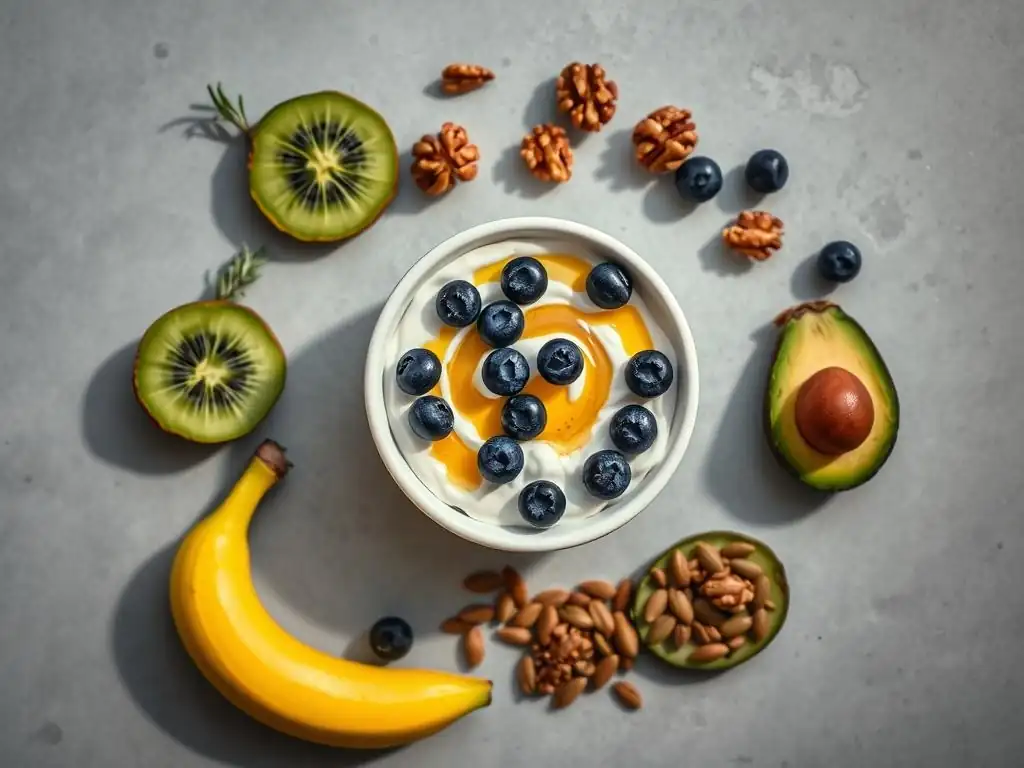
Tryptophan-Rich Foods: The Building Blocks of Sleep
Tryptophan is an essential amino acid that plays a crucial role in the synthesis of serotonin and melatonin, two key compounds involved in mood and sleep regulation. While getting enough tryptophan from diet is important, its conversion requires other nutrients like B vitamins. Including a variety of tryptophan-rich foods as part of a balanced meal can contribute to the availability of this precursor for brain function and hormone production, supporting Sleep mood diet benefits.
Eating tryptophan-rich foods with complex carbohydrates may enhance the amino acid's uptake into the brain, as carbohydrates help facilitate the transport across the blood-brain barrier. This synergy highlights the importance of balanced meals within the SleepMood Diet framework.
Examples of Tryptophan-Rich Foods: Poultry, Pumpkin Seeds, Spirulina
- Poultry (e.g., turkey, chicken)
- Pumpkin seeds
- Spirulina
- Nuts (e.g., cashews, walnuts)
- Soybeans and soy products
- Cheese
Magnesium-Rich Foods: Promoting Relaxation and Sleep
Magnesium is a mineral involved in over 300 biochemical reactions in the body, including those that regulate nerve and muscle function, blood sugar levels, and blood pressure. It is often referred to as the "relaxation mineral" because of its role in activating the parasympathetic nervous system, which is responsible for calming the body. Adequate magnesium levels are associated with reduced stress and anxiety, making it easier to wind down before sleep.
Many people in Western societies do not consume sufficient amounts of magnesium. Incorporating magnesium-rich foods regularly into your diet can help ensure adequate intake, supporting muscle relaxation and reducing nerve excitability. This is a key component of achieving the Sleep mood diet benefits related to restful sleep.
Examples of Magnesium-Rich Foods: Spinach, Almonds, Avocado
- Spinach and other leafy greens
- Almonds and other nuts
- Avocado
- Legumes (e.g., black beans, lentils)
- Whole grains (e.g., brown rice, oats)
- Dark chocolate
Complex Carbohydrates: Stabilizing Blood Sugar Levels for Better Sleep
Complex carbohydrates, found in whole grains, vegetables, and legumes, are digested slowly, providing a steady release of glucose into the bloodstream. This helps maintain stable blood sugar levels, preventing the spikes and crashes that can disrupt sleep and lead to irritability or fatigue. Consuming a moderate portion of complex carbohydrates with your evening meal, particularly a few hours before bed, may also aid in the uptake of tryptophan into the brain, as mentioned earlier.
Unlike simple sugars, complex carbohydrates don't cause a rapid surge followed by a sharp drop in blood sugar, which can trigger the release of stress hormones like cortisol, known to interfere with sleep. Prioritizing complex carbs over refined sugars is a fundamental principle of the SleepMood Diet for both energy stability and sleep quality, contributing positively to Sleep mood diet benefits.
Examples of Complex Carbohydrates: Quinoa, Brown Rice, Oats
- Quinoa
- Brown rice
- Oats
- Whole-wheat bread and pasta
- Sweet potatoes
- Barley
Foods High in Omega-3 Fatty Acids: Supporting Brain Health and Mood
Omega-3 fatty acids, particularly EPA and DHA, are essential fats that play a critical role in brain structure and function. They are integral components of cell membranes, including those in the brain, and are involved in reducing inflammation. Chronic inflammation is increasingly linked to mood disorders and sleep disturbances, so reducing it through diet can have significant positive effects.
Studies have shown an association between higher intake of omega-3 fatty acids and lower rates of depression and anxiety. These fats are thought to influence neurotransmitter pathways and improve overall brain cell communication. Including sources of omega-3s regularly is a cornerstone of the SleepMood Diet for supporting both mental well-being and potentially improving sleep quality by reducing inflammatory barriers to rest.
Examples of Omega-3 Rich Foods: Salmon, Walnuts, Flaxseed Oil
- Salmon, Mackerel, Sardines (fatty fish)
- Walnuts
- Flaxseed oil and flaxseeds
- Chia seeds
- Hemp seeds
- Algal oil (vegetarian source of DHA/EPA)
Foods to Limit or Avoid for Restful Nights
Caffeine: The Sleep Disruptor
Caffeine is a stimulant that blocks adenosine, a neurotransmitter that promotes relaxation and sleepiness. While a morning coffee might boost alertness, consuming caffeine too late in the day can significantly interfere with your ability to fall asleep and reduce the quality of your sleep. The half-life of caffeine can be up to 5-6 hours, meaning half the amount you consumed is still in your system hours later. Some individuals are even slower metabolizers.
To maximize Sleep mood diet benefits, it's generally recommended to limit caffeine intake, especially avoiding it in the afternoon and evening. Pay attention to hidden sources of caffeine, such as some teas, chocolate, and certain soft drinks or energy drinks. Gradually reducing intake can help avoid withdrawal symptoms like headaches.
Alcohol: A False Sense of Relaxation
Many people believe alcohol helps them sleep because it can induce drowsiness initially. However, alcohol disrupts the sleep cycle, particularly the crucial REM (Rapid Eye Movement) sleep phase, which is important for cognitive function and emotional processing. As the body metabolizes alcohol, it can cause awakenings later in the night and lead to less restorative sleep overall.
While alcohol might make you feel sleepy initially, the quality of sleep you get after drinking is significantly poorer. It can also exacerbate symptoms of anxiety and depression in the long run. For optimal Sleep mood diet benefits related to sleep and mood, limiting or avoiding alcohol, especially close to bedtime, is highly recommended.
Sugary Foods: Causing Blood Sugar Crashes and Sleep Disturbances
Refined sugars and sugary foods cause rapid spikes and subsequent crashes in blood sugar levels. These fluctuations can trigger the release of stress hormones like adrenaline and cortisol, which can wake you up during the night or make it difficult to fall asleep. Consuming sugary snacks or desserts close to bedtime is particularly detrimental to sleep quality.
High sugar intake is also linked to increased inflammation and can negatively impact gut health, indirectly affecting mood and sleep. By reducing added sugars and focusing on whole, less processed foods as part of the SleepMood Diet, you help stabilize blood sugar, supporting more consistent energy levels during the day and more restful sleep at night, enhancing Sleep mood diet benefits.
Processed Foods: Lacking Essential Nutrients for Sleep and Mood
Processed foods, often high in unhealthy fats, added sugars, and sodium, and low in essential vitamins, minerals, and fiber, offer poor nutritional value. They contribute to inflammation and can disrupt the balance of the gut microbiome. Their lack of beneficial nutrients means they don't provide the necessary building blocks for neurotransmitters or support overall brain health.
Relying heavily on processed foods can lead to nutrient deficiencies that negatively impact both mood and sleep. For example, they are typically low in magnesium, B vitamins, and omega-3s – nutrients crucial for sleep and mood regulation. Shifting away from processed foods towards whole, nutrient-dense options is a cornerstone of the SleepMood Diet for maximizing its benefits.
Implementing the SleepMood Diet: A Practical Guide
Creating a SleepMood Diet Meal Plan: Sample 7-Day Meal Plan
Implementing the SleepMood Diet begins with planning. A sample 7-day meal plan can provide a framework, but flexibility is key. Focus on incorporating foods from the "Foods to Embrace" list into balanced meals and snacks throughout the day, while minimizing foods from the "Foods to Limit" list, especially in the hours leading up to bedtime.
- Monday: Breakfast: Oatmeal with berries and walnuts. Lunch: Lentil soup with whole-grain bread. Dinner: Baked salmon with quinoa and steamed broccoli. Snack: Greek yogurt with pumpkin seeds.
- Tuesday: Breakfast: Spinach and mushroom frittata. Lunch: Leftover salmon and quinoa salad. Dinner: Turkey stir-fry with brown rice and mixed vegetables. Snack: Almonds.
- Wednesday: Breakfast: Smoothie with spirulina, banana, and almond milk. Lunch: Chicken salad (using lean chicken breast) on whole-wheat crackers. Dinner: Black bean burgers on whole-wheat buns with sweet potato fries. Snack: Avocado slices with a sprinkle of salt.
- Thursday: Breakfast: Whole-wheat toast with avocado and a poached egg. Lunch: Leftover black bean burgers. Dinner: Lean beef stew with root vegetables and barley. Snack: Apple slices with almond butter.
- Friday: Breakfast: Quinoa porridge with cinnamon and flaxseeds. Lunch: Tuna salad (packed in water) with mixed greens. Dinner: Baked cod with roasted asparagus and brown rice. Snack: Small handful of cashews.
- Saturday: Breakfast: Scrambled eggs with spinach and feta cheese. Lunch: Leftover cod and roasted vegetables. Dinner: Chicken breast with a large mixed green salad and a side of sweet potato. Snack: Dark chocolate (small piece, >70% cocoa).
- Sunday: Breakfast: Whole-grain pancakes with berries (use minimal added sugar). Lunch: Leftover chicken and salad. Dinner: Lentil and vegetable curry with brown rice. Snack: Pumpkin seeds.
This sample plan illustrates how to combine SleepMood-friendly foods across meals. Adjust portion sizes based on individual needs.
Tips for Grocery Shopping and Meal Preparation
Successful implementation of the SleepMood Diet relies heavily on smart grocery shopping and efficient meal preparation. Start by making a shopping list based on your meal plan, focusing on the "Foods to Embrace" category. Shop the perimeter of the grocery store where fresh produce, lean proteins, and dairy/alternatives are typically located, spending less time in the aisles filled with processed snacks and sugary drinks.
Dedicate some time each week to meal preparation. This could involve washing and chopping vegetables, cooking a batch of grains like quinoa or brown rice, pre-portioning nuts and seeds for snacks, or cooking a large protein source like chicken or lentils to use in multiple meals. Having healthy options readily available makes it easier to stick to the SleepMood Diet, especially when time is limited or cravings strike, helping to consistently reap the Sleep mood diet benefits.
Hydration and Sleep: The Importance of Water Intake
Adequate hydration is fundamental for overall health and plays a role in both mood and sleep. Dehydration, even mild, can lead to fatigue, headaches, and irritability, negatively impacting mood. While the exact mechanism linking hydration and sleep is still being explored, dehydration can cause discomfort and muscle cramps that disrupt sleep.
Aim to drink plenty of water throughout the day. While it's important to stay hydrated, try to limit fluid intake in the hour or two before bed to avoid waking up during the night to use the restroom. Herbal teas like chamomile can be a soothing bedtime beverage option within the SleepMood Diet framework.
The Role of Meal Timing in Sleep and Mood
The timing of your meals can significantly influence both sleep and mood. Eating large, heavy meals close to bedtime can interfere with sleep as your body is busy digesting. It's generally recommended to finish your last substantial meal at least 2-3 hours before going to sleep. If you need a snack closer to bedtime, choose something small, easily digestible, and rich in tryptophan or magnesium, like a small bowl of oatmeal or a few almonds.
Consistent meal timing throughout the day can also help regulate your body's internal clock (circadian rhythm), which governs both sleep-wake cycles and mood stability. Skipping meals or having erratic eating patterns can disrupt this rhythm. Sticking to regular meal times supports a more predictable biological rhythm, contributing to better Sleep mood diet benefits.
Overcoming Challenges and Maintaining Consistency

Addressing Common SleepMood Diet Challenges: Late-Night Cravings, Restaurant Dining
Sticking to any dietary pattern presents challenges, and the SleepMood Diet is no exception. Late-night cravings are common, often triggered by boredom, stress, or inadequate calorie intake earlier in the day. To address this, ensure your daytime meals are balanced and satisfying. If a late-night snack is necessary, choose a small, SleepMood-friendly option like a banana, a small handful of almonds, or a cup of chamomile tea. Avoid grazing on sugary or processed foods.
Dining out can also be tricky. Most restaurants offer healthier options if you look for them. Prioritize dishes that feature lean proteins, vegetables, and complex carbohydrates. Don't hesitate to ask for sauces or dressings on the side, choose grilled or baked instead of fried, and opt for extra vegetables instead of fries. Planning ahead by checking restaurant menus online can also help you make informed choices that align with the SleepMood Diet principles and maintain progress towards Sleep mood diet benefits.
Strategies for Staying Consistent with the SleepMood Diet
Consistency is key to experiencing the full Sleep mood diet benefits. One effective strategy is to focus on making gradual changes rather than attempting a complete overhaul overnight. Start by incorporating one or two new SleepMood-friendly foods each week or focusing on eliminating one sleep/mood disruptor at a time. Track your progress, perhaps in a journal, noting how different foods make you feel and impact your sleep.
Finding enjoyable ways to prepare SleepMood-friendly foods is also crucial. Experiment with different recipes and cooking methods. Don't view it as deprivation, but as an opportunity to discover delicious and nourishing meals. Building a support system, whether it's friends, family, or online communities, can provide encouragement and accountability. Remember that occasional slip-ups are normal; the goal is overall progress, not perfection.
Seeking Professional Guidance: When to Consult a Dietitian or Healthcare Provider
While the SleepMood Diet provides a general framework, individual needs can vary. If you have underlying health conditions, allergies, or specific dietary restrictions, or if you are taking medications that could interact with certain foods or supplements, it is essential to consult with a healthcare provider before making significant dietary changes.
A registered dietitian or nutritionist specializing in mental health or sleep can provide personalized guidance. They can help you create a customized SleepMood Diet plan that meets your specific nutritional needs, addresses any deficiencies, and considers your lifestyle and preferences. Professional support can be invaluable in navigating the complexities of diet and ensuring you are safely and effectively working towards maximizing Sleep mood diet benefits.
SleepMood Diet Recipes: Delicious and Nutritious Meals
Tryptophan-Boosting Turkey and Sweet Potato Bowl
This recipe combines lean turkey, a good source of tryptophan, with sweet potatoes, a complex carbohydrate, and a variety of colorful vegetables. The sweet potatoes aid in tryptophan uptake, while the vegetables provide essential vitamins and minerals. Seasoned with herbs and a light, healthy dressing, this bowl is both satisfying and supportive of melatonin production, contributing to Sleep mood diet benefits.
Magnesium-Rich Spinach and Feta Frittata
A frittata packed with spinach offers a significant boost of magnesium. Adding feta cheese provides some lean protein, and incorporating other vegetables like mushrooms or bell peppers adds further nutrients. Baked or cooked gently on the stovetop, this is a versatile dish perfect for breakfast, lunch, or a light dinner, providing a delicious way to increase magnesium intake for relaxation and sleep.
Omega-3 Packed Salmon with Asparagus
Salmon is renowned for its high omega-3 fatty acid content, crucial for brain health and reducing inflammation. Pairing it with asparagus, which contains some magnesium and B vitamins, creates a powerful SleepMood-friendly meal. Simple preparations like baking or grilling with herbs and lemon allow the natural flavors to shine while preserving nutrients, making this an excellent choice for supporting mood and potentially sleep quality through diet.
Conclusion: Embracing the SleepMood Diet for a Happier, Healthier You
Recap of the SleepMood Diet Benefits
The SleepMood Diet offers a compelling path to enhancing both sleep quality and mood stability through mindful eating. We've explored how this dietary approach, by prioritizing nutrient-dense whole foods and limiting disruptors, provides significant Sleep mood diet benefits. These include improved ability to fall and stay asleep, better regulation of emotions leading to potential reductions in anxiety and depression symptoms, and enhanced cognitive functions like focus and memory. Additionally, this way of eating supports overall physical health, contributing to cardiovascular wellness and stable blood sugar levels.
By focusing on foods rich in key nutrients like tryptophan, magnesium, and omega-3 fatty acids, while being mindful of the impact of caffeine, alcohol, and sugar, individuals can actively nourish their brain and body for optimal function. The scientific links between diet, the gut microbiome, neurotransmitters, and inflammation underscore why these dietary choices are so impactful on our sleep and emotional state.
The Long-Term Impact of Eating for Sleep and Mood
Adopting the SleepMood Diet is not a temporary fix but a sustainable lifestyle choice with profound long-term impacts. Consistently providing your body with the right nutrients supports chronic health, reduces the risk of diet-related diseases, and maintains stable brain chemistry over time. Better sleep quality accumulated over months and years leads to improved physical health, enhanced mental resilience, and a greater capacity to cope with stress.
Similarly, a diet that consistently supports balanced mood contributes to greater emotional stability, better relationships, and an overall higher quality of life. The habits formed by embracing the SleepMood Diet create a virtuous cycle where improved sleep supports better dietary choices, and better dietary choices enhance mood and sleep, leading to sustained well-being. The Sleep mood diet benefits compound over time, leading to lasting positive changes.
Final Thoughts on Optimizing Your Sleep and Mood Through Diet
Taking control of your diet is a powerful step towards optimizing your sleep and mood. The SleepMood Diet provides a clear, evidence-informed framework for making food choices that nourish your brain and support your body's natural rhythms. While dietary changes are a significant component, remember they are part of a larger picture that includes stress management, regular physical activity, and maintaining a consistent sleep schedule.
Embracing the principles of the SleepMood Diet requires patience and consistency. Focus on progress over perfection, celebrate small wins, and be kind to yourself on your journey. By making conscious, informed choices about what you eat, you are investing in your mental and physical health, paving the way for more restful nights and significantly brighter, more balanced days.
Frequently Asked Questions
How does the SleepMood Diet connect sleep, mood, and diet?
The SleepMood Diet emphasizes the crucial link between what we eat and our sleep quality and emotional well-being. Certain foods can promote or hinder melatonin production and neurotransmitter balance, affecting both factors.
What are some key dietary guidelines of the SleepMood Diet?
It generally advocates for a diet rich in whole foods, emphasizing foods that support serotonin and melatonin production. Avoiding processed foods, excessive sugar, and caffeine close to bedtime is also crucial for better sleep and mood.
What are the potential benefits of following the SleepMood Diet?
Potential benefits include improved sleep quality, a more stable and positive mood, reduced anxiety, and potentially even better overall physical health due to a focus on nutrient-rich foods.
Are there any specific foods that are particularly beneficial on the SleepMood Diet?
Foods rich in tryptophan (like turkey, nuts, and seeds), magnesium (leafy greens), and complex carbohydrates (whole grains) are often recommended. These can help regulate sleep hormones and improve mood stability.
Is the SleepMood Diet a sustainable long-term approach to mental well-being?
While promising, it's important to remember that the SleepMood Diet is best viewed as part of a holistic approach to mental well-being. Consulting a healthcare professional or registered dietitian is recommended before making significant dietary changes for long-term success.
Final Reflection: Harvesting the Bountiful SleepMood Diet
The interconnectedness of what we eat and how we sleep is no longer a whisper, but a resounding shout in the modern world. Our increasingly demanding lives often leave sleep as the first casualty, impacting not only our physical health but also our mental well-being. This article has explored the profound benefits of aligning our dietary choices with optimal sleep, demonstrating the powerful impact the SleepMood Diet can have on our overall quality of life.
The journey towards understanding the SleepMood Diet has been a deeply personal one for me, revealing how seemingly small dietary adjustments can yield significant improvements in sleep quality and mood. A healthy mind in a healthy body,
as the old adage goes, rings truer than ever when considering the intricate relationship between nutrition and rest. The research highlighted throughout this article underscores the importance of mindful eating, not just for weight management, but for cultivating a consistent cycle of restorative sleep and enhanced emotional resilience. This isn't just about fleeting improvements; it's about cultivating a sustainable lifestyle that prioritizes both physical and mental health.
Now, I invite you to reflect on your own relationship with food and sleep. Consider the small, manageable changes you can implement today to begin reaping the rewards of the SleepMood Diet. Start by identifying potential sleep-disrupting foods in your current diet and gradually replacing them with sleep-promoting alternatives. Remember, this isn't about strict adherence to a rigid regime, but about making conscious choices that support your well-being. Embrace the journey towards a more restful night and a brighter, more energized day – your body and mind will thank you for it.
Unlock Your Best Sleep: Start Eating Your Way to Restful Nights!
Thanks for taking the time to explore the SleepMood Diet with us! We hope you gained valuable insights into nourishing your body for better sleep. Ready to put this knowledge into action?
- Prioritize your sleep-promoting foods: Begin by identifying 3 foods from the article that you can easily incorporate into your next meal or snack. Make a conscious effort to include them regularly.
- Share your SleepMood journey: Tell us (and others!) about your experience! Share your favorite sleep-enhancing recipes or tips in the comments below – let's build a supportive community.
- Challenge yourself to a 7-day SleepMood trial: Track your sleep quality and energy levels for a week focusing on the dietary changes discussed. Note any improvements in how you feel— both during the day and night.
What's one small step you can take today to improve your sleep through diet?