
Stress Relief Found: Why Doctors Should Prescribe Nature Walks

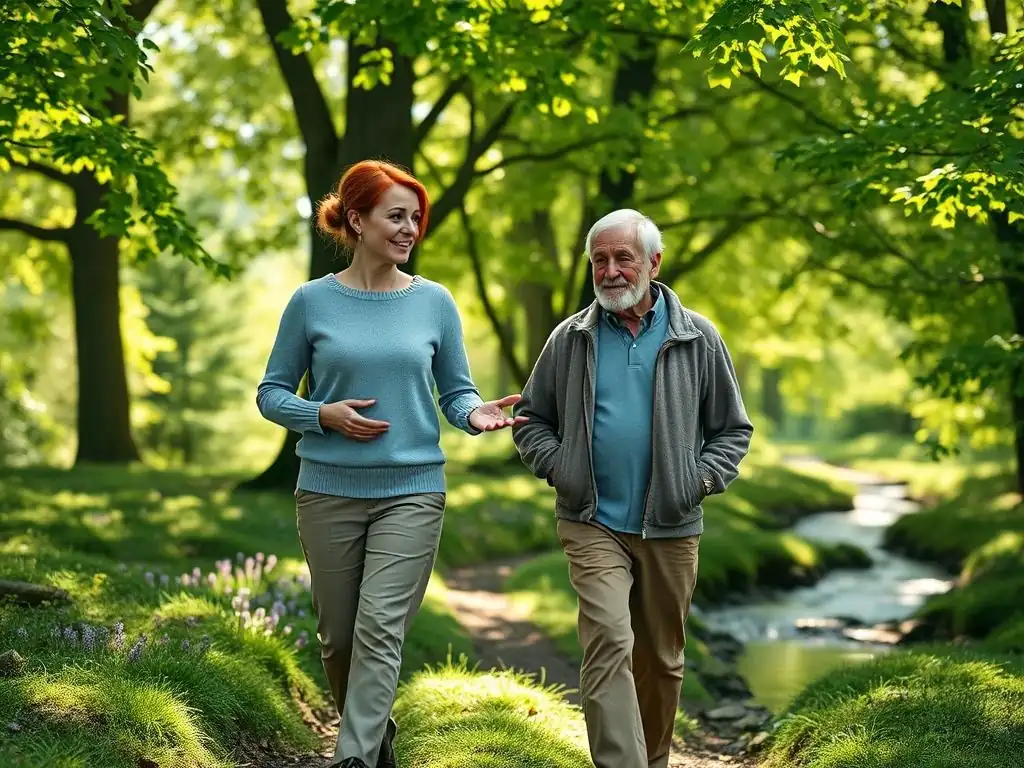
Welcome to Mind Care Guide, a sanctuary dedicated to nurturing your mental well-being. Feeling overwhelmed? You're not alone. Discover how something as simple as a walk in nature can be a powerful antidote to stress and anxiety. Dive into our latest article, Stress Relief Found: Why Doctors Should Prescribe Nature Walks, and unlock the secrets to a calmer, more centered you. Are you ready to explore the healing power of nature?
Nature's Remedy: Why Doctors Should Prescribe Outdoor Activities for Mental Wellbeing
- The Escalating Mental Health Crisis: A Need for Integrated Approaches
- Outdoor Activities Combat Mental Health Issues: Evidence-Based Advantages
- Nature's Therapeutic Power: The Psychological Benefits of Engaging with the Outdoors
- Prescribing the Outdoors: Why Healthcare Professionals Should Recommend Outdoor Activities
- Practical Guide to Outdoor Activities for Mental Wellbeing
- Real-Life Examples: Success Stories of Outdoor Activities in Mental Health Management
- Outdoor Activities for Mental Health: A Holistic and Sustainable Solution
-
Frequently Asked Questions
- How do nature walks specifically help reduce stress and anxiety?
- What kind of nature walks are most effective for mental well-being?
- How often should I engage in nature walks to experience noticeable stress reduction?
- Can nature walks replace traditional mental health treatments like therapy or medication?
- Are there any potential drawbacks or considerations to be aware of before starting nature walks for stress relief?
- Final Reflection: Reconnecting with Nature for a Healthier Tomorrow
- Unwind and Recharge: Your Next Nature Walk Awaits!
The Escalating Mental Health Crisis: A Need for Integrated Approaches
Understanding the Rise of Anxiety and Depression in Contemporary Society
The past decade has witnessed a significant surge in reported cases of anxiety and depression globally. Data from the World Health Organization (WHO) indicates that depression is a leading cause of disability worldwide, affecting hundreds of millions of people. Similarly, anxiety disorders are incredibly prevalent, often co-occurring with depression and significantly impacting individuals' quality of life, work productivity, and social interactions. This trend is exacerbated by various factors, including increasing societal pressures, technological overload, economic instability, and the lingering effects of global health crises.
This growing mental health burden places immense pressure on healthcare systems and underscores the urgent need for effective, accessible, and sustainable interventions. Traditional approaches, while vital, often face challenges such as long waiting lists for therapy, accessibility issues in remote areas, and the potential side effects associated with pharmacological treatments. The complexity of modern life demands a multifaceted approach that integrates various strategies to support mental well-being, moving beyond solely clinical settings to embrace broader lifestyle interventions.
The Shortcomings of Conventional Pharmaceutical Treatments
While antidepressant and anti-anxiety medications have provided crucial relief for many individuals, they are not a universal panacea and come with limitations. A significant portion of patients, approximately 30-40%, do not achieve full remission with initial medication trials, and others experience bothersome side effects ranging from weight gain and insomnia to emotional blunting or dependence concerns. Furthermore, pharmaceutical treatments primarily address symptoms rather than the underlying causes or contributing lifestyle factors that may fuel mental health challenges.
Reliance solely on medication can sometimes overlook the powerful impact of environmental, social, and behavioral factors on mental health. While medication is a critical tool, especially for severe conditions, integrating non-pharmacological strategies can offer a more holistic and potentially more sustainable path to recovery and long-term well-being. Exploring complementary therapies is essential to provide a broader range of options for individuals seeking support for their mental health journeys.
Introducing Outdoor Activities as a Complementary Therapy for Mental Wellbeing
Amidst the search for effective and accessible interventions, engaging in outdoor activities has emerged as a promising complementary approach to support mental health. Simple acts like taking nature walks reduce stress anxiety, and engaging in activities such as gardening, hiking, or spending time in parks offer tangible psychological and physiological benefits. This isn't a radical new concept; historical evidence and indigenous wisdom have long recognized the healing power of connecting with nature.
Integrating outdoor activities into mental health care acknowledges the profound connection between human well-being and the natural environment. It offers a low-cost, accessible, and enjoyable avenue for individuals to actively participate in their own healing process. As research continues to validate these benefits, there is a compelling case to be made for incorporating "nature prescriptions" into standard mental health treatment plans, offering a powerful adjunct to therapy and medication.
Outdoor Activities Combat Mental Health Issues: Evidence-Based Advantages
How Outdoor Activities Reduce Symptoms of Anxiety and Depression
Engaging with the natural environment has a demonstrable impact on reducing symptoms associated with anxiety and depression. Studies have shown that spending time in green spaces can lower levels of cortisol, often referred to as the "stress hormone." For example, research from Japan on "forest bathing" (Shinrin-yoku) has consistently shown reductions in stress markers like cortisol, blood pressure, and heart rate compared to urban environments. Participants also report decreased feelings of anxiety and improved mood after spending time in forests.
Beyond physiological changes, the psychological effects are significant. Nature provides a calming environment that can shift focus away from ruminative thoughts often present in anxiety and depression. A study published in Environmental Science & Technology found that a 50-minute nature walk reduced anxiety and brooding (negative self-referential thought) compared to a walk in an urban setting. These findings strongly suggest that simply being in nature, particularly through activities like nature walks, reduces stress anxiety effectively.
The Impact of Physical Activity on Neurotransmitter Regulation
The physical activity inherent in many outdoor pursuits plays a crucial role in mental well-being. Exercise is well-known to stimulate the release of endorphins, natural mood elevators that can produce feelings of euphoria and reduce pain perception. Furthermore, regular physical activity influences other neurotransmitters vital for mood regulation, such as serotonin, dopamine, and norepinephrine, which are often targeted by pharmaceutical antidepressants.
Combining physical activity with exposure to nature appears to offer enhanced benefits. A study from the University of Essex found that exercising in natural environments ("green exercise") led to greater improvements in self-esteem and mood compared to exercising indoors. Whether it's a brisk hike, a leisurely bike ride through a park, or gardening, the physical movement coupled with the natural setting provides a powerful one-two punch against symptoms of depression and anxiety.
Exploring the Link Between Sunlight Exposure and Improved Mood
Sunlight exposure is another critical element of outdoor activities that contributes to improved mental health. Sunlight helps regulate the body's circadian rhythm, which can be disrupted in individuals with depression. Exposure to natural light, particularly in the morning, can improve sleep patterns, a common issue for those experiencing mental health challenges.
Moreover, sunlight facilitates the body's production of Vitamin D, a nutrient increasingly linked to mood regulation. While research on Vitamin D's direct impact on depression is ongoing, studies suggest that low levels are associated with increased risk of mood disorders. Spending time outdoors in sunlight (with appropriate sun protection) provides a natural way to boost Vitamin D levels, potentially contributing to better mood and overall mental resilience. This connection further highlights why activities like nature walks reduce stress anxiety and contribute to overall well-being.
Nature's Therapeutic Power: The Psychological Benefits of Engaging with the Outdoors
Enhancing Self-Esteem and Confidence Through Outdoor Accomplishments
Successfully navigating a hiking trail, cultivating a thriving garden, or simply completing a challenging walk in nature can significantly boost self-esteem and confidence. Achieving small goals in an outdoor setting provides a sense of accomplishment and competence, which can be particularly impactful for individuals struggling with feelings of worthlessness or lack of control often associated with depression. The tangible results of effort – reaching a summit, seeing plants grow, covering a certain distance – offer concrete proof of capability.
Furthermore, mastering new outdoor skills, whether it's identifying birds, learning to kayak, or navigating with a map, builds confidence and expands one's sense of identity beyond their mental health struggles. These activities encourage individuals to step outside their comfort zones in a supportive environment, fostering resilience and a belief in their ability to overcome challenges.
While solitude in nature can be therapeutic, engaging in outdoor activities with others offers invaluable social benefits. Participating in group hikes, community gardening projects, birdwatching clubs, or conservation efforts provides opportunities for meaningful social interaction, reducing feelings of isolation and loneliness. Loneliness is a significant risk factor for depression and anxiety, and shared experiences in a positive, natural setting can foster strong connections.
These shared activities provide a common interest and a relaxed environment for building relationships. The focus is often on the activity itself, which can alleviate the pressure some individuals feel in purely social settings. The camaraderie developed while working together on a trail cleanup or sharing observations during a nature walk enhances social support networks, a critical component of mental health recovery and maintenance.
Cultivating Mindfulness and Presence Through Immersion in Nature
Nature provides an ideal environment for practicing mindfulness and being present in the moment. The myriad sensory details – the rustling leaves, the scent of pine, the feel of the breeze, the sound of birdsong – naturally draw attention away from internal worries and towards the external environment. This focus on sensory input helps quiet the "monkey mind" that often contributes to anxiety and stress.
Activities like mindful walking, observing wildlife, or simply sitting quietly in a park encourage a state of relaxed awareness. This practice of presence can reduce rumination about the past or worry about the future, promoting a sense of calm and perspective. Regular engagement in these mindful outdoor experiences cultivates a greater capacity for presence in daily life, contributing to reduced stress and improved emotional regulation. These mindful nature walks reduce stress anxiety by anchoring attention in the present moment.
Prescribing the Outdoors: Why Healthcare Professionals Should Recommend Outdoor Activities
Integrating Outdoor Activities into Personalized Treatment Plans
Healthcare professionals, including doctors, therapists, and counselors, are uniquely positioned to recommend and even "prescribe" outdoor activities as part of a holistic mental health treatment plan. Just as exercise or dietary changes are often recommended, spending time in nature can be framed as a therapeutic intervention. This involves discussing the specific benefits of outdoor engagement with patients, tailoring recommendations to their interests, physical abilities, and local resources.
A healthcare provider could, for instance, write a "prescription" suggesting "30 minutes of moderate-intensity nature walking, 3 times per week" or "participation in a local community garden project." Such recommendations lend credibility to the practice and empower patients to take an active role in their recovery. Integrating these recommendations into electronic health records could also facilitate tracking and follow-up, reinforcing the importance of this lifestyle intervention.
Addressing Barriers to Outdoor Activity Participation [e.g., Physical Limitations, Financial Constraints]
While the benefits are clear, various barriers can prevent individuals from accessing outdoor activities. These include physical limitations, lack of transportation, financial costs associated with gear or park access, safety concerns, and lack of knowledge about local opportunities. Healthcare providers and community organizations must work together to address these challenges empathetically.
Strategies to mitigate these barriers include:
-
Suggesting accessible parks and trails suitable for varying mobility levels.
-
Providing information on public transportation routes to green spaces.
-
Highlighting free or low-cost community programs and resources.
-
Connecting patients with local walking groups or outdoor clubs.
-
Offering advice on safety, such as walking during daylight hours or walking with a companion.
-
Providing information on adaptive outdoor equipment or programs for individuals with disabilities.
-
Using block quotes to highlight common barriers and solutions:
Lack of accessible trails is a major hurdle for many. We need more investment in urban green spaces and paved paths.
Transportation shouldn't prevent healing. Community shuttles to parks or buddy systems can help.
The Role of Community Organizations in Facilitating Access to Outdoor Programs
Community organizations play a vital role in bridging the gap between healthcare recommendations and actual participation in outdoor activities. Local parks departments, non-profits focused on conservation or outdoor recreation, mental health advocacy groups, and community centers can offer structured programs, guided nature walks, gardening classes, and transportation assistance.
These organizations often have the infrastructure and volunteers to run accessible and inclusive programs. They can create safe group environments, provide necessary equipment, and offer educational resources. Collaborations between healthcare systems and these community groups can create referral pathways, ensuring that a doctor's recommendation for nature walks reduces stress anxiety is easily translated into concrete opportunities for patients to engage with the outdoors.
Practical Guide to Outdoor Activities for Mental Wellbeing

Finding Accessible Parks, Trails, and Outdoor Recreation Opportunities
Identifying suitable outdoor spaces is the first step. Start by searching online for "parks near me" or "hiking trails [your city/region]". Websites like the National Park Service (in the US), local government parks and recreation sites, and non-profit conservation groups often provide detailed maps, information on accessibility features (like paved paths or accessible restrooms), and descriptions of trail difficulty.
Consider using apps designed for outdoor navigation and discovery, such as AllTrails or Strava, which can help locate and evaluate trails based on length, elevation gain, and user reviews. Don't overlook smaller local parks or green spaces within urban areas; even a small patch of nature can offer benefits. Libraries and community centers may also have information on local outdoor resources and group activities.
Tips for Safe and Enjoyable Outdoor Experiences
Safety is paramount when venturing outdoors.
- Check the weather forecast before you go and dress appropriately in layers.
- Inform someone about your plans, including where you are going and when you expect to return.
- Carry water, especially on longer walks or during warm weather.
- Wear appropriate footwear to prevent slips or injuries.
- Be aware of your surroundings and potential wildlife.
- Stick to marked trails to avoid getting lost.
- For longer or more remote excursions, carry a basic first-aid kit, a map or GPS device, and a fully charged phone.
- Remember that even short nature walks reduce stress anxiety, so start small if you're new to this.
Consider these task list items before heading out:
- [ ] Check weather
- [ ] Tell someone your route and return time
- [ ] Pack water and snacks
- [ ] Wear appropriate shoes
- [ ] Bring phone (charged!)
Tailoring Outdoor Activities to Individual Preferences and Abilities
The best outdoor activity for mental well-being is one you will actually do and enjoy. Consider your current physical fitness level, interests, and available time.
- Low Intensity: Gentle nature walks in a local park, sitting by a stream, birdwatching, gardening in containers.
- Moderate Intensity: Brisk walking, easy hiking, cycling on flat trails, kayaking on calm water.
- Higher Intensity: Challenging hikes, trail running, mountain biking, climbing.
It's important to start gradually and build up intensity and duration. If mobility is limited, look for parks with paved, level paths or accessible viewing areas. If social interaction is a goal, join a walking group or volunteer for a community garden. If solitude is preferred, seek out less crowded trails during off-peak hours. The key is to find activities that feel enjoyable and sustainable for you.
Real-Life Examples: Success Stories of Outdoor Activities in Mental Health Management
Case Study 1: Veteran Rehabilitation Through Outdoor Adventure Therapy
Outdoor adventure therapy programs have shown remarkable success in supporting veterans struggling with PTSD, anxiety, and depression. Organizations like the National Ability Center or Outward Bound Veterans run programs that use activities like rock climbing, whitewater rafting, and wilderness expeditions. Participants often report significant reductions in symptoms, improved sleep, decreased isolation, and a renewed sense of purpose.
For instance, a program evaluation tracked veterans participating in a multi-day wilderness trek. Post-program assessments showed a measurable decrease in PTSD symptom severity and self-reported anxiety levels, alongside an increase in social connectedness and coping skills. The combination of physical challenge, teamwork, and immersion in nature provided a powerful therapeutic environment that complemented traditional treatments. These challenging nature walks reduce stress anxiety and build resilience.
Case Study 2: Community Garden Programs Promoting Mental Wellness
Community gardens serve as vital green spaces, particularly in urban areas, fostering both physical activity and social connection while engaging participants with nature. Programs targeted at individuals with mental health conditions have demonstrated positive outcomes. A study involving participants in a therapeutic gardening program found significant improvements in symptoms of depression and anxiety over a 12-week period.
Participants reported that the routine of caring for plants provided structure and purpose, the physical activity of gardening was a healthy outlet, and the social interaction with fellow gardeners reduced feelings of loneliness. The tangible reward of harvesting food or seeing flowers bloom offered a sense of accomplishment and connection to life cycles, contributing to improved mood and overall well-being.
The Positive Impact of Outdoor Activities on Overall Quality of Life
Beyond directly reducing symptoms of anxiety and depression, engaging in outdoor activities enhances overall quality of life. This includes better physical health outcomes (improved cardiovascular fitness, weight management), enhanced sleep quality, increased energy levels, and greater life satisfaction. These benefits create a positive feedback loop, where improved physical health supports mental resilience, and better mental health makes it easier to stay active outdoors.
Consider the ripple effect: someone who starts taking regular nature walks reduces stress anxiety, feels more energetic, sleeps better, and is more likely to engage positively with friends and family. This holistic improvement underscores why integrating outdoor activities is not just about symptom management but about fostering a thriving, balanced life.
Outdoor Activities for Mental Health: A Holistic and Sustainable Solution
Promoting Environmental Awareness and Personal Wellbeing Simultaneously
Engaging with the outdoors for personal mental health benefits naturally cultivates a deeper appreciation for the environment. As individuals spend more time in parks, forests, and natural areas, they often develop a stronger connection to these spaces and a greater desire to protect them. This growing environmental awareness can lead to participation in conservation efforts, volunteering for clean-ups, or adopting more sustainable lifestyle choices.
This synergy between personal well-being and environmental stewardship creates a sustainable model for health. By caring for ourselves through nature, we are also encouraged to care for the planet that sustains us. This reciprocal relationship offers a powerful framework for promoting both individual and collective health.
The Long-Term Benefits of Integrating Outdoor Activities into a Balanced Lifestyle
Making outdoor activities a regular part of one's lifestyle offers enduring benefits for mental health. It provides a consistent, accessible coping mechanism for stress, a reliable way to boost mood and energy, and a continuous opportunity for physical activity and social connection. Unlike interventions that require specific locations or schedules, many outdoor activities can be integrated flexibly into daily or weekly routines.
Over time, consistent engagement builds resilience, improves stress management skills, and enhances overall psychological well-being. It shifts the focus from merely treating illness to actively promoting wellness and preventing relapse. A lifestyle that includes regular nature walks reduces stress anxiety not just in the moment, but builds a foundation for long-term mental fitness.
Call to Action: Embrace the Outdoors and Improve Mental Wellbeing Through Active Engagement
The evidence is clear: spending time in nature and engaging in outdoor activities is a powerful, accessible, and enjoyable way to support mental health. Whether you are seeking to manage symptoms of anxiety or depression, reduce stress, or simply enhance your overall well-being, the outdoors offers a potent remedy.
- Start small: Even 10-15 minutes in a local park can make a difference.
- Find an activity you enjoy: Walking, gardening, cycling, birdwatching – whatever resonates with you.
- Make it a routine: Schedule time for outdoor activities just as you would for any other important appointment.
- Consider joining a group: Share the experience and build social connections.
- Talk to your doctor or therapist: Discuss how integrating outdoor activities can complement your current treatment plan.
Embrace the healing power of nature. Step outside, breathe deeply, and discover how engaging with the natural world can profoundly improve your mental well-being. Nature walks reduce stress anxiety – experience it for yourself.
Frequently Asked Questions
How do nature walks specifically help reduce stress and anxiety?
Nature walks activate the parasympathetic nervous system, which is responsible for the "rest and digest" response, counteracting the effects of stress. This leads to lower heart rate and blood pressure, ultimately reducing anxiety.
What kind of nature walks are most effective for mental well-being?
While any nature walk can be beneficial, studies suggest that walks in lush, green environments with natural sounds (like birdsong or flowing water) are particularly effective. The focus should be on mindful observation and immersion in the surroundings.
How often should I engage in nature walks to experience noticeable stress reduction?
While individual responses vary, research indicates that even short, regular nature walks (20-30 minutes, several times a week) can significantly reduce stress and anxiety levels. Consistency is key for long-term benefits.
Can nature walks replace traditional mental health treatments like therapy or medication?
Nature walks should be viewed as complementary to, not a replacement for, traditional treatments. They can be a valuable tool in managing stress and anxiety, but professional help is crucial for more serious mental health conditions.
Are there any potential drawbacks or considerations to be aware of before starting nature walks for stress relief?
It's important to consider personal safety and physical limitations when choosing a walking route. Also, individuals with severe allergies or phobias related to nature may need to take precautions or seek alternative stress-reduction methods.
Final Reflection: Reconnecting with Nature for a Healthier Tomorrow
The overwhelming evidence presented in this article points to a simple yet profound truth: nature walks are not just a pleasant pastime, but a vital tool in combating the pervasive stress and anxiety plaguing modern society. We've explored the scientific basis for nature's restorative power, highlighting its impact on cortisol levels, heart rate variability, and overall mental well-being. This isn't merely a feel-good suggestion; it's a call for a paradigm shift in how we approach preventative healthcare.
The integration of nature walks into therapeutic practices is not just a trend; it's a long-overdue recognition of our innate connection to the natural world. For too long, we've prioritized technological solutions over the simple, readily available remedy offered by nature itself. As renowned environmentalist Richard Louv stated, Nature deficit disorder
is a real problem, and it's impacting our health and well-being. This article aims to be a step towards reversing that trend, advocating for a more holistic approach to mental and physical health that embraces the healing power of the outdoors.
Now, consider your own life. When was the last time you truly immersed yourself in nature? I urge you to make a conscious effort to incorporate regular nature walks into your routine. Even a short walk in a park, a forest, or even your own backyard can have a significant impact on your stress levels and overall well-being. Let this article be a catalyst for change, inspiring you to reconnect with the natural world and reap the profound benefits it offers. Embrace the simplicity, embrace the healing, and embrace a healthier, happier you.
Unwind and Recharge: Your Next Nature Walk Awaits!
Thanks for taking the time to explore the incredible benefits of nature walks for stress relief! We hope you gained valuable insights into how connecting with nature can significantly improve your well-being. Now, it's time to put this knowledge into action.
- Schedule your next nature walk: Plan a specific time and location this week – even 20 minutes can make a difference! Consider a new route or park to keep things fresh.
- Share your experience: Tell us about your walk! Post a picture on social media using #MindCareNatureWalk and inspire others to connect with nature too.
- Start a nature walking buddy system: Find a friend or family member to join you – the shared experience doubles the benefits!
So, what natural wonder will you explore first, and who will you invite along?