
Unlock the MindBody Connection: Your Guide to Yoga for Mental Health

Welcome to Mind Care Guide.
Are you searching for a path to inner peace amidst the anxieties of daily life? You're not alone. We understand the weight that stress and worry can carry. Discover the transformative power of Yoga for anxiety relief within our comprehensive guide. Uncover ancient techniques, gentle movements, and mindful breathing exercises designed to calm your mind and soothe your soul. Ready to begin your journey towards a more balanced and resilient you? Let's explore together...
Unlock the MindBody Connection: Your Guide to Yoga for Mental Health
- Understanding the Mind-Body Connection and Mental Well-being
- Yoga for Anxiety Relief: Specific Poses and Techniques
- Beyond Anxiety: Yoga for Depression and Mood Enhancement
- Creating a Yoga Practice for Mental Health: A Step-by-Step Guide
- Maintaining Consistency and Tracking Your Progress
- The Long-Term Benefits of Yoga for Sustained Mental Well-being
- Addressing Common Misconceptions About Yoga and Mental Health
- Resources for Further Exploration of Yoga and Mental Health
- Conclusion: Embracing Yoga as a Tool for Mental Wellness in Your Daily Life
-
Frequently Asked Questions
- What types of yoga are most effective for anxiety relief?
- How often should I practice yoga to experience anxiety relief?
- Can yoga replace traditional mental health treatments like therapy or medication?
- What are some beginner-friendly yoga poses for anxiety?
- Where can I find qualified yoga instructors for anxiety relief?
- Final Reflection: Cultivating Inner Peace Through the Yoga Practice
- Unleash Your Inner Calm: Take the Next Step
Understanding the Mind-Body Connection and Mental Well-being
The concept of the mind-body connection is central to understanding how practices like yoga can impact our mental health. It recognizes that our thoughts, feelings, beliefs, and attitudes can positively or negatively affect our biological functioning. Conversely, what happens physically—our diet, activity levels, sleep patterns, and even posture—can influence our mental state. This intricate relationship means that addressing physical health can be a powerful pathway to improving mental well-being, and vice versa.
Yoga, as a holistic practice, inherently works with this connection. It combines physical postures (asanas), breathing exercises (pranayama), and meditation or relaxation techniques to influence both the physical body and the mental landscape. By bringing awareness to physical sensations and breath, yoga helps individuals become more attuned to their internal state, fostering a deeper understanding of how stress, emotions, and physical tension are interconnected. This increased awareness is the first step in managing mental health challenges effectively.
Exploring the Science Behind Yoga and Mental Health
Scientific research increasingly supports the use of yoga as a complementary approach for various mental health conditions. Studies have investigated yoga's effects on brain structure and function, finding that regular practice can lead to changes in areas associated with stress regulation and emotional processing, such as the amygdala and prefrontal cortex. For example, some research indicates that yoga can help reduce the size or activity of the amygdala, often referred to as the brain's fear center, while increasing activity in the prefrontal cortex, which is involved in planning and decision-making.
Furthermore, yoga has been shown to influence levels of key neurochemicals. Practicing yoga can lead to an increase in Gamma-aminobutyric acid (GABA), a neurotransmitter that helps calm the nervous system and is often found at lower levels in individuals experiencing anxiety and depression. Alongside GABA, yoga can also impact cortisol, the primary stress hormone.
Chronic stress keeps cortisol levels elevated, contributing to numerous health problems, including mental health issues. Regular yoga practice has been associated with significant reductions in cortisol, sometimes reported as decreases of 10-15% or more in studies, demonstrating its potential as a powerful tool for stress and anxiety management.
How Yoga Impacts the Nervous System: Calming the Mind
Yoga exerts a profound influence on the autonomic nervous system, which controls involuntary bodily functions like heart rate, breathing, and digestion. This system has two main branches: the sympathetic nervous system (responsible for the "fight or flight" response) and the parasympathetic nervous system (responsible for the "rest and digest" state). In modern life, many people spend excessive time in a state of sympathetic dominance due to chronic stress, contributing to feelings of anxiety, restlessness, and being constantly on edge.
Yoga techniques, particularly slow, conscious breathing and gentle movements, help activate the parasympathetic nervous system. This activation signals to the body that it is safe to relax, leading to a decrease in heart rate, lower blood pressure, and a slowing of the breath. Over time, consistent practice helps the body become more adept at shifting into this calm state, improving resilience to stress and reducing the frequency and intensity of anxiety responses. This physiological shift is a cornerstone of why yoga is so effective for anxiety relief.
The Role of Mindfulness in Yoga for Mental Wellness
Mindfulness, the practice of being present and fully engaged in the current moment without judgment, is an integral component of yoga. While moving through poses or focusing on the breath, practitioners are encouraged to bring their attention back to the present whenever their mind wanders. This trains the mind to observe thoughts and feelings without getting swept away by them, a skill that is particularly beneficial for individuals struggling with racing thoughts or worry associated with anxiety.
By cultivating mindfulness on the mat, individuals develop the capacity to respond to challenging thoughts and emotions with greater awareness and less reactivity in their daily lives. This practice helps to create a space between stimulus and response, allowing for more considered reactions rather than automatic, often negative, patterns. Research indicates that mindfulness practices, like those embedded in yoga, can significantly reduce rumination and worry, often by helping individuals detach from anxious thought loops and anchor themselves in the present reality.
Yoga for Anxiety Relief: Specific Poses and Techniques
Yoga offers a variety of poses and breathing techniques that can be particularly effective for managing symptoms of anxiety. The goal of practicing yoga for anxiety relief is often to ground the individual, calm the nervous system, and release physical tension that is often held in the body during periods of stress. Gentle, supported, and forward-folding poses are frequently recommended for their calming effects.
While a full yoga practice incorporates many elements, focusing on specific postures known for their soothing qualities can provide immediate relief during moments of heightened anxiety. These poses often encourage introspection and disconnection from external stimuli, allowing the practitioner to turn their attention inward and find a sense of peace. Combining these physical postures with conscious breathing enhances their calming power.
Yoga Poses for Reducing Anxiety Symptoms: A Practical Guide
Certain yoga poses are particularly renowned for their ability to soothe the nervous system and alleviate anxiety symptoms. These poses often involve gentle stretching, grounding, or inversions (where the head is below the heart, even slightly), which can help shift perspective and promote relaxation. Integrating these into a regular practice can build resilience against anxiety.
Remember to move slowly and with awareness in each pose. The intention is not about achieving a perfect shape but about finding comfort and stillness within the posture, allowing the body and mind to relax. Listen to your body and adjust as needed. Practicing yoga for anxiety relief is about self-compassion and finding moments of calm.
Child's Pose (Balasana) for Anxiety Reduction
Child's Pose is a deeply grounding and comforting posture that encourages surrender and introspection. Kneel on the floor, bring your big toes together, and sit back on your heels. Separate your knees hip-width apart or wider. Fold forward from your hips, resting your torso between or on your thighs. Extend your arms forward or rest them alongside your body, palms facing down. Rest your forehead on the mat.
This pose is incredibly effective for calming the mind because it encourages a sense of safety and withdrawal. The gentle compression of the front body against the thighs is soothing, and resting the forehead on the ground can be very grounding. Holding this pose for several minutes, focusing on the breath expanding into the back body, can help quiet racing thoughts and reduce feelings of overwhelm. It's a posture of rest and restoration, offering a gentle pause from anxiety.
Legs-Up-the-Wall Pose (Viparita Karani) for Calming Nerves
Legs-Up-the-Wall Pose is a gentle inversion that helps calm the nervous system and reduce fatigue. Sit with one hip close to a wall. Swing your legs up the wall as you lie back on the floor, adjusting your position until your sitting bones are as close to the wall as is comfortable. You can place a cushion under your hips for support. Rest your arms by your sides or on your belly.
This pose is particularly beneficial for anxiety as it promotes relaxation and can help regulate blood pressure and heart rate. The inversion encourages lymphatic drainage and circulation, which can alleviate feelings of restlessness. Staying in this pose for 5-15 minutes allows the body to enter a deep state of relaxation, counteracting the physical symptoms of stress and anxiety. It's a passive pose that requires little effort, making it accessible even when feeling highly anxious.
Corpse Pose (Savasana) for Deep Relaxation and Stress Relief
Savasana is typically practiced at the end of a yoga session and is crucial for integrating the benefits of the practice. Lie flat on your back with your legs extended, letting your feet fall open naturally. Rest your arms by your sides, palms facing up. Close your eyes and allow your body to become heavy. Consciously relax each part of your body, from your toes to the crown of your head.
While seemingly simple, Savasana is one of the most challenging poses as it requires the mind to be still. It allows the nervous system to fully rest and reset, which is essential for reducing chronic stress and anxiety. Practicing Savasana for 5-10 minutes can significantly lower cortisol levels and promote a sense of peace and calm. It teaches the body and mind how to relax deeply, a skill vital for managing anxiety in daily life.
Breathing Techniques (Pranayama) for Anxiety Management
Pranayama, or the practice of breath control, is a potent tool within yoga for directly influencing the nervous system and managing anxiety. Our breath is intrinsically linked to our emotional state; shallow, rapid breathing often accompanies anxiety, while slow, deep breathing promotes calm. By consciously regulating the breath, we can send signals to the brain to downregulate the stress response.
Incorporating even a few minutes of focused breathing can shift you from a state of panic or worry to one of greater calm and clarity. These techniques can be practiced on their own, during yoga poses, or incorporated into daily life whenever anxiety arises. They provide an immediate, portable method for finding relief.
Diaphragmatic Breathing: A Simple Technique for Instant Calm
Diaphragmatic breathing, also known as belly breathing, is a fundamental technique for activating the parasympathetic nervous system. Sit or lie comfortably. Place one hand on your chest and the other on your belly, just below your rib cage. Inhale slowly through your nose, feeling your belly rise while your chest remains relatively still. Exhale slowly through your mouth, feeling your belly gently fall. Aim for longer exhales than inhales, perhaps inhaling for a count of four and exhaling for a count of six.
This technique is incredibly effective because it engages the diaphragm, the primary muscle of respiration, which is directly connected to the vagus nerve. The vagus nerve plays a key role in regulating the parasympathetic nervous system. Practicing diaphragmatic breathing for just a few minutes can slow your heart rate, lower blood pressure, and reduce the physical sensations of anxiety, offering rapid yoga for anxiety relief.
Alternate Nostril Breathing (Nadi Shodhana) for Balancing the Mind
Alternate Nostril Breathing is a balancing pranayama that calms the mind and reduces stress. Sit comfortably with a straight spine. Close your right nostril with your right thumb. Inhale slowly through your left nostril. Close your left nostril with your right ring finger and release your thumb from the right nostril. Exhale slowly through your right nostril. Inhale through your right nostril. Close your right nostril with your thumb and release your ring finger from the left nostril. Exhale through your left nostril. This completes one round. Continue alternating nostrils, always inhaling through the nostril you just exhaled from.
Nadi Shodhana is believed to balance the left and right hemispheres of the brain and harmonize the body's energy channels. Many find this practice deeply soothing and effective for settling a restless mind. Practicing Nadi Shodhana for 5-10 minutes can help clear mental clutter, reduce worry, and promote a state of centeredness, making it a powerful technique for managing anxiety.
Combining Asanas and Pranayama for Enhanced Anxiety Relief
The true power of yoga for anxiety relief lies in the integration of physical postures (asanas) and breathing techniques (pranayama). When practiced together, the physical release of tension from the body through poses is amplified by the calming effect of conscious breath control. Moving slowly through grounding poses while focusing on deep, steady breathing creates a synergistic effect that can significantly reduce the intensity of anxiety symptoms.
For example, holding a Child's Pose while practicing diaphragmatic breathing or transitioning between gentle cat-cow stretches with mindful inhales and exhales enhances the therapeutic benefit. This combination not only calms the nervous system but also cultivates a stronger mind-body connection, helping individuals become more aware of how tension manifests physically and how breath can be used as a tool for release. Regular practice of combined asanas and pranayama builds resilience, making individuals better equipped to handle stressful situations.
Beyond Anxiety: Yoga for Depression and Mood Enhancement
While yoga is widely recognized for its benefits in providing yoga for anxiety relief, its positive impact extends to other mental health challenges, including depression and general mood enhancement. Yoga is not a cure for depression, but it can be a powerful complementary tool within a broader treatment plan, helping to alleviate symptoms, increase energy levels, and improve overall outlook.
The physical activity component of yoga, even gentle forms, can help combat the lethargy often associated with depression. Furthermore, the community aspect of attending classes (if applicable), the focus on self-care, and the cultivation of mindfulness can all contribute to a more positive mental state. Yoga encourages movement, breath, and presence, all of which can counteract the inertia and negative thought patterns characteristic of depression.
Yoga Poses for Lifting Your Mood and Combating Depression
Certain yoga poses can be particularly uplifting and energizing, helping to shift stagnant energy and improve mood. These often include backbends, inversions, and poses that open the chest and shoulders, areas where tension related to sadness and emotional constriction is often held. Moving through these poses can feel physically and emotionally liberating.
It's important to approach these poses with patience and self-compassion, especially when experiencing low mood. Start gently and focus on connecting with your breath. The intention is to create a sense of openness and vitality, not to push into discomfort.
Backbends: Energizing the Body and Mind to Fight Depression
Backbends, such as Cobra Pose (Bhujangasana), Upward-Facing Dog (Urdhva Mukha Svanasana), or Bridge Pose (Setu Bandhasana), are known for their energizing effects. They open the front of the body, particularly the chest and heart center, which can counteract the slumped posture often associated with low mood. Physically opening the chest can create a feeling of expansiveness and courage.
These poses stimulate the sympathetic nervous system in a healthy way, providing a gentle energy boost that can help combat fatigue and lethargy. Emotionally, backbends can be invigorating and even cathartic, sometimes bringing suppressed emotions to the surface. Practicing backbends can help lift the spirit and create a sense of optimism, making them valuable additions to a practice aimed at combating depression.
Forward Folds: Releasing Tension and Promoting Emotional Balance
While backbends are energizing, forward folds, such as Standing Forward Bend (Uttanasana) or Seated Forward Bend (Paschimottanasana), are grounding and calming. They allow the head to be below the heart, which can help regulate blood pressure and heart rate, similar to gentle inversions. Folding forward encourages introspection and a turning inward.
Forward folds can be deeply releasing, both physically and emotionally. They stretch the hamstrings, spine, and back body, releasing tension that may be held unconsciously. Emotionally, they can promote a sense of surrender and letting go. While they may not provide an energy boost like backbends, they offer a sense of calm and balance, which can be helpful when navigating the emotional fluctuations of depression.
The Impact of Yoga on Neurotransmitters and Mood Regulation
Beyond its effects on GABA and cortisol, yoga has been shown to influence other neurotransmitters critical for mood regulation. Physical activity, including yoga, can stimulate the release of endorphins, often called "feel-good" chemicals, which have mood-lifting and pain-relieving effects. While the intensity of yoga varies, even gentle practices can trigger this response.
Furthermore, some studies suggest that regular yoga practice may positively impact serotonin and dopamine levels, neurotransmitters associated with happiness, motivation, and reward. Low levels of these neurotransmitters are often implicated in depression. By potentially modulating these brain chemicals, yoga offers a biochemical pathway for improving mood and overall mental well-being, complementing its physical and psychological benefits.
Incorporating Yoga into a Holistic Approach to Depression Treatment
It's crucial to view yoga as a complementary therapy when addressing depression, not a standalone replacement for professional medical or psychological treatment. Depression is a complex condition that often requires a multi-faceted approach, which may include therapy, medication, and lifestyle changes. Yoga can be a powerful addition to this holistic plan.
Working with a mental health professional and discussing your interest in yoga is highly recommended. They can help you integrate yoga safely and effectively into your overall treatment strategy. Many therapists now recognize the benefits of incorporating mind-body practices like yoga into treatment plans, acknowledging its role in building coping skills, reducing stress, and improving emotional resilience alongside traditional therapies.
Creating a Yoga Practice for Mental Health: A Step-by-Step Guide
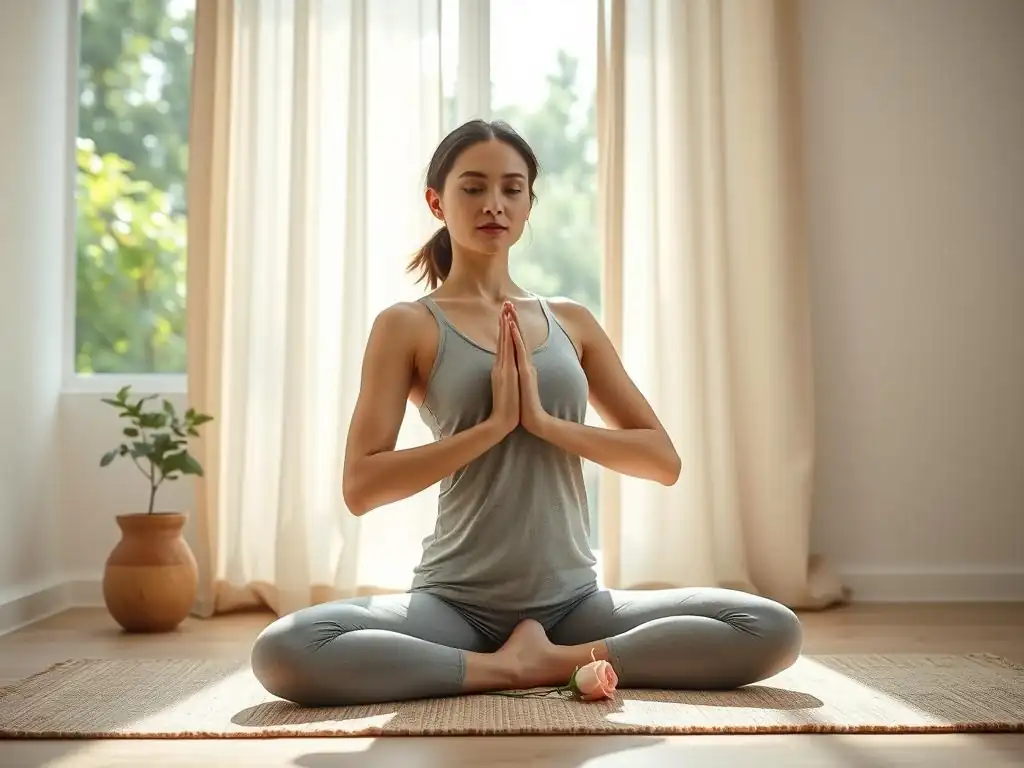
Establishing a consistent yoga practice tailored to your mental health needs requires intention and planning. It's not about becoming a perfect yogi but about finding a sustainable way to incorporate movement, breath, and mindfulness into your routine to support your well-being. This section outlines practical steps to help you begin and maintain your journey.
Remember that progress isn't linear, and some days will be easier than others. The key is consistency and self-compassion. Building a practice is a personal journey, and finding what works best for you is the ultimate goal.
Assessing Your Mental Health Needs and Setting Goals
Before starting a yoga practice for mental health, take some time to reflect on your specific needs and what you hope to gain. Are you primarily seeking yoga for anxiety relief? Do you want to improve your mood or manage stress better? Are you looking for a way to feel more grounded or present?
- [ ] Identify your primary mental health goal (e.g., reduce anxiety symptoms, improve sleep, increase energy).
- [ ] Note down any specific challenges you face (e.g., difficulty sitting still, physical limitations).
- [ ] Set realistic, achievable goals for your practice (e.g., practice 20 minutes, 3 times a week).
- [ ] Consider consulting with a mental health professional to discuss how yoga fits into your overall wellness plan.
Understanding your motivation and challenges will help you choose the right style of yoga and set appropriate expectations for your practice.
Choosing the Right Style of Yoga for Your Mental Well-being (Hatha, Restorative, Yin)
Different styles of yoga offer varying paces and focuses, making some more suitable for specific mental health goals than others.
- Hatha Yoga: Often a gentle, slower-paced style that focuses on holding poses for a few breaths. It's a good starting point for beginners, allowing time to learn basic postures and connect with the breath. Can be adapted for calming or gentle energizing.
- Restorative Yoga: Uses props like blankets, bolsters, and blocks to support the body in gentle stretches and poses held for longer durations (5-20 minutes). The focus is on deep relaxation and releasing tension. Highly recommended for intense stress, burnout, and seeking deep yoga for anxiety relief.
- Yin Yoga: Involves holding passive stretches for several minutes, targeting the deep connective tissues (fascia, ligaments, joints). It encourages stillness and introspection, which can be challenging but rewarding for cultivating patience and mindfulness. Can be very effective for releasing stored physical and emotional tension.
Consider trying different styles to see what resonates most with you and supports your current mental state. A fast-paced Vinyasa flow might be too stimulating when experiencing high anxiety, while a gentle Restorative class could be perfect.
Finding a Qualified Yoga Instructor or Online Resources
Learning yoga, especially when using it therapeutically, can be greatly enhanced by guidance.
- In-Person Classes: Look for studios or instructors who mention trauma-informed yoga or yoga for mental health in their descriptions. A good instructor can offer modifications, ensure proper alignment, and create a safe, supportive environment.
- Online Platforms and Apps: Numerous websites and apps offer yoga classes. Search for classes specifically labeled as "yoga for anxiety," "restorative yoga," or "yoga for stress relief." Many platforms offer introductory periods or free classes. Look for instructors with clear guidance and positive reviews.
- Yoga Therapy: For specific mental health conditions, consider seeking out a certified Yoga Therapist. They work one-on-one or in small groups to develop personalized yoga practices tailored to your individual needs and health goals, integrating yoga techniques with therapeutic principles.
While many free resources exist, investing in a few guided sessions or a reputable online platform can provide structure and ensure you are practicing safely and effectively.
Setting Up Your Yoga Space and Creating a Routine
Having a dedicated space and routine can make it easier to commit to your practice.
- [ ] Choose a quiet corner in your home where you won't be easily interrupted.
- [ ] Ensure the space is clean, comfortable, and has enough room to move.
- [ ] Gather any props you might need: a yoga mat is essential, and blankets, cushions, or blocks can enhance comfort and support, especially for restorative poses beneficial for anxiety relief.
- [ ] Decide on a consistent time for your practice, even if it's just 10-15 minutes daily or a few times a week. Morning practice can be grounding, while evening practice can help wind down.
- [ ] Treat your yoga time as a non-negotiable appointment with yourself.
Consistency is more important than duration. Even short, regular practices can yield significant mental health benefits over time.
Listening to Your Body and Modifying Poses as Needed
Yoga is a practice of self-awareness and non-harming (ahimsa). It's crucial to listen to your body's signals and modify poses to suit your current physical and emotional state.
- Pay attention to sensations without judgment. Distinguish between a healthy stretch and pain.
- Never force yourself into a pose. It's okay to back off or use props for support.
- If a pose feels triggering or uncomfortable mentally, gently come out of it and rest in Child's Pose or Savasana.
- Communicate with your instructor about any physical or mental health concerns you have.
- Understand that your capacity may vary from day to day. Be patient and kind to yourself.
Modifications are not a sign of weakness; they are an intelligent way to practice safely and make yoga accessible and beneficial for your unique needs, particularly when using yoga for anxiety relief or other sensitive mental health areas.
Maintaining Consistency and Tracking Your Progress
Building a sustainable yoga practice for mental health requires more than just starting; it requires finding ways to stay motivated and observe the subtle shifts that occur over time. Consistency is key to reaping the long-term benefits.
Don't get discouraged by missed days or perceived plateaus. Every time you return to your mat, you are reinforcing your commitment to your well-being.
Tips for Staying Motivated with Your Yoga Practice
Motivation can ebb and flow. Having strategies in place can help you stay on track even when you don't feel like practicing.
- Start Small: Even 5-10 minutes of mindful movement or breathing can make a difference. Don't feel pressured to do long sessions.
- Vary Your Practice: Explore different styles, instructors, or online classes to keep things interesting.
- Practice with Others: Join a class or practice with a friend for accountability and community.
- Connect to Your 'Why': Regularly remind yourself why you started practicing yoga for anxiety relief or other mental health benefits.
- Be Flexible: If you can't do your usual practice, do a few stretches or breathing exercises instead. Some movement is better than none.
- Celebrate Small Wins: Acknowledge when you show up for yourself, even on challenging days.
Finding joy in the practice itself, rather than focusing solely on outcomes, can also enhance motivation.
Journaling Your Experiences and Observing the Benefits
Keeping a simple journal can help you track your progress and notice the sometimes subtle ways yoga impacts your mental health.
- [ ] Note the date and duration of your practice.
- [ ] Jot down how you felt before practicing (e.g., anxious, tired, restless).
- [ ] Record the style of yoga or specific poses/breathing techniques you did.
- [ ] Describe how you felt after practicing (e.g., calmer, more energized, grounded).
- [ ] Note any observations about your sleep, mood, or reactions to stress throughout the week.
Reviewing your entries can provide valuable insights into the effectiveness of your practice and help you identify patterns. You might notice, for example, that your anxiety levels consistently decrease after a Restorative yoga session or that regular morning practice improves your overall mood throughout the day.
Recognizing and Addressing Challenges in Your Practice
You will likely encounter challenges on your yoga journey. These are normal and part of the process.
- Lack of Time: Schedule your practice like any other important appointment. Break it into shorter sessions if needed.
- Physical Discomfort/Pain: Consult a healthcare professional or a qualified yoga therapist. Modify poses or explore gentler styles.
- Mental Resistance/Boredom: Try a different style, instructor, or incorporate music. Remember that showing up is the practice itself.
- Increased Anxiety During Practice: This can happen, especially when first tuning into body sensations. Try focusing intensely on the breath, modifying challenging poses, or resting in Child's Pose. A trauma-informed instructor can be particularly helpful here.
- Feeling Like It's Not Working: Be patient. The benefits of yoga for anxiety relief and mental health often accumulate over time. Review your journal for subtle changes.
Addressing challenges with curiosity and self-compassion, rather than frustration, is key to maintaining a long-term practice.
Celebrating Your Progress and Embracing the Journey
Acknowledge and celebrate the progress you make, no matter how small it seems. Learning to manage anxiety or lift your mood is a significant achievement.
- Recognize moments when you used a breathing technique instead of getting overwhelmed.
- Appreciate times when you felt more present or less reactive.
- Celebrate showing up on days when it was difficult.
- Acknowledge improvements in physical strength, flexibility, or balance, as these can also boost confidence and mood.
Embrace the journey of self-discovery that yoga offers. It's a path of continuous learning and growth, supporting your mental well-being one breath and one pose at a time.
The Long-Term Benefits of Yoga for Sustained Mental Well-being
Committing to a consistent yoga practice offers profound and lasting benefits for mental health that extend far beyond temporary relief. These benefits build upon each other, creating a strong foundation for sustained emotional resilience and overall well-being.
Regular practice helps to retrain the nervous system and the mind, shifting ingrained patterns of stress and reactivity towards greater calm and presence.
Stress Reduction and Improved Resilience
One of the most well-documented long-term benefits of yoga is its ability to reduce chronic stress and improve the body's capacity to handle future stressors. By regularly engaging the parasympathetic nervous system, yoga helps lower baseline cortisol levels and reduces the intensity of the body's stress response.
Over time, this leads to improved resilience – the ability to bounce back from adversity. Instead of being overwhelmed by stressful situations, individuals who practice yoga consistently often find they can navigate challenges with greater equanimity, responding thoughtfully rather than reacting impulsively from a place of stress or anxiety. Research consistently shows a correlation between regular yoga practice (e.g., 2-3 times per week) and significant self-reported reductions in stress levels over periods of 8-12 weeks or longer.
Enhanced Emotional Regulation and Self-Awareness
Yoga cultivates self-awareness by encouraging practitioners to pay attention to their physical sensations, thoughts, and emotions without judgment. This increased awareness helps individuals recognize emotional states as they arise, rather than being blindsided by them.
With enhanced self-awareness comes improved emotional regulation. By understanding what they are feeling and where they feel it in their body, practitioners can choose how to respond. They might use a breathing technique learned on the mat to manage rising anger or anxiety, or recognize the physical signs of stress early on and take steps to mitigate it. This ability to observe and choose responses is fundamental to navigating complex emotional landscapes.
Increased Body Awareness and Self-Acceptance
Modern life often disconnects us from our bodies. Yoga encourages a mindful reconnection, fostering greater body awareness. This involves noticing physical sensations, understanding how different poses feel, and recognizing the body's signals regarding stress, fatigue, or tension.
Developing body awareness through yoga often leads to greater self-acceptance. As practitioners focus on what their body can do and appreciate its capabilities, rather than judging its appearance, a more positive body image can emerge. This self-acceptance is vital for mental health, reducing self-criticism and fostering a kinder relationship with oneself. This is particularly impactful for individuals whose mental health struggles are tied to body image issues.
Building a Stronger Mind-Body Connection for Overall Well-being
Ultimately, the long-term practice of yoga strengthens the mind-body connection. This integrated awareness means that individuals are better able to recognize how their thoughts and emotions influence their physical state, and how their physical health impacts their mental state.
This deeper connection empowers individuals to take proactive steps for their overall well-being. They might notice that poor sleep exacerbates their anxiety and prioritize rest, or recognize that certain thoughts trigger physical tension and work on reframing them. This holistic understanding fostered by yoga contributes to a more balanced and fulfilling life, supporting not just the management of specific conditions like anxiety or depression, but promoting overall flourishing.
Addressing Common Misconceptions About Yoga and Mental Health
Despite growing evidence and popularity, some misconceptions about yoga and its role in mental health persist. Addressing these can help individuals approach yoga with realistic expectations and avoid potential barriers to starting a practice.
Understanding what yoga is and isn't is crucial for integrating it effectively into a mental wellness routine.
Myth: Yoga is Only for Flexible People
This is perhaps the most common myth. Yoga is not about touching your toes or twisting into complex shapes. The physical poses (asanas) are simply tools to help connect with the breath and body, calm the mind, and release tension. Flexibility is often a result of practicing yoga, not a prerequisite.
Anyone, regardless of their current flexibility, strength, size, or age, can practice yoga. There are countless modifications available for poses, and styles like Restorative or Chair Yoga are specifically designed to be accessible. The focus in yoga for mental health is on internal experience – breath, sensation, and presence – not external appearance or achieving perfect alignment.
Myth: Yoga is a Quick Fix for Mental Health Issues
While a single yoga session can provide temporary relief from stress or anxiety, yoga is not a magic cure. Mental health is complex, and lasting change typically requires consistent effort and a multi-faceted approach. Viewing yoga as a quick fix can lead to disappointment and abandoning the practice prematurely.
Think of yoga as a tool you build proficiency with over time. The significant benefits for managing anxiety, depression, and stress accumulate through regular practice over weeks, months, and years. It's a journey of gradual shifts in the nervous system, thought patterns, and emotional resilience, not an overnight transformation.
Reality: Yoga is a Complementary Therapy, Not a Replacement for Professional Help
Yoga can be an incredibly powerful tool for supporting mental health and can significantly reduce symptoms of conditions like anxiety and depression. However, it is essential to understand that yoga is a complementary therapy. It works best when used in conjunction with, rather than instead of, professional medical and psychological treatment.
If you are experiencing significant mental health challenges, consulting with doctors, therapists, or counselors is the first and most important step. Yoga can then be integrated into your treatment plan under their guidance. A qualified mental health professional can help diagnose conditions, recommend appropriate treatments (which may include therapy, medication, and lifestyle changes), and advise on how practices like yoga fit into your overall recovery and wellness strategy.
Resources for Further Exploration of Yoga and Mental Health
If you're interested in delving deeper into the connection between yoga and mental well-being, numerous resources are available. Exploring these can provide further knowledge, guidance, and support for your journey.
From books by experts in the field to online platforms and organizations dedicated to therapeutic yoga, there are many avenues to expand your understanding and practice.
Recommended Books and Articles on Yoga and Mental Health
Several authors and researchers have explored the intersection of yoga, mindfulness, and mental health in depth.
- Yoga for Depression by Amy Weintraub offers specific practices and insights for managing low mood.
- Overcoming Trauma Through Yoga by David Emerson and Elizabeth Hopper provides a framework for using yoga in a trauma-sensitive way.
- Articles published in reputable health and wellness journals or on websites like the International Association of Yoga Therapists (IAYT) often discuss the latest research on yoga's therapeutic applications.
These resources can provide theoretical understanding and practical guidance for applying yoga principles to mental health challenges.
Online Yoga Classes and Apps for Mental Wellness
Many digital platforms offer classes specifically designed to support mental health.
- Platforms like Glo, YogaGlo (now part of Glo), or Yoga International offer extensive libraries with classes categorized for stress reduction, anxiety, depression, or relaxation.
- Apps like Calm, Headspace, or Insight Timer often include guided yoga or mindful movement sessions alongside meditation practices.
- Specific apps focusing solely on therapeutic yoga for conditions like anxiety are also available.
When choosing an online resource, look for qualified instructors and read reviews to find practices that resonate with your needs and comfort level.
Organizations Offering Yoga Therapy for Mental Health
For those seeking a more personalized and therapeutic approach, organizations dedicated to yoga therapy can provide valuable connections.
- The International Association of Yoga Therapists (IAYT) is a key organization that sets standards for yoga therapy and provides a directory of certified yoga therapists.
- Many mental health clinics or integrative wellness centers may have yoga therapists on staff or be able to provide referrals.
- Non-profit organizations sometimes offer specialized yoga programs for specific populations dealing with trauma, addiction, or mental illness.
Working with a certified yoga therapist ensures that the practice is tailored to your individual health conditions and therapeutic goals.
Conclusion: Embracing Yoga as a Tool for Mental Wellness in Your Daily Life
Embracing yoga as a tool for mental wellness means recognizing its potential to support your journey towards greater peace, resilience, and self-awareness. It's not about adding another item to a stressful to-do list but about cultivating moments of presence, breath, and mindful movement that nourish your mind and body. Whether you are seeking yoga for anxiety relief, looking to lift your mood, or simply aiming for better stress management, yoga offers a versatile and accessible path.
By understanding the science behind the mind-body connection, exploring specific techniques, setting realistic goals, and committing to a consistent practice, you can unlock the profound benefits that yoga holds for mental health. Remember that this is a personal journey, and progress unfolds gradually. Be patient, be kind to yourself, and allow the practice to meet you where you are each day. Integrating yoga into your daily life can be a powerful step towards cultivating lasting mental well-being.
Frequently Asked Questions
What types of yoga are most effective for anxiety relief?
Several types of yoga can be beneficial, including Hatha Yoga for its gentle approach, Restorative Yoga for deep relaxation, and Yin Yoga for releasing tension. The key is to find a style that promotes mindfulness and reduces stress.
How often should I practice yoga to experience anxiety relief?
Consistency is important. Aim for at least 3-4 sessions per week, each lasting between 30-60 minutes. Even short, regular practices can have a significant impact on your mental well-being.
Can yoga replace traditional mental health treatments like therapy or medication?
Yoga can be a complementary therapy but should not replace prescribed treatments. It's best to consult with a mental health professional to determine the most appropriate course of action for your specific needs.
What are some beginner-friendly yoga poses for anxiety?
Poses like Child's Pose, Corpse Pose (Savasana), and Mountain Pose are excellent for beginners. They are simple to learn and promote relaxation and grounding, leading to anxiety reduction.
Where can I find qualified yoga instructors for anxiety relief?
Look for instructors with experience in trauma-informed yoga or those specializing in yoga for mental health. Many studios and online platforms offer classes specifically designed to address anxiety and stress.
Final Reflection: Cultivating Inner Peace Through the Yoga Practice
The profound connection between our physical and mental well-being is undeniable, and in today's fast-paced world, finding effective strategies for anxiety relief is more crucial than ever. Yoga, far from being a mere physical exercise, offers a powerful pathway to calm the mind and strengthen the body, creating a resilient foundation against the stresses of modern life. Its enduring popularity speaks volumes about its effectiveness in navigating the complexities of our emotional landscape.
The impact of yoga on my own life, and the lives of countless others, has been transformative. It's not just about achieving a perfect pose; it's about cultivating a mindful awareness of breath, movement, and the present moment. This practice gently unravels the knots of tension, both physical and emotional, allowing for a deeper connection with oneself. Yoga is the journey of the self, through the self, to the self.
– The Bhagavad Gita. This ancient wisdom rings truer than ever as we seek solace and strength in the face of daily anxieties.
Now, consider your own journey. What small step can you take today to integrate the principles of mindful movement and breathwork into your daily routine? Perhaps it's a five-minute breathing exercise, a gentle stretching session, or simply dedicating a few moments to quiet reflection. Embrace the power of the mind-body connection; unlock your inner peace, and discover the transformative potential of yoga for anxiety relief and a more balanced, fulfilling life.
Unleash Your Inner Calm: Take the Next Step
Thanks for taking the time to explore the powerful connection between yoga and mental wellbeing! We hope you gained valuable insights into how this practice can transform your life. Now it's time to put that knowledge into action.
- Begin your yoga journey today! Even 10 minutes of mindful movement can make a difference. Find a quiet space, breathe deeply, and explore a beginner's flow online.
- Share your experience! Tell us about your first yoga session—what felt challenging, what surprised you? Let's build a supportive community together.
- Explore different yoga styles. From gentle Hatha to invigorating Vinyasa, there's a practice perfect for everyone. Experiment and discover what resonates with you.
What small step will you take today to nurture your mind and body?