
Elevating Your State: Using Spirituality to Deepen Mindfulness


Welcome.
Are you feeling adrift, searching for something more to anchor your mental wellbeing? At Mind Care Guide, we understand. It's a journey, not a destination. That's why we're here to illuminate the path towards inner peace. In this article, we delve into how spirituality can boost mental wellbeing, offering practical insights and perspectives to help you find solace and strength. Intrigued? Let's explore how connecting with something bigger than yourself can profoundly impact your mental health.
Elevating Your State: Using Spirituality to Deepen Mindfulness
- Understanding the Interplay: Spirituality, Mindfulness, and Mental Wellbeing
- How Spirituality Boosts Mental Wellbeing Through Mindfulness
- Practical Spiritual Practices to Enhance Mindfulness
- Overcoming Challenges in Combining Spirituality and Mindfulness
- Measuring the Impact: Assessing the Benefits of Spirituality on Mindfulness and Mental Health
- Conclusion: Embracing Spirituality for a Deeper, More Mindful Life
-
Frequently Asked Questions
- How can spirituality contribute to my overall mental wellbeing?
- What specific spiritual practices can help deepen mindfulness?
- Is spirituality the same as religion, and do I need to be religious to benefit?
- What if I'm skeptical about spirituality; can it still help me?
- How often should I engage in spiritual practices to see a difference in my mental wellbeing?
- Final Reflection: The Enduring Power of Spiritual Mindfulness
- Embrace Connection: Elevate Your Mindfulness Journey Today!
Understanding the Interplay: Spirituality, Mindfulness, and Mental Wellbeing
Defining Spirituality in the Context of Mental Health
Spirituality, within the framework of mental health, often refers to a personal search for meaning and purpose in life. It's not necessarily tied to organized religion, though it can be. Instead, it encompasses an individual's connection to something larger than themselves – be it nature, a higher power, humanity, or a universal consciousness. This connection can provide a sense of belonging, hope, and inner peace, all of which are vital components of robust mental wellbeing. It involves exploring values, ethics, and beliefs that guide one's actions and perspective on existence, fostering resilience in the face of life's inevitable challenges.
This search for meaning can manifest in various ways, from quiet contemplation and prayer to engaging in acts of service or finding wonder in the natural world. For someone navigating mental health struggles, integrating spirituality can offer a unique pathway to coping and healing. It provides a framework for understanding suffering, cultivating gratitude, and fostering forgiveness, both for oneself and others. The emphasis is on the internal experience and how connecting with deeply held beliefs or a sense of the sacred can ground and uplift the individual, contributing significantly to how spirituality boosts mental wellbeing.
Mindfulness as a Foundation for Spiritual Growth
Mindfulness, at its core, is the practice of paying deliberate attention to the present moment without judgment. It involves observing thoughts, feelings, bodily sensations, and the surrounding environment with openness and acceptance. While often taught in secular contexts for stress reduction and emotional regulation, mindfulness serves as a powerful foundation for spiritual exploration. By cultivating present-moment awareness, individuals become more attuned to their inner landscape and the subtle energies of life, which can open doors to deeper spiritual insights and experiences.
Regular mindfulness practice trains the mind to be less reactive and more receptive. This heightened awareness allows individuals to notice the interconnectedness of things, fostering a sense of awe and wonder that is often central to spiritual experiences. It helps quiet the incessant chatter of the ego, making space for intuition and a connection to something transcendent. Integrating mindfulness into one's life thus prepares the ground, making it easier to embark on or deepen a spiritual journey and experience how spirituality boosts mental wellbeing.
The Synergy Between Mindfulness and Spirituality: A Powerful Combination
When mindfulness and spirituality are combined, they create a powerful synergy that profoundly impacts mental wellbeing. Mindfulness provides the tools to quiet the mind and be fully present, while spirituality offers a context of meaning, purpose, and connection that enriches that presence. Practicing mindful awareness within a spiritual framework can transform routine activities into sacred moments, deepening one's connection to their beliefs and values. For example, mindful eating can become a moment of gratitude for nourishment, or a mindful walk in nature can become an experience of connecting with the divine or universal energy.
This combined approach helps individuals navigate difficult emotions and existential questions with greater acceptance and wisdom. Mindfulness allows for non-judgmental observation of suffering, while spiritual beliefs can provide a sense of hope, resilience, and a larger perspective. Together, they cultivate inner peace, reduce reactivity, and foster a sense of belonging, whether to a community or the cosmos. This potent combination is a key way spirituality boosts mental wellbeing, offering a holistic path to inner harmony and elevated states of consciousness.
How Spirituality Boosts Mental Wellbeing Through Mindfulness
Reduced Stress and Anxiety: The Calming Effect of Spiritual Practices
Many spiritual practices inherently promote relaxation and reduce the physiological responses associated with stress and anxiety. Activities like meditation, prayer, or even quiet contemplation have been shown to lower heart rate, reduce blood pressure, and decrease the production of stress hormones like cortisol. For example, studies have suggested that individuals who engage in regular spiritual practices often report lower levels of perceived stress. One review noted that participation in religious or spiritual activities correlated with a significant reduction in anxiety symptoms, sometimes comparable to therapeutic interventions, particularly for those with existing mental health conditions.
Furthermore, spirituality often provides a framework for processing difficult experiences and finding acceptance. Belief in a benevolent power or a larger cosmic plan can help individuals relinquish control and worry about things outside their influence. This surrender, coupled with the calming presence cultivated through mindful spiritual practices, creates a buffer against daily stressors. Finding solace and strength in one's faith or spiritual path significantly contributes to reduced stress and anxiety levels, demonstrating a direct way spirituality boosts mental wellbeing.
Enhanced Emotional Regulation: Developing Inner Peace through Spirituality
Spirituality cultivates virtues such as patience, compassion, forgiveness, and acceptance, all of which are crucial for effective emotional regulation. Through practices like loving-kindness meditation (a form of mindfulness rooted in many spiritual traditions), individuals learn to cultivate positive emotions towards themselves and others, which can help counteract negative emotional states. Spiritual teachings often emphasize non-attachment to outcomes and the transient nature of emotions, providing a perspective that helps individuals observe their feelings without being overwhelmed by them.
This process is further enhanced by the mindful awareness brought to emotional experiences. Instead of reacting impulsively to anger or sadness, a person grounded in spiritual mindfulness can acknowledge the emotion, understand its impermanent nature, and choose a response aligned with their values.
This ability to sit with discomfort and respond thoughtfully rather than reactively is a hallmark of emotional maturity and significantly enhanced by spiritual discipline. Research involving individuals with strong spiritual or religious affiliations has indicated a higher capacity for emotional resilience and faster recovery from negative emotional states following stressful events, illustrating how spirituality boosts mental wellbeing by fostering inner emotional stability.
Increased Self-Awareness: Exploring the Depths of Your Inner Self
The spiritual journey is fundamentally one of self-discovery and introspection. Practices such as journaling, contemplative prayer, or mindful meditation encourage individuals to look inward, exploring their thoughts, motivations, fears, and desires. This process, guided by mindfulness, allows for a non-judgmental examination of one's inner landscape, leading to profound insights about personal patterns, beliefs, and values. Increased self-awareness is a cornerstone of both psychological health and spiritual growth, enabling individuals to live more authentically and make choices aligned with their true selves.
This deep introspection, often facilitated by spiritual texts or teachings that prompt reflection on human nature and the purpose of life, helps individuals understand the root causes of their suffering and identify areas for growth. For instance, acknowledging habitual negative thought patterns through mindful observation is the first step towards changing them. When this is framed within a spiritual context of striving for virtues or aligning with a higher purpose, the motivation for self-improvement is amplified. This journey of exploring one's inner self with spiritual intention directly contributes to greater self-understanding and acceptance, reinforcing how spirituality boosts mental wellbeing.
Fostering Connection and Purpose: Finding Meaning Beyond the Material
A core aspect of spirituality is the sense of connection – connection to oneself, others, nature, or a higher power. This counters feelings of isolation and loneliness, which are significant risk factors for poor mental health. Participating in spiritual communities, engaging in acts of service driven by spiritual values, or simply recognizing one's place in the vastness of the universe can provide a profound sense of belonging and interconnectedness. This sense of connection is a powerful antidote to feelings of alienation and despair.
Furthermore, spirituality often imbues life with a sense of purpose and meaning beyond material pursuits. Identifying with a spiritual mission, striving to live according to spiritual principles, or believing in a larger plan can provide motivation and resilience during difficult times.
This sense of purpose gives individuals a reason to persevere, a framework for making decisions, and a source of hope. Studies on individuals with a strong sense of purpose, often linked to spiritual or altruistic values, show higher levels of life satisfaction and lower rates of depression and anxiety, powerfully demonstrating how spirituality boosts mental wellbeing by providing meaning and belonging.
Practical Spiritual Practices to Enhance Mindfulness
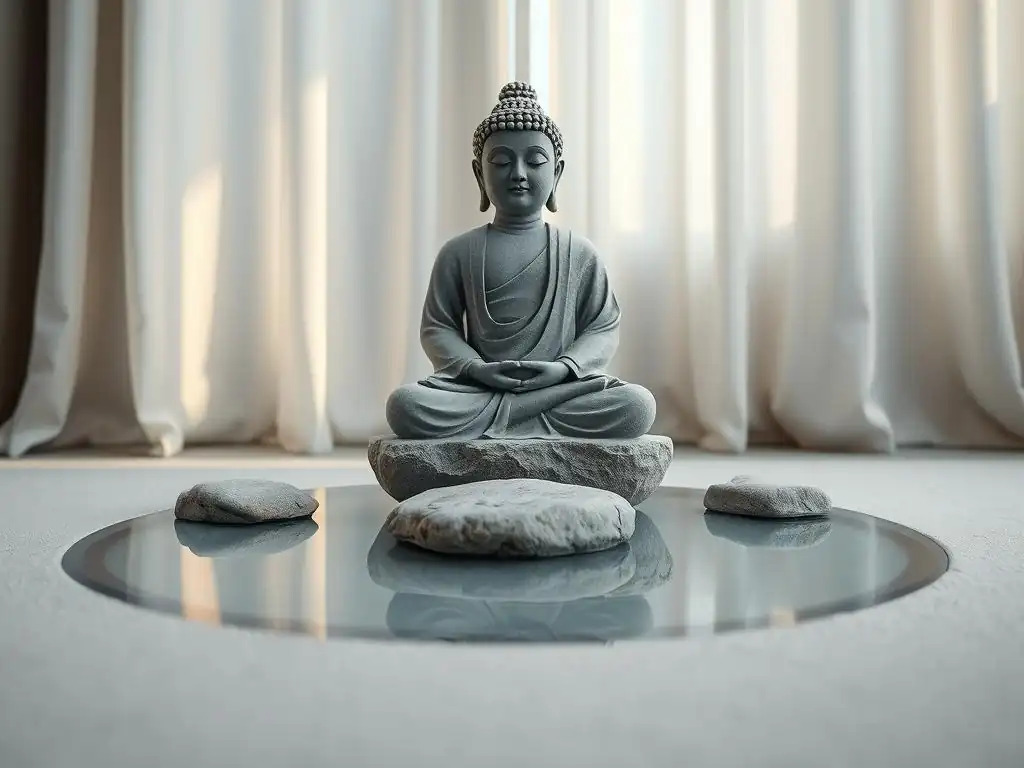
Meditation and Mindfulness: A Spiritual Connection
Meditation, particularly mindfulness meditation, is a practice shared across many spiritual traditions and a cornerstone of modern mental wellness programs. It involves focusing attention in a particular way – on the breath, bodily sensations, or a mantra – to cultivate present-moment awareness. When approached with a spiritual intention, meditation becomes more than just a cognitive exercise; it becomes a pathway to connect with one's inner self, the divine, or universal consciousness. This spiritual dimension can deepen the practice, making it a source of profound peace and insight.
Integrating mindfulness into spiritual practices enhances their effectiveness. For example, instead of reciting prayers mechanically, practicing mindful prayer involves fully engaging with the words, their meaning, and the feeling they evoke. Similarly, mindful reading of spiritual texts involves absorbing the content with open awareness, allowing its wisdom to resonate deeply. This mindful engagement transforms practices from rituals into living, breathing experiences that nourish the spirit and calm the mind, illustrating the practical ways spirituality boosts mental wellbeing.
Types of Meditation for Spiritual Growth and Mental Clarity
Numerous forms of meditation are conducive to both spiritual growth and mental clarity. Vipassana, or insight meditation, rooted in Buddhist tradition, focuses on observing reality as it is, cultivating awareness of the impermanent nature of thoughts, feelings, and sensations, which can lead to profound spiritual insights and detachment from suffering. Metta (loving-kindness) meditation, also from the Buddhist tradition, involves directing wishes of wellbeing towards oneself and others, fostering compassion and connection, key aspects of spiritual life that also reduce negativity and improve mood.
Contemplative prayer, found in Christian mysticism, involves resting in the presence of the divine, moving beyond discursive thought into a state of receptive silence. This form of meditation emphasizes connection and surrender. Sufi whirling, a practice from Islamic mysticism, uses movement and breath to enter a trance-like state aimed at connecting with the divine. Each of these diverse practices, while distinct in form, shares the common goal of transcending the ordinary mind to connect with a deeper reality or higher power, simultaneously promoting mental clarity and spiritual awareness.
Integrating Mindfulness into Daily Spiritual Practice
Integrating mindfulness into daily spiritual practice involves bringing conscious awareness to moments typically performed on autopilot. For someone who prays, this means focusing on each word, its meaning, and the feeling behind it, rather than letting the mind wander. For someone who reads spiritual texts, it means reading slowly, pausing to reflect, and noticing the thoughts and emotions that arise. Even simple acts like lighting a candle or setting up a prayer space can be done mindfully, appreciating the sensory experience and the intention behind the action.
Beyond formal practices, mindfulness can infuse everyday life with spiritual significance. Washing dishes can become a mindful act of service or a meditation on cleansing. Walking can become a moving meditation, connecting with the earth and the body. Seeing challenges through a spiritual lens of growth or divine will, while mindfully accepting the present difficulty, enhances resilience. This constant weaving of mindfulness into the fabric of daily life transforms mundane moments into opportunities for spiritual connection and reinforces how spirituality boosts mental wellbeing by creating a continuous sense of peace and presence.
Prayer and Affirmations: Cultivating Positive Mental States
Prayer, in its myriad forms, is a powerful spiritual practice that can significantly impact mental states. Whether it's petitionary prayer asking for guidance or help, or contemplative prayer focused on communion with the divine, the act of prayer can provide comfort, reduce feelings of isolation, and instill hope. Expressing gratitude through prayer shifts focus from lack to abundance, cultivating positive emotions. For many, the belief that their prayers are heard and answered offers a profound sense of security and reduces anxiety about the future.
Affirmations, while sometimes used in secular contexts, align closely with the spiritual principle of the power of belief and intention. Spiritually oriented affirmations might focus on embodying divine qualities (e.g., "I am filled with divine peace"), trusting in a higher plan ("Everything is unfolding as it should"), or affirming one's inherent worth ("I am a beloved child of the universe"). Repeating these statements mindfully, focusing on the feeling they evoke, can reprogram negative thought patterns and cultivate positive mental states, directly contributing to how spirituality boosts mental wellbeing.
The Power of Prayer for Emotional Healing
Prayer offers a unique avenue for emotional processing and healing. It provides a safe space to express fears, sorrows, anger, and confusion without judgment. Pouring out one's heart in prayer can be cathartic, releasing pent-up emotions. For individuals struggling with grief, trauma, or chronic stress, prayer can be a lifeline, offering solace and a sense of being supported by something greater than themselves. The act of surrendering burdens in prayer can alleviate the heavy weight of emotional pain.
Furthermore, many spiritual traditions emphasize forgiveness, which is often facilitated through prayer. Praying for the ability to forgive oneself or others can be a powerful step in releasing resentment and anger, emotions that significantly harm mental health. Seeking forgiveness through prayer can also alleviate guilt and shame. This process of emotional release, surrender, and forgiveness, guided by spiritual faith, is a profound way prayer contributes to emotional healing and demonstrates how spirituality boosts mental wellbeing.
Using Affirmations to Reinforce Positive Beliefs and Mental Wellbeing
Affirmations act as intentional statements designed to counteract negative self-talk and reinforce beliefs that support mental health and spiritual growth. When used mindfully, focusing on the meaning and feeling of the affirmation, they can gradually shift the brain's neural pathways. For example, someone struggling with self-worth might repeat, "I am worthy of love and belonging," connecting with the spiritual belief in inherent divine worth. Someone battling anxiety might affirm, "I am safe and protected by a loving presence."
Integrating affirmations into a spiritual practice means aligning them with one's core spiritual values and beliefs. This adds a layer of depth and conviction to the practice. Repeating affirmations during mindful meditation or incorporating them into daily prayer reinforces their impact. By consciously choosing and repeating positive, spiritually aligned statements, individuals actively cultivate a mindset of hope, resilience, and self-acceptance, vital components of mental wellbeing. This intentional practice is a practical method by which spirituality boosts mental wellbeing through cognitive and emotional restructuring.
Nature and Mindfulness: Finding Spiritual Connection in the Natural World
Connecting with nature is a practice deeply intertwined with spirituality and mindfulness across many cultures. The natural world provides a powerful setting for cultivating present-moment awareness – observing the intricate details of a leaf, listening to the sounds of the wind, feeling the texture of bark. This focused attention grounds the individual in the here and now, reducing rumination and anxiety. Beyond mindfulness, nature often evokes a sense of awe, wonder, and vastness, which can facilitate spiritual experiences and a feeling of connection to something larger than oneself.
Many spiritual traditions view nature as a manifestation of the divine or a sacred space. Spending time mindfully in nature can therefore become a spiritual practice in itself, a way to commune with the source of creation or universal energy. Whether it's walking through a forest, sitting by a body of water, or simply observing the sky, engaging the senses mindfully in a natural setting can quiet the mind and open the heart to spiritual insight and a sense of interconnectedness. This connection to the earth and its rhythms is a tangible way spirituality boosts mental wellbeing.
Mindful Walks and Spiritual Awakening
A mindful walk is more than just physical exercise; it's an opportunity to engage all the senses and cultivate present-moment awareness while moving through the world. When combined with spiritual intention, a mindful walk can become a pilgrimage, a moving meditation, or an opportunity for communion with nature or the divine. Paying attention to the feeling of the feet on the ground, the rhythm of breathing, the sights, sounds, and smells of the environment, all without judgment, deepens the connection to the present moment and the physical world.
Adding a spiritual layer involves setting an intention before the walk – perhaps walking in gratitude, seeking guidance, or simply being present with the sacredness of life. Noticing the beauty and complexity of nature can evoke feelings of awe and humility, often leading to moments of spiritual awakening or insight.
This practice reduces stress, clears the mind, and fosters a sense of peace and connection. Research consistently shows that spending time in nature reduces symptoms of depression and anxiety, and when approached mindfully and spiritually, this impact is often amplified, illustrating how spirituality boosts mental wellbeing through this simple yet profound practice.
Connecting with Nature for Stress Reduction and Spiritual Grounding
Beyond structured walks, simply spending time mindfully in nature provides significant stress reduction and spiritual grounding. Sitting quietly by a tree, observing the patterns of light and shadow, or listening to the birdsong can lower cortisol levels and promote a state of relaxation. The vastness of natural landscapes – mountains, oceans, deserts – can put personal problems into perspective, reducing feelings of being overwhelmed and fostering a sense of peace.
Spiritually, connecting with nature can offer a sense of belonging to a larger ecosystem and a connection to the cycles of life and death, growth and decay. This connection can be deeply grounding, providing stability and resilience. Many find spiritual solace and clarity in natural settings, feeling closer to their higher power or universal energy. This inherent ability of nature to calm the mind and uplift the spirit makes it a powerful ally in promoting mental wellbeing and serves as a tangible example of how spirituality boosts mental wellbeing.
Creative Expression: Channeling Spirituality Through Art and Mindfulness
Creative expression, whether through writing, painting, music, dance, or other forms, can be a profound spiritual practice and a powerful tool for mindfulness. Engaging in a creative activity mindfully involves focusing completely on the process, allowing thoughts and emotions to flow onto the canvas, page, or through movement without judgment. This state of flow, where the individual is fully immersed in the creative process, is inherently mindful and can open channels to deeper parts of the self and even transcendent experiences.
Spiritually, creative expression can be a way to explore and articulate one's beliefs, feelings about the divine, or the search for meaning. It can be an act of devotion, a form of prayer, or a way to process spiritual insights. The act of creation itself can be seen as participating in the divine creative process. Channeling spirituality through creative expression, approached with mindfulness, allows for authentic self-expression, emotional release, and connection to a source of inspiration beyond the ordinary, thereby enhancing mental wellbeing.
Journaling for Self-Discovery and Spiritual Insight
Journaling, when approached mindfully and with a spiritual intention, becomes a powerful tool for self-discovery and gaining spiritual insight. Instead of just recording daily events, mindful spiritual journaling involves exploring inner thoughts, feelings, doubts, and inspirations with openness and curiosity. This practice allows individuals to identify patterns, process emotions, and gain clarity on their spiritual path. Writing down thoughts can provide distance from them, making them easier to observe non-judgmentally.
Spiritually, journaling can be used to record moments of grace, insights gained during meditation or prayer, reflections on spiritual texts, or dialogues with a higher power. It can be a space to articulate questions about faith and meaning or to express gratitude and awe. This reflective process deepens self-awareness and strengthens the connection to one's spiritual beliefs and experiences. Research suggests expressive writing can reduce symptoms of depression and anxiety, and when combined with spiritual exploration, it can offer even greater benefits for mental clarity and peace, demonstrating how spirituality boosts mental wellbeing through reflective practice.
Art Therapy and Mindful Expression of Emotions
Art therapy utilizes creative processes to explore feelings, reduce conflict, increase self-awareness, and manage behavior. When integrated with mindfulness and spirituality, it becomes a holistic approach to emotional healing and spiritual expression. Mindful art creation involves focusing on the process of making art – the colors, textures, movements – without worrying about the final product. This present-moment focus allows for authentic expression of emotions that may be difficult to articulate verbally.
Spiritually, art can be used to represent abstract spiritual concepts, express feelings about one's faith journey, or create sacred objects. For someone struggling with complex emotions related to their spiritual beliefs or doubts, art provides a non-verbal outlet for exploration and processing. The act of mindfully creating art, whether painting, sculpting, or dancing, can be deeply therapeutic, releasing tension, fostering self-compassion, and connecting the individual to a source of creative energy that feels spiritual. This mindful, creative outlet is a unique way spirituality boosts mental wellbeing by facilitating emotional release and self-understanding.
Overcoming Challenges in Combining Spirituality and Mindfulness
Addressing Skepticism and Doubt
Integrating spirituality and mindfulness is not without its challenges. One significant hurdle is skepticism and doubt, particularly in a secularized world. Individuals may question the validity of spiritual concepts or feel uncomfortable with the language of faith. Doubt about one's own spiritual experiences or worthiness can also arise. Addressing skepticism involves acknowledging these feelings without judgment, recognizing that doubt is a natural part of any deep exploration, whether scientific or spiritual.
Approaching spirituality from an experiential perspective rather than solely a dogmatic one can be helpful. Focusing on the felt benefits of practices like mindful prayer or nature connection can resonate even with skeptics. It's okay not to have all the answers; the spiritual journey is often one of exploration rather than certainty. Finding a supportive community or a spiritual mentor can also provide guidance and validation, helping individuals navigate their doubts and continue exploring how spirituality boosts mental wellbeing.
Managing Time and Prioritizing Spiritual Practices
In the busyness of modern life, finding time for spiritual practices can be a major challenge. Daily demands of work, family, and social obligations often leave little room for quiet contemplation or dedicated practice. Managing time effectively and prioritizing spiritual activities require conscious effort and commitment. It's easy for these practices, which may not have immediate, tangible results like finishing a work project, to fall by the wayside.
Strategies for managing this include starting small – even five minutes of mindful breathing or a short reflective walk can be beneficial. Scheduling spiritual practice like any other important appointment can help ensure it happens. Integrating mindfulness into existing routines, such as being fully present while commuting or eating, also adds moments of spiritual connection without requiring extra time. Recognizing that consistent, albeit short, practice is more effective than infrequent long sessions can make the commitment feel less daunting and help sustain the effort required for spirituality to boost mental wellbeing.
Finding the Right Spiritual Path for You
The landscape of spirituality is vast and diverse, encompassing organized religions, indigenous traditions, and personal, eclectic paths. Finding a spiritual path that resonates authentically with an individual can be challenging. What works for one person may not feel right for another. This search can involve exploring different traditions, reading various texts, and experimenting with different practices. It may also involve questioning beliefs held since childhood or navigating differences with family and friends.
This process requires patience, self-compassion, and a willingness to explore. Mindfulness can be invaluable here, helping individuals pay attention to what feels true and nourishing to their spirit. It's important to remember that a spiritual path is a personal journey, and it's okay if it evolves over time. The goal is to find a framework that provides meaning, supports growth, and enhances mental wellbeing, allowing the individual to fully experience how spirituality boosts mental wellbeing in a way that is authentic to them.
Measuring the Impact: Assessing the Benefits of Spirituality on Mindfulness and Mental Health

Tracking Changes in Stress Levels and Anxiety
Assessing the impact of integrating spirituality and mindfulness on mental health can be done through various means, both subjective and objective. One common area to observe is changes in stress levels and anxiety. Subjectively, individuals can track their feelings daily or weekly using a simple journal or rating scale (e.g., rating anxiety on a scale of 1-10). Noticing a gradual decrease in the frequency or intensity of anxious feelings over time is a positive indicator. For example, someone might note that after three months of daily mindful prayer, their average anxiety rating dropped from a 7 to a 4.
More objectively, physiological markers can be considered. While not always accessible to individuals, clinical studies often measure biomarkers like cortisol levels or heart rate variability. Research has shown that consistent spiritual practices, often coupled with mindfulness, can lead to measurable improvements in these areas. For instance, one study found that participants engaging in regular meditation and prayer showed an average reduction in salivary cortisol levels by 12% over a six-month period compared to a control group. Tracking these changes, even subjectively, helps affirm the tangible ways spirituality boosts mental wellbeing.
Monitoring Emotional Regulation and Self-Awareness
Improvements in emotional regulation and self-awareness are also key indicators of the positive impact of spirituality and mindfulness. Subjectively, individuals can notice if they are less reactive to challenging situations, if they can sit with difficult emotions more comfortably, or if they recover more quickly from emotional upsets. Journaling can be particularly useful here, allowing individuals to reflect on specific instances and how they managed their emotional response compared to the past. For example, noting that a situation that previously caused intense anger for hours now results in a brief period of irritation that passes quickly.
Increased self-awareness might manifest as a better understanding of one's triggers, values, and motivations. Recognizing recurring thought patterns or understanding why certain situations are emotionally challenging are signs of growth. Feedback from trusted friends or family members can sometimes corroborate these internal observations, noting changes in patience or reactivity. While difficult to quantify precisely, these subjective shifts in emotional experience and self-understanding are powerful evidence of how spirituality boosts mental wellbeing by fostering inner control and insight.
Evaluating Overall Mental Wellbeing and Spiritual Growth
Evaluating overall mental wellbeing involves looking at a broader picture, encompassing mood, life satisfaction, resilience, and sense of purpose. Standardized questionnaires, such as the Warwick-Edinburgh Mental Wellbeing Scale (WEMWBS) or the Flourishing Scale, can provide a more structured way to track changes over time.
Many people find their overall outlook becomes more positive, they feel more hopeful, and they are better equipped to handle adversity after consistently engaging in spiritual and mindful practices. For example, a study might show that participants in a spirituality-focused mindfulness program reported a 15-20% increase in scores on a life satisfaction index after twelve weeks.
Simultaneously, assessing spiritual growth involves reflecting on one's connection to their spiritual beliefs, sense of meaning and purpose, and feelings of interconnectedness. This can be measured through journaling, conversations with spiritual mentors, or simply reflecting on how one's perspective on life and suffering has changed. Feeling more connected to something larger than oneself, experiencing moments of awe more frequently, or feeling a deeper sense of purpose are all signs of spiritual growth. These interconnected improvements in mental wellbeing and spiritual depth highlight the profound way spirituality boosts mental wellbeing.
Conclusion: Embracing Spirituality for a Deeper, More Mindful Life
Integrating Spirituality and Mindfulness for Lasting Mental Wellbeing
The journey towards enhanced mental wellbeing is deeply enriched by the integration of spirituality and mindfulness. These two powerful forces, when combined, offer a holistic approach to cultivating inner peace, resilience, and a profound sense of purpose. Mindfulness provides the essential skill of present-moment awareness, enabling individuals to observe their inner and outer worlds without judgment. Spirituality offers the context of meaning, connection, and hope, elevating this awareness to a realm of deeper significance. The synergy between them allows for a more profound understanding of oneself and one's place in the universe.
Embracing this integrated path means weaving mindful spiritual practices into the fabric of daily life. It involves finding moments for quiet reflection, connecting with nature, engaging in prayer or contemplation, and expressing oneself creatively – all with intentional awareness and a spiritual heart. This isn't about adhering to rigid doctrines but about cultivating a personal relationship with meaning and transcendence. The consistent practice demonstrates how spirituality boosts mental wellbeing, leading to reduced stress, improved emotional regulation, increased self-awareness, and a greater sense of connection and purpose.
Continuing Your Journey of Self-Discovery and Spiritual Growth
The path of integrating spirituality and mindfulness is a continuous journey of self-discovery and growth. There are no final destinations, only ongoing opportunities for deeper understanding and connection. Challenges will arise – doubt, busyness, distractions – but they are part of the process. Approaching these challenges with mindfulness and leaning into one's spiritual resources can transform obstacles into opportunities for learning and resilience.
Committing to this journey involves patience, compassion for oneself, and a willingness to explore. It's about finding practices that resonate personally and adapting them as needed. It's about staying curious about the inner landscape and the mysteries of existence. By continuing to cultivate both mindfulness and spirituality, individuals can unlock deeper levels of mental wellbeing, finding greater peace, joy, and meaning in their lives. This ongoing exploration is the ultimate testament to how spirituality boosts mental wellbeing, fostering a life lived with greater presence, purpose, and peace.
Frequently Asked Questions
How can spirituality contribute to my overall mental wellbeing?
Spirituality can offer a sense of purpose and meaning, providing comfort and resilience during stressful times. It can also foster connection and belonging, reducing feelings of isolation.
What specific spiritual practices can help deepen mindfulness?
Practices like meditation, prayer, and mindful nature walks can significantly enhance mindfulness. These activities encourage presence and awareness, helping you focus on the present moment.
Is spirituality the same as religion, and do I need to be religious to benefit?
No, spirituality is not necessarily the same as religion. While religion can be a source of spirituality, you can cultivate spirituality through personal practices and beliefs without adhering to a specific religious doctrine.
What if I'm skeptical about spirituality; can it still help me?
Even if skeptical, explore aspects like gratitude practices or connecting with nature. Focusing on values and meaning can still improve your mental well-being, irrespective of belief.
How often should I engage in spiritual practices to see a difference in my mental wellbeing?
Consistency is key. Even short, regular sessions (e.g., 10-15 minutes daily) of spiritual practice can lead to noticeable improvements in mood, stress levels, and overall mental wellbeing over time.
Final Reflection: The Enduring Power of Spiritual Mindfulness
The integration of spirituality into daily life is no longer a niche pursuit; it's a vital tool for navigating the complexities of modern existence and fostering genuine well-being. In a world saturated with information and demands, cultivating inner peace and mindful awareness through spiritual practices offers a powerful antidote to stress, anxiety, and burnout. This is not simply a trend; it's a fundamental shift towards prioritizing inner harmony in a relentlessly externalized world.
The exploration of spirituality's impact on mental well-being has profoundly shaped my own understanding of self-care and resilience. It's a journey of continuous discovery, a process of uncovering inner strength and wisdom that transcends the limitations of the everyday. The benefits extend far beyond individual well-being; a more spiritually grounded society fosters empathy, compassion, and a deeper connection with the world around us. The purpose of life, after all, is to live it, to taste experience to the utmost, to reach out eagerly and without fear for newer and richer experience.
– Eleanor Roosevelt. This quote perfectly encapsulates the transformative power of embracing a more mindful and spiritually enriched life.
Consider, for a moment, the ways in which you can incorporate spiritual practices into your own life. Perhaps it's through daily meditation, engaging with nature, practicing gratitude, or connecting with a community that shares your values. Don't underestimate the power of small, consistent actions. Begin today, even with a single mindful breath, and witness the ripple effect of inner peace radiating outwards, enriching not only your own life but also the lives of those around you. Embrace this journey of self-discovery; your well-being, and the well-being of the world, depends on it.
Embrace Connection: Elevate Your Mindfulness Journey Today!
Thank you for dedicating your time to explore the powerful intersection of spirituality and mindfulness! You’ve learned valuable insights that can transform your everyday experiences. Now, it’s time to put those insights into action and elevate your mindfulness journey further.
Here are a few simple yet impactful steps you can take right now:
- Start a Daily Practice: Carve out just 10 minutes each morning for meditation or mindfulness exercises that incorporate spiritual elements. This small daily commitment can shift your entire perspective.
- Join a Community: Look for local or online groups that resonate with your spiritual practices. Sharing your journey can deepen your understanding and keep you motivated!
- Explore New Techniques: Try integrating unconventional mindfulness methods, like nature immersion or creative expression, into your routine to elevate your spiritual practice.
What unique methods have you discovered that enhance your mindfulness? We would love to hear your journey and insights!