
Is Spirituality Necessary for Deep Mindfulness?

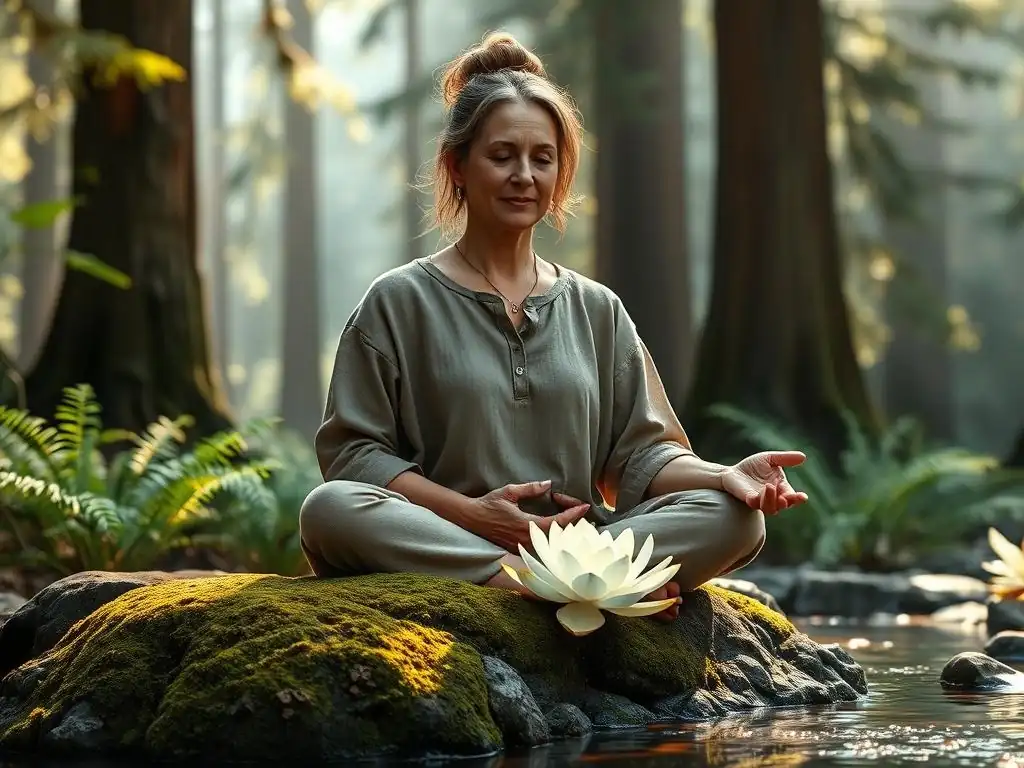
Welcome to Mind Care Guide, a safe space to explore your mental well-being. Feeling a disconnect, even within your mindfulness practice? Dive into our latest article, "Is Spirituality Necessary for Deep Mindfulness?" and discover how Spirituality enhances deep mindfulness, potentially unlocking a richer, more profound inner peace. Curious to learn more? Your journey to deeper understanding starts here...
Is Spirituality Necessary for Deep Mindfulness? A Mind Care Guide
- Introduction: Exploring the Intersection of Spirituality and Mindfulness
- The Argument for Spirituality Enhancing Deep Mindfulness
- The Case for Mindfulness Independent of Spirituality
- Key Differences: Spiritual Mindfulness vs. Secular Mindfulness
- Benefits of Combining Spirituality and Mindfulness Practices
- Potential Challenges of Integrating Spirituality into Mindfulness
- Practical Tips for Deepening Mindfulness Through Spirituality
- Conclusion: Finding Your Path to Deep Mindfulness
-
Frequently Asked Questions
- Is spirituality always required to achieve deep mindfulness?
- How does spirituality enhance deep mindfulness?
- What are some examples of spiritual practices that can support deep mindfulness?
- Can someone practice deep mindfulness without any spiritual beliefs?
- What if my spirituality feels disconnected from my mindfulness practice?
- Final Reflection: The Symbiotic Dance of Spirituality and Mindfulness
- Ignite Your Inner Peace: Take the Next Step
Introduction: Exploring the Intersection of Spirituality and Mindfulness
Defining Spirituality in the Context of Mental Well-being
Spirituality, within the framework of mental well-being, often refers to an individual's search for ultimate meaning, purpose, and connection. It transcends specific religious doctrines, focusing instead on the intrinsic human need to understand one's place in the universe, connect with something larger than oneself, and cultivate inner peace and transcendence. This can manifest through various avenues, including organized religion, personal belief systems, connection with nature, or a pursuit of ethical and moral living.
In this context, spirituality is less about dogma and more about the subjective experience of awe, interconnectedness, and a sense of sacredness in life. It involves exploring questions of value, identity, and the deeper dimensions of existence, often leading to a greater sense of resilience and hope when facing life's challenges. Research in positive psychology and mental health increasingly recognizes the significant role that spiritual beliefs and practices can play in fostering emotional stability and overall psychological health.
What Constitutes Deep Mindfulness Practice?
Deep mindfulness practice goes beyond simply paying attention to the present moment. It involves cultivating a profound, non-judgmental awareness of one's thoughts, feelings, bodily sensations, and the surrounding environment. This depth is achieved through sustained and dedicated practice, leading to greater clarity, insight, and equanimity. It's about developing the capacity to observe inner and outer experiences without getting swept away by reactivity or habitual thought patterns.
Achieving deep mindfulness often requires consistent effort, much like building physical strength or learning a complex skill. While initial steps might involve simple breath awareness exercises, deeper practice delves into observing the impermanent nature of phenomena, understanding the roots of suffering, and cultivating states of profound calm and insight. This level of practice can significantly impact how individuals relate to stress, difficult emotions, and the complexities of daily life, fostering a sense of inner freedom and presence.
The Argument for Spirituality Enhancing Deep Mindfulness
Spirituality as a Catalyst for Profound Mindfulness
Many argue that spirituality serves as a powerful catalyst for cultivating profound mindfulness. Spiritual paths often emphasize virtues like patience, compassion, humility, and non-attachment – qualities that deeply align with the principles of mindfulness. When mindfulness is infused with a spiritual intention, such as connecting with a higher power, serving others, or recognizing the sacredness of life, it can provide a deeper motivation and framework for practice. This sense of purpose can make the often challenging path of sustained mindfulness more meaningful and sustainable.
Furthermore, spiritual traditions frequently offer rich philosophical or theological contexts that can deepen one's understanding of consciousness, the self, and the nature of reality. Exploring these concepts can provide a broader perspective that enhances the introspective journey of mindfulness. For example, recognizing the interconnectedness of all things, a common theme in many spiritual traditions, can foster a more compassionate and less self-centered form of awareness, allowing spirituality enhances deep mindfulness by providing a wider lens through which to view one's experiences.
Spiritual Practices Fostering Mindfulness: Prayer, Meditation, and Contemplative Reading
Numerous spiritual practices are inherently mindful or serve as powerful tools for cultivating mindfulness. Meditation, a cornerstone of many spiritual traditions, is perhaps the most direct link, teaching focused attention and open awareness. Forms of prayer, beyond mere petition, often involve contemplative listening, expressions of gratitude, or focused reflection on spiritual texts, all of which demand present moment awareness and a quiet mind.
Contemplative reading of sacred texts or inspirational wisdom literature also encourages a slow, reflective engagement with words and ideas, fostering deep concentration and insight – key components of mindfulness. For instance, Lectio Divina, a traditional Christian practice, involves reading a short passage of scripture slowly and repeatedly, meditating on its meaning, praying in response, and finally contemplating its relevance to one's life. This structured engagement is a powerful exercise in focused, receptive awareness. These practices demonstrate how spirituality enhances deep mindfulness by providing established methods for cultivating attention and presence.
Cultivating Inner Peace and Awareness Through Spiritual Disciplines
Spiritual disciplines often involve practices aimed at purifying the mind, cultivating virtue, and achieving a state of inner peace, all of which directly support and are supported by mindfulness. Disciplines like fasting, solitude, acts of service, or ethical reflection encourage self-awareness, detachment from worldly distractions, and a focus on inner states. These practices can strip away layers of ego and habitual behavior, making the mind more receptive to mindful observation.
For example, engaging in regular acts of service, motivated by spiritual values, requires selfless attention to the needs of others and can foster profound empathy and present-moment engagement. Similarly, periods of solitude or silence, common in monastic traditions and personal retreats, remove external stimuli, forcing one to confront internal chatter and cultivate a deeper awareness of inner landscapes. This deliberate turning inward, guided by spiritual intention, powerfully demonstrates how spirituality enhances deep mindfulness, leading to a more stable and peaceful inner state.
The Case for Mindfulness Independent of Spirituality

Mindfulness as a Secular Practice: Benefits Without Spiritual Belief
Mindfulness has gained significant traction in recent decades as a secular practice, accessible and beneficial to individuals regardless of their spiritual or religious beliefs. Based on ancient contemplative traditions, particularly Buddhism, secular mindfulness extracts the core techniques of attention training and non-judgmental awareness while removing the specific philosophical or metaphysical frameworks. This approach makes mindfulness a practical tool for stress reduction, emotional regulation, and cognitive improvement, appealing to a broad audience in diverse settings like healthcare, education, and corporate environments.
The efficacy of secular mindfulness is supported by a growing body of scientific research. Studies using fMRI imaging, for example, have shown changes in brain regions associated with attention, emotion regulation, and self-awareness after mindfulness training. Individuals report benefits such as decreased anxiety and depression, improved focus, and better sleep, often without engaging in any form of spiritual introspection or belief. This highlights that the core mechanisms of mindfulness practice – focusing attention and observing experience non-judgmentally – yield significant psychological benefits independently of spiritual conviction.
Achieving Deep Mindfulness Through Focused Attention and Present Moment Awareness
Deep mindfulness can be cultivated purely through dedicated practice focused on attention and awareness training. Techniques like focused breathing meditation, body scans, walking meditation, and mindful eating are all methods that build the capacity for present moment awareness without requiring any spiritual component. The depth is achieved through consistent effort, increasing the duration and stability of attention, and refining the ability to observe thoughts and feelings without identification or reaction.
For instance, a practitioner might spend years refining their ability to simply observe the sensation of breath, noticing its subtle changes without getting lost in thought. This rigorous training in bare attention can lead to profound states of concentration (samadhi) and insight (vipassana), which are hallmarks of deep mindfulness, purely through the systematic application of attentional techniques. The focus remains squarely on the mechanics of perception and cognition, demonstrating that deep awareness is attainable through disciplined mental training alone.
Mindfulness-Based Stress Reduction (MBSR) and its Secular Approach
Mindfulness-Based Stress Reduction (MBSR), developed by Jon Kabat-Zinn at the University of Massachusetts Medical School, is a prime example of a highly effective secular mindfulness program. MBSR distills core mindfulness practices into an 8-week curriculum designed to help participants cope with stress, pain, and illness. The program is explicitly non-religious and non-spiritual, focusing instead on the practical application of mindfulness techniques in daily life.
Participants in MBSR are taught formal meditation practices, gentle yoga, and mindful communication, all framed within a scientific and psychological context. The emphasis is on experiential learning and integrating mindfulness into everyday activities, such as eating or walking. Research consistently shows that MBSR is effective in reducing symptoms of anxiety and depression, improving sleep quality, and enhancing overall well-being, providing strong evidence that deep and beneficial mindfulness can be cultivated entirely within a secular framework, independent of spiritual beliefs.
Key Differences: Spiritual Mindfulness vs. Secular Mindfulness
Comparing Core Principles: Intention, Ethics, and Mindfulness
While both spiritual and secular mindfulness practices share the common element of present-moment awareness, they often differ in their core principles, particularly regarding intention and ethics. Secular mindfulness primarily focuses on improving psychological well-being, reducing stress, and enhancing cognitive function. The intention is often therapeutic or performance-oriented, aiming to make the individual more resilient and effective in navigating life's challenges.
Spiritual mindfulness, on the other hand, typically embeds mindfulness within a broader ethical and philosophical framework. The intention often extends beyond personal well-being to include spiritual growth, ethical conduct, compassion for all beings, and sometimes, connection with the divine or ultimate reality. Ethical guidelines (like precepts or commandments) are often integral to the practice, seen not just as rules but as ways to purify the mind and create a conducive environment for deeper awareness. This highlights how spirituality enhances deep mindfulness by giving it a moral and cosmic dimension.
The Role of Belief Systems in Spiritual and Secular Mindfulness
A fundamental difference lies in the role of belief systems. Secular mindfulness requires no specific beliefs about reality, consciousness, or the divine. Its efficacy is presented as a result of psychological and neurological processes that are universal. The focus is empirical and pragmatic: does the practice help reduce stress or improve focus?
Spiritual mindfulness, conversely, is often intertwined with specific theological, philosophical, or cosmological beliefs. These beliefs can provide context, motivation, and a sense of purpose for the practice. For a spiritual practitioner, mindfulness might be a way to experience divine presence, cultivate virtues aligned with religious teachings, or gain insight into the nature of soul or spirit. While belief isn't always required for the technique of mindfulness, it is often integral to the meaning and purpose of the practice within a spiritual path, illustrating how spirituality enhances deep mindfulness by providing a rich interpretive layer.
Measuring Mindfulness: Subjective Experiences vs. Objective Outcomes
Measuring mindfulness presents challenges in both secular and spiritual contexts, though the emphasis can differ. Secular approaches often rely on self-report questionnaires (like the Five Facet Mindfulness Questionnaire) and objective measures such as physiological indicators (heart rate variability) or neurological markers (EEG or fMRI data) to assess changes in attention, emotional reactivity, and brain function. The focus is on quantifiable outcomes related to psychological health and cognitive ability.
Spiritual mindfulness, while potentially showing similar objective outcomes, also heavily emphasizes subjective experiences that are harder to quantify scientifically. These include feelings of transcendence, connection to the divine, mystical experiences, or profound shifts in one's sense of self and purpose.
While these experiences are deeply meaningful to the practitioner and are considered evidence of spiritual growth and deep awareness within that framework, they are not typically the primary focus of measurement in secular scientific studies. This difference reflects the distinct goals and frameworks of the two approaches, showing how spirituality enhances deep mindfulness by adding dimensions beyond the purely observable.
Benefits of Combining Spirituality and Mindfulness Practices
Increased Self-Awareness and Emotional Regulation
Combining spiritual practices with mindfulness can lead to a more profound increase in self-awareness and emotional regulation than either practice alone. Mindfulness provides the tools to observe thoughts and emotions non-judgmentally, while spirituality can provide a framework for understanding the deeper roots of these experiences and cultivating virtues like patience and compassion towards oneself. For example, mindful observation of anger, when viewed through a spiritual lens of forgiveness or non-attachment, can lead to a deeper release and understanding than just noting the sensation.
Integrating practices might involve mindful prayer where one pays close attention to feelings arising during devotion, or contemplative meditation focused on spiritual themes like love or interconnectedness. This synergy allows individuals to not only recognize emotional patterns but also to approach them with a sense of purpose and acceptance derived from their spiritual beliefs. Research suggests that individuals who integrate spiritual coping mechanisms alongside mindfulness often report greater emotional resilience and a more stable sense of self, underscoring how spirituality enhances deep mindfulness for emotional well-being.
Enhanced Compassion and Empathy Through Integrated Practices
Both mindfulness and many spiritual traditions strongly emphasize compassion and empathy. Combining them can significantly enhance these qualities. Mindfulness helps individuals become more aware of their own suffering and the suffering of others, breaking down barriers of self-preoccupation. Spiritual teachings often provide the motivation and ethical imperative for extending compassion universally, seeing others as interconnected or worthy of love based on shared humanity or divine spark.
Practices like loving-kindness meditation (metta), which is both a mindfulness technique and a spiritual practice in many traditions, become particularly potent when fueled by spiritual conviction. Directing wishes for well-being towards oneself, loved ones, neutral persons, difficult persons, and ultimately all beings, is more deeply impactful when grounded in a belief system that values universal love or the interconnectedness of life. This integration clearly demonstrates how spirituality enhances deep mindfulness, particularly in cultivating virtues that extend beyond the self.
Finding Meaning and Purpose: The Spiritual Dimension of Mindfulness
One of the most significant benefits of integrating spirituality into mindfulness is the capacity to find deeper meaning and purpose in life. While secular mindfulness can improve functioning, spiritual mindfulness often connects the practitioner to larger questions of existence, values, and ultimate goals. This can provide a powerful sense of direction and significance, especially when navigating life's inevitable difficulties and existential questions.
Mindful reflection on one's values, guided by spiritual principles, can clarify priorities and motivate actions aligned with one's deepest beliefs. For someone struggling with loss or illness, a spiritual perspective combined with mindful acceptance can transform suffering into an opportunity for growth and connection to something larger. This search for and discovery of meaning is a hallmark of spiritual paths, and when fused with the attentive awareness of mindfulness, it allows spirituality enhances deep mindfulness by providing a rich context for understanding one's place and purpose in the world.
Potential Challenges of Integrating Spirituality into Mindfulness

Integrating spirituality and mindfulness can be complex due to the vast diversity of belief systems and cultural contexts. What constitutes "spirituality" varies immensely across individuals and cultures, ranging from organized religion to indigenous practices to personal philosophies. Finding a way to combine universal mindfulness techniques with specific spiritual beliefs requires careful consideration and respect for individual differences.
For example, a mindfulness practice integrated with Christian prayer will look very different from one integrated with Buddhist philosophy or Native American traditions. Challenges can arise in interfaith settings or when teaching integrated practices, requiring sensitivity to avoid imposing one belief system on others. Navigating these differences necessitates an open-minded and inclusive approach that honors the individual's unique spiritual path while offering the tools of mindfulness.
Avoiding Dogmatism and Maintaining Open-Mindedness
A significant challenge in integrating spirituality and mindfulness is the risk of falling into dogmatism. Spiritual paths, while offering profound wisdom, can sometimes be accompanied by rigid doctrines or exclusive truth claims. Mindfulness, at its core, encourages open, non-judgmental observation and a questioning mind. Blending these can sometimes lead to tension if not approached mindfully.
It's crucial for practitioners to maintain a spirit of inquiry and open-mindedness, using mindfulness to explore their beliefs rather than using beliefs to restrict their awareness. This involves being mindful of attachment to specific doctrines and being willing to observe experiences that might challenge pre-conceived notions. Avoiding the trap of using spiritual beliefs to bypass or judge difficult emotions, instead of mindfully processing them, is also vital to ensure that spirituality enhances deep mindfulness rather than hindering genuine self-awareness.
Addressing Potential Conflicts Between Spiritual and Secular Values
Potential conflicts can arise when integrating spiritual and secular values, particularly in areas like ethics, lifestyle choices, or views on the material world. For example, a secular mindfulness practitioner might focus on optimizing productivity and personal achievement, while a spiritual tradition might emphasize detachment from worldly success and focus on service or contemplation.
Navigating these potential conflicts requires mindful discernment – reflecting on how spiritual values can inform and enrich one's secular life without creating internal division or external conflict. This might involve finding ways to live ethically in a complex world, balancing material responsibilities with spiritual aspirations, and using mindfulness to stay present and aligned with one's deepest values amidst competing demands. Successfully addressing these conflicts ensures that the integration is harmonious and supports overall well-being, allowing spirituality enhances deep mindfulness in a balanced way.
Practical Tips for Deepening Mindfulness Through Spirituality
Incorporating Meditation and Prayer into Daily Life
One of the most direct ways to deepen mindfulness through spirituality is by consistently incorporating meditation and prayer into your daily routine. Start small, perhaps with just 5-10 minutes each morning or evening. Find a quiet space where you can sit comfortably. If praying, you might focus on gratitude, intention, or connection. If meditating, you might use your breath as an anchor, bringing gentle awareness to sensations, thoughts, and feelings as they arise, perhaps framing this observation within a spiritual context of witnessing the flow of life or consciousness.
Consider linking these practices to existing habits. For instance, meditate or pray immediately after waking up or before going to bed. Using a simple spiritual phrase or mantra (from your tradition, if any) during meditation can also help focus the mind and infuse the practice with spiritual meaning. The key is consistency; even short, regular periods of mindful prayer or meditation can significantly deepen your capacity for presence and awareness throughout the day, demonstrating how spirituality enhances deep mindfulness incrementally.
Engaging in Nature and Contemplative Practices
Nature has long been a source of spiritual inspiration and a powerful aid to mindfulness. Spending time outdoors, whether walking in a park, sitting by a body of water, or simply observing the sky, offers countless opportunities for present-moment awareness. Mindfully engaging with nature involves paying attention to sensory details – the feel of the breeze, the sounds of birds, the sight of light filtering through leaves – without judgment or analysis.
Contemplative practices in nature can involve reflecting on themes like interconnectedness, impermanence (observing changing seasons), or gratitude for the natural world, linking the mindfulness experience to deeper spiritual insights. Journaling about these experiences can also deepen reflection. This practice allows spirituality enhances deep mindfulness by providing a vast, dynamic canvas for observation and connecting personal awareness to the larger cycles and beauty of existence.
Connecting with a Spiritual Community for Support and Guidance
Connecting with a spiritual community can provide invaluable support and guidance for integrating spirituality and mindfulness. Sharing your journey with others who share similar values can offer encouragement, perspective, and a sense of belonging. Many spiritual communities offer guided meditations, contemplative services, or study groups that explore the intersection of faith and practice.
Learning from experienced teachers or fellow practitioners within a spiritual context can help you navigate challenges, deepen your understanding of both your spiritual path and mindfulness techniques, and stay motivated. Group practices, whether prayer circles, meditation sittings, or communal service, can also amplify the sense of connection and purpose, reinforcing how spirituality enhances deep mindfulness not just individually, but collectively, fostering shared awareness and compassionate action.
Conclusion: Finding Your Path to Deep Mindfulness
The Importance of Personal Exploration and Self-Discovery
Ultimately, the relationship between spirituality and deep mindfulness is a deeply personal one, best explored through individual experience and self-discovery. There is no single right answer to whether spirituality is "necessary" for deep mindfulness; it is clear that profound awareness can be cultivated through both secular and spiritual paths. The most effective approach for you will depend on your background, beliefs, and what resonates most authentically.
Embarking on this exploration involves trying different practices, reflecting on what feels meaningful and beneficial, and being patient with yourself. It's a journey of continuous learning and adaptation. Pay attention to how different approaches impact your sense of presence, peace, and connection. Your path may evolve over time, incorporating elements from various traditions or developing a unique blend that nourishes your mind, heart, and spirit.
Spirituality and Mindfulness: A Synergistic Approach to Mental Well-being
While not strictly necessary for the technique of mindfulness, spirituality often provides a rich context, deeper motivation, and expanded meaning that can significantly enhance the practice, leading to what some might call a deeper or more profound form of mindfulness. The evidence suggests that spirituality enhances deep mindfulness by providing a framework for understanding the self, cultivating virtues like compassion, and connecting to a sense of purpose larger than oneself.
When integrated thoughtfully, spirituality and mindfulness create a powerful synergy for mental well-being. Mindfulness provides the tools for present-moment awareness and emotional regulation, while spirituality can offer resilience, hope, and a sense of connection in the face of life's challenges. Together, they can foster a holistic approach to health that nurtures not just the mind, but also the spirit, leading to greater peace, clarity, and fulfillment.
Moving Forward: Resources for Continued Learning and Practice
For those interested in exploring the synergy between spirituality and mindfulness, there are many resources available.
- Books and Articles: Seek out writings that explore the intersection from various perspectives, including psychological, philosophical, and theological viewpoints. Look for authors who write from experience and offer practical guidance.
- Workshops and Retreats: Participate in workshops or retreats that specifically integrate contemplative practices with spiritual themes. These can provide immersive experiences and guided instruction.
- Spiritual Centers: Connect with spiritual or religious centers that offer meditation groups, contemplative services, or programs focused on inner development.
- Online Courses: Many online platforms offer courses on both secular mindfulness and faith-based contemplative practices, allowing you to learn at your own pace.
- Mindfulness Apps: Some mindfulness apps now include content specifically designed for different spiritual traditions or offer guidance on bringing intention to your practice.
By continuing to learn and practice, you can discover how spirituality enhances deep mindfulness in your own life, fostering a path towards greater peace, self-awareness, and a deeper connection with yourself and the world around you.
Frequently Asked Questions
Is spirituality always required to achieve deep mindfulness?
No, spirituality isn't always required. While it can be a powerful tool, deep mindfulness can also be cultivated through secular practices like meditation and focused breathing.
How does spirituality enhance deep mindfulness?
Spirituality can offer a framework of meaning and purpose, which can deepen the sense of connection and self-awareness cultivated through mindfulness. This often involves acceptance and compassion.
What are some examples of spiritual practices that can support deep mindfulness?
Examples include prayer, yoga, meditation within a religious context, and engaging in acts of service or contemplation. These practices often encourage inner reflection.
Can someone practice deep mindfulness without any spiritual beliefs?
Yes, absolutely! Mindfulness can be practiced as a secular technique focused on present moment awareness and acceptance of thoughts and feelings without judgment.
What if my spirituality feels disconnected from my mindfulness practice?
It's important to find practices and beliefs that align with your values. If there's a disconnect, explore different spiritual paths or focus on secular mindfulness techniques that resonate with you.
Final Reflection: The Symbiotic Dance of Spirituality and Mindfulness
The pursuit of deep mindfulness, far from being a mere trend, is a vital path towards navigating the complexities of modern life. Its ability to foster inner peace and emotional resilience is increasingly recognized, but the question of spirituality's role remains a crucial point of discussion. This article explored the interwoven relationship between these two concepts, highlighting how spirituality can significantly enhance the depth and transformative power of mindfulness practice.
The exploration of this connection has profoundly impacted my own understanding of both mindfulness and spirituality. I've come to appreciate that while mindfulness can be practiced secularly, the integration of spiritual principles often unlocks a deeper level of self-awareness and acceptance. This resonates deeply with the words of Thich Nhat Hanh: Mindfulness is the energy that makes love possible.
The spiritual dimension, with its emphasis on compassion, interconnectedness, and a sense of purpose beyond the self, fuels the very essence of mindful living, allowing for a more profound and lasting impact on our lives.
Now, consider your own journey. Do you find that your mindfulness practice is enriched by a spiritual framework? Or do you find a different path to deep mindfulness? Regardless of your perspective, I invite you to reflect on the ways in which you cultivate inner peace and presence. Embrace the exploration, for the path to deep mindfulness is a personal one, and its rewards are immeasurable. Let this exploration inspire you to deepen your practice, whatever form it may take, and to discover the unique synergy between mindfulness and your own personal understanding of the world.
Ignite Your Inner Peace: Take the Next Step
Thanks for taking the time to explore the connection between spirituality and mindfulness with us! We hope you gained valuable insights into cultivating a deeper, more meaningful practice. Now, it's time to put these insights into action.
Here's how you can continue your journey:
- Embark on a 5-minute guided meditation: Start small and experience the immediate benefits of a focused, mindful practice. Even a few minutes daily can make a profound difference.
- Share your thoughts and experiences: Join the conversation in the comments below. What resonates most with you from today's exploration? What challenges are you facing?
- Try a mindful journaling exercise: Reflect on your current mindfulness practice and explore how incorporating spiritual elements might enhance it. Consider what aspects of spirituality might feel most authentic to you.
What small step will you take today to deepen your connection to mindfulness, regardless of your spiritual beliefs?