
What Kind of Prayer Helps Anxiety Most?

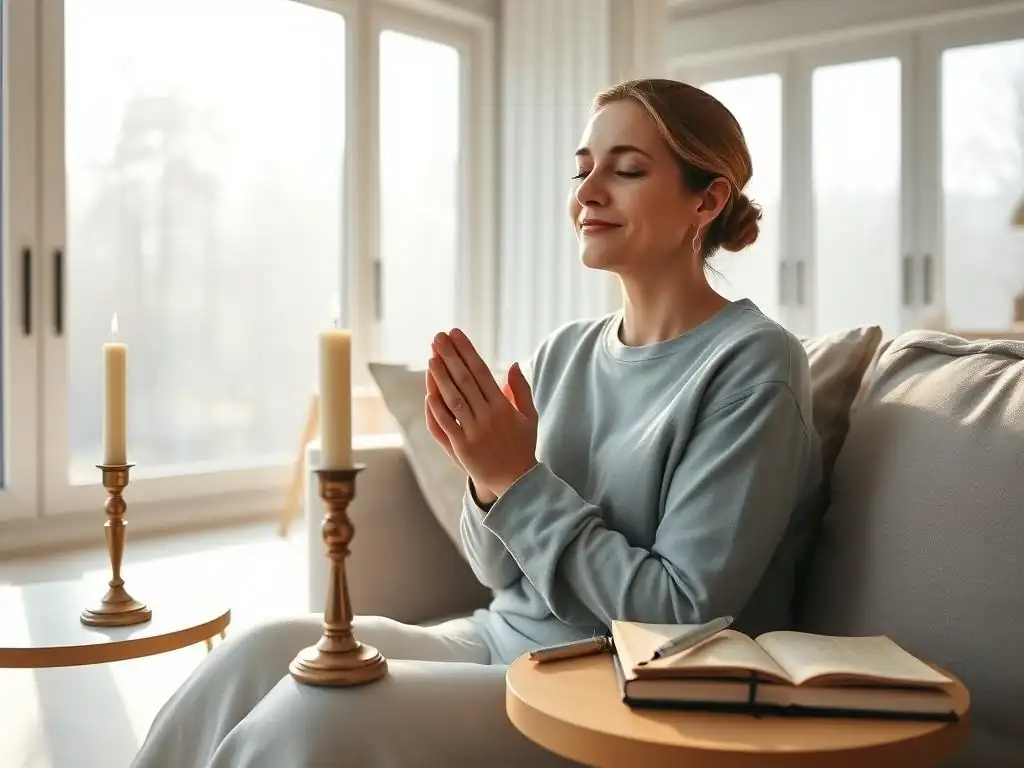
Welcome to Mind Care Guide, a safe space where your mental well-being is our priority. Feeling overwhelmed by anxiety? You're not alone. Many find solace and strength in connecting with something larger than themselves. But what kind of prayer for anxiety relief truly makes a difference? Let's explore how to find peace and calm through spiritual practice, starting with understanding the power of intention and connection. Are you ready to discover which prayer resonates with you?
Exploring Prayer for Anxiety Relief
- Understanding Anxiety and the Role of Prayer
- Types of Prayer for Anxiety
- Prayer and Anxiety Reduction: Scientific Perspectives
- Choosing a Prayer Method
- Tips for Effective Prayer
- Challenges and Considerations
- Examples of Prayer and Anxiety Relief
- Conclusion: Prayer and Anxiety Management
-
Frequently Asked Questions
- What is the core concept behind using prayer for anxiety relief?
- Does prayer for anxiety relief guarantee immediate results?
- What types of prayers are considered most effective for anxiety relief?
- How does incorporating mindfulness enhance the effectiveness of prayer for anxiety relief?
- Where can I find more resources from Mind Care Guide related to anxiety relief beyond just prayer?
- Final Reflection: Finding Solace in Prayer's Embrace
- Unlock Your Inner Calm: Practical Steps to Manage Anxiety Through Prayer
Understanding Anxiety and the Role of Prayer
Defining Anxiety: Symptoms and Impact
Anxiety is a complex emotional state characterized by feelings of worry, nervousness, or unease, often about an imminent event or something with an uncertain outcome. While a normal human experience in response to stress, it becomes a clinical concern when it is excessive, persistent, and interferes with daily life. Symptoms can manifest both psychologically and physically, including restlessness, fatigue, difficulty concentrating, irritability, muscle tension, and sleep disturbances.
Some common anxiety disorders, such as Generalized Anxiety Disorder (GAD), Panic Disorder, and Social Anxiety Disorder, affect millions of people worldwide. For instance, estimates suggest that around 18% of the adult population in the United States experiences an anxiety disorder in any given year, highlighting its widespread impact.
The impact of chronic anxiety extends far beyond emotional discomfort. It can significantly impair an individual's ability to function at work or school, maintain relationships, and engage in activities they once enjoyed. The constant state of heightened alert can lead to physical health problems over time, including digestive issues, headaches, and a weakened immune system.
The pervasive nature of anxiety means that finding effective coping strategies is crucial for improving quality of life. Many individuals explore various avenues for help, including therapy, medication, lifestyle changes, and spiritual practices, with prayer for anxiety relief being a common approach for those with faith.
Spirituality, Prayer, and Mental Well-being
Spirituality and mental well-being are deeply interconnected for many people. Engaging in spiritual practices, such as prayer, meditation, or communal worship, can provide a sense of meaning, purpose, and connection that acts as a buffer against stress and emotional distress. Research in psychoneuroimmunology explores how beliefs and spiritual practices can influence the brain and body, potentially affecting mood, stress hormones, and immune function. Studies have indicated that individuals who report higher levels of spirituality or religious engagement often show lower rates of depression and anxiety, suggesting a protective effect.
Prayer, in particular, serves as a direct form of communication with a higher power or a means of internal reflection for many. It can foster feelings of hope, comfort, and peace, which are particularly valuable when navigating the turbulent experience of anxiety. The act of prayer can help individuals feel less alone in their struggles, believing they are supported by something greater than themselves.
This sense of connection and trust can be a powerful antidote to the isolation and fear often associated with anxiety. Exploring prayer for anxiety relief is a personal journey, but one rooted in the potential for spiritual connection to foster inner resilience.
Prayer as a Coping Mechanism for Anxiety
For many people, prayer functions as a readily accessible coping mechanism when faced with anxious thoughts or situations. The structured nature of prayer, whether reciting known verses or speaking spontaneously, can provide a sense of control and routine during moments of chaos. It offers a dedicated time to pause, breathe, and redirect focus away from overwhelming worries. This intentional shift in attention can interrupt the cycle of anxious rumination, providing temporary relief and a sense of calm.
Furthermore, prayer can provide a framework for processing difficult emotions and experiences. By articulating fears, uncertainties, and hopes, individuals can gain perspective and feel a release of pent-up emotional energy. The belief that one's concerns are being heard by a compassionate presence can alleviate feelings of burden. This form of emotional expression, combined with the potential for feeling connected to a divine source, makes prayer for anxiety relief a valuable tool in many people's mental wellness toolkit.
Types of Prayer for Anxiety
Gratitude Prayer: Cultivating Thankfulness
Gratitude prayer involves focusing on and expressing thankfulness for the positive aspects of one's life, even amidst challenges. This type of prayer intentionally shifts the mind's focus from what is lacking or feared to what is present and appreciated. By listing blessings, big or small, individuals can counteract the negative bias often present in anxious thinking. For example, someone feeling overwhelmed by financial anxiety might pray to express gratitude for their health, supportive friends, or even the simple comfort of a warm home.
This practice is not about ignoring difficulties but about building psychological resilience by acknowledging sources of strength and comfort. Regularly engaging in gratitude prayer can retrain the brain to notice and value positive experiences, gradually reducing the dominance of anxious thought patterns. It fosters a more balanced perspective, reminding the individual that even in tough times, there are reasons for hope and thankfulness, contributing to overall prayer for anxiety relief.
Shifting Focus from Anxious Thoughts
Anxiety often involves a fixation on potential future threats or past regrets. Gratitude prayer actively disrupts this by grounding the individual in the present and highlighting existing positives. Instead of dwelling on "what if" scenarios, the mind is directed towards "what is good."
This redirection is not merely a distraction but a deliberate practice of cultivating a positive emotional state. By focusing on gratitude, the individual activates different neural pathways than those associated with fear and worry, potentially reducing the physiological stress response.
Implementing Gratitude Prayer
Implementing gratitude prayer can be simple. It might involve setting aside a few minutes each day, perhaps in the morning or before sleep, to list specific things you are grateful for. This can be done silently, spoken aloud, or written down in a journal.
- Start with three specific things you are thankful for today.
- Reflect on why you are grateful for each item.
- Express this gratitude in the form of a prayer.
- Repeat this practice consistently.
This structured approach helps make gratitude a regular habit, reinforcing its benefits for prayer for anxiety relief.
Mindfulness Prayer: Finding Peace
Mindfulness prayer combines the principles of mindfulness – paying attention to the present moment without judgment – with spiritual focus. It involves being fully present during the act of prayer, noticing thoughts, feelings, and physical sensations as they arise, and gently bringing the attention back to the prayer or the divine presence. This is distinct from other prayer types that might focus on asking for things or analyzing beliefs.
The goal is to cultivate a state of peaceful awareness, acknowledging anxieties without getting swept away by them. For someone struggling with racing thoughts due to anxiety, mindfulness prayer offers a way to observe these thoughts from a distance, reducing their power. It's about finding stillness and peace in the present moment, often through focusing on breathing, a sacred word, or simply resting in the sense of divine presence.
Present Moment Awareness
Anxiety pulls the mind into the future, anticipating problems. Mindfulness prayer firmly anchors the individual in the now. It teaches the skill of observing thoughts and feelings without immediately reacting to them or judging them as good or bad.
By practicing present moment awareness during prayer, individuals can learn to detach from anxious narratives and find moments of calm amidst internal turbulence. This skill, honed through prayer, can then be applied throughout the day whenever anxiety arises.
Practicing Mindfulness Prayer
Practicing mindfulness prayer can take various forms. It might involve sitting quietly and focusing on your breath while repeating a simple phrase like "Be still and know that I am God" or "Peace, be still." Another method is Lectio Divina, a meditative approach to reading scripture.
- Find a quiet space.
- Sit comfortably and close your eyes or soften your gaze.
- Focus on your breath for a few moments.
- Choose a sacred word or phrase, or simply rest in stillness.
- When your mind wanders (as it will), gently guide it back to your focus without self-criticism.
Consistency in this practice helps train the mind to find stillness, providing a powerful tool for prayer for anxiety relief.
Petitionary Prayer: Seeking Divine Help
Petitionary prayer, perhaps the most common form, involves asking God or a higher power for help, guidance, or intervention. When experiencing anxiety, this might involve asking for peace, strength, wisdom to handle a difficult situation, or relief from distressing symptoms. It is a direct expression of need and reliance on a power greater than oneself.
For many, articulating their fears and asking for specific help provides a sense of agency and hope. It transforms passive worrying into an active engagement with their faith. While it's important to have realistic expectations – not every request is answered in the way or timeline we expect – the act of voicing needs can be inherently therapeutic and empowering.
Effective Use of Petitionary Prayer
Effective petitionary prayer for anxiety relief often involves being specific about the feelings or situations causing distress, while also surrendering the outcome to a higher power. It moves beyond simply stating problems to expressing a desire for specific internal states (like peace or courage) or positive external changes.
It's also helpful to frame petitions with faith and trust, rather than desperation or doubt. For example, instead of "Please take away this anxiety," a more effective petition might be "Please grant me the strength to face this anxiety with courage and peace," or "Guide me to the resources I need to manage this worry."
Balancing Prayer with Self-Help
While petitionary prayer is a powerful tool, it is most effective when balanced with practical self-help strategies. Praying for relief from anxiety should ideally accompany seeking professional therapy, making healthy lifestyle choices, and developing coping skills.
Block Quote: Pray as if everything depends on God; act as if everything depends on you.
- Often attributed to St. Augustine or St. Ignatius of Loyola
This quote encapsulates the idea that faith and action work in tandem. Relying solely on petitionary prayer without taking practical steps might lead to frustration or passivity. Integrating prayer with professional guidance, such as Cognitive Behavioral Therapy (CBT) which has shown significant success rates (e.g., 60-80% effectiveness for many anxiety disorders), creates a comprehensive approach to managing anxiety.
Intercessory Prayer: Praying for Others
Intercessory prayer involves praying on behalf of others. While it might seem counterintuitive to focus on others' needs when experiencing personal anxiety, this practice can be profoundly beneficial for the person praying. Shifting focus outward can provide perspective and reduce self-absorption, which often fuels anxiety.
Praying for the well-being of friends, family, or even strangers can cultivate empathy and compassion. It connects the individual to a broader community and purpose, diminishing feelings of isolation. The act of wishing well for others can also generate positive emotions, counteracting the negative emotional state of anxiety.
Benefits of Focusing on Others
Focusing on the needs of others through intercessory prayer can pull the mind away from its own internal struggles. This outward orientation can reduce rumination on personal fears and worries. It fosters a sense of connection and purpose beyond one's own immediate concerns.
Furthermore, the act of praying for others can generate feelings of hope and positivity, as the individual envisions positive outcomes for those they are praying for. This positive emotional state can directly counteract the physiological and psychological symptoms of anxiety.
Reducing Personal Anxiety Through Intercession
Engaging in intercessory prayer can provide a sense of meaning and altruism, which are known contributors to psychological well-being. Helping others, even through prayer, can increase feelings of self-worth and reduce feelings of helplessness often associated with anxiety.
Consider the simple act of praying for a friend going through a difficult time. While doing so, your focus is on their struggles and hopes, providing a temporary reprieve from your own anxious thoughts. This brief respite, practiced regularly, can contribute significantly to overall prayer for anxiety relief.
Contemplative Prayer: Deepening Spiritual Connection
Contemplative prayer is a form of prayer focused on deep reflection, meditation, or simply resting in the presence of the divine. Unlike petitionary prayer, it is not about asking for things, nor is it solely about structured reflection like gratitude prayer. It's about cultivating a state of quiet receptivity and deepening one's connection with God or the spiritual realm.
This type of prayer often involves silence, mindfulness, and the use of simple, repetitive words or phrases (like a mantra) to quiet the mind and open the heart. For someone with anxiety, the stillness and focus on presence can be incredibly calming, offering a sanctuary from the internal noise of worry. It helps cultivate inner peace by shifting attention from the ego's anxieties to a deeper, spiritual awareness.
Nature of Contemplative Prayer
Contemplative prayer is less about thinking or speaking and more about being. It is a practice of letting go of distractions and simply being present with a higher power. This can involve focusing on a single word, a short scripture passage, or simply sitting in silence with an open heart.
The goal is not to achieve a specific outcome or feeling, but to cultivate a state of receptive awareness. This practice can be challenging for an anxious mind accustomed to constant activity, but with practice, it can lead to profound moments of peace and spiritual connection.
Using Contemplative Prayer
Using contemplative prayer for anxiety relief involves dedicating time for stillness and silent reflection. This might involve Centering Prayer, which uses a sacred word to help return to silence when distracted, or Christian Meditation, which often involves repeating a mantra based on scripture.
- Find a quiet place and sit comfortably.
- Choose a sacred word or phrase (e.g., "Peace," "Love," "Abba").
- Close your eyes and silently introduce the sacred word.
- When you notice thoughts, feelings, or sensations (including anxious ones), gently return to the sacred word without judgment.
- Practice for a set amount of time, perhaps 10-20 minutes.
This practice helps train the mind to find stillness and peace, offering a powerful method of prayer for anxiety relief.
Prayer and Anxiety Reduction: Scientific Perspectives

Research on Prayer and Mental Health
While the effects of prayer are deeply personal and spiritual, researchers have explored the correlation between religious and spiritual practices, including prayer, and mental health outcomes. Numerous studies suggest an association between religious involvement and lower rates of anxiety and depression. For example, a large-scale review published in the Journal of the American Medical Association Psychiatry in 2018 found that young adults who reported higher levels of religious upbringing or attendance at religious services reported less depression and anxiety later in life.
However, it's crucial to note that correlation does not equal causation. These studies often point to mediating factors such as social support from religious communities, healthy lifestyle choices encouraged by faith traditions, and the coping resources provided by belief systems, including prayer. While direct studies proving prayer causes anxiety reduction are complex due to the subjective nature of faith, the consistent association in population studies suggests it plays a role within a larger context of spiritual and community engagement.
Prayer, Brain Activity, and Stress Response
Emerging research using neuroimaging techniques has begun to explore the effects of prayer and meditation on brain activity. Studies have shown that practices involving focused attention and emotional regulation, common elements in many forms of prayer, can influence areas of the brain associated with stress response and emotional processing, such as the prefrontal cortex and the amygdala.
For instance, practices like mindfulness meditation, which shares similarities with contemplative and mindfulness prayer, have been shown to potentially decrease amygdala activity (the brain's fear center) and increase activity in areas associated with executive function and emotional regulation. While specific research on the neurological effects of all types of prayer for anxiety relief is still developing, these findings suggest plausible biological pathways through which focused spiritual practices could contribute to reduced anxiety symptoms by altering brain function and the body's stress response.
Belief and Faith in Prayer's Effectiveness
A significant factor in the effectiveness of prayer for anxiety relief appears to be the individual's belief and faith in the process. The placebo effect, a well-documented phenomenon where a person's belief in a treatment leads to a real physiological or psychological improvement, highlights the power of expectation and belief.
For someone with strong faith, the act of prayer is imbued with meaning, hope, and the expectation of divine support. This belief system can activate the body's own healing mechanisms, reduce feelings of helplessness, and provide a framework for interpreting difficult experiences in a way that fosters resilience. While prayer is more than just a placebo for believers, the psychological power of faith and expectation is likely a significant component in how prayer contributes to managing anxiety.
Choosing a Prayer Method
Identifying Anxiety Triggers and Needs
Choosing the most helpful type of prayer for anxiety relief often begins with understanding the nature of your anxiety and what you hope to achieve through prayer. Are your anxieties specific (e.g., related to health or work) or more general and pervasive? Do you struggle most with racing thoughts, physical restlessness, or feelings of hopelessness?
Reflecting on your specific triggers and symptoms can guide you towards a prayer style that addresses those needs. If your anxiety is characterized by a constant focus on potential problems, gratitude prayer might help shift your perspective. If your mind is constantly busy, mindfulness or contemplative prayer could help you find stillness. If you feel overwhelmed and out of control, petitionary prayer might offer comfort by surrendering concerns to a higher power.
Experimenting with Prayer Styles
There is no single "best" way to pray for anxiety relief; the most effective method is often the one that resonates most deeply with you. It is helpful to experiment with different styles to see which one feels most natural and provides the most comfort and peace.
Try practicing gratitude prayer for a week, then switch to mindfulness prayer, then petitionary prayer, and so on. Pay attention to how each method makes you feel during and after the prayer. Does it increase your sense of peace? Does it help quiet your thoughts? Does it make you feel more connected or hopeful? Your personal experience is the best guide.
Combining Prayer with Therapies
For many, prayer is a valuable component of a broader strategy for managing anxiety. It is often most effective when combined with evidence-based therapies, such as Cognitive Behavioral Therapy (CBT), Exposure Therapy, or Acceptance and Commitment Therapy (ACT), as well as lifestyle changes like exercise, healthy diet, and sufficient sleep.
Prayer can complement therapy by providing emotional and spiritual support, fostering hope, and helping individuals process the challenging emotions that often arise during therapeutic work. A therapist can help you identify the root causes of your anxiety and develop practical coping skills, while prayer can strengthen your inner resilience and sense of connection. Integrating prayer for anxiety relief with professional help offers a holistic approach to mental wellness.
Tips for Effective Prayer
Creating a Prayer Space and Time
Finding a quiet, dedicated space for prayer can help minimize distractions and signal to your mind that it's time to focus on spiritual connection. This doesn't need to be elaborate; a quiet corner, a comfortable chair, or even just a few moments alone in nature can serve as your prayer space.
Similarly, establishing a regular time for prayer, even if just for 5-10 minutes daily, can help build a consistent practice. Routine is particularly helpful when dealing with anxiety, providing a sense of structure and predictability. Whether it's first thing in the morning, during a lunch break, or before bed, choose a time when you are least likely to be interrupted.
Using Affirmations and Mantras
Incorporating affirmations or mantras into your prayer practice can be particularly helpful for anxiety. Affirmations are positive statements about yourself or your situation, while mantras are words or phrases repeated to aid concentration and induce a meditative state.
Examples of affirmations or mantras for prayer for anxiety relief might include:
"I am safe and protected.""Peace fills my heart.""I trust in divine guidance.""Be still, and know."(from Psalm 46:10)"The Lord is my shepherd; I shall not want."(from Psalm 23:1)
Repeating these phrases silently or aloud can help quiet anxious thoughts and reinforce feelings of peace and security.
Maintaining a Prayer Journal
Keeping a prayer journal can be a valuable tool for managing anxiety through prayer. Writing down your prayers, reflections, and experiences can help you track your progress, identify recurring themes in your anxiety, and notice how your prayer life evolves.
A prayer journal can be a space to:
- Write down specific anxieties you are praying about.
- Record the type of prayer you used.
- Note any insights, feelings, or sense of peace experienced during or after prayer.
- Track instances where you felt your prayers were answered or where you found strength.
This process can provide clarity, reduce mental clutter, and serve as a tangible reminder of your spiritual journey and the role of prayer for anxiety relief in your life.
Challenges and Considerations

Addressing Doubts and Skepticism
It is natural to experience doubts or skepticism about the effectiveness of prayer, especially when facing persistent or severe anxiety. These doubts can themselves be a source of anxiety. It's important to approach these feelings with self-compassion and honesty.
Acknowledge your doubts without letting them completely derail your practice. Consider prayer not just as a magical cure, but as a practice that fosters introspection, mindfulness, and a sense of connection, which can indirectly alleviate anxiety. If your skepticism is significant, exploring the connections between spirituality and mental health from a psychological perspective, as discussed earlier, might be helpful. It's okay to have questions; faith journeys often involve periods of doubt.
Avoiding Over-Reliance on Prayer
While prayer can be a powerful tool, it is crucial to avoid over-reliance on it as the sole solution for anxiety, particularly for moderate to severe cases. Anxiety disorders are complex conditions that often require a multifaceted approach involving professional medical and psychological help.
Relying only on prayer might lead to neglecting necessary treatments, such as therapy or medication, which have proven effectiveness. It's important to view prayer as a complementary practice that supports overall well-being and resilience, rather than a replacement for professional care. Recognise when your anxiety is significantly impacting your life and reach out to healthcare professionals.
Seeking Professional Help
Prayer for anxiety relief should be seen as one component of a comprehensive mental wellness plan. If your anxiety is persistent, overwhelming, or interfering with your daily life, seeking professional help from a therapist, counselor, or psychiatrist is essential.
Mental health professionals can provide evidence-based treatments tailored to your specific needs, teach effective coping strategies, and address any underlying issues contributing to your anxiety. Combining the support of professional therapy with the comfort and strength found in prayer can provide the most robust path towards managing anxiety and improving your overall quality of life. For example, the National Institute of Mental Health recommends psychotherapy and medication as primary treatments for anxiety disorders, underscoring the importance of professional intervention.
Examples of Prayer and Anxiety Relief
Personal Testimonies
Many individuals report finding significant comfort and relief from anxiety through prayer. For example, someone struggling with social anxiety might describe how praying for courage and peace before a social event helps them feel less overwhelmed and more able to participate. Another person dealing with health anxiety might share how daily gratitude prayers shift their focus from fear of illness to appreciation for their current health, reducing their constant worry.
These personal accounts, often shared in faith communities or online forums dedicated to mental health and spirituality, highlight the subjective but powerful impact prayer can have. While not clinical data, they offer relatable examples of how different types of prayer for anxiety relief are applied in everyday life.
Case Studies
While formal clinical case studies focusing solely on prayer are rare due to the difficulty in isolating its effects from other factors, therapeutic approaches that integrate spirituality often incorporate prayer or meditation-like practices. For instance, a therapist might work with a client who is religious to integrate their faith into their coping strategies.
In such a case, a client with panic disorder might learn deep breathing techniques alongside using a specific calming prayer during panic attacks. The therapist observes that the combination of physiological regulation (breathing) and spiritual comfort (prayer) helps the client regain control more quickly than either technique alone. This illustrates how prayer can be a valuable adjunct within a professionally guided treatment plan, enhancing the client's overall ability to manage their symptoms.
Conclusion: Prayer and Anxiety Management
Effective Prayer Techniques
Exploring different types of prayer offers a variety of approaches to finding relief from anxiety. Gratitude prayer helps shift focus from fear to thankfulness, cultivating a more positive outlook. Mindfulness prayer anchors the mind in the present moment, reducing the power of anxious thoughts. Petitionary prayer allows individuals to voice their needs and surrender concerns to a higher power, fostering a sense of hope and trust. Intercessory prayer redirects focus outward, reducing self-absorption and increasing empathy. Contemplative prayer promotes stillness and deep spiritual connection, offering a sanctuary from internal turbulence.
Each of these techniques, when practiced regularly and sincerely, can contribute to reducing the psychological and physiological symptoms associated with anxiety. The most effective technique varies from person to person, underscoring the importance of personal experimentation and finding what resonates most deeply with one's own spiritual path and specific anxiety needs.
Exploring Prayer as a Tool
Prayer is a versatile tool for managing anxiety, offering comfort, perspective, and a sense of connection. It can be integrated into daily life through dedicated prayer times, spontaneous moments of reflection, or by incorporating simple practices like using affirmations or maintaining a prayer journal. While not a standalone cure, prayer for anxiety relief serves as a powerful complement to other coping strategies and professional treatments.
By understanding the different forms of prayer and how they can address specific aspects of anxiety, individuals can harness the potential of their faith to cultivate greater peace and resilience in their lives. It is an ongoing journey of exploration and practice, rooted in the hope for spiritual solace amidst life's challenges.
Frequently Asked Questions
What is the core concept behind using prayer for anxiety relief?
The core concept involves connecting with a higher power to find comfort and strength during anxious moments, shifting focus away from worries. It's about seeking spiritual support.
Does prayer for anxiety relief guarantee immediate results?
No, prayer for anxiety relief isn't a magic bullet. It's a tool for managing anxiety that works best alongside other strategies like therapy and self-care. Results vary greatly.
What types of prayers are considered most effective for anxiety relief?
Prayers focused on gratitude, acceptance, and surrendering control are often effective. Also, prayers for strength and guidance to cope with anxiety can be helpful.
How does incorporating mindfulness enhance the effectiveness of prayer for anxiety relief?
Mindfulness helps you focus on the present moment during prayer, preventing your mind from wandering to anxious thoughts. This creates a more meaningful and calming experience.
Mind Care Guide offers a comprehensive range of articles on anxiety management, including information on therapy options, coping mechanisms, and self-help strategies. Explore our website for more.
Final Reflection: Finding Solace in Prayer's Embrace
The pervasive anxiety gripping our modern world demands innovative solutions, and the enduring power of prayer offers a surprisingly effective, yet often overlooked, path to relief. This exploration into different prayer styles and their impact on anxiety reveals a profound truth: the most helpful prayer isn't a formula, but a genuine connection with something larger than ourselves. It's about finding the approach that resonates most deeply with your individual needs and spiritual journey.
The impact of prayer on mental well-being is undeniable, weaving its way through countless personal narratives and cultural traditions. It's not merely a passive act, but an active engagement that fosters a sense of peace and control amidst chaos. As the theologian Thomas Merton wisely observed, Prayer is not asking. Prayer is putting oneself into the hands of God.
This surrender, this willingness to relinquish control and trust in a higher power, is precisely what allows prayer to become a potent antidote to the anxieties that often grip us. This article has hopefully illuminated the diverse pathways to this surrender, offering readers a toolkit to navigate their own spiritual landscape.
Now, consider your own relationship with prayer. What resonates most with you? Perhaps it's the structured comfort of liturgical prayer, the intimate vulnerability of contemplative prayer, or the hopeful petition of intercessory prayer. Regardless of your chosen path, remember that the journey itself is a testament to your strength and your search for inner peace. Embrace the power of prayer, not as a magic bullet, but as a consistent practice that nurtures your soul and empowers you to face life's challenges with renewed resilience. Begin today, explore different methods, and discover the solace that awaits you in prayer's embrace.
Unlock Your Inner Calm: Practical Steps to Manage Anxiety Through Prayer
Thanks for taking the time to explore the power of prayer in managing anxiety with Mind Care Guide. We hope you found valuable insights into finding peace and solace. Now it's time to put those insights into action!
- Begin a daily prayer practice focused on gratitude and self-compassion. Even five minutes of mindful prayer can make a difference. This is your primary step towards cultivating inner peace.
- Share this article with someone you know who might benefit from exploring the connection between prayer and anxiety relief. Let's spread the word about this powerful tool.
- Experiment with different prayer styles – guided meditation, journaling, or simply quiet reflection – to discover what resonates most with you.
Ready to experience the transformative power of prayer for yourself? What small step will you take today to incorporate prayer into your daily anxiety management routine?