
A Unified Path: Exploring the Synergy for Mental Health

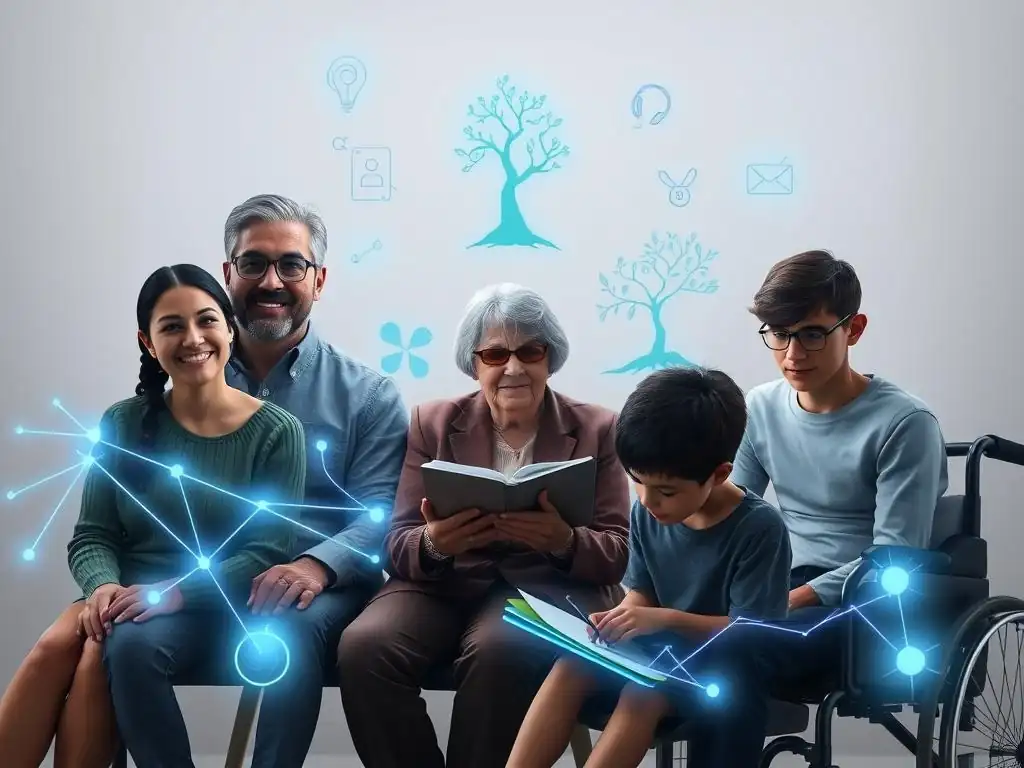
Welcome to Mind Care Guide, a space dedicated to nurturing your inner peace and fostering mental well-being.
Feeling overwhelmed or seeking guidance on your mental health journey? You're not alone. We understand the complexities of navigating these challenges, and that's why we've created a comprehensive Mental Health Support Resources Guide to empower you with the information and tools you need. Explore below to discover resources tailored to your specific needs and begin your path towards a more unified and balanced state of mind. What steps will you take towards inner peace today?
A Unified Path: Exploring the Synergy for Mental Health
- Understanding the Interconnectedness of Mental Health and Holistic Well-being
- Mental Health Support Resources Guide: A Comprehensive Overview
- Mindfulness and Spirituality: Cornerstones of Mental Well-being
- The Synergy Between Mindfulness, Spirituality, and Mental Health: A Deeper Dive
- Practical Strategies for Cultivating Synergy in Your Life
- Overcoming Challenges in Integrating Mindfulness, Spirituality, and Mental Health
- Resources for Enhanced Mental Health and Spiritual Growth
- The Future of Mental Health: Embracing a Unified Approach
-
Frequently Asked Questions
- What exactly does a comprehensive Mental health support resources guide offer?
- How does this guide promote a "Unified Path" to mental health?
- What kind of information can I expect to find in a Mental health support resources guide like this?
- Is this guide only for individuals currently experiencing mental health issues?
- How can this Mental health support resources guide help me find local mental health services?
- Final Reflection: Weaving a Stronger Net of Mental Health Support
- Unlock Your Inner Strength: Start Your Mental Wellness Journey Today!
Understanding the Interconnectedness of Mental Health and Holistic Well-being
Defining Mental Health and Its Importance
Mental health is far more than just the absence of mental illness; it is a state of complete physical, mental, and social well-being. It encompasses our emotional, psychological, and social well-being, influencing how we think, feel, and act in daily life. Good mental health is crucial at every stage of life, from childhood and adolescence through adulthood. It affects how we handle stress, relate to others, and make choices. Prioritizing mental well-being allows individuals to realize their full potential, cope with the stresses of life, work productively, and contribute meaningfully to their communities.
The importance of robust mental health cannot be overstated, as it is intrinsically linked to overall physical health and quality of life. For instance, chronic stress, a common mental health challenge, can contribute to physical ailments like heart disease, digestive issues, and weakened immune systems. Conversely, managing mental health effectively can improve physical health outcomes.
Recognizing and addressing mental health needs is foundational for personal growth, healthy relationships, and navigating the complexities of modern life. A comprehensive mental health support resources guide often begins by emphasizing this fundamental understanding of what mental health truly entails and why its preservation is paramount.
Exploring Holistic Wellness: A Comprehensive Approach
Holistic wellness views the individual as a whole, interconnected system rather than a collection of separate parts. This approach recognizes that physical, mental, emotional, social, spiritual, and environmental factors all play a significant role in overall health and well-being. It moves beyond merely treating symptoms to addressing the root causes of imbalance and promoting optimal health across all dimensions of life. A holistic perspective encourages practices that nurture the entire person, such as balanced nutrition, regular physical activity, sufficient sleep, stress management techniques, meaningful social connections, and engagement with one's values and purpose.
Embracing holistic wellness means acknowledging that improvements in one area can positively impact others. For example, engaging in regular exercise not only benefits physical health but also significantly reduces symptoms of anxiety and depression. Similarly, fostering strong social bonds provides emotional support and improves resilience. This comprehensive view is essential when compiling a mental health support resources guide, as it highlights the diverse avenues available for support and growth, extending beyond traditional clinical interventions to include lifestyle adjustments and complementary practices that nourish the mind, body, and spirit.
The Role of Synergy in Achieving Mental Equilibrium
Synergy, in the context of mental health, refers to the concept that the combined effect of different elements working together is greater than the sum of their individual effects. When we integrate various approaches to well-being – such as therapeutic interventions, lifestyle changes, mindfulness practices, and spiritual exploration – they can interact and amplify each other's positive impacts, leading to a more profound and sustainable state of mental equilibrium. This synergistic effect suggests that a multi-faceted approach is often more effective than relying on a single method alone.
Consider the combination of cognitive behavioral therapy (CBT) with regular meditation. CBT provides tools for identifying and challenging negative thought patterns, while meditation enhances self-awareness and the ability to observe thoughts without judgment.
Together, they create a powerful synergy: meditation makes the individual more attuned to their thoughts, making the application of CBT techniques more effective, while CBT provides a framework for understanding the insights gained through meditation. This principle of synergy is a core theme when exploring a comprehensive mental health support resources guide, illustrating how various resources and practices can be combined to build a robust and resilient foundation for mental well-being.
Mental Health Support Resources Guide: A Comprehensive Overview
Accessing Professional Mental Health Services
Accessing professional mental health services is a crucial step for many individuals seeking support for mental health challenges. These services are typically provided by licensed professionals such as psychiatrists, psychologists, licensed clinical social workers, and counselors. They offer a range of evidence-based treatments, including psychotherapy (talk therapy), medication management, and other specialized interventions tailored to specific conditions like depression, anxiety disorders, bipolar disorder, and trauma-related issues. Professional guidance is invaluable for accurate diagnosis and the development of an effective, personalized treatment plan.
Navigating the landscape of professional services can sometimes feel daunting, but it's a key component of any mental health support resources guide. Options range from individual therapy sessions and group therapy to intensive outpatient programs and residential treatment centers, depending on the severity and nature of the mental health concern.
While costs can vary significantly, many professionals work with insurance providers, and community mental health centers often offer services on a sliding scale based on income. Statistics often show that individuals who engage in professional therapy experience significant improvements in symptoms and overall functioning; for example, some studies indicate that a majority of people with depression or anxiety disorders show improvement with psychotherapy.
Finding Affordable Mental Healthcare Options
The cost of mental healthcare is a significant barrier for many, making it essential to explore affordable options when seeking a mental health support resources guide. Fortunately, several avenues exist to make professional help more accessible. Community mental health clinics, often funded by government or non-profit organizations, provide low-cost or free services to eligible individuals, sometimes based on location or income level. University training clinics, where graduate students in psychology or counseling gain supervised experience, also offer therapy at reduced rates.
Additionally, many therapists offer a sliding scale fee structure, adjusting their rates based on a client's financial situation. Non-profit organizations dedicated to mental health advocacy often compile lists of affordable providers and resources in specific regions. Exploring employee assistance programs (EAPs) through one's workplace can also provide a limited number of free counseling sessions. While the availability varies by location, actively seeking out these options is a vital part of utilizing a mental health support resources guide to overcome financial hurdles and access necessary care.
Utilizing Online Mental Health Platforms and Apps
The digital age has brought forth a wealth of online mental health platforms and mobile applications, expanding the reach of mental health support resources. These tools offer various services, from teletherapy sessions with licensed professionals to guided meditation, mood tracking, cognitive behavioral therapy exercises, and peer support communities. Online platforms can provide convenience and flexibility, allowing individuals to access support from anywhere with an internet connection, often at a lower cost than traditional in-person therapy.
While not a substitute for severe mental illness treatment, these digital resources are valuable additions to a mental health support resources guide for managing common conditions like mild to moderate anxiety and depression, enhancing coping skills, and promoting overall well-being. Many apps incorporate evidence-based techniques and have been shown in preliminary studies to be effective in reducing symptoms. For example, some mindfulness apps report millions of users finding benefit in stress reduction.
However, it's important to choose reputable platforms and understand that the level of care and privacy may vary. These tools serve as excellent supplementary resources or entry points for individuals exploring different forms of support.
Mindfulness and Spirituality: Cornerstones of Mental Well-being

The Power of Mindfulness in Reducing Stress and Anxiety
Mindfulness, the practice of bringing one's attention to the present moment without judgment, has become a widely recognized and powerful tool for enhancing mental well-being. By focusing on current thoughts, feelings, bodily sensations, and the surrounding environment, individuals can cultivate a greater awareness of their internal and external experiences. This practice helps to interrupt the cycle of rumination on the past or worry about the future, which are often significant drivers of stress and anxiety. Regular mindfulness practice trains the mind to be less reactive and more present, fostering a sense of calm and clarity.
Extensive research supports the efficacy of mindfulness-based interventions, such as Mindfulness-Based Stress Reduction (MBSR) and Mindfulness-Based Cognitive Therapy (MBCT), in reducing symptoms of stress, anxiety, and depression. Studies have shown that participating in an 8-week MBSR program can lead to significant reductions in perceived stress levels and improvements in mood. For instance, a meta-analysis covering numerous studies found that mindfulness-based therapies were effective in reducing symptoms of anxiety and depression across diverse populations. Incorporating mindfulness into one's daily routine is a practical and accessible component of a personal mental health support resources guide.
Exploring Spirituality as a Source of Meaning and Purpose
Spirituality, broadly defined, involves a sense of connection to something larger than oneself, a search for meaning in life, and a connection to transcendental or sacred aspects of existence. It doesn't necessarily equate to religious affiliation but can encompass personal beliefs, values, a connection to nature, or a feeling of interconnectedness with others and the universe. Exploring spirituality can provide a framework for understanding life's challenges, finding hope during difficult times, and cultivating a sense of purpose that transcends daily struggles.
For many, spirituality serves as a significant coping resource and a source of resilience. It can offer comfort, foster acceptance, and provide a sense of belonging through shared beliefs or community practices. Research indicates a positive correlation between spirituality (or religiosity) and various mental health outcomes, including lower rates of depression, anxiety, and substance abuse, and greater life satisfaction.
For example, studies have found that individuals who report a strong sense of spiritual well-being tend to have better psychological adjustment when facing chronic illness. Including spiritual exploration as a potential pathway is an important dimension in a holistic mental health support resources guide.
Integrating Mindfulness and Spiritual Practices into Daily Life
Integrating mindfulness and spiritual practices into daily life involves consciously weaving these elements into one's routine. This could mean dedicating specific time for formal meditation or prayer, or it could involve bringing mindful awareness to everyday activities like eating, walking, or listening. Spiritual practices might include reading inspiring texts, spending time in nature, engaging in acts of compassion, reflecting on one's values, or participating in community gatherings that align with one's beliefs.
The key to successful integration is consistency and finding practices that resonate personally. Starting small, perhaps with just a few minutes of mindful breathing each day or a brief moment of reflection on gratitude, can build momentum. As these practices become habits, they naturally begin to infuse other aspects of life, fostering a more present, purposeful, and peaceful existence. This integration is a practical step outlined in many forms of a mental health support resources guide focused on holistic well-being, demonstrating how simple, consistent actions can lead to profound internal shifts and enhance resilience against life's stressors.
The Synergy Between Mindfulness, Spirituality, and Mental Health: A Deeper Dive
How Mindfulness Enhances Spiritual Connection
Mindfulness practices can significantly enhance an individual's spiritual connection by cultivating qualities that are often central to spiritual experience. By training the mind to be present and non-judgmental, mindfulness helps clear away mental clutter – the constant stream of thoughts, worries, and distractions – that can obscure a deeper sense of self or connection to something larger. This clarity allows for a more profound awareness of inner states and external phenomena, which can be perceived through a spiritual lens. For example, mindful observation of nature can lead to feelings of awe and interconnectedness, common aspects of spiritual experience.
Furthermore, mindfulness fosters qualities such as patience, compassion, gratitude, and acceptance – virtues that are highly valued in many spiritual traditions. Practicing mindfulness of emotions can help individuals navigate difficult feelings with greater equanimity, aligning with spiritual teachings on suffering and detachment. This cultivated awareness and emotional regulation can make individuals more receptive to moments of spiritual insight or connection, whether through prayer, meditation, contemplation, or simply being present in the world. The synergy here is clear: mindfulness provides the internal environment – a calm, aware, and open mind – that is conducive to deeper spiritual exploration and experience.
The Impact of Spirituality on Mental Resilience
Spirituality often provides individuals with a robust framework for building mental resilience, the ability to bounce back from adversity. A strong spiritual foundation can offer a sense of hope, meaning, and purpose, particularly during challenging times like loss, illness, or significant life changes. Believing in a benevolent force, a larger plan, or simply the inherent meaningfulness of existence can help individuals contextualize suffering and find strength to persevere. Spiritual practices, such as prayer, meditation, or communal worship, can also provide comfort and a sense of being supported.
Moreover, spirituality often encourages the development of positive coping mechanisms, such as forgiveness, acceptance, and gratitude. These virtues help individuals process difficult experiences in a healthy way, reducing the likelihood of prolonged negative emotional states. A sense of connection to a spiritual community can also provide valuable social support, reducing feelings of isolation which are detrimental to mental health.
For example, research on trauma survivors has often found that those with strong spiritual beliefs or practices exhibit greater resilience and post-traumatic growth. This demonstrates the significant impact spirituality can have as a foundational element within a mental health support resources guide, providing internal strength and external connection.
Case Studies: Real-Life Examples of Synergy in Action
While specific patient data is confidential, we can look at general examples illustrating the synergy between mindfulness, spirituality, and mental health. Consider an individual managing chronic anxiety. Traditional therapy (part of a mental health support resources guide) might provide cognitive strategies to challenge anxious thoughts.
Adding a daily mindfulness meditation practice helps this person become more aware of the onset of anxiety and observe it without immediately reacting, creating space to apply those cognitive strategies more effectively. Simultaneously, if this person finds solace and meaning in a spiritual belief system, perhaps viewing their struggles as part of a larger journey or finding comfort in prayer, this adds another layer of resilience and hope, reducing the overall emotional burden of anxiety. The combination of therapy, mindfulness, and spiritual perspective works synergistically, leading to greater and more sustainable relief than any single approach might offer alone.
Another example could be someone recovering from depression who is using medication and therapy. Integrating a spiritual practice, like volunteering for a cause aligned with their values (a form of applied spirituality and purpose), provides a sense of contribution and connection, combating feelings of isolation and worthlessness common in depression. Adding mindful walking in nature connects them to the present moment and fosters a sense of awe, which is linked to improved mood.
Here, medication addresses neurochemical imbalances, therapy provides coping skills, volunteering offers purpose and connection (spiritual dimension), and mindful walking enhances present moment awareness and mood. The blend creates a powerful upward spiral towards recovery and well-being, illustrating the practical application of a holistic mental health support resources guide.
Practical Strategies for Cultivating Synergy in Your Life
Developing a Personalized Mindfulness Practice
Developing a personalized mindfulness practice is key to integrating its benefits into your daily life. It's not a one-size-fits-all endeavor; what works for one person may not resonate with another. Start by exploring different forms of mindfulness: seated meditation focusing on breath, body scan meditation to cultivate body awareness, walking meditation, or simply bringing mindful attention to everyday activities like eating or washing dishes. The goal is consistency, not perfection. Begin with short durations, perhaps just 5-10 minutes a day, and gradually increase as you feel comfortable.
Experiment with different times of day to find what fits your schedule and energy levels best. Some prefer morning quiet, others find evening helpful for winding down. Utilize guided meditations available through apps or online resources if starting independently feels challenging. Keep a journal to note your experiences, challenges, and insights – this can provide valuable feedback and motivation. Remember, the aim is to cultivate present-moment awareness without judgment, so approach your practice with kindness and patience. This personal journey is a vital step when utilizing a mental health support resources guide focused on self-care techniques.
Exploring Different Spiritual Traditions and Practices
Exploring different spiritual traditions and practices allows you to find what resonates most deeply with your personal values and worldview. This exploration doesn't necessarily require formal conversion but can involve learning about various philosophies, belief systems, and practices from around the world. Read books, attend introductory talks or workshops, or simply engage in respectful conversations with people from diverse backgrounds. Consider what aspects of spirituality appeal to you: is it the sense of community, the ethical guidelines, the practices of contemplation or prayer, the connection to nature, or the search for ultimate meaning?
Beyond organized religions, spirituality can be found in secular forms, such as humanism, deep ecology, or artistic expression that connects you to something transcendent. Engage in practices like journaling about gratitude, spending time in nature, practicing compassion towards others, or exploring creative outlets that feel sacred to you. The goal is to identify practices that nourish your sense of connection, purpose, and hope. This personal quest for meaning is a powerful, albeit sometimes overlooked, element within a comprehensive mental health support resources guide.
Building a Support System for Holistic Well-being
Building a robust support system is fundamental for cultivating holistic well-being and maintaining mental equilibrium. This system should ideally encompass various types of support: emotional, practical, informational, and spiritual. Connect with friends and family who offer unconditional support and understanding. Join groups or communities aligned with your interests, whether it's a book club, a hiking group, or a volunteer organization – these provide social connection and a sense of belonging.
Consider seeking professional support when needed, including therapists, counselors, or life coaches who can provide expert guidance (as highlighted in a mental health support resources guide). If spirituality is important to you, connect with a faith community or a spiritual group that shares your values; these communities often provide strong social networks and shared practices. A well-rounded support system acts as a buffer against stress and adversity, offering encouragement, perspective, and practical help when you need it most. Nurturing these connections is an active process that requires time and effort but yields significant benefits for mental and overall well-being.
Overcoming Challenges in Integrating Mindfulness, Spirituality, and Mental Health
Addressing Common Misconceptions about Spirituality
Navigating the integration of spirituality into mental health requires addressing common misconceptions that can act as barriers. One frequent misconception is that spirituality is solely tied to organized religion; clarifying that spirituality is a personal search for meaning and connection beyond dogma is crucial. Another is the idea that spirituality is a replacement for professional mental healthcare; it is vital to emphasize that while spirituality can be a powerful support resource, it is generally complementary to, not a substitute for, evidence-based treatments for serious mental health conditions. A responsible mental health support resources guide will always clarify this distinction.
Some may also view spirituality as passive or solely focused on the afterlife, ignoring its potential for grounding, empowering action, and fostering resilience in the present moment. There can also be skepticism regarding the tangible benefits of spiritual practices. Addressing these misconceptions through education, open dialogue, and highlighting the growing body of research on the mental health benefits of spirituality can help individuals approach this dimension of well-being with greater openness and understanding.
Maintaining a consistent practice of mindfulness and spiritual activities can be challenging amidst the demands of modern life. Time constraints, lack of motivation, feelings of inadequacy, or simply forgetting can derail even the best intentions. It's easy to fall out of a routine when feeling stressed or overwhelmed, precisely when the practices could be most beneficial. The expectation of immediate, dramatic results can also lead to discouragement if progress feels slow or imperceptible.
Overcoming these challenges requires patience, self-compassion, and strategic planning. Start small and gradually build up the duration and frequency of your practices. Schedule your practice time like any other important appointment. Find accountability partners or join groups that share similar interests.
Be flexible and adapt your practice to fit your circumstances; even a few minutes of mindful breathing or a brief reflection can be beneficial. Recognize that consistency is more important than perfection, and view setbacks as opportunities to learn and recommit. A good mental health support resources guide often includes tips on habit formation and overcoming common obstacles to practice.
Seeking Guidance from Qualified Professionals
Seeking guidance from qualified professionals is essential, especially when integrating potentially complex areas like spirituality into mental health care. Therapists or counselors with training in holistic approaches or those who are culturally and spiritually sensitive can help individuals explore the intersection of their beliefs and mental health in a safe and informed way. They can assist in identifying how spiritual beliefs might be supporting or hindering well-being and help integrate spiritual practices into a comprehensive treatment plan.
For individuals facing significant mental health challenges, professional intervention is paramount. A therapist can help distinguish between healthy spiritual exploration and potentially problematic beliefs or practices. They can also provide evidence-based treatments that work in synergy with spiritual or mindful practices. Similarly, if exploring spiritual traditions, seeking guidance from respected teachers or leaders within those traditions can provide valuable context and support. This professional guidance is a critical component highlighted in any thorough mental health support resources guide, ensuring that individuals receive appropriate support tailored to their unique needs and circumstances.
Resources for Enhanced Mental Health and Spiritual Growth
Recommended Books and Articles on Mindfulness and Spirituality
Numerous books and articles offer valuable insights into mindfulness, spirituality, and their connection to mental well-being. For mindfulness, seminal works like "Full Catastrophe Living" by Jon Kabat-Zinn or "Wherever You Go, There You Are" provide foundational understanding and practical guidance. Exploring authors like Pema Chödrön or Thich Nhat Hanh can deepen one's understanding of mindful living rooted in Buddhist philosophy, while secular approaches are widely available.
Regarding spirituality, exploring texts from various world religions, philosophical works on meaning and purpose, or contemporary writings by authors who bridge spirituality and psychology can be enriching. Look for articles in reputable mental health publications or academic journals that discuss the mental health benefits of specific spiritual practices or the role of faith communities in support. A comprehensive mental health support resources guide often includes a curated list of such readings to encourage further self-education and exploration.
Online Communities and Support Groups
Online communities and support groups provide accessible platforms for connecting with others who share similar interests or challenges, fostering a sense of belonging and mutual support. Numerous forums, social media groups, and dedicated websites exist for discussing mindfulness practices, exploring different spiritual paths, or sharing experiences related to mental health struggles. These communities offer a space to ask questions, share insights, find encouragement, and learn from the experiences of others.
Specific online groups cater to individuals practicing certain types of meditation, following particular spiritual traditions, or managing specific mental health conditions like anxiety or depression. While these communities can be incredibly valuable for peer support and shared learning, it's important to engage critically and be mindful of privacy. They serve as a complementary resource within a broader mental health support resources guide, offering connection and shared wisdom.
Mental Health Professionals Specializing in Holistic Approaches
Finding mental health professionals who specialize in or are open to holistic approaches can greatly facilitate the integration of mindfulness, spirituality, and traditional therapy. Some therapists explicitly market themselves as practicing holistic or integrative therapy, incorporating elements like mindfulness, yoga, or spiritual counseling into their practice. Others, while not specializing, are culturally competent and respectful of a client's spiritual or religious beliefs and are willing to discuss how these aspects intersect with their mental health.
When seeking a professional, it is appropriate to inquire about their experience and comfort level in discussing spirituality or incorporating mindfulness techniques. Professional organizations often have directories that allow filtering by specialization or approach. Connecting with a therapist who understands and values these dimensions of well-being ensures that your entire self is considered in the therapeutic process, making the journey towards mental health more comprehensive and aligned with your personal values. This specialized support is a key recommendation in a detailed mental health support resources guide focused on integrated care.
The Future of Mental Health: Embracing a Unified Approach
The Growing Recognition of Holistic Mental Health
There is a discernible trend towards a growing recognition of holistic mental health within the broader healthcare landscape. Increasingly, both practitioners and individuals are acknowledging that mental well-being is influenced by a complex interplay of biological, psychological, social, and spiritual factors. This shift is moving beyond a purely biomedical model to one that values the individual's entire lived experience and incorporates diverse pathways to healing and resilience. Academic research is expanding to explore the mechanisms by which practices like mindfulness, meditation, and engagement with spirituality impact brain function, emotional regulation, and overall health outcomes.
Major health organizations and professional bodies are beginning to integrate principles of holistic care, emphasizing the importance of lifestyle factors, patient-centered approaches, and the potential benefits of complementary practices. For example, some hospitals and clinics now offer mindfulness programs or incorporate chaplains into care teams to address spiritual needs. This growing acceptance signals a positive direction for the future, suggesting that comprehensive mental health support resources guides will increasingly encompass a wider range of modalities and perspectives.
The Potential for Innovation in Integrated Mental Healthcare
The future holds significant potential for innovation in integrated mental healthcare, driven by the increasing recognition of the synergy between different dimensions of well-being. This innovation could manifest in various ways: the development of truly integrated treatment centers where traditional therapy, psychiatric care, mindfulness training, nutritional counseling, and spiritual guidance are co-located and coordinated; technology-driven platforms that seamlessly blend therapeutic content with mindfulness exercises and tools for tracking spiritual practices; and research exploring personalized approaches to integration, determining which combinations of practices are most effective for different individuals and conditions.
There is also potential for greater collaboration between mental health professionals, spiritual leaders, and holistic practitioners to create more comprehensive and accessible mental health support resources. Training programs for therapists may increasingly include modules on mindfulness, cultural competence related to spirituality, and understanding the role of lifestyle factors. This move towards a more unified and innovative approach promises to make mental healthcare more effective, personalized, and aligned with the holistic nature of human experience.
Concluding Thoughts on the Importance of Synergy
The journey towards optimal mental health is not a linear path but a dynamic process that benefits immensely from a synergistic approach. By understanding and nurturing the interconnectedness of our mental, physical, emotional, social, and spiritual selves, we build a more resilient and fulfilling life. Mindfulness provides the vital skill of present-moment awareness, grounding us and enhancing our capacity for emotional regulation. Spirituality, in its diverse forms, offers a sense of meaning, purpose, and connection, providing a framework for navigating life's challenges and fostering resilience.
When combined with professional mental health support resources and healthy lifestyle choices, mindfulness and spirituality do not merely add to our well-being; they interact to create a powerful combined effect that is greater than the sum of their parts. Embracing this unified path allows us to access a broader range of tools and perspectives, empowering us to cultivate not just the absence of illness, but a state of flourishing.
A comprehensive mental health support resources guide should therefore encourage individuals to explore these synergistic pathways, recognizing that true well-being arises from the harmonious integration of all aspects of the self.
Frequently Asked Questions
What exactly does a comprehensive Mental health support resources guide offer?
It provides a unified path to understanding and accessing various mental health support resources. This includes information, support networks, and practical tools for navigating mental well-being.
How does this guide promote a "Unified Path" to mental health?
The guide emphasizes the synergy between different approaches to mental health. It encourages a holistic view, combining self-care, professional help, and community support for optimal well-being.
What kind of information can I expect to find in a Mental health support resources guide like this?
You'll discover details on various mental health challenges, available treatments, coping strategies, and directories of support services. This helps you make informed decisions about your mental health journey.
Is this guide only for individuals currently experiencing mental health issues?
No, it's designed for anyone interested in improving their mental well-being. The guide offers preventative measures, self-care tips, and resources for maintaining a healthy mental state, regardless of current challenges.
How can this Mental health support resources guide help me find local mental health services?
The guide includes directories and databases of mental health professionals, clinics, and support groups. These resources can be filtered by location and specialization, helping you find appropriate local support.
Final Reflection: Weaving a Stronger Net of Mental Health Support
The urgent need for accessible and effective mental health support is no longer a whisper, but a resounding cry echoing across our society. The interconnectedness of physical and mental well-being, the stigma surrounding seeking help, and the sheer volume of individuals struggling silently – these are not abstract concepts, but stark realities shaping lives daily. This article has explored the crucial synergy between various support systems, highlighting the power of a unified approach to mental health care.
The journey towards better mental health is not a solitary one; it's a tapestry woven from individual resilience, professional guidance, and community support. The impact of this interconnectedness is profound, shaping not only individual lives but also the very fabric of our society. As we move forward, it's vital to remember that empathy and understanding are as crucial as clinical interventions. The greatest of follies is to sacrifice health for any other kind of happiness.
– Arthur Schopenhauer. This quote underscores the importance of prioritizing mental well-being, a priority often overlooked in the relentless pursuit of other goals.
Now, consider your own role in this crucial conversation. What steps can you take today to strengthen the net of support for yourself and others? Perhaps it's reaching out to a friend in need, educating yourself on available resources, or advocating for better mental health policies in your community. Let this exploration serve as a catalyst for action, a reminder that even small acts of kindness and awareness can create ripples of positive change, weaving a stronger, more supportive world for everyone.
Unlock Your Inner Strength: Start Your Mental Wellness Journey Today!
Thanks for taking the time to explore the powerful connection between mindfulness and physical activity. We hope you gained valuable insights into building a stronger, healthier you. Now it's time to put that knowledge into action!
- Prioritize one small step towards better mental health today. This could be as simple as a 10-minute meditation, a brisk walk outdoors, or journaling your thoughts. Even small changes make a big difference!
- Share this article with someone who might benefit. Helping others is a fantastic way to boost your own well-being.
- Challenge yourself to try a new mindfulness technique this week. Explore different approaches and discover what works best for you.
Ready to embrace a more mindful and fulfilling life? What's one small step you'll take today to nurture your mental wellness?