
Healing Across Cultures: Understanding Diverse Perspectives on Mental Wellness

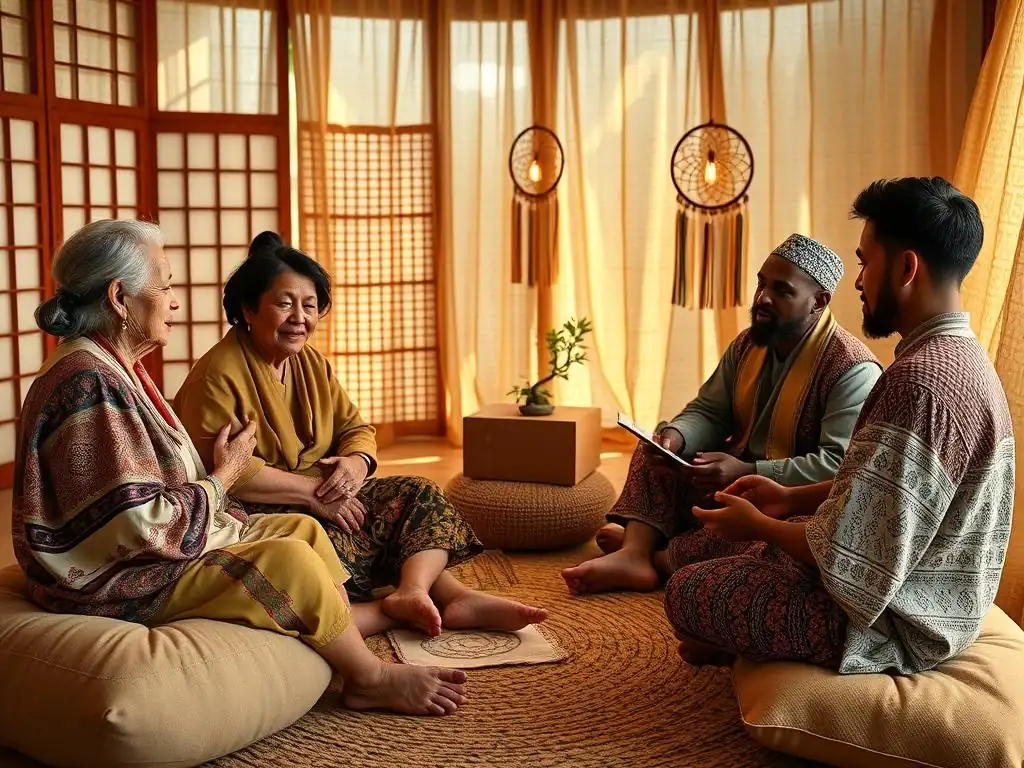
Welcome to Mind Care Guide, a safe space dedicated to your mental well-being.
Are you ready to explore how different cultures understand and approach mental health? Healing Across Cultures delves into the fascinating world of cultural approaches to mental health, revealing diverse perspectives and practices that can offer profound insights and support. Perhaps the key to unlocking your own path to wellness lies in understanding the wisdom of others. Join us as we journey beyond conventional thinking and uncover the rich tapestry of mental health care across the globe – your exploration starts now.
- Understanding Cultural Differences in Mental Health Stigma
-
Frequently Asked Questions
- What are cultural approaches to mental health?
- Why is understanding cultural perspectives important in mental health care?
- How do cultural beliefs impact how people perceive and seek help for mental health issues?
- What are some examples of culturally specific mental health practices?
- Where can I find more resources on cultural approaches to mental health?
- Final Reflection: Weaving a Tapestry of Healing
- Unlock Your Path to Global Wellness
Understanding Cultural Differences in Mental Health Stigma
How Culture Shapes Perceptions of Mental Illness
Culture profoundly influences how individuals and communities perceive, label, and respond to mental health challenges. In many cultures, mental illness is not viewed through a Western medical lens focused on brain chemistry or psychological factors. Instead, it might be attributed to spiritual causes, moral failings, imbalances in the body's energy, or external stressors within family or community dynamics.
These diverse understandings directly impact whether someone recognizes their struggles as a health issue requiring professional intervention or views them as a personal weakness, a spiritual test, or a family secret. Such varying perspectives significantly contribute to the level of stigma associated with seeking help, as the very definition of what constitutes a "problem" differs.
Furthermore, cultural values like collectivism, where group harmony and reputation are prioritized over individual needs, can intensify the fear of shame or embarrassment associated with mental health issues. Expressing vulnerability or admitting to psychological distress might be seen as a burden on the family or a failure to uphold cultural expectations of strength and stoicism.
This can lead to individuals suppressing their feelings, delaying help-seeking, or resorting to self-treatment methods rooted in cultural beliefs rather than evidence-based therapies. Understanding these deep-seated cultural approaches to mental health is crucial for anyone working to reduce stigma and improve access to care globally.
Addressing Stigma in Specific Cultural Groups [Asian Americans, African Americans]
Stigma within Asian American communities is often deeply intertwined with concepts of "saving face" and filial piety. Mental health struggles can be perceived as a source of shame that reflects poorly not just on the individual but on the entire family unit. This cultural pressure can lead to significant underreporting of mental health issues and a reluctance to seek professional help.
Studies and anecdotal evidence suggest that Asian Americans often present somatic symptoms (physical complaints like headaches or stomach issues) rather than openly discussing emotional distress, as physical ailments may be seen as more acceptable or less stigmatizing than psychological ones. Addressing this requires acknowledging the family's role, providing culturally safe spaces, and framing mental wellness in ways that resonate with cultural values, perhaps emphasizing resilience or the impact on physical health.
In African American communities, historical experiences of slavery, systemic racism, and discrimination have fostered a deep mistrust of healthcare systems, including mental health services. Stigma is often linked to perceptions of mental illness as a sign of weakness, a lack of faith, or something that should be handled within the family or religious community. The strong emphasis on resilience and enduring hardship can also make it difficult for individuals to admit vulnerability.
Data indicates that while African Americans experience mental health issues at similar rates to the general population, they often face significant disparities in accessing quality care and are less likely to seek treatment due to stigma and other barriers. Effective cultural approaches to mental health in these communities require building trust through culturally responsive providers, involving community and religious leaders, and addressing the specific historical and social contexts that contribute to stigma.
Frequently Asked Questions
What are cultural approaches to mental health?
These approaches recognize that mental well-being is shaped by cultural beliefs, values, and practices. They emphasize understanding these influences when assessing and treating mental health challenges.
Why is understanding cultural perspectives important in mental health care?
Ignoring cultural perspectives can lead to misdiagnosis, ineffective treatment, and lack of trust between patients and providers. It ensures care is relevant and respectful.
How do cultural beliefs impact how people perceive and seek help for mental health issues?
Cultural beliefs can influence whether someone sees mental illness as a medical condition, spiritual problem, or personal weakness. This directly affects their willingness to seek professional help.
What are some examples of culturally specific mental health practices?
Examples include using traditional healers, incorporating spiritual rituals into treatment, and focusing on family involvement in the healing process.
Where can I find more resources on cultural approaches to mental health?
Websites like Mind Care Guide offer information, support, and resources on understanding diverse perspectives. You can also search for cultural competency training for mental health professionals.
Final Reflection: Weaving a Tapestry of Healing
The global conversation surrounding mental wellness is evolving, moving beyond a singular, Westernized approach to embrace the rich tapestry of cultural perspectives. This shift is not merely a trend; it's a crucial step towards achieving truly equitable and effective mental healthcare for all. Ignoring the diverse ways cultures understand and address mental health is not only ethically problematic but also limits our ability to provide truly helpful interventions.
The exploration of diverse cultural approaches to mental wellness has profoundly impacted my understanding of the human experience. It has highlighted the interconnectedness of mind, body, and spirit, revealing the limitations of a purely biomedical model. The resilience and ingenuity displayed by communities worldwide in developing their own healing practices is truly inspiring. The mind is its own place, and in itself can make a Heaven of Hell, a Hell of Heaven.
– John Milton, Paradise Lost. This quote, while not directly about cultural approaches, perfectly encapsulates the power of perspective and the subjective nature of mental well-being, a key element in understanding cultural differences.
Now, consider your own life. How have your cultural background and upbringing shaped your understanding of mental health? What practices, traditions, or beliefs do you hold that contribute to your own well-being? I urge you to explore these questions, to engage in respectful dialogue with individuals from different cultural backgrounds, and to advocate for a more inclusive and culturally sensitive approach to mental healthcare. Let's work together to build a world where healing is accessible and meaningful for everyone, regardless of their cultural heritage.
Unlock Your Path to Global Wellness
Thanks for taking the time to explore diverse perspectives on mental wellness! We hope this article has given you a richer understanding of the varied approaches to healing around the world. Now it's time to put this knowledge into action.
- Dive deeper into a specific culture's healing practices: Choose one that resonated with you and research its techniques further. You might be surprised by the simple yet profound practices you discover.
- Share this article with someone you think would benefit: Let's broaden the conversation around global mental wellness together.
- Consider incorporating one new mindfulness practice into your routine: Even a small change can make a big difference in your well-being.
What simple practice from another culture will you explore to enhance your own mental wellness journey?