
When Inspiration Fades: Mental Health Tips for Creative Lulls


Welcome to Mind Care Guide, a safe space dedicated to nurturing your mental well-being.
Feeling creatively drained? We understand. Everyone experiences those moments when inspiration simply vanishes. But did you know that creative blocks can be closely intertwined with your mental health? Dive into our latest article, " When Inspiration Fades: Mental Health Tips for Creative Lulls," and discover actionable strategies to reignite your passion while safeguarding your mental equilibrium. Ready to unlock your creative potential again? Let's explore together.
- Understanding Creative Blocks and Their Impact on Mental Health
- Mental Health Strategies for Overcoming Creative Blocks
- Practical Tips for Rekindling Inspiration and Maintaining Mental Wellness
-
Recognizing When to Seek Professional Help for Creative Blocks and Mental Health
- Identifying Signs of a Deeper Mental Health Issue: Persistent Sadness, Loss of Interest, Suicidal Thoughts
- The Benefits of Therapy for Creative Individuals
- Finding a Therapist Experienced in Working with Artists and Creative Professionals
- Resources for Mental Health Support in the Creative Community: The Actors Fund, MusiCares, Creative Health Collective
- Building a Sustainable Creative Practice for Long-Term Mental Well-being
-
Frequently Asked Questions
- What is a creative block, and how is it related to mental health?
- How can stress and anxiety contribute to creative blocks, according to Mind Care Guide?
- What are some practical mental health tips offered by Mind Care Guide to overcome creative lulls?
- Does Mind Care Guide offer resources for seeking professional help if creative blocks are linked to underlying mental health conditions?
- How does Mind Care Guide differentiate between a temporary creative lull and a more serious mental health issue?
- Final Reflection: Rekindling the Creative Flame
- Rediscover Your Creative Spark: Next Steps
Understanding Creative Blocks and Their Impact on Mental Health
Defining Creative Blocks: More Than Just Writer's Block
Creative blocks are a common, often debilitating experience that goes far beyond a simple lack of ideas. For many, it manifests as a persistent inability to start or complete creative projects, accompanied by feelings of frustration, inadequacy, and even despair. It's not merely about waiting for inspiration; it's a psychological state where the flow of creative energy feels obstructed, regardless of desire or effort.
This phenomenon affects individuals across all creative disciplines, from writers and painters to musicians, designers, and software developers. A composer might stare at sheet music unable to write a single note, while a visual artist might face a blank canvas with overwhelming dread. Understanding these creative blocks mental health tips starts with recognizing the depth of this struggle.
Unlike a temporary dry spell, a true creative block can last for weeks, months, or even years, significantly impacting a person's professional output and personal identity. For creatives whose livelihood and self-worth are often tied to their ability to produce, this blockage can feel like a fundamental failure. The internal pressure to create, coupled with the external demands of deadlines or expectations, can exacerbate the situation, creating a vicious cycle of anxiety and further paralysis. Effective creative blocks mental health tips must address this underlying psychological component, not just the superficial lack of output.
The Link Between Creative Output and Mental Well-being
For many creative individuals, their work is deeply intertwined with their sense of self and purpose. The act of creating can be a primary means of expression, processing emotions, and connecting with the world. When this avenue is blocked, it can lead to significant distress. Studies and anecdotal evidence consistently show a correlation between periods of creative inactivity and declines in mental well-being among artists and creatives. For instance, a survey of musicians found that periods of low creative output were often linked to increased feelings of depression and anxiety.
Conversely, the act of creation itself can be therapeutic. Engaging in a creative flow state, where one is fully immersed in the work, can reduce stress, improve mood, and provide a sense of accomplishment and meaning. When a creative block prevents access to this positive outlet, the individual loses a vital coping mechanism and source of positive reinforcement.
This strong link highlights why creative blocks mental health tips are crucial – they are not just about getting work done, but about maintaining psychological health. The frustration of being blocked can escalate into more serious mental health challenges, such as clinical depression or generalized anxiety disorder, if not addressed effectively.
Identifying the Root Causes of Creative Lulls: Perfectionism, Fear of Failure, Burnout
Creative blocks rarely appear without cause; they are often symptoms of deeper psychological or environmental factors. One of the most common culprits is perfectionism, the relentless pursuit of flawlessness. A perfectionist creative might spend days agonizing over a single sentence or brushstroke, fearing that anything less than perfect is worthless. This paralyzing standard makes starting or finishing anything incredibly difficult. The internal critic becomes overwhelmingly loud, stifling any spontaneous or experimental impulses necessary for creativity. This fear of not being "good enough" is a significant barrier that requires targeted creative blocks mental health tips.
Fear of failure is closely related to perfectionism but can also manifest as a fear of judgment from others or a belief that one's best work is behind them. This anxiety can prevent a creative from even beginning a new project, or lead to abandoning projects halfway through. The potential pain of negative feedback or falling short of expectations becomes too great to risk.
Another major cause is burnout, a state of emotional, physical, and mental exhaustion often caused by prolonged stress. Creatives, particularly freelancers or those in demanding industries, may overwork, neglect self-care, and experience chronic stress, leading to depleted creative reserves and a profound inability to produce. Addressing these root causes is fundamental to implementing effective creative blocks mental health tips.
Mental Health Strategies for Overcoming Creative Blocks
Prioritizing Self-Care for Creative Minds
The Importance of Rest and Relaxation for Creativity
Rest is not a luxury for creatives; it is a necessity for sustained output and mental well-being. The brain requires downtime to consolidate ideas, process information, and recharge. Chronic lack of sleep (less than 7-9 hours per night for most adults) can impair cognitive functions crucial for creativity, such as problem-solving, abstract thinking, and generating novel ideas.
Similarly, constant work without breaks leads to mental fatigue and diminished capacity. Integrating regular periods of rest, whether it's a full night's sleep, short naps, or simply stepping away from the work, allows the mind to wander and make unexpected connections, often leading to breakthroughs. These periods of relaxation are vital creative blocks mental health tips because they replenish the mental resources depleted by intense creative effort or the stress of being blocked.
Nourishing Your Body and Mind: Diet and Exercise
The connection between physical health and mental well-being is well-established, and it significantly impacts creative capacity. A balanced diet rich in fruits, vegetables, lean proteins, and healthy fats provides the brain with the fuel it needs to function optimally. Dehydration, skipped meals, or excessive consumption of processed foods and caffeine can lead to energy crashes, mood swings, and difficulty concentrating – all detrimental to creative work.
Similarly, regular physical activity, even moderate exercise like a 30-minute walk several times a week, improves blood flow to the brain, reduces stress, boosts mood through endorphins, and can even stimulate neurogenesis (the growth of new brain cells). Incorporating healthy habits into your routine is a foundational component of creative blocks mental health tips, supporting both physical energy and mental clarity necessary for creative flow.
Establishing Healthy Boundaries: Saying "No" to Avoid Burnout
Creative work often blurs the lines between profession and passion, making it difficult to set boundaries. However, saying "yes" to every opportunity, working excessive hours, or taking on projects that drain your energy without adequate reward are surefire paths to burnout and creative block. Establishing healthy boundaries involves setting realistic work hours, taking regular breaks during the workday, scheduling time off, and learning to decline requests that don't align with your goals or capacity.
It also means protecting your creative time from constant interruptions and distractions. For example, a freelance writer might decide not to check emails after 6 PM or take on no more than three major projects at a time. Implementing these boundaries is essential for preserving energy and preventing the exhaustion that underlies many creative blocks, serving as practical creative blocks mental health tips for long-term sustainability.
Managing Stress and Anxiety That Stifle Creativity
Mindfulness and Meditation Techniques for Creative Focus
Stress and anxiety are significant inhibitors of creative thought. They can narrow focus, trigger the brain's fight-or-flight response, and make it difficult to access the relaxed, open state required for creative flow. Mindfulness and meditation are powerful tools for managing these states. Practicing mindfulness involves paying attention to the present moment without judgment, which can help creatives observe their anxious thoughts or feelings of being blocked without getting consumed by them. Even short sessions of 5-10 minutes of guided meditation daily can reduce overall stress levels, improve focus, and create mental space for new ideas to emerge.
Mindfulness techniques can be applied directly to the creative process. For instance, if you're experiencing writer's block, instead of panicking, you can mindfully observe the feeling of resistance, the blank page, and the thoughts swirling in your head without trying to force a solution immediately. This non-judgmental observation can diffuse the anxiety and allow you to approach the task with less pressure. Regular practice helps build resilience against the stress inherent in creative work, making these techniques valuable creative blocks mental health tips.
Cognitive Behavioral Therapy (CBT) for Creative Block Relief: Thought Records, Behavioral Activation
Cognitive Behavioral Therapy (CBT) offers structured techniques that are highly effective in identifying and challenging the negative thought patterns and behaviors that contribute to creative blocks. One key CBT tool is the thought record, which involves documenting specific situations (like facing a blank canvas), identifying the automatic negative thoughts that arise ("This will be terrible," "I have no talent"), recognizing the emotions associated with those thoughts (anxiety, hopelessness), and then challenging the validity of those thoughts by finding evidence for and against them.
This process helps creatives recognize how distorted thinking fuels their block and develop more balanced, realistic perspectives.
Another CBT technique, behavioral activation, focuses on increasing engagement in activities, even when motivation is low. For a creative experiencing a block, this might mean scheduling specific, small blocks of time to simply "show up" to their creative space, even if they don't feel inspired. The goal is to break the cycle of avoidance and inactivity.
For example, a musician might commit to sitting at their piano for 15 minutes each day, even if they only play scales. These structured approaches provide actionable steps to dismantle the psychological barriers contributing to creative blocks, offering concrete creative blocks mental health tips rooted in psychological principles.
Addressing Performance Anxiety and Fear of Failure
Performance anxiety and the fear of failure are potent forces that can paralyze creative individuals. This anxiety isn't limited to public performance; it can arise when sharing work with peers, submitting it for publication or exhibition, or even just starting a project with the knowledge that it will eventually be judged. This fear often stems from associating one's self-worth with the outcome or reception of their creative work.
Addressing this requires separating your identity from your output. Techniques like exposure therapy (gradually exposing yourself to the feared situation, like sharing unfinished work with a trusted friend) or systematic desensitization can help reduce the intensity of the anxiety response.
Reframing your perspective on failure is also crucial. Viewing "failure" not as a reflection of your worth but as a learning opportunity is a core principle. Many successful creatives acknowledge that numerous "failed" attempts were necessary steps on their path. Strategies like setting process-oriented goals rather than outcome-oriented ones (e.g., "spend 2 hours writing today" vs. "write a perfect chapter") can also alleviate pressure. These approaches provide essential creative blocks mental health tips by targeting the underlying fears that prevent creatives from taking necessary risks and putting their work into the world.
Reframing Your Creative Process for Better Mental Health
Embracing Imperfection and Experimentation
Perfectionism is a significant contributor to creative blocks. The belief that everything must be perfect from the outset prevents creatives from starting or moving forward. Embracing imperfection, often referred to as "done is better than perfect," is a liberating mindset shift. It involves giving yourself permission to create messy first drafts, imperfect sketches, or rough recordings. These initial, imperfect versions are often necessary steps in the creative process, allowing ideas to take shape without the pressure of immediate polish. This approach encourages experimentation, which is vital for breaking out of ruts and discovering new directions.
Experimentation means trying new techniques, exploring different styles, or working in unfamiliar mediums without the expectation of producing a masterpiece. It's about playfulness and curiosity. For example, a painter might experiment with different color palettes or textures in their sketchbook without intending to create a finished piece. This low-stakes environment fosters creativity and reduces the pressure associated with producing "good" work. Learning to tolerate and even value imperfection is a powerful creative blocks mental health tip that can unlock flow and reduce anxiety.
Setting Realistic Goals and Expectations
Unrealistic goals and expectations are fertile ground for frustration and creative blocks. Aiming to write a novel in a month while working full-time, or expecting every piece of art to be groundbreaking, sets you up for disappointment. Breaking down large projects into smaller, manageable steps with realistic deadlines is a fundamental strategy. Instead of "Write a book," a goal could be "Write 500 words per day" or "Outline Chapter 1 this week." These smaller tasks feel less daunting and provide a sense of accomplishment as they are completed, building momentum.
Managing expectations also involves understanding the natural ebb and flow of the creative process. There will be periods of high productivity and periods of lull. Accepting that creative energy fluctuates is crucial. Comparing your output or success to others, especially in the age of curated social media feeds, is another source of unrealistic expectations and can fuel feelings of inadequacy. Focusing on your own journey and progress, rather than external benchmarks, is a vital creative blocks mental health tip for maintaining motivation and reducing anxiety.
Finding Joy in the Process, Not Just the Outcome
In a results-driven world, it's easy for creatives to become solely focused on the final product – the published book, the sold painting, the performed song, the launched product. However, fixating only on the outcome can strip the creative process of its inherent joy and make periods of difficulty or slow progress feel unbearable.
Shifting your focus to finding pleasure and meaning in the act of creating itself can be transformative. This means enjoying the tactile sensation of paint on canvas, the rhythm of words forming sentences, the challenge of solving a design problem, or the simple pleasure of playing an instrument.
When you value the process, setbacks become less devastating, and periods of low productivity don't feel like complete failures. It allows for a more sustainable and less stressful creative practice. For example, instead of viewing writing only as a means to a published book, appreciate the intellectual challenge of structuring an argument or the satisfaction of crafting a beautiful sentence. Cultivating this appreciation for the journey is a powerful creative blocks mental health tip that can sustain you through difficult periods and make the entire creative life more fulfilling.
Practical Tips for Rekindling Inspiration and Maintaining Mental Wellness
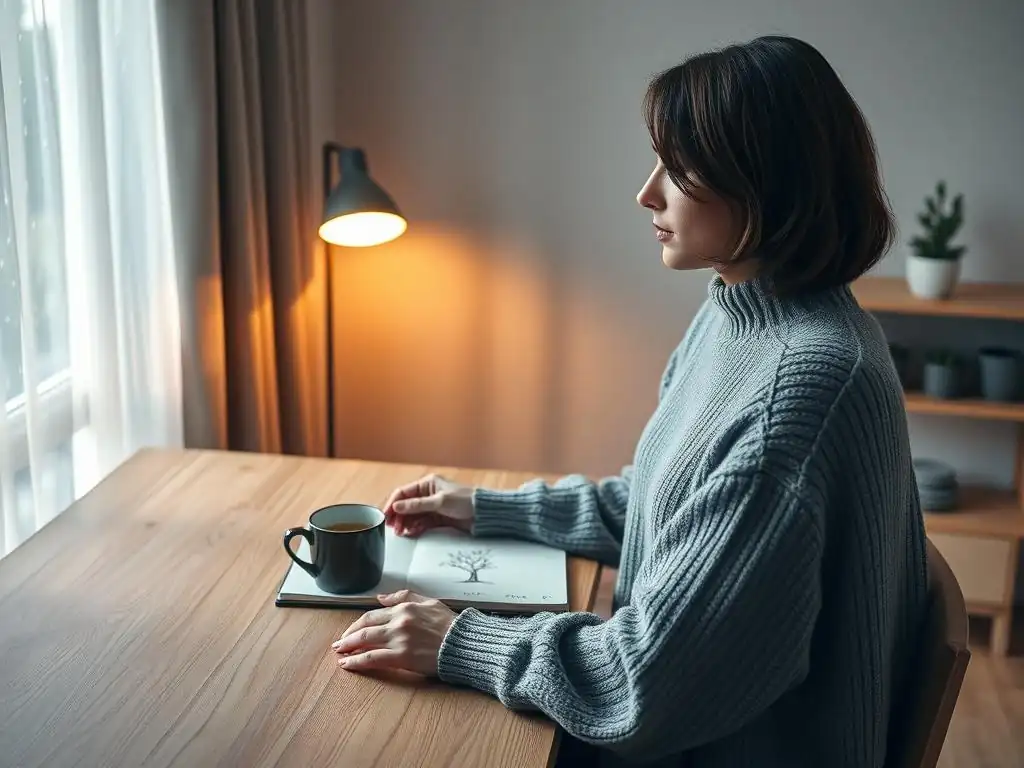
Breaking Down Large Projects into Smaller, Manageable Steps
Facing a massive creative project can be overwhelming, often leading to procrastination and creative block. The sheer scale of the task can feel insurmountable. A highly effective strategy is to break the project down into the smallest possible, actionable steps. For instance, writing a screenplay might involve steps like "brainstorm logline," "write one-page synopsis," "outline Act 1," "write scene 1," etc. Each step should be specific enough that you know exactly what to do.
Completing these small steps provides a sense of progress and momentum, reducing the feeling of being stuck. It also makes the project feel less intimidating. Instead of thinking about the 80,000-word novel, you only need to think about writing the next paragraph or outlining the next chapter. This approach is a practical creative blocks mental health tip because it reduces anxiety and makes the task feel achievable, encouraging consistent effort rather than paralysis.
Seeking Inspiration from Diverse Sources: Nature, Art Museums, Travel
Inspiration can feel elusive when you're experiencing a creative block. Actively seeking out new experiences and perspectives can help replenish your creative well. This doesn't necessarily mean waiting for a lightning bolt moment; it means exposing yourself to stimuli that can spark new ideas or shift your perspective. Visiting an art museum, attending a concert, reading a book outside your usual genre, or spending time in nature can all provide fresh input.
Travel, even to a nearby town, can break routine and offer new sights, sounds, and cultural experiences. Simply taking a walk in a park or observing people in a cafe can provide unexpected insights or details. The key is to engage with the world around you with curiosity and openness, actively looking for things that resonate or intrigue you. This intentional seeking of new input is a valuable creative blocks mental health tip that can help you see possibilities you might have missed while stuck in your usual routine.
Collaborating with Others: The Power of Creative Partnerships
Creative work is often solitary, which can sometimes contribute to feelings of isolation and being stuck. Collaborating with other creatives can be a powerful antidote to both. Working with others can provide fresh perspectives, constructive feedback, and shared energy. A writing partner can offer insights into plot holes, a fellow musician can suggest harmonic progressions, or a design team can brainstorm solutions together.
Collaboration can also provide accountability and motivation. Knowing someone else is relying on you can help push through resistance. It can also make the creative process more fun and less pressure-filled, as the responsibility and the joy are shared. Joining a critique group, finding a co-creator, or participating in workshops are all ways to harness the power of creative partnerships. This social engagement is a potent creative blocks mental health tip, combating isolation and infusing new energy into your work.
Taking Breaks and Engaging in Non-Creative Activities
It might seem counterintuitive, but sometimes the best way to overcome a creative block is to step away from your creative work entirely. Pushing through exhaustion or frustration can be counterproductive. Taking regular breaks throughout the day, whether it's a 15-minute walk, listening to music, or chatting with a friend, allows your mind to rest and reset.
Engaging in activities that are completely unrelated to your creative field can also be incredibly beneficial. This could be gardening, cooking, hiking, playing a sport, or pursuing another hobby. These activities provide a mental palate cleanser, reduce stress, and can indirectly feed your creativity by exposing you to different skills or ways of thinking. Scheduling dedicated time for non-creative pursuits is a crucial creative blocks mental health tip that prevents burnout and keeps your life balanced, ensuring you have energy and mental space when you return to your work.
Journaling and Reflecting on Your Creative Journey
Journaling is a versatile tool that can help creatives navigate blocks and maintain mental well-being. Freewriting for a set amount of time each day, without judgment or specific topic, can help clear mental clutter, identify underlying anxieties, and even uncover nascent ideas. It's a low-pressure way to engage with your thoughts and feelings about your work.
Reflecting on your creative journey involves looking back at past successes, challenges, and periods of growth. This can help contextualize current difficulties and remind you of your resilience and capabilities. You can journal about what worked well in the past, what you've learned, and what you're grateful for in your creative life. This practice fosters self-awareness and can provide valuable insights into the patterns that might be contributing to your current block. Regular journaling and reflection are effective creative blocks mental health tips for processing challenges and maintaining a positive relationship with your creative practice.
Recognizing When to Seek Professional Help for Creative Blocks and Mental Health
Identifying Signs of a Deeper Mental Health Issue: Persistent Sadness, Loss of Interest, Suicidal Thoughts
While creative blocks are common, they can sometimes be a symptom of or contribute to more serious underlying mental health conditions. It's important to recognize when the struggle with creativity goes beyond frustration and indicates a need for professional help.
Signs that you might be dealing with a deeper issue include persistent feelings of sadness, hopelessness, or emptiness lasting for several weeks; a significant loss of interest or pleasure in activities you once enjoyed, including your creative work; changes in sleep patterns (insomnia or oversleeping); changes in appetite or weight; fatigue or low energy; difficulty concentrating; feelings of worthlessness or excessive guilt; irritability; and, most seriously, thoughts of self-harm or suicide.
If you experience several of these symptoms for an extended period, it's crucial to consult a mental health professional. These could be indicators of depression, anxiety disorders, or other conditions that require clinical treatment. While creative blocks mental health tips can be helpful for managing symptoms and navigating creative challenges, they are not a substitute for professional diagnosis and treatment of a mental illness. Reaching out is a sign of strength and self-care.
The Benefits of Therapy for Creative Individuals
Therapy can be incredibly beneficial for creative individuals struggling with blocks and related mental health challenges. A therapist can provide a safe and confidential space to explore the root causes of your block, whether they are related to perfectionism, fear, trauma, or underlying mental health conditions. Therapies like CBT, discussed earlier, can help you identify and change negative thought patterns and behaviors that impede creativity. Psychodynamic therapy might help you explore deeper unconscious conflicts affecting your work.
Therapists can also help you develop coping strategies for managing stress, anxiety, and low mood. They can assist in setting realistic goals, building self-compassion, and separating your self-worth from your creative output. Furthermore, therapy can help process past experiences or traumas that might be impacting your ability to create. For many creatives, discussing their unique struggles with someone objective and trained can provide invaluable perspective and tools to move forward. Seeking therapy is a proactive creative blocks mental health tip when self-help strategies aren't sufficient.
Finding a Therapist Experienced in Working with Artists and Creative Professionals
When seeking therapy, finding a therapist who understands the unique challenges faced by artists and creative professionals can be particularly helpful. Creatives often grapple with issues like unstable income, the pressure to constantly innovate, the personal nature of their work, and the blurring lines between work and life. A therapist familiar with these dynamics may better understand your experiences and provide more relevant support.
You can search for therapists who specialize in working with artists, performers, or professionals in creative industries. Websites for professional psychological associations often have search filters for specializations. Don't hesitate to ask potential therapists about their experience working with creatives during an initial consultation. Finding the right fit is important, so it's okay to meet with a few different therapists before deciding who to work with. Connecting with a therapist who "gets" the creative life can make a significant difference in addressing creative blocks mental health tips in a tailored way.
Resources for Mental Health Support in the Creative Community: The Actors Fund, MusiCares, Creative Health Collective
Beyond individual therapy, several organizations specifically cater to the mental health needs of the creative community. These resources often understand the specific pressures and lifestyle challenges inherent in artistic careers. For instance, The Actors Fund provides a range of services, including mental health support, for professionals in performing arts and entertainment. MusiCares offers health and human services, including mental health and addiction recovery programs, to musicians.
Other organizations may exist for specific disciplines or geographic regions, such as the Creative Health Collective which focuses on well-being for creatives. These resources can offer not only therapy referrals but also support groups, workshops, and financial assistance that can indirectly alleviate stress contributing to creative blocks. Exploring these community-specific resources is a valuable creative blocks mental health tip, providing access to support networks and professionals who understand your world.
Building a Sustainable Creative Practice for Long-Term Mental Well-being
Cultivating Self-Compassion and Acceptance
Creative blocks are often accompanied by harsh self-criticism and feelings of failure. Cultivating self-compassion involves treating yourself with the same kindness, understanding, and acceptance you would offer a friend facing a similar struggle. Instead of berating yourself for being blocked, acknowledge that this is a common challenge many creatives face and that it doesn't diminish your worth or talent.
Acceptance means acknowledging where you are in your creative journey, including periods of difficulty, without judgment. It's not about giving up, but about recognizing your current reality and working with it rather than fighting against it. Practicing mindfulness and positive self-talk can help build self-compassion. Remind yourself that your worth is not solely tied to your productivity. This shift in internal dialogue is a profound creative blocks mental health tip that builds resilience and fosters a healthier relationship with your creative self.
Creating a Supportive Creative Environment
Your physical and social environment significantly impacts your creative flow and mental health. Creating a dedicated workspace, even if it's just a corner of a room, can signal to your brain that it's time to focus on creative tasks. Ensure the space is comfortable, free from distractions, and organized in a way that supports your process. This might mean having materials readily available, good lighting, and minimal clutter.
Equally important is building a supportive social environment. Surround yourself with people who understand and encourage your creative pursuits, rather than those who are dismissive or overly critical. This could be a supportive partner, friends who are also creatives, or online communities. Sharing your struggles and successes with a supportive network can reduce feelings of isolation and provide encouragement during difficult times. A nurturing environment is a key creative blocks mental health tip for sustaining long-term creative health.
Celebrating Small Wins and Acknowledging Progress
When you're facing a creative block or working on a large project, it's easy to focus only on how much is left to do or how far you are from your ultimate goal. This can be demotivating. Actively celebrating small wins and acknowledging progress, no matter how minor, is crucial for maintaining momentum and positive morale. Finishing a single paragraph, completing a difficult sketch, practicing for 15 minutes when you didn't feel like it, or simply showing up to your workspace are all worthy of acknowledgment.
Keep a record of your progress, perhaps in a journal or a task list. Checking off completed items, even small ones, provides a visual representation of your efforts and builds a sense of accomplishment. This practice counteracts the feeling of being stuck and reinforces positive behavior. Celebrating progress is an essential creative blocks mental health tip that keeps you motivated and reminds you of your capability, even when facing significant challenges.
Maintaining a Healthy Work-Life Balance for Creative Longevity
For many creatives, the lines between work and life are blurred, leading to overwork and burnout. However, a sustainable creative practice requires a healthy balance. Just as important as your creative work are your relationships, hobbies, physical health, and leisure time. Neglecting these aspects of your life depletes your energy, reduces your sources of inspiration, and increases stress.
Schedule dedicated time for activities outside of your creative work. This could be spending time with loved ones, pursuing non-creative hobbies, exercising, or simply relaxing. Treat these commitments with the same importance as professional deadlines. Establishing clear boundaries between work time and personal time helps protect your energy and prevents creative work from consuming your entire life. Maintaining this balance is perhaps the most critical creative blocks mental health tip for ensuring long-term creative fulfillment and protecting your mental well-being over the course of your career.
Frequently Asked Questions
A creative block is a temporary inability to access one's creativity. It's often linked to mental health factors like stress, anxiety, or burnout, which can inhibit creative flow. Addressing these underlying issues is crucial.
How can stress and anxiety contribute to creative blocks, according to Mind Care Guide?
Stress and anxiety can narrow focus and increase self-doubt, making it difficult to access creative ideas. Mind Care Guide emphasizes the importance of stress management techniques to alleviate these mental roadblocks.
What are some practical mental health tips offered by Mind Care Guide to overcome creative lulls?
Mind Care Guide suggests practices like mindfulness, self-compassion, and realistic goal setting to combat negative thought patterns and re-ignite creative inspiration. These foster a healthier mental state conducive to creativity.
Does Mind Care Guide offer resources for seeking professional help if creative blocks are linked to underlying mental health conditions?
Yes, Mind Care Guide provides resources for connecting with mental health professionals who can offer tailored support and treatment if creative blocks are indicative of a larger mental health concern.
How does Mind Care Guide differentiate between a temporary creative lull and a more serious mental health issue?
Mind Care Guide highlights that persistent and debilitating creative blocks, accompanied by other symptoms like loss of interest or persistent sadness, could signal a deeper mental health issue requiring professional attention.
Final Reflection: Rekindling the Creative Flame
The struggle with creative blocks is not merely a creative problem; it's a deeply personal experience intertwined with our mental well-being. Ignoring the emotional toll of these lulls can lead to burnout and prolonged periods of creative stagnation, impacting not only our artistic output but also our overall sense of self. This is a challenge faced by countless individuals, regardless of their creative field.
The impact of creative blocks extends far beyond individual frustration; it shapes our cultural landscape, influencing the ebb and flow of artistic innovation and societal progress. The pressure to constantly produce, coupled with the inherent vulnerability of creative expression, can exacerbate mental health challenges. As the poet Rainer Maria Rilke wisely observed, Doubt is not a pleasant condition, but certainty is absurd.
Embracing the uncertainty and the inevitable periods of quiet reflection is crucial for nurturing long-term creative health and resilience. This understanding allows us to move beyond simply "fixing" a block and instead cultivate a sustainable relationship with our creative process.
You, the reader, now hold the tools to navigate these challenging periods. Remember that creativity is not a constant, unwavering flame, but a flickering candle that needs tending. Take the time to nurture your mental well-being, practice self-compassion, and explore the strategies discussed within this article. By prioritizing your mental health, you are not only protecting your creative spirit but also unlocking a deeper, more authentic expression of yourself. Let the journey of creativity be one of self-discovery and growth, not just of relentless production.
Rediscover Your Creative Spark: Next Steps
Thanks for taking the time to explore ways to navigate those creative dry spells. We hope you found practical strategies to reignite your passion! Now, let's turn that newfound knowledge into action.
- Prioritize one small creative task today. Even 15 minutes of sketching, writing, or playing music can make a difference. This is your main focus – get started, no matter how small!
- Share this article with a fellow creative who might also benefit from these tips. Supporting each other is key.
- Try a new creative exercise you haven't explored before – look up a guided meditation for artists, or try a different art medium!
What small creative step will you take today to nurture your inspiration?