
The Unique Journey: Mental Health Sensitivity for LGBTQ+ Individuals of Color


Welcome to Mind Care Guide, a space dedicated to nurturing your mental well-being.
Feeling understood is the first step towards healing, especially when navigating the intersection of identity and mental health. Are you seeking resources that truly see the unique challenges faced by LGBTQ+ individuals of color? Delve into our latest article, "The Unique Journey: Mental Health Sensitivity for LGBTQ+ Individuals of Color," to discover vital LGBTQ+ mental health sensitivity resources designed to foster genuine support and understanding. Curious to learn more about how culturally competent care can make a difference? Let's explore together.
Navigating Mental Wellness: LGBTQ+ Black Individuals
- Understanding Intersections: LGBTQ+ Identity and Black Identity
- Discrimination and Stigma's Impact
- Mental Health Concerns in LGBTQ+ Black Communities
- Culturally Sensitive Mental Health Resources
- Building Resilience and Promoting Wellness
- Accessing Mental Health Resources
- Allies' Role in Supporting Mental Health
- Overcoming Barriers to Mental Healthcare
- Promoting Equity and Inclusion
-
Frequently Asked Questions
- What unique challenges do LGBTQ+ individuals of color face regarding mental health?
- Why is cultural sensitivity important when addressing the mental health of LGBTQ+ individuals of color?
- Where can I find LGBTQ+ mental health sensitivity resources specifically tailored for people of color?
- How can family and friends better support the mental well-being of LGBTQ+ individuals of color?
- What are some signs that an LGBTQ+ individual of color might be struggling with their mental health?
- Final Reflection: Embracing Intersectionality in LGBTQ+ Mental Health
- Unleash Your Strength: Next Steps for LGBTQ+ Mental Wellness
Understanding Intersections: LGBTQ+ Identity and Black Identity
Identity Formation and Mental Well-being
Navigating the development of identity is a fundamental part of the human experience, but for individuals who hold both LGBTQ+ and Black identities, this process is layered with unique complexities. The intersection of these two significant aspects means grappling with self-discovery within multiple cultural contexts that may hold differing, sometimes conflicting, views on race, sexuality, and gender.
For a young person, for example, understanding their queer identity might happen simultaneously with deepening their understanding of their racial heritage and the historical context of being Black in society. This dual journey requires reconciling societal expectations and potential biases from both outside and within their racial and queer communities.
The process of integrating these identities profoundly impacts mental well-being. Affirming both identities fully can lead to a strong sense of self and resilience. However, facing pressure to prioritize one identity over the other, or encountering rejection from either community based on the other identity, can lead to internal conflict, confusion, and distress.
Studies and anecdotal evidence suggest that individuals who successfully integrate their multiple identities often report higher levels of self-esteem and lower rates of certain mental health challenges compared to those who feel forced to compartmentalize aspects of themselves. This integration is a key component of finding effective LGBTQ+ mental health sensitivity resources.
Unique Mental Health Challenges Faced by LGBTQ+ Black Individuals
LGBTQ+ Black individuals face a distinct set of mental health challenges that arise from the cumulative impact of racism, homophobia, and transphobia. While all marginalized groups experience stress related to discrimination, the combined effect creates a phenomenon known as intersectional stress. This means that the sum of the challenges faced is greater than the individual parts; experiences of racial discrimination can be tinged with homophobia, and experiences of homophobia can be tinged with racism. For instance, navigating healthcare systems can be complicated by both implicit racial bias and lack of understanding regarding LGBTQ+ health needs.
Research indicates that this population often experiences higher rates of certain mental health conditions compared to their non-LGBTQ+ Black peers and their white LGBTQ+ peers. These challenges are not inherent weaknesses but are direct results of systemic inequalities and persistent discrimination. Accessing appropriate care requires an understanding of these unique stressors, highlighting the critical need for specific LGBTQ+ mental health sensitivity resources that acknowledge and address intersectionality.
Discrimination and Stigma's Impact
Systemic discrimination presents significant barriers and stressors for LGBTQ+ Black individuals across various aspects of life. This includes encountering racism in housing and employment, homophobia and transphobia in social settings and institutions, and the complex interplay of both within healthcare and legal systems. For example, a Black transgender woman may face discrimination from a potential landlord based on both her race and her gender identity, severely limiting her housing options. Similarly, seeking medical care might involve navigating providers who lack cultural competence regarding racial identity and fail to provide affirming care for her gender identity.
The constant exposure to these systemic barriers creates chronic stress. Unlike isolated incidents, systemic discrimination is pervasive and impacts daily life, contributing to feelings of powerlessness, frustration, and anxiety. Navigating institutions that were not built to support or understand intersecting marginalized identities requires immense resilience and can take a significant toll on mental well-being. This underscores the necessity of advocating for policy changes and creating systems that are truly equitable and inclusive.
Mental Health Effects of Microaggressions and Prejudice
Microaggressions—subtle, often unintentional expressions of prejudice—are a persistent source of stress for LGBTQ+ Black individuals. These can range from comments that invalidate one's racial identity (e.g., "You don't sound Black") or one's queer identity (e.g., assuming heterosexuality or cisgender identity), to being tokenized or exoticized. While seemingly small, the cumulative effect of repeated microaggressions is significant, leading to chronic stress, hypervigilance, and emotional exhaustion.
Prejudice, whether overt or subtle, erodes trust and creates a sense of being constantly judged or misunderstood. This can manifest as increased anxiety in social situations, difficulty forming genuine connections, and a persistent feeling of not being truly accepted anywhere. The mental health impact includes heightened stress responses, difficulty concentrating, and a general sense of being on edge. Finding safe spaces and validating experiences is crucial, often leading individuals to seek out specific LGBTQ+ mental health sensitivity resources.
Internalized Oppression and Self-Esteem
Constant exposure to negative stereotypes and discrimination can lead to internalized oppression, where individuals absorb societal biases about their identities. For LGBTQ+ Black individuals, this might involve internalizing racist beliefs about Black people, homophobic beliefs about queer people, or transphobic beliefs about transgender people. This internal conflict can manifest as self-doubt, shame, and difficulty accepting one's own identities.
Internalized oppression significantly impacts self-esteem and self-worth. Believing negative stereotypes can lead to self-sabotage, reluctance to seek opportunities, and difficulty forming healthy relationships. Overcoming internalized oppression is a challenging but essential step in the journey towards mental wellness, often requiring therapeutic support that is culturally sensitive and affirming of all aspects of one's identity. This process is often facilitated by engaging with dedicated LGBTQ+ mental health sensitivity resources.
Mental Health Concerns in LGBTQ+ Black Communities
Anxiety and Depression Risks
Studies consistently show that LGBTQ+ individuals, particularly those of color, face higher risks of experiencing anxiety and depression compared to the general population. The chronic stress of navigating discrimination, prejudice, and societal stigma contributes significantly to this disparity. Experiences of racial trauma, coupled with the stress of managing a marginalized sexual orientation or gender identity, can create a fertile ground for these conditions to develop.
Symptoms might include persistent sadness, loss of interest, fatigue, difficulty concentrating, excessive worry, restlessness, and physical symptoms. The unique stressors faced by this population require specific therapeutic approaches that acknowledge the intersectional nature of their experiences. Effective LGBTQ+ mental health sensitivity resources are vital for accurate diagnosis and tailored treatment plans that address the root causes of these elevated risks.
Suicidal Ideation and Attempts
Tragically, suicidal ideation and attempts are significantly higher among LGBTQ+ youth and adults of color compared to their non-LGBTQ+ peers and white LGBTQ+ peers. This alarming statistic is a stark indicator of the severe psychological distress caused by discrimination, lack of acceptance, and limited access to affirming support systems. Factors contributing to this elevated risk include family rejection, bullying, discrimination in schools and workplaces, and the cumulative trauma of living in a prejudiced society.
Access to culturally competent and LGBTQ+-affirming mental healthcare is a critical protective factor. Early intervention, supportive environments, and access to specialized LGBTQ+ mental health sensitivity resources are essential for preventing suicide and promoting hope and healing within these communities. It is crucial to take any mention of suicidal thoughts seriously and connect individuals with immediate support.
Substance Use as a Coping Mechanism
Facing persistent stress, discrimination, and mental health challenges without adequate support can lead some individuals to turn to substance use as a coping mechanism. Alcohol, drugs, or other substances may be used to numb emotional pain, escape difficult realities, or cope with anxiety and depression. While providing temporary relief, substance use often exacerbates existing mental health issues and can lead to addiction.
The link between minority stress and substance use is well-documented. For LGBTQ+ Black individuals, the intersectional stress they experience can increase vulnerability to substance use disorders. Addressing substance use effectively requires treating the underlying mental health issues and trauma, often through integrated care models that are culturally sensitive and acknowledge the unique stressors faced by this population. Finding appropriate LGBTQ+ mental health sensitivity resources is a key step in accessing this integrated support.
Trauma and PTSD
Experiences of discrimination, violence, and systemic oppression can be deeply traumatic, leading to Post-Traumatic Stress Disorder (PTSD) or complex trauma. For LGBTQ+ Black individuals, trauma can stem from a variety of sources, including hate crimes, police brutality, family rejection, conversion therapy attempts, and the chronic stress of living in a hostile environment. The cumulative impact of repeated exposure to traumatic events related to both race and LGBTQ+ identity can be particularly devastating.
Symptoms of trauma and PTSD can include flashbacks, nightmares, avoidance behaviors, hyperarousal, difficulty regulating emotions, and negative changes in mood and cognition. Healing from trauma requires therapeutic approaches that are trauma-informed, culturally sensitive, and affirming of the individual's identities. Specialized LGBTQ+ mental health sensitivity resources are crucial for providing this level of care and supporting survivors on their healing journey.
Culturally Sensitive Mental Health Resources

Affirmative Therapy Importance
Affirmative therapy is not merely about being tolerant; it is an active approach that validates and supports LGBTQ+ identities and experiences. For LGBTQ+ Black individuals, this means finding a therapist who not only understands the nuances of sexuality and gender identity but also possesses cultural competence regarding racial identity and the historical context of being Black. An affirmative therapist creates a safe space where individuals feel seen, heard, and respected for all aspects of who they are.
This type of therapy moves beyond pathologizing LGBTQ+ identities and instead focuses on resilience, empowerment, and navigating external stressors. It acknowledges that mental health challenges are often a response to systemic issues rather than inherent flaws. Seeking out therapists who explicitly identify as affirmative is a critical step in finding effective LGBTQ+ mental health sensitivity resources.
Therapists Understanding Intersectionality
Finding a therapist who understands intersectionality is paramount for LGBTQ+ Black individuals. Intersectionality, a concept highlighting how various social identities (like race, gender, sexuality, class) overlap and contribute to unique experiences of discrimination and privilege, is central to providing effective care to this population. A therapist who understands intersectionality recognizes that the challenges faced are not simply due to being Black or being LGBTQ+, but due to the combination of these identities in a society marked by interlocking systems of oppression.
An intersectional approach means the therapist will explore how racism, homophobia, and transphobia interact in the client's life, rather than treating these experiences in isolation. They will be equipped to discuss the unique stressors, microaggressions, and systemic barriers faced by this specific group. Identifying therapists with this specialized knowledge is key when searching for appropriate LGBTQ+ mental health sensitivity resources.
Black LGBTQ+ Mental Health Organizations
Community-specific organizations play a vital role in providing culturally sensitive mental health resources. Black LGBTQ+ mental health organizations often offer services tailored to the unique needs of this population, including peer support groups, culturally affirming therapy referrals, crisis intervention, and advocacy. These organizations are typically led by and for members of the community, fostering a sense of belonging and shared understanding.
These spaces provide environments where individuals do not have to explain or justify their intersecting identities. They offer validation and support from others who share similar lived experiences, which can be incredibly healing. While direct links cannot be provided, seeking out local or national organizations specifically focused on Black LGBTQ+ health and wellness is an excellent way to find relevant LGBTQ+ mental health sensitivity resources.
Building Resilience and Promoting Wellness
Coping Strategies for Discrimination
Developing effective coping strategies is essential for navigating the persistent challenges of discrimination. These strategies can include identifying supportive allies and communities, practicing self-care, engaging in activism or advocacy, and reframing negative experiences. Learning to set boundaries and protect one's energy from toxic environments is also crucial.
Building a robust internal sense of worth independent of external validation is a long-term coping strategy. This involves challenging internalized oppression and affirming the value of one's identities. Utilizing therapeutic techniques, particularly those found within LGBTQ+ mental health sensitivity resources, can provide structured ways to develop these coping mechanisms and build resilience in the face of adversity.
Supportive Communities and Networks
Connecting with supportive communities and networks is a powerful protective factor for mental health. For LGBTQ+ Black individuals, finding spaces where they feel fully accepted for all aspects of their identity is vital. This can include Black-led LGBTQ+ organizations, queer-affirming Black churches or spiritual communities, online support groups, or simply a chosen family of friends who understand and validate their experiences.
These networks provide emotional support, shared experiences, and a sense of belonging that counters feelings of isolation caused by discrimination. They offer opportunities for mutual aid, celebration of identity, and collective healing. Actively seeking out and participating in such communities is a critical component of promoting wellness and accessing informal LGBTQ+ mental health sensitivity resources.
Self-Care and Mindfulness Practices
Engaging in consistent self-care and mindfulness practices is fundamental to maintaining mental wellness amidst stress and discrimination. Self-care involves activities that nourish the mind, body, and spirit, such as getting adequate sleep, eating nutritious food, exercising, pursuing hobbies, and spending time in nature. Mindfulness involves paying attention to the present moment without judgment, which can help manage anxiety and reduce the impact of stressful thoughts.
For LGBTQ+ Black individuals, self-care can also involve activities that affirm their identities and cultural heritage. This might include engaging with Black art and literature, listening to music that resonates, or practicing cultural traditions. Mindfulness techniques, such as meditation or deep breathing exercises, can help regulate the nervous system in response to stress and microaggressions. Integrating these practices into daily life is a proactive way to build resilience.
Accessing Mental Health Resources
Locating Affirmative Therapists and Counselors
Finding a mental health professional who is both LGBTQ+ affirmative and culturally competent regarding Black identity can be challenging but is crucial for effective care. Resources like online directories that allow filtering by specialization (LGBTQ+, race/ethnicity) can be helpful. Networking within Black LGBTQ+ community organizations can also yield valuable referrals to trusted providers.
It's important to feel comfortable asking potential therapists about their experience working with LGBTQ+ people of color and their understanding of intersectionality. A brief consultation call can help determine if a therapist is a good fit. Prioritizing finding a provider who understands the unique challenges faced is key to accessing effective LGBTQ+ mental health sensitivity resources.
Financial Assistance and Insurance Information
The cost of mental healthcare can be a significant barrier. Understanding insurance coverage for mental health services is essential. Many therapists accept insurance, but it's important to verify coverage details, deductibles, and co-pays. For those without insurance or with limited coverage, exploring options for financial assistance is necessary.
Some clinics and organizations offer sliding scale fees based on income. Community mental health centers may provide services at reduced costs. Exploring state or local government programs designed to increase access to mental healthcare can also be beneficial. Information on financial support and insurance is often included in comprehensive guides to LGBTQ+ mental health sensitivity resources.
Online Resources and Support Groups
Online resources and support groups offer convenient and accessible avenues for mental health support. Websites and platforms dedicated to LGBTQ+ mental health, and specifically those focusing on people of color, can provide valuable information, self-help tools, and directories of providers. Online support groups offer peer connection and validation, particularly for those who may live in areas with limited in-person resources or who face mobility challenges.
While not a substitute for professional therapy when needed, online resources can be a valuable first step in seeking help, providing education and a sense of community. It's important to find reputable sources and groups that are moderated and focused on providing constructive support. Many valuable LGBTQ+ mental health sensitivity resources are available online, offering a lifeline to those seeking connection and information.
Allies' Role in Supporting Mental Health
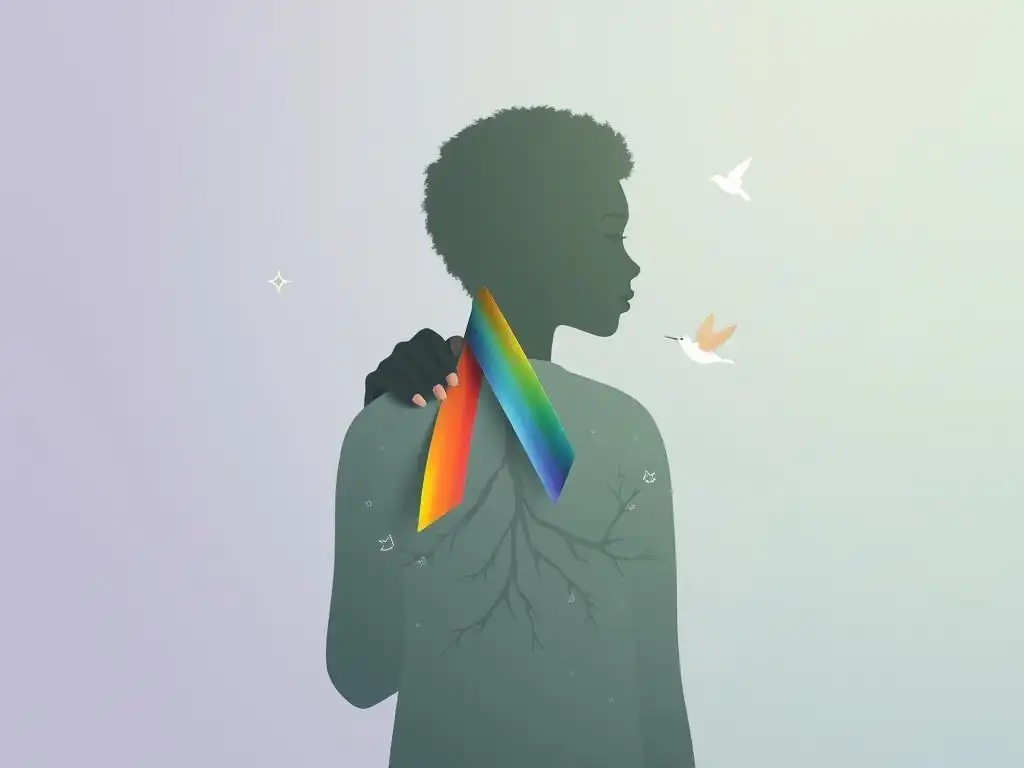
Educating on LGBTQ+ Issues and Racial Justice
Allies play a critical role in supporting the mental health of LGBTQ+ Black individuals by committing to ongoing education. This involves learning about the history and ongoing realities of systemic racism, homophobia, and transphobia. It also means understanding how these systems intersect and create unique challenges for people holding multiple marginalized identities.
Education should go beyond theoretical knowledge to understanding the lived experiences of LGBTQ+ Black individuals. This can involve reading books, articles, and research by people from these communities, listening to their stories, and engaging in respectful dialogue. Informed allies are better equipped to provide meaningful support and challenge discrimination effectively, contributing to environments where LGBTQ+ mental health sensitivity resources are more accessible and utilized.
Speaking Out Against Discrimination
Active allyship involves speaking out against discrimination and prejudice whenever it is encountered. This means challenging racist jokes, homophobic comments, transphobic remarks, and discriminatory practices in personal, professional, and public spaces. Silence in the face of discrimination can be perceived as complicity and contributes to the hostile environments that negatively impact mental health.
Speaking out can take many forms, from direct confrontation (when safe to do so) to reporting discriminatory behavior to advocating for inclusive policies within institutions. Using one's privilege to amplify the voices of LGBTQ+ Black individuals and challenge oppressive systems is a powerful form of support that helps reduce the external stressors contributing to mental health challenges.
Creating Safe and Inclusive Spaces
Creating safe and inclusive spaces is a fundamental way allies can support mental wellness. A safe space is one where LGBTQ+ Black individuals feel free from judgment, discrimination, and the need to hide any part of their identity. This requires intentional effort to build environments where diversity is not just tolerated but celebrated, and where intersectional identities are understood and respected.
In practice, this involves listening actively, believing the experiences of LGBTQ+ Black individuals, apologizing when mistakes are made, and continuously working to dismantle biases. It means ensuring that policies and practices within organizations, workplaces, and communities are equitable and affirming. Safe spaces reduce the burden of hypervigilance and provide a sense of belonging, fostering environments where mental health can flourish.
Overcoming Barriers to Mental Healthcare
Addressing Stigma Within Black and LGBTQ+ Communities
Stigma surrounding mental health exists in many communities, including within Black and LGBTQ+ communities themselves. Within some Black communities, there may be cultural or historical reasons that make seeking formal mental health support difficult, sometimes rooted in mistrust of institutions or a preference for spiritual or community-based coping. Within some LGBTQ+ communities, while mental health awareness is growing, specific challenges faced by people of color may not always be centered.
Addressing this requires open conversations about mental health, challenging myths and misconceptions, and promoting the benefits of seeking help. Community leaders, faith-based organizations, and peer advocates can play a crucial role in normalizing mental health discussions and encouraging individuals to access care. Highlighting the availability of culturally competent LGBTQ+ mental health sensitivity resources can help overcome this internal stigma.
Improving Access to Affordable Care
The cost of mental healthcare remains a significant barrier for many, particularly for marginalized communities who may face economic disparities. Advocating for policies that expand mental health insurance coverage, increase funding for community mental health centers, and support programs that offer free or low-cost services is essential. Efforts to increase the number of mental health professionals who accept insurance and offer sliding scales are also needed.
Addressing systemic economic inequalities that contribute to financial strain is also part of improving access. When individuals are struggling to meet basic needs, accessing healthcare, including mental healthcare, becomes a lower priority. Improving access to affordable care is a critical step in ensuring that LGBTQ+ Black individuals can receive the support they need.
Telehealth Options
Telehealth has emerged as a valuable tool for increasing access to mental healthcare, particularly for individuals who face geographical barriers, mobility issues, or safety concerns related to in-person visits. Teletherapy allows individuals to connect with therapists remotely via video or phone, offering flexibility and convenience. This can be particularly beneficial for those living in rural areas or those who may feel safer receiving care from the privacy of their home.
While telehealth presents opportunities, ensuring equitable access requires addressing the digital divide – ensuring individuals have reliable internet access and appropriate devices. Providing information on how to access and utilize telehealth services is an important part of expanding LGBTQ+ mental health sensitivity resources.
Promoting Equity and Inclusion
Advocating for Policy Changes
Promoting equity and inclusion for LGBTQ+ Black individuals requires advocating for policy changes at local, state, and national levels. This includes supporting legislation that protects against discrimination based on race, sexual orientation, and gender identity in areas such as housing, employment, and healthcare. It also involves advocating for policies that increase funding for mental health services, particularly for underserved communities.
Policy advocacy can also focus on reforming systems that disproportionately harm marginalized groups, such as the criminal justice system. Creating a more just and equitable society reduces the systemic stressors that contribute to mental health disparities. Supporting organizations that lobby for these changes is a concrete way to promote wellness on a larger scale.
Supporting Research on Mental Health
There is a critical need for more research specifically focused on the mental health experiences and needs of LGBTQ+ individuals of color. Supporting and funding research that uses an intersectional lens is essential for developing effective interventions and understanding the unique factors that contribute to resilience and vulnerability in this population.
Research should be conducted ethically and in collaboration with the communities being studied, ensuring that findings are relevant and actionable. Increased data can help inform policy, improve clinical practice, and highlight the need for specific LGBTQ+ mental health sensitivity resources. Supporting institutions and researchers committed to this work is vital.
Creating a Just Society
Ultimately, promoting the mental health and wellness of LGBTQ+ Black individuals requires working towards creating a truly just and equitable society. This involves dismantling systemic racism, homophobia, and transphobia in all their forms. It means fostering cultures of inclusion and acceptance where all individuals are valued and affirmed, regardless of their race, sexual orientation, or gender identity.
Creating a just society is a collective effort that requires ongoing commitment from individuals, communities, institutions, and governments. It involves challenging prejudice, advocating for equity, and building systems that support the well-being of everyone. When society is just, the burden of discrimination and its impact on mental health are significantly reduced, allowing individuals to thrive.
Frequently Asked Questions
What unique challenges do LGBTQ+ individuals of color face regarding mental health?
LGBTQ+ individuals of color experience a complex interplay of discrimination stemming from both their sexual/gender identity and their race/ethnicity. This can lead to increased stress, anxiety, and feelings of marginalization and isolation.
Why is cultural sensitivity important when addressing the mental health of LGBTQ+ individuals of color?
Cultural sensitivity is crucial because it acknowledges the intersectionality of identities. Understanding cultural nuances allows mental health professionals to provide more effective and tailored support that respects individual experiences and values.
Where can I find LGBTQ+ mental health sensitivity resources specifically tailored for people of color?
Mind Care Guide offers a variety of resources, including articles and directories of therapists specializing in LGBTQ+ mental health with a focus on cultural competence and intersectionality. You can also search organizations like The Trevor Project and GLAAD.
How can family and friends better support the mental well-being of LGBTQ+ individuals of color?
Educate yourself about LGBTQ+ issues and racial inequalities. Practice active listening, validate their experiences, and create a safe and affirming environment where they feel seen, heard, and supported.
What are some signs that an LGBTQ+ individual of color might be struggling with their mental health?
Signs may include increased anxiety or depression, social withdrawal, changes in sleep or appetite, and expressions of hopelessness or feelings of worthlessness related to their multiple marginalized identities.
Final Reflection: Embracing Intersectionality in LGBTQ+ Mental Health
The unique challenges faced by LGBTQ+ individuals of color in accessing and receiving appropriate mental healthcare are not merely statistical anomalies; they represent a critical gap in our societal understanding of well-being. This article has highlighted the compounding effects of racism, homophobia, transphobia, and other forms of discrimination on mental health, emphasizing the urgent need for culturally sensitive and inclusive resources. Ignoring these intersectional realities perpetuates a system that fails a significant portion of the population.
The journey towards genuine mental health equity for LGBTQ+ individuals of color is a long and complex one, demanding a fundamental shift in how we approach care. It requires acknowledging the lived experiences of these individuals, moving beyond generalized approaches, and actively dismantling systemic barriers. As Audre Lorde powerfully stated, There is no such thing as a single-issue struggle because we do not live single-issue lives.
This quote underscores the interconnectedness of social justice issues and the importance of addressing them holistically within the context of mental health. The ongoing struggle for recognition and acceptance within both the LGBTQ+ community and broader society continues to shape the mental health landscape for this vulnerable population.
You, the reader, now hold the power to contribute to this crucial conversation. Consider how you can actively promote inclusivity and understanding in your own circles, whether through education, advocacy, or simply by listening with empathy. Seek out and support organizations dedicated to providing culturally competent mental health services for LGBTQ+ individuals of color. Let us collectively work towards a future where mental health support is truly accessible and affirming for everyone, regardless of their identity.
Unleash Your Strength: Next Steps for LGBTQ+ Mental Wellness
Thanks for taking the time to explore the unique mental health journeys of LGBTQ+ individuals of color. We hope you gained valuable insights into the complexities and strengths within this community. Now, let's turn that knowledge into action.
- Prioritize self-care: Identify one small act of self-compassion you can integrate into your daily routine this week. Whether it's a mindful moment, a healthy meal, or connecting with a supportive friend, make it a priority.
- Share this vital information: Spread awareness by sharing this article with your network – a simple act can spark important conversations and help others find support.
- Explore relevant resources: Discover additional resources and support networks specifically tailored to the LGBTQ+ community of color by searching online for organizations dedicated to intersectional mental health support.
What small step will you take today to nurture your mental wellbeing and contribute to a more inclusive community?