
Long Term Mindfulness Retreats: Reviews, Pricing, and What to Expect in [Region/Country]

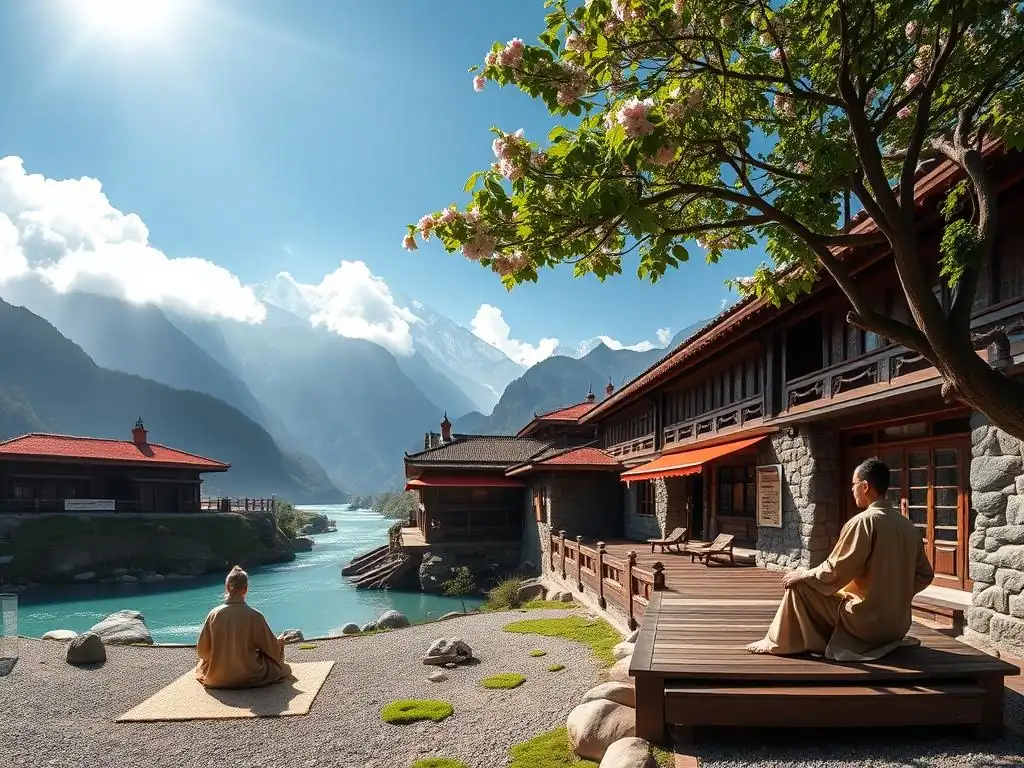
Welcome to Mind Care Guide, your trusted companion on your journey to mental well-being. Feeling overwhelmed by the daily grind? Ever wondered if a longer escape could truly reset your mind? This comprehensive guide delves into the transformative world of mindfulness retreats, answering a crucial question for many: How much does a mindfulness retreat cost, what are the real benefits, and what kind of schedule can I expect? Prepare to discover whether an extended mindfulness retreat is the right path for you, and unlock insights into pricing, potential benefits, and what to anticipate in [Region/Country]. Let's explore together.
Long Term Mindfulness Retreats: Reviews, Pricing, and What to Expect in Thailand
- Introduction: Finding Serenity – Long Term Mindfulness Retreats for Deep Transformation
- Understanding the Cost-Benefit Analysis of Long Term Mindfulness Retreats
- Top Long Term Mindfulness Retreats in Thailand: Reviews and Comparisons
-
What to Expect During a Long Term Mindfulness Retreat: A Detailed Guide
- Preparing for Your Retreat: Packing Essentials and Mental Preparation
- The Typical Daily Schedule: Balancing Meditation, Learning, and Free Time
- Common Challenges and How to Overcome Them: Staying Committed to Your Practice
- Building a Sustainable Mindfulness Practice After Your Retreat: Tips and Resources
- Maximizing Your Investment: Making the Most of Your Mindfulness Retreat
- Conclusion: Embracing the Transformative Power of Long Term Mindfulness Retreats
-
Frequently Asked Questions
- What is the typical Mindfulness Retreats cost for a long-term program?
- What are the key benefits of attending a long-term Mindfulness Retreat?
- What kind of schedule can I expect at a Mindfulness Retreat?
- How do I choose the right Mindfulness Retreat for my needs?
- Are Mindfulness Retreats only for experienced meditators?
- Final Reflection: Finding Stillness in a Restless World
- Unlock Your Inner Peace: Take the Next Step on Your Mindfulness Journey
Introduction: Finding Serenity – Long Term Mindfulness Retreats for Deep Transformation
The Growing Need for Extended Mindfulness Practices
In our fast-paced modern world, chronic stress, anxiety, and burnout are increasingly common. While short meditation sessions or weekend retreats offer temporary relief, the profound, lasting transformation often requires a more dedicated and extended period of practice. This is where long-term mindfulness retreats come into play, offering an immersive environment away from daily distractions to cultivate deep presence and inner peace. The demand for such extended experiences has surged as more people recognize the limitations of quick fixes and seek sustainable pathways to mental well-being.
Engaging in extended mindfulness practices, typically lasting from several weeks to several months, allows individuals to move beyond surface-level techniques and confront deeper patterns of mind. It provides the time and space necessary to truly integrate mindfulness into one's being, leading to more significant shifts in perspective, emotional resilience, and self-awareness. Data from mental health organizations consistently highlight the rising levels of stress globally, underscoring the critical need for effective, long-lasting interventions like those offered by comprehensive mindfulness programs.
Why Choose a Long-Term Retreat in Thailand?
Thailand has long been a renowned destination for those seeking spiritual growth and deep meditation practice, rooted in its rich Buddhist traditions. The country offers a unique blend of serene natural beauty, deeply ingrained spiritual culture, and a wide array of retreat centers catering to various traditions and durations, including long-term stays. Opting for a long-term mindfulness retreat in Thailand provides an opportunity to immerse oneself not just in practice, but also in an environment that naturally supports introspection and tranquility, often at a more accessible mindfulness retreats cost compared to Western countries.
Beyond the cultural appeal and conducive environment, Thailand boasts centers with experienced teachers, many having trained in traditional monastic settings. These retreats often combine intensive meditation practice with teachings on Buddhist philosophy and ethics, providing a holistic approach to mental and spiritual development. The cost of living is generally lower than in many other parts of the world, which contributes significantly to the overall affordability of extended stays, making a long-term mindfulness retreat in Thailand a practical as well as profound choice for deep personal transformation.
Understanding the Cost-Benefit Analysis of Long Term Mindfulness Retreats
Deeper Dive into Mindfulness Retreats Cost: What to Expect
Understanding the mindfulness retreats cost is crucial for planning. The expenses for long-term retreats in Thailand can vary significantly depending on the center, duration, accommodation type, and included services. Basic, traditional centers often operate on a donation basis or charge minimal fees covering only essential costs like food and utilities, sometimes as low as a few hundred US dollars per month. More established centers with modern facilities or specialized programs might have fixed fees ranging from approximately $500 to $1,500 per month, or even higher for luxury options.
These costs typically encompass accommodation (ranging from simple dormitories or kuti-style huts to private rooms), daily meals (often vegetarian and simple), and access to teachings and meditation sessions. However, it's important to inquire specifically about what is included. Some centers might charge extra for laundry services, specific workshops, or transportation. When evaluating the total mindfulness retreats cost, prospective attendees should also factor in travel expenses to and from Thailand, visa fees (if applicable), and personal spending money for essentials not provided by the center.
The Invaluable Benefits of Extended Mindfulness Practice: A Holistic Approach
The benefits of extended mindfulness practice go far beyond temporary stress relief; they represent a holistic transformation impacting mental, emotional, and even physical well-being. Committing to a long-term retreat allows for the sustained effort needed to rewire neural pathways, cultivate deep self-awareness, and develop a stable inner calm. While the mindfulness retreats cost is a financial investment, the long-term benefits are often considered priceless by those who undergo such experiences, offering a return on investment in terms of improved quality of life, relationships, and overall happiness.
Participants in long-term retreats frequently report significant reductions in chronic anxiety and depressive symptoms, improved focus and cognitive function, enhanced emotional regulation, and a greater sense of connection to themselves and others. This intensive practice provides the foundation for integrating mindfulness into daily life long after the retreat ends, leading to sustainable positive change. The rigorous mindfulness retreats schedule, though challenging at times, is designed to systematically dismantle habitual patterns of mind that contribute to suffering, paving the way for genuine peace and clarity.
Reduced Stress and Anxiety: Real-Life Examples from Past Retreat Attendees
Numerous individuals who have completed long-term mindfulness retreats report dramatic reductions in their baseline stress and anxiety levels. For example, a participant named Sarah, who attended a three-month retreat in Thailand, shared that prior to the retreat, she experienced daily panic attacks and constant worrying.
After the immersive experience, she found her anxiety significantly diminished, replaced by a greater capacity to observe stressful thoughts without being overwhelmed by them. This isn't an isolated case; many centers share anonymized feedback indicating similar outcomes, with participants reporting a sustained decrease in stress markers like cortisol levels, based on self-assessment and post-retreat feedback forms.
Another example comes from David, who struggled with work-related stress leading to burnout. After attending a six-week retreat focused on Vipassana meditation, he noted a profound shift in his relationship with challenging situations. Instead of reacting with immediate tension, he learned to pause, observe his physical and emotional responses mindfully, and respond more skillfully. This ability to create space between stimulus and reaction is a hallmark benefit of extended practice and is consistently cited in retreat reviews and follow-up studies conducted by some centers to gauge long-term impact.
Improved Focus and Concentration: Testimonials and Scientific Backing
A significant benefit consistently highlighted by those who undertake long-term mindfulness retreats is a marked improvement in their ability to focus and concentrate. The rigorous mindfulness retreats schedule, often involving many hours of seated and walking meditation daily, trains the mind to stay present and less prone to distraction. Testimonials from retreat alumni frequently mention enhanced productivity at work and a greater ability to engage deeply in tasks without mind-wandering. For instance, a former retreatant, Emily, shared that she could finally read complex articles for extended periods without losing focus, a task that was challenging before her retreat.
Scientific research supports these anecdotal accounts. Studies using fMRI scans have shown that regular mindfulness practice, particularly intensive forms like those found in retreats, can lead to structural and functional changes in the brain regions associated with attention and focus, such as the prefrontal cortex. While specific studies on participants of Thai retreats are varied, the general body of research on intensive mindfulness programs, including those based on Vipassana or similar traditions practiced in Thailand, shows measurable improvements in sustained attention and reduced attentional blink, providing a strong scientific basis for the reported cognitive benefits.
Enhanced Emotional Regulation and Self-Awareness: Personal Growth Stories
Long-term mindfulness retreats provide fertile ground for developing greater emotional regulation and deep self-awareness. By spending extended periods observing internal states without judgment, participants become more familiar with their emotional landscape, learning to recognize feelings as they arise without being swept away by them. Personal growth stories abound, illustrating this transformation. Consider the case of James, who struggled with anger management. His three-month retreat experience allowed him to observe the physical sensations and thought patterns associated with anger before it escalated, giving him the choice to respond differently.
Another compelling example is Maria, who carried significant emotional baggage from past experiences. Through sustained practice, she developed the capacity for self-compassion and acceptance, allowing her to process difficult emotions with kindness rather than self-criticism. This enhanced self-awareness extends beyond difficult emotions, fostering a deeper understanding of one's values, motivations, and habitual reactions. The intensive environment and guidance from experienced teachers facilitate this introspective journey, leading to profound personal insights and a more stable, resilient emotional life, which is a core outcome sought by those investing in the mindfulness retreats cost and time.
Financial Considerations: Breaking Down the Costs of Long Term Retreats
When considering a long-term mindfulness retreat, a detailed breakdown of the potential mindfulness retreats cost is essential for budgeting and planning. While some centers operate on a pure donation basis, meaning you contribute what you can afford, the expectation is often that you cover at least the cost of your stay, which can range from $10-$30 per day depending on the center's location and facilities. Other centers have fixed fees, providing more predictability but potentially being less accessible for those with limited funds. These fees bundle various services, and understanding what's included is key.
Beyond the base retreat fee, other significant financial considerations include international airfare to Thailand, which can range from $800 to $2,000+ depending on your departure location and time of booking. Visa costs, if required for your nationality and length of stay (e.g., a 60-day tourist visa or extensions), can add another $50-$200. Additionally, personal expenses for items not provided, travel insurance, and potential medical needs should be factored in, typically adding at least $100-$300 per month to the overall mindfulness retreats cost.
Accommodation Options and Pricing Tiers
Accommodation at long-term mindfulness retreats in Thailand varies widely, directly impacting the mindfulness retreats cost. At the most basic level, centers like Suan Mokkh offer simple, shared dormitories or individual 'kuti' (small huts) with minimal furnishings, sometimes just a mat and mosquito net. These options are usually the most affordable, often covered by minimal fixed fees or donation expectations reflecting basic upkeep. These might cost as little as $300-$600 per month at donation-based centers to around $800-$1200 at centers with low fixed fees.
Mid-range options might include private rooms with basic amenities, potentially a fan or simple attached bathroom. These are typically found at centers with fixed pricing structures and could range from $1,000 to $2,000 per month. More upscale or specialized centers might offer comfortable private rooms with air conditioning, hot water, and more Western-style facilities, pushing the monthly cost upwards of $2,500 or more. Understanding the different accommodation tiers helps prospective retreatants align their budget with their desired level of comfort and privacy during their extended stay.
Meal Plans and Dietary Considerations Affecting Retreat Costs
Meal plans are almost always included in the mindfulness retreats cost, but the type and variety of food can differ. Most centers provide simple, vegetarian meals, typically two per day (breakfast and lunch), in line with traditional Buddhist practices. The quality and variety of these meals are usually basic but nutritious, designed to sustain practitioners without being overly stimulating. At donation-based centers, the cost of these meals is covered by the general donation, often averaging $5-$10 per person per day in material costs.
Some centers may be able to accommodate specific dietary restrictions, such as vegan or gluten-free, but this should always be confirmed in advance. While the core meal plan is included, any personal snacks or specialty food items desired would be an additional expense. Retreats rarely offer dinner, focusing on the practice of not eating after midday, which is a traditional monastic discipline. Therefore, budgeting for dinner is generally not necessary unless you have specific medical needs, which should be discussed with the center beforehand.
Additional Expenses: Travel, Materials, and Optional Activities
Beyond the core mindfulness retreats cost covering stay and meals, several additional expenses should be anticipated. As mentioned, international flights are a major cost. Domestic travel within Thailand to reach the retreat location (e.g., buses, trains, or domestic flights) will also add to the total, potentially ranging from $50 to $200 depending on the distance. Visa fees and potential extension costs are also mandatory for longer stays.
Materials needed for the retreat, such as comfortable clothing suitable for meditation, personal toiletries, any required meditation cushions or mats (though often provided), and perhaps a journal, are personal expenses. While most retreats are intensive and offer limited optional activities, some might have extra offerings like massage therapy or specialized workshops for an additional fee. It's wise to budget a buffer of at least $100-$300 per month for unforeseen needs, personal items, and minimal excursions if the schedule allows, ensuring you are financially prepared for the entire duration of your mindfulness retreats schedule.
Top Long Term Mindfulness Retreats in Thailand: Reviews and Comparisons
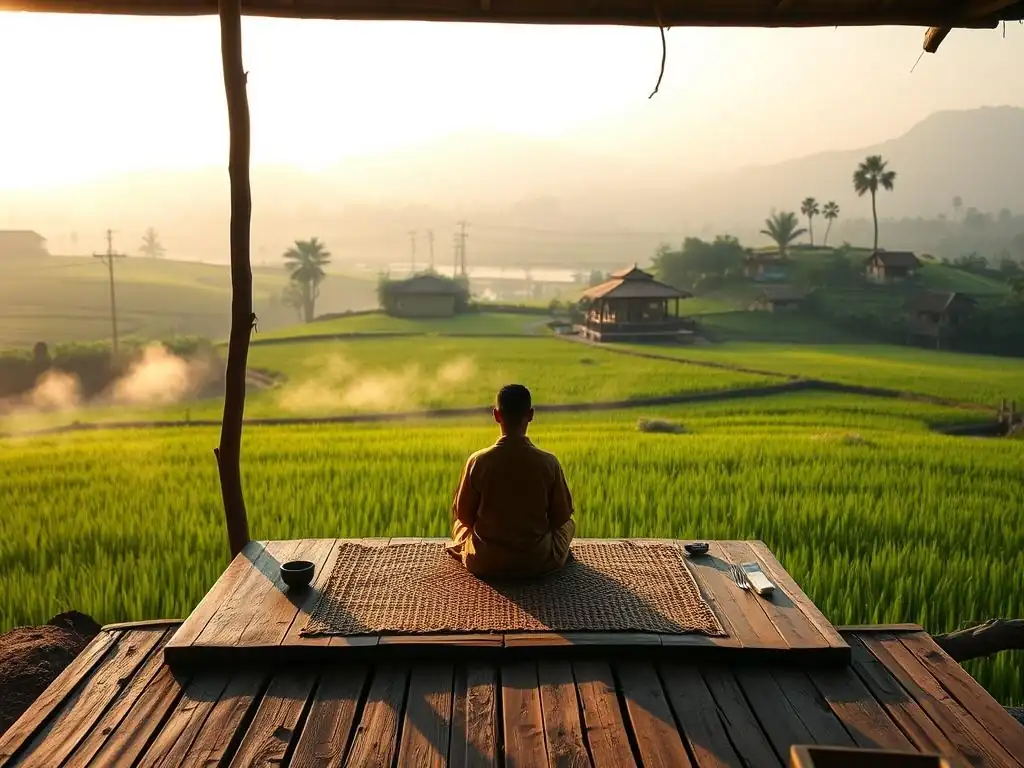
Suan Mokkh International Dharma Hermitage: A Deep Dive into Vipassana Meditation
Suan Mokkh, founded by the influential Buddhist monk Ajahn Buddhadasa Bhikkhu, is one of Thailand's most famous and traditional meditation centers. Located near Chaiya in Surat Thani province, it offers rigorous, no-frills retreats rooted in the Vipassana tradition, focusing on "Mindfulness with Breathing" (Anapanasati). It is particularly known for its strict, silent 10-day retreats held at the International Dharma Hermitage section, but longer-term stays are possible for experienced practitioners who wish to continue their practice under the guidance of the resident monks. The environment is rustic, designed to minimize distractions and encourage deep introspection.
The center operates on a donation basis, embodying the principle of Dharma sharing. While there's no fixed fee, a suggested donation covers basic costs like food and accommodation. This makes it one of the most accessible options in terms of mindfulness retreats cost for those seeking a traditional, monastic experience. The emphasis is on self-reliance and diligent practice within a structured environment. Reviews often highlight the profound simplicity and authenticity of the experience, though some note the challenging basic conditions and strict schedule. It's a place for serious practitioners ready to embrace austerity for the sake of deep insight.
Features and Amenities: What Sets Suan Mokkh Apart?
What sets Suan Mokkh apart is its commitment to simplicity and its natural, open-air environment. Accommodation is typically in individual, spartan kuti (huts) scattered throughout the forest, providing solitude but with minimal comfort – think concrete floors, a simple mat, a pillow, and a mosquito net. There are basic communal bathrooms and cold showers. The meditation halls are open-air, allowing practitioners to connect with nature. Meals are simple, vegetarian, and eaten in silence, usually only twice a day (breakfast and lunch).
The center provides basic necessities, but participants are expected to bring their own toiletries, towels, and suitable clothing. There is no internet access, limited electricity in some areas, and the focus is entirely on practice. This deliberate lack of modern amenities is a core feature, designed to strip away distractions and encourage a focus on inner experience. While some might find this challenging, many reviews emphasize that this simplicity is precisely what facilitates deep concentration and a profound appreciation for the essentials of life and practice.
Sample Daily Schedule and Activities: A Glimpse into the Retreat Experience
A typical daily schedule at Suan Mokkh is rigorous and begins very early. Wake-up is often around 4:00 AM, followed by morning chanting and meditation. The day is structured around alternating periods of seated and walking meditation, interspersed with Dharma talks (teachings) by the monks. There are usually two meals provided during the morning. The afternoon continues with meditation and work practice (karma yoga), where participants contribute to the upkeep of the center.
Silence is strictly observed for most of the day and duration of the retreat, especially during the initial 10-day period, which is a prerequisite for longer stays. Even during longer retreats, communication is minimal, supporting the introspective focus. The evening typically includes a final meditation session and sometimes chanting before sleep, usually by 9:00 PM. This intensive mindfulness retreats schedule is designed to cultivate continuous awareness throughout the day, integrating practice into every activity.
Pricing and Packages: Options to Suit Different Budgets
Suan Mokkh operates primarily on a donation basis, particularly for its standard retreats and long-term stays for experienced practitioners. There are no fixed "packages" in the commercial sense. The cost is determined by what each individual can afford and feels is appropriate, based on covering the center's basic operational expenses (food, utilities, maintenance). For the initial 10-day retreat, there might be a small registration fee (historically around 2,000 Thai Baht, or roughly $60 USD) to cover costs like a meditation mat, but the stay itself is donation-based.
For longer-term stays, the expectation is a more substantial donation reflecting the extended period of accommodation and meals. While there's no minimum set amount, it's understood that the donation should reasonably contribute to the cost of hosting you. This donation-based model makes Suan Mokkh highly accessible in terms of mindfulness retreats cost for individuals from diverse financial backgrounds, embodying a principle of generosity and shared support for the Dharma, though it requires personal responsibility in assessing one's contribution.
Reviews and Testimonials: Real Experiences from Participants
Reviews and testimonials for Suan Mokkh often describe the experience as challenging but deeply rewarding. Participants frequently praise the authenticity of the teachings and the dedication of the resident monks. Many highlight the profound impact of the silence and the simple environment on their ability to focus and gain insight. For example, one review noted, "The austerity was difficult initially, but it stripped away all distractions, forcing me to confront my own mind. It was transformative."
Common themes in positive feedback include the effectiveness of the Anapanasati technique as taught here, the supportive yet non-interfering environment, and the sense of peace found despite the rigorous schedule. Some reviews mention the challenge of the heat, insects, and basic facilities, acknowledging that it requires a certain level of physical and mental resilience. Overall, testimonials suggest that Suan Mokkh is best suited for those seeking a genuine, traditional, and intensive meditation experience, prioritizing depth of practice over comfort, and appreciating the accessible mindfulness retreats cost offered through its donation system.
Wat Suan Dok: Focusing on Buddhist Teachings and Meditation
Wat Suan Dok, located in Chiang Mai, offers a different flavor of mindfulness retreat, often incorporating more direct instruction on Buddhist philosophy alongside meditation practice. While it is a large, active temple complex, its International Buddhism Center (IBC) is specifically geared towards foreigners interested in learning about Buddhism and meditation. They offer various programs, including longer stays for those serious about deepening their practice. The environment is more integrated into city life than a remote hermitage, yet still provides dedicated spaces for quiet contemplation.
The retreats here often blend Vipassana (insight) and Samatha (calm) meditation techniques with lectures and discussions on core Buddhist concepts like the Four Noble Truths and the Eightfold Path. This makes it particularly appealing for individuals who wish to understand the theoretical framework behind the practice. The accessibility of the location in Chiang Mai is also a plus for many. The mindfulness retreats cost at Wat Suan Dok is generally structured with fixed fees, providing clarity on expenses upfront, though these are typically quite reasonable compared to commercial centers.
Location and Environment: Immersing Yourself in the Beauty of Chiang Mai
Wat Suan Dok is situated just outside the moat of Chiang Mai's old city, making it relatively easy to access while still offering a sense of peaceful enclosure within its grounds. The temple complex itself is beautiful, featuring impressive stupas and traditional Lanna architecture. The International Buddhism Center is located within this complex but provides dedicated facilities for retreatants, including accommodation and meditation halls.
While not as secluded as a forest hermitage, the environment within the IBC is conducive to practice, with gardens and quiet areas for reflection. Being close to Chiang Mai means that while on retreat, participants are intentionally shielded from city distractions, but the convenience of being near amenities and transportation is available before and after the retreat period. This location offers a balance between immersion in practice and connection to the cultural heart of northern Thailand.
The Curriculum: Integrating Mindfulness with Buddhist Philosophy
The curriculum at Wat Suan Dok's IBC typically integrates intensive meditation practice with comprehensive teachings on Buddhist philosophy. Retreats often include daily seated and walking meditation sessions, guided meditations, and Dhamma talks delivered by English-speaking monks or lay teachers. These talks cover foundational Buddhist principles, explaining the context and purpose of the meditation techniques being practiced.
This approach is beneficial for those who want more than just a meditation technique; they want to understand the worldview and ethical framework from which mindfulness originates. The mindfulness retreats schedule often includes question-and-answer sessions, allowing participants to clarify doubts and deepen their understanding. This blend of experiential practice and intellectual learning provides a solid foundation for integrating mindfulness into a meaningful life guided by Buddhist wisdom.
Instructor Profiles: Experienced Guides on Your Mindfulness Journey
The instructors at Wat Suan Dok's IBC are typically Venerable monks who are fluent in English and have extensive experience in both meditation practice and teaching Western students. Many have spent years, if not decades, practicing in monastic settings and studying Buddhist scriptures. They are skilled at explaining complex concepts in an accessible way and guiding practitioners through the challenges that arise during intensive retreats.
The presence of experienced, resident monks provides a unique opportunity for guidance and inspiration. Retreatants can often have one-on-one interviews to discuss their practice and receive personalized advice. The depth of experience and dedication of these instructors is a significant asset, ensuring participants receive authentic teachings and support throughout their long-term mindfulness journey, contributing greatly to the value proposition beyond the simple mindfulness retreats cost.
Affordability and Value: Justifying the Investment in Your Well-being
Compared to many commercial retreat centers globally, Wat Suan Dok offers exceptional affordability and value, particularly for long-term stays. While they have fixed fees rather than a donation system like Suan Mokkh, these fees are designed to be accessible. For example, a month-long stay might cost in the range of $600-$1000, covering accommodation, meals, and all teachings. This mindfulness retreats cost is significantly lower than comparable programs in Western countries.
The value lies not just in the cost but in the comprehensive program that combines intensive practice with philosophical grounding, guided by experienced monastic teachers. For individuals seeking a structured program that deeply integrates mindfulness with its Buddhist roots within a supportive temple environment, Wat Suan Dok represents a highly justifiable investment in their mental and spiritual well-being. The clarity of the fixed mindfulness retreats cost also simplifies budgeting and planning for an extended stay.
The Middle Way Meditation Institute: A Spiritual Journey Through Mindfulness and Meditation
The Middle Way Meditation Institute, with centers in various locations including Thailand, offers retreats rooted in the Dhammakaya tradition of meditation. This tradition emphasizes cultivating a bright, clear inner body or sphere of light as a focal point for concentration, leading to inner peace and wisdom. Their retreats, including longer-term options, are designed to be accessible to people of all backgrounds and beliefs, presenting meditation as a universal path to inner happiness.
The approach is highly structured and often involves guided meditations aimed at reaching a state of deep calm and stillness. While the philosophical underpinnings are Buddhist, the presentation is often non-sectarian, focusing on the practical experience of meditation. The mindfulness retreats cost at Middle Way centers can vary depending on the location and program duration, but they generally offer clear pricing structures.
Target Audience: Who is This Retreat Best Suited For?
The Middle Way Meditation Institute's retreats are particularly well-suited for individuals seeking a structured, guided approach to meditation, especially those interested in concentration (Samatha) practices leading to deep states of stillness. The method of focusing on an inner light or sphere is often found to be very tangible and effective for beginners and experienced meditators alike who may struggle with more abstract techniques like pure observation.
It appeals to a wide range of people, including those with no prior meditation experience, individuals from non-Buddhist backgrounds, and those specifically interested in the unique Dhammakaya method. The centers often attract a diverse international crowd. The clear guidance and emphasis on experiential results make it a good choice for those who appreciate a systematic path to cultivating inner peace and clarity through meditation, and the mindfulness retreats schedule is designed to support this systematic progress.
The Philosophy Behind the Practice: Understanding the Core Principles
The core philosophy behind the Dhammakaya meditation practice taught at the Middle Way Meditation Institute centers on the belief in the existence of the "Dhammakaya" within every human being – a potential for enlightenment or a state of pure awareness and peace. The meditation technique involves focusing the mind at the center of the body, visualizing a crystal sphere or a bright light, and gently repeating a mantra. The aim is to still the mind to the point where this inner light becomes clear and bright, leading to profound states of calm and insight.
This method is presented as a way to purify the mind, access inner wisdom, and ultimately realize one's true, peaceful nature. While distinct from purely Vipassana approaches that emphasize bare observation, the practice is seen as a path to cultivating both deep concentration and ultimately, wisdom. Understanding this underlying philosophy helps participants engage more fully with the guided practices and appreciate the potential benefits of the method offered through their structured mindfulness retreats schedule.
Accommodation Styles: From Basic to Comfortable Options
Accommodation at The Middle Way Meditation Institute centers can vary depending on the specific location and program level. Many centers offer clean, comfortable, and modern facilities. Options might range from shared rooms to private rooms with attached bathrooms. While not luxurious, the accommodation is generally designed to provide a comfortable and quiet environment conducive to meditation, a step up in comfort compared to traditional forest hermitages.
The quality and style of accommodation are usually reflected in the mindfulness retreats cost. More basic shared rooms will be at the lower end of the price scale, while private rooms will cost more. Details about specific accommodation options and what is included are usually clearly outlined in the retreat program information, allowing participants to choose an option that fits their budget and preferences for their extended stay.
The Long-Term Impact: Sustaining Mindfulness Practices After the Retreat
A key focus at The Middle Way Meditation Institute is on helping participants sustain their mindfulness practices after returning to their daily lives. Retreats often include sessions on how to integrate the techniques learned into a busy schedule. The structured nature of the Dhammakaya method, with its clear steps and focus points, can make it easier for individuals to continue practicing independently.
The Institute also has a global network of centers and groups, offering ongoing support through local meditation classes, online resources, and follow-up retreats. This network provides a community for continued practice and learning, helping individuals maintain the inner peace and clarity cultivated during their long-term retreat. The emphasis on post-retreat integration adds significant value, ensuring that the investment in the mindfulness retreats cost translates into lasting positive change.
What to Expect During a Long Term Mindfulness Retreat: A Detailed Guide
Embarking on a long-term mindfulness retreat is a significant undertaking that involves dedicating several weeks or months to intensive inner work. It's not a vacation, but a period of focused training for the mind. Expect a structured environment with a consistent daily schedule, often involving many hours of silent meditation, teachings, and potentially some form of work practice. The experience can be challenging, bringing up physical discomfort, emotional intensity, and mental resistance, but it is also profoundly rewarding, offering deep insights and lasting peace.
Silence is a common element, especially during core practice periods, designed to minimize external distractions and encourage introspection. While some centers may have more interactive elements like group discussions or interviews with teachers, the emphasis is on cultivating internal quiet. Understanding the typical mindfulness retreats schedule and being mentally prepared for periods of solitude and stillness is crucial for making the most of the experience and navigating the challenges that arise.
Preparing for Your Retreat: Packing Essentials and Mental Preparation
Proper preparation is key to a successful long-term mindfulness retreat. Physically, pack comfortable, modest clothing suitable for sitting and movement, adhering to any dress code specified by the center (e.g., covering shoulders and knees). Bring necessary toiletries, any personal medications, and perhaps a journal and pen. Essentials like a water bottle, insect repellent, and a small flashlight are often useful, especially at more rustic locations. Check the specific requirements of your chosen center regarding bedding, towels, and meditation props.
Mentally, prepare for a period of disconnection from your usual life, including limited or no access to phones, internet, and external communication. Set realistic expectations – it won't be easy, and there will be ups and downs. Cultivate an attitude of openness, patience, and non-judgment towards yourself and the process. Inform family and friends about your period of silence and unavailability. This mental preparation is just as important as packing your bags for the immersive mindfulness retreats schedule ahead.
The Typical Daily Schedule: Balancing Meditation, Learning, and Free Time
A typical daily schedule at a long-term mindfulness retreat is highly structured and focused on practice. Days often begin before sunrise (around 4:00-5:00 AM) with wake-up and the first meditation session. The morning might include alternating periods of seated and walking meditation, interspersed with chanting or light physical exercises like mindful movement. Breakfast is usually simple and eaten in silence.
The late morning and early afternoon often involve more meditation, potentially a Dharma talk or teaching session, and possibly a period of work practice (helping with chores like cleaning or gardening). Lunch is typically the main meal of the day, also eaten mindfully and in silence. The afternoon continues with meditation. Evenings may include another Dharma talk, chanting, or a final meditation session before sleep, usually around 9:00-10:00 PM. Free time is minimal and usually intended for rest or quiet contemplation rather than recreational activities, fully immersing participants in the mindfulness retreats schedule.
Common Challenges and How to Overcome Them: Staying Committed to Your Practice
Long-term retreats can present significant challenges. Physical discomfort from sitting for long periods, boredom, restlessness, and the emergence of difficult emotions or memories are common. Staying committed requires patience and perseverance. When physical discomfort arises, practice mindful awareness of the sensations without identifying with them or letting them derail your practice. Gentle stretching or adjusting posture mindfully can help.
When boredom or restlessness hits, try focusing more intently on your meditation object (like the breath) or switch to walking meditation. Difficult emotions are opportunities for growth; approach them with curiosity and self-compassion, observing them without judgment. Utilizing guidance from teachers, attending all talks, and remembering your intention for attending the retreat can provide motivation. Leaning into the structured mindfulness retreats schedule, even when challenging, helps build resilience and deepens practice.
Building a Sustainable Mindfulness Practice After Your Retreat: Tips and Resources
The true test of a long-term retreat's impact is the ability to integrate mindfulness into daily life afterward. Start small; commit to a short daily meditation session (even 10-20 minutes) and gradually increase the duration. Find ways to incorporate mindfulness into everyday activities like eating, walking, or doing chores. Set reminders throughout the day to pause and take a few mindful breaths.
Utilize resources to support your continued practice. This could include using meditation apps, enrolling in online courses, reading books on mindfulness and related philosophies, or finding a local meditation group. Connecting with others who share your interest can provide support and accountability. Remember that maintaining practice is an ongoing journey, and consistency is more important than duration.
Recommended Meditation Apps: Insight Timer and Headspace
Meditation apps can be valuable tools for sustaining practice after a retreat, offering guided meditations, timers, and supportive content. Insight Timer is a popular free app with a vast library of guided meditations from various teachers and traditions, customizable timers for unguided practice, and a community feature. It's great for exploring different styles and finding teachers you resonate with.
Headspace and Calm are subscription-based apps that offer structured courses on various aspects of mindfulness, stress reduction, and sleep. They provide progressive learning paths which can be helpful for integrating practice into daily routines. While different from the immersive experience of a retreat, these apps offer accessible ways to maintain consistency and continue learning, supporting the benefits gained from the mindfulness retreats schedule and investment.
Online Mindfulness Courses: Continuing Your Learning Journey
For those who want to deepen their understanding or explore specific aspects of mindfulness practice after a retreat, online courses offer a flexible option. Platforms like Coursera, edX, or specialized mindfulness training websites offer courses ranging from introductory mindfulness to programs based on Mindfulness-Based Stress Reduction (MBSR) or other therapeutic approaches.
Many retreat centers or teachers also offer online follow-up programs or recorded talks. These courses can provide structure, new techniques, and further theoretical knowledge, helping to build upon the foundation established during the retreat. Engaging with online learning helps maintain momentum and continues the journey of self-discovery initiated during the intensive mindfulness retreats schedule.
Finding Local Mindfulness Groups: Connecting with Like-Minded Individuals
Connecting with a local mindfulness or meditation group can provide invaluable support and a sense of community after a solitary retreat experience. Practicing with others can be motivating and provides an opportunity to share experiences, challenges, and insights. Many cities have meditation centers affiliated with various traditions or secular mindfulness groups that offer regular sittings and discussions.
Search online directories, local community boards, or inquire at local spiritual centers. Participating in group practice reinforces commitment and provides access to local teachers or experienced practitioners who can offer guidance. This community aspect helps sustain the practice and reminds you that you are not alone on your path of cultivating a more mindful life.
Maximizing Your Investment: Making the Most of Your Mindfulness Retreat
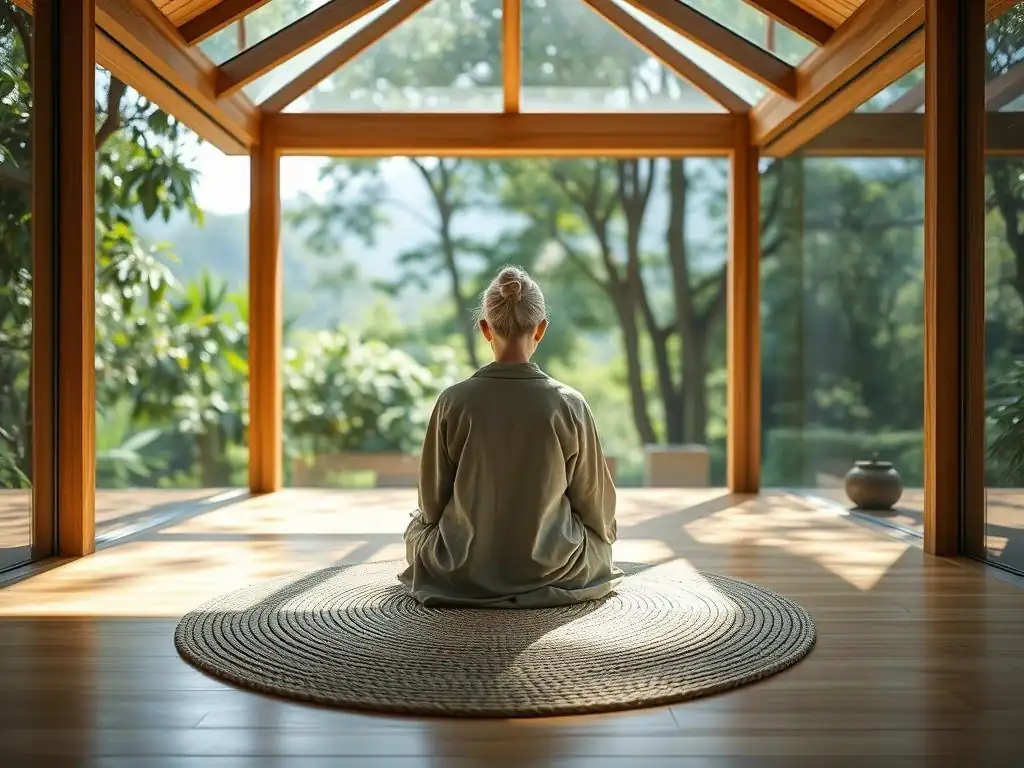
Investing in a long-term mindfulness retreat, both in terms of mindfulness retreats cost and time, is a significant commitment to your well-being. To maximize this investment, approach the retreat with a clear intention and a willingness to fully engage with the process. It's not just about the hours spent meditating, but about how you inhabit the entire experience, from the silent meals to the work practice periods. Being fully present in each moment offered by the mindfulness retreats schedule is key to unlocking its transformative potential.
Go beyond simply following instructions; cultivate genuine curiosity about your inner landscape. Embrace the challenges as opportunities for growth rather than obstacles. Remember why you chose to undertake this journey and hold that intention gently. The depth of insight and lasting change you gain will be directly related to the level of presence and effort you bring to every aspect of the retreat experience.
Setting Realistic Goals and Expectations: A Foundation for Success
Before embarking on a long-term retreat, take time to reflect on your motivations and set realistic goals. Are you seeking stress reduction, increased self-awareness, or deeper spiritual insight? Understanding your primary intention helps focus your efforts during the retreat. However, it's equally important to manage expectations. You likely won't achieve perfect stillness or enlightenment overnight.
There will be days when your mind feels busier than ever, or you experience significant discomfort. These are normal parts of the process. Expect challenges and commit to meeting them with patience and persistence. Framing the retreat as a training period, rather than a magical cure, helps maintain a grounded perspective and prevents discouragement when difficulties arise, allowing you to more fully appreciate the journey offered by the mindfulness retreats schedule.
Engaging with the Community: Building Connections and Sharing Experiences
While long-term retreats often emphasize silence and solitude, there are usually opportunities for limited interaction, such as during work practice or scheduled interviews with teachers. Engaging mindfully with the community, even in silence, can be supportive. Simply being in the presence of others who are also dedicated to practice can create a powerful collective energy.
If opportunities for sharing arise, such as in group discussions or during interviews, participate openly and honestly. Sharing your experiences and challenges can provide valuable perspective and support. Listening to others can also offer insights into your own journey. Building these connections, even if brief, reinforces the sense that you are part of a larger community on a similar path, enriching the retreat experience beyond the individual mindfulness retreats cost.
Documenting Your Journey: Reflecting on Your Progress and Insights
Keeping a journal during your retreat can be a valuable way to document your experience, track your progress, and process insights. While some retreats discourage writing to minimize mental activity, others allow it during designated free time. Use the journal to note observations about your meditation practice, reflections on teachings, emotional states, and any challenges or breakthroughs you experience.
Reviewing your entries later can provide perspective on how far you've come and highlight recurring patterns. It serves as a tangible record of your inner journey and can be a useful resource for maintaining practice after the retreat. This act of reflection deepens the learning process and helps solidify the understanding gained from the intensive mindfulness retreats schedule.
Integrating Mindfulness into Your Daily Life: Practical Strategies for Lasting Change
The true measure of a successful long-term retreat is the ability to integrate mindfulness into your daily life, making the mindfulness retreats cost a worthwhile investment in sustainable well-being. Start by scheduling regular, even short, meditation sessions. Choose a consistent time and place to help build a habit. Practice mindful awareness during routine activities – brushing your teeth, washing dishes, or commuting. Pay attention to sensory details and the present moment.
Use triggers throughout your day to remind you to be mindful, such as the ringing of a phone or opening a door. Take a few conscious breaths before responding to emails or engaging in conversations. Find a community for ongoing support, whether through local groups or online platforms. Be patient and compassionate with yourself; integration is a gradual process with ups and downs. The skills learned during the intensive mindfulness retreats schedule are tools to be applied continuously.
Conclusion: Embracing the Transformative Power of Long Term Mindfulness Retreats
Choosing the Right Retreat for Your Needs and Goals
Choosing the right long-term mindfulness retreat is a deeply personal decision, influenced by your goals, experience level, preferred environment, and budget. Consider whether you seek a traditional, austere setting focused purely on intensive practice (like Suan Mokkh), a program that integrates philosophy and practice (like Wat Suan Dok), or a structured, guided method (like The Middle Way Meditation Institute). Research the specific teachings, daily schedule, accommodation, and the mindfulness retreats cost structure of each center. Reading reviews and, if possible, talking to past attendees can provide valuable insights.
Ultimately, the "right" retreat is one that resonates with you and provides a supportive environment for the duration of your chosen mindfulness retreats schedule. It's an opportunity to step away from the demands of ordinary life and dedicate yourself fully to cultivating inner peace and wisdom. Making an informed choice ensures that your significant investment of time and mindfulness retreats cost aligns with your personal path towards deeper well-being.
The Lasting Impact of Mindfulness on Your Mental Well-being
The lasting impact of engaging in a long-term mindfulness retreat can be profound and far-reaching. It's not just about feeling calm during the retreat itself, but about developing the skills and insights to navigate the complexities of life with greater ease, resilience, and clarity. Participants frequently report a sustained reduction in stress, anxiety, and reactivity, replaced by increased presence, self-awareness, and emotional balance.
This enhanced mental well-being translates into improved relationships, greater job satisfaction, and a deeper appreciation for life. The practice cultivated during the intensive mindfulness retreats schedule provides a foundation for continued growth, enabling individuals to face challenges with greater equanimity and find joy in everyday moments. The investment in a long-term retreat is an investment in a fundamentally different, more peaceful way of being in the world.
Taking the First Step Towards a More Mindful Life.
Embarking on a long-term mindfulness retreat in Thailand is a powerful step towards cultivating a more mindful and fulfilling life. While the mindfulness retreats cost, benefits, and schedule require careful consideration, the potential for deep personal transformation is immense. It offers a unique opportunity to disconnect from external noise and reconnect with your inner self, laying the groundwork for sustainable well-being.
Whether you choose a rustic hermitage or a more structured institute, the commitment to extended practice in a supportive environment can unlock new levels of peace, clarity, and self-understanding. If you feel the call for a deeper dive into mindfulness, researching these centers and taking the step to apply for a long-term stay could be one of the most impactful decisions you make for your mental health and overall happiness.
Frequently Asked Questions
What is the typical Mindfulness Retreats cost for a long-term program?
The Mindfulness Retreats cost can vary significantly based on location and duration, but expect to invest between $2,000 to $10,000+ for a program lasting several weeks. This often includes accommodation, meals, and instruction.
What are the key benefits of attending a long-term Mindfulness Retreat?
Key benefits include reduced stress, improved focus, and increased self-awareness. Participants often experience a deeper understanding of mindfulness and develop sustainable practices for long-term mental well-being.
What kind of schedule can I expect at a Mindfulness Retreat?
A typical schedule often includes daily meditation sessions, mindful movement practices (like yoga or walking meditation), and group discussions. Expect periods of silence and opportunities for personal reflection.
How do I choose the right Mindfulness Retreat for my needs?
Consider your budget, desired location, and specific areas of focus (e.g., stress reduction, trauma recovery). Research retreat centers, read reviews, and contact the organizers to ask questions about their program and instructors.
Are Mindfulness Retreats only for experienced meditators?
No, Mindfulness Retreats are often suitable for beginners as well as experienced meditators. Many retreats offer introductory sessions and guidance for those new to mindfulness practices.
Final Reflection: Finding Stillness in a Restless World
The pursuit of mindfulness is no longer a niche practice; it's a vital response to the accelerating pace of modern life. The overwhelming demands of our digital age, coupled with persistent societal pressures, leave many feeling depleted and disconnected. This article explored the transformative potential of long-term mindfulness retreats, examining their costs, benefits, and typical schedules, specifically within [Region/Country]. The sheer volume of interest in these retreats underscores a growing recognition of the need for deep rest and inner peace.
The impact of these retreats extends far beyond the individual. They offer a sanctuary for self-discovery, fostering a renewed sense of purpose and resilience that ripples outwards into our communities. The quiet contemplation and mindful practices learned within these serene settings equip participants with tools to navigate the complexities of daily life with greater ease and compassion. The time you enjoy wasting is not wasted time.
– Bertrand Russell. This quote perfectly encapsulates the transformative power of dedicated time spent on self-reflection and inner work, a core component of these retreats.
Now, consider your own life. Are you feeling overwhelmed? Do you crave a deeper connection with yourself and the world around you? I invite you to reflect on the information presented in this article and consider whether a long-term mindfulness retreat could be a beneficial step on your journey towards greater well-being. Perhaps it's time to prioritize your inner peace, to invest in yourself, and to discover the profound stillness that awaits within. The path to mindfulness is a personal one, but the rewards are universal.
Unlock Your Inner Peace: Take the Next Step on Your Mindfulness Journey
Thanks for taking the time to explore the world of long-term mindfulness retreats with us! We hope this article has given you valuable insights into what to expect and how to choose the perfect retreat for you. Ready to deepen your practice?
- Book a consultation with a retreat center: This is your chance to ask questions, discuss your needs, and find the perfect match for your mindfulness goals. Don't hesitate—it's the best way to ensure a truly transformative experience!
- Share your experiences: Have you been on a long-term retreat before? Tell us about it in the comments! Sharing your insights helps others on their mindfulness journey.
- Explore different retreat styles: From silent retreats to those focused on specific practices, there's a style of retreat perfect for everyone. Take some time to research the various approaches available.
What kind of mindfulness practice are you most excited to explore on your next retreat?