
The 3Minute Breathing Space: A GoTo Mindfulness Exercise for Stress


Welcome to Mind Care Guide, a safe space dedicated to your mental well-being.
Feeling overwhelmed? Take a deep breath. We understand. In today's fast-paced world, moments of peace can feel elusive. That's why we're thrilled to share a powerful, yet simple tool: a quick 3-minute breathing exercise that can help you reclaim your calm. Ready to discover how just a few minutes can make a world of difference? Let's explore how this simple practice can transform your day, starting now...
The 3-Minute Breathing Space: Your Go-To Mindfulness Exercise for Stress
- Introduction to the 3-Minute Breathing Space for Stress Relief
- Understanding the Benefits of the 3-Minute Breathing Space
- Step-by-Step Guide: How to Perform the 3-Minute Breathing Space Exercise
- Tips for Maximizing the Effectiveness of Your 3-Minute Breathing Space
- Adapting the 3-Minute Breathing Space to Your Needs
- Common Challenges and How to Overcome Them
- Conclusion: Making the 3-Minute Breathing Space a Habit for Stress Management
-
Frequently Asked Questions
- What is the 3-Minute Breathing Space and what is it used for?
- How often should I practice the 3-Minute Breathing Space?
- What are the key steps involved in the 3-Minute Breathing Space exercise?
- Is the 3-Minute Breathing Space a replacement for professional mental health treatment?
- How can the 3-Minute Breathing Space contribute to overall mental well-being?
- Final Reflection: Breathing Space, Lasting Impact
- Unleash Your Inner Calm: Start Practicing Today!
Introduction to the 3-Minute Breathing Space for Stress Relief
What is the 3-Minute Breathing Space? A Simple Mindfulness Technique
The 3-Minute Breathing Space is a structured, brief mindfulness practice designed to help you pause, step out of autopilot, and reconnect with the present moment. It's a compact version of longer mindfulness meditations, specifically crafted to be accessible and manageable even when time is scarce or stress levels are high. This quick 3minute breathing exercise provides a short but powerful anchor in the midst of daily demands, offering a moment to observe your internal and external experience without judgment.
Developed within the framework of Mindfulness-Based Cognitive Therapy (MBCT), this exercise is widely taught as a foundational tool for cultivating present moment awareness and managing challenging thoughts and feelings. Its simplicity lies in its three distinct stages, each focusing on a different aspect of awareness – acknowledging the present, focusing on the breath, and expanding attention outwards. It's a flexible technique that can be practiced almost anywhere, making it an ideal quick 3minute breathing exercise for busy individuals seeking stress relief.
Why a Quick 3-Minute Breathing Exercise Can Help Manage Stress
In today's fast-paced world, stress is a pervasive challenge, often leading to feelings of overwhelm, anxiety, and disconnection. A quick 3minute breathing exercise like the 3-Minute Breathing Space offers an immediate antidote by interrupting the stress response cycle. By intentionally pausing and focusing on the breath, you activate the parasympathetic nervous system, which helps counteract the 'fight or flight' response triggered by stress. This brief shift in physiological state can lower heart rate, reduce muscle tension, and promote a sense of calm.
Furthermore, this short mindfulness practice helps to create psychological distance from stressful thoughts and emotions. Instead of being swept away by worries or negative feelings, the exercise trains you to observe them as temporary mental events, rather than absolute truths. This shift in perspective, even for just three minutes, can significantly reduce the intensity of stress and improve your ability to respond to challenges more effectively and less reactively. It's a practical tool for building resilience against the daily pressures of modern life.
Integrating Mindfulness into Your Daily Routine: The Power of Short Practices
Integrating mindfulness into a busy daily routine can seem daunting, but short practices like the 3-Minute Breathing Space demonstrate that significant benefits can be gained from brief, consistent effort. You don't need hours of dedicated meditation time to experience the positive effects of mindfulness. Practicing a quick 3minute breathing exercise regularly, even just once or twice a day, builds mental muscle and strengthens your capacity for awareness and calm over time.
Think of it like micro-workouts for your mind. Just as short bursts of physical activity can improve fitness, brief moments of mindful awareness can enhance mental well-being. By making this quick 3minute breathing exercise a regular part of your day – perhaps during your commute, before a meal, or between tasks – you create small pockets of calm and presence that accumulate into greater overall resilience to stress. Consistency, even in short durations, is key to cultivating lasting change and making mindfulness a sustainable habit.
Understanding the Benefits of the 3-Minute Breathing Space
Reduce Stress and Anxiety with Focused Breathing
Focused breathing is a cornerstone of the 3-Minute Breathing Space, and its impact on stress and anxiety is well-documented. When you intentionally slow down and bring your attention to your breath, you directly influence your body's stress response system. Deep, conscious breathing signals to your brain that you are safe, reducing the activity in the amygdala (the brain's fear center) and increasing activity in the prefrontal cortex (associated with calmness and rational thought).
Numerous studies highlight the efficacy of brief breathing exercises in acute stress reduction. For example, research indicates that even a few minutes of mindful breathing can lead to a measurable decrease in cortisol levels, the primary stress hormone. This quick 3minute breathing exercise provides a readily available technique to interrupt escalating stress or anxiety in the moment, offering immediate relief and preventing the physiological and psychological effects of prolonged stress exposure.
Improve Emotional Regulation Through Mindful Awareness
Mindful awareness, cultivated through practices like the 3-Minute Breathing Space, significantly enhances emotional regulation. Rather than reacting impulsively to intense emotions like anger, frustration, or fear, mindfulness teaches you to pause and observe these feelings without immediately acting on them. This brief pause, enabled by the quick 3minute breathing exercise, creates space between the emotional trigger and your response.
By regularly practicing observing your internal state during the Breathing Space, you become more adept at recognizing emotional patterns and triggers. This allows you to respond to challenging emotions with greater intention and less reactivity. Over time, this practice helps to build emotional resilience, enabling you to navigate difficult feelings with more ease and less distress, leading to improved overall emotional well-being.
Enhance Present Moment Awareness: Stepping Out of Autopilot
Much of our stress comes from dwelling on the past or worrying about the future, pulling us away from the only moment we ever truly inhabit: the present. The 3-Minute Breathing Space is a powerful tool for stepping out of this 'autopilot' mode and anchoring yourself firmly in the present moment. The exercise's structure deliberately guides your attention back to your immediate experience – your thoughts, feelings, bodily sensations, and the simple act of breathing.
Regular practice of this quick 3minute breathing exercise strengthens your ability to notice when your mind has wandered and gently guide it back to the present. This enhanced present moment awareness allows you to engage more fully with your life as it unfolds, rather than being lost in mental narratives. It helps reduce rumination about past stressors and anticipatory anxiety about future events, fostering a greater sense of peace and groundedness.
Boost Concentration and Mental Clarity with a Brief Mindfulness Practice
Beyond stress reduction, a brief mindfulness practice like the 3-Minute Breathing Space can significantly boost concentration and mental clarity. In the second step of the exercise, you deliberately focus your attention on the sensation of the breath. This act of sustained focus, even for just a minute, trains your attention span and ability to resist distractions.
Consistent engagement with this quick 3minute breathing exercise helps to strengthen the neural pathways associated with attention and focus. Studies using neuroimaging have shown that regular mindfulness practice can lead to changes in brain structure in areas related to attention control. By taking just three minutes to practice focused attention, you are effectively training your brain to be less distractible and more capable of sustained concentration on tasks throughout your day, leading to improved productivity and mental clarity.
Step-by-Step Guide: How to Perform the 3-Minute Breathing Space Exercise
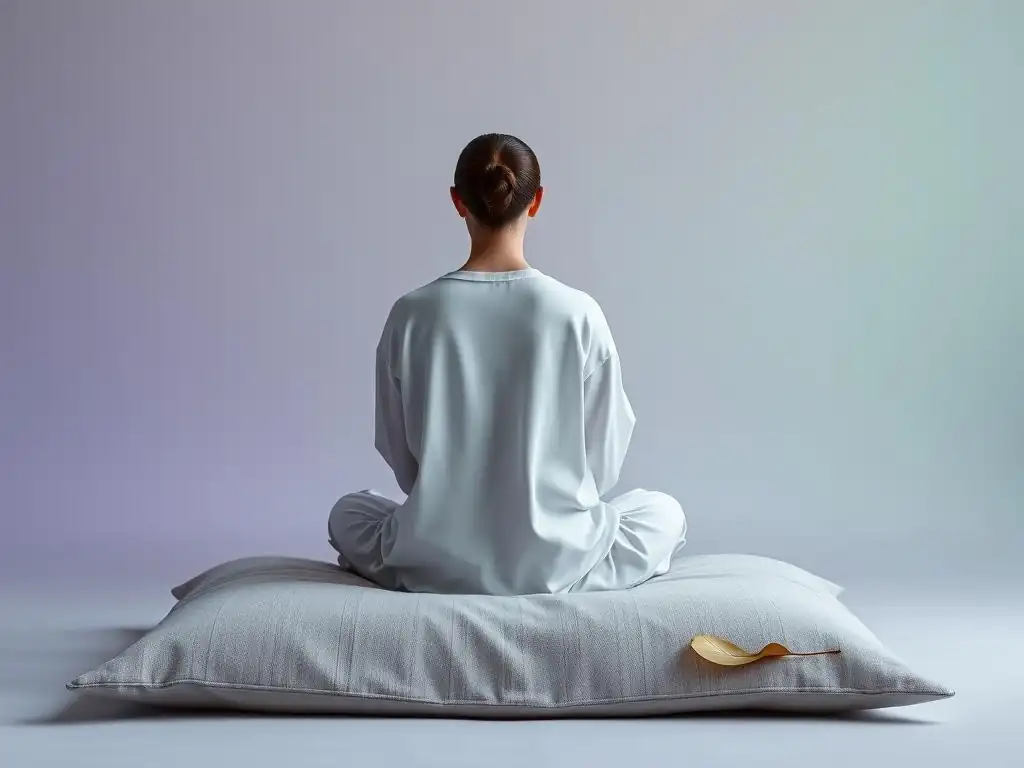
Step 1: Acknowledging Your Present Experience (Minute 1)
Noticing Thoughts, Feelings, and Bodily Sensations
Begin by adopting an upright and dignified posture, whether sitting or standing. Close your eyes gently if comfortable, or soften your gaze. Take a moment to simply notice what is present for you right now. This involves bringing a gentle awareness to your internal landscape. What thoughts are running through your mind? Are they racing, slow, positive, or negative? Just notice them without getting caught up in their content.
Next, turn your attention to your feelings or emotions. What is the prevailing emotional tone? Perhaps you feel stressed, calm, irritated, or neutral. Simply acknowledge whatever feelings are present. Finally, bring your awareness into your body. Notice any physical sensations – tension, relaxation, warmth, coolness, tingling. This first step is about simply observing your current state – thoughts, feelings, and sensations – as they are, without trying to change anything.
Accepting Your Current State Without Judgment
A crucial part of Step 1 is cultivating an attitude of acceptance. This means observing your thoughts, feelings, and sensations without labeling them as "good" or "bad," "right" or "wrong." For instance, if you notice feelings of anxiety or thoughts about your to-do list, the aim is not to push them away or judge yourself for having them. Instead, simply acknowledge their presence with kindness and curiosity.
Think of yourself as a friendly observer, simply noticing the weather patterns of your internal world. This non-judgmental acceptance is vital because resisting or judging difficult experiences often amplifies them. By gently acknowledging what's present, you create a space where you can relate to your experience differently, laying the groundwork for shifting your attention in the next steps of this quick 3minute breathing exercise.
Step 2: Gathering and Focusing Attention on the Breath (Minute 2)
Directing Your Awareness to the Sensation of Breathing
After acknowledging your present experience, gently narrow the focus of your attention to the physical sensations of your breath. You don't need to breathe in a special way; just breathe naturally. Bring your awareness to where you feel the breath most prominently. This might be the rise and fall of your abdomen, the expansion and contraction of your chest, or the sensation of air moving in and out of your nostrils.
Concentrate your attention on the physical feeling of each inhale and exhale. Notice the subtle nuances – the temperature of the air, the texture of the movement, the rhythm of your breath. This deliberate act of focusing on a single point of sensation helps to gather your scattered attention and bring it into the present moment, providing a stable anchor amidst any mental or emotional turbulence you might have noticed in Step 1.
Using the Breath as an Anchor to the Present Moment
The breath serves as a powerful anchor because it is always happening in the present moment. Unlike thoughts about the past or future, the sensation of breathing is an immediate, physical reality. By focusing on the breath during this step of the quick 3minute breathing exercise, you are intentionally grounding yourself in the 'here and now'.
As you focus, your mind will inevitably wander. This is completely normal. The practice isn't about stopping thoughts, but about noticing when your mind has drifted and gently guiding your attention back to the breath, again and again, without self-criticism. Each time you notice your mind wandering and return to the breath, you are strengthening the 'muscle' of attention and reinforcing your connection to the present moment, which is crucial for managing stress.
Step 3: Expanding Awareness to the Whole Body (Minute 3)
Noticing Sensations Throughout Your Body
In the final minute, expand your awareness outwards from the breath to include the sensations throughout your entire body. Imagine your awareness filling your body like water filling a container, or like a spotlight sweeping across your physical form. Gently notice any sensations present – the feeling of your feet on the floor, the weight of your body on the chair, tension in your shoulders, warmth in your hands.
Include the sensation of the breath as part of this expanded awareness, feeling the breath moving throughout the entire body. This step encourages a broader, more spacious awareness, encompassing both the focused attention on the breath and a wider sense of your physical presence. It helps integrate the mind and body, moving beyond just the head and connecting with the physical reality of being present.
Maintaining a Gentle and Open Awareness
As you expand your awareness, maintain the same gentle, non-judgmental attitude cultivated in the previous steps. There's no need to fix anything or make any part of your body feel different. Simply notice the sensations that are present, whatever they are. If you encounter areas of discomfort or tension, simply acknowledge them with kindness, perhaps breathing into them gently, but without trying to force them away.
This final step of the quick 3minute breathing exercise is about resting in a state of open awareness, being present with your body as a whole. It prepares you to transition back into your daily activities with a greater sense of groundedness and presence, carrying a bit of that mindful awareness forward into the rest of your day, which can significantly impact how you navigate stressful situations.
Tips for Maximizing the Effectiveness of Your 3-Minute Breathing Space
Finding a Quiet Space for Your Mindfulness Practice
While the 3-Minute Breathing Space can be practiced almost anywhere, finding a relatively quiet space can significantly enhance its effectiveness, especially when you are first starting. Minimizing external distractions allows you to focus more easily on your internal experience and the sensations of your breath. This doesn't mean you need complete silence, but perhaps stepping away from a busy area or finding a quiet corner for those three minutes.
Even a few minutes in a less distracting environment can make a difference. Consider using a break room at work, stepping outside briefly, or simply closing your office door. While the ultimate goal is to be able to practice mindfulness amidst life's noise, initially providing yourself with a calmer setting can make the practice feel more accessible and less challenging, allowing you to cultivate the necessary focus more readily.
Setting a Timer to Stay on Track
Given the specific duration of the 3-Minute Breathing Space, setting a timer is a practical tip to help you stay on track and manage the time effectively. A gentle timer, perhaps using a meditation app or your phone's timer function set to three minutes, allows you to fully immerse yourself in the exercise without worrying about the clock.
You can even set discrete timers for each step (e.g., 1 minute for Step 1, 1 minute for Step 2, 1 minute for Step 3), though a single three-minute timer often works well once you are familiar with the flow. Using a timer ensures you dedicate the full three minutes to the practice, preventing it from being cut short and helping you establish a consistent routine for this quick 3minute breathing exercise.
Maintaining a Non-Judgmental Attitude
As mentioned in the steps, maintaining a non-judgmental attitude is paramount throughout the 3-Minute Breathing Space. It's easy to get frustrated if your mind wanders frequently, if you feel restless, or if uncomfortable sensations arise. However, mindfulness is not about achieving a perfect state of calm or emptiness; it's about noticing your experience with kindness and acceptance.
If you find yourself judging your performance or your internal state ("I'm doing this wrong," "I can't focus," "I shouldn't feel this stressed"), simply notice the judgment itself as another thought. Gently acknowledge it and guide your attention back to the steps of the quick 3minute breathing exercise. Cultivating this compassionate self-awareness is a core benefit of mindfulness and makes the practice sustainable and beneficial, even on challenging days.
Focusing on the Experience, Not Perfection
Remember that the goal of the 3-Minute Breathing Space is not to achieve a state of perfect relaxation or mental stillness, but simply to engage with the experience of being present for three minutes. There is no "right" or "wrong" way to do it. Some days your mind will feel settled, and other days it will be very busy. Both are valid experiences.
Approach the practice with curiosity and openness, focusing on the process of noticing, gathering attention, and expanding awareness, rather than striving for a specific outcome. Each time you practice this quick 3minute breathing exercise, you are simply showing up for yourself and cultivating a moment of awareness, regardless of how "successful" it feels. Consistency in effort is more important than perceived perfection.
Adapting the 3-Minute Breathing Space to Your Needs

Modifying the Exercise for Different Situations
Using the Breathing Space During Work Breaks
The brevity of the 3-Minute Breathing Space makes it an ideal quick 3minute breathing exercise to integrate into your workday. Instead of scrolling through your phone during a short break, try dedicating those three minutes to this practice. You can do it at your desk, in a quiet corner, or even while standing up. This can help you transition between tasks, clear your mind, and reduce accumulated stress throughout the day.
A quick 3minute breathing exercise taken mid-morning or mid-afternoon can provide a much-needed reset. For instance, stepping away from your computer for exactly three minutes to focus on your breath can significantly improve focus and reduce mental fatigue upon returning to your work. It's a practical way to combat the effects of prolonged concentration and screen time.
Practicing Before Important Meetings or Presentations
Moments before an important meeting, presentation, or stressful conversation can often trigger anxiety and nervousness. Performing the 3-Minute Breathing Space in these moments can be incredibly grounding. A quick 3minute breathing exercise can help you center yourself, calm your nerves, and bring your attention to the present moment rather than getting lost in worries about performance or outcomes.
Taking just three minutes to check in with yourself, focus on your breath, and expand your awareness can help you enter the situation feeling more composed and present. This doesn't eliminate all nervousness, but it can reduce its intensity and allow you to access your resources more effectively. It's a practical mindfulness tool for managing performance anxiety in real-time.
Applying the Technique in Moments of High Stress
When you find yourself in a moment of acute stress – perhaps feeling overwhelmed by a difficult situation, experiencing frustration, or sensing panic rising – the 3-Minute Breathing Space offers an immediate refuge. Even in the midst of chaos, you can often find three minutes to pause. This quick 3minute breathing exercise can help you step back from the immediate reaction and create some space.
While it might feel challenging to focus when highly stressed, simply attempting the steps can be beneficial. Even if your mind is racing, the intention to pause and focus on the breath, even imperfectly, can interrupt the stress spiral. It's a valuable technique for de-escalating intense emotional states and regaining a sense of control in challenging circumstances.
Integrating the 3-Minute Breathing Exercise with Other Mindfulness Practices
Combining with Body Scan Meditation for Deeper Relaxation
The 3-Minute Breathing Space can serve as a gateway to longer mindfulness practices. For instance, you can use it as a brief check-in before transitioning into a longer Body Scan meditation. The Breathing Space's focus on acknowledging the present and then expanding awareness to the body naturally flows into the more systematic exploration of bodily sensations characteristic of a Body Scan.
Practicing the quick 3minute breathing exercise first can help settle the mind and body, making it easier to drop into deeper relaxation during a subsequent Body Scan meditation. This combination provides a more comprehensive approach to stress reduction, moving from a brief moment of presence to a more extended period of cultivating bodily awareness and releasing tension.
Complementing with Loving-Kindness Meditation for Emotional Wellbeing
Another powerful combination is pairing the 3-Minute Breathing Space with Loving-Kindness meditation. After using the Breathing Space to ground yourself and become present with your current internal state, you can then transition into cultivating feelings of warmth, compassion, and kindness towards yourself and others, which is the focus of Loving-Kindness practice.
Using the quick 3minute breathing exercise first can help clear some mental clutter and bring you into a more open and receptive state, making it easier to connect with feelings of kindness. This pairing offers a well-rounded approach to mental well-being, addressing both stress reduction through present moment awareness and emotional flourishing through the cultivation of positive emotions.
Common Challenges and How to Overcome Them
Dealing with Distractions During the Exercise
It is absolutely normal for your mind to be distracted during the 3-Minute Breathing Space. Thoughts, sounds, physical sensations, and emotions will inevitably arise and pull your attention away from the intended focus. The challenge isn't to eliminate distractions, but to change your relationship with them. When you notice your mind has wandered, that's the moment of mindfulness.
The key is to gently acknowledge the distraction without judgment and then kindly, but firmly, guide your attention back to the current step of the exercise – whether that's noticing thoughts/feelings, focusing on the breath, or expanding awareness. Think of it like training a puppy; when it wanders off, you gently lead it back. Each time you do this, you strengthen your capacity for attention. Be patient and compassionate with yourself; distraction is part of the human experience.
Maintaining Focus on the Breath
During Step 2, focusing solely on the sensation of the breath for a full minute can feel challenging, especially if your mind is very busy or you're feeling restless. It's common for attention to flit away after just a few seconds. This is not a failure; it's simply what minds do. The practice is in the returning.
If you find it difficult to stay with the breath, try choosing a very specific anchor point, such as the subtle feeling of air at the nostrils or the precise movement in the abdomen. Experiment to see which spot feels most prominent and easiest to focus on for you. If you get frustrated, simply notice the frustration as a feeling and gently return to the breath. The goal is gentle persistence, not perfect, unwavering focus.
Overcoming Resistance to Mindfulness Practice
Sometimes, the biggest challenge is simply showing up and doing the practice, even for just three minutes. You might feel like you're too busy, too stressed, or that it won't work. This resistance is also a common experience. Acknowledging this feeling of resistance itself can be a first step towards overcoming it.
Remind yourself that this is a quick 3minute breathing exercise specifically designed to be accessible. Commit to just three minutes. Often, the hardest part is starting. Once you begin, the practice itself can help shift your state. Consider scheduling the 3-Minute Breathing Space into your day as a non-negotiable appointment with yourself. Remember your motivation for seeking stress relief and mental well-being, and approach the practice with curiosity rather than obligation.
Conclusion: Making the 3-Minute Breathing Space a Habit for Stress Management
The Long-Term Benefits of Regular Mindfulness Practice
While a single 3-Minute Breathing Space can offer immediate relief, the true power of this quick 3minute breathing exercise unfolds through regular practice. Consistent engagement with mindfulness, even in short bursts, builds resilience over time. Research suggests that regular mindfulness practice can lead to structural and functional changes in the brain areas associated with attention, self-awareness, and emotional regulation.
Over weeks and months, making the 3-Minute Breathing Space a habit can result in a decreased baseline level of stress and anxiety, improved ability to cope with challenges, enhanced emotional intelligence, and a greater overall sense of well-being. It's like building mental and emotional muscle strength; small, consistent efforts lead to significant long-term gains in managing stress and living more fully in the present.
Embracing the 3-Minute Breathing Space as a Tool for Mental Wellbeing
The 3-Minute Breathing Space is more than just a technique; it's an accessible tool for cultivating mental well-being in the midst of a demanding life. It offers a simple, portable way to pause, reconnect, and navigate the inevitable stresses of daily existence with greater awareness and ease. By integrating this quick 3minute breathing exercise into your routine, you empower yourself to respond to stress more skillfully rather than simply reacting to it.
Embrace this brief practice not as another chore, but as a compassionate act of self-care. It's three minutes dedicated to yourself, your presence, and your peace of mind. By making the 3-Minute Breathing Space a regular habit, you are actively investing in your mental health, building resilience, and cultivating a deeper connection with yourself and the present moment, ultimately leading to a more balanced and fulfilling life.
Frequently Asked Questions
What is the 3-Minute Breathing Space and what is it used for?
The 3-Minute Breathing Space is a mindfulness exercise designed to quickly reduce stress and bring you into the present moment. It helps you become aware of your thoughts, feelings, and bodily sensations.
How often should I practice the 3-Minute Breathing Space?
You can practice this exercise as often as needed, even multiple times per day. It's particularly helpful when you're feeling overwhelmed, stressed, or simply need a moment of calm.
What are the key steps involved in the 3-Minute Breathing Space exercise?
The exercise typically involves acknowledging your current experience, focusing on your breath, and expanding your awareness to your body. These steps help you observe without judgment and find grounding.
Is the 3-Minute Breathing Space a replacement for professional mental health treatment?
No, this exercise is a tool for self-care and stress management, not a replacement for professional help. If you're struggling with significant mental health challenges, seek support from a therapist or counselor.
How can the 3-Minute Breathing Space contribute to overall mental well-being?
Regular practice can enhance self-awareness, emotional regulation, and resilience to stress. It's a simple yet effective way to cultivate mindfulness and improve your mental health.
Final Reflection: Breathing Space, Lasting Impact
The 3-minute breathing space isn't just a quick exercise; it's a powerful tool for navigating the relentless pace of modern life. In a world saturated with demands and distractions, finding moments of calm feels increasingly crucial, and this simple technique offers a readily accessible pathway to inner peace and improved well-being. The ability to cultivate presence and reduce stress in just three minutes is a skill that transcends age, background, and circumstance.
The impact of mindfulness practices, like the 3-minute breathing space, is subtly yet profoundly shaping our cultural landscape. We're seeing a growing recognition of the importance of mental health, a shift away from solely focusing on productivity, and a greater appreciation for the power of self-care. The time to repair the roof is when the sun is shining.
This proverb perfectly encapsulates the preventative power of mindfulness; proactively addressing stress through techniques like this exercise prevents it from escalating into more significant issues. It's a proactive approach to well-being that's becoming increasingly valued.
Now, consider this: what if you integrated this 3-minute breathing space into your daily routine? Imagine the cumulative effect of even just a few moments of mindful breathing each day. You have the power to cultivate a more peaceful, resilient, and centered self. Start small, perhaps with one session today.
Feel the difference it makes in your energy levels, your clarity of thought, and your overall sense of well-being. This isn't just about stress reduction; it's about building a foundation of inner strength and peace that will serve you well throughout your life. Take that first breath, and begin your journey towards a more mindful you.
Unleash Your Inner Calm: Start Practicing Today!
Thanks for taking the time to explore the power of the 3-Minute Breathing Space! We hope you now have a valuable tool to manage stress and find moments of peace throughout your day. Ready to integrate this practice into your life?
- Prioritize your breath: Dedicate just 3 minutes, twice a day, to experience the transformative effects of this simple exercise. Notice the difference it makes in your energy levels and overall well-being.
- Share your experience: Tell a friend or family member about the 3-Minute Breathing Space and invite them to join you! Collective mindfulness can be incredibly powerful.
- Try a variation: Experiment with different counting techniques or visualize a calming image while breathing. Find what resonates most with you and personalize your practice.
What small, yet impactful, change will you make today to prioritize your mental well-being?