
The Art of Awareness: What Mindfulness Teaches Us


Welcome to Mind Care Guide, your compassionate companion on the journey to mental well-being.
Feeling overwhelmed or disconnected? You're not alone. We understand the challenges life throws our way, and that's why we're dedicated to providing you with the knowledge and support you need to thrive. Today, we invite you to explore Mindfulness for mental wellbeing and discover how cultivating present moment awareness can unlock a path towards greater peace and resilience. Let's delve into the art of awareness together and see what Mindfulness can teach us.
The Art of Awareness: What Mindfulness Teaches Us
- Introduction to Mindfulness for Mental Wellbeing
- The Benefits of Mindfulness Practice
- Key Mindfulness Techniques for Beginners
- Mindfulness in Daily Life: Practical Applications
- Overcoming Challenges in Mindfulness Practice
- The Science Behind Mindfulness and Mental Wellbeing
- Resources for Further Exploration of Mindfulness
- Conclusion: Embracing Mindfulness for a Healthier Mind
-
Frequently Asked Questions
- What exactly is mindfulness, and how does it relate to mental wellbeing?
- How can practicing mindfulness help with common mental health challenges like anxiety and depression?
- What are some simple mindfulness exercises I can start incorporating into my daily routine?
- How often should I practice mindfulness to see noticeable improvements in my mental wellbeing?
- Where can I find reliable resources and support if I want to learn more about mindfulness for mental wellbeing?
- Final Reflection: Cultivating Inner Peace in a Frantic World
- Unlock Your Inner Peace: Start Your Mindfulness Journey Today!
Introduction to Mindfulness for Mental Wellbeing
Understanding the Core Principles of Mindfulness
Mindfulness is fundamentally about paying attention in a particular way: on purpose, in the present moment, and non-judgmentally. At its heart, it’s a simple concept, yet its depth and potential impact on our lives, particularly for enhancing mindfulness for mental wellbeing, are profound.
It involves cultivating a deliberate awareness of our thoughts, feelings, bodily sensations, and the surrounding environment as they arise, without getting carried away by them or trying to change them. This practice isn't about emptying the mind or achieving a state of perpetual calm; rather, it's about learning to observe the mind's natural tendency to wander and gently bringing focus back to the present.
The core principles extend beyond formal meditation sessions. They encourage bringing this quality of attention to everyday activities, from eating a meal to having a conversation. It's about being fully present in the now, recognizing that the past is history and the future is yet to come, and that true life unfolds in the current moment.
This shift in perspective helps to interrupt the cycle of rumination on past problems or anxiety about future uncertainties, common patterns that often fuel mental health challenges. By training the mind to reside more consistently in the present, individuals can develop a greater sense of clarity, peace, and resilience.
Why Mindfulness Matters for Mental Health: An Overview
In today's fast-paced world, the constant barrage of information and demands can leave many feeling overwhelmed, stressed, and disconnected. This environment often exacerbates existing mental health conditions like anxiety and depression. Mindfulness for mental wellbeing offers a powerful antidote by providing tools to navigate this complexity with greater ease and awareness. It teaches individuals how to create space between themselves and their reactions, allowing for more considered responses rather than impulsive or habitual ones driven by stress or fear. This ability to pause and observe is crucial for managing difficult emotions and situations effectively.
Numerous studies over the past few decades have consistently demonstrated the positive effects of mindfulness practices on various aspects of mental health. Research indicates that regular engagement with mindfulness techniques can lead to significant reductions in symptoms of anxiety, depression, and chronic stress.
For example, meta-analyses combining data from multiple studies often report effect sizes suggesting moderate to large improvements in these areas following mindfulness-based interventions like MBSR (Mindfulness-Based Stress Reduction) or MBCT (Mindfulness-Based Cognitive Therapy). These findings underscore the importance of integrating mindfulness for mental wellbeing strategies into both preventative care and clinical treatment plans, offering a pathway towards improved emotional regulation and psychological resilience for many individuals.
The Benefits of Mindfulness Practice
Reduced Stress and Anxiety Through Mindfulness
Chronic stress and anxiety are pervasive issues affecting millions globally, significantly impacting quality of life. Mindfulness provides practical strategies to mitigate these effects by altering our relationship with stressful thoughts and sensations. Instead of being swept away by worry, mindfulness teaches us to observe these internal experiences as temporary events in the mind, not absolute truths or imminent threats. This creates a psychological distance, reducing their power to trigger the body's stress response. Regular practice helps to lower baseline stress levels and improve the ability to recover more quickly from stressful events.
Studies have shown remarkable outcomes in stress reduction through mindfulness. For instance, participants in 8-week MBSR programs often report a decrease in perceived stress scores by around 30% to 40% compared to baseline levels. Similarly, research on generalized anxiety disorder (GAD) has indicated that mindfulness-based interventions can be as effective as cognitive behavioral therapy (CBT) in reducing anxiety symptoms in some cases, with participants showing clinically significant improvements. These results highlight the tangible impact of committing to mindfulness for mental wellbeing, providing a powerful tool for individuals seeking relief from the burden of chronic stress and anxiety.
Enhanced Emotional Regulation and Self-Awareness
Emotional regulation is the ability to manage and respond to an emotional experience. For many, intense emotions can feel overwhelming or uncontrollable. Mindfulness practice cultivates enhanced emotional regulation by increasing self-awareness. Through mindful observation, individuals become more attuned to their internal emotional landscape. They learn to identify emotions as they arise, recognize the physical sensations associated with different feelings, and understand the thoughts that accompany them, without immediately reacting or judging. This non-judgmental awareness allows for a more nuanced understanding of one's emotional patterns.
This heightened self-awareness provides the foundation for making conscious choices about how to respond to emotions, rather than being driven by them. For example, someone prone to anger might learn to recognize the initial physical signs (e.g., tightening in the chest, clenching fists) and the accompanying thoughts ("This is unfair!") before lashing out.
This moment of recognition, fostered by mindfulness, offers an opportunity to pause, breathe, and choose a different, more constructive response. Developing this skill through consistent mindfulness for mental wellbeing practice empowers individuals to navigate challenging feelings with greater skill and less reactivity, leading to more stable emotional states and improved relationships.
Improved Focus and Concentration with Mindfulness Techniques
In an age of constant digital distractions, maintaining focus and concentration has become increasingly challenging. Mindfulness training directly addresses this by strengthening the 'muscle' of attention. Techniques like mindful breathing or body scan meditation require sustained focus on a specific object (the breath, bodily sensations) and the gentle redirection of attention when the mind inevitably wanders. This repeated process of noticing distraction and returning focus is essentially a workout for the attentional system, improving its capacity over time.
Research supports the idea that mindfulness enhances cognitive function, particularly attention. Studies using neuroimaging have shown changes in brain regions associated with attention control, such as the prefrontal cortex, in individuals who regularly practice mindfulness. Furthermore, studies measuring performance on tasks requiring sustained attention often show improved results in meditators compared to non-meditators. For instance, some studies have reported that mindfulness training can lead to a significant reduction in mind-wandering during tasks and an increase in accuracy and efficiency, demonstrating the tangible benefits of cultivating mindfulness for mental wellbeing in terms of cognitive performance.
Cultivating Compassion and Kindness Towards Yourself and Others
Beyond individual mental benefits, mindfulness practice can foster a profound shift in how we relate to ourselves and others, nurturing qualities of compassion and kindness. By observing our inner experiences without judgment, we learn to accept ourselves, flaws and all, with greater gentleness. This self-compassion is crucial for mental wellbeing, helping us navigate difficulties, failures, and painful emotions with resilience rather than harsh self-criticism. Recognizing our shared human experience of struggle and imperfection lays the groundwork for extending this same kindness outwards.
Specific mindfulness techniques, such as loving-kindness meditation (Metta), explicitly train the mind to cultivate feelings of warmth, care, and compassion towards oneself, loved ones, neutral persons, difficult persons, and all beings. Regular practice of these techniques has been shown to increase empathy and prosocial behavior.
For example, studies have found that individuals who practice loving-kindness meditation show increased activity in brain areas associated with empathy and emotional regulation, and report feeling more connected to others. This cultivation of compassion, both inward and outward, is a vital component of comprehensive mindfulness for mental wellbeing, strengthening relationships and fostering a sense of interconnectedness.
Key Mindfulness Techniques for Beginners

Mindful Breathing: A Foundation for Mental Wellbeing
Mindful breathing is perhaps the most accessible and fundamental mindfulness technique, serving as an anchor to the present moment. It involves simply paying attention to the sensation of breathing – the rise and fall of the abdomen, the air entering and leaving the nostrils, the subtle pauses between breaths. There's no need to control the breath, just observe it as it naturally is.
This practice can be done anywhere, anytime, for just a few moments or extended periods. When the mind wanders, as it inevitably will, the practice is simply to notice the distraction without judgment and gently bring the attention back to the breath.
This seemingly simple act has powerful effects on regulating the nervous system. Focusing on the breath, especially slow, deep breaths, can activate the parasympathetic nervous system, counteracting the 'fight or flight' response associated with stress and anxiety. Regular practice trains the mind to return to a state of calm more easily. For beginners exploring mindfulness for mental wellbeing, starting with just a few minutes of mindful breathing each day can build the foundation for deeper practice and provide immediate moments of relief from mental clutter and stress.
Body Scan Meditation: Connecting with Your Physical Sensations
The body scan meditation is a practice that systematically brings awareness to different parts of the body, noticing physical sensations without judgment. Typically done lying down, it involves guiding attention from the toes, up through the legs, torso, arms, neck, and head, pausing to observe whatever sensations are present – tingling, warmth, pressure, absence of sensation. Like mindful breathing, when the mind drifts, the task is to gently guide it back to the area of the body being focused on.
This technique helps to cultivate a stronger mind-body connection, often neglected in modern life. It can reveal areas of tension held in the body due to stress or suppressed emotions, bringing them into conscious awareness. By simply observing these sensations without trying to fix or change them, individuals can learn to tolerate discomfort and develop a greater sense of embodiment. Practicing the body scan regularly can improve interoceptive awareness – the ability to perceive internal bodily states – which is linked to better emotional regulation and overall mindfulness for mental wellbeing.
Mindful Walking: Finding Peace in Movement
Mindfulness isn't confined to sitting still; it can be brought to any activity, including walking. Mindful walking involves paying deliberate attention to the physical sensations of walking: the lifting and placing of each foot, the movement of the legs, the swing of the arms, the feeling of the ground beneath you. Attention can also be extended to the surrounding environment – the sights, sounds, and smells – experienced with present-moment awareness, rather than getting lost in thought about destination or distractions.
This practice transforms a mundane activity into an opportunity for grounding and presence. It can be particularly helpful for those who find sitting meditation challenging or restless. By focusing on the rhythmic movement and sensory input of walking, the mind is less likely to ruminate or worry. Incorporating mindful walking into a daily routine, perhaps during a commute or a lunch break, offers a practical way to integrate mindfulness for mental wellbeing into busy schedules, providing moments of calm and increased sensory awareness throughout the day.
Mindful Observation: Paying Attention to Your Thoughts Without Judgment
Mindful observation of thoughts is a core component of mindfulness practice, particularly relevant for addressing rumination and negative thinking patterns. It involves viewing thoughts as mental events – images, words, ideas – that arise and pass in the mind, rather than as absolute truths or commands. The practice is to simply notice the thoughts, perhaps labelling them ("thinking," "planning," "worrying"), without getting entangled in their content or judging oneself for having them. It's like watching clouds drift across the sky; you see them, acknowledge their presence, but don't try to grab onto them or make them stay.
This technique helps to де-identify from one's thoughts, recognizing that "I am not my thoughts." This shift in perspective is incredibly liberating, especially for individuals struggling with intrusive negative thoughts associated with anxiety or depression. By practicing mindful observation, one develops the capacity to notice unhelpful thought patterns and choose not to engage with them, weakening their hold over emotional states and behaviors. This skill is fundamental for using mindfulness for mental wellbeing to cultivate a healthier relationship with one's inner dialogue.
Mindfulness in Daily Life: Practical Applications
Integrating Mindfulness into Your Morning Routine
Starting the day with mindfulness can set a positive tone and cultivate a sense of presence that carries throughout the day. Instead of rushing through the morning on autopilot, try dedicating a few minutes to mindful awareness. This could involve a short period of mindful breathing before getting out of bed, paying attention to the sensations of stretching or the feeling of the sheets. Alternatively, practice mindful observation while brushing your teeth, noticing the taste of the toothpaste or the sound of the brush.
Another simple integration is mindful eating during breakfast. Focus on the appearance, smell, texture, and taste of your food, chewing slowly and savoring each bite. This not only enhances the experience but also improves digestion and helps you recognize satiety cues. Even a mindful commute, paying attention to the sensations of walking or the visual details of your surroundings rather than getting lost in planning or worrying, can transform a potentially stressful time into an opportunity for presence, embedding mindfulness for mental wellbeing into the very start of your day.
Practicing Mindfulness at Work for Increased Productivity and Reduced Stress
The workplace is often a major source of stress and distraction, making it a prime environment for applying mindfulness. Simple practices can significantly impact productivity, focus, and overall stress levels. Before starting a task, take a moment to pause and take a few mindful breaths to ground yourself and clear your mind. When feeling overwhelmed by emails or deadlines, step away for a minute and do a quick body scan to release physical tension.
Mindful listening during meetings or conversations involves giving your full attention to the speaker without planning your response or getting distracted by other thoughts. This improves communication and reduces misunderstandings. Taking short mindful breaks throughout the day – standing up and noticing the sensations in your body, looking out a window and observing the visual details, or mindfully walking to the water cooler – can refresh the mind and prevent burnout. Integrating mindfulness for mental wellbeing into work routines helps manage pressure, enhances concentration on tasks, and fosters better professional interactions.
Mindful Eating: Savoring Your Meals and Improving Digestion
Mindful eating is a practice that encourages paying full attention to the experience of eating and drinking. It involves slowing down, engaging all the senses – sight, smell, taste, touch, and even sound (like crunching) – and noticing the physical sensations of hunger and fullness. Instead of eating quickly while distracted by screens or conversations, mindful eating invites you to be fully present with your food, appreciating its source and preparation.
This practice has benefits beyond mere enjoyment; it can significantly aid digestion and help cultivate a healthier relationship with food. By eating slowly and paying attention to internal cues, you are more likely to recognize when you are truly hungry and when you are satisfied, potentially preventing overeating or mindless snacking. It also transforms eating from a rushed necessity into a nourishing, pleasurable ritual, contributing positively to your overall physical and mindfulness for mental wellbeing.
Life inevitably presents challenges and difficult emotions. Mindfulness provides a framework for approaching these experiences with greater wisdom and resilience. When faced with a strong emotion like anger, sadness, or fear, instead of suppressing it or being overwhelmed by it, mindfulness encourages you to pause and acknowledge its presence. You can then mindfully observe the emotion – where you feel it in your body, what thoughts are associated with it – without judgment or the need to immediately act on it.
This practice of non-reactive observation creates space between the emotion and your response. It allows you to recognize that emotions are temporary states, not permanent identities. By learning to sit with discomfort and difficult feelings in a mindful way, you build tolerance and resilience. This capacity to navigate inner turmoil with awareness, rather than avoidance or struggle, is a cornerstone of using mindfulness for mental wellbeing to cope effectively with life's inevitable ups and downs.
Overcoming Challenges in Mindfulness Practice
Dealing with Distractions and Wandering Thoughts
A common misconception among beginners is that mindfulness means stopping thoughts or achieving a completely quiet mind. This expectation often leads to frustration. The reality is that the mind is designed to think and wander; distractions are not a failure of practice, but a natural part of it. The skill in mindfulness lies not in preventing thoughts, but in noticing when the mind has wandered and gently, without self-criticism, guiding the attention back to the chosen anchor, whether it's the breath, body sensations, or sounds.
Approaching wandering thoughts with curiosity and acceptance is key. Instead of fighting or judging the thoughts ("I'm bad at this," "My mind is too busy"), simply acknowledge them ("Ah, thinking about work") and redirect your focus. Each time you notice your mind has wandered and bring it back, you are strengthening the 'muscle' of attention and awareness. This process of gentle redirection is the core training in mindfulness for mental wellbeing, patiently building the capacity to stay present amidst internal and external distractions.
Managing Frustration and Self-Criticism
It's natural to encounter frustration or self-criticism when starting mindfulness practice. You might feel like you're "doing it wrong," that your mind is too busy, or that you're not experiencing the profound peace you expected. These thoughts are common obstacles. Recognizing them as simply more thoughts to be observed, rather than objective truths, is the first step in managing them mindfully. Apply the same non-judgmental awareness you bring to other sensations or thoughts to your feelings of frustration or self-criticism.
Cultivating self-compassion is essential here. Treat yourself with the same kindness and understanding you would offer a friend who is learning a new skill. Acknowledge that learning mindfulness takes time and patience. Remind yourself that the goal is not perfection, but practice. When self-critical thoughts arise, gently note them and return to your anchor. Embracing this attitude of patience and self-kindness transforms potential roadblocks into opportunities for deeper acceptance and strengthens the foundation of mindfulness for mental wellbeing.
Maintaining Consistency in Your Mindfulness Practice
One of the biggest challenges is establishing and maintaining a consistent practice. Life is busy, and finding dedicated time can feel difficult. It's easy to let practice slide when feeling stressed or overwhelmed, precisely when mindfulness could be most beneficial. Lack of visible, immediate results can also be discouraging, leading to reduced motivation. Overcoming these hurdles requires intention and flexibility.
Start small, perhaps just 5-10 minutes a day, making it a non-negotiable part of your routine, like brushing your teeth. Experiment with different times of day to find what works best. Don't aim for perfect, long sessions; short, consistent practice is more effective than infrequent, lengthy ones.
Remember why you are practicing – for improved mindfulness for mental wellbeing – and reflect on the subtle shifts you might be noticing over time, such as feeling slightly less reactive or having moments of greater clarity. Finding a meditation buddy, joining a group, or using guided meditations can also provide support and motivation to stay consistent.
The Science Behind Mindfulness and Mental Wellbeing
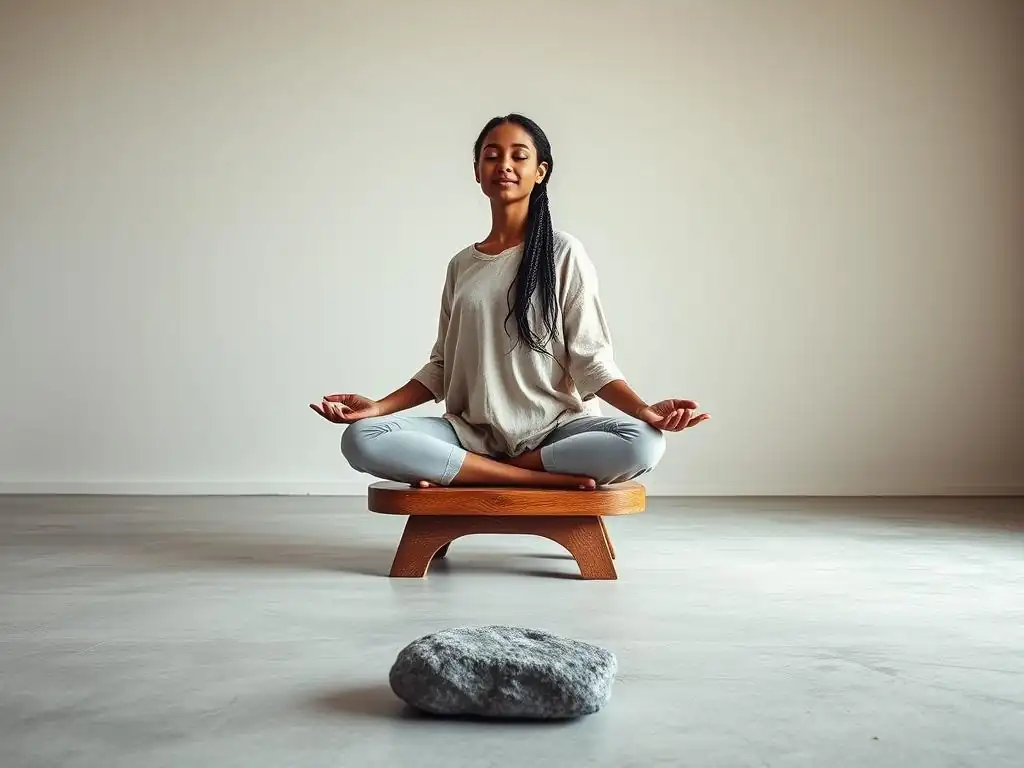
Research Supporting the Benefits of Mindfulness for Anxiety and Depression
The positive effects of mindfulness on anxiety and depression are well-documented in scientific literature. Numerous randomized controlled trials (RCTs), considered the gold standard in research, have investigated the efficacy of mindfulness-based interventions like MBSR and MBCT. MBCT, in particular, was developed specifically to prevent relapse in individuals with recurrent depression, and studies show it can reduce relapse rates by approximately 50% compared to usual care for those with three or more previous episodes.
For anxiety, research indicates that mindfulness practices can lead to significant reductions in symptom severity across various anxiety disorders, including generalized anxiety disorder, social anxiety, and panic disorder. A meta-analysis published in JAMA Internal Medicine in 2014, reviewing 47 trials with 3,515 participants, found that mindfulness meditation programs had moderate evidence of improving anxiety and depression symptoms. While not a cure-all, the cumulative body of research provides strong support for the role of mindfulness for mental wellbeing as a valuable complementary or alternative approach for managing these common conditions.
How Mindfulness Impacts the Brain: Neuroplasticity and Mental Health
Neuroscience research is shedding light on the mechanisms by which mindfulness practice impacts the brain, particularly through the process of neuroplasticity – the brain's ability to reorganize itself by forming new neural connections throughout life. Studies using fMRI (functional magnetic resonance imaging) have shown structural and functional changes in the brains of long-term meditators and even after relatively short-term mindfulness interventions (like 8 weeks).
Key findings include decreased gray matter density in the amygdala, the brain region associated with fear and the stress response, suggesting a reduced reactivity to stressors. Simultaneously, increases in gray matter thickness have been observed in areas like the prefrontal cortex, linked to executive functions, attention, and emotional regulation. These changes indicate that mindfulness practice physically rewires the brain, strengthening areas associated with calm, focus, and self-control while potentially dampening those involved in stress and reactivity, providing a biological basis for the observed improvements in mindfulness for mental wellbeing.
The Role of Mindfulness in Promoting Resilience
Resilience is the capacity to recover quickly from difficulties; toughness. Mindfulness plays a crucial role in building this capacity by changing our relationship with adversity. Instead of being overwhelmed or shut down by stress or setbacks, mindfulness trains us to face challenging experiences with greater awareness and acceptance. By observing difficult thoughts and emotions without getting lost in them, we develop the ability to navigate distress while remaining grounded.
Furthermore, mindfulness practice enhances emotional regulation and cultivates self-compassion, both critical components of resilience. The ability to manage intense feelings effectively prevents them from derailing coping efforts, while self-compassion allows individuals to bounce back from failures or painful experiences with greater kindness towards themselves, avoiding cycles of self-blame that can hinder recovery. By fostering these internal resources, mindfulness for mental wellbeing equips individuals with the tools to face life's inevitable challenges with greater strength and adaptability.
Resources for Further Exploration of Mindfulness
Guided Mindfulness Meditations for Mental Wellbeing
For beginners and experienced practitioners alike, guided meditations can be invaluable resources. These recordings, led by experienced teachers, provide instructions and gentle guidance through various mindfulness techniques such as mindful breathing, body scans, or loving-kindness meditation. They help structure the practice, keep the mind focused, and can introduce new variations or concepts.
Guided meditations are widely available through numerous sources, including dedicated mindfulness websites, meditation apps, and online platforms. They offer an accessible way to learn and practice mindfulness for mental wellbeing from the comfort of your own home, providing support and structure as you develop your skills. Finding a voice and style that resonates with you can significantly enhance your practice experience.
Mindfulness Apps and Online Programs
Technology has made mindfulness more accessible than ever through a plethora of mobile applications and online programs. Apps like Headspace, Calm, Insight Timer, and Ten Percent Happier offer guided meditations ranging in length and topic, often including specific programs for stress, anxiety, sleep, and focus. They provide features like progress tracking, reminders, and community forums that can help maintain consistency and motivation.
Online courses and programs, such as those based on MBSR or MBCT curricula, offer more structured and in-depth training, often involving weekly sessions and home practice assignments. These programs can provide a comprehensive understanding of mindfulness principles and techniques. Engaging with these resources can provide structured pathways to deepen your understanding and practice of mindfulness for mental wellbeing.
Books and Articles on Mindfulness and Mental Health
Numerous books and articles offer deep dives into the philosophy, science, and practice of mindfulness and its connection to mental health. Classic texts like Jon Kabat-Zinn's Full Catastrophe Living provide a foundational understanding of MBSR, while books by authors like Mark Williams, Danny Penman, and Kristin Neff explore mindfulness for specific issues like depression or self-compassion.
Reading about mindfulness can complement experiential practice by providing context, clarifying concepts, and offering inspiration. Scientific articles and publications from reputable institutions and researchers detail the latest findings on the effectiveness of mindfulness for various mental health conditions and its impact on the brain. Exploring these written resources can enrich your understanding and application of mindfulness for mental wellbeing.
Conclusion: Embracing Mindfulness for a Healthier Mind
The Power of Present Moment Awareness for Lasting Mental Wellbeing
The journey towards lasting mental wellbeing is deeply intertwined with our ability to live fully in the present moment. Mindfulness, as the art of paying attention on purpose, in the present, and non-judgmentally, offers a powerful pathway to cultivate this vital skill. By anchoring ourselves in the here and now, we reduce the time spent lost in worries about the future or regrets about the past, the primary sources of much psychological distress.
This enhanced present moment awareness allows us to appreciate the richness of everyday life, respond more skillfully to challenges, and connect more authentically with ourselves and others. It's not about eliminating difficulties, but about developing the capacity to meet them with presence, clarity, and resilience. Embracing mindfulness for mental wellbeing is an ongoing practice, a commitment to showing up for our lives as they unfold, moment by moment.
Mindfulness: A Journey of Self-Discovery and Growth
Engaging in mindfulness practice is more than just a technique for stress reduction; it's a profound journey of self-discovery and personal growth. Through mindful observation, we gain deeper insights into our habitual thought patterns, emotional triggers, and behavioral responses. We uncover limiting beliefs and unconscious biases that may be holding us back, bringing them into the light of conscious awareness where they can be examined and potentially transformed.
As we cultivate non-judgmental awareness and self-compassion, we build a more accepting and kind relationship with ourselves. This inner shift empowers us to navigate life's challenges with greater authenticity and resilience, fostering emotional intelligence and psychological flexibility. Integrating mindfulness for mental wellbeing into your life is an investment in your inner landscape, promising not just relief from suffering, but a path towards greater peace, understanding, and fulfillment.
Frequently Asked Questions
What exactly is mindfulness, and how does it relate to mental wellbeing?
Mindfulness is the practice of paying attention to the present moment without judgment. It's crucial for mental wellbeing because it helps us reduce stress and improve focus, leading to a more balanced emotional state.
How can practicing mindfulness help with common mental health challenges like anxiety and depression?
Mindfulness techniques can help individuals manage anxiety and depression by interrupting negative thought patterns and promoting emotional regulation. It allows us to observe feelings without getting carried away by them, fostering resilience.
What are some simple mindfulness exercises I can start incorporating into my daily routine?
Easy exercises include mindful breathing, focusing on the sensation of each breath; body scan meditations, paying attention to different parts of your body; and mindful walking, noticing the sensations of your feet on the ground.
How often should I practice mindfulness to see noticeable improvements in my mental wellbeing?
Consistency is key. Even 10-15 minutes of daily practice can lead to significant improvements over time. The more you practice, the easier it becomes to integrate mindfulness into your daily life and reap its benefits.
Where can I find reliable resources and support if I want to learn more about mindfulness for mental wellbeing?
The Mind Care Guide website offers a comprehensive guide to mental wellbeing, including information, support, and resources specifically on mindfulness techniques and their application for various mental health challenges.
Final Reflection: Cultivating Inner Peace in a Frantic World
The pursuit of mindfulness isn't a fleeting trend; it's a vital tool for navigating the complexities of modern life. In a world saturated with constant stimulation and relentless demands, the ability to cultivate present moment awareness is not just beneficial, it's essential for our mental and emotional wellbeing. The practices explored in this article – from mindful breathing to meditation and mindful movement – offer a powerful antidote to the pervasive anxiety and stress that plague so many.
The impact of mindfulness on our cultural landscape is undeniable, slowly shifting the conversation from solely focusing on productivity to embracing a more holistic approach to wellbeing. We are increasingly recognizing the interconnectedness of our mental, physical, and emotional states, and mindfulness provides a practical pathway to nurturing this connection. The present moment is filled with joy and happiness. If you are attentive, you will see it.
– Thich Nhat Hanh. This quote perfectly encapsulates the transformative power of focusing on the present, allowing us to appreciate the beauty and richness of each moment, regardless of external circumstances.
Now, I invite you to consider how you can integrate these practices into your own life. Start small; perhaps dedicate just five minutes each day to mindful breathing. Notice the sensations in your body, the rhythm of your breath, and the thoughts that arise without judgment. As you cultivate this awareness, you'll discover a profound sense of calm and clarity, a resilience to stress, and a deeper connection to yourself and the world around you. This is not just about improving your mental wellbeing; it's about enriching your entire life experience.
Unlock Your Inner Peace: Start Your Mindfulness Journey Today!
Thanks for taking the time to explore the power of mindfulness with us! We hope this article helped you understand its transformative potential. Ready to deepen your practice and experience the benefits firsthand?
- Begin your daily mindfulness practice: Even 5 minutes a day can make a difference. Try focusing on your breath, or engage with a guided meditation. This is your first step to a calmer, more focused you.
- Share your mindful moments: Connect with others who are on a similar path. Share your experiences and insights on social media using #MindCareMindfulness. Let's build a supportive community!
- Explore further: Consider trying a mindful movement practice, such as yoga or tai chi, to integrate mindfulness into your physical well-being.
What small step will you take today to cultivate more mindfulness in your life?