
The Art of Slow Walking: A Unique Meditation Technique.


Welcome to Mind Care Guide, a space dedicated to nurturing your mental well-being. Are you searching for a gentle yet powerful way to quiet the mind and reconnect with yourself? Perhaps you've heard whispers of its transformative potential. Discover the profound slow walking meditation benefits and unlock a new dimension of inner peace. Curious to learn more? Your journey to mindful movement begins here.
Cultivating Presence Through Walking: A Guide to Mindful Movement
- Introduction to Mindful Walking
- Benefits of Mindful Walking
-
Practicing Mindful Walking: A Practical Guide
- Preparing for Your Mindful Walking Session
- Selecting a Suitable Location and Time
- Proper Posture and Body Alignment for Mindful Walking
- Breath Awareness and Body Scan During Mindful Walking
- Detailed Instructions for the Mindful Walking Technique
- Managing Distractions and Wandering Thoughts
- Setting Achievable Goals for Consistent Practice
- Enhancing Your Mindful Walking Practice
- Common Pitfalls in Mindful Walking
- Integrating Mindful Walking into Daily Life
- Scientific Insights into Mindful Walking's Effects
- Addressing Challenges in Mindful Walking
- Resources for Further Learning
- Conclusion: Finding Stillness in Motion Through Mindful Walking
-
Frequently Asked Questions
- What are the primary benefits of slow walking meditation as discussed in the article?
- How does slow walking meditation differ from regular walking or other forms of meditation?
- Is slow walking meditation suitable for everyone, regardless of physical limitations?
- How often and for how long should one practice slow walking meditation to experience its benefits?
- What are some tips for beginners to get the most out of their slow walking meditation practice?
- Final Reflection: The Enduring Power of Slow Walking
- Unleash Your Inner Calm: Start Walking Mindfully Today!
Introduction to Mindful Walking
What is Mindful Walking and Its Purpose?
Mindful walking, often referred to as walking meditation, is a practice that involves bringing your full attention to the experience of walking. Unlike a casual stroll or a brisk power walk aimed at physical fitness, the primary purpose here is to cultivate present moment awareness. It transforms the simple act of putting one foot in front of the other into an opportunity for meditation. The focus shifts from reaching a destination to being fully present with the journey itself – the sensations in your body, the rhythm of your steps, the contact with the ground, and the surrounding environment.
The core purpose of mindful walking is to integrate mindfulness into a fundamental human activity. While seated meditation cultivates stillness, walking meditation teaches us how to find stillness in motion. It helps bridge the gap between formal meditation practice and daily life, demonstrating that mindfulness isn't confined to a cushion but can be accessed anytime, anywhere. This practice is particularly beneficial for those who find sitting still challenging, offering an alternative path to developing concentration, reducing stress, and enhancing overall well-being.
Historical Roots and Evolution of Walking Meditation
The roots of walking meditation are deeply embedded in ancient spiritual traditions, particularly Buddhism. The historical Buddha himself is said to have practiced and recommended walking meditation as a way to balance energy and concentration. In various monastic traditions, walking meditation (often called Jhana or Cankama in Pali) was practiced between periods of seated meditation to maintain continuity of awareness and prevent drowsiness. Monks would often walk in designated areas, sometimes for extended periods, focusing on the movement of their feet and bodies.
Over centuries, walking meditation has evolved and been adapted within different schools of Buddhism and, more recently, integrated into secular mindfulness practices. While traditional forms might involve specific paces or routes, modern mindful walking is often taught in a more flexible manner, adaptable to various environments like parks, streets, or even hallways. The fundamental principles remain the same: cultivating awareness of the body in motion and the surrounding environment, but the methods have broadened to be accessible to people from all walks of life, regardless of their background or beliefs.
Mindful Walking within the Framework of Mindfulness Practices
Mindful walking is a dynamic form of mindfulness that complements static practices like seated meditation or body scan meditation. Within the broader framework of mindfulness, which emphasizes paying attention on purpose, in the present moment, and non-judgmentally, walking meditation provides a way to embody this principle while moving through space. It offers a unique challenge and opportunity: maintaining awareness amidst change and activity, rather than in stillness.
Think of mindfulness practices as different tools in a toolkit for cultivating presence. Seated meditation helps build focused attention and equanimity in stillness. Body scan meditation deepens interoceptive awareness – the ability to notice internal bodily sensations. Mindful walking takes these skills and applies them to movement, teaching you to be present while navigating the world. It highlights that mindfulness is not about stopping activity, but about bringing awareness to whatever activity is happening. This integration makes mindful walking a powerful practice for embedding mindfulness into the fabric of daily experience.
Benefits of Mindful Walking
Mental and Emotional Well-being Through Mindful Walking
Engaging in mindful walking significantly contributes to mental and emotional well-being. By directing attention to the physical sensations of walking and the present environment, the mind has less capacity to ruminate on worries about the past or anxieties about the future. This shift in focus can lead to a noticeable reduction in mental clutter and racing thoughts. Many practitioners report feeling calmer and more centered after even a short session of mindful walking.
The benefits of slow walking meditation extend to fostering emotional regulation. As you walk mindfully, you create space to observe emotions without getting swept away by them. For instance, if feelings of frustration arise, you can notice them as sensations in the body or fleeting mental states without needing to react impulsively. This practice builds emotional resilience, helping individuals navigate challenging feelings with greater ease and acceptance. Studies have indicated that regular engagement in mindful movement practices can lead to a reported increase in positive affect and a decrease in negative mood states.
Stress and Anxiety Reduction Through Focused Movement
Mindful walking is a highly effective technique for stress and anxiety reduction. The combination of rhythmic physical movement and focused attention creates a powerful antidote to the body's stress response. The gentle, repetitive motion of walking can soothe the nervous system, while the focus on present moment sensations interrupts the cycle of anxious thoughts that often fuel stress. Unlike high-intensity exercise which can sometimes feel stressful, the deliberate, often slower pace of mindful walking promotes relaxation.
Research has consistently shown the positive impact of mindfulness practices on stress hormones like cortisol. While specific figures vary, studies on mindful movement interventions, including walking, often report significant reductions in perceived stress levels. For example, a meta-analysis involving various mindfulness-based interventions found an average reduction in anxiety symptoms equivalent to a moderate effect size, suggesting that integrating practices like slow walking meditation into one's routine can provide substantial stress relief. The simple act of stepping outside and gently walking with awareness can provide an immediate sense of calm during overwhelming moments.
Improving Attention and Cognitive Function with Walking Meditation
Practicing walking meditation can sharpen focus and improve cognitive function. In our increasingly distracted world, the ability to sustain attention is a valuable skill. Mindful walking provides a practical training ground for the mind, encouraging it to stay anchored to the sensations of walking despite internal and external distractions. Regularly bringing the wandering mind back to the present moment strengthens the neural pathways associated with attention regulation.
Beyond improving focus, the benefits of slow walking meditation may include enhanced creativity and problem-solving abilities. Physical activity, even at a moderate pace, increases blood flow to the brain, which is beneficial for cognitive function. When combined with mindfulness, which quiets the analytical, overthinking parts of the brain, it can lead to clearer thinking and novel insights. Anecdotal evidence from writers, philosophers, and scientists throughout history suggests that walking has been a catalyst for creative thought, and modern mindfulness practices provide a framework for consciously harnessing this potential.
Physical Health Benefits of Regular Mindful Walking
While the primary focus of mindful walking is mental and emotional, it also confers significant physical health benefits. As a form of moderate physical activity, regular mindful walking contributes to cardiovascular health, helps maintain a healthy weight, improves circulation, and strengthens muscles and bones. The gentle nature of slow walking meditation makes it accessible to people of various fitness levels and ages, including those recovering from injury or managing chronic conditions.
Furthermore, the mindful aspect of the practice can enhance these physical benefits. By paying close attention to the body, individuals can develop a greater awareness of their physical needs and limits, potentially reducing the risk of injury compared to walking done mindlessly or competitively. The stress reduction aspect also has downstream physical benefits, as chronic stress is linked to numerous health problems, including heart disease and weakened immune function. Thus, the physical benefits of regular mindful walking are intertwined with its mental and emotional advantages, contributing to holistic well-being.
Practicing Mindful Walking: A Practical Guide
Preparing for Your Mindful Walking Session
Preparation for mindful walking is minimal, which is part of its accessibility. You don't need special equipment, just comfortable shoes and clothing appropriate for the weather. Before you begin, it can be helpful to set an intention for your walk. This intention isn't about reaching a destination or achieving a specific outcome, but rather about how you wish to engage with the practice – perhaps to cultivate patience, awareness, or simply to be present.
Take a moment to transition from whatever you were doing before. You might stand still for a minute, take a few deep breaths, and gently bring your awareness to your body. Notice your posture, how your feet feel on the ground, and any sensations present. This brief pause helps you arrive in the present moment and prepares your mind and body for the practice ahead.
Selecting a Suitable Location and Time
Choosing the right location can enhance your mindful walking experience, especially when starting out. A quiet park, a peaceful trail, a less-trafficked street, or even a long hallway in your home can work. The key is to find a place where you feel relatively safe and where distractions are manageable. Initially, avoiding overly stimulating or crowded environments might be helpful.
The time of day is also flexible. Some prefer the quiet of early morning, others the reflective light of late afternoon, or even a midday break. The most suitable time is one you can consistently commit to, even if it's just for 10-15 minutes. What matters most is establishing a regular practice, rather than finding the 'perfect' moment.
Proper Posture and Body Alignment for Mindful Walking
While formal posture isn't as rigid as in seated meditation, maintaining a relaxed yet alert posture is beneficial. Stand or walk with your spine relatively straight but not stiff. Your shoulders should be relaxed, not hunched. Allow your arms to swing naturally by your sides, or clasp your hands gently in front or behind you, whichever feels most comfortable and least distracting.
Keep your head balanced over your spine, with your gaze directed softly towards the ground a few feet in front of you. This helps prevent you from focusing too much on external sights and keeps your awareness more inward, while still allowing you to be aware of your surroundings for safety. The aim is a posture that feels stable and allows for natural movement without tension.
Breath Awareness and Body Scan During Mindful Walking
Integrating breath awareness and a mini body scan can deepen the practice. As you begin to walk, notice the natural rhythm of your breath. You don't need to change it, just observe it. How does your breath coordinate with your steps? You might notice you take a certain number of steps on the inhale and exhale.
Simultaneously, or perhaps alternating with breath awareness, bring your attention to the sensations in your body as you move. Start with your feet: notice the contact with the ground, the lifting and placing of each foot. Move your awareness up through your legs, hips, torso, and arms. How does your body feel as it walks? Are there areas of tension? Simply notice these sensations without judgment. This body scan in motion anchors your awareness firmly in the present moment.
Detailed Instructions for the Mindful Walking Technique
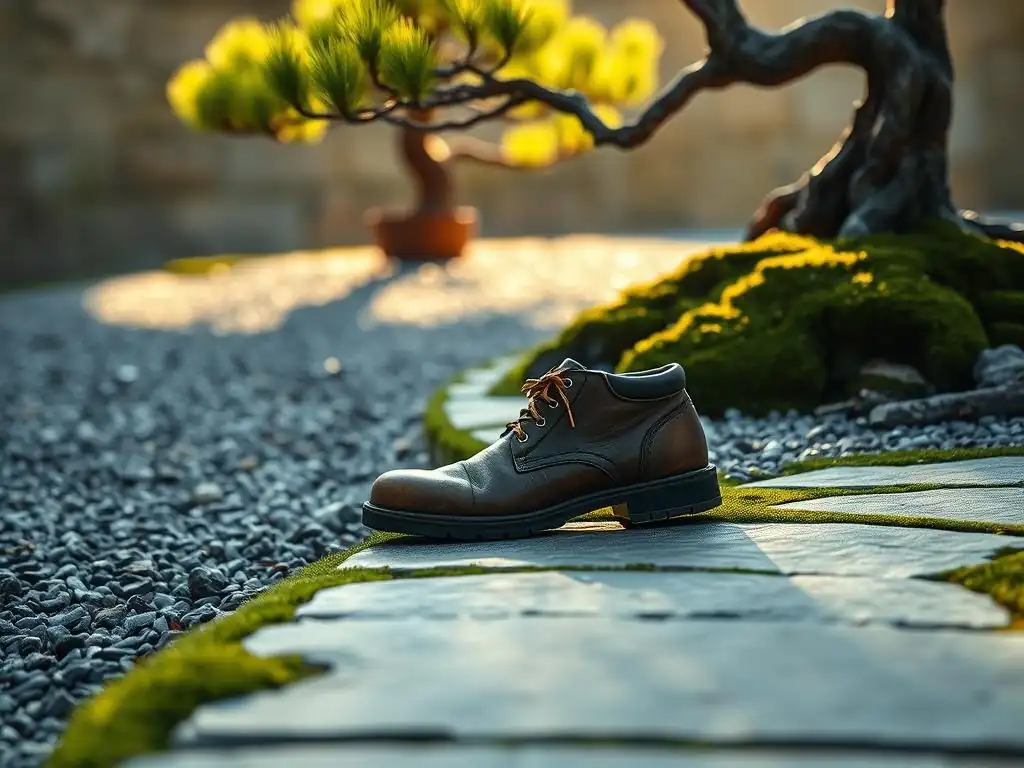
Begin by standing still for a moment, feeling your connection to the earth. When ready, start walking at a comfortable, often slower-than-usual pace. The pace should be slow enough that you can bring your full attention to the sensations of walking.
- Step 1: Lifting: As you lift one foot, notice the sensation of the foot leaving the ground.
- Step 2: Moving: As you move the foot forward through the air, feel the movement in your leg and hip.
- Step 3: Placing: As you place the foot back down, notice the contact with the ground, the heel touching first, then the ball of the foot, then the toes.
- Step 4: Shifting Weight: Feel the shift of weight onto that foot as the other foot begins to lift.
Repeat this process with the other foot, focusing on these sensations step by step. You can simplify this by focusing on just one or two aspects, like the lift and fall of the foot, or the sensation of weight shifting. The key is to choose a point of focus related to the walking motion and gently return your attention to it whenever your mind wanders. This deliberate focus on the mechanics of movement is central to the slow walking meditation technique.
Managing Distractions and Wandering Thoughts
It is completely natural for your mind to wander during mindful walking. You might start planning your day, rehashing a conversation, or getting lost in fantasies. When you notice your mind has drifted – and you will notice, that's part of the practice – gently acknowledge the thoughts without judgment. Don't criticize yourself for getting distracted.
Simply note that the mind has wandered, and then with kindness and patience, redirect your attention back to your chosen anchor – the sensations of walking, your breath, or the environment. Each time you notice your mind wandering and bring it back, you are strengthening your capacity for attention and mindfulness. This process of noticing and returning is the core work of the practice.
Setting Achievable Goals for Consistent Practice
Consistency is more important than duration when starting out. Begin with short sessions, perhaps 5-10 minutes, a few times a week. As you become more comfortable, you can gradually increase the length of your walks. Setting achievable goals prevents discouragement and helps build a sustainable habit.
Consider integrating mindful walking into your existing routine. Could you take a mindful walk during your lunch break? Around your garden in the evening? Or simply walk mindfully from one room to another? Experiment to find what works best for your schedule and lifestyle. Remember that even a few minutes of walking with intention can offer significant benefits.
Enhancing Your Mindful Walking Practice
Varying Pace and Paying Attention to Subtle Shifts
While slow walking meditation is a common starting point, experimenting with different paces can add depth to your practice. Start with a very slow pace, noticing the minute details of each movement. As you become more comfortable, you might try a slightly brisker pace while still maintaining awareness. The goal isn't speed, but rather to observe how changing your pace affects your body, breath, and state of mind.
Pay attention to the subtle shifts in sensation, effort, and rhythm as you vary your pace. How does the contact with the ground feel different? How does your breath change? Does your mind become more or less busy? Noticing these subtle shifts can deepen your understanding of the mind-body connection and keep the practice feeling fresh and engaging.
Connecting with Nature During Mindful Walks
Walking mindfully in nature can significantly enhance the experience. The natural environment offers a wealth of sensory input that can help anchor your attention in the present. The sights, sounds, smells, and textures of nature provide rich opportunities for mindful awareness.
As you walk, allow yourself to notice the trees, the sky, the sounds of birds or wind, the smell of damp earth or flowers. Feel the temperature of the air on your skin. Engage your senses gently, without judgment or analysis. This connection with the natural world can be deeply grounding and restorative, amplifying the stress-reducing and mood-enhancing benefits of slow walking meditation.
Using Sensory Awareness to Deepen the Experience
Beyond just sight and sound, deliberately engaging all your senses can profoundly deepen your mindful walking practice. What do you feel? The ground beneath your feet, the fabric of your clothes, the breeze on your skin. What do you smell? Rain, flowers, damp earth, city air. What do you hear? Your own footsteps, distant traffic, birdsong, wind. What do you see? Colors, shapes, textures, movement.
You can dedicate a portion of your walk to focusing on one sense at a time, or allow your awareness to encompass all sensory input simultaneously. This rich engagement with the present moment through the senses pulls your attention away from internal dialogue and anchors you firmly in the here and now, making the benefits of slow walking meditation even more palpable.
Exploring Different Environments to Enhance Mindfulness
Practicing mindful walking in various environments can challenge and strengthen your ability to maintain awareness amidst different levels of stimulation. Walking mindfully in a quiet park is one experience; doing so on a busy city street is another. Each environment presents unique opportunities for practice.
Walking in a bustling place requires you to be present with potential external distractions – noise, other people, traffic – while still maintaining an inner sense of calm and focus on your own movement and breath. Practicing in different settings helps you develop a flexible and resilient mindfulness that can be applied in diverse situations throughout your day, truly integrating mindfulness into daily life.
Common Pitfalls in Mindful Walking
Rushing and Losing Present Moment Awareness
One of the most common pitfalls in mindful walking is falling into the habit of rushing. Our ingrained tendency is often to get from point A to point B as quickly or efficiently as possible. When this habit takes over during a mindful walk, you lose the crucial element of present moment awareness. Your mind is focused on the destination or the speed, rather than the journey itself.
To avoid this, consciously choose a pace that feels sustainable for paying attention. It doesn't have to be extremely slow, but it should be slow enough that you can comfortably notice the sensations of walking. If you notice yourself rushing, gently acknowledge it without self-criticism and deliberately slow down, bringing your attention back to the physical experience of each step.
Over-Analyzing Sensations and Thoughts
While paying attention is key, over-analyzing is a pitfall. Mindfulness is about observing with non-judgment, not analyzing or interpreting. You might notice a sensation in your knee and immediately start worrying about injury, or observe a thought and get lost in dissecting its meaning. This shifts you from present moment awareness into cognitive processing.
When you notice yourself analyzing, gently remind yourself that your role is simply to observe. Acknowledge the sensation or thought ("Oh, there's a thought about my knee," or "Noticing analysis") and then kindly guide your attention back to the intended anchor, such as the feeling of your feet on the ground. It's a subtle but important distinction between mindful observation and habitual analysis.
Ignoring Physical Signals and Discomfort
Mindful walking encourages awareness of the body, but sometimes practitioners might misinterpret this as needing to push through discomfort or pain in the name of mindfulness. Ignoring genuine physical signals like pain, fatigue, or the need to rest is counterproductive and potentially harmful.
An empathetic approach to mindfulness means listening to your body with kindness. If you feel pain, acknowledge it mindfully, but also take appropriate action – slow down, rest, or stop the walk if necessary. Mindfulness is about being present with reality, and sometimes the reality is that your body needs care. Ignoring physical signals goes against the principle of being fully present with your actual experience.
Inconsistency in Practice
Like any skill, the benefits of slow walking meditation and mindful walking are cumulative and best realized through consistent practice. A common pitfall is inconsistency – practicing intensely for a few days and then stopping for weeks, or only engaging in the practice when feeling stressed. This makes it difficult to build momentum and integrate the benefits into daily life.
Aim for regularity, even if the sessions are short. Five minutes every day is often more beneficial than one hour once a month. Try to weave mindful walking into your routine in a sustainable way. If you miss a session, simply notice it without judgment and commit to returning to the practice as soon as possible. Building a habit requires patience and persistence, but the rewards in terms of well-being are significant.
Integrating Mindful Walking into Daily Life
Incorporating Short Mindful Walks into Your Routine
Integrating mindful walking doesn't require dedicating large blocks of time. Short, intentional mindful walks can be woven into the fabric of your day. Consider turning everyday walking activities into opportunities for practice. For instance, walk mindfully from your car or public transport stop to your office building, focusing on your steps and surroundings.
Instead of rushing to the break room, take a few extra minutes to walk there mindfully, noticing the sensations in your body and the simple act of moving. Walking mindfully to retrieve mail, take out the trash, or even just moving between rooms in your home can become micro-practices that accumulate throughout the day, reinforcing the benefits of slow walking meditation.
Using Mindful Walking as a Transition Tool
Mindful walking can serve as an excellent transition tool between different activities or states of mind. Before starting a demanding task, take a short mindful walk to clear your head and focus your intention. After a stressful meeting, a brief mindful walk can help release tension and regain composure before moving on to the next thing.
Walking mindfully from work to home, or even just around the block before entering your house, can help you transition from your professional role to your personal life, leaving the stresses of the day behind. Using mindful movement in this way helps create clear boundaries and allows you to approach each part of your day with greater presence and intentionality.
Combining Mindful Walking with Other Mindfulness Exercises
Mindful walking complements other mindfulness practices beautifully. You can start with a short seated meditation to settle your mind, then transition into a mindful walk. Alternatively, use a mindful walk to prepare yourself for a period of focused work or seated practice.
Consider combining it with a body scan before or after your walk, noticing how the movement has affected your physical state. Or pair it with loving-kindness meditation, sending well wishes to yourself and others as you walk. Integrating mindful walking with other exercises creates a holistic mindfulness practice that is both dynamic and flexible, maximizing the benefits of slow walking meditation and other techniques.
Scientific Insights into Mindful Walking's Effects

Research on the Impact of Mindful Walking on Brain Function
Neuroscientific research is increasingly exploring the effects of mindfulness practices, including mindful walking, on the brain. Studies using techniques like fMRI have shown that regular mindfulness meditation can lead to structural and functional changes in brain regions associated with attention, emotional regulation, and self-awareness, such as the prefrontal cortex, amygdala, and hippocampus. While research specifically focused only on mindful walking is less extensive than on seated meditation, studies on mindful movement often show similar patterns.
For example, research suggests that mindful movement can increase connectivity in the brain's default mode network (DMN), which is often associated with mind-wandering, helping individuals become less caught up in their thoughts. Studies have also observed changes in brainwave patterns indicative of increased relaxation and focused attention during or after mindful walking sessions. These findings provide a neurological basis for the reported benefits of slow walking meditation on focus and mental clarity.
Studies on the Role of Mindful Movement in Stress Management
The scientific community has paid significant attention to the role of mindful movement in stress management. Numerous studies have demonstrated that practices incorporating mindfulness and gentle movement, such as mindful walking, yoga, and tai chi, are effective in reducing physiological markers of stress, such as cortisol levels, and decreasing self-reported levels of anxiety and perceived stress.
A study published in the Journal of Environmental Psychology in 2010, for example, found that participants who took a 50-minute walk in nature reported lower levels of anxiety and rumination compared to those who walked in an urban environment, suggesting the environment interacts with the walking practice. While not strictly mindful walking in the structured sense, it highlights how the simple act of walking, especially in calming environments, impacts mental states.
More targeted studies on mindful walking interventions have shown reductions in stress comparable to or exceeding those achieved by other relaxation techniques, underscoring the stress-reducing benefits of slow walking meditation.
Evidence Supporting Improved Mood and Overall Well-being
A growing body of evidence supports the positive impact of mindful walking on mood and overall psychological well-being. Research indicates that regular participation in mindful movement practices can lead to significant improvements in mood, including reductions in symptoms of depression and an increase in feelings of happiness and contentment.
A study involving participants with mild to moderate depression found that incorporating mindful walking into their routine led to a noticeable improvement in mood scores over several weeks. These findings align with broader research on the benefits of physical activity for mental health, but the added element of mindfulness appears to enhance the emotional regulation and self-compassion aspects of the practice. The combined effect of gentle exercise, present moment awareness, and connection with the body contributes to the significant benefits of slow walking meditation for enhancing overall well-being.
Addressing Challenges in Mindful Walking
Overcoming Feelings of Boredom or Restlessness
It's not uncommon to experience feelings of boredom or restlessness during mindful walking, especially when practicing at a slower pace. The mind, accustomed to constant stimulation, might protest the simplicity of focusing on walking. When these feelings arise, acknowledge them without judgment. Notice the physical sensations associated with boredom or restlessness – perhaps a fidgeting urge, a sigh, or a feeling of mental flatness.
You can gently bring your attention back to the primary focus (the sensations of walking) or briefly shift your focus to another anchor, such as the sounds around you or the feeling of the air on your skin, to refresh your attention before returning to the steps. Remind yourself of your intention for practicing and be patient. These feelings are temporary and part of the process of training the mind.
Managing Physical Sensations and Pain
Mindful walking brings heightened awareness to the body, which means you might notice physical sensations that were previously ignored, including discomfort or pain. It's important to approach these sensations with curiosity and kindness, rather than aversion or fear. Notice the location, intensity, and quality of the sensation without labeling it as "good" or "bad."
If the sensation is mild discomfort, you can practice walking with it, observing how it changes with each step. If it's significant pain, listen to your body. This is where empathy is crucial. Can you adjust your posture or pace? Do you need to stop and rest? Mindfulness is about being present with your experience, which includes acknowledging when your body needs care. Don't push through pain in a way that causes harm; that is not mindful.
Maintaining Motivation and Commitment
Sustaining a regular mindful walking practice requires motivation and commitment, which can wane over time. Life gets busy, weather is uncooperative, or the initial novelty wears off. To maintain commitment, revisit your intention for practicing. Why is mindful walking important to you? What benefits have you noticed? Reflecting on the positive impacts can rekindle motivation.
Setting realistic goals, varying your route or focus, practicing with a friend (walking side-by-side in silence, perhaps), or joining a walking meditation group can also help. Don't aim for perfection; aim for progress and consistency. If you miss a day or a week, simply start again without dwelling on the lapse. Cultivating self-compassion is key to maintaining a long-term practice.
Resources for Further Learning
Books and Articles on Mindful Walking
For those interested in deepening their understanding, numerous resources are available. Books like "The Miracle of Mindfulness" by Thich Nhat Hanh include sections on walking meditation, offering profound insights from a seasoned practitioner. Other authors like Jon Kabat-Zinn, who developed Mindfulness-Based Stress Reduction (MBSR), also incorporate mindful movement into their teachings and writings.
Searching for articles on "walking meditation techniques," "slow walking meditation benefits," or "mindful movement research" online can also yield valuable information and perspectives. Many mindfulness websites and publications offer practical guides and theoretical explorations of the practice, providing a wealth of knowledge for beginners and experienced practitioners alike.
Guided Mindful Walking Meditations
Guided meditations can be incredibly helpful, especially when you are new to the practice or finding it difficult to focus. Numerous apps and websites offer guided mindful walking sessions, ranging in length and focus. These guides typically lead you through bringing awareness to your body, your breath, and the sensations of walking, providing gentle prompts to help you stay present and manage distractions.
Listening to a guided session can take the pressure off remembering what to do and allow you to simply follow the instructions, deepening your experience of the slow walking meditation technique. You can find guides specifically designed for different environments, such as walking in nature or in an urban setting.
Online Communities and Workshops
Connecting with others who practice mindful walking can provide support, inspiration, and a sense of community. Online forums, social media groups focused on mindfulness or meditation, and websites dedicated to specific traditions often have discussions or groups related to walking meditation.
Participating in online workshops or courses on mindfulness or walking meditation can also offer structured learning, guidance from experienced teachers, and the opportunity to ask questions and share experiences. While mindful walking is often a solitary practice, connecting with a community can reinforce your commitment and provide valuable insights from others' journeys.
Conclusion: Finding Stillness in Motion Through Mindful Walking
Mindful walking, or slow walking meditation, is a powerful and accessible practice that invites us to bring full awareness to the simple yet profound act of putting one foot in front of the other. It is more than just physical exercise; it is a moving meditation that cultivates presence, reduces stress, sharpens focus, and enhances overall well-being. The benefits of slow walking meditation extend across mental, emotional, and even physical dimensions, offering a holistic approach to health.
By intentionally slowing down and paying attention to the sensations of walking, we can find moments of stillness and calm even amidst the movement of our daily lives. Whether practiced for a few minutes during a busy day or for longer periods in nature, mindful walking provides a reliable path to connect with ourselves, our bodies, and the world around us. Embracing the art of slow walking is an invitation to transform an ordinary activity into an extraordinary opportunity for mindfulness and self-discovery.
Frequently Asked Questions
What are the primary benefits of slow walking meditation as discussed in the article?
The article emphasizes benefits such as reduced stress and anxiety, increased mindfulness and body awareness, and improved overall mental well-being. It's a gentle way to connect with the present moment.
How does slow walking meditation differ from regular walking or other forms of meditation?
Unlike regular walking, the focus is on deliberate, mindful movement. Unlike seated meditation, it involves physical activity which can be more accessible for some.
Is slow walking meditation suitable for everyone, regardless of physical limitations?
While generally accessible, individuals with severe mobility issues should consult a doctor. The article suggests modifying the practice to suit individual needs and abilities.
How often and for how long should one practice slow walking meditation to experience its benefits?
The article recommends starting with short sessions (10-15 minutes) a few times a week. Consistency is key, and you can gradually increase the duration as you become more comfortable.
What are some tips for beginners to get the most out of their slow walking meditation practice?
The article suggests focusing on each step, noticing the sensations in your feet. It also recommends finding a quiet, safe space and being patient with yourself.
Final Reflection: The Enduring Power of Slow Walking
The art of slow walking is not merely a trend; it's a rediscovery of a fundamental human connection with our bodies and the world around us. In a society obsessed with speed and efficiency, intentionally slowing down offers a powerful antidote to the pervasive stress and anxiety of modern life. This deliberate slowing of pace allows us to reconnect with our senses, fostering a deeper appreciation for the simple beauty often overlooked in our hurried existence.
The impact of slow walking extends far beyond the individual. By embracing this practice, we cultivate a more mindful approach to life, influencing our interactions with others and our relationship with the environment. It's a gentle rebellion against the relentless pressure to constantly achieve more, reminding us of the profound value of presence and stillness. The best way to appreciate the beauty of a flower is to get down on your knees and look at it closely.
– This quote, though not directly about walking, perfectly encapsulates the essence of slow walking meditation – a deep, attentive engagement with the present moment.
Now, consider your own life. How often do you rush through your day, neglecting the small wonders that surround you? I invite you to try slow walking meditation. Begin with just five minutes, focusing on the sensation of your feet on the ground, the rhythm of your breath, and the subtle details of your surroundings. Experience the calming effect of this simple practice, and discover the profound benefits it can bring to your physical, mental, and emotional well-being. Let the journey of slow walking lead you to a more peaceful and fulfilling life.
Unleash Your Inner Calm: Start Walking Mindfully Today!
Thank you for taking the time to explore the art of slow walking with us! We hope you discovered a new path to inner peace and mindfulness. Ready to integrate this practice into your daily life?
- Embrace the Slow Lane: Dedicate just 5 minutes today to a mindful walk, focusing on your breath and the sensations in your feet. Notice the subtle details around you. This is your primary step towards calmer living.
- Share Your Experience: Tell us about your slow walk! What did you notice? What surprised you? Share your insights in the comments below – let's build a supportive community of mindful walkers.
- Challenge a Friend: Invite someone you care about to join you on a slow walk. Share the peace and connect on a deeper level.
Ready to discover the transformative power of slow walking? What small step will you take today to cultivate more mindfulness in your life?