
Beyond the Cushion: Discover the Practice of Walking Meditation.

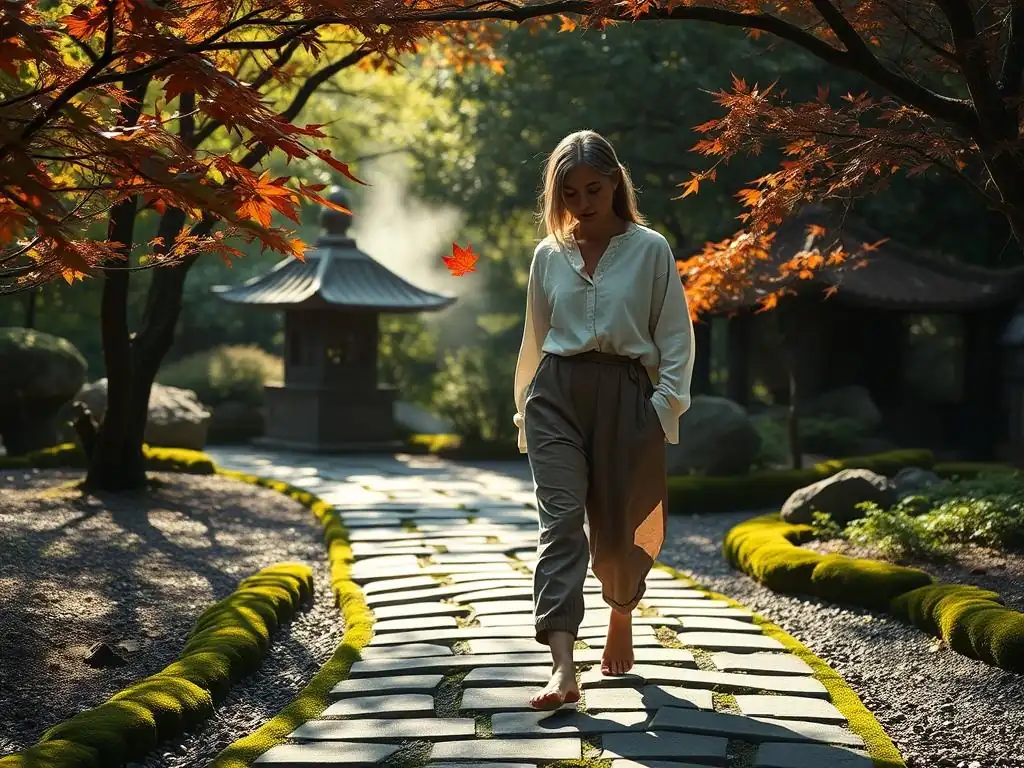
Welcome to Mind Care Guide, your sanctuary for nurturing a healthier mind.
Are you feeling overwhelmed by anxiety and searching for a gentle yet powerful way to find peace? Perhaps the answer lies not in stillness, but in movement. This week, we delve into the transformative walking meditation benefits anxiety, exploring how a simple stroll can become a profound practice. Discover how mindful steps can pave the path to inner calm and a more resilient you. Intrigued? Let's walk together.
Beyond the Cushion: Discover the Practice of Walking Meditation
- Introduction to Walking Meditation: A Mind Care Guide
- Understanding the Core Principles of Walking Meditation
- Walking Meditation Benefits for Anxiety Relief
- Step-by-Step Guide to Practicing Walking Meditation
- Techniques and Variations in Walking Meditation
- Tips for Maintaining a Consistent Walking Meditation Practice
- Walking Meditation for Specific Mental Health Conditions
- Integrating Walking Meditation into Your Overall Mindfulness Practice
- Conclusion: Embrace the Journey of Walking Meditation for Anxiety Relief and Inner Peace
-
Frequently Asked Questions
- What is walking meditation and how does it differ from seated meditation?
- What are the key walking meditation benefits for anxiety?
- How often should I practice walking meditation to see benefits?
- What are some tips for beginners starting with walking meditation?
- Can walking meditation be practiced anywhere, or are specific environments better?
- Final Reflection: Finding Stillness in Motion
- Unlock Inner Peace: Step into Your Walking Meditation Practice
Introduction to Walking Meditation: A Mind Care Guide
What is Walking Meditation and How Does it Differ from Seated Meditation?
Walking meditation is a mindfulness practice performed while moving, typically walking slowly and deliberately. Unlike traditional seated meditation, which often involves stillness and a focus on breath or bodily sensations in a fixed position, walking meditation integrates mindfulness into the act of locomotion.
The primary focus shifts from internal stillness to the external sensations of movement – the lifting, moving, and placing of the feet, the swing of the arms, and the feeling of the body transitioning through space. This active engagement with the physical world can be particularly grounding for individuals who find it challenging to sit still or quiet their minds in a stationary posture.
While both forms aim to cultivate present moment awareness and non-judgmental observation, walking meditation adds the dynamic element of motion. This makes it an accessible alternative or complement to seated practice, allowing mindfulness to become a part of everyday activity. It teaches practitioners to bring awareness to mundane tasks, transforming simple walking into an opportunity for profound insight and calm. The rhythm of walking can naturally draw the mind into a state of focused awareness, providing a different pathway to mindfulness than the stillness of seated practice.
Why Choose Walking Meditation? Accessibility and Practicality
Walking meditation offers significant advantages in terms of accessibility and practicality, making it an excellent entry point into mindfulness for many people. Firstly, walking is a fundamental human activity that requires no special equipment or location; it can be practiced almost anywhere – a park, a quiet street, a hallway, or even a small room. This inherent accessibility removes common barriers associated with finding a dedicated quiet space or comfortable cushion, which can be deterrents for beginners.
Furthermore, for individuals who experience restlessness or anxiety, sitting still for extended periods can feel daunting or even exacerbate discomfort. Walking meditation provides a gentle, active alternative that allows for physical movement while still engaging the mind in a mindful way. It integrates seamlessly into daily life; a commute, a break at work, or a simple stroll can be transformed into a mindful session. This practicality makes it easier to establish a consistent practice, fostering the numerous walking meditation benefits anxiety sufferers and others seeking mental well-being can experience.
Understanding the Core Principles of Walking Meditation
Focusing on the Physical Sensations of Walking
At the heart of walking meditation lies a deep focus on the physical sensations involved in the act of walking. This involves bringing conscious attention to the movement of the feet and legs with each step.
Practitioners are encouraged to notice the subtle details: the lifting of one foot from the ground, the slight suspension in the air, the forward motion, the lowering of the foot, and the contact of the heel, sole, and toes with the surface. This detailed awareness grounds the mind firmly in the present moment, pulling attention away from distracting thoughts about the past or future.
Beyond the feet, the practice extends to noticing the sensations throughout the body that accompany walking – the gentle sway of the hips, the swing of the arms (if any), the feeling of weight shifting from one leg to the other, and the posture of the torso and head. By meticulously observing these physical experiences without judgment, the practitioner cultivates a heightened sense of bodily awareness and presence.
This deliberate focus on physical sensation is a powerful anchor for the mind, helping to quiet internal chatter and foster a state of calm alertness, contributing significantly to walking meditation benefits for anxiety.
Cultivating Mindfulness in Motion: The Key to Walking Meditation
Cultivating mindfulness in motion is the central aim of walking meditation. This means bringing a state of open, non-judgmental awareness to the experience of walking itself. It's not about reaching a destination or exercising, but about being fully present with each step and the journey. As thoughts, feelings, or external distractions arise, the practitioner gently acknowledges them without getting caught up in them, and then redirects their attention back to the physical sensations of walking. This repeated act of noticing distractions and returning to the present moment is the core training ground of mindfulness.
This practice teaches the mind to be present not just in moments of stillness, but also amidst activity. It trains the brain to focus and concentrate while the body is in motion, a skill highly applicable to everyday life.
By consciously bringing awareness to the act of walking, an activity often performed mindlessly, practitioners develop the capacity to infuse other daily tasks with mindfulness. This skill is particularly valuable for managing anxiety, as it helps individuals become less reactive to worrying thoughts and more grounded in the reality of the present moment, reinforcing the idea that walking meditation benefits anxiety reduction.
The Importance of Posture and Breathing in Walking Meditation
While the primary focus in walking meditation is often on the sensations of the feet and legs, maintaining a mindful posture and being aware of one's breathing are also crucial elements that enhance the practice. Posture should be relaxed yet upright, allowing the body to move naturally and comfortably. Shoulders should be relaxed, the head held level, and the gaze typically directed softly downwards a few feet ahead, avoiding rigid focus or scanning the environment. A balanced posture promotes physical ease and mental alertness, preventing tension that could detract from the mindful experience.
Awareness of breathing, though not the primary anchor as in seated meditation, can serve as a secondary point of focus or a way to deepen presence. Noticing the natural rhythm of the breath as it synchronizes with the steps – perhaps inhaling for a few steps and exhaling for a few – can help regulate the nervous system and further anchor the mind.
While not necessary to deliberately control the breath, simply being aware of it flowing in and out can add another layer of mindfulness to the practice. This integrated awareness of body, breath, and movement contributes to the overall calming effect and the potential walking meditation benefits for anxiety management.
Walking Meditation Benefits for Anxiety Relief
How Walking Meditation Reduces Anxiety Symptoms
Walking meditation is a powerful tool for reducing anxiety symptoms by engaging both the mind and the body in a calming, present-moment focused activity. Anxiety often manifests as excessive worry about the future or rumination on the past, pulling the mind away from the present. By focusing intently on the physical sensations of walking – the lift, move, place of the foot – the practice anchors the mind firmly in the here and now. This deliberate shift in attention helps to interrupt the cycle of anxious thoughts and brings a sense of groundedness.
Furthermore, the gentle, rhythmic movement of walking can have a naturally soothing effect on the nervous system. Unlike strenuous exercise, which might sometimes increase anxiety in sensitive individuals, the slow, deliberate pace of walking meditation promotes relaxation. The physical activity releases tension held in the body, a common symptom of anxiety, while the mindful focus prevents the mind from spiraling into worry. This combination of physical release and mental anchoring makes it highly effective in mitigating feelings of unease and promoting a sense of calm, highlighting the direct walking meditation benefits anxiety sufferers can experience.
Walking Meditation vs. Traditional Anxiety Treatments: A Comparison
Comparing walking meditation to traditional anxiety treatments like therapy or medication reveals that it serves as a valuable complementary practice rather than a direct replacement for professional care. Traditional cognitive-behavioral therapy (CBT), for instance, focuses on identifying and challenging negative thought patterns, while medication like SSRIs alters brain chemistry to regulate mood and reduce anxiety levels. These approaches directly address the cognitive and biological underpinnings of anxiety.
Walking meditation, on the other hand, is a behavioral and experiential practice. It teaches skills in mindfulness, present-moment awareness, and non-reactivity to thoughts and feelings. While it doesn't directly challenge specific negative beliefs like CBT, it provides a framework for observing those beliefs without being overwhelmed by them.
It also offers a non-pharmacological method for regulating the nervous system through movement and focus. Many individuals find that integrating walking meditation alongside therapy or medication enhances their overall ability to manage anxiety, providing practical, in-the-moment coping skills that complement clinical interventions. The unique walking meditation benefits anxiety relief it offers lie in its accessibility and ability to integrate mindfulness into daily activity.
Scientific Evidence Supporting Walking Meditation for Anxiety
While research specifically on walking meditation for anxiety is still developing compared to studies on seated mindfulness meditation, existing evidence from broader mindfulness studies and studies on physical activity provides strong support for its potential benefits. Numerous studies have demonstrated that mindfulness-based interventions (MBIs), including practices like mindful walking, significantly reduce symptoms of generalized anxiety disorder (GAD) and social anxiety. For example, research published in the Journal of Consulting and Clinical Psychology on Mindfulness-Based Stress Reduction (MBSR), which often incorporates mindful walking, has shown clinically significant reductions in anxiety symptoms comparable to standard treatments.
Studies focusing on the physiological effects of mindful walking also show promising results. Research indicates that even moderate physical activity, when combined with a mindful focus, can lower cortisol levels (a stress hormone) and increase endorphins, contributing to a sense of well-being and calm.
While more direct comparative studies are needed, the overlap between the mechanisms of seated mindfulness, physical activity, and the specific practice of mindful walking strongly suggests that the walking meditation benefits anxiety sufferers report are supported by the growing body of evidence on mindfulness and movement. The practice's ability to anchor attention in the present and promote gentle physical release aligns well with established methods for anxiety reduction.
Step-by-Step Guide to Practicing Walking Meditation
Finding the Right Space for Your Walking Meditation Practice
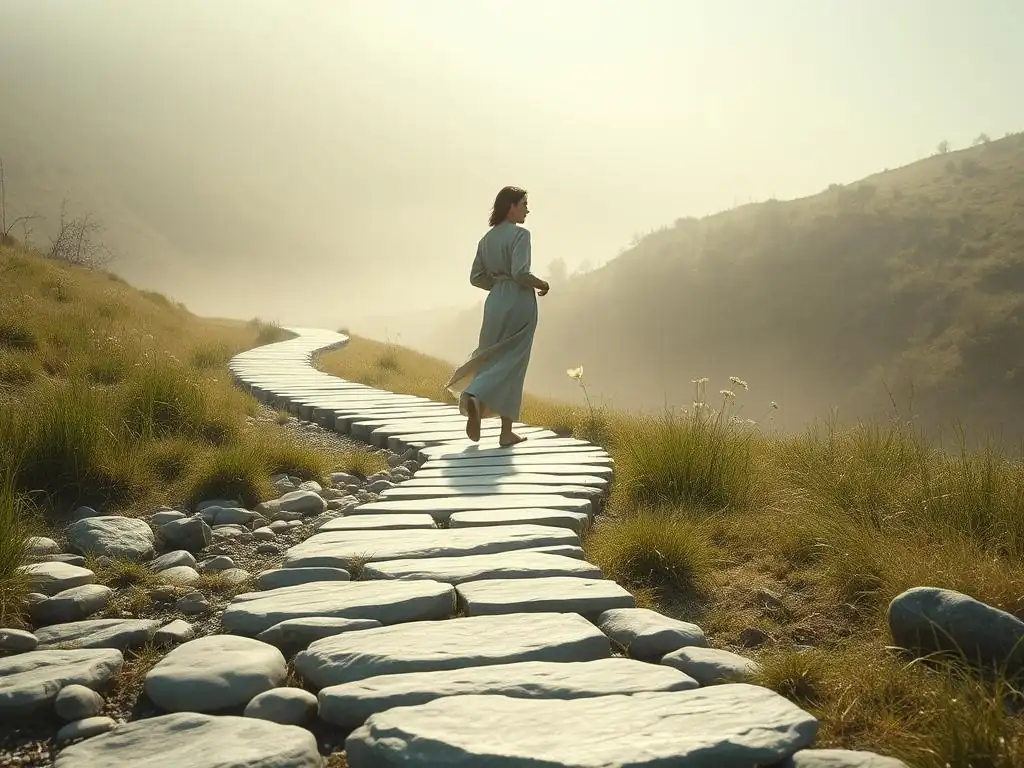
Choosing an appropriate space is the first step in establishing a walking meditation practice, although the beauty of this form is its flexibility. Ideally, select a location where you can walk undisturbed for a period of time, free from significant hazards or constant interruptions. This could be a quiet park path, a less-trafficked sidewalk, a long hallway in your home, or even a loop around your garden. The space doesn't need to be vast; a path as short as 10-20 paces can be sufficient, as you will be walking back and forth.
Consider the sensory environment. While complete silence isn't necessary, a place that isn't overly stimulating can help. Natural settings like parks offer the added benefit of connection with nature, which itself can be calming. If practicing indoors, ensure you have enough clear space to walk safely without bumping into objects. The key is to find a place where you feel relatively comfortable and safe, allowing you to turn your attention inward to the sensations of walking, maximizing the potential for experiencing walking meditation benefits for anxiety.
Setting Your Intention and Starting Your Walking Meditation
Before you begin walking, take a moment to pause and set your intention for the practice. This doesn't need to be complex; it can be as simple as intending to be present with each step, to observe your experience without judgment, or specifically to cultivate calm and reduce anxiety. Take a few deep breaths to center yourself and transition from whatever you were doing before into the mindful state. Stand tall but relaxed, with your hands clasped comfortably in front or back, or hanging naturally at your sides.
When you are ready, begin to walk at a pace that feels significantly slower than your normal walking speed. This deliberate slowness is crucial as it allows you to truly feel the sensations of each part of the step. Start by bringing your awareness to your feet and the feeling of standing. Then, consciously initiate the first step, paying attention to the intention you set. Remember, the goal isn't to get somewhere, but to be fully present with the act of moving itself.
The Art of Slowing Down: Focusing on Each Step
Slowing down is perhaps the most distinctive element of formal walking meditation compared to everyday walking. The pace should be slow enough that you can clearly discern the different phases of each step. A common technique involves breaking down the step into discrete movements:
- Lifting: Feel the heel lifting off the ground, then the ball of the foot, then the toes. Notice the sensation of the leg lifting.
- Moving: Feel the leg moving forward through the air.
- Placing: Feel the foot lowering towards the ground.
- Contact: Feel the foot making contact with the ground, perhaps heel first, then the rest of the foot.
- Weight Shift: Feel the weight transferring onto the front foot as the back foot prepares to lift.
By focusing intently on these sensations, step by step, your mind becomes occupied with the immediate, physical reality of movement. This detailed, slow observation prevents the mind from wandering into anxious thought loops and reinforces presence. It requires patience and concentration, transforming a habitual, unconscious action into a deliberate, mindful experience. This intense focus on the physical process is a direct way walking meditation benefits anxiety by grounding the mind.
Dealing with Distractions During Walking Meditation
Distractions are a natural part of any meditation practice, including walking meditation. You will likely notice thoughts arising – planning, worrying, remembering, judging – as well as external stimuli like sounds, sights, or even physical discomfort. The key is not to eliminate distractions, but to change your relationship with them. When you notice your mind has wandered, gently acknowledge the distraction without judgment. You might mentally note "thinking," "hearing," or "planning."
Once you've acknowledged the distraction, gently guide your attention back to your primary anchor: the physical sensations of walking. There's no need for self-criticism; wandering is simply what minds do. The practice lies in the repeated act of noticing and returning. Each time you bring your attention back, you strengthen your capacity for focus and presence. This skill in managing distractions is incredibly valuable for anxiety, as it trains you to observe anxious thoughts without getting swept away by them, reinforcing the idea that walking meditation benefits anxiety by building resilience.
Ending Your Walking Meditation Session Mindfully
Just as important as starting mindfully is ending your walking meditation session mindfully. When you decide to conclude your practice, stop walking and stand still for a moment. Take a few deep breaths and notice the sensations in your body after walking. Feel the weight of your body on the ground, the rhythm of your breath, and any changes in your physical or mental state.
You might take a moment to offer gratitude for the opportunity to practice. Gently transition back into your regular activities, trying to carry a sense of the present-moment awareness you cultivated during the walk into the rest of your day. This mindful transition helps bridge the gap between the formal practice and daily life, allowing the benefits of the meditation to extend beyond the session itself. Reflecting on the experience, especially how it impacted your state of mind, can reinforce the walking meditation benefits anxiety relief it provides.
Techniques and Variations in Walking Meditation
Formal vs. Informal Walking Meditation Practices
Walking meditation can be approached in both formal and informal ways, offering flexibility to integrate mindfulness into different parts of life. Formal walking meditation typically involves setting aside dedicated time (e.g., 10-30 minutes) to walk slowly and deliberately, often in a quiet space, focusing intently on the physical sensations of each step as described in the step-by-step guide. This dedicated practice allows for deep immersion and cultivation of focused awareness in motion. It's a structured approach, often done back and forth on a short path or in a quiet loop.
Informal walking meditation, on the other hand, involves bringing mindful awareness to everyday walking activities. This could be walking from your car to the office, strolling through a grocery store, walking your dog, or simply moving from one room to another. The pace is usually normal, but the intention is to be present with the sensations of walking as much as possible amidst the activity.
While the focus may not be as intense as in formal practice due to external demands, informal walking meditation trains the ability to be mindful during daily tasks, making mindfulness a living practice rather than just a scheduled activity. Both forms contribute to overall well-being and offer walking meditation benefits for anxiety management in different contexts.
Walking Meditation with a Mantra or Affirmation
Incorporating a mantra or affirmation can add another layer to walking meditation, particularly for those who find a single point of focus challenging or who wish to cultivate a specific quality like compassion or calm. A mantra is typically a sound, word, or phrase repeated silently or softly. In walking meditation, the mantra can be synchronized with the steps or breath. For instance, you might silently repeat "peace" or "calm" with each step, or a short phrase like "I am walking, I am here" coordinated with the rhythm of your gait.
An affirmation is a positive statement about a desired state or quality, such as "I am calm" or "With each step, anxiety lessens." Repeating an affirmation during the walk can help to reinforce positive states of mind and counter negative self-talk often associated with anxiety. While focusing primarily on physical sensations is the core of many walking meditation traditions, using a mantra or affirmation can provide an alternative anchor for the mind, helping to keep attention from wandering into worry, and actively promoting the desired walking meditation benefits anxiety relief entails.
Incorporating Nature into Your Walking Meditation
Practicing walking meditation in nature can significantly enhance the experience, combining the benefits of mindfulness with the restorative power of the natural environment. Walking mindfully in a park, forest, or by water allows for the incorporation of sensory awareness of the surroundings – the feeling of the breeze on your skin, the sounds of birds or rustling leaves, the sight of trees or flowers, the smell of damp earth or blossoms. While the primary focus remains on the sensations of walking, allowing the natural environment to gently enter your awareness can deepen the sense of presence and connection.
Research consistently shows that spending time in nature reduces stress and improves mood. Combining this with the intentional practice of walking meditation amplifies these effects. The beauty and tranquility of natural settings can naturally soothe the mind and body, making it easier to let go of anxious thoughts. A study published in Environmental Health Perspectives found that increased exposure to green spaces was associated with reduced prevalence of anxiety and depression. By mindfully walking in nature, you actively engage with this healing environment, making it a particularly potent way to access walking meditation benefits for anxiety.
Tips for Maintaining a Consistent Walking Meditation Practice
Scheduling Time for Walking Meditation in Your Daily Routine
Consistency is key to reaping the full walking meditation benefits for anxiety and overall well-being. To make walking meditation a regular part of your life, it's helpful to schedule it. Treat it like any other important appointment. This doesn't necessarily mean blocking out an hour; even 10-15 minutes of mindful walking daily can make a significant difference. Consider where in your existing routine you can naturally fit it in.
Perhaps you can replace part of your commute with a mindful walk, take a walking meditation break during your workday, practice before breakfast, or make it part of your evening wind-down. Starting small, perhaps with just 5-10 minutes, makes the practice less daunting and easier to maintain. As it becomes a habit and you begin to notice the calming effects, you may feel motivated to extend the duration. The act of consciously allocating time signals your commitment to your mental health.
Overcoming Challenges and Staying Motivated
Maintaining a consistent practice can present challenges, such as lack of time, feeling unmotivated, encountering bad weather, or feeling like the practice isn't "working." Recognize that these are normal obstacles. When motivation wanes, remember why you started – perhaps to reduce anxiety, feel more present, or simply move your body mindfully. Reflect on times the practice has helped you feel calmer or more grounded.
Be flexible and kind to yourself. If you miss a day (or several), don't view it as a failure; simply start again. If weather is an issue, have an indoor alternative like walking a hallway. If time is tight, shorten the session rather than skipping it entirely. Connecting with others who practice mindfulness or reading about the experiences of others can also provide encouragement. Focusing on the process rather than expecting immediate, dramatic results can also help manage expectations and sustain motivation, reinforcing the long-term walking meditation benefits anxiety relief provides.
Creating a Supportive Environment for Your Practice
Creating a supportive environment, both physically and mentally, can significantly aid in maintaining a walking meditation practice. Physically, this might involve identifying and regularly using a few preferred walking paths that feel safe and peaceful. If practicing indoors, ensure your space is clear and relatively quiet during your practice time.
Mentally, cultivate an attitude of patience and self-compassion. Understand that some days the practice will feel easy and focused, while others will be full of distractions. Both are valid experiences. Educate yourself about mindfulness and walking meditation by reading articles, books, or listening to guided meditations. This can deepen your understanding and reinforce your commitment. Sharing your intention to practice with a supportive friend or family member can also provide gentle accountability. Building this supportive framework makes it easier to return to the practice consistently and continue to experience the walking meditation benefits for anxiety and overall well-being.
Walking Meditation for Specific Mental Health Conditions
Walking Meditation for Stress Reduction
Walking meditation is highly effective for general stress reduction. Stress often triggers a fight-or-flight response, leading to physical tension and mental overload. The slow, deliberate pace of walking meditation, combined with the focus on bodily sensations, helps to activate the parasympathetic nervous system, promoting relaxation. The rhythmic nature of walking can be inherently soothing, acting as a moving meditation that calms the nervous system.
Furthermore, the practice teaches practitioners to observe stressful thoughts and feelings without becoming overwhelmed by them. By gently redirecting attention back to the body and the act of walking, individuals learn to create a healthy distance from stressors. This ability to not get caught up in stressful narratives is a core skill developed through mindfulness. Even short sessions, like a 15-minute mindful walk during a busy day, can significantly lower perceived stress levels and provide a much-needed mental break, contributing to overall stress management and resilience.
Walking Meditation for Improved Mood and Emotional Regulation
Walking meditation can play a significant role in improving mood and enhancing emotional regulation. Physical activity, even at a gentle pace, is known to release endorphins, natural mood boosters. Combined with mindfulness, which involves acknowledging emotions without judgment, walking meditation provides a powerful tool for navigating difficult feelings. Instead of suppressing or being consumed by emotions like sadness, frustration, or irritation, the practice encourages observing them as temporary states while remaining grounded in the present moment of walking.
This mindful observation helps to de-identify with strong emotions, creating space to respond more skillfully rather than reacting impulsively. Regular practice can increase emotional resilience and develop a greater capacity to experience a wider range of emotions without being destabilized. By providing a gentle, accessible way to move the body and calm the mind, walking meditation supports a more balanced emotional state and contributes to feeling more stable and less overwhelmed by challenging feelings.
Walking Meditation for Enhanced Focus and Concentration
Beyond its emotional benefits, walking meditation is also an excellent practice for improving focus and concentration. In our modern world, attention is constantly pulled in multiple directions. Walking meditation trains the mind to stay focused on a single, simple task: the sensations of walking. Each time the mind wanders (which it inevitably will), the gentle act of noticing the wandering and returning attention to the steps strengthens the neural pathways associated with focus.
The dynamic nature of walking can even make it easier for some individuals to concentrate compared to seated meditation, particularly for those with restless energy or attention difficulties. The engagement of the body provides an anchor that can help keep the mind from excessive drifting. Regular practice cultivates the ability to sustain attention for longer periods and to bring that same focused awareness to other tasks throughout the day, whether work, study, or conversations. This enhanced concentration can indirectly help manage anxiety by making it easier to focus on tasks and less susceptible to getting lost in worrying thoughts.
Integrating Walking Meditation into Your Overall Mindfulness Practice
Combining Walking Meditation with Other Mindfulness Techniques
Integrating walking meditation with other mindfulness techniques creates a more comprehensive and robust practice. For example, you might begin your day with a short seated meditation focused on the breath to cultivate stillness, then incorporate a mindful walk during a break to bring that awareness into movement. Body scan meditation can enhance your ability to tune into the physical sensations during walking meditation.
Mindful eating or mindful listening can also complement walking meditation by training present-moment awareness in different sensory domains. By practicing mindfulness in various forms – sitting, walking, eating, listening – you develop a flexible and adaptable mindfulness that can be applied to any situation in life. This multi-faceted approach strengthens your overall capacity for presence, self-awareness, and emotional regulation, significantly boosting the walking meditation benefits for anxiety and general well-being.
Building a Holistic Approach to Mental Well-being
Walking meditation is a valuable component of a holistic approach to mental well-being, which recognizes that mental health is influenced by physical, emotional, social, and environmental factors. By incorporating mindful movement, walking meditation addresses the interconnectedness of the mind and body. It complements other healthy habits such as balanced nutrition, adequate sleep, regular physical exercise (beyond mindful walking), social connection, and professional support like therapy if needed.
Viewing walking meditation not as a standalone cure but as a supportive practice within a larger framework of self-care allows for a more sustainable and effective path to well-being. It provides a practical tool for managing daily stress and anxiety, improving mood, and fostering a sense of connection to oneself and the environment. Embracing walking meditation as part of a broader commitment to nurturing your mental, physical, and emotional health is key to building lasting resilience and inner peace.
Conclusion: Embrace the Journey of Walking Meditation for Anxiety Relief and Inner Peace
Key Takeaways: Walking Meditation Benefits and Practical Tips
Walking meditation is an accessible and powerful mindfulness practice that offers significant walking meditation benefits for anxiety, stress reduction, and overall mental well-being. Unlike seated meditation, it integrates mindfulness into the natural act of walking, making it practical for daily life and particularly helpful for those who find stillness challenging.
Key takeaways include:
- It involves focusing attention on the physical sensations of walking, step by step.
- It cultivates mindfulness in motion, training the mind to be present amidst activity.
- It directly addresses anxiety symptoms by grounding the mind in the present and promoting physical relaxation.
- It complements traditional anxiety treatments by building skills in present-moment awareness and non-reactivity.
- Practicing involves finding a suitable space, setting intention, walking slowly and deliberately, and gently returning attention from distractions.
- Variations like informal practice, using mantras, or incorporating nature can enhance the experience.
- Consistency, self-compassion, and a supportive environment are crucial for maintaining the practice.
- It contributes to stress reduction, improved mood, enhanced emotional regulation, and increased focus.
Embracing walking meditation is embracing a journey towards greater presence and peace.
Further Resources for Learning More About Walking Meditation
To deepen your understanding and practice of walking meditation, consider exploring resources from established mindfulness traditions and organizations. Many mindfulness centers and meditation teachers offer guided walking meditations, either through audio recordings, apps, or in-person classes. Books on mindfulness often include detailed instructions and philosophical context for walking meditation. Websites dedicated to mindfulness and meditation provide articles, guides, and research summaries. Exploring different teachers or traditions can help you find an approach that resonates most with you, supporting your journey in experiencing the full walking meditation benefits for anxiety and cultivating inner peace.
Frequently Asked Questions
What is walking meditation and how does it differ from seated meditation?
Walking meditation is a mindful practice where you focus on the sensations of walking rather than sitting still. It differs from seated meditation by incorporating movement and awareness of your body in motion.
What are the key walking meditation benefits for anxiety?
Walking meditation can significantly reduce anxiety by grounding you in the present moment. It helps to calm the nervous system and promote a sense of inner peace amidst daily stressors.
How often should I practice walking meditation to see benefits?
Consistency is key; aiming for at least 15-20 minutes a few times a week can yield noticeable results. Regular practice helps build mindfulness and manage anxiety symptoms more effectively.
What are some tips for beginners starting with walking meditation?
Find a quiet and safe location. Focus on the sensation of your feet making contact with the ground. Gently redirect your attention if your mind wanders.
Can walking meditation be practiced anywhere, or are specific environments better?
While it can be practiced almost anywhere, natural environments like parks or gardens are ideal. However, even a short walk in your neighborhood can provide valuable mindful moments.
Final Reflection: Finding Stillness in Motion
The practice of walking meditation, far from being a niche pursuit, offers a potent antidote to the anxieties of modern life. In a world saturated with constant stimulation and relentless demands, the simple act of mindful walking provides a surprisingly effective pathway to inner peace and a renewed sense of presence. This isn't just about physical exercise; it's about cultivating a deeper connection with ourselves and the world around us.
The impact of walking meditation on my own life, and the lives of those I've shared this practice with, has been profound. It's a tool that transcends cultural boundaries and religious affiliations, offering a universally accessible method for managing stress and cultivating self-awareness. The feeling of grounding oneself in the present moment, even amidst the chaos of daily life, is invaluable. The mind is everything. What you think you become.
– Buddha. This quote perfectly encapsulates the transformative power of focusing the mind through mindful movement, allowing us to shape our experiences and cultivate a more positive outlook.
Now, I invite you to consider how you can integrate the principles of walking meditation into your own life. Begin with just a few minutes each day, focusing on the sensation of your feet on the ground, the rhythm of your breath, and the gentle sway of your body. Don't judge your thoughts; simply observe them as they arise and pass. With consistent practice, you'll discover a powerful tool for managing anxiety, enhancing self-awareness, and cultivating a deeper appreciation for the simple beauty of being present in each moment. Embrace the journey, and discover the stillness within the movement.
Unlock Inner Peace: Step into Your Walking Meditation Practice
Thanks for taking the time to explore the mindful world of walking meditation! We hope you gained valuable insights into this calming practice. Ready to deepen your connection with yourself?
- Begin your own walking meditation today: Find a quiet space, even just for five minutes, and try the techniques we discussed. Notice the sensations in your feet, the rhythm of your breath, and the world around you. Let the walk be your meditation.
- Share your experience: Tell us about your first walking meditation. What did you notice? What surprised you? Let's build a community of mindful walkers.
- Expand your practice: Explore different environments for your walking meditation – a park, a forest, even your own backyard. Notice how the surroundings enhance your experience.
Ready to transform your daily walks into moments of profound stillness? What small step will you take to integrate walking meditation into your life this week?