
Body Scan Meditation: A Simple Path to Deep Relaxation and Wellbeing

Welcome to Mind Care Guide, your sanctuary for mental well-being.
Feeling overwhelmed by anxiety? You're not alone. Discover how a simple practice – body scan meditation – can unlock profound relaxation and bring you back to the present moment. Intrigued? Let's explore the remarkable body scan meditation benefits anxiety and how you can easily incorporate it into your daily life. Begin your journey to inner peace now.
- Introduction to Body Scan Meditation and Its Role in Mental Wellbeing
- Exploring the Body Scan Meditation Benefits for Anxiety Relief
- Step-by-Step Guide to Practicing Body Scan Meditation Effectively
- Body Scan Meditation Techniques: Variations and Adaptations for Anxiety
- Integrating Body Scan Meditation into Daily Routine for Long-Term Wellbeing
- Comparing Body Scan Meditation with Other Mindfulness and Relaxation Techniques
- Conclusion: Embracing Body Scan Meditation for Sustainable Mental Health
-
Frequently Asked Questions
- How does body scan meditation specifically help with anxiety?
- What are the key benefits of body scan meditation for managing anxiety symptoms?
- How often should I practice body scan meditation to experience noticeable improvements in my anxiety levels?
- Are there any potential downsides or risks associated with using body scan meditation for anxiety?
- Can body scan meditation be used as a replacement for traditional anxiety treatments like therapy or medication?
- Final Reflection: Unlocking Inner Peace Through the Body Scan
- Unwind Your Mind: Start Your Body Scan Journey Today
Introduction to Body Scan Meditation and Its Role in Mental Wellbeing
Understanding Body Scan Meditation: Definition and Purpose
Body scan meditation is a foundational mindfulness practice that involves systematically bringing your attention to different parts of your body, noticing sensations without judgment. Its primary purpose is to cultivate present moment awareness and develop a deeper connection with your physical self.
Unlike some other forms of meditation focused solely on breath or mantra, the body scan explicitly directs awareness through the physical form, from toes to the crown of the head, or vice versa. This deliberate process helps practitioners become more attuned to physical feelings, whether they are pleasant, unpleasant, or neutral, fostering a state of acceptance and non-reactivity.
The practice originated from the Mindfulness-Based Stress Reduction (MBSR) program developed by Jon Kabat-Zinn in the late 1970s. Initially designed to help patients cope with chronic pain and illness, the body scan quickly became recognized for its broader benefits in managing stress, improving sleep, and enhancing overall emotional regulation.
The core idea is that by paying close, non-judgmental attention to bodily sensations, individuals can interrupt the cycle of automatic thoughts and reactions, which is particularly helpful for those experiencing anxiety or stress. A typical guided body scan session might last anywhere from 20 to 45 minutes, although shorter versions are also practiced.
How Body Scan Meditation Supports Mental Health and Relaxation
Body scan meditation offers significant support for mental health by acting as a powerful tool for cultivating relaxation and reducing reactivity. By systematically focusing attention on bodily sensations, the practice helps to interrupt the constant stream of worries and ruminations that often fuel conditions like anxiety. This shift in focus from the mind's narrative to the body's present experience creates a mental pause, allowing the nervous system to settle. Over time, regular practice can help individuals recognize early signs of stress or tension building in their bodies, enabling them to respond with awareness rather than being overwhelmed.
Furthermore, the non-judgmental aspect of body scan meditation is crucial for fostering mental well-being. Learning to observe discomfort or tension in the body without trying to fix or change it directly translates into accepting difficult thoughts or emotions without getting entangled in them. This capacity for acceptance reduces internal struggle and promotes emotional resilience. Research indicates that regular mindfulness practices, including body scan, can lead to measurable changes in brain regions associated with stress regulation and self-awareness, such as the amygdala and prefrontal cortex, contributing to a more stable and relaxed mental state.
Exploring the Body Scan Meditation Benefits for Anxiety Relief
How Body Scan Meditation Reduces Anxiety Symptoms
Body scan meditation is particularly effective in reducing anxiety symptoms by grounding the individual in the present moment and decoupling physical sensations from fearful interpretations. Anxiety often manifests physically as a racing heart, shallow breathing, muscle tension, or stomach discomfort. Without mindfulness, these sensations can trigger a cascade of anxious thoughts ("What if something is wrong? ", "I can't handle this"), creating a feedback loop that escalates anxiety. The body scan teaches practitioners to observe these bodily signals with curiosity and acceptance, rather than fear.
By systematically moving attention through the body, the practice helps individuals become familiar with how anxiety feels in their physical form. This awareness allows for a moment of choice: instead of automatically reacting with panic, one can choose to simply notice the sensation. This disrupts the automatic anxiety response.
For instance, noticing a tight chest during a body scan might be met with gentle curiosity ("Ah, tightness is here") instead of immediate alarm ("I'm having a heart attack!"). This shift in relationship with physical sensations can significantly diminish the intensity and duration of anxiety episodes, highlighting the specific body scan meditation benefits anxiety relief offers.
Scientific Evidence Supporting Body Scan Meditation for Anxiety Management
A growing body of scientific evidence supports the efficacy of body scan meditation benefits anxiety management. Studies have shown that mindfulness-based interventions, which prominently feature the body scan, lead to significant reductions in self-reported anxiety levels. For example, research on Mindfulness-Based Stress Reduction (MBSR) participants often reports a 30-40% reduction in perceived stress and anxiety scores after completing an 8-week program. Neuroimaging studies also reveal changes in brain activity and structure consistent with reduced anxiety, such as decreased reactivity in the amygdala, the brain's fear center, and increased activity in areas of the prefrontal cortex associated with emotional regulation.
Further research specifically examining the body scan component suggests its unique role in improving interoceptive awareness – the ability to sense internal bodily states. Enhanced interoceptive awareness, cultivated through practices like the body scan, has been correlated with better emotional regulation and reduced anxiety. A study published in the Journal of Consulting and Clinical Psychology found that participants who engaged in regular mindfulness practice, including body scan, showed significant improvements in generalized anxiety disorder symptoms compared to control groups. These findings underscore the tangible body scan meditation benefits anxiety sufferers can experience.
Additional Mental Health Benefits Beyond Anxiety Reduction
While the body scan meditation benefits anxiety are well-documented, the practice offers a wealth of other mental health advantages. One significant benefit is improved sleep quality. By promoting relaxation and reducing the mental chatter that often interferes with falling asleep, regular body scan practice can help individuals quiet their minds and ease their bodies into a state conducive to rest. Many people report falling asleep more easily or returning to sleep more quickly after waking during the night when they incorporate a body scan into their bedtime routine.
Beyond sleep, body scan meditation enhances overall emotional regulation and resilience. Learning to observe sensations and emotions without judgment translates into a greater capacity to navigate difficult feelings in daily life. This practice fosters a sense of calm and stability, even amidst challenging circumstances. It can also improve focus and concentration by training the mind to stay present and gently return when it wanders. Furthermore, by increasing self-awareness and connection to the body, the body scan can contribute to a more positive body image and a stronger sense of self-compassion, extending its benefits far beyond just alleviating anxiety.
Step-by-Step Guide to Practicing Body Scan Meditation Effectively
Preparing Your Environment and Mind for Body Scan Meditation
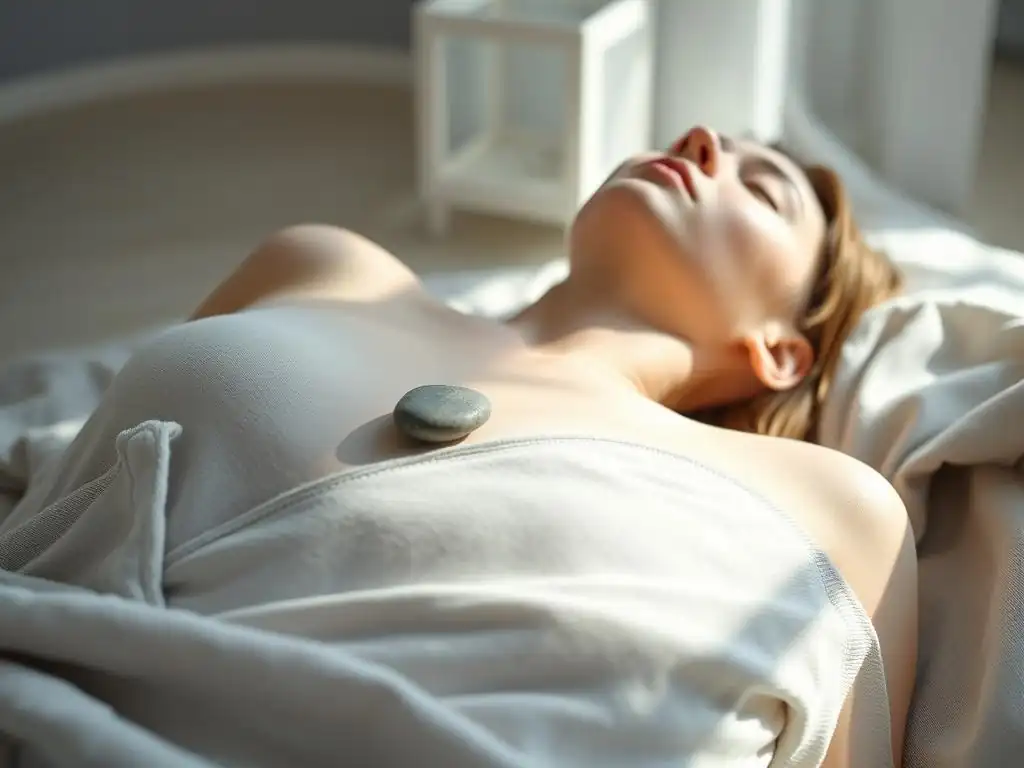
Effective body scan meditation begins with creating a conducive environment and setting the right intention. Find a quiet space where you are unlikely to be disturbed for the duration of your practice. This could be a bedroom, a quiet corner of your living room, or even an office space if you can ensure privacy.
You can lie down on a comfortable surface like a mat or bed, or sit upright in a chair with your feet flat on the floor. Choose a position where you can relax without falling asleep too easily, although falling asleep is also okay, especially when starting. Loosen any tight clothing and ensure the temperature is comfortable.
Before you begin the scan itself, take a few moments to settle your mind. You might close your eyes gently and take a few deep breaths, exhaling slowly. Acknowledge any thoughts or feelings present without trying to push them away.
The intention is simply to be present with your experience, whatever it may be. Remind yourself that there is no right or wrong way to do the body scan; the goal is not to feel relaxed or achieve a specific state, but simply to pay attention to what is happening in your body, moment by moment. This preparation helps set a foundation of acceptance and openness, crucial for unlocking the body scan meditation benefits anxiety relief provides.
Detailed Instructions for Performing a Body Scan Meditation Session
Once settled, begin by bringing your attention to your breath. Notice the sensation of the breath entering and leaving your body for a few moments. There's no need to change the breath, just observe it. Then, gently shift your attention to your toes. Bring your awareness fully into the toes of one foot, noticing any sensations present – warmth, coolness, tingling, pressure, absence of sensation. Linger there for a moment, breathing into the area, and then gently expand your awareness to include the sole of that foot, the heel, and the ankle.
Slowly, systematically move your attention up through your body: lower legs, knees, thighs, pelvis, lower back, abdomen, upper back, chest, shoulders, arms, hands, fingers, neck, throat, face, and finally the crown of your head. Spend a few breaths with each area or region, simply noticing what is present. If your mind wanders (which it will!
), gently acknowledge the thought without judgment and guide your attention back to the specific body part you were scanning. When you reach the top of your head, you can either rest your awareness on the whole body for a few moments or gently bring your attention back to your breath before concluding the practice. This systematic process is key to experiencing the full body scan meditation benefits anxiety reduction offers.
Tips to Enhance Relaxation and Mindfulness During Practice
To enhance relaxation and mindfulness during your body scan practice, cultivate an attitude of gentle curiosity and non-judgment. Avoid the urge to evaluate sensations as "good" or "bad," or to try and make unpleasant sensations disappear. Simply notice them as they are. If you encounter discomfort or pain, you can soften your attention around it, or if it's too intense, gently move your attention to a nearby area that feels neutral or pleasant, returning later if you wish. Remember that simply noticing is the practice itself.
Using the breath as an anchor can also deepen the experience. As you focus on each body part, imagine breathing into that area, bringing awareness and ease with the inhale, and releasing any tension with the exhale. This can be a powerful way to connect breath and body.
Consistency is more important than duration; even practicing for 10-15 minutes daily can yield significant body scan meditation benefits anxiety relief. If you find it difficult to stay focused, guided body scans (available through apps or online) can be very helpful, as the guide's voice provides structure and prompts for where to direct your attention. Be patient and compassionate with yourself; the ability to stay present and relaxed improves with practice.
Body Scan Meditation Techniques: Variations and Adaptations for Anxiety
Traditional Body Scan Meditation Technique Explained
The traditional body scan meditation technique, as taught in programs like MBSR, is a systematic, guided journey through the physical body. It typically begins lying down, which facilitates deep relaxation. The practice involves bringing focused, non-judgmental attention sequentially to different parts of the body, starting from the toes and moving upwards to the head. The emphasis is on simply noticing whatever physical sensations arise in each area – warmth, coolness, tingling, pressure, vibration, or even the absence of sensation.
The key elements are paying attention without trying to change what you notice and gently redirecting a wandering mind back to the current body part. This process builds interoceptive awareness and trains the mind to be present with physical experience. A full traditional scan can last 30-45 minutes, allowing ample time to linger in each area. While initially developed for stress and pain, this fundamental technique is the basis for understanding the body scan meditation benefits anxiety sufferers report, as it teaches the core skill of observing physical manifestations of anxiety without reactivity.
Guided Body Scan Meditation: Using Audio and Apps for Anxiety Relief
For many people, especially those new to the practice or struggling with a busy mind fueled by anxiety, guided body scan meditation proves highly beneficial. Guided sessions, often available as audio recordings or within meditation apps, provide verbal instructions that lead the practitioner through the scan step-by-step. The guide's voice helps maintain focus and reminds the listener to observe sensations without judgment and to gently return their attention when it drifts.
Apps like Calm, Headspace, Insight Timer, and numerous others offer a variety of guided body scans, ranging in length from 5 minutes to over 40 minutes. Many specifically tailor meditations for anxiety or relaxation. Using guided audio can reduce the effort of remembering the sequence of body parts and provides a gentle external anchor, making it easier to settle into the practice and experience the body scan meditation benefits anxiety relief offers. It's like having a supportive companion guiding you through the process of connecting with your body and calming your mind.
Combining Body Scan Meditation with Breathing Exercises for Deeper Calm
Combining body scan meditation with focused breathing exercises can significantly deepen the state of calm achieved, offering enhanced body scan meditation benefits anxiety management. While the traditional body scan naturally incorporates awareness of breath, explicitly integrating specific breathing techniques can amplify the relaxation response. For instance, before starting the scan, one might practice diaphragmatic breathing (belly breathing) for a few minutes to activate the parasympathetic nervous system, which is responsible for the body's rest-and-digest state.
During the body scan itself, when focusing on a particular area, you can consciously direct your breath towards that area, imagining the inhale bringing ease and space, and the exhale releasing tension. If you encounter a spot holding significant tension, like the shoulders or jaw, you can pause and take a few deliberate breaths, sending the exhale into that area with the intention of softening.
Another technique is using a slow, elongated exhale, such as inhaling for a count of four and exhaling for a count of six, while scanning the body. This combination leverages the grounding power of the body scan with the calming effect of conscious breathing, providing a potent tool for reducing anxious feelings.
Integrating Body Scan Meditation into Daily Routine for Long-Term Wellbeing
Ideal Frequency and Duration for Optimal Anxiety Reduction
Consistency is paramount when integrating body scan meditation into a daily routine for long-term anxiety reduction and realizing the full body scan meditation benefits anxiety sufferers seek. While even a single session can offer temporary relief, the cumulative effects of regular practice are where profound changes occur. Many mindfulness programs recommend practicing daily, even if only for a short duration. Aiming for 10-20 minutes each day is a realistic starting point for most people and can yield significant results over several weeks or months.
Studies suggest that consistent daily practice over an 8-week period, such as within an MBSR framework, leads to measurable and sustained reductions in anxiety symptoms. However, finding the "ideal" frequency and duration is also personal. Some may find that 30 minutes every other day works best, while others thrive on 10 minutes every morning. The key is to find a rhythm that is sustainable and allows you to consistently bring mindful awareness to your body. Even on busy days, a 5-minute mini-body scan can help reset your nervous system and prevent anxiety from escalating.
Overcoming Common Challenges When Starting Body Scan Meditation
Starting body scan meditation can present challenges, particularly for individuals with anxiety who may find it difficult to sit still or quiet their minds. One common challenge is the wandering mind. It's completely normal for thoughts to arise during meditation. The practice isn't about stopping thoughts, but about noticing when your mind has wandered and gently bringing your attention back to the body scan. Treat each time you notice your mind wandering as a success – you've become aware! This gentle redirection is a core muscle you are building.
Another challenge is encountering uncomfortable sensations or emotions. Anxiety can manifest physically, and focusing on the body might initially amplify awareness of these unpleasant feelings. Remember the principle of non-judgmental observation. You don't need to fix or push away the discomfort; simply acknowledge its presence with kindness. If it feels overwhelming, you can pause, focus on your breath for a few moments, or shorten your session. Be patient and compassionate with yourself; building tolerance for discomfort is part of the process and contributes to the significant body scan meditation benefits anxiety relief provides over time.
Complementary Practices to Boost the Effects of Body Scan Meditation
While body scan meditation is powerful on its own, combining it with complementary practices can boost its effects on anxiety reduction and overall wellbeing. Gentle mindful movement, such as yoga or Tai Chi, can enhance body awareness and release physical tension that contributes to anxiety. These practices encourage you to pay attention to sensations while moving, reinforcing the skills learned in the body scan.
Mindful breathing exercises, as mentioned earlier, can be integrated before or after a body scan session to deepen relaxation. Additionally, keeping a mindfulness journal can complement your body scan practice. After a session, you might jot down any notable sensations, emotions, or insights that arose.
This can help you track patterns related to your anxiety and deepen your understanding of your mind-body connection. Engaging in regular physical exercise, maintaining a balanced diet, ensuring adequate sleep, and seeking support from therapists or support groups are also crucial pillars of mental health that work synergistically with body scan meditation benefits anxiety management provides.
Comparing Body Scan Meditation with Other Mindfulness and Relaxation Techniques
Body Scan Meditation vs. Progressive Muscle Relaxation for Anxiety
Both body scan meditation and progressive muscle relaxation (PMR) are effective techniques for reducing physical tension associated with anxiety, but they differ in their approach. PMR involves systematically tensing and then releasing specific muscle groups throughout the body. The focus is on actively creating tension and then noticing the feeling of relaxation that follows the release. This direct contrast helps individuals become more aware of what tension and relaxation feel like in their bodies.
Body scan meditation, on the other hand, focuses purely on noticing existing sensations, whether they are tense, relaxed, or neutral, without intentionally creating or releasing tension in a structured way. The goal is non-judgmental awareness, not necessarily achieving relaxation, although relaxation is often a byproduct.
For someone whose anxiety manifests primarily as chronic muscle tension, PMR might offer quicker, more direct relief by teaching the body how to consciously relax. However, the body scan's emphasis on passive observation and acceptance can be more effective for those whose anxiety involves a fear of physical symptoms, as it teaches a different relationship with those sensations, contributing unique body scan meditation benefits anxiety sufferers can leverage.
Benefits of Body Scan Meditation Over General Mindfulness Practices
While body scan meditation is a form of mindfulness, it offers specific benefits that distinguish it from more general mindfulness practices like open monitoring or focused attention on breath alone. The systematic focus on the body in the body scan provides a concrete, tangible anchor for attention. For beginners or those with very busy minds or significant anxiety, focusing solely on the breath can feel too subtle or difficult to sustain. The body scan offers a clear, step-by-step process that can be easier to follow and less intimidating.
Furthermore, the body scan directly addresses the physical manifestations of anxiety and stress. By systematically bringing awareness to the physical form, it helps individuals identify where they hold tension and become more sensitive to their body's signals. This heightened interoceptive awareness is a unique benefit of the body scan compared to mindfulness practices that focus primarily on thoughts or external stimuli. This direct engagement with the physical body is a key reason why body scan meditation benefits anxiety relief so effectively, helping individuals manage the somatic symptoms of worry.
When to Choose Body Scan Meditation for Targeted Anxiety Relief
Body scan meditation is an excellent choice for targeted anxiety relief, particularly when anxiety manifests strongly in physical symptoms. If you frequently experience a tight chest, stomach knots, muscle tension, restlessness, or other bodily sensations associated with anxiety, the body scan can be uniquely helpful in teaching you to observe these sensations without triggering a panic response. It helps you develop a non-reactive relationship with the physical experience of anxiety.
It is also particularly useful when your mind feels overwhelmed with anxious thoughts and focusing on cognitive processes feels too difficult. By shifting attention to the physical realm, the body scan provides a much-needed break from mental rumination and grounds you in the present moment. For individuals who feel disconnected from their bodies or have difficulty relaxing physically, the structured, systematic approach of the body scan can be a gentle and effective way to build that connection and cultivate a sense of ease, making the body scan meditation benefits anxiety sufferers particularly valuable.
Conclusion: Embracing Body Scan Meditation for Sustainable Mental Health
Recap of Body Scan Meditation Benefits for Anxiety and Wellbeing
Body scan meditation is a powerful and accessible practice offering significant body scan meditation benefits anxiety relief and overall mental wellbeing. It works by cultivating present moment awareness, particularly of physical sensations, in a non-judgmental way. This practice helps individuals recognize the physical manifestations of anxiety without reacting with fear, thereby interrupting the anxiety cycle. Scientific evidence supports its efficacy, showing reductions in anxiety symptoms and positive changes in brain activity related to stress and emotional regulation.
Beyond anxiety, the body scan improves sleep quality, enhances emotional resilience, increases self-awareness, and fosters a greater connection with the physical self. By systematically bringing attention to the body, it provides a grounding anchor for the mind, making it easier to navigate difficult thoughts and feelings. Whether practiced traditionally, with guided audio, or combined with breathing techniques, consistent body scan meditation offers a path towards deeper relaxation and a more stable mental state, highlighting the diverse body scan meditation benefits anxiety and stress management.
Encouragement to Incorporate Body Scan Meditation into Mental Health Care Routine
If you are seeking effective tools to manage anxiety and enhance your mental health, incorporating body scan meditation into your routine is a step worth taking. It is a practice that requires no special equipment, can be done almost anywhere, and offers profound benefits with consistent effort. Start small, perhaps with a 10-15 minute guided session daily, and be patient and kind to yourself as you learn.
Think of it as training a muscle – the muscle of attention and non-reactivity. Over time, this training can significantly reduce the grip anxiety has on your life and increase your capacity for calm and presence. The body scan meditation benefits anxiety reduction are real and achievable. By making this practice a regular part of your self-care, you are investing in your long-term wellbeing and building resilience against life's challenges. Embrace the journey of connecting with your body and discovering the profound peace that mindful presence can bring.
Frequently Asked Questions
How does body scan meditation specifically help with anxiety?
Body scan meditation helps reduce anxiety by fostering present moment awareness, which helps to interrupt anxious thought patterns. By focusing on physical sensations, you shift your attention away from worries.
What are the key benefits of body scan meditation for managing anxiety symptoms?
The benefits include reduced stress hormones, improved emotional regulation, and increased self-awareness, leading to a greater ability to cope with anxiety triggers.
How often should I practice body scan meditation to experience noticeable improvements in my anxiety levels?
While individual results vary, practicing body scan meditation daily for 10-20 minutes is generally recommended to see significant reductions in anxiety over time. Consistency is key.
Are there any potential downsides or risks associated with using body scan meditation for anxiety?
Body scan meditation is generally safe, but some individuals may initially experience increased awareness of physical discomfort or anxiety. It's important to start slowly and seek guidance if needed.
Can body scan meditation be used as a replacement for traditional anxiety treatments like therapy or medication?
No, body scan meditation is a complementary tool, not a replacement. It can be a valuable addition to traditional anxiety treatments such as therapy and medication, but professional help should always be sought for serious conditions.
Final Reflection: Unlocking Inner Peace Through the Body Scan
The pervasive anxiety of modern life demands accessible tools for self-care, and the body scan meditation offers a powerful, yet surprisingly simple, solution. Its ability to ground us in the present moment, fostering a deep connection with our physical sensations, provides a direct antidote to the racing thoughts and overwhelming feelings that characterize anxiety. This technique isn't just a fleeting trend; it's a timeless practice with profound implications for our mental and emotional wellbeing.
The body scan's impact extends far beyond individual stress reduction; it's a gentle revolution in how we relate to our bodies and minds. It encourages a mindful awareness that permeates other aspects of our lives, fostering self-compassion and a greater appreciation for the intricate workings of our physical selves. As Jon Kabat-Zinn eloquently stated, Mindfulness means paying attention in a particular way: on purpose, in the present moment, and non-judgmentally.
This principle, central to the body scan, helps us navigate the complexities of daily life with greater ease and resilience.
You now hold the key to unlocking a deeper level of relaxation and self-awareness. Consider incorporating the body scan meditation into your daily routine – even just five minutes can make a significant difference. Experiment with different guided meditations, find what resonates with you, and allow yourself to experience the transformative power of this ancient practice. Embrace the journey inward, and discover the profound peace that awaits within.
Unwind Your Mind: Start Your Body Scan Journey Today
Thanks for taking the time to explore the power of body scan meditation with us! We hope you gained valuable insights into this simple yet profound practice for relaxation and wellbeing. Now it's time to put your newfound knowledge into action.
- Begin your first body scan meditation: Find a quiet space, settle in, and follow the guided steps you learned. Even 5 minutes can make a difference.
- Share your experience: Tell us (or a friend!) about your first meditation. What sensations did you notice? What did it feel like to truly connect with your body?
- Explore variations: Experiment with different body scan techniques – try focusing on specific areas or incorporating visualizations to enhance the experience.
Ready to unlock the calming benefits of regular body scan practice? What part of your body are you most excited to connect with during your next meditation?