
The Brain's Response to Trauma: How Mindfulness Supports Healing and Rewiring

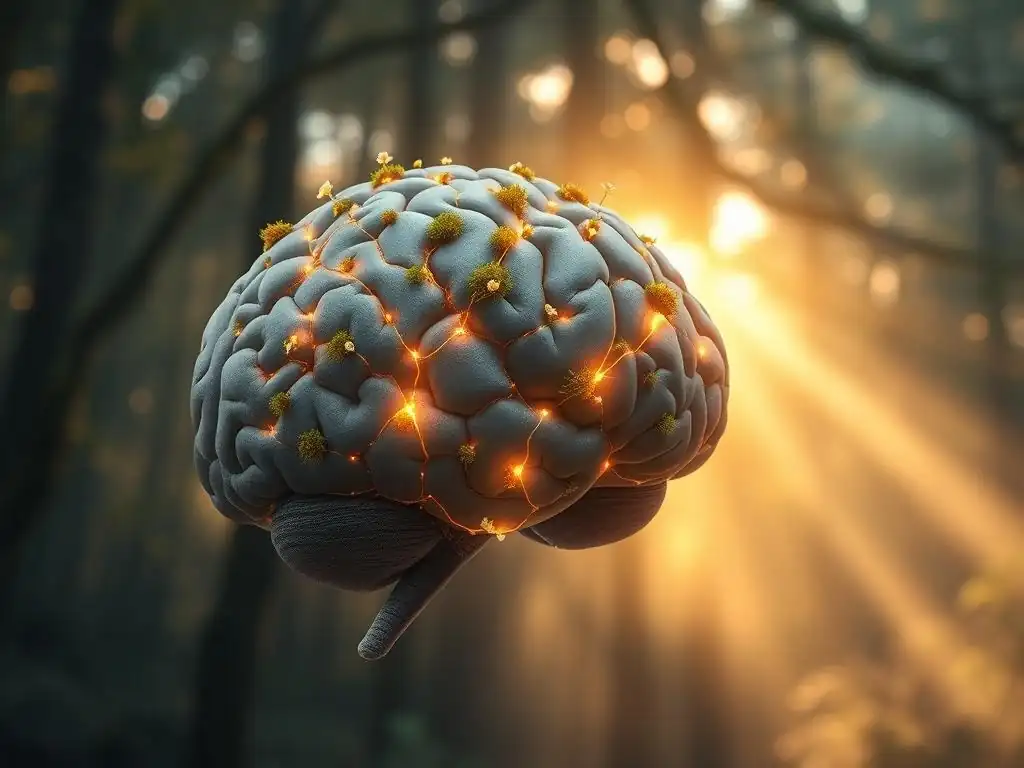
Welcome to Mind Care Guide, a space dedicated to nurturing your mental well-being.
Feeling overwhelmed by the aftermath of trauma? You're not alone. This site offers a compassionate pathway towards healing. Dive into our article below, where we explore mindfulness trauma healing techniques and how they can help you navigate the brain's response to trauma, fostering resilience and rewiring pathways toward a brighter future. Curious to know how mindful practices can unlock your inner strength and promote profound healing? Let's begin.
- Understanding CRPS
- Diagnosing CRPS
- Treatment Approaches for CRPS
- Physical and Occupational Therapy for CRPS
- Psychological Support for CRPS
- Lifestyle Modifications for Managing CRPS
- Emerging Therapies for CRPS
- Living with CRPS: Strategies for Coping
- Research and Future Directions in CRPS
-
Frequently Asked Questions
- What is the connection between trauma and the brain, and how does mindfulness relate to this connection?
- How can mindfulness practices specifically help with healing trauma?
- What are some specific mindfulness trauma healing techniques mentioned in the "Mind Care Guide"?
- How does the "Mind Care Guide" support individuals seeking "Mindfulness trauma healing techniques"?
- Is mindfulness trauma healing a replacement for traditional therapy, or should it be used in conjunction?
- Final Reflection: Rewiring the Brain, Rewiring Our Lives
- Unleash Your Mind's Resilience: Start Your Healing Journey Today
Understanding CRPS
Defining Complex Regional Pain Syndrome (CRPS)
Trauma, in its many forms, fundamentally alters the landscape of the brain and body. It's not merely a psychological event; it's a deeply physiological one. Defining the impact of trauma involves understanding how overwhelming experiences, whether a single event like an accident or ongoing situations like chronic abuse, can dysregulate the nervous system. This dysregulation can manifest in various ways, from hypervigilance and anxiety to dissociation and physical symptoms. The brain's primary response is often a survival mode activation, prioritizing immediate safety over complex processing or emotional regulation.
This state of chronic activation or dysregulation profoundly affects brain regions like the amygdala (the fear center), the hippocampus (involved in memory and context), and the prefrontal cortex (responsible for executive functions like planning and regulation). For instance, studies using fMRI have shown increased amygdala activity and decreased hippocampal volume in individuals with PTSD compared to control groups. This altered brain structure and function contribute to symptoms like flashbacks, difficulty concentrating, and emotional numbness, highlighting the pervasive nature of trauma's impact beyond just memory.
Types of CRPS: CRPS-I and CRPS-II
Trauma presents in various forms, much like different clinical syndromes. Acute trauma refers to a single, time-limited event, such as a natural disaster or a serious accident. Complex trauma, on the other hand, results from repeated, prolonged exposure to traumatic experiences, often in interpersonal contexts, such as child abuse or domestic violence. These different types can lead to distinct, though sometimes overlapping, clinical presentations and impact the brain and nervous system in nuanced ways.
Complex trauma, in particular, is associated with more pervasive developmental impacts, affecting attachment styles, emotional regulation abilities, and self-concept. Research indicates that individuals with complex trauma histories often show more significant alterations in brain development, particularly in areas related to emotional processing and self-awareness, compared to those with single-incident trauma. Understanding these distinctions is crucial for tailoring effective mindfulness trauma healing techniques and therapeutic approaches.
The Underlying Mechanisms of CRPS: A Neurological Perspective
The brain's response to trauma is rooted in neurobiological adaptations designed for survival. When faced with a perceived threat, the sympathetic nervous system activates the "fight or flight" response, flooding the body with stress hormones like cortisol and adrenaline. While adaptive in the short term, chronic or overwhelming trauma can lead to persistent activation or dysregulation of the hypothalamic-pituitary-adrenal (HPA) axis, the body's main stress response system.
This chronic stress state can lead to neuroinflammation, changes in neurotransmitter systems (like serotonin and dopamine), and alterations in brain plasticity. For example, prolonged exposure to high cortisol levels can impair neurogenesis (the birth of new neurons) in the hippocampus. Mindfulness trauma healing techniques work, in part, by helping to regulate this dysregulated nervous system, promoting a shift from sympathetic overdrive back towards parasympathetic balance, which supports rest, digestion, and healing.
Diagnosing CRPS
Diagnostic Criteria for CRPS: The Budapest Criteria
Assessing the impact of trauma, while not following a strict medical diagnostic criteria like the Budapest Criteria for CRPS, relies on clinical evaluation based on standardized diagnostic manuals like the DSM-5 (Diagnostic and Statistical Manual of Mental Disorders, 5th Edition). For conditions like Post-Traumatic Stress Disorder (PTSD), specific criteria must be met, including exposure to a traumatic event, presence of intrusion symptoms (e.g., flashbacks), avoidance behaviors, negative alterations in cognition and mood, and marked alterations in arousal and reactivity.
Clinicians use structured interviews and questionnaires, such as the Clinician-Administered PTSD Scale (CAPS-5) or the PTSD Checklist for DSM-5 (PCL-5), to gather detailed information about symptoms and their severity. While these tools provide a framework, the subjective experience of trauma is complex, and diagnosis involves careful clinical judgment to understand the full scope of an individual's response, including potential co-occurring conditions like depression or anxiety.
Physical Examination Findings in CRPS
While trauma is often perceived as purely psychological, it frequently manifests physically. The chronic stress response can lead to a range of physical symptoms that might be observed during a physical examination, though they are not diagnostic criteria for trauma itself. These can include increased muscle tension, digestive issues, chronic pain syndromes, headaches, and fatigue. The body holds the imprint of trauma, and these physical manifestations are often part of the overall picture of dysregulation.
Observing these physical signs can be important in trauma-informed care. For example, persistent tension or bracing might indicate a nervous system stuck in a defensive posture. Understanding these physical symptoms helps clinicians and individuals recognize the body's role in trauma recovery and highlights the importance of body-oriented and mindfulness trauma healing techniques that address somatic experiences directly.
Imaging and Nerve Conduction Studies for CRPS
Neuroimaging techniques, while not typically used for routine diagnosis of trauma-related disorders, have provided significant insights into how trauma affects the brain. Studies using fMRI, PET scans, and structural MRI have revealed consistent patterns of altered activity and structure in trauma survivors, particularly those with PTSD. For instance, research has shown reduced volume in the hippocampus and medial prefrontal cortex, alongside increased reactivity in the amygdala.
Diffusion Tensor Imaging (DTI) has also demonstrated changes in the white matter tracts connecting these crucial brain regions, suggesting altered communication pathways. While these are research tools rather than diagnostic ones in this context, they underscore the physical reality of trauma's impact on the nervous system. Understanding these neurological underpinnings provides a scientific basis for why interventions like mindfulness trauma healing techniques, which target brain function and connectivity, can be effective.
Treatment Approaches for CRPS
Multidisciplinary Pain Management for CRPS
Healing from trauma often requires a multidisciplinary approach, addressing the complex interplay of psychological, emotional, social, and sometimes physical symptoms. Just as complex pain syndromes benefit from integrated care, trauma recovery is most effective when incorporating various modalities. This can include individual therapy (like Trauma-Focused CBT or EMDR), group therapy, psychiatric support for symptom management (such as anxiety or sleep disturbances), and somatic or body-oriented practices.
A truly comprehensive approach recognizes that trauma impacts the whole person and that recovery involves restoring a sense of safety, connection, and regulation across different aspects of life. Integrating mindfulness trauma healing techniques within this framework allows individuals to build skills for managing distress, increasing self-awareness, and cultivating present-moment capacity, which are vital components of processing and integrating traumatic experiences.
Pharmacological Interventions for CRPS
Medications are sometimes used in trauma treatment, primarily to manage debilitating symptoms rather than to cure the trauma itself. Antidepressants, particularly SSRIs (Selective Serotonin Reuptake Inhibitors), are commonly prescribed to reduce symptoms of anxiety, depression, and hyperarousal associated with PTSD. Prazosin, an alpha-blocker, is sometimes used to help reduce trauma-related nightmares.
While pharmacological interventions can provide necessary relief for some individuals, they are typically most effective when used in conjunction with psychotherapy and other healing modalities. They can help create a window of tolerance, making it easier for individuals to engage in therapeutic work and practice skills learned through approaches like mindfulness trauma healing techniques without being overwhelmed by intense symptoms.
Interventional Procedures for CRPS: [Example: Nerve Blocks]
In the context of trauma healing, "interventional procedures" might be broadly analogous to specific, targeted therapeutic modalities designed to directly process or desensitize traumatic memories or responses. While not medical procedures like nerve blocks, techniques such as Eye Movement Desensitization and Reprocessing (EMDR) or Somatic Experiencing (SE) can be seen as interventions aimed at disrupting the stuck physiological and psychological patterns associated with trauma.
EMDR, for instance, uses bilateral stimulation (often eye movements) to help the brain process traumatic memories in a new way, reducing their emotional intensity. Somatic Experiencing focuses on tracking bodily sensations and releasing trapped energy associated with the trauma response. These techniques, while distinct from mindfulness trauma healing techniques, can complement mindfulness by helping to release deeply held tension and facilitating the integration of mind and body in the healing process.
Physical and Occupational Therapy for CRPS

Importance of Early Intervention and Rehabilitation
Early intervention and ongoing support are crucial in mitigating the long-term effects of trauma. Just as early physical therapy can prevent chronic issues after injury, timely access to mental health support after a traumatic event can significantly improve outcomes. This involves creating a safe environment, providing psychoeducation about common trauma responses, and introducing coping skills.
For children and adolescents, early intervention is particularly vital due to the developing brain's vulnerability. Providing stable, supportive relationships and therapeutic resources can foster resilience and positively influence brain development. Mindfulness trauma healing techniques introduced early can help individuals develop a foundation of self-regulation and present-moment awareness, skills that are invaluable throughout the healing journey.
Graded Motor Imagery for CRPS
While Graded Motor Imagery is a specific technique for CRPS, the concept of gradually re-engaging with the body and movement is highly relevant in trauma recovery. Trauma can lead to dissociation or avoidance of bodily sensations, especially those associated with the traumatic event. Body-oriented therapies and mindful movement practices encourage a safe, step-by-step process of reconnecting with the physical self.
Practices like gentle stretching, mindful walking, or yoga specifically designed for trauma survivors help individuals rebuild a sense of safety and agency within their bodies. This is not about pushing through discomfort but about cultivating gentle awareness and tolerance for physical sensations, a process that complements mindfulness trauma healing techniques by integrating bodily awareness into emotional processing.
Desensitization Techniques for Allodynia and Hyperalgesia
In trauma therapy, desensitization techniques are used to reduce the emotional and physiological reactivity associated with traumatic memories or triggers. This is analogous to desensitizing painful areas in CRPS. Techniques like systematic desensitization in prolonged exposure therapy involve gradually confronting trauma-related memories or situations in a safe, controlled environment to reduce fear and anxiety responses over time.
Mindfulness trauma healing techniques contribute to this desensitization process by helping individuals stay present with difficult emotions or sensations without being overwhelmed. By practicing mindful awareness, individuals can observe their reactions to triggers with greater distance and less judgment, gradually reducing the intensity of the fight, flight, or freeze response associated with the trauma.
Psychological Support for CRPS
The Impact of CRPS on Mental Health
Trauma has a profound and lasting impact on mental health, extending far beyond the immediate shock of the event. It significantly increases the risk of developing conditions such as PTSD, depression, anxiety disorders, substance use disorders, and complex trauma responses like difficulties with emotional regulation and interpersonal relationships. The chronic stress and dysregulation caused by trauma can alter brain chemistry and structure, making individuals more vulnerable to mental health challenges.
For instance, research indicates that up to 80% of individuals seeking mental health treatment have a history of trauma. The persistent feeling of being unsafe, the intrusive memories, and the struggle to regulate intense emotions can severely impact daily functioning, relationships, and overall quality of life. Addressing these mental health impacts is central to trauma recovery and highlights the necessity of integrated psychological support.
Cognitive Behavioral Therapy (CBT) for CRPS
Cognitive Behavioral Therapy (CBT) is a widely used and evidence-based therapy for trauma-related conditions, including PTSD. Trauma-Focused CBT (TF-CBT) is a specific adaptation designed for children and adolescents, while Prolonged Exposure (PE) and Cognitive Processing Therapy (CPT) are common CBT-based approaches for adults. These therapies help individuals identify and challenge unhelpful thoughts and beliefs related to the trauma (cognitive component) and gradually confront feared memories or situations (behavioral component).
CBT helps individuals restructure negative thought patterns, reduce avoidance behaviors, and develop more adaptive coping strategies. While not explicitly a mindfulness technique, elements of present-moment awareness and focusing on observable thoughts and feelings are often incorporated, making it complementary to mindfulness trauma healing techniques.
Acceptance and Commitment Therapy (ACT) for Chronic Pain
Acceptance and Commitment Therapy (ACT) is another valuable approach in trauma recovery, particularly for dealing with chronic emotional pain and distress. ACT focuses on accepting difficult thoughts and feelings rather than trying to eliminate them, committing to values-driven actions, and developing psychological flexibility. It encourages individuals to observe their internal experiences (thoughts, feelings, sensations) with non-judgmental awareness, a core principle shared with mindfulness.
ACT incorporates mindfulness processes to help individuals become more aware of their inner landscape and the present moment without getting caught up in rumination or avoidance. By fostering acceptance and promoting value-consistent behavior, ACT supports individuals in building a meaningful life alongside the lingering effects of trauma, making it a powerful ally to other mindfulness trauma healing techniques.
Lifestyle Modifications for Managing CRPS
Nutrition and Diet for Pain Management
Supporting brain health through nutrition is an important, often overlooked, aspect of trauma recovery. The chronic stress response triggered by trauma can deplete nutrient stores and contribute to inflammation, which affects brain function and mood. A balanced diet rich in omega-3 fatty acids (found in fish, flaxseeds), antioxidants (fruits, vegetables), and probiotics (fermented foods) can support neuroinflammation reduction and gut-brain axis health.
For example, studies suggest that omega-3 supplementation may help reduce symptoms of depression and anxiety, common co-occurring conditions with trauma. While nutrition alone cannot heal trauma, optimizing dietary intake provides a foundational support for brain repair and resilience, complementing the effects of mindfulness trauma healing techniques and therapy.
Exercise and Activity Pacing for CRPS
Physical activity is a powerful tool for trauma recovery. Exercise helps regulate the nervous system, reduce stress hormones, improve mood, and can help individuals feel more embodied and empowered. Engaging in regular, moderate exercise, such as walking, swimming, or yoga, can help discharge pent-up energy associated with the fight-or-flight response and improve sleep quality, which is often disrupted by trauma.
Activity pacing, or finding a sustainable rhythm of activity and rest, is also crucial. Pushing too hard can trigger the nervous system or lead to burnout. Mindful movement practices within mindfulness trauma healing techniques emphasize listening to the body's signals and moving with gentle awareness, promoting a healthier relationship with physical activity and preventing re-traumatization through overexertion.
Stress Management Techniques for Reducing Pain Flare-Ups
Stress management is central to managing the lingering effects of trauma. The nervous system of a trauma survivor can be highly sensitive to stress, easily triggering fight-flight-freeze responses. Developing a repertoire of stress management techniques is essential for maintaining regulation and preventing symptom flare-ups. Mindfulness practices are among the most effective stress management techniques for trauma survivors.
Techniques such as mindful breathing, body scans, and loving-kindness meditation, all key mindfulness trauma healing techniques, help individuals cultivate present-moment awareness, observe thoughts and feelings without judgment, and regulate their physiological stress response. Research consistently shows that regular mindfulness practice can reduce cortisol levels, decrease amygdala reactivity, and increase connectivity in brain regions associated with emotional regulation. For example, an 8-week Mindfulness-Based Stress Reduction (MBSR) program has been shown to significantly reduce PTSD symptoms and improve emotional regulation in veterans.
Emerging Therapies for CRPS

Spinal Cord Stimulation for CRPS
While Spinal Cord Stimulation is a specific treatment for chronic pain conditions like CRPS, the concept of modulating neural activity to alleviate distress is relevant to emerging trauma therapies. Techniques like Transcranial Magnetic Stimulation (TMS) or Transcranial Direct Current Stimulation (tDCS) are non-invasive brain stimulation methods being explored for their potential in treating trauma-related symptoms, particularly depression and PTSD.
TMS, for instance, uses magnetic pulses to stimulate specific areas of the brain, such as the prefrontal cortex, which is often underactive in individuals with depression and PTSD. Early research suggests that TMS may help modulate neural circuits involved in mood regulation and fear processing, offering a potential avenue for enhancing the effectiveness of psychological therapies, including mindfulness trauma healing techniques.
Intravenous Immunoglobulin (IVIG) Therapy for CRPS
IVIG Therapy is an immune-modulating treatment used for specific conditions. In the context of trauma, while not directly analogous, research is exploring the link between trauma, inflammation, and the immune system. Chronic stress and trauma can lead to chronic low-grade inflammation, which is implicated in various physical and mental health conditions.
Emerging research is investigating therapies that target neuroinflammation as a way to potentially improve outcomes for trauma survivors. While IVIG is not used for trauma, this area of research highlights the growing understanding of the complex biological pathways involved in trauma's impact and the potential for novel biological interventions alongside established psychological and mindfulness trauma healing techniques.
Ketamine Infusion Therapy for CRPS
Ketamine infusion therapy is an emerging treatment showing promise for severe, treatment-resistant depression and has also been explored for PTSD. Administered intravenously, ketamine works differently from traditional antidepressants, affecting glutamate pathways in the brain and potentially promoting neuroplasticity. Many patients report rapid relief from depressive and suicidal symptoms after ketamine treatment.
Research on ketamine for PTSD is still evolving, but initial findings suggest it may help reduce the severity of PTSD symptoms, particularly intrusive thoughts and negative mood. While not a substitute for comprehensive trauma therapy or mindfulness trauma healing techniques, ketamine may offer a window of relief that allows individuals to engage more effectively in therapeutic work.
Living with CRPS: Strategies for Coping
Support Groups and Online Communities for CRPS
Connecting with others who have similar experiences is a vital component of healing from trauma. Support groups and online communities provide a safe space for individuals to share their stories, reduce feelings of isolation, and gain validation and understanding. Hearing from others who are navigating similar challenges can be incredibly empowering and provide practical coping strategies.
Groups specifically for trauma survivors, or those incorporating mindfulness trauma healing techniques, offer a unique blend of shared experience and skill-building. These communities foster a sense of belonging and hope, reminding individuals that they are not alone in their journey toward recovery.
Advocacy and Raising Awareness About CRPS
Raising awareness about the pervasive impact of trauma and the potential for healing is crucial. Advocacy efforts help destigmatize mental health challenges, educate the public and professionals about trauma-informed care, and promote access to effective treatments, including mindfulness trauma healing techniques. Sharing personal stories (when safe and desired) can be a powerful form of advocacy, helping others feel seen and understood.
Advocacy also extends to promoting research funding for trauma treatment and ensuring that trauma-informed practices are integrated into various systems, such as healthcare, education, and the justice system. By raising awareness, we create a more supportive environment for survivors to heal and thrive.
Managing Daily Activities and Maintaining Quality of Life
Living with the aftermath of trauma often involves navigating daily challenges related to emotional regulation, triggers, and physical symptoms. Developing strategies for managing daily activities and maintaining quality of life is key to long-term recovery. This can involve creating structure and routine, practicing self-care, setting healthy boundaries, and utilizing coping skills learned in therapy.
Integrating mindfulness trauma healing techniques into daily life is a powerful strategy for managing distress and increasing present-moment engagement. Simple practices like mindful eating, mindful walking, or taking a few mindful breaths during stressful moments can help individuals stay grounded and responsive rather than reactive, improving their ability to navigate daily life with greater ease and resilience.
Research and Future Directions in CRPS
Ongoing Research Studies in CRPS
Research into the neurobiology of trauma and the effectiveness of various healing modalities, including mindfulness trauma healing techniques, is ongoing and continually expanding our understanding. Current studies are exploring the specific brain changes associated with different types of trauma, the genetic and epigenetic factors that influence vulnerability and resilience, and the mechanisms by which therapies like mindfulness exert their effects.
Clinical trials are evaluating new pharmacological agents, brain stimulation techniques, and innovative therapeutic approaches. For instance, research is investigating the efficacy of virtual reality exposure therapy, psychedelic-assisted therapy, and the integration of technology in delivering trauma-informed care and mindfulness practices.
Potential New Treatments and Therapies for CRPS
The field of trauma treatment is dynamic, with potential new treatments constantly emerging. Beyond pharmacological and traditional psychotherapies, there is growing interest in somatic therapies, neurofeedback, and integrating approaches from complementary and alternative medicine. The focus is increasingly on personalized treatment approaches that consider the individual's specific trauma history, symptoms, and preferences.
Future directions include developing more precise biomarkers for predicting treatment response and tailoring interventions accordingly. The potential of integrating advanced neuroscience findings with ancient practices like mindfulness is also a significant area of exploration, aiming to develop even more effective and accessible mindfulness trauma healing techniques.
The Importance of Continued Research in Improving Outcomes for CRPS
Continued research is absolutely vital for improving outcomes for trauma survivors. Despite significant progress, many individuals still struggle with the long-term effects of trauma. Research helps us better understand the underlying mechanisms of trauma, identify effective interventions, and refine existing therapies. It also plays a crucial role in destigmatizing trauma and advocating for better access to care.
Investing in research allows us to develop more targeted, effective, and accessible mindfulness trauma healing techniques and other therapies, ultimately helping more people heal from trauma and live full, meaningful lives. The commitment to ongoing scientific inquiry is essential for building a future where the impact of trauma is better understood, prevented, and healed.
Frequently Asked Questions
What is the connection between trauma and the brain, and how does mindfulness relate to this connection?
Trauma can significantly alter brain structure and function, particularly in areas responsible for emotional regulation and memory. Mindfulness offers a way to rewire these pathways by promoting present moment awareness and reducing reactivity. This can help to restore a sense of safety and control.
How can mindfulness practices specifically help with healing trauma?
Mindfulness allows individuals to observe traumatic memories and emotions without judgment. This reduces their intensity and helps to process the trauma in a safe and controlled environment. Ultimately, it promotes emotional regulation.
What are some specific mindfulness trauma healing techniques mentioned in the "Mind Care Guide"?
The guide explores techniques like mindful breathing exercises, body scan meditations, and guided imagery. These methods help individuals to ground themselves in the present and reduce the impact of traumatic memories.
How does the "Mind Care Guide" support individuals seeking "Mindfulness trauma healing techniques"?
The guide provides information on various mindfulness practices, resources for finding qualified therapists specializing in trauma-informed mindfulness, and self-help tools for managing trauma symptoms. It also emphasizes the importance of creating a supportive environment.
Is mindfulness trauma healing a replacement for traditional therapy, or should it be used in conjunction?
Mindfulness is often most effective when used as a complementary approach to traditional therapy. It can enhance the benefits of therapy by improving emotional regulation and self-awareness. However, it should not replace professional mental health care for severe trauma.
Final Reflection: Rewiring the Brain, Rewiring Our Lives
The brain's capacity for neuroplasticity, its ability to reorganize itself, offers a powerful message of hope in the face of trauma. This isn't just a scientific fact; it's a testament to our inherent resilience, a promise that healing is possible, even after profound experiences of hurt and adversity. Mindfulness, far from being a fleeting trend, emerges as a crucial tool in harnessing this potential for positive change.
The exploration of mindfulness as a trauma healing technique has profoundly impacted my understanding of suffering and recovery. It's not simply about suppressing painful memories; it's about cultivating a compassionate awareness of the present moment, allowing us to gently disentangle from the grip of the past. This process, while challenging, offers a path towards integration and wholeness. The mind is everything. What you think you become.
– Buddha. This ancient wisdom resonates deeply with the modern scientific understanding of the brain's plasticity and the power of mindful awareness to reshape our neural pathways.
Now, consider your own life. Have you experienced moments of trauma, large or small? How might the principles of mindfulness – present moment awareness, self-compassion, and acceptance – help you navigate these experiences and foster healing? I invite you to explore the practices discussed in this article, to experiment with mindfulness meditation, and to discover the transformative power it holds within you. The journey towards healing is personal, but the potential for growth and resilience is universal. Embrace it.
Unleash Your Mind's Resilience: Start Your Healing Journey Today
Thank you for taking the time to explore the powerful connection between mindfulness and trauma recovery. We hope you gained valuable insights into your brain's incredible capacity for healing. Now, let's turn those insights into action!
- Prioritize a daily mindfulness practice: Even 5 minutes of focused breathing or meditation can significantly impact your well-being. Start small, be consistent, and notice the difference.
- Share this article with someone who might benefit: Helping others is a powerful act of self-care, and sharing knowledge can make a real difference in someone's life.
- Explore guided meditations tailored for trauma recovery: Many free resources are available online; find one that resonates with you and commit to regular practice.
Ready to embrace your healing journey and unlock your inner resilience? What small step will you take today to nurture your mind and body?