
Breaking the Cycle: Using Mindfulness to Disrupt Anxious Patterns

Welcome to Mind Care Guide, your compassionate companion on the journey to mental well-being.
Feeling trapped in a cycle of anxiety? You're not alone. In this article, we delve into how mindfulness can reduce anxiety patterns, offering practical techniques and insightful guidance to help you break free. Discover how cultivating present moment awareness can be your key to reclaiming peace and building resilience. Intrigued? Let's explore the transformative power of mindfulness together...
Breaking the Cycle: Using Mindfulness to Disrupt Anxious Patterns
- Understanding Anxiety Patterns and Their Impact on Mental Well-being
- Mindfulness: A Powerful Tool to Reduce Anxiety Patterns
- Practical Mindfulness Techniques to Break Free From Anxiety
- Integrating Mindfulness into Your Daily Routine for Long-Term Anxiety Management
- Overcoming Challenges in Mindfulness Practice for Anxiety
- Real-Life Examples: Mindfulness Success Stories for Anxiety Relief
- Resources for Further Learning and Support in Mindfulness for Anxiety
-
Frequently Asked Questions
- How does mindfulness specifically help reduce anxiety patterns?
- What are some practical mindfulness techniques I can use to manage anxiety?
- How long does it typically take to see a noticeable reduction in anxiety patterns through mindfulness?
- If I have a severe anxiety disorder, can mindfulness replace traditional treatments like therapy or medication?
- What are some common challenges people face when starting a mindfulness practice, and how can they overcome them?
- Final Reflection: Unraveling Anxiety, Weaving Mindfulness
- Unleash Your Inner Calm: Take Control of Your Anxiety Today
Understanding Anxiety Patterns and Their Impact on Mental Well-being
Anxiety manifests in various forms, each with distinct patterns of thought, feeling, and behavior. Generalized Anxiety Disorder (GAD), for example, is characterized by persistent, excessive worry about everyday things, often disproportionate to the actual situation. Individuals with GAD might spend hours ruminating on potential future problems, experiencing physical symptoms like restlessness, fatigue, difficulty concentrating, irritability, muscle tension, and sleep disturbances. This constant state of worry creates a predictable pattern of vigilance and unease that interferes significantly with daily functioning.
Social Anxiety Disorder (SAD) involves intense fear of social situations, driven by concerns about being judged, embarrassed, or humiliated. This leads to patterns of avoidance or enduring social interactions with extreme distress. Someone with SAD might decline invitations, avoid public speaking, or feel overwhelming dread before social events.
Physical symptoms like blushing, sweating, trembling, or nausea are common. Understanding these specific triggers and avoidance behaviors is crucial, as they form the core patterns that mindfulness techniques aim to address. Panic Disorder, on the other hand, is marked by recurrent, unexpected panic attacks – sudden surges of intense fear that peak within minutes, accompanied by physical symptoms like heart palpitations, sweating, shaking, shortness of breath, chest pain, dizziness, and a fear of losing control or dying.
The pattern here often involves a fear of future attacks and avoidance of situations perceived as triggers. Recognizing these distinct patterns is the first step towards effectively using mindfulness to reduce anxiety patterns.
The Vicious Cycle of Anxiety: How Thoughts, Feelings, and Behaviors Intertwine
Anxiety often operates as a self-sustaining loop, a vicious cycle where thoughts, feelings, and behaviors reinforce each other. For instance, an anxious thought ("What if I fail this presentation?") triggers anxious feelings (fear, nervousness, physical tension). These feelings then influence behavior (avoiding practice, procrastinating, or relying excessively on safety behaviors like over-rehearsing), which might temporarily alleviate distress but ultimately strengthens the underlying anxiety pattern and confirms the initial fear ("See, I barely got through it, I must be bad at this"). This cycle becomes deeply ingrained, making it hard to break without conscious intervention.
Consider the example of someone with health anxiety. A minor physical sensation (a headache) triggers catastrophic thoughts ("This could be a brain tumor"). These thoughts provoke intense fear and physical anxiety symptoms (racing heart, dizziness).
The person then engages in behaviors like excessive googling of symptoms, repeatedly checking pulse, or seeking constant reassurance from doctors. While intended to reduce anxiety, these behaviors actually maintain the cycle by preventing the person from learning that the sensation is harmless and reinforcing the belief that constant vigilance is necessary. Breaking this cycle requires interrupting the automatic links between trigger, thought, feeling, and behavior, which is precisely where mindfulness practices offer a powerful approach to reduce anxiety patterns.
The Detrimental Effects of Unchecked Anxiety on Daily Life
Unchecked anxiety can have pervasive and debilitating effects on nearly every aspect of life. Chronic worry and fear drain mental and physical energy, leading to fatigue and burnout. It can impair concentration and memory, making it difficult to perform effectively at work or school. According to estimates, anxiety disorders are among the most common mental health conditions globally, affecting hundreds of millions of people, and are a leading cause of disability worldwide. The constant stress response can also take a toll on physical health, potentially contributing to issues like headaches, digestive problems, and weakened immune function over time.
Beyond individual well-being, anxiety significantly impacts relationships and social connections. Fear of judgment or negative outcomes can lead to social isolation, difficulty forming or maintaining friendships, and strain on family relationships. Many people with anxiety report avoiding social events, public places, or even leaving their homes in severe cases. The economic burden is also substantial, with significant costs associated with healthcare, lost productivity, and disability benefits. Effectively using mindfulness to reduce anxiety patterns is not just about feeling better emotionally; it's about reclaiming functional capacity and improving overall quality of life.
Mindfulness: A Powerful Tool to Reduce Anxiety Patterns
What is Mindfulness? Definition and Core Principles
Mindfulness is fundamentally about paying attention to the present moment, on purpose and without judgment. It involves cultivating an awareness of your thoughts, feelings, bodily sensations, and the surrounding environment as they arise, without getting caught up in them or wishing they were different. It's not about emptying the mind or achieving a state of bliss; rather, it's about developing a different relationship with your internal and external experiences, particularly difficult ones.
The core principles of mindfulness include non-judgment (observing without labeling as good or bad), patience (understanding that things unfold in their own time), beginner's mind (seeing things as if for the first time), trust (trusting your own intuition and experience), non-striving (not trying to achieve a specific outcome but simply being present), acceptance (acknowledging reality as it is), and letting go (releasing attachment to thoughts, feelings, or outcomes). Practicing these principles helps individuals observe their anxious patterns from a distance, creating space between the trigger and the automatic anxious reaction.
This foundational understanding is key to how mindfulness helps reduce anxiety patterns.
How Mindfulness Works to Interrupt Anxious Thoughts
Mindfulness interrupts anxious thought patterns by shifting attention from automatic, reactive thinking to deliberate, present-moment awareness. Anxious thoughts often involve rumination about the past or worry about the future. Mindfulness brings awareness back to "now," noticing the thoughts without immediately believing or acting on them. Instead of getting swept away by a wave of "what ifs," mindfulness teaches you to observe the thought as just a mental event – like a cloud passing in the sky – rather than a definitive truth.
By practicing mindful observation, you learn to recognize the onset of an anxious thought or feeling earlier in the cycle. This recognition creates a pause, a moment of choice, where you can choose not to engage with the thought in the usual way. Instead of spiraling into worry, you can gently redirect attention to the breath or physical sensations. This repeated redirection weakens the automatic neural pathways associated with the anxious cycle and strengthens those associated with present-moment awareness and calm, demonstrating how mindfulness helps reduce anxiety patterns by disrupting their automaticity.
The Science Behind Mindfulness and Anxiety Reduction: Brain Changes and Neuroplasticity
The effectiveness of mindfulness in reducing anxiety is supported by a growing body of scientific research, including studies using neuroimaging techniques like fMRI. These studies indicate that regular mindfulness practice can lead to measurable changes in brain structure and function, a phenomenon known as neuroplasticity. One key finding is that mindfulness training can reduce the activity and size of the amygdala, the brain region primarily responsible for the fear and stress response.
Simultaneously, mindfulness practice appears to strengthen connections between the amygdala and the prefrontal cortex, the area involved in higher-level functions like decision-making, emotional regulation, and conscious control. This enhanced connectivity allows the prefrontal cortex to exert more influence over the amygdala's reactivity, enabling individuals to better regulate their emotional responses to stressors. Furthermore, mindfulness has been shown to increase activity in areas associated with self-awareness and attention. These neurological changes provide a biological basis for how using mindfulness helps reduce anxiety patterns, essentially rewiring the brain to be less reactive and more resilient in the face of potential triggers.
Practical Mindfulness Techniques to Break Free From Anxiety
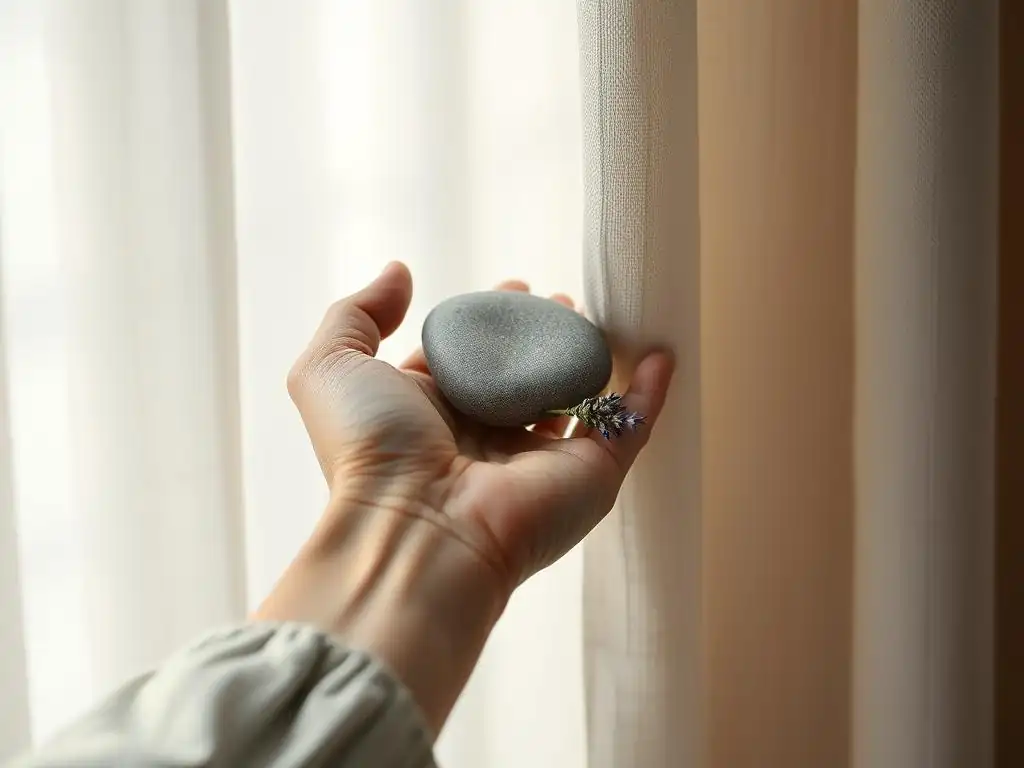
Mindful Breathing Exercises for Immediate Anxiety Relief
Mindful breathing is one of the most accessible and powerful techniques for managing acute anxiety. Focusing on the breath anchors you in the present moment, interrupting the stream of anxious thoughts. The simple act of paying attention to the inhale and exhale can activate the body's relaxation response, counteracting the physiological effects of the stress response like rapid heart rate and shallow breathing.
Diaphragmatic Breathing: A Step-by-Step Guide
Diaphragmatic breathing, also known as belly breathing, involves engaging the diaphragm to draw deep breaths into the lungs. This technique maximizes oxygen intake and helps calm the nervous system. To practice: 1. Find a comfortable position, sitting or lying down. 2. Place one hand on your chest and the other just below your rib cage on your abdomen.
3. Inhale slowly and deeply through your nose, allowing your abdomen to rise while your chest remains relatively still. Feel your belly expand. 4. Exhale slowly through pursed lips, gently contracting your abdominal muscles to push the air out.
Feel your belly lower. 5. Repeat for several minutes, focusing solely on the sensation of your breath moving in and out of your body. Aim for about six to ten slow breaths per minute. Practicing this regularly, even when not anxious, builds familiarity and makes it a more effective tool when you need to reduce anxiety patterns quickly.
Box Breathing Technique: Calming the Nervous System
Box breathing is a simple, four-count technique used to regulate breathing and calm the nervous system, often employed in high-stress situations. It creates a square or "box" pattern with your breath. To practice: 1. Exhale completely, emptying your lungs of air. 2. Inhale slowly through your nose for a count of four. 3. Hold your breath for a count of four.
4. Exhale slowly through your mouth for a count of four. 5. Hold your breath again for a count of four before the next inhale. 6. Repeat this cycle for several minutes. The equal duration of each phase helps to regulate the heart rate and promote a sense of control, making it a useful technique for immediate relief when you feel anxiety rising. Consistently using techniques like box breathing helps to reduce anxiety patterns by providing an accessible tool for self-regulation.
Body Scan Meditation: Cultivating Awareness of Physical Sensations
Body scan meditation involves systematically bringing mindful awareness to different parts of the body, noticing physical sensations without judgment. Anxious feelings often manifest as physical symptoms (tightness in the chest, knots in the stomach, tense shoulders), and the body scan helps you become aware of these sensations without reacting with fear or aversion. Instead, you learn to observe them with curiosity and acceptance.
To perform a body scan: 1. Lie down comfortably on your back with your arms at your sides and legs uncrossed, or sit upright in a chair. 2. Close your eyes if comfortable. 3.
Bring your awareness to your breath for a few moments. 4. Gently bring your attention to your feet, noticing any sensations there – tingling, warmth, pressure, coolness, etc. Just observe. 5.
Slowly move your attention up through your body – ankles, lower legs, knees, thighs, hips, abdomen, lower back, upper back, chest, shoulders, arms, hands, neck, and finally, your head and face. Linger on each area for a few breaths, simply noticing what is present. If your mind wanders, gently guide it back to the area of the body you are focusing on. This practice helps desensitize you to physical anxiety symptoms over time, making it easier to use mindfulness to reduce anxiety patterns by not being overwhelmed by bodily signals.
Mindful Observation of Thoughts: Detaching from Anxious Thinking
Anxiety is often fueled by getting entangled in anxious thoughts. Mindful observation of thoughts teaches you to recognize thoughts as transient mental events rather than absolute truths or commands. It's about stepping back and observing the flow of thoughts without getting caught up in their content. This practice helps create distance from the anxious narrative.
To practice mindful observation of thoughts: 1. Sit comfortably and bring your attention to your breath for a few moments. 2. Then, shift your awareness to the activity of your mind. Imagine your thoughts are like cars passing by on a street, or clouds drifting across the sky.
3. Simply notice the thoughts as they arise – "Oh, there's a thought about my deadline," "Now there's a worry about what someone said," "There's a judgment about myself." 4. Do not engage with the thoughts, analyze them, or try to push them away.
Just observe them, perhaps silently labeling them ("thinking," "worrying"). 5. When you notice you've become caught up in a thought, gently acknowledge it without judgment and return your attention to observing the next thought that arises, or back to your breath. This regular practice weakens the power anxious thoughts hold over you, allowing you to more effectively use mindfulness to reduce anxiety patterns.
Walking Meditation: Finding Calm in Movement
Walking meditation is a practice that brings mindfulness to the physical act of walking. It's a way to integrate mindfulness into everyday activity and can be particularly helpful for individuals who find sitting meditation challenging due to restlessness or racing thoughts. It grounds you in the sensation of movement and the environment.
To practice walking meditation: 1. Find a quiet space where you can walk back and forth a short distance (e.g., 10-20 steps) or walk outdoors at a comfortable pace. 2. Begin by standing still for a moment, bringing awareness to your body and breath. 3.
Start walking slowly, bringing your full attention to the sensations of walking. Notice the lifting of one foot, the movement forward, the placing of the foot back on the ground, the shift of weight. 4. Be aware of the movement of your legs, arms, and torso.
5. If your mind wanders to thoughts or worries, gently acknowledge them and return your attention to the physical sensations of walking. You can also expand your awareness to include sounds, smells, and sights, noticing them without dwelling on them. Practicing walking meditation helps to cultivate present-moment awareness even during activity, proving that you can use mindfulness to reduce anxiety patterns not just in stillness, but in motion as well.
Integrating Mindfulness into Your Daily Routine for Long-Term Anxiety Management
Creating a Daily Mindfulness Practice: Tips and Strategies
Consistency is key when using mindfulness to reduce anxiety patterns over the long term. Aim to incorporate short periods of mindfulness into your daily routine rather than waiting for large blocks of time. Even 5-10 minutes of dedicated practice each day can make a significant difference in building the skills needed to manage anxiety. Think of it like exercise for your mind – regular, even brief workouts are more beneficial than infrequent, long ones.
Start small and be realistic. Choose a time that works best for you, whether it's first thing in the morning, during a lunch break, or before bed. Find a quiet space where you won't be interrupted. You might start with guided meditations using apps or online resources.
As you become more comfortable, you can transition to unguided practice. Remember that the goal isn't perfection, but consistent effort. Some days will be easier than others; the practice is simply returning your attention gently when it wanders, which it inevitably will. Make it a non-negotiable part of your day, like brushing your teeth, to solidify your commitment to using mindfulness to reduce anxiety patterns.
Using Mindfulness During Anxious Moments: In-the-Moment Techniques
While a formal daily practice builds the foundation, knowing how to apply mindfulness during moments of anxiety is crucial for disrupting patterns in real-time. When you feel anxiety rising, pause and notice the physical sensations in your body. Where do you feel the anxiety? Is it tightness in your chest, a knot in your stomach, tension in your jaw? Simply acknowledge these sensations without trying to push them away.
Next, bring your awareness to your breath. You don't need to force deep breaths initially; just notice the natural rhythm of your inhale and exhale. You can then gently lengthen your exhales, which activates the parasympathetic nervous system and promotes calm.
Another technique is the "5-4-3-2-1" grounding exercise: notice 5 things you can see, 4 things you can feel, 3 things you can hear, 2 things you can smell, and 1 thing you can taste. This exercise pulls your attention out of your anxious thoughts and firmly into the present sensory experience. These in-the-moment techniques are practical ways to actively use mindfulness to reduce anxiety patterns when they are occurring.
Combining Mindfulness with Other Therapies: Cognitive Behavioral Therapy (CBT), Acceptance and Commitment Therapy (ACT)
Mindfulness is not a replacement for professional therapy but can be a powerful complement. Many evidence-based therapies for anxiety, such as Cognitive Behavioral Therapy (CBT) and Acceptance and Commitment Therapy (ACT), integrate mindfulness principles. CBT helps individuals identify and challenge negative thought patterns, while mindfulness provides the awareness to notice these thoughts without immediately reacting.
ACT explicitly uses mindfulness skills to help individuals accept difficult thoughts and feelings rather than fighting them, while committing to actions aligned with their values. For example, someone using ACT and mindfulness might notice the anxious thought "I'm going to fail" before a presentation (mindful observation) and accept that the thought is present (acceptance), then choose to give the presentation anyway because public speaking is important for their career goals (committed action), rather than avoiding it due to anxiety.
Combining mindfulness with therapies like CBT or ACT can enhance their effectiveness, providing a more comprehensive approach to understanding and using mindfulness to reduce anxiety patterns.
Overcoming Challenges in Mindfulness Practice for Anxiety

Common Obstacles and How to Address Them: Racing Thoughts, Restlessness, and Self-Judgment
Beginning a mindfulness practice, especially when experiencing anxiety, comes with challenges. Racing thoughts are perhaps the most common obstacle; it can feel impossible to quiet the mind. It's important to understand that the goal is not to stop thinking, but to notice thoughts without getting carried away by them. When your mind wanders (and it will, thousands of times), simply acknowledge where it went and gently guide your attention back to your chosen anchor, like the breath. This act of returning is the practice itself. Treat it like training a puppy – patient, consistent redirection rather than frustration.
Physical restlessness can also be difficult, manifesting as fidgeting or an urge to move. If sitting still feels unbearable, try a walking meditation or incorporate gentle movement like stretching before or during practice. Finally, self-judgment is a significant hurdle. Thoughts like "I'm doing this wrong," "My mind is too busy," or "I'm failing at mindfulness" are common.
Recognize these as just more thoughts to observe. Be compassionate with yourself. There's no "right" way to feel or think during mindfulness; the practice is simply showing up and paying attention. Embracing these challenges with patience and self-compassion strengthens your ability to use mindfulness to reduce anxiety patterns effectively.
Staying Motivated and Consistent with Your Mindfulness Practice
Maintaining motivation and consistency can be challenging, particularly when facing setbacks or feeling like the practice isn't "working" immediately. It helps to remember why you started – to reduce anxiety patterns and improve your well-being. Revisit your intentions regularly. Tracking your practice, perhaps in a journal or using an app, can provide a visual reminder of your commitment and progress over time.
Find a supportive community, whether online or in person, or practice with a friend. Sharing experiences and challenges can provide encouragement and accountability. Be flexible with your practice; if you miss a day, don't view it as a failure, just start again the next day. Experiment with different techniques and times of day to find what resonates most with you. Remember that the benefits of using mindfulness to reduce anxiety patterns accumulate gradually, like saving money or building physical strength. Celebrate small victories and acknowledge the effort you are making.
Seeking Guidance: When to Consult a Mental Health Professional
While mindfulness is a powerful self-help tool, it is not a substitute for professional mental health care, especially for severe or persistent anxiety. If your anxiety is significantly impairing your daily life, causing panic attacks, leading to avoidance behaviors that limit your activities, or if you are experiencing suicidal thoughts, it is crucial to seek help from a qualified mental health professional.
A therapist, counselor, or psychiatrist can provide a proper diagnosis, recommend evidence-based treatments like CBT or ACT, and help you integrate mindfulness into a comprehensive treatment plan. They can also help you navigate any difficulties that arise during your mindfulness practice and ensure it is being used safely and effectively as part of your strategy to reduce anxiety patterns. Don't hesitate to reach out for support; asking for help is a sign of strength.
Real-Life Examples: Mindfulness Success Stories for Anxiety Relief
Consider Sarah, a marketing professional who dreaded giving presentations due to overwhelming social anxiety. Days before a presentation, she would experience intense worry, physical symptoms like trembling hands and a shaky voice, and engage in avoidance behaviors like trying to get out of the commitment. Her pattern was anticipatory dread followed by physical distress and avoidance.
Sarah began practicing mindful breathing and body scan meditations daily. Before a presentation, instead of ruminating on potential judgment, she would spend 10 minutes focusing on her breath and noticing the physical sensations of anxiety – the tightness in her chest, the butterflies in her stomach – without labeling them as "bad" or trying to make them go away.
She simply observed them with curiosity. During the presentation itself, when her hands started to tremble, she would gently bring her awareness to the sensation without panicking, grounding herself by focusing on the feeling of her feet on the floor.
This practice didn't eliminate the anxiety entirely, but it significantly reduced its intensity and control over her. By consciously observing and accepting the physical symptoms rather than fighting them, she disrupted her typical anxious reaction and found she could speak more clearly and confidently, demonstrating how mindfulness helped her reduce anxiety patterns in a high-stress social situation.
Overcoming Panic Attacks Through Mindful Awareness of Physical Sensations
Mark had been experiencing debilitating panic attacks, which often seemed to come out of nowhere and were accompanied by terrifying physical symptoms like a racing heart, shortness of breath, and dizziness, leading him to fear he was having a heart attack or losing his mind. His anxiety pattern involved hypervigilance for physical sensations and a fear of the sensations themselves, which often escalated into a full-blown attack.
Through working with a therapist who incorporated mindfulness, Mark learned to practice body scan meditation regularly. He also learned in-the-moment techniques for observing physical sensations during the onset of panic. Instead of immediately reacting with fear to a racing heart, he would sit down, place his hand on his chest, and simply notice the sensation – "My heart is beating quickly." He focused on the physical feeling itself, moment by moment, without adding catastrophic interpretations.
He practiced mindful breathing to regulate his nervous system. By repeatedly practicing non-judgmental observation of his physical symptoms, he gradually desensitized himself to them. The sensations were still present sometimes, but his fear of the sensations decreased significantly. This allowed him to interrupt the escalation cycle and prevent full panic attacks, illustrating a powerful way to use mindfulness to reduce anxiety patterns rooted in physical fear.
Resources for Further Learning and Support in Mindfulness for Anxiety
Recommended Books and Articles on Mindfulness and Anxiety
There are many valuable written resources available for those wishing to deepen their understanding of mindfulness and its application to anxiety. Numerous books offer comprehensive guides to mindfulness principles and practices, often including specific exercises tailored for managing worry, fear, and stress. These texts can provide a solid theoretical foundation and practical instructions for building a personal practice.
Additionally, articles from reputable mental health organizations and academic journals offer insights into the latest research on mindfulness and anxiety reduction. Reading about the experiences of others and the scientific evidence behind the techniques can further motivate and inform your journey towards using mindfulness to reduce anxiety patterns. Look for resources that are grounded in evidence-based approaches and written by qualified professionals or experienced practitioners.
Guided Meditation Apps and Online Resources
For individuals starting out or seeking structure, guided meditation resources can be incredibly helpful. Many mobile applications offer a wide variety of guided meditations, including specific programs for anxiety, stress reduction, and sleep. These apps often provide timers, progress tracking, and reminders to help establish a consistent practice.
Numerous websites also offer free or subscription-based guided meditations, talks, and courses on mindfulness. These online platforms can provide accessible ways to learn different techniques, find meditations of varying lengths, and connect with teachers. Exploring these digital resources can make integrating mindfulness into a busy life more manageable and provide ongoing support in your efforts to use mindfulness to reduce anxiety patterns.
Finding Mindfulness-Based Therapy and Support Groups
For more structured support or when dealing with significant anxiety challenges, seeking professional guidance is recommended. Mindfulness-Based Stress Reduction (MBSR) and Mindfulness-Based Cognitive Therapy (MBCT) are structured group programs that teach mindfulness techniques specifically for managing stress, anxiety, and preventing relapse of depression. These courses typically involve weekly sessions and daily home practice.
Finding a therapist who incorporates mindfulness into their practice can also provide personalized support. Therapists trained in ACT or MBCT can guide you in applying mindfulness principles to your specific anxiety patterns and challenges. Additionally, support groups focused on anxiety or mindfulness can offer a sense of community, shared experience, and mutual encouragement, reinforcing your commitment to using mindfulness to reduce anxiety patterns and improve your well-being.
Frequently Asked Questions
How does mindfulness specifically help reduce anxiety patterns?
Mindfulness helps by increasing awareness of anxious thoughts and feelings in the present moment. This allows you to observe them without judgment, creating space to choose a different response, breaking the cycle of reactive anxiety.
What are some practical mindfulness techniques I can use to manage anxiety?
Simple techniques include focused breathing exercises, such as paying attention to the sensation of your breath. You can also try body scan meditations, bringing awareness to different parts of your body.
How long does it typically take to see a noticeable reduction in anxiety patterns through mindfulness?
It varies from person to person, but consistent practice is key. Many people report experiencing initial benefits within a few weeks, while more significant and lasting change usually occurs with continued effort over months.
If I have a severe anxiety disorder, can mindfulness replace traditional treatments like therapy or medication?
Mindfulness can be a valuable complementary tool but should not replace professional help for severe anxiety. It's best used in conjunction with therapy or medication prescribed by a qualified mental health professional.
What are some common challenges people face when starting a mindfulness practice, and how can they overcome them?
Difficulty focusing and a wandering mind are common. Start with short sessions, be patient with yourself, and use guided meditations to help maintain focus and reduce frustration.
Final Reflection: Unraveling Anxiety, Weaving Mindfulness
The pervasive nature of anxiety in our modern world demands innovative solutions, and the power of mindfulness offers a potent antidote to its debilitating grip. We've explored how mindful practices, from simple breathing exercises to guided meditations, can interrupt the ingrained patterns of anxious thinking and responding, fostering a sense of calm amidst the storm. This isn't just a fleeting trend; it's a vital tool for navigating the complexities of daily life.
The journey towards cultivating mindfulness is deeply personal, a continuous process of self-discovery and acceptance. It's a journey I've undertaken myself, and the benefits – a greater sense of self-awareness, improved emotional regulation, and a more resilient spirit – have been transformative. The mind is everything. What you think you become.
– Buddha. This quote encapsulates the core principle of mindfulness: by consciously shaping our thoughts, we can reshape our experiences and ultimately, our lives. The impact of mindfulness extends beyond the individual, influencing our relationships, our work, and the overall societal response to stress and anxiety.
Now, consider your own relationship with anxiety. What patterns do you recognize? Where can you incorporate even small moments of mindfulness – a deep breath during a stressful meeting, a mindful walk in nature, or a few minutes of quiet reflection before bed? Embrace the opportunity to break free from the cycle of anxiety, one mindful moment at a time. The journey may not always be easy, but the rewards – a life lived with greater presence, peace, and resilience – are immeasurable.
Unleash Your Inner Calm: Take Control of Your Anxiety Today
Thank you for taking the time to explore the power of mindfulness in managing anxiety. We hope you gained valuable insights into breaking free from anxious patterns. Now it's time to put that knowledge into practice!
- Prioritize a 5-minute mindfulness exercise: Start small with guided breathing or body scan meditation. This is your first step towards a calmer you.
- Share your experience: Let's build a supportive community! Share your thoughts and progress in the comments below – your journey might inspire others.
- Try a mindful activity you've been putting off: Whether it's a walk in nature, a creative project, or simply enjoying a cup of tea without distractions, engage your senses fully.
What small mindful act will you commit to today, to nurture your peace of mind?