
Deep Dive into Calm: Extended Mindfulness Practices for Stress Reduction

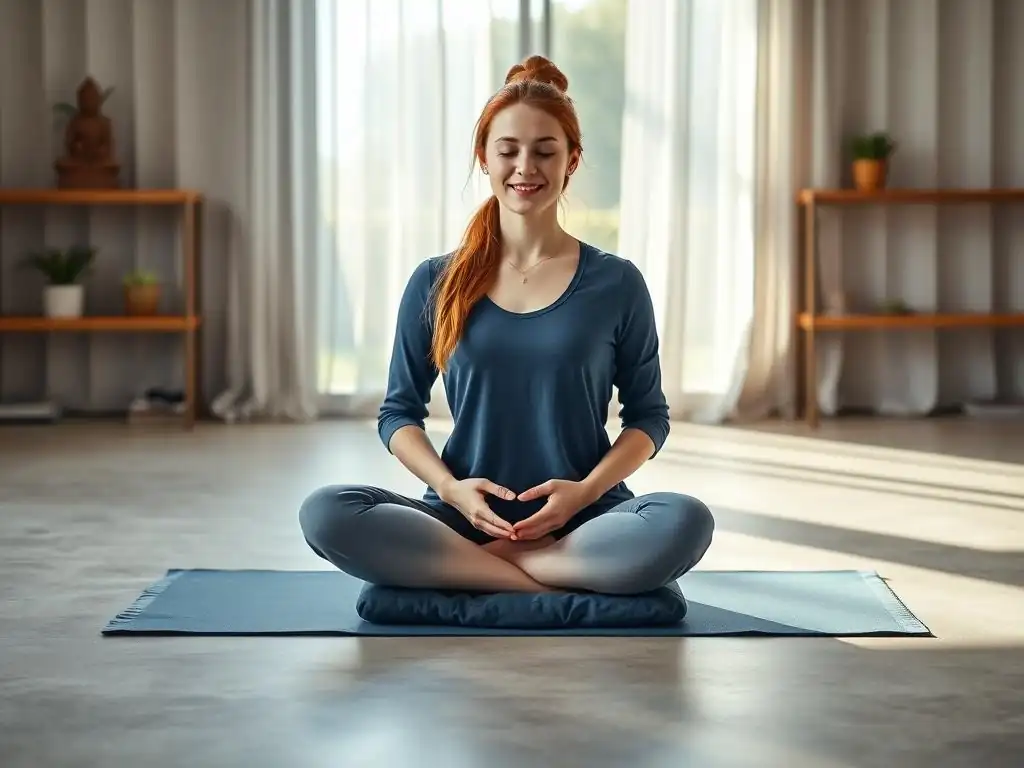
Welcome to Mind Care Guide, your compassionate companion on the journey to mental well-being.
Feeling overwhelmed? You're not alone. In today's fast-paced world, stress can feel like an unwelcome shadow. We understand. That's why we're diving deep into a powerful tool for finding inner peace: Mindfulness for stress reduction. Curious how to cultivate a sense of calm amidst the chaos? Explore our article below to discover extended mindfulness practices that can help you reclaim your serenity and build a more resilient you.
Deep Dive into Calm: Extended Mindfulness Practices for Stress Reduction
- Understanding Mindfulness for Stress Reduction
- Preparing for Extended Mindfulness Sessions
- Extended Mindfulness Techniques for Stress Relief
- Integrating Extended Mindfulness into Your Daily Routine
- Advanced Mindfulness Practices for Deeper Stress Reduction
- Benefits of Consistent Extended Mindfulness Practice
- Troubleshooting Common Challenges in Mindfulness Practice
- Conclusion: Embracing Mindfulness for Long-Term Stress Management
-
Frequently Asked Questions
- What exactly is mindfulness and how does it relate to stress reduction?
- How can extended mindfulness practices benefit me more than shorter ones?
- What are some examples of extended mindfulness exercises I can try?
- How often should I practice extended mindfulness for effective stress reduction?
- What if I find it difficult to focus during extended mindfulness practice?
- Final Reflection: Cultivating Inner Peace in a Frantic World
- Unlock Your Inner Calm: Start Practicing Mindfulness Today!
Understanding Mindfulness for Stress Reduction
The Science Behind Mindfulness and Stress Relief
Research consistently shows that mindfulness practice can significantly impact the body's stress response. When we experience stress, our sympathetic nervous system activates the "fight or flight" response, releasing hormones like cortisol and adrenaline. Chronic elevation of these hormones can contribute to various health problems, including cardiovascular issues, weakened immune function, and mental health challenges like anxiety and depression.
Mindfulness interventions have been shown to reduce cortisol levels; for instance, a study published in Health Psychology indicated participants in an 8-week mindfulness program experienced a noticeable decrease in cortisol compared to a control group. This physiological change is a key mechanism by which mindfulness contributes to stress reduction.
Furthermore, mindfulness practice helps to quiet the default mode network (DMN) in the brain, which is often associated with rumination and worrying about the past or future – common drivers of stress. By shifting attention to the present moment, mindfulness weakens the neural pathways associated with the DMN and strengthens those related to focus and executive control.
Studies using fMRI scans have demonstrated observable changes in brain structure and activity in individuals who regularly practice mindfulness, including increased gray matter density in areas associated with learning, memory, emotion regulation, and empathy, while showing decreases in the amygdala, the brain's fear center. This neurobiological evidence underpins the effectiveness of mindfulness for stress reduction.
Defining Extended Mindfulness Practices
Extended mindfulness practices refer to engaging in mindfulness techniques for durations longer than typical brief exercises (e.g., a 1-2 minute mindful breathing break). These often involve dedicated sessions lasting from 15-20 minutes up to an hour or even longer, allowing for a deeper immersion in the present moment and a more profound cultivation of mindful awareness. While short bursts of mindfulness can offer immediate relief, extended practices provide the time and space needed to observe the subtle fluctuations of thoughts, emotions, and physical sensations without judgment, fostering a more sustained state of calm and insight.
Unlike quick mindfulness tips, extended practices like a 30-minute body scan or a 45-minute walking meditation allow the practitioner to move beyond initial distractions and settle into a state of deeper concentration and acceptance. This prolonged engagement helps to strengthen the "mindfulness muscle," making it easier to access mindful awareness during daily stressful situations. The cumulative effect of regular extended practice is often a more resilient nervous system and a greater capacity to respond to stress with presence and equanimity, significantly enhancing mindfulness for stress reduction over time.
Preparing for Extended Mindfulness Sessions
Creating a Calm and Conducive Environment
Establishing a dedicated space for your extended mindfulness practice is crucial for minimizing distractions and fostering a sense of calm. This doesn't require a separate meditation room; it could be a quiet corner of a bedroom, a comfortable spot in a living area, or even a peaceful outdoor location where you are unlikely to be interrupted.
The key is to choose a place where you feel safe and settled. Ensure the temperature is comfortable, adjust lighting to be soft or natural, and minimize noise as much as possible – perhaps by closing doors or windows, or using earplugs if necessary.
Preparing your environment also involves simple actions like turning off electronic devices or putting them on silent mode, letting others in your household know you need undisturbed time, and ensuring you have any props you might need, such as a cushion, blanket, or chair, readily available. Taking these steps signals to your mind and body that this is a dedicated time for self-care and inner focus, making it easier to transition into a state of mindful awareness and deepen your mindfulness for stress reduction.
Setting Intentions for Your Mindfulness Practice
Setting an intention before beginning an extended mindfulness session provides direction and purpose, even if that intention is simply to be present. An intention isn't a rigid goal to achieve, but rather a gentle guiding principle for your practice. For example, your intention might be "to approach my experience with kindness," "to simply observe without judgment," or "to cultivate a sense of peace." Stating your intention, either silently or aloud, helps to focus your mind and align your attitude with the practice.
Having an intention can be particularly helpful when practicing mindfulness for stress reduction. You might set an intention to "bring gentle awareness to feelings of stress" or "cultivate calm amidst inner turmoil." This sets a supportive container for whatever arises during the session, encouraging a non-reactive and accepting approach to difficult emotions or thoughts. Remember, the intention is a guide, not a demand, and you can always return to it gently if your mind wanders.
Choosing the Right Time and Duration
Selecting a consistent time for your extended mindfulness practice can help establish it as a regular habit, much like scheduling exercise or meals. Many people find the early morning, before the demands of the day begin, to be ideal for its quietude and lack of interruptions. Others prefer the evening as a way to unwind and process the day's experiences before sleep. Experiment to find a time that works best with your personal rhythm and schedule, ensuring you can commit to it regularly.
The duration of your extended practice should be challenging enough to allow for depth but not so long that it becomes overwhelming or unsustainable. If you're new to extended practice, start with a duration that feels manageable, perhaps 15 or 20 minutes, and gradually increase it as you feel comfortable. Consistency is often more important than length, especially when first developing mindfulness for stress reduction habits. Aim for a duration you can realistically maintain most days of the week.
Extended Mindfulness Techniques for Stress Relief
Body Scan Meditation: A Detailed Guide
The body scan is a foundational mindfulness practice that involves systematically bringing attention to different parts of the body, noticing physical sensations without judgment. This practice helps to anchor awareness in the present moment and can reveal areas of tension often held unconsciously due to stress. By becoming aware of these sensations, we create space to release them and cultivate a greater sense of embodiment and calm.
Step-by-Step Body Scan Instructions
Begin by lying down on your back in a comfortable position, perhaps with knees bent or legs extended, and arms resting gently at your sides, palms up or down. If lying down isn't possible, you can practice seated. Close your eyes gently if comfortable. Take a few deep breaths to settle in. Bring your awareness to your feet. Notice any sensations present – warmth, coolness, tingling, pressure, absence of sensation.
Simply observe. Then, gently move your awareness up your body, section by section: ankles, lower legs, knees, upper legs, hips and pelvis. Spend a few moments in each area, noticing whatever arises. Continue moving up through your torso – lower back, abdomen, upper back, chest, shoulders. Then bring awareness to your arms, hands, and fingers.
Finally, attend to your neck, head, and face. As you scan, you might encounter areas of discomfort or tension. Acknowledge these sensations with kindness and curiosity, perhaps breathing into them lightly, but without trying to change them. If your mind wanders, which it will, simply notice where it went and gently guide your attention back to the part of the body you were scanning. Conclude the practice by resting in a sense of the body as a whole for a few moments before gently opening your eyes.
Benefits of Body Scan for Stress Management
Regular practice of the body scan can significantly enhance mindfulness for stress reduction. By systematically bringing attention to physical sensations, we become more attuned to how stress manifests in the body – often as muscle tension, tightness, or discomfort. This increased awareness allows us to recognize stress signals earlier, potentially preventing them from escalating. For example, someone prone to stress headaches might learn to notice tension building in their neck and shoulders during a body scan, prompting them to take a break or use other coping strategies.
Beyond simple detection, the body scan cultivates a non-reactive relationship with physical discomfort. Instead of immediately tensing up or trying to push away unpleasant sensations, the practice encourages observing them with acceptance. This attitude of gentle curiosity can reduce the secondary stress that often arises from resisting or worrying about physical symptoms. A meta-analysis of studies on the body scan found it effective in reducing perceived stress and improving psychological well-being across various populations, highlighting its power as a tool for mindful stress relief.
Walking Meditation: Cultivating Mindfulness in Motion
Walking meditation is a practice that brings mindful awareness to the simple act of walking. It can be practiced indoors or outdoors, slowly or at a more natural pace, and serves as an excellent way to integrate mindfulness into everyday activities. Unlike sitting meditation, which requires stillness, walking meditation allows for gentle movement, which some individuals find easier and more accessible, particularly when feeling restless due to stress.
Finding the Right Pace and Environment for Walking Meditation
Choose a location where you can walk undisturbed for the duration of your practice. This could be a quiet room, a long hallway, a garden path, or a peaceful trail. The environment should feel safe and allow you to focus inward without needing to navigate obstacles or traffic. The pace of walking meditation can vary.
Traditionally, it is practiced very slowly, focusing intently on the subtle movements of the feet and legs. However, you can also practice at a more natural walking pace, bringing mindful awareness to the sensations of movement, the breath, and the surrounding environment. Experiment to find a pace and environment that supports your ability to remain present.
For extended walking meditation for stress reduction, aim for a duration of at least 20-30 minutes. This allows sufficient time to settle into the rhythm of the walk and deepen your awareness. If practicing outdoors, be mindful of your surroundings while maintaining an internal focus. Notice the feeling of the ground beneath your feet, the movement of the air on your skin, the sounds around you, but try not to get lost in narrative thought about them. The goal is to be present with the sensory experience of walking itself.
Focusing on Sensations During Walking Meditation
The primary focus during walking meditation is the physical sensation of walking. Begin by bringing your awareness to your feet. Notice the lifting of one foot, the movement through the air, the placement of the foot on the ground, the shifting of weight, and the lifting of the other foot. Pay attention to the subtle muscle movements in your legs and hips, the swing of your arms, the rhythm of your steps. You can break down the movement into stages – lifting, moving, placing – and focus on each stage with deliberate attention.
Beyond the feet and legs, expand your awareness to include the sensation of your body moving through space, your posture, and your breath. If your mind wanders to thoughts about your destination, tasks, or worries, gently notice the distraction without judgment and guide your attention back to the physical sensations of walking. This repeated act of returning to the present moment through the anchor of physical sensation is the core of the practice and is highly effective in cultivating mindfulness for stress reduction.
Mindful Breathing Exercises: Deepening Your Breath Awareness
Mindful breathing is perhaps the most fundamental mindfulness technique, serving as an anchor to the present moment. While simple, deepening your awareness of the breath through extended practice can have a profound impact on the nervous system, helping to calm the mind and body, and is a cornerstone of mindfulness for stress reduction.
Different Breathing Techniques for Stress Reduction (e.g., Diaphragmatic Breathing, Box Breathing)
While simply observing the natural flow of breath is a core mindful breathing practice, incorporating specific breathing techniques can further enhance its stress-reducing effects. Diaphragmatic breathing (or belly breathing) involves consciously engaging the diaphragm, leading to deeper, slower breaths that promote relaxation. To practice, place one hand on your chest and the other on your abdomen. Inhale deeply through your nose, feeling your abdomen rise while your chest remains relatively still. Exhale slowly through your mouth, feeling your abdomen fall. Practice this for several minutes, focusing on the gentle rise and fall of your belly.
Box breathing (also known as square breathing) is a technique used to regulate breath rhythm and calm the nervous system. Imagine drawing a box with your breath. Inhale slowly for a count of four, hold your breath for a count of four, exhale slowly for a count of four, and hold your breath again for a count of four before the next inhale. Repeat this cycle for several minutes. Both diaphragmatic and box breathing, when practiced mindfully and consistently, can activate the parasympathetic nervous system, counteracting the stress response and promoting a state of calm.
Integrating Mindful Breathing into Daily Life
The beauty of mindful breathing is that it can be practiced anywhere, anytime. While extended sessions dedicated solely to breathing awareness are beneficial, weaving short moments of mindful breathing throughout your day significantly enhances mindfulness for stress reduction. Set reminders to pause and take three mindful breaths before starting a new task, during transitions between activities, or when you feel a wave of stress arising.
Use everyday cues as prompts for mindful breathing. For instance, each time your phone rings, take one mindful breath before answering. When waiting in line, bring awareness to your breath for a few moments. Before eating a meal, take a few deep, mindful breaths. These brief but regular moments of conscious breathing help to punctuate your day with presence, making mindful stress relief an ongoing practice rather than just a dedicated session.
Loving-Kindness Meditation: Expanding Compassion and Reducing Stress
Loving-kindness meditation (Metta meditation) is a practice focused on cultivating feelings of warmth, friendliness, and compassion towards oneself and others. While it may not seem directly related to stress reduction at first glance, cultivating these positive emotions can significantly counteract the negative self-talk, judgment, and isolation that often accompany stress, fostering a sense of connection and well-being.
Cultivating Self-Compassion
A key aspect of loving-kindness meditation is directing kindness and compassion towards oneself. Stress often comes with a harsh inner critic, judging our performance, our feelings, or our perceived failures. Practicing self-compassion involves acknowledging our struggles and pain with the same warmth and understanding we would offer a dear friend. In Metta practice, you typically begin by silently repeating phrases directed towards yourself, such as:
- "May I be free from suffering."
- "May I be happy."
- "May I be healthy."
- "May I be at ease."
Repeat these phrases slowly, allowing the meaning to resonate, and noticing any feelings or resistance that arise. The intention is not to force a feeling but to gently invite these qualities into your experience. Cultivating this inner kindness directly challenges the self-judgment that fuels stress and anxiety, laying a foundation for mindful stress relief. Research suggests that self-compassion is strongly linked to reduced levels of anxiety and depression.
Extending Compassion to Others
After cultivating loving-kindness towards yourself, the practice extends to others. Typically, you move through categories of people:
- A benefactor (someone who has helped you).
- A dear friend.
- A neutral person (someone you encounter regularly but don't have strong feelings about).
- A difficult person (someone with whom you have conflict).
- Finally, all beings everywhere.
For each person or group, you repeat the same or similar phrases: "May you be free from suffering," "May you be happy," etc. This process helps to dissolve feelings of isolation and resentment, which can be significant sources of stress. By intentionally sending warmth and well-wishes outwards, we shift our focus from internal worries to a broader sense of connection and shared humanity. This outward focus can be a powerful antidote to the self-absorption that often accompanies stress, enhancing the overall practice of mindfulness for stress reduction.
Integrating Extended Mindfulness into Your Daily Routine
Creating a Consistent Mindfulness Schedule
Consistency is paramount when seeking the long-term benefits of mindfulness for stress reduction. Just like physical exercise, sporadic practice yields limited results compared to a regular routine. Look at your weekly schedule and identify realistic blocks of time where you can commit to an extended practice session (e.g., 20-30 minutes). It might be daily, or a few times a week to start. Write it down or set a recurring alarm to treat it like any other important appointment.
Be flexible and forgiving with yourself. Life happens, and you might miss a session. The key is not perfection, but persistence. If you miss a day, simply commit to practicing the next day. Start with a duration that feels manageable and gradually increase it as your practice deepens. Building a consistent schedule, even if it's just 20 minutes three times a week initially, is a powerful step towards making mindful stress relief a sustainable part of your life.
Overcoming Challenges and Maintaining Motivation
It's natural to encounter challenges when trying to maintain a consistent mindfulness practice. These might include feeling too busy, experiencing restlessness or boredom during practice, doubting the benefits, or simply forgetting. Recognize that these challenges are normal parts of the process. Instead of viewing them as failures, see them as opportunities to practice mindfulness with the challenge itself – observing the feeling of resistance or the thought "I don't have time" without judgment.
To maintain motivation, remind yourself of the 'why' behind your practice – your goal of reducing stress and cultivating well-being. Track your progress, perhaps by journaling after sessions about how you felt before and after. Connect with a mindfulness community or find a practice buddy for support and shared experience. Revisit introductory materials or guided meditations periodically. Celebrating small victories and acknowledging the effort you're making can help sustain momentum even when motivation wanes.
Using Mindfulness Apps and Resources
Numerous resources are available to support your extended mindfulness practice, particularly in the digital realm. Mindfulness apps like Calm, Headspace, Insight Timer (which offers thousands of free guided meditations), and Ten Percent Happier provide structured courses, guided meditations of various lengths, and features like progress tracking and community forums. These can be invaluable, especially when you're starting out or looking for variety in your practice.
Beyond apps, many websites, books, and local centers offer guidance on mindfulness for stress reduction. Websites like Mindful.org provide articles, practices, and information. Books by authors like Jon Kabat-Zinn, Tara Brach, or Pema Chödrön offer deep dives into the philosophy and practice. Exploring different resources can help you find approaches and teachers that resonate with you, keeping your practice fresh and supported. However, remember that these resources are tools to support your practice, not a replacement for showing up and doing the work yourself.
Advanced Mindfulness Practices for Deeper Stress Reduction
Vipassana Meditation: Insight Through Mindfulness
Vipassana, meaning "to see things as they really are," is an ancient Indian meditation technique that emphasizes observing reality directly through sustained, non-judgmental awareness of physical sensations and mental phenomena. While foundational mindfulness practices cultivate concentration and present moment awareness, Vipassana aims to develop deep insight into the nature of mind and body, including impermanence, suffering, and non-self. This understanding can fundamentally change one's relationship with stress.
Extended Vipassana practice typically involves longer sitting and walking meditation periods, often in silence, sometimes for days or weeks in retreat settings. The focus is on observing sensations and thoughts as they arise and pass away without reaction or judgment. By seeing the transient nature of all experience, including difficult emotions and physical discomfort associated with stress, the practitioner gradually reduces reactivity and develops equanimity. This deeper level of insight goes beyond simply managing stress; it aims to address the root causes of suffering, leading to a more profound and lasting form of mindful stress relief.
Zen Meditation: Finding Stillness in the Present Moment
Zen meditation, primarily Zazen (seated meditation), is a core practice within the Zen Buddhist tradition. While varying slightly across schools, Zazen typically involves sitting upright with focused attention, often on the breath, but sometimes just on the posture itself or simply being present with whatever arises. The emphasis is on 'just sitting' (shikantaza), allowing thoughts, feelings, and sensations to come and go without engaging with them or trying to control them.
Extended Zazen sessions cultivate a deep sense of stillness and presence. By repeatedly returning to the present moment and observing the mind's activity without judgment, practitioners develop the capacity to see through the habitual patterns of thought and reaction that contribute to stress. The focus is not on achieving a specific state of relaxation, but on simply being fully present with reality as it is, moment by moment. This radical acceptance cultivated through Zazen can be a powerful antidote to the struggle and resistance that often fuels stress, offering a path to profound mindful stress reduction.
Benefits of Consistent Extended Mindfulness Practice
Reduced Anxiety and Improved Mood
Consistent engagement in extended mindfulness practices has been shown to significantly reduce symptoms of anxiety and improve overall mood. By regularly training the mind to stay present and observe thoughts and feelings without judgment, individuals become less reactive to anxious thoughts and worries about the future. The practice helps to create a psychological distance from distressing thoughts, allowing them to be seen as temporary mental events rather than absolute truths.
Numerous studies support this. For instance, a meta-analysis published in JAMA Internal Medicine found that mindfulness programs were effective in reducing anxiety and depression symptoms in patients with various medical conditions. Participants often report feeling calmer, less overwhelmed, and more emotionally stable after several weeks of regular extended practice. This improved ability to manage anxious feelings directly contributes to enhanced mindfulness for stress reduction.
Enhanced Focus and Concentration
In our increasingly distracted world, the ability to focus and concentrate is a valuable skill, and stress often erodes it. Mindfulness practice is essentially a training in attention. By repeatedly bringing the wandering mind back to the object of focus (like the breath, body sensations, or walking), we strengthen the neural circuits associated with attention regulation. Extended practice provides more opportunity for this mental training, leading to noticeable improvements in concentration.
Regular practitioners often find it easier to stay focused on tasks, resist distractions, and maintain attention during conversations or complex work. This enhanced focus can reduce the stress associated with feeling scattered, unproductive, or constantly pulled in multiple directions. Improved concentration is a direct benefit of consistent mindfulness practice and significantly supports overall mindful stress relief.
Improved Sleep Quality
Stress and poor sleep often form a vicious cycle: stress makes it hard to sleep, and lack of sleep increases stress. Mindfulness practices, particularly body scan and mindful breathing, can be highly effective in breaking this cycle. By bringing awareness to physical sensations and calming the nervous system, these techniques help quiet the racing thoughts and physical tension that often interfere with falling asleep and staying asleep.
A study published in JAMA Internal Medicine specifically looked at mindfulness meditation for older adults with moderate sleep disturbances and found it improved sleep quality more effectively than a sleep hygiene education program. Practicing an extended body scan or mindful breathing before bed can help transition the body and mind into a state conducive to rest, promoting deeper and more restorative sleep, which in turn, enhances resilience to stress.
Increased Emotional Resilience
Emotional resilience is the ability to navigate difficult emotions and bounce back from challenging experiences. Extended mindfulness practice cultivates this resilience by fostering a non-reactive and accepting relationship with emotions. Instead of being overwhelmed or controlled by feelings like frustration, sadness, or fear, practitioners learn to observe them as transient phenomena in the landscape of their experience.
This capacity to "be with" difficult emotions without being swept away by them allows individuals to respond to stressful situations more skillfully. They are less likely to react impulsively out of distress and more likely to pause, observe, and choose a response aligned with their values. This increased emotional intelligence and resilience is a profound benefit of consistent mindfulness for stress reduction, enabling individuals to face life's challenges with greater equanimity.
Troubleshooting Common Challenges in Mindfulness Practice
Dealing with Wandering Thoughts
One of the most common experiences during mindfulness practice is the mind wandering. Thoughts about the past, future, to-do lists, or random ideas will inevitably arise. This is not a sign of failure; it's simply what minds do. The practice isn't about stopping thoughts, but about becoming aware when the mind has wandered and gently guiding it back to the intended object of focus (e.g., the breath, body, or walking).
When you notice your mind has wandered, simply acknowledge it without judgment – perhaps thinking "thinking" or "wandering." Then, with kindness, redirect your attention back to the present moment anchor. Each time you notice wandering and return, you are strengthening the "muscle" of attention and non-reactivity. This is the core work of mindfulness for stress reduction; it's not about having an empty mind, but about developing the ability to notice your mental activity without getting lost in it.
Managing Physical Discomfort
Sitting or lying still for extended periods during meditation can sometimes lead to physical discomfort, such as stiffness, itching, or pain. It's important to approach physical sensations with the same mindful awareness you bring to other experiences – observing them with curiosity and acceptance rather than immediate aversion or resistance.
If discomfort arises, first, gently bring your attention to the sensation. Notice its location, intensity, and quality without judgment. Sometimes, simply bringing awareness to the area can cause the sensation to change or subside. If the discomfort is significant or distracting, it's perfectly acceptable to gently adjust your posture. Make the adjustment mindfully, paying attention to the movement itself. Remember that the goal is to cultivate awareness, not to endure unnecessary pain. Finding a comfortable yet alert posture is key to sustainable mindfulness for stress reduction.
Overcoming Resistance to Practice
It's common to feel resistance towards practicing mindfulness, especially on days when you feel stressed, tired, or simply unmotivated. The mind might offer excuses like "I don't have time," "I'm too stressed to sit still," or "It's not working." Recognize these as just thoughts or feelings, not necessarily truths.
Approach resistance with curiosity and compassion. Ask yourself, "What is this resistance about?" Sometimes, simply acknowledging the feeling can lessen its grip. Try committing to a shorter duration (e.g., 10 minutes instead of 30) on challenging days; even a brief practice is better than none. Remind yourself of the benefits of mindfulness for stress reduction and the intention you set. Sometimes, the days you feel most resistant are the days you need the practice the most. Gently encourage yourself to begin, trusting that the difficulty is part of the process.
Conclusion: Embracing Mindfulness for Long-Term Stress Management
Extended mindfulness practices offer a powerful pathway to cultivate inner calm and build resilience against stress. By dedicating time to techniques like the body scan, walking meditation, mindful breathing, and loving-kindness, we train our minds to be more present, less reactive, and more compassionate. The science clearly supports the physiological and psychological benefits of consistent mindfulness for stress reduction, from lowering cortisol levels to enhancing emotional regulation.
Integrating these practices into your daily routine requires commitment and patience, but the rewards are profound. Overcoming common challenges like wandering thoughts or resistance is part of the journey, deepening your understanding of your own mind. By embracing extended mindfulness, you are not just finding temporary relief, but building a sustainable foundation for long-term stress management and overall well-being.
Frequently Asked Questions
What exactly is mindfulness and how does it relate to stress reduction?
Mindfulness is the practice of paying attention to the present moment without judgment. This focus helps reduce stress by interrupting negative thought patterns and promoting a sense of calm.
How can extended mindfulness practices benefit me more than shorter ones?
Longer mindfulness sessions allow for deeper relaxation and a more thorough exploration of your thoughts and feelings. This deeper engagement can lead to a more profound and lasting reduction in stress levels.
What are some examples of extended mindfulness exercises I can try?
Examples include longer meditation sessions, mindful walking in nature, and body scan meditations that last for 20-30 minutes or more. These practices allow for greater immersion and focus.
How often should I practice extended mindfulness for effective stress reduction?
Consistency is key. Aim for at least 3-4 times a week, gradually increasing the duration as you become more comfortable. Listen to your body and adjust the frequency as needed.
What if I find it difficult to focus during extended mindfulness practice?
It's normal for your mind to wander. Gently redirect your attention back to your breath or chosen focus point. The practice is about awareness, not perfection.
Final Reflection: Cultivating Inner Peace in a Frantic World
The pursuit of calm amidst the chaos of modern life is no longer a luxury; it's a necessity. The overwhelming pressures of daily existence, from demanding careers to constant connectivity, leave many feeling depleted and overwhelmed. This exploration of extended mindfulness practices has highlighted the profound impact these techniques can have on stress reduction, offering a tangible path towards a more balanced and fulfilling life.
The shift towards prioritizing mental wellbeing is palpable, a growing recognition that our inner landscape profoundly impacts our outer reality. The benefits extend far beyond mere stress reduction; mindfulness cultivates self-awareness, emotional regulation, and a deeper connection with ourselves and the world around us. Mindfulness isn't about escaping life, it's about finding peace within it.
This simple yet powerful statement encapsulates the essence of this journey, reminding us that true calm isn't about eliminating stressors, but about developing the resilience to navigate them with grace and equanimity.
Now, consider your own life. What areas feel most burdened by stress? Where could the integration of even a few minutes of daily mindfulness practice bring a sense of clarity and calm? This isn't about achieving perfection; it's about cultivating a consistent practice, a gentle unfolding of inner peace. Begin today. Start small, breathe deeply, and allow the transformative power of mindfulness to guide you towards a more peaceful and present existence.
Unlock Your Inner Calm: Start Practicing Mindfulness Today!
Thanks for taking the time to explore the power of extended mindfulness practices. We hope you gained valuable insights into reducing stress and finding inner peace. Now it's time to put your knowledge into action!
- Begin your mindfulness journey today: Dedicate just 5 minutes to a guided meditation – even a short session can make a difference. This small step can significantly improve your focus and reduce stress levels.
- Share your experience: Tell us about your first mindfulness session! Share your thoughts and feelings in the comments below. Connecting with others on this path can be incredibly supportive.
- Explore different mindfulness techniques: Experiment with mindful breathing, body scans, or loving-kindness meditation to discover which resonates best with you. Try something new each week to keep your practice fresh and engaging.
Ready to embrace a calmer, more focused you? What small step will you take to prioritize your mindfulness practice this week?