
From Distraction to Presence: Engaging Mindfulness Exercises for the Classroom

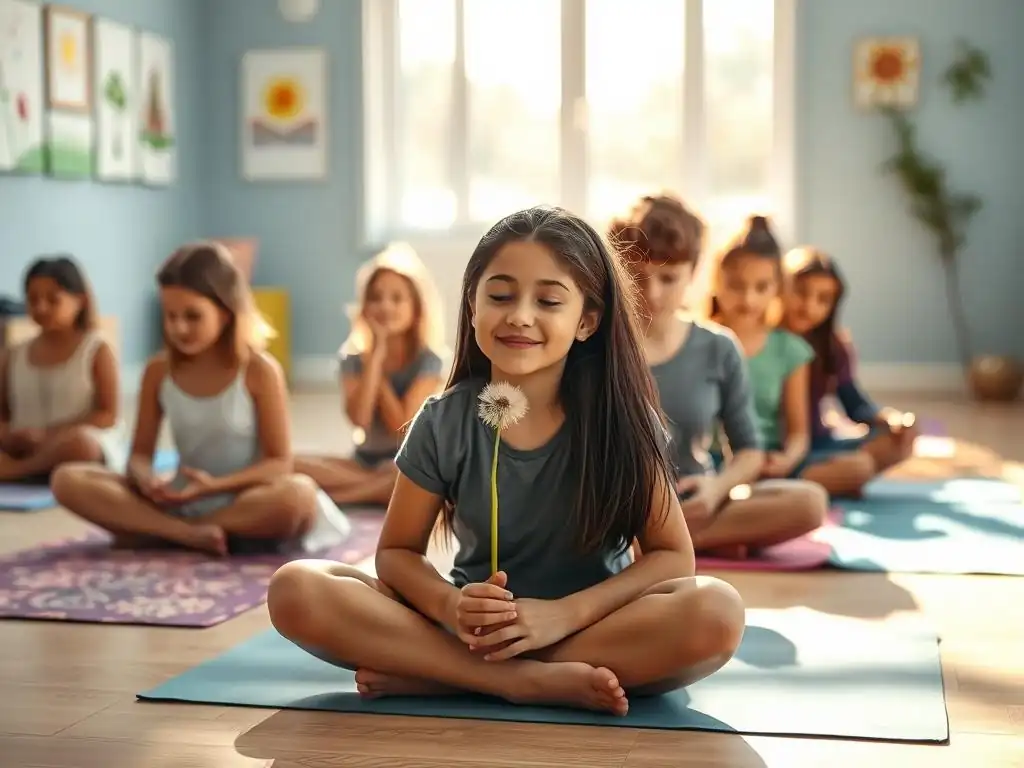
Welcome to Mind Care Guide, your haven for nurturing mental well-being. Are you feeling overwhelmed by the pressures of the classroom, searching for a way to bring calm amidst the chaos? You're not alone. Discover practical and effective mindfulness exercises for classroom stress that can transform your learning environment and empower both students and educators. Curious to learn how simple techniques can make a profound difference? Let's begin your journey to a more mindful and peaceful classroom...
Cultivating Calm and Focus: Mindfulness Practices for the Classroom
- Understanding the Need for Mindfulness in Education
- Mindfulness Practices for Students
- Mindfulness Practices for Educators: Fostering Well-being
- Integrating Mindfulness into Daily Learning
- Addressing Concerns and Adapting Practices
- Assessing the Effectiveness of Mindfulness Initiatives
- Resources for Mindfulness Implementation
-
Frequently Asked Questions
- What are some simple mindfulness exercises that can be easily incorporated into a classroom setting?
- How can mindfulness exercises help students specifically deal with classroom stress?
- What are the benefits of practicing mindfulness regularly for both students and teachers?
- How much time is needed to see the positive effects of mindfulness exercises in the classroom?
- What are some potential challenges to implementing mindfulness in the classroom, and how can they be overcome?
- Final Reflection: Cultivating Calm in the Classroom Storm
- Unleash Your Classroom's Inner Calm: Start Practicing Mindfulness Today!
Understanding the Need for Mindfulness in Education
The Impact of Stress and Anxiety on Learning
Modern educational environments, while stimulating, can also be significant sources of stress and anxiety for students of all ages. Academic pressures, social dynamics, and personal challenges contribute to a heightened state of tension that can directly impede cognitive functions. Research suggests that chronic stress can impair memory, attention, and problem-solving abilities, making it harder for students to absorb and retain information.
For example, a study published in Child Development in 2014 highlighted how high levels of stress hormones like cortisol negatively affect the prefrontal cortex, the brain region critical for executive functions like planning and focus. This physiological response to stress creates a significant barrier to effective learning and can manifest as difficulty concentrating, increased irritability, and decreased academic performance, exacerbating classroom stress.
Beyond academic performance, the emotional toll of stress and anxiety affects students' overall well-being and classroom behavior. High levels of anxiety can lead to withdrawal, avoidance of challenging tasks, or disruptive behaviors as students struggle to cope with overwhelming feelings. A survey conducted by the American Psychological Association in 2018 found that teens reported stress levels higher than those deemed healthy for adults, often citing school as a major stressor.
This indicates a critical need for interventions within the educational setting to help students manage these intense emotions. Implementing effective mindfulness exercises for classroom stress can provide students with practical strategies to navigate these challenges, fostering a more supportive and productive learning environment.
Mindfulness as a Tool for Stress Management and Emotional Regulation
Mindfulness, at its core, is the practice of paying attention to the present moment without judgment. In the context of education, it serves as a powerful tool for helping students and educators alike manage stress and regulate emotions. By learning to observe their thoughts, feelings, and bodily sensations with curiosity rather than reactivity, individuals can create space between an emotional trigger and their response.
This pause allows for more thoughtful and constructive reactions, reducing impulsive behaviors often fueled by stress or anxiety. For instance, a student feeling overwhelmed before a test can use mindfulness to notice their racing heart and anxious thoughts without getting swept away by them, choosing instead to focus on their breath.
Integrating mindfulness exercises for classroom stress equips students with lifelong skills for emotional resilience. These practices teach self-awareness, helping young people identify when they are feeling stressed, frustrated, or sad. This recognition is the first step toward effective emotional regulation.
Instead of suppressing difficult emotions or reacting negatively, mindfulness encourages acceptance and understanding. Studies from institutions like the University of California, Berkeley's Greater Good Science Center have explored how regular mindfulness practice can increase activity in the prefrontal cortex while decreasing activity in the amygdala (the brain's fear center), suggesting a neurological basis for improved emotional control. This ability to navigate their internal landscape empowers students to face challenges with greater calm and confidence, significantly reducing the impact of classroom stress.
Benefits of Mindfulness Practices in the Classroom
Introducing mindfulness practices into the classroom yields a wide array of benefits that extend beyond stress reduction. For students, regular engagement with mindfulness exercises can lead to improved attention spans and enhanced focus, crucial for academic success. A review of studies by the Mindful Schools organization indicated that students in mindfulness programs showed improvements in executive functions, including planning and organization. This heightened focus translates to better engagement with lessons and improved academic outcomes. Furthermore, mindfulness cultivates self-compassion and empathy, fostering more positive social interactions among students and reducing instances of conflict or bullying.
Beyond the individual student, mindfulness contributes to a more positive and supportive classroom climate. When students are better able to manage their emotions and understand others' perspectives, the overall atmosphere becomes calmer and more conducive to learning. Teachers also benefit, experiencing reduced stress and burnout as they integrate these practices and witness the positive changes in their students and classroom dynamics.
A study published in the Journal of Educational Psychology in 2017 found that teachers who practiced mindfulness reported lower levels of stress and higher levels of self-compassion and efficacy. By creating a space where emotional well-being is valued alongside academic achievement, mindfulness exercises for classroom stress not only support individual growth but also transform the collective learning environment into a place of greater presence, kindness, and resilience.
Mindfulness Practices for Students
Breathing Exercises for Calm and Focus
Breathing exercises are foundational mindfulness practices accessible to students of all ages and require no special equipment. They serve as immediate anchors to the present moment and are highly effective in reducing the physiological symptoms of stress, such as a rapid heart rate or shallow breathing. Teaching students simple techniques to control their breath provides them with an on-the-spot tool to regain composure during moments of anxiety or overwhelm, such as before a presentation or during a difficult test.
For example, spending just two minutes practicing focused breathing can help shift the nervous system from a state of fight-or-flight to one of rest and digest, promoting calm and improving cognitive function. These practices are among the most effective mindfulness exercises for classroom stress management.
Regularly incorporating breathing exercises into the school day, perhaps at the beginning of class or after a transitions, helps students build a habit of using their breath as a resource. This consistent practice strengthens their ability to self-regulate over time. Educators can guide students through these exercises, modeling calm and focus.
Even a simple instruction like "Let's take three deep breaths together" can significantly alter the energy in a classroom, bringing a sense of collective calm. These techniques are not only easy to teach but also empower students with a tangible skill they can use anytime, anywhere, making them vital mindfulness exercises for classroom stress reduction.
Box Breathing for Stress Reduction
Box breathing, also known as square breathing, is a simple yet powerful technique ideal for quickly reducing stress and anxiety. It involves inhaling, holding the breath, exhaling, and holding the breath again, each for a count of four. Visualizing tracing a box while doing this can help students stay focused. For instance, inhale for four seconds, hold for four, exhale for four, hold for four, and repeat. This rhythmic pattern helps regulate the breath and calm the nervous system.
This exercise is particularly effective before stressful events like exams or public speaking in class. Teachers can guide students through several rounds, perhaps starting with a count of three or four and gradually increasing as comfort grows. It provides a concrete action students can take when feeling overwhelmed, offering a sense of control over their internal state and serving as an excellent mindfulness exercise for classroom stress.
Ocean Breath for Relaxation
Ocean Breath, or Ujjayi breath, involves breathing through the nose while slightly constricting the back of the throat, creating a soft, oceanic sound. While often used in yoga, a simplified version is accessible for classroom use. Students can practice this by gently narrowing the passage in their throat as they inhale and exhale, focusing on the subtle sound and vibration. This technique promotes deeper, more controlled breathing, which can be very soothing.
Teaching students to use Ocean Breath can help them find a sense of internal calm and focus. It's a gentle way to bring attention inward and tune out external distractions. Practicing this breath for a few minutes can help transition students from a state of excitement or tension to one of relaxation and presence, making it a valuable addition to mindfulness exercises for classroom stress.
Body Awareness Exercises for Presence
Body awareness exercises help students connect with their physical selves in the present moment. Often, when stressed or anxious, individuals become disconnected from their bodies, residing primarily in their thoughts. Bringing attention back to physical sensations anchors them to reality and interrupts the cycle of worry or rumination. Simple practices like noticing the feeling of their feet on the floor or the sensation of their clothes on their skin can be profound in cultivating presence. These exercises are excellent mindfulness exercises for classroom stress as they provide a physical anchor during moments of mental overwhelm.
Regular body awareness practices enhance interoception – the ability to sense the internal state of the body. Improved interoception is linked to better emotional regulation, as individuals become more attuned to the physical signals of stress or other emotions before they become overwhelming. Incorporating short body scans or sensory awareness activities helps students develop this crucial skill. For example, a teacher might ask students to close their eyes for 30 seconds and simply notice any physical sensations they feel, without trying to change them. This simple act validates their current experience and builds their capacity for mindful presence.
Grounding Exercise: 5-4-3-2-1 Technique
The 5-4-3-2-1 technique is a popular grounding exercise that uses the five senses to bring a person back to the present moment, especially effective during moments of anxiety or panic. The instructions are simple: identify 5 things you can see, 4 things you can touch, 3 things you can hear, 2 things you can smell, and 1 thing you can taste. This exercise redirects attention from internal distress to the external environment, providing a strong anchor in reality.
This technique is particularly useful for students experiencing acute classroom stress or feeling overwhelmed. It can be done discreetly at their desk and offers immediate relief by interrupting anxious thought patterns. Teachers can introduce this as a tool students can use independently whenever they feel stressed, empowering them with a practical strategy for managing difficult moments.
Mindful Hand Exercise for Sensory Awareness
A simple yet powerful body awareness practice involves focusing attention on one's hands. Students can be guided to rub their palms together, noticing the friction and warmth. Then, they can hold their hands in front of them and simply observe them, noticing the shape, lines, temperature, and any subtle sensations like tingling or pulsing. The focus is purely on the physical experience, without judgment.
This exercise is excellent for cultivating detailed sensory awareness and bringing attention to a specific part of the body. It's a discreet practice students can do at their desks. By focusing intensely on the physical sensations in their hands, students can anchor themselves in the present moment, providing a brief but effective respite from mental clutter or classroom stress.
Mindful Movement Activities
Incorporating gentle movement into mindfulness practices can be particularly beneficial for students, especially those who find sitting still challenging. Mindful movement involves paying attention to the physical sensations of the body as it moves, fostering a deeper connection between mind and body. These activities can range from simple stretches at their desks to short walking meditations. Movement can also help release pent-up energy and tension, which are common manifestations of classroom stress.
Mindful movement breaks can re-energize students and improve focus, particularly during longer class periods. They offer a physical outlet for stress and restlessness while simultaneously cultivating presence. Even a few minutes of guided, mindful movement can reset the classroom atmosphere and prepare students for renewed concentration. These activities are not about performance or getting the movement "right," but about the quality of attention brought to the physical experience, making them inclusive and non-competitive mindfulness exercises for classroom stress.
Mindful Stretching for Physical and Mental Well-being
Simple mindful stretches can be incorporated into the classroom routine. Students can be guided to gently stretch their arms overhead, twist their torso, or roll their shoulders, paying close attention to the sensations in their muscles as they move. The emphasis is on slow, deliberate movement and noticing how the body feels. This can be done standing beside desks or even seated.
Mindful stretching helps release physical tension often held in the body due to stress or prolonged sitting. By focusing on the physical sensations of stretching, students bring their awareness into their bodies and the present moment, reducing mental chatter. A quick 2-3 minute stretch break can invigorate students and serve as an effective mindfulness exercise for classroom stress relief.
Mindful Listening Walk for Sensory Engagement
A mindful listening walk involves taking a short walk, either around the classroom, school grounds, or a designated quiet area, with the sole intention of paying attention to sounds. Students are encouraged to notice all the different sounds they hear, from the closest and loudest to the most distant and subtle, without labeling or judging them.
This activity sharpens auditory awareness and provides a mobile way to practice mindfulness. It helps students tune into their environment and differentiate between background noise and focused listening. A mindful listening walk can be a refreshing break that reduces stress by shifting focus outward and engaging a different sense, making it a unique form of mindfulness exercises for classroom stress.
Mindfulness Practices for Educators: Fostering Well-being
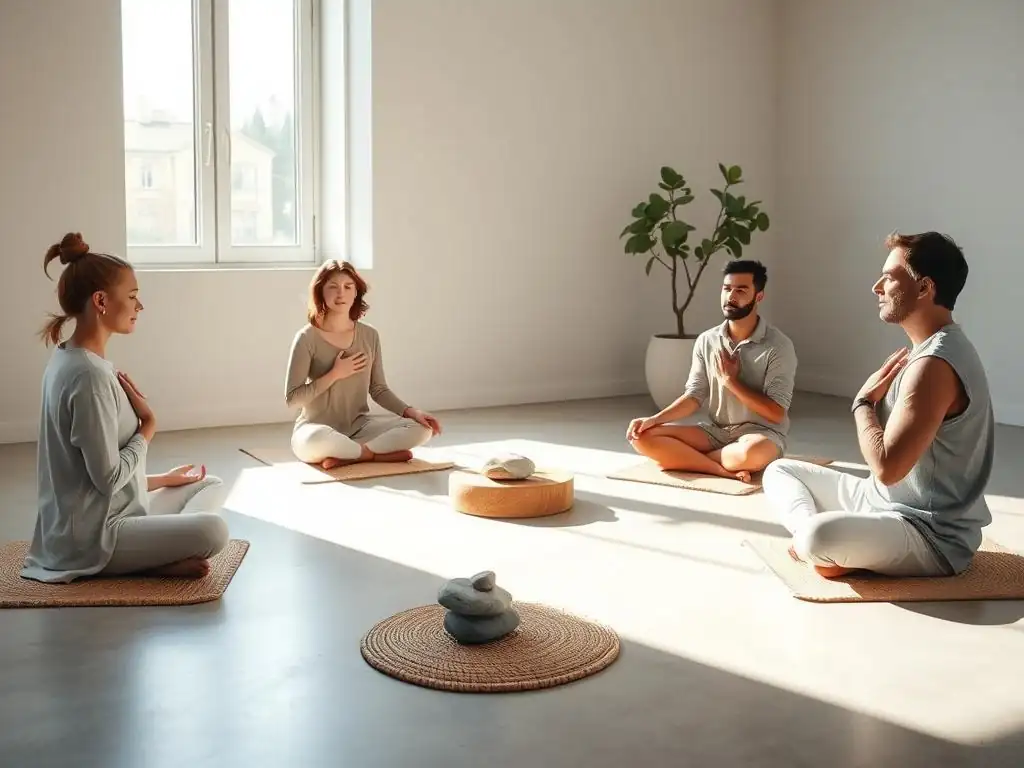
Educator Self-Care: The Importance of Mindfulness
The demanding nature of the teaching profession often leads to high levels of stress and burnout among educators. Teachers are constantly navigating complex classroom dynamics, administrative tasks, and the emotional needs of their students, all while managing their own lives. Prioritizing self-care is not a luxury but a necessity for educators to maintain their effectiveness and well-being.
Mindfulness provides practical tools for teachers to manage their stress, build resilience, and cultivate a greater sense of presence and compassion, both for themselves and their students. Studies have shown that teachers who engage in mindfulness practices report lower levels of emotional exhaustion and higher job satisfaction. For example, a 2016 study published in Mindfulness found that a 9-week mindfulness program for teachers led to significant reductions in psychological distress and improvements in observer-rated classroom organization.
Furthermore, an educator's emotional state significantly impacts the classroom environment. A stressed or overwhelmed teacher can inadvertently contribute to a tense atmosphere, while a calm and present teacher can model emotional regulation and create a more supportive learning space. By engaging in mindfulness practices, educators not only improve their own well-being but also enhance their capacity to connect with students, respond skillfully to challenges, and foster a positive classroom climate.
Integrating mindfulness into their daily routine allows teachers to embody the principles they introduce to their students, making the teaching of mindfulness exercises for classroom stress more authentic and impactful. Investing in educator well-being through mindfulness is an investment in the entire school community.
Short Mindfulness Meditations for Educators
Finding time for extensive mindfulness practice can be challenging for busy educators. However, even short, intentional meditations can offer significant benefits throughout the school day. Practicing brief moments of mindfulness allows teachers to pause, reset, and return to their tasks with renewed focus and calm. These short practices can be integrated during planning periods, before class begins, during lunch breaks, or even between lessons. The key is consistency, even if the duration is short. Regularly taking a few minutes to practice mindfulness can help manage the cumulative stress of the day.
Short meditations help educators cultivate present-moment awareness, enabling them to respond more effectively to unexpected situations and manage their reactions to challenging behaviors. They provide an opportunity to check in with their own emotional state and practice self-compassion. For example, taking just three mindful breaths before responding to a disruptive student can shift the interaction from a reactive one to a more considered and empathetic one. These brief practices are essential mindfulness exercises for classroom stress management for the adults responsible for creating a positive learning environment.
5-Minute Guided Meditation for Stress Relief
A 5-minute guided meditation can be a powerful tool for educators seeking quick stress relief. These meditations often involve focusing on the breath, doing a quick body scan, or offering kind wishes to oneself or others. Many free resources are available online or via apps that provide short guided practices specifically for busy professionals. An educator might find a quiet corner during a break, put on headphones, and follow a guide for five minutes to recenter themselves.
This brief pause allows the nervous system to settle and the mind to quiet down, even temporarily. It provides a valuable opportunity to step back from the demands of teaching and simply be for a few moments. Regularly incorporating a 5-minute meditation can help prevent stress from accumulating throughout the day, acting as a proactive strategy for managing classroom stress experienced by educators.
Mindful Observation of Thoughts and Feelings
This practice involves simply noticing the thoughts and feelings that are present without trying to change or judge them. For an educator, this might mean taking a moment to acknowledge feelings of frustration after a difficult interaction, or noticing worries about the next lesson. The practice is simply to observe these internal experiences with curiosity, perhaps labeling them ("There's a thought about tomorrow's meeting," or "Noticing some frustration").
This exercise builds emotional literacy and non-reactivity. By observing thoughts and feelings as transient events rather than absolute truths, educators can gain perspective and avoid being overwhelmed by difficult emotions. It cultivates a sense of spaciousness around internal experiences, making it easier to respond thoughtfully rather than react impulsively, directly supporting the management of classroom stress.
Mindful Communication Techniques
Mindful communication is about bringing intentional awareness to how we speak and listen. For educators, this is crucial for building positive relationships with students, parents, and colleagues, and for navigating challenging conversations with greater skill and empathy. Mindful communication involves listening deeply to understand, speaking with clarity and kindness, and being present during interactions. It means paying attention not just to the words being exchanged, but also to the tone of voice, body language, and the underlying emotions present.
Practicing mindful communication can significantly reduce misunderstandings and conflict in the school environment, which are often sources of stress for both students and teachers. It fosters an atmosphere of respect and psychological safety, making it easier to address issues constructively. For example, an educator practicing mindful communication might pause before responding to a parent's complaint to ensure they are truly hearing the concern, rather than formulating a defense. This intentional approach transforms interactions from potential stressors into opportunities for connection and mutual understanding, directly impacting the level of classroom stress.
Empathetic Listening for Deeper Connections
Empathetic listening is a core component of mindful communication. It involves listening with the intention to understand the other person's perspective and feelings, rather than just waiting for a turn to speak or formulating a response. For educators, this means giving students or colleagues their full attention, making eye contact, and truly hearing what is being said, including the unspoken emotional content.
Practicing empathetic listening builds trust and rapport. When students feel truly heard and understood by their teachers, they are more likely to feel safe, respected, and supported, which can significantly reduce their classroom stress and improve their engagement. For educators, it provides richer insights into their students' needs and challenges, enabling more effective support.
Mindful Language for Positive Interactions
Mindful language involves choosing words carefully, speaking with kindness, and being aware of the impact of one's words on others. In the classroom, this means using encouraging and supportive language, avoiding harsh criticism, and framing instructions and feedback in a positive or constructive manner. It also involves being mindful of one's tone of voice and non-verbal cues.
Using mindful language creates a positive emotional tone in the classroom. It helps students feel valued and safe to take risks and make mistakes. For educators, practicing mindful language promotes more positive interactions and reduces the likelihood of misunderstandings or hurt feelings that can contribute to classroom stress for everyone involved. It is a conscious effort to use language to build up rather than tear down.
Integrating Mindfulness into Daily Learning
Mindfulness Activities Across Subjects
Mindfulness doesn't need to be confined to separate "mindfulness lessons." It can be woven into the fabric of daily learning across various subjects, reinforcing the practice and demonstrating its relevance to students' academic lives. Integrating mindfulness into subject matter can deepen engagement, improve comprehension, and make learning more enjoyable and less stressful. For instance, before starting a challenging math problem set, students could take a moment to breathe and set an intention to approach the task with patience and focus. This helps manage potential anxiety related to the subject.
Cross-curricular mindfulness activities help students see that mindfulness is a versatile skill applicable to any area of life, not just a technique for relaxation. It can enhance critical thinking, creativity, and problem-solving skills by helping students approach tasks with a clearer, more focused mind. Examples include mindful observation in science class or mindful reading in language arts. These integrations provide practical mindfulness exercises for classroom stress management within the context of academic work.
Mindful Reading for Comprehension
Mindful reading involves paying deliberate attention to the act of reading itself, focusing on the words on the page and the meaning being conveyed, rather than letting the mind wander. Before starting a reading passage, students can take a few mindful breaths to settle their minds. As they read, they can practice noticing when their attention drifts and gently guide it back to the text without judgment.
This practice directly addresses issues of focus and comprehension that can be hindered by distraction and anxiety. By cultivating present-moment awareness during reading, students can better absorb information and engage more deeply with the material. It's an effective way to reduce the stress associated with dense texts or challenging reading assignments and improves overall academic performance.
Mindful Observation in Science
Science provides ample opportunities for mindful observation. Students can be guided to observe plants, insects, chemical reactions, or physical phenomena with focused attention, noticing details they might otherwise overlook. This involves engaging their senses – looking closely, listening attentively, perhaps even carefully touching or smelling (when safe and appropriate) – and describing their observations without immediate interpretation or judgment.
This practice enhances scientific inquiry skills, such as observation and data collection. It encourages patience and attention to detail, crucial for scientific understanding. By approaching observation mindfully, students can reduce the pressure to immediately "figure things out" and simply appreciate the phenomena before them, making it a less stressful and more engaging learning experience.
Creating a Mindful Learning Environment
Establishing a mindful learning environment goes beyond individual practices; it involves cultivating a classroom culture that values presence, kindness, and emotional awareness. This includes both the physical setup of the classroom and the routines and interactions that take place within it. A mindful classroom is one where students feel safe to express themselves, take risks, and manage their emotions with support. It's an environment where stress is acknowledged and addressed proactively, rather than ignored.
Creating such an environment requires intentional effort from the educator. This might involve designating a calm corner, using soft lighting, or incorporating calming visual elements. More importantly, it involves consistently modeling mindful behavior, integrating short mindfulness pauses, and explicitly teaching students how to use mindfulness tools to navigate classroom challenges, including classroom stress. It's about building a shared understanding and commitment to well-being.
Establishing a Calm and Focused Atmosphere
The physical and emotional atmosphere of the classroom significantly impacts students' ability to learn and manage stress. A calm and focused atmosphere is one that minimizes unnecessary distractions, promotes a sense of order, and feels emotionally safe. This might involve organizing the physical space to reduce clutter, using quiet signals for transitions, and establishing clear, predictable routines.
Equally important is the emotional tone set by the educator. Speaking in a calm voice, demonstrating patience, and responding to challenges with presence rather than reactivity contributes to a peaceful environment. When the classroom feels calm and predictable, students are better able to settle their own nervous systems and focus on learning, reducing ambient classroom stress.
Incorporating Regular Mindfulness Pauses
Integrating short, regular mindfulness pauses throughout the school day helps to maintain a calm and focused atmosphere and provides students with consistent opportunities to practice. These pauses can be as short as 30 seconds to a few minutes. Examples include taking three deep breaths before starting an activity, a moment of silence after a transition, or a quick body scan before lunch.
These regular pauses act as mini-resets, helping students transition smoothly between activities, refocus their attention, and check in with their own state of mind and body. They normalize the practice of mindfulness and make it an integral part of the school day, providing consistent tools for managing classroom stress.
Addressing Concerns and Adapting Practices
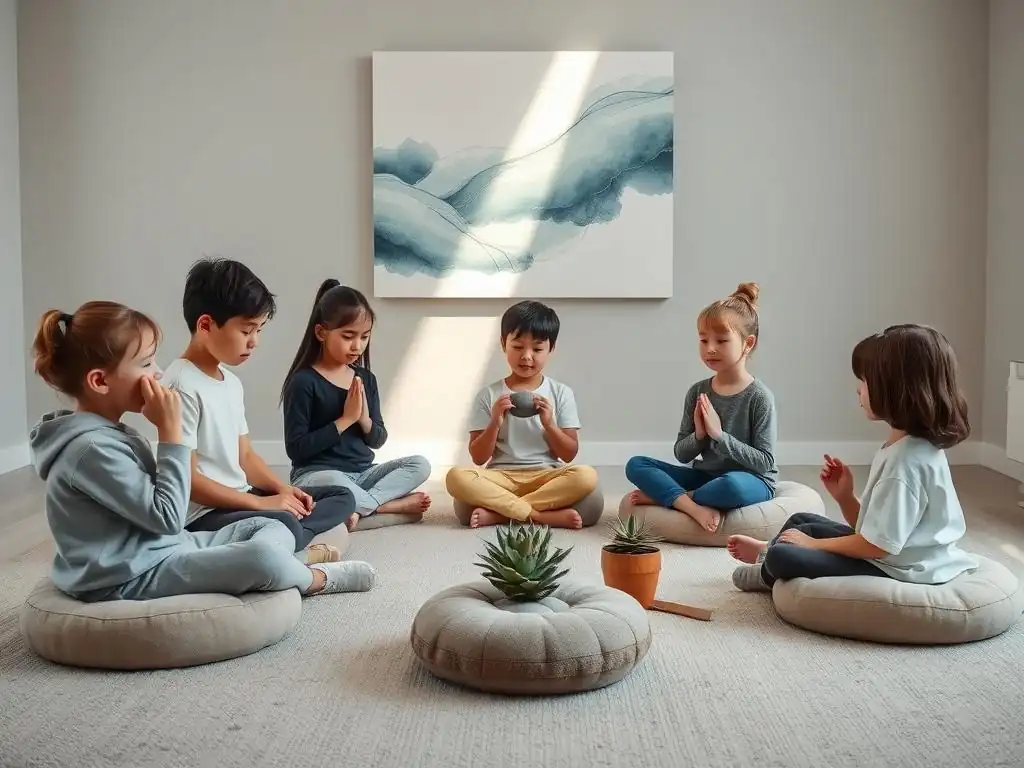
Addressing Skepticism and Misconceptions
Introducing mindfulness into the classroom may sometimes be met with skepticism from parents, colleagues, or even students. Common misconceptions include viewing mindfulness as a religious practice, a waste of valuable academic time, or simply "doing nothing." It's important to address these concerns openly and provide clear, evidence-based explanations of what mindfulness is and how it benefits learning and well-being. Framing mindfulness as a secular mental training technique, similar to physical exercise for the body, can help demystify it. Sharing research findings on the positive impacts of mindfulness on attention, emotional regulation, and academic performance can also help build support.
Educators can proactively address skepticism by being transparent about their intentions and the specific practices they plan to use. Providing resources for parents, like articles or short informational sessions, can help them understand the rationale and benefits. For students, explaining mindfulness in simple, age-appropriate terms and focusing on the tangible benefits they might experience, like feeling calmer or focusing better, can increase their buy-in. Highlighting that these are practical tools for managing classroom stress and improving focus can resonate with students facing academic pressures.
Adapting Mindfulness for Diverse Needs
Classrooms are diverse environments, with students bringing a wide range of backgrounds, experiences, and learning needs. Mindfulness practices need to be adapted to be inclusive and accessible to everyone. This means considering students with different physical abilities, attention spans, cultural backgrounds, and emotional needs. For students who find closing their eyes uncomfortable, suggest a soft gaze downward. For those who struggle with sitting still, incorporate more mindful movement. Offer variations in guided meditations, using different language or focusing on different anchors (like sounds or physical sensations) beyond just the breath.
Cultural sensitivity is also key. While mindfulness is secular, some students or families may associate it with specific religious traditions. Educators should present it as a universal human capacity for attention and awareness. For students with specific learning differences or developmental needs, practices may need to be broken down into smaller steps or incorporated into existing support strategies. The goal is to make mindfulness a supportive tool for all students navigating classroom stress, ensuring practices are flexible and trauma-informed (as discussed below).
Trauma-Sensitive Mindfulness Practices
For students who have experienced trauma, certain mindfulness practices, particularly those that involve closing eyes, body scans, or focusing on internal sensations, can potentially be triggering. A trauma-sensitive approach is essential to ensure mindfulness is a healing and supportive experience, not one that causes distress. This involves offering choices, ensuring practices are invitational rather than mandatory, and prioritizing a sense of safety and control for the student.
Key elements of trauma-sensitive mindfulness include:
- Invitation, Not Obligation: Students should always have the option to opt out of a practice without explanation or judgment.
- Grounding: Emphasize grounding techniques (like feeling feet on the floor) that help students stay connected to the present moment and their physical body in a safe way.
- Open Eyes: Always offer the option to keep eyes open, perhaps with a soft gaze.
- Focus on External Anchors: For some, focusing on sounds in the environment or a visual object might be safer than focusing on internal body sensations.
- Short Duration: Keep practices brief, especially when starting.
- Awareness: Be attuned to students' reactions and provide support if needed.
By implementing these adaptations, educators can ensure that mindfulness exercises for classroom stress are beneficial and safe for every student, including those with histories of trauma.
Assessing the Effectiveness of Mindfulness Initiatives
Monitoring Student Engagement and Well-being
Assessing the impact of mindfulness exercises for classroom stress requires looking beyond just academic metrics. It's crucial to monitor changes in student engagement, emotional well-being, and social-emotional skills. This can be done through various methods, including teacher observations, student self-report surveys (using age-appropriate language), and informal check-ins. Teachers can observe if students appear calmer, more focused, or more resilient in the face of challenges. For example, tracking instances of disruptive behavior or student-reported feelings of anxiety before and after implementing practices can provide valuable data points.
Formal or informal surveys can gauge students' perceptions of their own stress levels, their ability to manage difficult emotions, and their sense of connection to peers and the school community. Questions might include "How often do you feel stressed at school?" or "How easy is it for you to calm down when you're upset?"
Anecdotal evidence from students sharing how they used a breathing technique during a test or a grounding exercise during a conflict is also powerful. Collecting this range of qualitative and quantitative data helps build a comprehensive picture of how mindfulness is impacting student well-being and their ability to navigate classroom stress.
Evaluating Educator Stress Levels and Burnout
The well-being of educators is intrinsically linked to the success of any classroom initiative, including mindfulness. Assessing the impact of mindfulness on educators themselves is therefore vital. This can involve surveys on stress levels, job satisfaction, and feelings of burnout before and after participating in mindfulness training or consistently implementing practices in their classrooms. Confidential questionnaires can provide a safe space for teachers to share their experiences.
Observational data, such as teacher presence and emotional regulation in the classroom, can also offer insights, though this should be done supportively, not judgmentally. Ultimately, reduced educator stress and burnout contribute to a more stable and positive school environment, which in turn benefits students. Tracking metrics like teacher retention rates or reported levels of professional efficacy can also indirectly reflect the positive impact of mindfulness on the adult population within the school community.
Observing Long-Term Impact on School Climate
The most profound impact of integrating mindfulness exercises for classroom stress may be seen in the long-term transformation of the overall school climate. Over time, consistent mindfulness practice by students and educators can foster a culture of greater kindness, empathy, patience, and emotional intelligence throughout the school. This can manifest as fewer disciplinary issues, more positive peer interactions, increased student and teacher attendance, and a stronger sense of community belonging.
Assessing school climate can involve annual surveys administered to students, staff, and parents, asking about perceptions of safety, respect, and emotional support. Data on bullying incidents, conflict resolution, and overall school satisfaction can also provide objective measures.
Observing changes in hallway interactions, cafeteria dynamics, and general school atmosphere can offer qualitative evidence of a shift towards a more mindful and compassionate community. The goal is to create a school where well-being is prioritized, and mindfulness is seen not just as a set of exercises, but as a way of being that permeates the entire environment, significantly reducing systemic classroom stress.
Resources for Mindfulness Implementation
Mindfulness Resources for Educators
Educators looking to bring mindfulness exercises for classroom stress into their teaching practice have a wealth of resources available. Many organizations specialize in providing training and materials specifically designed for school settings. These resources often include lesson plans, guided audio practices, and strategies for integrating mindfulness throughout the school day. Websites and apps dedicated to mindfulness often have sections tailored for educators, offering free or low-cost tools.
Professional development workshops and courses are invaluable for teachers seeking to deepen their understanding and feel confident in guiding students. Organizations like Mindful Schools, Committee for Children (Second Step), and Search Institute offer programs rooted in research and practical application. Accessing these resources ensures educators have the necessary skills and support to effectively implement mindfulness practices and address classroom stress in a meaningful way.
Books and Articles on Mindfulness in Education
Numerous books and articles delve into the theory and practice of mindfulness in educational settings. These publications offer detailed guidance on adapting practices for different age groups, integrating mindfulness into specific subjects, and navigating potential challenges. Authors like Daniel Siegel, Richard Brady, and Patricia Broderick have written extensively on the topic, providing both the scientific rationale and practical strategies.
Reading these materials can help educators build a strong foundation of knowledge and find inspiration for their own classroom initiatives. Academic articles published in educational and psychological journals provide evidence-based research on the effectiveness of various mindfulness interventions, supporting the case for their inclusion as valuable tools for managing classroom stress.
Mindfulness Training Programs for Educators
Participating in structured mindfulness training programs is one of the most effective ways for educators to develop their own practice and learn how to teach mindfulness to others. These programs often involve guided meditation, exploration of mindfulness principles, and practice teaching sessions. Training can range from short workshops to multi-day retreats or semester-long courses.
Investing in educator training ensures that mindfulness is introduced to students by individuals who have a personal practice and a deep understanding of the principles. This authenticity and expertise are crucial for successful implementation. Many programs offer certifications or ongoing support, helping educators sustain their practice and continue to refine their approach to bringing mindfulness exercises for classroom stress relief into their daily work.
Frequently Asked Questions
What are some simple mindfulness exercises that can be easily incorporated into a classroom setting?
Several exercises include focused breathing (paying attention to the breath), body scan meditation (noticing sensations in the body), and mindful listening (paying attention to sounds). These are quick and require minimal preparation.
How can mindfulness exercises help students specifically deal with classroom stress?
Mindfulness helps students become more aware of their stress responses and develop skills to regulate emotions. This leads to improved focus and reduced anxiety, creating a calmer learning environment.
What are the benefits of practicing mindfulness regularly for both students and teachers?
Regular practice can lead to improved emotional regulation, increased self-awareness, and enhanced focus and concentration. Both students and teachers can experience reduced stress and burnout.
How much time is needed to see the positive effects of mindfulness exercises in the classroom?
Even short sessions, as little as 5-10 minutes daily, can have a noticeable impact. Consistency is key for students to develop the skills to manage stress effectively over time.
What are some potential challenges to implementing mindfulness in the classroom, and how can they be overcome?
Challenges may include student resistance or lack of time. Overcome this by introducing exercises gradually, explaining the benefits, and incorporating them into existing routines, making it part of the classroom culture.
Final Reflection: Cultivating Calm in the Classroom Storm
The relentless pace of modern life, especially within the demanding environment of a classroom, often leaves both teachers and students feeling overwhelmed. The need for effective mindfulness practices is not merely a trend; it's a crucial component of fostering a healthy and productive learning environment. Ignoring the pervasive stress impacting our educational systems is simply unsustainable.
The integration of mindfulness exercises into the classroom isn't just about reducing stress; it's about cultivating a deeper connection to oneself and others. It's about fostering empathy, improving focus, and creating a space where learning can truly flourish. As the Dalai Lama wisely stated, The time to repair the roof is when the sun is shining.
By proactively implementing mindfulness techniques, we are not only addressing present challenges but also building resilience and a foundation for future well-being within our educational communities. This proactive approach is essential for creating a supportive and thriving learning environment for everyone involved.
Now, consider how you can integrate even one mindfulness exercise into your daily routine, whether you're a teacher, student, or parent. Perhaps it's a simple breathing exercise during a stressful moment, a mindful walk during your lunch break, or a moment of quiet reflection before beginning your day. Embrace the power of presence; it's not a luxury, but a necessity for navigating the complexities of life and fostering a more peaceful and productive future. Start small, be consistent, and witness the transformative impact of mindfulness on your own well-being and the well-being of those around you.
Unleash Your Classroom's Inner Calm: Start Practicing Mindfulness Today!
Thanks for taking the time to explore the power of mindfulness in education! We hope you gained valuable insights into creating a more focused and peaceful learning environment. Ready to put these techniques into practice?
- Prioritize one mindfulness exercise from the article and try it out with your students tomorrow. Even 5 minutes can make a difference!
- Share this article with fellow educators – let's build a supportive community of mindful teachers!
- Consider experimenting with different mindfulness techniques throughout the week and observe the changes in your classroom dynamics.
What simple mindfulness practice will you integrate into your classroom first, and why?