
Emotional Regulation: How Body Scan Meditation Helps You Navigate Feelings

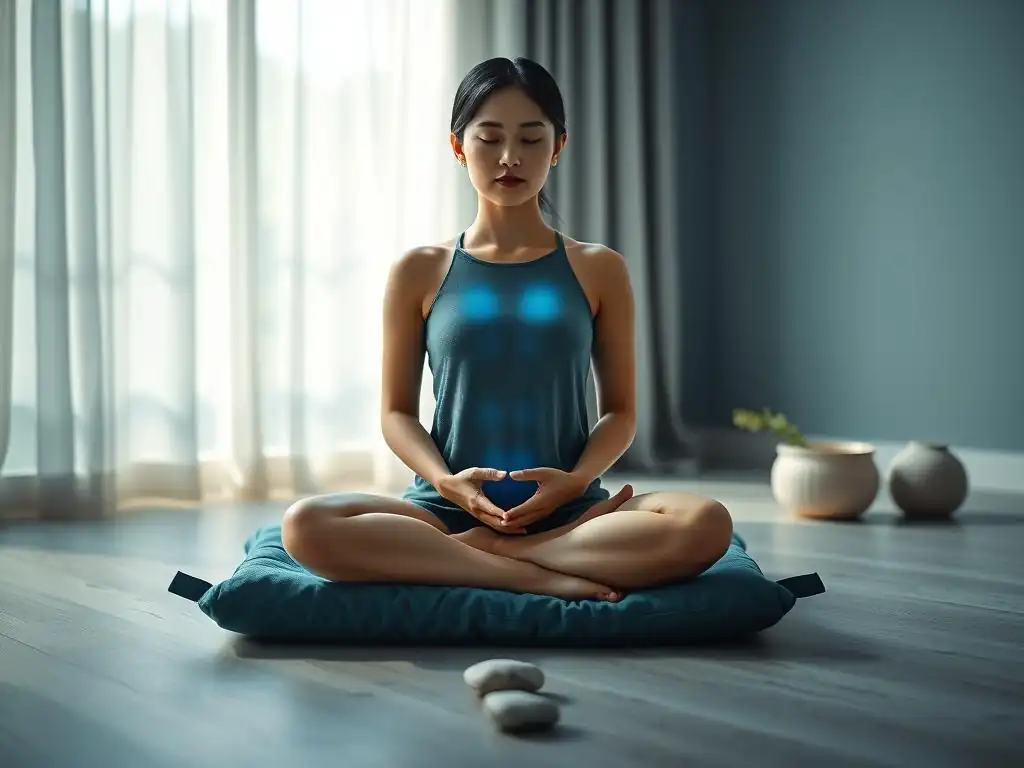
Welcome to Mind Care Guide, a safe space to explore the intricacies of your mental well-being.
Feeling overwhelmed by anxiety? You're not alone. We understand the challenges of navigating intense emotions. This article dives deep into a powerful technique for finding calm amidst the storm: body scan meditation. Discover how this simple practice can unlock profound anxiety relief and help you reconnect with the present moment. Ready to begin your journey towards emotional regulation? Let's explore how.
Emotional Regulation: The Role of Progressive Muscle Relaxation
- Introduction: Emotional Regulation and Relaxation Techniques
- What is Progressive Muscle Relaxation and How Does it Work?
- Progressive Muscle Relaxation for Stress Reduction: A Powerful Tool
- Emotional Regulation Benefits of Progressive Muscle Relaxation
- Practical Tips for Practicing Progressive Muscle Relaxation for Emotional Regulation
- Integrating Progressive Muscle Relaxation into Your Daily Routine
- Progressive Muscle Relaxation and Emotional Regulation: A Mind-Body Connection
- Addressing Common Challenges in Progressive Muscle Relaxation
- Progressive Muscle Relaxation: Beyond Stress Reduction, A Holistic Approach to Wellbeing
- Conclusion: Embracing Progressive Muscle Relaxation for Emotional Balance
-
Frequently Asked Questions
- What is body scan meditation and how does it relate to emotional regulation?
- How can body scan meditation provide anxiety relief?
- How often should I practice body scan meditation for optimal anxiety relief?
- Is body scan meditation suitable for everyone, including those with panic disorder?
- What are some resources available on Mind Care Guide for learning more about body scan meditation and anxiety relief?
- Final Reflection: Finding Calm in the Storm of Emotions
- Unlock Your Inner Calm: Start Practicing Body Scan Meditation Today!
Introduction: Emotional Regulation and Relaxation Techniques
The Importance of Emotional Regulation for Well-being
Emotional regulation is the ability to understand, process, and manage our feelings effectively. It's not about suppressing emotions, but rather about responding to them in healthy and constructive ways. Developing strong emotional regulation skills is fundamental to maintaining mental well-being, building resilient relationships, and navigating life's inevitable challenges with greater ease. When we struggle with emotional regulation, we might find ourselves overwhelmed by intense feelings, reacting impulsively, or withdrawing from situations, which can negatively impact our physical health, social connections, and overall quality of life.
Effective emotional regulation allows individuals to experience the full spectrum of human emotions without being consumed by them. Research consistently shows a strong link between robust emotional regulation abilities and lower rates of anxiety, depression, and stress-related illnesses. For example, studies indicate that individuals with better emotional regulation skills report higher levels of life satisfaction and greater resilience when facing adversity. Learning techniques to manage our internal emotional landscape is therefore not just a coping mechanism, but a vital skill for fostering a balanced and fulfilling existence.
Progressive Muscle Relaxation: A Pathway to Emotional Awareness
Progressive Muscle Relaxation (PMR) is a technique developed in the 1920s by Dr. Edmund Jacobson. It involves systematically tensing specific muscle groups in the body, holding the tension for a few seconds, and then deliberately releasing it. This process is repeated throughout various muscle groups, helping individuals become more aware of physical sensations, particularly the difference between tension and relaxation. While often used for stress reduction, PMR also serves as a powerful tool for cultivating emotional awareness and improving emotional regulation.
By consciously focusing on the physical sensations of tension and release, practitioners of Progressive Muscle Relaxation begin to notice how emotional states manifest physically in their bodies. For instance, anxiety might be felt as tightness in the chest or shoulders, while anger could be experienced as clenching in the jaw or fists.
This heightened body awareness, a key component fostered by PMR, is the first step in emotional regulation – recognizing what you are feeling and where you are holding it. This practice provides a direct, physical pathway to understanding and ultimately managing the connection between your mind and your body's response to emotions.
What is Progressive Muscle Relaxation and How Does it Work?
Defining Progressive Muscle Relaxation: A Simple Explanation
Progressive Muscle Relaxation is a relaxation technique that teaches you to relax your muscles through a two-step process. First, you intentionally create tension in a specific muscle group, such as your hands or shoulders, and hold that tension firmly for a short period, typically 5 to 10 seconds. This deliberate tensing helps you become acutely aware of the physical sensation of tension in that area. The second step involves releasing that tension completely and immediately, allowing the muscles to go limp and noticing the feeling of relaxation that follows.
This systematic approach, moving through different muscle groups from head to toe or vice versa, helps individuals differentiate between the physical state of tension and the physical state of deep relaxation. The core idea is that by learning to control physical tension, you can also learn to reduce mental tension and anxiety. By practicing Progressive Muscle Relaxation regularly, the body learns to relax more easily and deeply, which can have profound effects on both physical and emotional states. It's a trainable skill that improves with consistent practice.
The Process of Progressive Muscle Relaxation: A Step-by-Step Guide
The standard practice of Progressive Muscle Relaxation typically involves moving through approximately 10 to 16 major muscle groups in a specific order. While variations exist, a common sequence might start with the hands and arms, move to the face and neck, then the shoulders and back, followed by the abdomen and chest, and finally the legs and feet. For each muscle group, the process is: tense the muscles firmly but without straining, hold for 5-10 seconds, and then release completely, resting for 15-20 seconds before moving to the next group.
Here is a simplified example sequence:
- Hands: Make tight fists. Hold. Release.
- Wrists and Forearms: Bend wrists back. Hold. Release.
- Biceps and Triceps: Curl arms up, tense biceps. Hold. Release.
- Shoulders: Shrug shoulders up to ears. Hold. Release.
- Forehead: Raise eyebrows high. Hold. Release.
- Eyes and Cheeks: Squint eyes tightly, grin. Hold. Release.
- Jaw: Clench teeth. Hold. Release.
- Neck: Press head back slightly. Hold. Release. (Use caution, avoid strain)
- Upper Back: Pull shoulders back. Hold. Release.
- Stomach: Tighten abdominal muscles. Hold. Release.
- Buttocks: Clench gluteal muscles. Hold. Release.
- Thighs: Tighten thigh muscles. Hold. Release.
- Lower Legs and Feet: Point toes up, flex feet. Hold. Release.
It's recommended to practice in a quiet, comfortable place, perhaps lying down or sitting supported. Paying close attention to the sensations during both the tension and release phases is crucial to experiencing the full benefits of Progressive Muscle Relaxation.
Connecting with Your Body: Tension and Emotional Release
Progressive Muscle Relaxation works on the principle that physical tension is often linked to mental and emotional states, particularly stress and anxiety. By deliberately creating and releasing physical tension, you actively engage in a process that can help release stored emotional tension as well. The act of consciously letting go of muscle tightness sends signals to the brain that it is safe to relax, counteracting the body's stress response which often involves muscle bracing and tension.
For many people, emotional stress manifests as chronic, often unconscious, muscle tension in areas like the neck, shoulders, jaw, or lower back. Through PMR, you become acutely aware of where you hold this tension. This awareness is a critical step in emotional regulation, as it allows you to recognize the physical cues associated with certain emotions or stress levels as they are happening. The subsequent release phase in PMR not only physically relaxes the muscles but also signals a relaxation response in the nervous system, which can diffuse associated emotional intensity, offering a tangible feeling of release.
Progressive Muscle Relaxation for Stress Reduction: A Powerful Tool
How Progressive Muscle Relaxation Reduces Stress Symptoms
Progressive Muscle Relaxation is widely recognized as an effective technique for reducing the physical and psychological symptoms of stress. By systematically tensing and releasing muscle groups, PMR interrupts the body's "fight or flight" response, which is often triggered by stress. This stress response leads to muscle tightening, increased heart rate, and shallow breathing. The deliberate practice of releasing muscle tension helps to reverse these physiological changes, promoting a state of calm.
Regular practice of Progressive Muscle Relaxation has been shown to lower overall muscle tension, decrease heart rate, and reduce blood pressure. These physiological changes directly counteract the effects of chronic stress. Furthermore, the focused attention required during PMR acts as a form of mindfulness, diverting the mind from anxious thoughts and worries and anchoring it in the present physical experience. This mental shift contributes significantly to reducing the psychological burden of stress, making it a powerful tool for stress management.
The Science Behind Progressive Muscle Relaxation and Stress
The effectiveness of Progressive Muscle Relaxation in stress reduction is supported by scientific understanding of the autonomic nervous system. The autonomic nervous system has two main branches: the sympathetic nervous system (responsible for the "fight or flight" response) and the parasympathetic nervous system (responsible for the "rest and digest" response). Stress activates the sympathetic nervous system, leading to muscle tension and other physical symptoms.
Progressive Muscle Relaxation actively engages the parasympathetic nervous system. The deliberate act of relaxing muscles sends signals to the brain that the threat has passed, allowing the parasympathetic system to become dominant. This shift results in a decrease in stress hormones like cortisol, a slowing of heart rate, and a reduction in muscle tension.
Studies, including a meta-analysis published in the Journal of Consulting and Clinical Psychology, have demonstrated that relaxation techniques like PMR can lead to significant reductions in perceived stress and physiological markers of stress in diverse populations. For instance, some studies have reported reductions in cortisol levels by as much as 20-40% after consistent practice over several weeks.
Grounding in the Present Moment: Reducing Overthinking
One of the key benefits of Progressive Muscle Relaxation for stress and anxiety relief is its ability to ground you firmly in the present moment. When feeling stressed or anxious, the mind often races, dwelling on past problems or future worries. This overthinking fuels the stress response and makes it difficult to find calm. PMR provides a direct, physical anchor to the 'here and now'.
As you move through each muscle group, focusing intently on the sensations of tension and release, your attention is pulled away from abstract thoughts and directed towards tangible physical experiences. This intense focus on bodily sensations acts as a powerful form of mindfulness, interrupting the cycle of rumination and worry. By repeatedly bringing your awareness back to your body, Progressive Muscle Relaxation trains your mind to stay present, reducing the mental space available for anxious overthinking and fostering a sense of calm control over your attention.
Emotional Regulation Benefits of Progressive Muscle Relaxation
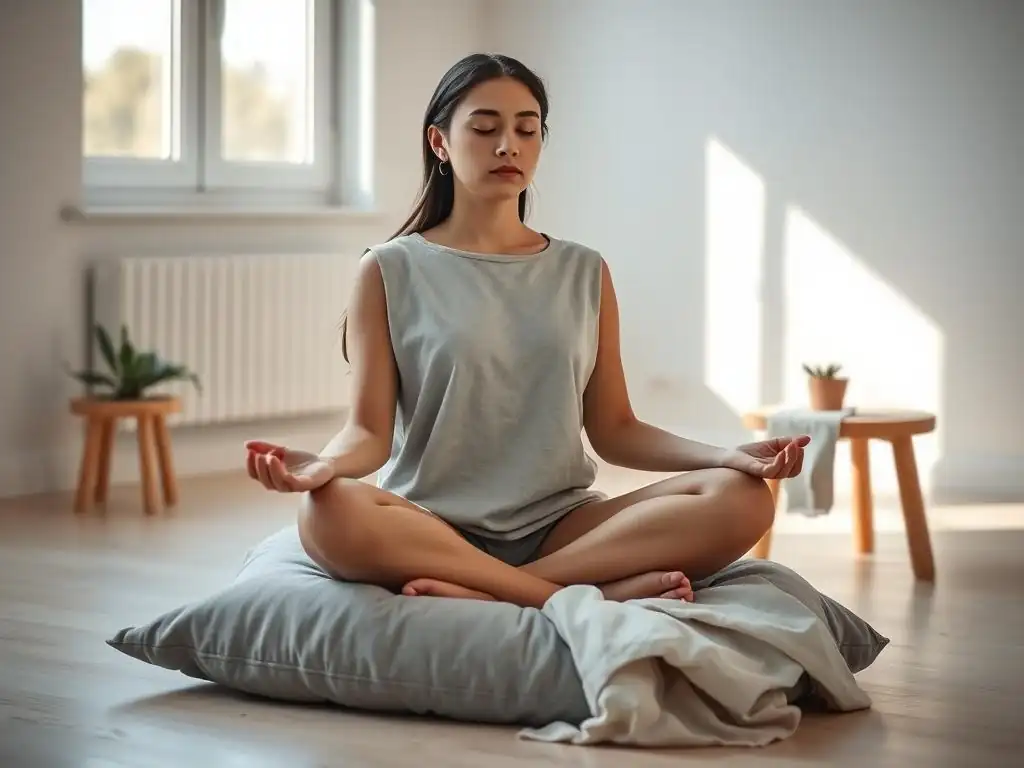
Increased Self-Awareness and Emotional Intelligence
Regular practice of Progressive Muscle Relaxation significantly enhances self-awareness, particularly awareness of the mind-body connection. By systematically scanning the body for tension and consciously releasing it, individuals become more attuned to how different emotions manifest physically. For example, they might learn that frustration leads to tension in their jaw or that worry settles in their stomach or shoulders. This recognition is a foundational step in developing emotional intelligence.
This heightened awareness allows individuals to identify emotional states as they are arising, rather than only realizing how they feel after the emotion has become overwhelming. Knowing that tightness in your chest is a sign of anxiety or that clenching your fists indicates anger provides a crucial opportunity to pause and choose a conscious response instead of reacting automatically. This improved ability to recognize and label emotions based on physical cues is a direct benefit of the body-focused attention cultivated by Progressive Muscle Relaxation.
Improved Stress Management and Resilience
As previously discussed, Progressive Muscle Relaxation is a potent tool for managing stress, and improved stress management is intrinsically linked to better emotional regulation and resilience. Chronic stress can severely impair our ability to regulate emotions, making us more irritable, reactive, and prone to feeling overwhelmed. By reducing baseline stress levels through PMR, individuals create a buffer that allows them to handle emotional challenges more effectively.
When the body is less burdened by chronic tension and the nervous system is calmer, individuals are better equipped to process difficult emotions without becoming completely dysregulated. They can approach challenging situations with a clearer mind and a more settled body. This enhanced capacity to manage stress and recover from its effects builds emotional resilience, making individuals better able to bounce back from setbacks and maintain emotional stability even amidst adversity.
Enhanced Emotional Control and Stability
Progressive Muscle Relaxation contributes to enhanced emotional control not by suppressing feelings, but by providing a means to influence the physical arousal associated with intense emotions. Strong emotions like fear, anger, or excitement often come with significant physiological changes – rapid heartbeat, muscle tension, shallow breathing. These physical sensations can amplify the emotional experience and make it feel overwhelming.
By practicing PMR, individuals learn to consciously release muscle tension, which can help to dampen the intensity of these physical arousal symptoms. This doesn't eliminate the emotion, but it can reduce its overwhelming physical force, making it easier to think clearly and respond thoughtfully rather than react impulsively. Over time, this practice fosters a greater sense of stability, as individuals feel more capable of navigating intense emotional states without being swept away by them.
Cultivating Self-Compassion and Body Awareness
Engaging in Progressive Muscle Relaxation is an act of self-care that inherently cultivates self-compassion and deepens body awareness. Taking the time to intentionally connect with your physical self, noticing areas of tension without judgment and actively working to release them, is a gentle and nurturing practice. It encourages a kinder relationship with your body, recognizing it as a source of information about your internal state.
As you become more attuned to your body through PMR, you also become more aware of its needs and signals. This can extend to recognizing when you are tired, hungry, or experiencing the physical onset of stress or emotion. This awareness, combined with the practice of gentle release, fosters a sense of self-compassion – treating your body and your emotional state with kindness and understanding. It moves away from viewing physical tension or difficult emotions as failures, instead seeing them as signals that require attention and care, which is fundamental for emotional well-being.
Practical Tips for Practicing Progressive Muscle Relaxation for Emotional Regulation
Creating a Comfortable and Supportive Environment
To maximize the benefits of Progressive Muscle Relaxation for emotional regulation, it's important to create a setting that supports relaxation. Choose a quiet space where you are unlikely to be interrupted. Dim the lights if possible, and ensure the temperature is comfortable. You can lie down on a mat or bed, or sit in a comfortable chair that supports your head and limbs. Loose clothing will help you feel less restricted.
While some people prefer silence, others find gentle, calming music or nature sounds helpful. Experiment to see what works best for you. The key is to minimize external distractions so you can focus fully on the internal sensations of tension and release. Making this space consistently available can also serve as a cue for your body and mind that it's time to relax and connect with your internal state.
Focusing on Tension and Release
The core of Progressive Muscle Relaxation is the deliberate focus on the contrast between tension and relaxation. As you tense a muscle group, pay close attention to where you feel the tension and what it feels like – is it a tightness, a hardness, a pulling sensation? Hold it just long enough to register the feeling firmly, but avoid straining or causing pain.
When you release the tension, shift your focus entirely to the feeling of letting go. Notice the warmth, heaviness, or looseness that replaces the tension. Spend adequate time (15-20 seconds) savoring this feeling of relaxation before moving to the next muscle group. This mindful attention to the transition from tension to release is what trains your body and mind to recognize and achieve a state of deep relaxation, a skill that can then be applied when managing emotional states.
Dealing with Difficult Emotions and Sensations During Relaxation
Sometimes, while practicing Progressive Muscle Relaxation, you might become aware of uncomfortable physical sensations or difficult emotions that you weren't consciously aware of before. This is a normal part of the process, as relaxing the body can sometimes bring buried feelings or physical discomfort to the surface. Approach these experiences with curiosity and non-judgment, rather than trying to push them away.
Acknowledge the sensation or emotion without analyzing it or getting lost in a narrative about it. Use the PMR process itself as a tool: notice where the discomfort or emotion feels physically held in your body, tense that area gently if appropriate (or the surrounding areas), and then release, focusing intensely on the feeling of letting go.
Remember that you are creating a safe space to notice these things; you don't have to fix them immediately. If an emotion feels overwhelming, you can pause the PMR, take a few slow, deep breaths, and perhaps resume when you feel ready, or choose to end the session gently.
Progressive Muscle Relaxation Techniques for Specific Emotions
While PMR is a general relaxation technique, its focus on body awareness makes it particularly useful for addressing the physical manifestations of specific emotions. For instance, if you notice that anxiety consistently causes tension in your shoulders and chest, you can pay extra attention to these areas during your PMR practice, spending more time tensing and releasing them. This focused release can help alleviate the physical discomfort associated with that anxiety.
Similarly, if anger manifests as jaw clenching or tightness in the fists, consciously working through the hand, arm, and jaw muscle groups during PMR can provide a physical outlet for releasing that tension. By practicing PMR regularly, you build a repertoire of how different emotions feel physically, and you train your body in how to release the associated tension. This gives you a practical tool to use in moments when you start feeling the physical signs of a specific difficult emotion arising, helping you manage its intensity.
Integrating Progressive Muscle Relaxation into Your Daily Routine
Starting with Short Sessions and Gradually Increasing Duration
Integrating Progressive Muscle Relaxation into your daily life is key to experiencing its long-term emotional regulation benefits. If a full-body scan feels too long or daunting initially, start with shorter sessions focusing on just a few key muscle groups where you typically hold tension, such as the shoulders, neck, and jaw. Even 5-10 minutes of focused PMR can provide noticeable relief and help build consistency.
As you become more comfortable with the technique and experience its positive effects, you can gradually increase the duration and include more muscle groups until you are doing a full-body scan, which typically takes 15-20 minutes. Consistency is more important than duration in the beginning. Aim to practice at the same time each day, perhaps before bed to aid sleep, or during a mid-day break to reset and reduce accumulated tension.
Using Progressive Muscle Relaxation as a Tool for Emotional Check-ins
Beyond scheduled practice, Progressive Muscle Relaxation can be used spontaneously throughout the day as a quick emotional check-in and regulation tool. When you notice yourself feeling stressed, overwhelmed, or experiencing a strong emotion, take a moment to pause. Without needing to go through the full routine, you can quickly tense and release just the muscle groups where you feel that emotion settling.
For example, if you feel frustration building and notice tension in your jaw and shoulders, you can simply take a deep breath, gently tense those specific areas for a few seconds, and then release completely with an exhale. This brief, targeted application of PMR can help interrupt the physical stress response associated with the emotion, providing immediate, albeit temporary, relief and creating space to respond more thoughtfully.
Combining Progressive Muscle Relaxation with Other Relaxation Practices
Progressive Muscle Relaxation can be effectively combined with other relaxation and mindfulness practices to enhance its emotional regulation benefits. For instance, pairing PMR with deep diaphragmatic breathing can deepen the relaxation response, as conscious breathing patterns directly influence the nervous system. You can focus on slow, steady breaths throughout the PMR process, particularly during the release phase.
Integrating PMR with mindfulness meditation can also be powerful. After completing a PMR session, you might transition into a period of seated mindfulness, observing thoughts and feelings without judgment from a more relaxed physical state. Gentle stretching or yoga can also complement PMR by further increasing body awareness and releasing physical tension. Experimenting with combinations can help you find the most effective approach for your personal emotional regulation needs.
Progressive Muscle Relaxation and Emotional Regulation: A Mind-Body Connection

The Role of the Parasympathetic Nervous System in Emotional Regulation
The parasympathetic nervous system (PNS) plays a crucial role in emotional regulation by acting as the body's "brake pedal," counteracting the "gas pedal" action of the sympathetic nervous system (SNS), which drives the stress response. When the PNS is activated, it promotes a state of rest, relaxation, and recovery. This calm state is essential for effective emotional processing; it allows the prefrontal cortex, the part of the brain responsible for rational thought and emotional regulation, to function optimally.
Conversely, when the SNS is dominant due to stress or intense emotion, resources are diverted away from the prefrontal cortex towards survival functions, making it harder to think clearly, manage impulses, and regulate emotions. A well-functioning PNS helps to quickly bring the body back to a state of equilibrium after a stressful event or intense emotion, preventing prolonged physiological arousal that can lead to emotional dysregulation and exhaustion. Strengthening PNS activity is therefore a direct way to improve emotional resilience.
How Progressive Muscle Relaxation Calms the Nervous System
Progressive Muscle Relaxation is a direct method for activating the parasympathetic nervous system. The core mechanism involves teaching the body to move from a state of tension (often linked to SNS activation) to a state of deep relaxation (linked to PNS activation). By deliberately tensing and then completely releasing muscle groups, you send powerful signals to the brain that the body is transitioning out of a state of readiness or perceived threat.
This conscious shift from tension to relaxation helps to 'switch off' the sympathetic response and 'switch on' the parasympathetic response. Physiologically, this results in a cascade of calming effects: heart rate slows down, breathing becomes deeper and more regular, blood pressure decreases, and stress hormone levels decline. This calming of the nervous system creates a physiological foundation for emotional regulation, making it easier to manage stress, reduce anxiety, and respond to challenging emotions with greater control and stability.
Addressing Common Challenges in Progressive Muscle Relaxation
Difficulty Focusing and Mind Wandering
One of the most common challenges when starting Progressive Muscle Relaxation is difficulty keeping the mind focused on the body sensations; thoughts often wander to worries, to-do lists, or distractions. It's important to understand that mind wandering is a normal function of the brain, not a sign of failure. The key is how you respond to it.
When you notice your mind has wandered, gently acknowledge the thoughts without judgment. Then, compassionately redirect your attention back to the specific muscle group you are working on and the sensations of tension and release. Think of it as exercising a muscle – the more you practice gently bringing your attention back, the stronger your focus becomes. Don't strive for a completely blank mind, but rather for the ability to notice when you've drifted and return to the practice.
Experiencing Uncomfortable Sensations or Emotions
As mentioned earlier, PMR can sometimes bring awareness to uncomfortable physical sensations like pain, tingling, or stiffness, or trigger difficult emotions such as sadness, anger, or anxiety. It's crucial to approach these experiences with patience and self-compassion. If a sensation is painful, avoid tensing that area or tense it very gently, focusing instead on the release and the feeling of relaxation in adjacent areas.
If difficult emotions arise, allow yourself to feel them without judgment. You can pause the PMR practice and simply sit with the emotion for a few moments, perhaps focusing on your breath, before deciding whether to continue or end the session. Remember that becoming aware of these sensations and emotions is part of the process of understanding yourself better. It's okay to feel uncomfortable; the practice is about learning to be present with discomfort and finding ways to move towards ease, not about eliminating all difficult feelings.
Maintaining Consistency in Your Practice
Like any skill, the benefits of Progressive Muscle Relaxation for emotional regulation are cumulative and depend on consistent practice. Finding the time and motivation to practice regularly can be a challenge in a busy life. Try to schedule PMR into your day like any other important appointment. Even short, frequent sessions are more beneficial than infrequent long ones.
Identify cues that can prompt your practice, such as practicing immediately after waking up, before going to bed, or during a lunch break. Use technology like phone reminders or relaxation apps. Track your practice in a journal or app to see your progress. Be patient with yourself; missing a session occasionally is okay. The goal is to build a sustainable habit over time, gradually integrating PMR as a regular part of your self-care and emotional regulation strategy.
Progressive Muscle Relaxation: Beyond Stress Reduction, A Holistic Approach to Wellbeing
Progressive Muscle Relaxation for Pain Management
Progressive Muscle Relaxation can be a valuable complementary therapy for managing chronic pain. Pain often leads to muscle guarding and tension in an effort to protect the affected area, which paradoxically can worsen the pain cycle. By systematically relaxing muscles throughout the body, PMR can help reduce this secondary tension, potentially decreasing overall pain levels and improving mobility.
Furthermore, the practice of focusing on the difference between tension and relaxation can help individuals shift their attention away from the pain itself, providing a form of distraction and increasing their sense of control over their physical state. Studies have shown that relaxation techniques including PMR can be effective in reducing the severity of conditions like tension headaches, lower back pain, and fibromyalgia symptoms. For instance, some research indicates that PMR can lead to a significant reduction in headache frequency and intensity.
Progressive Muscle Relaxation for Insomnia and Sleep Improvement
Difficulty falling asleep or staying asleep is often linked to physical tension and a racing mind. Progressive Muscle Relaxation is a highly effective technique for promoting sleep by addressing both of these issues. Practicing PMR before bed can help release the accumulated physical tension from the day, creating a more relaxed state conducive to sleep.
The focused nature of PMR also helps to quiet the mind, diverting attention from anxious thoughts or worries that can keep you awake. By systematically relaxing the body, PMR signals to the nervous system that it is time to rest, facilitating the transition into sleep. Many individuals find that incorporating a PMR routine into their nightly wind-down significantly reduces the time it takes to fall asleep and improves sleep quality.
Progressive Muscle Relaxation for Improved Physical Health
Beyond its direct effects on stress and tension, the regular practice of Progressive Muscle Relaxation can contribute to overall improved physical health. By activating the parasympathetic nervous system and reducing the chronic effects of the stress response, PMR can positively impact various bodily systems.
Reduced stress levels achieved through PMR have been linked to improved cardiovascular health, potentially lowering the risk of heart disease over time. It can also support a healthier immune system, as chronic stress is known to suppress immune function. By fostering better body awareness, PMR can also encourage individuals to pay more attention to other physical needs, leading to healthier lifestyle choices. While not a cure for physical ailments, PMR serves as a valuable tool within a holistic approach to well-being, supporting the body's natural capacity for health and recovery.
Conclusion: Embracing Progressive Muscle Relaxation for Emotional Balance
The Long-Term Benefits of Consistent Practice
Embracing Progressive Muscle Relaxation as a regular practice offers significant long-term benefits for emotional balance and overall well-being. It's not just a quick fix for acute stress, but a skill that strengthens your capacity for emotional regulation over time. Consistent practice builds resilience, making you less susceptible to the overwhelming effects of stress and difficult emotions.
Over weeks and months of practicing Progressive Muscle Relaxation, you develop a deeper connection with your body, enhanced self-awareness, and a greater ability to recognize and release tension proactively. This leads to improved emotional intelligence, greater stability in navigating life's ups and downs, and a sustained reduction in the physical toll of stress. The cumulative effect is a more balanced emotional life and a stronger sense of control over your internal state.
Resources for Learning More About Progressive Muscle Relaxation and Emotional Regulation
To deepen your understanding and practice of Progressive Muscle Relaxation for emotional regulation, numerous resources are available. Many mental health professionals, including therapists and counselors, teach relaxation techniques like PMR as part of stress management and anxiety treatment. They can provide personalized guidance and support.
Various self-help books, online guides, and mobile applications offer detailed instructions and guided audio sessions for Progressive Muscle Relaxation. Organizations focused on mental health and wellness often provide free resources and workshops on relaxation techniques. Exploring these resources can help you refine your technique, find variations that suit you, and integrate PMR effectively into your journey towards greater emotional well-being.
Frequently Asked Questions
What is body scan meditation and how does it relate to emotional regulation?
Body scan meditation is a mindfulness technique where you systematically focus on different parts of your body, noticing sensations without judgment. It promotes emotional regulation by increasing awareness of physical sensations associated with emotions, helping you manage emotional responses more effectively.
How can body scan meditation provide anxiety relief?
Body scan meditation reduces anxiety by grounding you in the present moment, shifting focus away from anxious thoughts about the future or rumination on the past. It activates the parasympathetic nervous system, promoting relaxation and reducing physiological symptoms of anxiety.
How often should I practice body scan meditation for optimal anxiety relief?
While frequency varies, aiming for 10-20 minutes daily can provide significant anxiety relief. Even short sessions of 5-10 minutes can be beneficial, especially when starting out. Consistency is key for developing mindfulness skills.
Is body scan meditation suitable for everyone, including those with panic disorder?
While generally safe, individuals with panic disorder should approach body scan meditation with caution and potentially under the guidance of a therapist. Pay attention to how your body responds and stop if you experience increased distress. Modifications may be needed.
What are some resources available on Mind Care Guide for learning more about body scan meditation and anxiety relief?
Mind Care Guide offers articles, guided meditations, and resources specifically focused on body scan meditation techniques and their application for anxiety management. Search the site for "body scan meditation" or "anxiety relief" to explore available content.
Final Reflection: Finding Calm in the Storm of Emotions
The ability to effectively regulate emotions is not a luxury, but a fundamental skill for navigating the complexities of modern life. Anxiety, stress, and overwhelming feelings are pervasive challenges, impacting our mental and physical well-being. This article explored how the simple yet powerful practice of body scan meditation offers a tangible pathway towards managing these challenges and cultivating inner peace.
The impact of body scan meditation extends far beyond the individual. By fostering self-awareness and emotional intelligence, this practice contributes to a more compassionate and understanding society. It's a tool that empowers us to respond to life's stressors with greater resilience and clarity, rather than reacting impulsively. The mind is everything. What you think you become.
– Buddha. This quote highlights the profound connection between our mental state and our overall experience, a connection body scan meditation helps us actively cultivate and manage. The practice encourages a mindful approach to our internal landscape, allowing us to observe our emotions without judgment, a crucial step towards healing and growth.
Now, consider how you can integrate this practice into your own life. Start small, perhaps with just five minutes a day. Notice the sensations in your body, the rise and fall of your breath, and the subtle shifts in your emotional state.
Don't strive for perfection; simply allow yourself to be present. By embracing the power of body scan meditation, you are not only investing in your own well-being but also cultivating a deeper understanding of yourself and your capacity for inner peace. This journey towards emotional regulation is a lifelong process, and each mindful breath is a step closer to a calmer, more fulfilling life.
Unlock Your Inner Calm: Start Practicing Body Scan Meditation Today!
Thanks for taking the time to explore the power of body scan meditation for emotional regulation! We hope you gained valuable insights into this simple yet profound practice. Now it's time to put your newfound knowledge into action.
- Begin your daily body scan meditation: Even 5 minutes a day can make a significant difference in your emotional well-being. Find a quiet space and try the guided meditation techniques discussed in the article. This is your primary step toward emotional mastery.
- Share your experience: Connect with others on their emotional wellness journey by sharing your thoughts and experiences with body scan meditation on our social media channels. Let's build a supportive community together!
- Explore different variations: Experiment with different guided meditations or body scan apps to find what resonates best with you. Each variation offers a unique path to emotional harmony.
Ready to embrace a calmer, more emotionally balanced you? What small step will you take today to integrate body scan meditation into your daily routine?