
Your First 5 Minutes: Simple Guided Meditations to Get Started

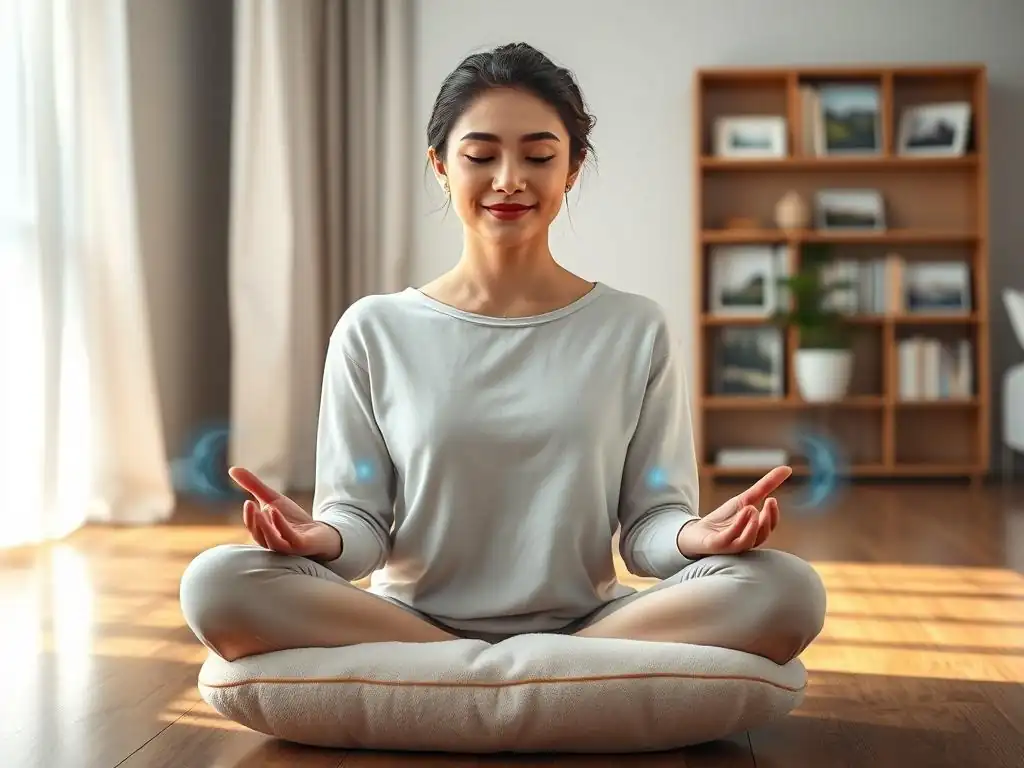
Welcome to Mind Care Guide, your sanctuary for mental well-being.
Feeling overwhelmed by anxiety and unsure where to start? You're not alone. Discover the transformative power of mindfulness with our guide, "Your First 5 Minutes: Simple Guided Meditations to Get Started." This article offers practical, easy-to-follow guided meditation for beginners anxiety, designed to gently introduce you to a world of calm and inner peace. Ready to reclaim your tranquility? Let's begin…
Your First 5 Minutes: Simple Guided Meditations to Get Started
- Introduction to Guided Meditation for Beginners
-
5-Minute Guided Meditation Scripts for Beginners
- Guided Meditation Script 1: Focused Breathing for Anxiety Relief
- Guided Meditation Script 2: Body Scan for Relaxation
- Guided Meditation Script 3: Loving-Kindness Meditation (Metta) for Beginners
- Guided Meditation Script 4: Visualization for Stress Reduction
- Guided Meditation Script 5: Gratitude Meditation for a Positive Mindset
- Tips for a Successful 5-Minute Guided Meditation Experience
- Integrating Guided Meditation into Your Daily Routine
- Advanced Techniques and Resources for Further Exploration
- Conclusion: Embracing the Power of Guided Meditation for Anxiety Relief
-
Frequently Asked Questions
- What is guided meditation and how can it help with anxiety?
- Is guided meditation suitable for beginners who have never meditated before?
- How often should I practice guided meditation to see a reduction in my anxiety levels?
- What are some benefits of using guided meditation specifically for anxiety relief?
- Where can I find reliable guided meditation resources for beginners struggling with anxiety?
- Final Reflection: Finding Stillness in the Storm of Anxiety
- Unwind Your Mind: Start Your Meditation Journey Now!
Introduction to Guided Meditation for Beginners
What is Guided Meditation and Why is it Effective?
Guided meditation is a form of meditation where a teacher or guide leads participants through the practice, often using verbal cues, visualizations, or breathing instructions. This guidance is particularly helpful for beginners who may find it challenging to quiet their minds or know where to start. The guide's voice provides a focal point, helping to anchor attention and reduce distraction. This structure makes it much easier to access the benefits of meditation, even for those new to the practice.
The effectiveness of guided meditation lies in its accessibility and directed focus. Instead of feeling lost or unsure if you're "doing it right," the guide provides a path. This can significantly reduce the initial frustration many beginners experience. For individuals seeking guided meditation for beginners anxiety relief, having a calming voice direct you away from anxious thoughts towards present-moment awareness can be incredibly powerful. It provides a structured way to practice mindfulness and cultivate inner calm.
Benefits of Guided Meditation for Anxiety and Stress Relief
Guided meditation offers a wealth of benefits, especially for managing anxiety and stress. Regular practice, even in short bursts like 5 minutes, has been shown to help regulate the nervous system. For example, consistent meditation can lead to a reduction in cortisol, the body's primary stress hormone. While the exact percentage varies greatly depending on the individual and practice, studies consistently indicate a positive impact on stress markers.
Beyond the biological effects, guided meditation helps build mental resilience. By gently bringing your attention back when it wanders (a common experience, especially with anxious thoughts), you train your brain to be less reactive. This skill is invaluable when faced with stressful situations or anxious spirals. Many people report feeling a greater sense of control over their thoughts and emotions after incorporating guided meditation for beginners anxiety into their routine, noticing subtle shifts in their ability to remain calm in challenging moments.
Overcoming Common Obstacles to Starting Meditation
Starting any new habit comes with challenges, and meditation is no exception. A common obstacle is the belief that you need to completely clear your mind. This is a myth; meditation is about noticing thoughts without judgment, not eliminating them. Another hurdle is finding the time. This is where 5-minute guided meditations shine – they are designed to fit into even the busiest schedules. Think of it as taking a few minutes for mental hygiene, much like brushing your teeth.
Many beginners also worry they aren't "good" at meditation because their minds wander. This is completely normal! The practice isn't about perfect stillness, but about gently returning your attention again and again. Using guided meditation for beginners anxiety can help overcome this, as the guide's voice provides a constant anchor, making it easier to notice when your mind drifts and guiding you back to the present moment. Patience and self-compassion are key; view each meditation session as an opportunity to practice, not a performance to judge.
5-Minute Guided Meditation Scripts for Beginners
Guided Meditation Script 1: Focused Breathing for Anxiety Relief
Preparing for Your 5-Minute Breathing Meditation
Before you begin your focused breathing exercise, find a quiet place where you won't be interrupted for the next five minutes. You can sit on a chair with your feet flat on the floor or cross-legged on a cushion. Ensure your spine is relatively straight but not stiff. You can gently close your eyes or soften your gaze towards the floor a few feet in front of you. Allow your hands to rest comfortably in your lap or on your thighs. Take a moment to simply arrive in this space, noticing the feeling of your body resting.
This preparation phase is crucial for setting the intention for your guided meditation for beginners anxiety. It signals to your mind and body that you are transitioning into a period of calm focus. Taking these few moments to settle in helps reduce initial restlessness and prepares you to receive the guidance. Even this brief pause can begin to slow down the racing thoughts often associated with anxiety, creating a small pocket of peace before the formal practice begins.
The Guided Breathing Exercise: Inhale, Exhale, Release
[Guide's Voice - Gentle and Calm]

Begin by simply noticing your breath. Don't try to change it, just observe the natural rhythm of your inhale and exhale.
Feel the air enter your nostrils or mouth, and feel it leave.

Now, let's gently deepen the breath just slightly.
Inhale slowly through your nose... filling your belly like a balloon...
...and exhale slowly through your mouth or nose... letting the air release completely.

Let's do that again. Inhale deeply... feeling the chest rise, the belly expand...
...and exhale fully... releasing any tension you might be holding onto.

Continue to breathe in this way, slowly and steadily.
Inhale... filling up with calm.
Exhale... letting go of worry.

If your mind wanders, that's okay. It's natural. Just gently notice where it went, and without judgment, guide your attention back to the feeling of your breath.
Inhale... Exhale...
Let the breath be your anchor in this moment.
Feel the gentle rise and fall of your body with each breath.
With every exhale, imagine releasing a little bit more tension... a little bit more anxiety.

Inhale peace... Exhale stress...
Just a few more breaths like this... easy, natural, steady.
Feeling grounded... centered... present with your breath.

Now, allow your breath to return to its natural pace.
Simply sit for a moment, continuing to notice the breath, but without trying to control it.
Just being...
Post-Meditation Reflection: Noticing the Effects
As the guided breathing exercise concludes, take a moment before opening your eyes to simply notice how you feel. What sensations are present in your body? Do you notice any shift in your emotional state? Perhaps the intense edge of anxiety has softened slightly, or you feel a subtle sense of calm. There's no right or wrong way to feel; the goal is simply to observe without judgment.
Consider jotting down a brief note about your experience if you find it helpful. Did you find it easy to focus on your breath? Did your mind wander frequently? Recognizing these patterns over time can offer valuable insights into your state of mind and how guided meditation for beginners anxiety affects you. This reflection phase helps integrate the benefits of the practice and reinforces the connection between your breath and your inner state.
Guided Meditation Script 2: Body Scan for Relaxation
Setting the Stage for Your Body Scan Meditation
To prepare for a 5-minute body scan meditation, find a comfortable position. Lying down is ideal for a body scan, perhaps on a mat or your bed, but sitting upright in a chair is also perfectly fine. The key is to be comfortable enough to relax without falling asleep if possible, although falling asleep is also okay sometimes! Gently close your eyes or lower your gaze. Take a few moments to settle in, feeling the support beneath you.
This setting of the stage allows you to transition from doing to being. It's an invitation to bring your awareness inward and connect with the physical sensations in your body. For those using guided meditation for beginners anxiety, the body scan can be particularly helpful because anxiety often manifests physically (e.g., tight shoulders, upset stomach). By systematically bringing awareness to these areas, you can begin to release tension.
The Guided Body Scan: From Head to Toe
[Guide's Voice - Gentle and Calm]

Bring your awareness now to your body.
Simply notice the points where your body makes contact with the surface beneath you.
Feel the support holding you.

Now, gently bring your attention to your feet.
Notice any sensations in your toes... the soles of your feet... your heels.
Just observe, without trying to change anything.
Perhaps you feel warmth, coolness, tingling, or nothing at all. It's all okay.

Now, slowly move your awareness up to your ankles and lower legs.
Notice any sensations present here.

Moving up to your knees and thighs.
What do you feel in your upper legs?

Bring your attention now to your hips and pelvis.
Feel the weight of your body resting here.

Shift your awareness to your lower back... your middle back... your upper back.
Notice the contact points with the chair or floor.

Now, bring your attention to your belly and abdomen.
Notice the gentle movement of your breath in this area.

Move your awareness to your chest.
Feel the rise and fall of your chest with each breath. Notice your heart beating.

Bring your attention to your fingertips... your hands... your wrists... your forearms... your elbows... your upper arms... and shoulders.
Notice any tension held in your shoulders and see if you can soften them just a little bit.

Now, bring your awareness to your neck and throat.
Is there any tightness here? See if you can release it gently.

Move your attention to your face.
Notice your jaw, your cheeks, your eyes, your forehead.
See if you can soften the muscles around your eyes and release any furrowing in your brow.

Finally, bring your awareness to the top of your head.
Notice the entirety of your head... your scalp...

Now, take a moment to feel your whole body, resting here... breathing.
Notice the sense of the body as a whole.
Simply being present with whatever sensations are here.
Cultivating Body Awareness and Reducing Tension
The body scan is a powerful tool for cultivating present moment awareness through physical sensation. By systematically moving your attention through different parts of the body, you practice anchoring your mind in the here and now, which is a fundamental skill in managing anxiety. Anxiety often pulls the mind into worries about the future or regrets about the past; the body scan brings you firmly back to the physical reality of the present moment.
Regular practice of the body scan can help you become more attuned to the physical manifestations of stress and anxiety in your body. You might start to notice tightness in your jaw or shoulders early on, before the anxiety fully escalates. This awareness allows you to proactively engage coping strategies, such as taking a few deep breaths or gently stretching, potentially preventing the anxiety from becoming overwhelming. It's a practical application of mindfulness for physical and emotional release.
Guided Meditation Script 3: Loving-Kindness Meditation (Metta) for Beginners
Understanding Loving-Kindness Meditation
Loving-Kindness meditation, also known as Metta meditation, is a practice focused on cultivating feelings of warmth, goodwill, and compassion towards ourselves and others. Unlike some other forms of meditation that emphasize observation or concentration, Metta actively generates positive emotional states. It's a beautiful practice for softening the heart and reducing feelings of isolation or negativity, which can often accompany anxiety.
The practice typically involves silently or softly repeating phrases that express good wishes. For beginners, especially those exploring guided meditation for beginners anxiety, starting with oneself is often recommended. Many people with anxiety are highly self-critical, and directing kindness inward can be a profound act of healing. From there, the practice expands to others, gradually widening the circle of compassion.
The Guided Metta Meditation: Directing Compassion to Yourself and Others
[Guide's Voice - Gentle and Calm]

Find a comfortable position, sitting or lying down.
Gently close your eyes or soften your gaze.
Take a few deep breaths, settling into the present moment.

Now, bring your attention gently to yourself.
Think of yourself with kindness and compassion.
You might place a hand gently over your heart if that feels comfortable.

Repeat these phrases silently to yourself, or softly aloud if you prefer:
May I be free from suffering.
May I be happy.
May I be healthy.
May I live with ease.

Repeat these phrases a few times, letting the meaning resonate within you.
May I be free from suffering.
May I be happy.
May I be healthy.
May I live with ease.

Now, bring to mind someone you care about deeply – a friend, family member, or pet. Someone who easily brings feelings of warmth to you.
Direct your loving-kindness towards them.
Repeat these phrases, sending your good wishes to this person:
May you be free from suffering.
May you be happy.
May you be healthy.
May you live with ease.

Repeat these phrases a few times, feeling the warmth of your compassion extending outwards.
May you be free from suffering.
May you be happy.
May you be healthy.
May you live with ease.

For the last minute or so, you can continue sending these wishes to someone else, or simply rest in the feeling of loving-kindness you've cultivated.
Allow the gentle warmth to spread throughout your being.
Expanding Your Circle of Loving-Kindness
After directing loving-kindness towards yourself and a loved one, the traditional Metta practice gradually expands the circle. While a 5-minute session might not allow time to cover all stages, understanding the progression is helpful for longer practices. The next stages often involve extending kindness to:
- A neutral person (someone you don't have strong feelings about, like a cashier or mail carrier)
- A difficult person (someone you have conflict with, which can be challenging but transformative)
- All sentient beings everywhere
Practicing Metta, even briefly, can help counteract the negative thought patterns that fuel anxiety. By consciously cultivating positive emotions like kindness and compassion, you create a counterbalance to fear and worry. This simple guided meditation for beginners anxiety can help foster a more positive internal environment, impacting how you relate to yourself and the world around you.
Guided Meditation Script 4: Visualization for Stress Reduction

Exploring the Power of Visualization in Meditation
Visualization is a powerful tool in meditation that uses the imagination to create calming mental images or scenes. This technique can transport your mind to a peaceful place, providing a temporary escape from stressful thoughts and physical tension. For beginners, especially those dealing with anxiety, visualization offers a concrete anchor for the mind, making it easier to focus than abstract concepts might be. It engages a different part of the brain than analytical thought, providing a refreshing break.
The effectiveness of visualization lies in the mind-body connection. When you vividly imagine a relaxing scenario, your body can respond as if you were actually there. For instance, imagining a warm sun on your skin might actually evoke a feeling of warmth, or visualizing a calm body of water might help slow your heart rate. This makes visualization a practical strategy within guided meditation for beginners anxiety, offering an accessible way to induce a state of relaxation.
The Guided Visualization: Your Safe Place
[Guide's Voice - Gentle and Calm]

Find a comfortable position and gently close your eyes.
Take a few deep breaths, inhaling calm, exhaling tension.

Now, I invite you to bring to mind a place where you feel completely safe, peaceful, and relaxed.
This can be a real place you've visited, a place you've seen in a picture, or a place you create entirely in your imagination.
It could be a beach, a forest clearing, a cozy room, a mountain top – anywhere that feels like your perfect sanctuary.

Begin to fill in the details of this safe place.
What do you see there? Notice the colors, the shapes, the light.
Is it sunny or shady? Are there trees, water, mountains?

What do you hear in your safe place?
Perhaps the sound of waves, birdsong, wind through leaves, or complete silence.

What do you feel?
The warmth of the sun on your skin, the softness of sand or grass beneath you, a gentle breeze, the comfort of a blanket.
Notice the feeling of safety and peace in your body.

What do you smell?
Salty air, pine needles, damp earth, the scent of flowers.

What do you taste?
Perhaps the freshness of the air, or maybe you imagine a comforting drink.

Spend a few moments exploring your safe place with all your senses.
Allow yourself to fully inhabit this peaceful environment.
Feel the tension melting away as you rest in this sanctuary.
Know that you are safe here, completely at ease.

Remember, this place is always available to you.
You can return here anytime you need to feel safe and calm.
Anchoring Your Safe Place for Future Use
After practicing this guided visualization, your safe place becomes a valuable resource. By consistently returning to the same imagined location during meditation, you strengthen the mental pathway associated with that feeling of peace and safety. Over time, simply bringing the image of your safe place to mind, even for a few seconds, can quickly evoke a sense of calm, much like an anchor.
This anchoring technique is particularly useful when you feel anxiety rising in your daily life. You don't need to sit down for a full 5-minute meditation; you can briefly close your eyes (if appropriate) or simply recall the details of your safe place mentally. This quick mental visit can help disrupt the anxiety response and bring you back to a more grounded state. It's a practical takeaway from guided meditation for beginners anxiety that you can use anytime, anywhere.
Guided Meditation Script 5: Gratitude Meditation for a Positive Mindset
The Importance of Gratitude in Mental Wellbeing
Cultivating gratitude is a powerful practice for enhancing mental wellbeing and can be a wonderful complement to managing anxiety. When we focus on what we are thankful for, it shifts our perspective away from worries, fears, and perceived lack towards appreciation for the positive aspects of our lives. Research suggests that regular gratitude practice can increase feelings of happiness, reduce feelings of envy, and even improve sleep quality.
For individuals dealing with anxiety, which often involves focusing on potential negative outcomes, gratitude provides a counterbalance. It encourages the brain to notice and appreciate the good things, no matter how small, which can help interrupt cycles of negative thinking. Incorporating gratitude into guided meditation for beginners anxiety offers a gentle way to foster a more positive internal state alongside cultivating calm awareness.
The Guided Gratitude Meditation: Reflecting on Blessings
[Guide's Voice - Gentle and Calm]

Find a comfortable position and gently close your eyes.
Take a few deep breaths, allowing yourself to settle.

Now, bring your attention to the feeling of gratitude.
Think about something in your life, big or small, that you are truly thankful for right now.
It could be the warmth of the sun, a comfortable place to sit, a kind word someone said, the taste of your last meal, the support of a friend, or simply the ability to breathe.

Bring this thing or person to mind and really focus on the feeling of appreciation.
Where do you feel gratitude in your body? Perhaps a warmth in your chest, a lightness in your shoulders, a smile forming.

Now, think of one more thing you are grateful for.
Perhaps a skill you have, a beautiful piece of nature you saw, a simple pleasure you enjoyed today.
Spend a moment acknowledging this thing and the feeling of gratitude it brings.

Let's think of one more. Something simple, something present in this moment.
The air you are breathing, the ground supporting you, the quietness (or sounds) around you.
Notice the feeling of thankfulness for this simple aspect of reality.

Allow the feeling of gratitude to expand within you.
Rest in this feeling for a few moments.
Recognize that even amidst challenges, there are things to be grateful for.
This practice helps train your mind to notice the good.
Cultivating a Daily Gratitude Practice
A 5-minute gratitude meditation is an excellent starting point, but cultivating gratitude is most impactful when it becomes a regular habit. Consider incorporating a brief gratitude reflection into your daily routine, perhaps in the morning or before bed. This could involve simply listing three things you are grateful for in a journal, sharing them with a loved one, or taking a moment of silent reflection.
The cumulative effect of daily gratitude can significantly impact your overall mindset and resilience against anxiety. By consistently acknowledging the positive, you train your brain to have a more balanced perspective, even when faced with difficulties. This simple yet profound practice, when combined with guided meditation for beginners anxiety, provides a powerful tool for fostering inner peace and a more positive outlook on life.
Tips for a Successful 5-Minute Guided Meditation Experience
Creating a Calm and Comfortable Environment
Finding a calm and comfortable environment is key to making your 5-minute guided meditation effective. While you don't need a dedicated meditation room, try to find a space where you are least likely to be interrupted. This could be a quiet corner of your home, a park bench, or even your car during a break. Ensure the temperature is comfortable and that you are sitting or lying in a way that allows you to relax without feeling cramped or in pain.
Even small adjustments can make a big difference. Dimming the lights slightly, tidying up the immediate area, or putting a "Do Not Disturb" sign on the door can help create a sense of sanctuary for those few minutes. The goal is to minimize external distractions so you can focus your attention inward, making your guided meditation for beginners anxiety practice more focused and beneficial.
Finding the Right Time and Place for Your Meditation
Consistency is often more important than duration, especially when starting out. Experiment to find the time of day that works best for you and is most likely to become a consistent part of your routine. Some people prefer meditating first thing in the morning to set a calm tone for the day, while others find it helpful in the evening to wind down before bed. A midday break can also be a great time to reset and reduce stress.
Consider where you will practice. It should be a place where you can sit or lie down comfortably without being disturbed. For example, if your home is busy, maybe stepping outside onto a balcony or patio for five minutes is more feasible. The "right" time and place for guided meditation for beginners anxiety is simply the one you can realistically commit to on a regular basis.
Using Headphones or Nature Sounds for Enhanced Focus
Using headphones during guided meditation can significantly enhance your focus by blocking out external noise and making the guide's voice clearer. This can be particularly helpful if you are in a less-than-silent environment. The guide's voice provides a clear anchor, helping to keep your attention from wandering.
Additionally, some guided meditations incorporate gentle background music or nature sounds, such as soft waves, rain, or ambient tones. For many people, these sounds can create a relaxing atmosphere and further aid concentration. They can also help mask minor distractions. Experiment with using headphones and different types of background sound to see what helps you feel most calm and focused during your guided meditation for beginners anxiety practice.
Dealing with Wandering Thoughts During Meditation
It's a common misconception that meditation is about stopping your thoughts. In reality, the mind will wander – it's what minds do! The practice of meditation, especially guided meditation for beginners anxiety, is about noticing when your mind has wandered and gently bringing your attention back to your anchor (like the breath, the guide's voice, or body sensations) without judgment.
Think of your thoughts like clouds floating across the sky. You notice them, but you don't need to grab onto them or analyze them. Simply observe them passing by and return your focus to the meditation. Each time you notice your mind has wandered and gently redirect it, you are strengthening your muscle of attention. Be patient and kind to yourself; there's no "failure" in having thoughts, only opportunities to practice returning to the present moment.
The Importance of Consistency and Patience
Like learning any new skill, the benefits of guided meditation for beginners anxiety unfold gradually with consistent practice. Don't expect to eliminate all anxiety after just one 5-minute session. The real power comes from showing up regularly, even on days when you feel restless or distracted. Aim for consistency, perhaps setting a goal to meditate for 5 minutes every day or several times a week.
Be patient with yourself throughout the process. Some days will feel easier and calmer than others. That's perfectly normal. Recognize that you are building a new habit and training your mind. Even short, imperfect sessions contribute to your overall progress. Trust that by consistently dedicating just 5 minutes, you are actively nurturing your mental well-being and building resilience against anxiety.
[ ] Find a consistent time for a 5-minute practice.
[ ] Choose a comfortable spot.
[ ] Try one of the guided meditation scripts.
[ ] Be patient with wandering thoughts.
[ ] Practice regularly to build consistency.
Integrating Guided Meditation into Your Daily Routine
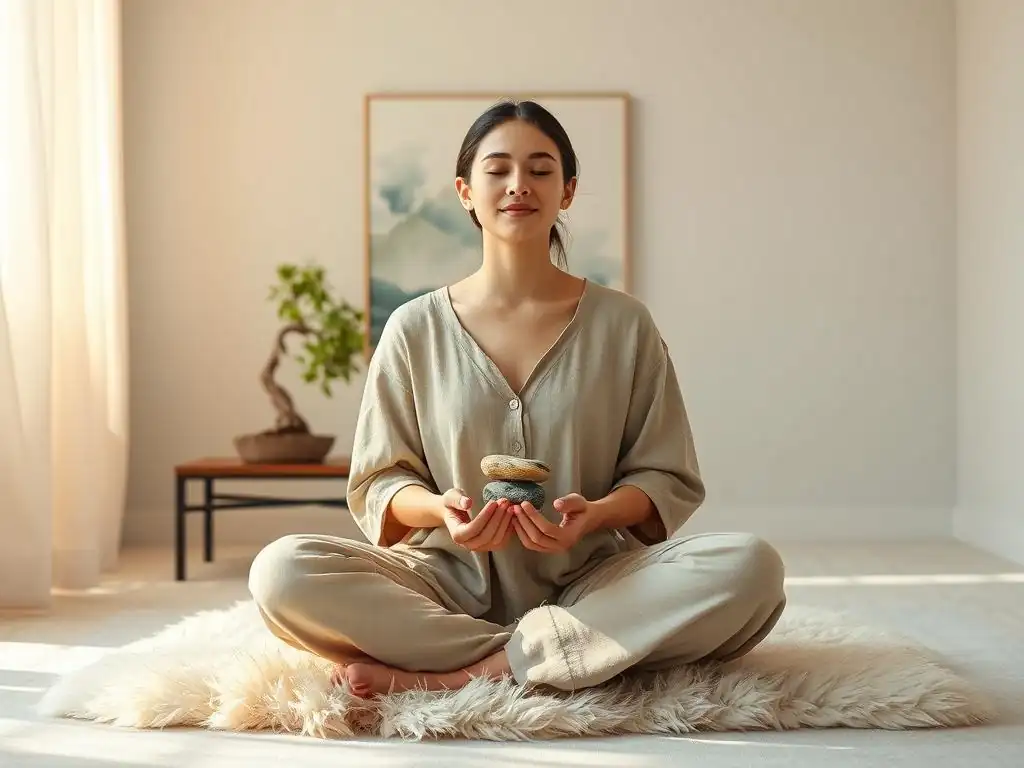
Scheduling Your 5-Minute Meditation Sessions
Successfully integrating 5-minute guided meditation for beginners anxiety into your daily routine requires intentional scheduling. Treat it like any other important appointment. Look at your day and identify a slot where you can realistically commit five minutes without interruption. This might be first thing in the morning before the day gets busy, during your lunch break, immediately after arriving home from work, or just before going to sleep.
Consider using a calendar reminder or an app notification to prompt you. Placing your meditation cushion or chair in a visible spot can also serve as a visual cue. The key is to make it a non-negotiable part of your day, even when you feel rushed or resistant. Remember, it's only five minutes – a small investment of time for potentially significant returns in terms of reduced anxiety and increased calm.
Combining Guided Meditation with Other Mindfulness Practices
Guided meditation is just one facet of mindfulness, and combining it with other practices can amplify its benefits, particularly for managing anxiety. For instance, you could start your day with a 5-minute gratitude meditation and then practice mindful eating during breakfast, paying full attention to the taste, texture, and smell of your food.
Throughout the day, you can incorporate brief moments of mindful awareness, such as taking three conscious breaths before responding to an email or paying attention to the sensations in your body while walking. Pairing a 5-minute guided meditation for beginners anxiety session with a short journaling practice or gentle stretching can create a powerful ritual for self-care. Integrating these practices helps weave mindfulness into the fabric of your day, making its benefits more pervasive.
Tracking Your Progress and Celebrating Successes
Keeping track of your meditation practice can be motivating and provide valuable insights. You don't need a complex system; simply marking off days on a calendar, using a habit-tracking app, or jotting down a quick note in a journal can work. Note not just whether you meditated, but perhaps a brief reflection on how you felt before and after the session.
Celebrate your consistency and effort! Acknowledging your commitment helps reinforce the habit. Did you manage to meditate for five days in a row? Great job! Did you stick with it even when you felt restless? That's a success! Focusing on progress rather than perfection makes the practice more sustainable. Recognizing how guided meditation for beginners anxiety is impacting your life, even in subtle ways, provides encouragement to continue.
Advanced Techniques and Resources for Further Exploration
Moving Beyond 5-Minute Meditations: Longer Sessions and Different Styles
Once you feel comfortable with 5-minute guided meditations, you might find yourself naturally wanting to extend your practice. Gradually increasing the duration to 10, 15, or even 20 minutes can deepen your experience and potentially offer more profound benefits for managing anxiety. As your ability to focus strengthens, longer sessions can become more accessible and enjoyable.
You can also explore different styles of meditation beyond the basic breathing, body scan, visualization, and Metta practices introduced here. There are walking meditations, mindful movement meditations, insight meditations, and many others. Each style offers a unique way to cultivate awareness and inner peace. Experimenting with different approaches can help you find what resonates most deeply with you as you continue your journey with guided meditation for beginners anxiety and beyond.
Exploring Different Types of Guided Meditations for Specific Needs
The world of guided meditation is vast and offers resources tailored to specific needs. Beyond general anxiety relief, you can find guided meditations specifically designed for improving sleep, boosting self-compassion, managing difficult emotions like anger or sadness, increasing focus and productivity, or preparing for challenging events.
Many platforms offer guided meditations of varying lengths and styles led by different teachers. Exploring these resources allows you to find guides whose voices and approaches resonate with you. Whether you are looking for a quick energy boost, a way to calm your mind before bed, or a deeper dive into specific aspects of mindfulness, there is likely a guided meditation available to support your journey towards reduced anxiety and enhanced well-being.
Recommended Apps and Websites for Guided Meditation Resources
Numerous reputable apps and websites offer extensive libraries of guided meditations, perfect for continuing your practice. Popular apps like Calm, Headspace, Insight Timer, and Ten Percent Happier provide guided sessions ranging from 1 minute to 60 minutes, covering various themes including guided meditation for beginners anxiety, sleep, stress, and focus.
Websites from established meditation centers or mental health organizations also offer valuable resources, often including free guided audio or video sessions. Exploring these platforms allows you to sample different guides, lengths, and styles to find what best suits your needs and preferences as you build your consistent meditation habit.
When to Seek Professional Guidance for Anxiety and Mental Wellbeing
While guided meditation is a powerful tool for managing stress and mild to moderate anxiety, it is not a substitute for professional medical or psychological care. If your anxiety is severe, persistent, significantly impacting your daily life, or accompanied by symptoms like panic attacks or intrusive thoughts, it is crucial to seek support from a qualified mental health professional.
A therapist or counselor can provide personalized strategies, diagnosis, and treatment options that may include therapy (like Cognitive Behavioral Therapy or Acceptance and Commitment Therapy) or medication. Guided meditation can be a valuable complement to professional treatment, but it should not replace it. If you are struggling, please reach out to a doctor or mental health expert.
Conclusion: Embracing the Power of Guided Meditation for Anxiety Relief
Embarking on the path of guided meditation, even just for five minutes a day, can be a transformative step towards managing anxiety and fostering greater peace in your life. We've explored how simple techniques like focused breathing, body scans, loving-kindness, visualization, and gratitude can provide accessible entry points into mindfulness. These short practices offer immediate moments of calm and, with consistency, build lasting resilience.
Remember that starting guided meditation for beginners anxiety is about progress, not perfection. Be patient, be kind to yourself when your mind wanders, and celebrate the small victories of showing up for yourself each day. By integrating these brief, powerful meditations into your routine, you are actively cultivating a more present, less reactive, and ultimately more peaceful relationship with yourself and the world. The journey of a thousand miles begins with a single step, or in this case, perhaps, with a single mindful breath.
Frequently Asked Questions
What is guided meditation and how can it help with anxiety?
Guided meditation involves listening to a narrator's voice to focus your attention and calm your mind. It can help with anxiety by promoting relaxation and reducing racing thoughts.
Is guided meditation suitable for beginners who have never meditated before?
Yes, guided meditation is highly suitable for beginners. The narrator provides step-by-step instructions, making it easier to stay focused and avoid feeling overwhelmed.
How often should I practice guided meditation to see a reduction in my anxiety levels?
Consistency is key. Aim for at least 3-5 times a week, even for just 5 minutes each session. You may notice benefits within a few weeks of regular practice.
What are some benefits of using guided meditation specifically for anxiety relief?
Guided meditation can help reduce stress hormones, improve sleep quality, and foster a sense of inner peace and calm, all of which can alleviate anxiety symptoms.
Where can I find reliable guided meditation resources for beginners struggling with anxiety?
Websites like Mind Care Guide offer free and accessible guided meditations specifically designed for beginners and those experiencing anxiety. Many meditation apps also provide beginner-friendly content.
Final Reflection: Finding Stillness in the Storm of Anxiety
The simple act of pausing, even for five minutes, can be a powerful antidote to the pervasive anxiety of modern life. In a world that relentlessly demands our attention, carving out moments of quiet contemplation is not a luxury, but a necessity for maintaining mental and emotional well-being. This article explored the accessibility and transformative potential of short, guided meditations, specifically designed to ease beginners into the practice and help manage anxiety.
The impact of mindfulness practices, like those presented here, is undeniable. They offer a tangible path towards self-awareness and emotional regulation, skills increasingly crucial in navigating the complexities of our daily lives. The time to repair the roof is when the sun is shining.
This proverb perfectly encapsulates the preventative power of meditation; by cultivating inner peace during calmer periods, we build resilience to face the storms of anxiety when they inevitably arise. The consistent practice, even in small increments, cultivates a sense of inner strength and calm that ripples outwards, affecting our relationships, productivity, and overall sense of self.
Now, I invite you to consider your own relationship with stillness. What small steps can you take today to incorporate even five minutes of guided meditation into your routine? Perhaps it's setting a gentle alarm, finding a quiet corner, or simply downloading one of the many free apps available. Remember, the journey to inner peace begins with a single breath, a single moment of mindful awareness. Embrace the power of the pause, and discover the transformative potential within yourself.
Unwind Your Mind: Start Your Meditation Journey Now!
Thanks for taking the time to explore the world of guided meditation with us! We hope you discovered the calming power of even just a few minutes of mindful practice. Ready to deepen your relaxation and inner peace?
- Begin your daily meditation practice: Set aside 5 minutes today to try one of the meditations you learned about – notice how much calmer you feel afterwards.
- Share your experience: Tell us (or a friend!) about your first meditation experience. What surprised you? What did you find most helpful?
- Explore further: Dive deeper into our website to discover more guided meditations tailored to your needs and preferences.
What small step will you take today to nurture your mind and body?