
Instant Calm Anchors: Simple Techniques for Presence

Welcome to Mind Care Guide, a sanctuary for your mental well-being.
Feeling overwhelmed? In today's fast-paced world, anxiety can creep in unexpectedly. But what if you had a secret weapon, a way to instantly reconnect with the present moment and find your center? Explore our guide to quick grounding techniques for anxiety and discover simple, effective methods to anchor yourself in calm, no matter what life throws your way. Curious to learn how? Let's begin.
Instant Calm Anchors: Simple Techniques for Presence
- Understanding the Need for Quick Grounding Techniques
- Five Powerful Quick Grounding Techniques
- Creating Your Own Personalized Calm Anchor
- Integrating Quick Grounding Techniques into Daily Life
- Long-Term Well-being
- Mastering Presence
-
Frequently Asked Questions
- What are instant calm anchors and how do they relate to anxiety?
- Why are grounding techniques important for managing anxiety?
- How quickly can I expect to feel a difference when using these techniques?
- Are these instant calm anchors a replacement for professional mental health support?
- What are some examples of simple techniques for presence that I can use as grounding tools?
- Final Reflection: Cultivating Inner Peace in a Frantic World
- Unlock Your Inner Calm: Start Practicing Presence Today!
Understanding the Need for Quick Grounding Techniques
The Prevalence of Stress and Anxiety
In today's fast-paced world, stress and anxiety are increasingly common experiences. According to data from the World Health Organization (WHO), anxiety disorders are among the most prevalent mental health conditions globally, affecting an estimated 301 million people in 2019. While not everyone experiences a clinical disorder, many individuals report feeling overwhelmed, stressed, or anxious on a daily basis. These feelings can manifest suddenly, triggered by specific events or arising seemingly without cause, making it crucial to have tools readily available to manage them in the moment.
The impact of unmanaged stress and anxiety goes beyond emotional discomfort; it can affect physical health, relationships, and overall quality of life. Symptoms can range from racing thoughts and difficulty concentrating to physical sensations like a pounding heart, shortness of breath, or muscle tension. Developing effective quick grounding techniques for anxiety is not just about coping; it's about building resilience and regaining a sense of control when these challenging feelings arise, allowing individuals to navigate their day with greater ease.
What are Calm Anchors and How They Work
Calm anchors, also known as grounding techniques, are simple yet powerful methods designed to bring your awareness back to the present moment when your mind is racing or you feel overwhelmed by anxiety. The core principle is to interrupt the cycle of anxious thoughts by shifting focus from internal worries or future fears to external stimuli or immediate physical sensations. Think of them as anchors dropping into the present, preventing your mind from being swept away by the storm of anxiety.
These techniques work by engaging different parts of your nervous system. When you feel anxious, your sympathetic nervous system (often called the "fight or flight" system) is activated. Grounding techniques help to activate the parasympathetic nervous system, which is responsible for the "rest and digest" response, promoting relaxation and calming the body.
By consciously engaging your senses, regulating your breath, or focusing on physical sensations, you send signals to your brain that you are safe in the present moment, helping to reduce the intensity of anxiety symptoms relatively quickly. These quick grounding techniques for anxiety are accessible and can be used discreetly in almost any situation.
Connecting to the Present Moment
Anxiety often pulls us away from the present moment, dwelling on past regrets or fearing future possibilities. Connecting to the present is the fundamental goal of grounding techniques. It's about acknowledging where you are, what you are doing, and what is happening around you right now, without judgment. This simple act of presence can create a vital space between you and your anxious thoughts, allowing you to observe them without being consumed by them.
Mastering quick grounding techniques for anxiety enables you to cultivate this connection to the present consistently. Instead of being lost in the narrative of worry, you become aware of the physical reality of your existence in the moment. This awareness acts as an anchor, providing stability when you feel adrift. Practicing presence through these techniques builds a skill that is beneficial not just during moments of high anxiety but also for enhancing focus, appreciation, and overall well-being in daily life.
Five Powerful Quick Grounding Techniques
1. The 5-4-3-2-1 Sensory Grounding Exercise
Engaging Your Senses
The 5-4-3-2-1 technique is a classic and highly effective quick grounding technique for anxiety because it deliberately engages all five major senses: sight, touch, hearing, smell, and taste. When anxiety takes hold, our focus narrows, often fixating on internal distress or perceived threats. By systematically directing attention outward to sensory input, this exercise interrupts the anxious thought loop and firmly plants you back in the immediate environment. It's a structured way to pull your awareness out of your head and into the physical world around you.
The power of sensory engagement lies in its ability to occupy your mind with concrete, real-time information. Instead of abstract worries, you are noticing the tangible details of your surroundings. This shift in focus requires cognitive effort, diverting mental resources away from the anxiety-provoking thoughts. For example, focusing on the specific texture of a fabric or identifying distinct sounds helps to anchor your attention to the present moment, providing a sense of stability and reducing the intensity of anxious feelings.
Step-by-Step Guide
Here is how to perform the 5-4-3-2-1 sensory grounding exercise:
- 5: Look for five things you can see.: Take your time and notice details you might usually overlook. For instance, the pattern on the wall, the color of a book cover, or the way light hits an object.
- 4: Identify four things you can touch.: Focus on the tactile sensation. This could be the texture of your clothing, the smoothness of a table, the feel of your feet on the ground, or the warmth of your hands.
- 3: Listen for three things you can hear.: Pay attention to sounds both near and far. Examples include the hum of electronics, distant traffic, your own breathing, or the ticking of a clock.
- 2: Find two things you can smell.: This might require actively sniffing. Perhaps the scent of coffee, a nearby plant, your own clothes, or even just the general smell of the air around you.
- 1: Name one thing you can taste.: This could be the lingering taste of your last drink or meal, the taste in your mouth, or you could pop a mint or small candy if available and focus on its flavor.
Go through these steps slowly, taking a few breaths between each number. This systematic approach provides a clear structure to follow when feeling overwhelmed, making it a reliable quick grounding technique for anxiety.
2. Diaphragmatic Breathing
Deep Breathing and the Nervous System
Diaphragmatic breathing, often called deep belly breathing, is a cornerstone of many relaxation techniques, including quick grounding techniques for anxiety. Unlike shallow chest breathing which is associated with the stress response, deep, slow breaths that expand the diaphragm signal to your brain that you are safe. This type of breathing directly influences the vagus nerve, a major nerve extending from the brainstem to the abdomen. Stimulating the vagus nerve through slow, deep breathing activates the parasympathetic nervous system, counteracting the "fight or flight" response.
The physiological effects are significant and relatively immediate. A slower heart rate, reduced blood pressure, and a decrease in stress hormones like cortisol are all potential outcomes of regular deep breathing practice. By deliberately slowing and deepening your breath, you are consciously regulating a fundamental physiological process that is often hijacked by anxiety. This makes diaphragmatic breathing an incredibly effective and accessible quick grounding technique for anxiety that can be used anytime, anywhere.
How to Practice Diaphragmatic Breathing
To practice diaphragmatic breathing, find a comfortable position, either sitting or lying down. Place one hand on your chest and the other on your abdomen, just below your rib cage.
- Inhale slowly and deeply through your nose, allowing your abdomen to expand outward. The hand on your chest should remain relatively still, while the hand on your belly rises. Imagine filling your belly with air like a balloon.
- Exhale slowly through your mouth, gently pursing your lips as if blowing out a candle. Let your abdomen fall inward as you exhale, using your abdominal muscles to push the air out. The hand on your belly should move inward.
- Repeat this process, focusing on making your exhalations slightly longer than your inhalations. Aim for a rhythm that feels comfortable and calming, perhaps inhaling for a count of four and exhaling for a count of six or seven.
Practice this for just a few minutes – even 60 seconds can make a noticeable difference. Consistency is key; the more you practice when calm, the easier it becomes to use it as a quick grounding technique for anxiety during stressful moments.
3. Body Scan Meditation
Focusing on Physical Sensations
A body scan is a mindfulness practice that involves systematically bringing your attention to different parts of your body, noticing any physical sensations without judgment. This is a powerful quick grounding technique for anxiety because anxiety often manifests physically (tension, butterflies, racing heart), and focusing on these sensations in a non-reactive way can help to reduce their intensity and disconnect them from the anxious thoughts.
Instead of getting caught up in the meaning of the sensation (e.g., "My heart is racing, I must be having a panic attack"), you simply observe the sensation itself (e.g., "I notice a rapid beating sensation in my chest").
By directing your awareness to physical sensations, you anchor yourself firmly in your body and the present moment. This practice helps to increase body awareness and can reveal areas where you hold tension related to stress or anxiety. Acknowledging and gently releasing this tension through the body scan process can provide significant relief. It teaches you to be present with physical discomfort without being overwhelmed by it, making it an invaluable tool among quick grounding techniques for anxiety.
A Short Body Scan Exercise
Here is a brief version of a body scan exercise you can use as a quick grounding technique for anxiety:
- Find a comfortable position, sitting or lying down.
- Close your eyes gently or soften your gaze.
- Bring your attention to your feet. Notice any sensations – tingling, pressure, warmth, coolness. Just observe.
- Slowly move your attention up through your ankles, lower legs, knees, and thighs. Notice the feeling of your legs resting on the chair or surface.
- Bring awareness to your hips and pelvis.
- Move up through your abdomen and lower back. Notice any sensations here.
- Continue up through your chest and upper back. Notice the movement of your breath in your chest and ribs.
- Bring attention to your shoulders, letting them relax if possible.
- Move down your arms to your elbows, forearms, wrists, and hands. Notice sensations in your hands – temperature, texture, tingling.
- Bring awareness to your neck and throat.
- Finally, bring attention to your head and face. Notice sensations around your eyes, jaw, and forehead.
- Take a moment to notice the feeling of your whole body resting.
- When you are ready, gently open your eyes.
Even a short scan like this, lasting just 2-3 minutes, can significantly shift your focus from anxious thoughts to the tangible reality of your physical presence.
4. Visualization: Creating a Mental Safe Space

Using Imagery to Calm the Mind
Visualization is a powerful mental technique that uses imagery to create a calming effect. As a quick grounding technique for anxiety, it involves creating or recalling a detailed mental image of a place where you feel completely safe, peaceful, and relaxed. When you feel overwhelmed by anxiety, transporting yourself mentally to this safe space can provide an immediate sense of distance from the stressful situation and evoke feelings of calm and security.
The effectiveness of visualization lies in the mind-body connection. When you vividly imagine a peaceful scene, your brain can respond as if you were actually there, triggering a relaxation response in your nervous system. This can lead to a decrease in heart rate, muscle tension, and the production of stress hormones. It's a way to actively direct your mental energy towards a positive and calming experience, countering the negative focus of anxiety. Developing a personal "safe space" visualization makes it a readily available quick grounding technique for anxiety.
Guided Visualization Script
Here is a simple script you can adapt or use to guide yourself into a mental safe space:
- Close your eyes gently and take a few slow, deep breaths.
- Imagine a place where you feel completely safe and at peace. This could be a real place you've visited, a place you've seen in a picture, or a place you create entirely in your imagination.
- Notice the details of this place. What do you see? Are there colors, shapes, light?
- What do you hear in this place? Perhaps gentle waves, birdsong, the rustling of leaves, or complete silence.
- What do you feel? The warmth of the sun on your skin, a gentle breeze, the texture of the ground beneath you, a sense of lightness or comfort in your body.
- Are there any smells? The scent of flowers, fresh rain, pine trees, or salty air?
- Spend a few moments exploring this safe space with all your senses. Notice how your body feels here – perhaps more relaxed, grounded, or lighter.
- Know that this place is always available to you. You can return here whenever you need a moment of peace.
- When you are ready, take one more deep breath, and gently open your eyes, bringing a sense of calm back with you.
Regularly practicing this visualization can make it a very effective quick grounding technique for anxiety when needed.
5. Mindful Movement: Grounding Through Physical Activity
Simple Exercises
Engaging in simple, mindful movement is another effective quick grounding technique for anxiety. When anxiety causes restlessness or a feeling of being "stuck," gentle physical activity can help release tension and bring your awareness into your body and the present moment. The key is to move with intention and awareness, focusing on the physical sensations of the movement itself rather than just going through the motions.
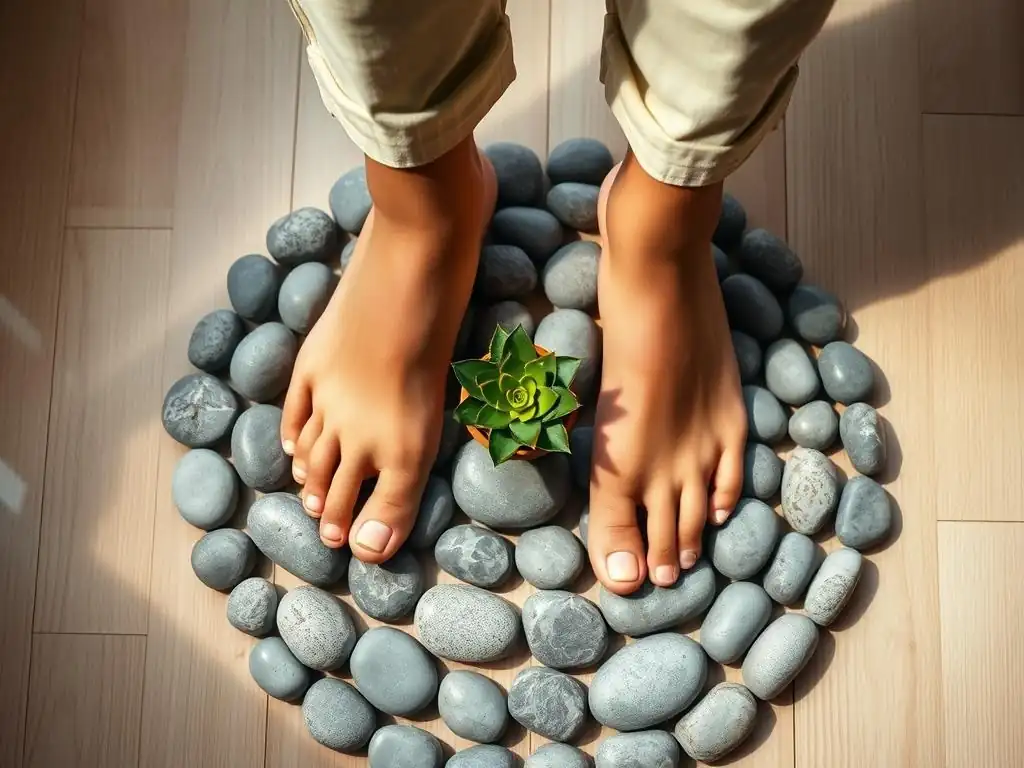
Simple exercises like walking, stretching, or gentle swaying can break the cycle of anxious rumination. For example, simply standing up and shifting your weight from one foot to the other, paying attention to the feeling of the ground beneath your feet, can be grounding. Clenching and then releasing your fists or shoulders while focusing on the sensation of tension and release is another quick method. These small movements, performed mindfully, redirect your attention away from anxious thoughts and towards the tangible reality of your body in space, serving as practical quick grounding techniques for anxiety.
Examples of Mindful Movement: Walking, Stretching, Tai Chi
- Mindful Walking: If you have space, even a short walk around the room or outside can be grounding. Focus on the sensation of your feet hitting the ground, the movement of your legs, and your breath. Notice the sights and sounds around you as you walk.
- Mindful Stretching: Gentle stretches can release physical tension associated with anxiety. As you stretch, pay attention to the feeling in your muscles, the expansion and contraction with your breath, and any areas of tightness or release. Neck rolls, shoulder shrugs, or reaching for the sky can be done subtly.
- Tai Chi or Qigong: While these are more structured practices, even borrowing a few simple movements, focusing on slow, deliberate motion and breath, can be incredibly grounding. The emphasis on fluid movement and connection to the body makes them excellent long-term quick grounding techniques for anxiety.
The goal is not strenuous exercise, but rather conscious movement that brings your awareness back to your physical self and the present moment. Even a minute or two of mindful movement can provide a significant shift in your state.
Creating Your Own Personalized Calm Anchor
Identifying Your Sensory Preferences
While the 5-4-3-2-1 method covers all senses, you might find that certain senses are more immediately grounding for you than others. Identifying your personal sensory preferences is key to creating the most effective personalized quick grounding techniques for anxiety. Do you respond strongly to visual input, finding calm in observing details? Or is touch more grounding, providing a tangible connection to reality? Some people find specific sounds or smells instantly calming.
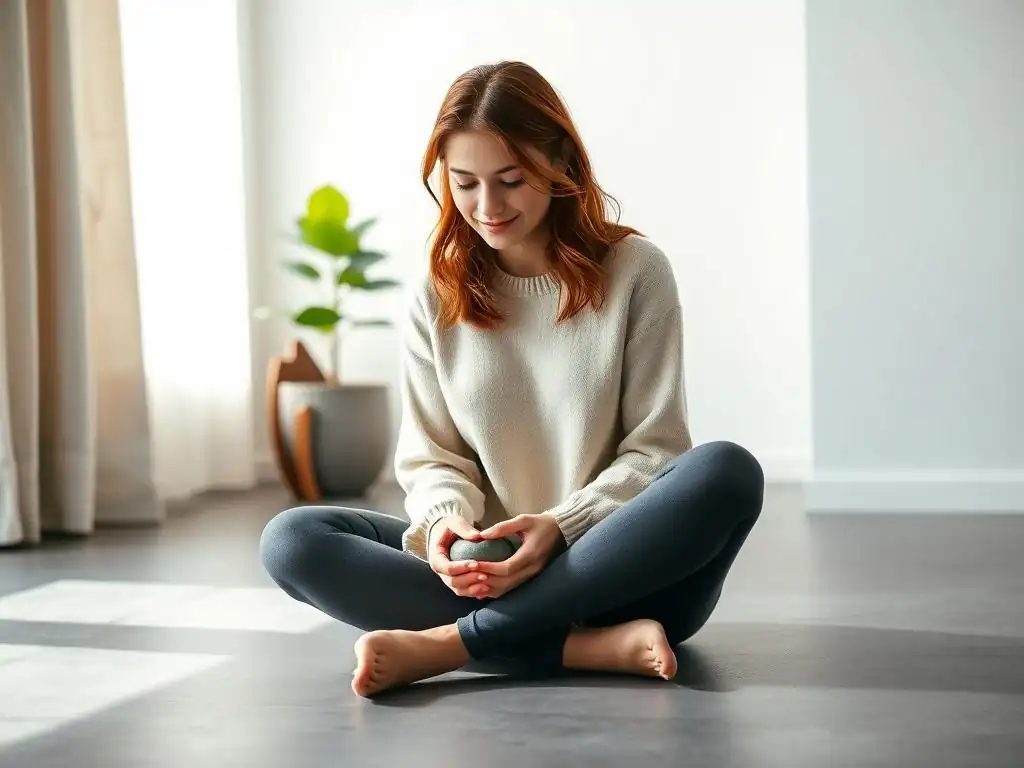
Take some time when you are not feeling anxious to experiment. What sights, sounds, smells, tastes, or textures bring you a sense of comfort or presence? It might be the feel of a smooth stone, the scent of lavender, the sound of rain, the sight of a specific color, or the taste of a mint.
Once you identify which senses are most effective for you, you can prioritize techniques that utilize those senses, making your personalized quick grounding techniques for anxiety even more potent and readily available. For instance, if touch is very grounding, carrying a small textured object might be a simple, effective anchor.
Building a Routine
Integrating quick grounding techniques for anxiety into a routine, even during calm periods, is crucial for making them effective when you need them most. Just like building any skill, regular practice strengthens the neural pathways associated with these techniques. Aim to practice one or two techniques daily, perhaps for just a few minutes in the morning, during a lunch break, or before bed. This helps your body and mind become familiar with the relaxation response associated with the technique.
Consider incorporating a specific technique into an existing daily habit. For example, practice a minute of diaphragmatic breathing before your morning coffee, or a short body scan while commuting. The more familiar and automatic these techniques become through routine practice, the easier it will be to access them instinctively as quick grounding techniques for anxiety when sudden stress or anxiety arises. Consistent practice builds confidence in your ability to manage challenging emotions.
Experimenting with Grounding Methods
Finding the best quick grounding techniques for anxiety for you is an ongoing process of experimentation. What works one day or in one situation might not be as effective in another. Be open to trying different methods from the list provided and exploring others you might encounter. Some people find tactile grounding (holding an object) most helpful, while others prefer auditory grounding (focusing on sounds) or cognitive grounding (like counting objects of a certain color).
Don't be discouraged if a technique doesn't feel immediately effective. Sometimes it takes practice, and sometimes a different technique will simply resonate better with you. Keep a mental note, or even a physical one, of which methods seem to provide the most relief. By building a repertoire of personalized quick grounding techniques for anxiety, you equip yourself with multiple options to draw upon depending on your needs and the situation you are in, increasing your confidence in your ability to manage anxiety effectively.
Integrating Quick Grounding Techniques into Daily Life
Using Calm Anchors in Triggering Situations
The primary benefit of quick grounding techniques for anxiety is their applicability in moments of acute distress. Identify situations, places, or thoughts that tend to trigger your anxiety. These might include public speaking, social gatherings, crowded spaces, commuting, or specific work-related tasks. Before entering a potentially triggering situation, or as soon as you notice the first signs of anxiety appearing, consciously choose and apply one of your preferred grounding techniques.
For example, if public speaking triggers anxiety, practice diaphragmatic breathing for a minute or two before you step up to speak. If crowded places are difficult, use the 5-4-3-2-1 technique subtly while standing in line. Having a plan for using quick grounding techniques for anxiety in anticipated challenging situations can significantly reduce their impact. Remember that the goal is not necessarily to eliminate anxiety entirely, but to manage its intensity and prevent it from escalating.
Making Grounding Techniques a Habit
Turning quick grounding techniques for anxiety into a habit requires conscious effort and repetition. Beyond using them in triggering situations, look for opportunities to practice them throughout your day, even when you're feeling relatively calm. This could be during transitional moments, such as waiting for a bus, before starting a meeting, or while cooking dinner. These low-stakes moments are perfect for reinforcing the practice.
Consider setting reminders on your phone or associating a grounding technique with a specific daily event. For instance, every time you wash your hands, take a moment to notice the sensation of the water and soap. Or, each time you sit down at your desk, take three deep, grounding breaths. Consistent, mindful repetition helps these quick grounding techniques for anxiety become second nature, making them more accessible and effective when you are under stress.
Combining Grounding with Mindfulness
Grounding techniques are inherently linked to mindfulness. Mindfulness is the practice of paying attention to the present moment with openness and non-judgment. Grounding techniques are essentially active forms of mindfulness, specifically designed to anchor you to the present when your mind is pulled away by anxiety. Combining grounding with broader mindfulness practices can enhance their effectiveness and contribute to overall well-being.
For example, after using a quick grounding technique for anxiety like the 5-4-3-2-1 exercise to calm your immediate distress, you might then transition into a few minutes of mindful observation of your surroundings without a specific structure, simply noticing whatever arises in your awareness. Or, integrate mindful breathing throughout your day, not just during moments of anxiety. By weaving grounding techniques into a broader mindful approach to life, you build a stronger capacity to stay present, regulate emotions, and navigate challenges with greater calm and clarity.
Long-Term Well-being
The Importance of Addressing Underlying Issues
While quick grounding techniques for anxiety are invaluable tools for managing acute distress, they are often most effective when used in conjunction with efforts to address the underlying causes of anxiety. Anxiety can stem from various factors, including past experiences, thought patterns, lifestyle habits, or even medical conditions. Relying solely on grounding techniques without exploring these deeper roots may provide temporary relief but might not lead to lasting change.
Consider journaling to identify patterns in your anxiety triggers, exploring cognitive behavioral therapy (CBT) to challenge unhelpful thought patterns, or making lifestyle adjustments such as improving sleep hygiene, nutrition, and exercise. Addressing the root causes of anxiety can reduce its frequency and intensity over time, making moments of acute anxiety less common and the need for quick grounding techniques for anxiety less frequent, contributing significantly to long-term well-being.
Seeking Professional Support
For many individuals, anxiety is a persistent challenge that benefits greatly from professional support. Therapists, counselors, and psychiatrists can provide diagnosis, personalized strategies, and treatment options tailored to your specific needs. Cognitive Behavioral Therapy (CBT) and Exposure Therapy, for example, are evidence-based approaches proven to be effective in treating various anxiety disorders.
Do not hesitate to reach out to a mental health professional if your anxiety is significantly impacting your daily life, is difficult to manage with self-help techniques, or if you suspect an underlying condition. A professional can help you understand your anxiety, develop more advanced coping mechanisms, and explore therapeutic interventions or medication if appropriate. Combining professional guidance with the regular practice of quick grounding techniques for anxiety offers a comprehensive approach to managing anxiety and fostering long-term mental health.
Resources for Further Learning
Expanding your knowledge about anxiety and coping strategies is a proactive step towards better well-being. Many reputable organizations and resources offer valuable information, tools, and support. Websites like the Anxiety & Depression Association of America (ADAA), the National Alliance on Mental Illness (NAMI), and the National Institute of Mental Health (NIMH) provide extensive information on anxiety disorders, treatment options, and self-help strategies.
Books on mindfulness, CBT, and stress reduction can also offer deeper insights and practical exercises. Exploring guided meditations available through apps or online platforms can enhance your practice of techniques like body scans and visualization. Continuously seeking out reliable information and resources empowers you to build a robust toolkit for managing anxiety, ensuring you have access to a variety of strategies, including effective quick grounding techniques for anxiety, whenever you need them.
Mastering Presence
Improved Focus and Concentration
One significant benefit of regularly practicing quick grounding techniques for anxiety is the improvement in focus and concentration. Anxiety scatters attention, pulling the mind into worries about the past or future. Grounding techniques, by their nature, train your mind to focus on the present moment – whether it's a sensory detail, the breath, or a physical sensation. This consistent practice strengthens your ability to direct and sustain attention.
Over time, the skill developed through using quick grounding techniques for anxiety translates into better focus in other areas of life. You may find it easier to concentrate on tasks at work or school, engage more fully in conversations, and appreciate experiences without your mind wandering to anxious thoughts. This enhanced ability to stay present contributes significantly to productivity and overall cognitive function.
Reduced Stress and Enhanced Emotional Regulation
Regular engagement with quick grounding techniques for anxiety leads to a noticeable reduction in overall stress levels and improved emotional regulation. While they are effective for immediate relief, consistent practice builds resilience. By repeatedly activating the parasympathetic nervous system through techniques like deep breathing or body scans, you train your body to enter a state of relaxation more easily.
Furthermore, grounding helps you become more aware of your emotional state without being overwhelmed by it. You learn to observe feelings of anxiety as temporary experiences rather than identifying with them. This increased emotional awareness and the ability to create space between yourself and your emotions are fundamental to enhanced emotional regulation. Using quick grounding techniques for anxiety empowers you to respond to challenging emotions with greater calm and control, rather than reacting impulsively.
A Path to Greater Well-being
Incorporating quick grounding techniques for anxiety into your life is more than just a coping strategy; it's a pathway to greater overall well-being. By providing tools to manage anxiety in the moment, they reduce the cumulative burden of stress on your mind and body. This allows you to engage more fully with life, build stronger relationships, pursue goals, and experience more moments of peace and joy.
Mastering presence through these simple techniques enables you to live more fully in the here and now, reducing the time spent lost in worry or regret. It fosters a sense of empowerment, knowing you have accessible tools to navigate challenging emotional states. Ultimately, the regular practice of quick grounding techniques for anxiety, combined with addressing underlying issues and seeking support when needed, lays a solid foundation for a more balanced, resilient, and fulfilling life.
Frequently Asked Questions
What are instant calm anchors and how do they relate to anxiety?
Instant calm anchors are quick grounding techniques designed to bring you back to the present moment. They are helpful for anxiety because they shift your focus away from anxious thoughts and sensations.
Why are grounding techniques important for managing anxiety?
Grounding techniques are important because they interrupt the cycle of anxiety by focusing on your senses and immediate surroundings. This helps to reduce feelings of overwhelm and panic.
How quickly can I expect to feel a difference when using these techniques?
The effects of grounding techniques can be felt almost immediately for some, though it may take practice. The goal is to interrupt the anxiety response in the moment.
Are these instant calm anchors a replacement for professional mental health support?
No, these techniques are not a replacement for professional help. They are intended as a supplementary tool for managing anxiety and should be used in conjunction with professional guidance when needed.
What are some examples of simple techniques for presence that I can use as grounding tools?
Examples include the 5-4-3-2-1 method (noticing 5 things you can see, 4 you can touch, etc.), deep breathing exercises, and focusing on a physical sensation, like the feeling of your feet on the ground.
Final Reflection: Cultivating Inner Peace in a Frantic World
The relentless pace of modern life leaves many of us feeling overwhelmed and anxious, constantly teetering on the edge of overwhelm. The simple grounding techniques explored in this article offer a powerful antidote, a lifeline to reclaim presence and inner peace amidst the chaos. These aren't just fleeting solutions; they're tools for cultivating a deeper, more resilient relationship with ourselves and our experiences.
The exploration of instant calm anchors has profoundly impacted my own life, shifting my perspective on managing anxiety from a reactive to a proactive approach. I've found that even the smallest act of mindful breathing or sensory awareness can significantly alter my emotional state, transforming moments of panic into opportunities for self-compassion. The time to repair the roof is when the sun is shining.
- John F. Kennedy. This quote perfectly encapsulates the power of preventative self-care; learning these techniques allows us to build resilience before we're hit by the storm of anxiety.
Now, it's your turn. Consider which of these techniques resonates most deeply with you. Experiment with them, integrate them into your daily routine, and witness the transformative power of presence. Don't wait for a crisis to emerge before seeking solace; cultivate your inner calm today, and build a foundation of resilience that will serve you well throughout life's journey. You deserve the peace that awaits you.
Unlock Your Inner Calm: Start Practicing Presence Today!
Thanks for taking the time to explore simple techniques for finding presence and calm. We hope you've discovered some valuable tools to manage stress and enhance your well-being. Now, let's put these insights into action!
- Prioritize one calming technique: Choose one anchor from the article (deep breathing, mindful walking, etc.) and dedicate just 5 minutes to it today. This small step can make a big difference.
- Share your experience: Tell a friend or family member about your experience with the technique you chose. Sharing your journey can strengthen your practice.
- Explore a new anchor: Consider experimenting with a different calming technique mentioned in the article tomorrow. The journey to inner peace is a continuous process of discovery.
What simple change will you make today to cultivate more presence in your life?