
The Journey Within: Exploring Consciousness Through Vipassana

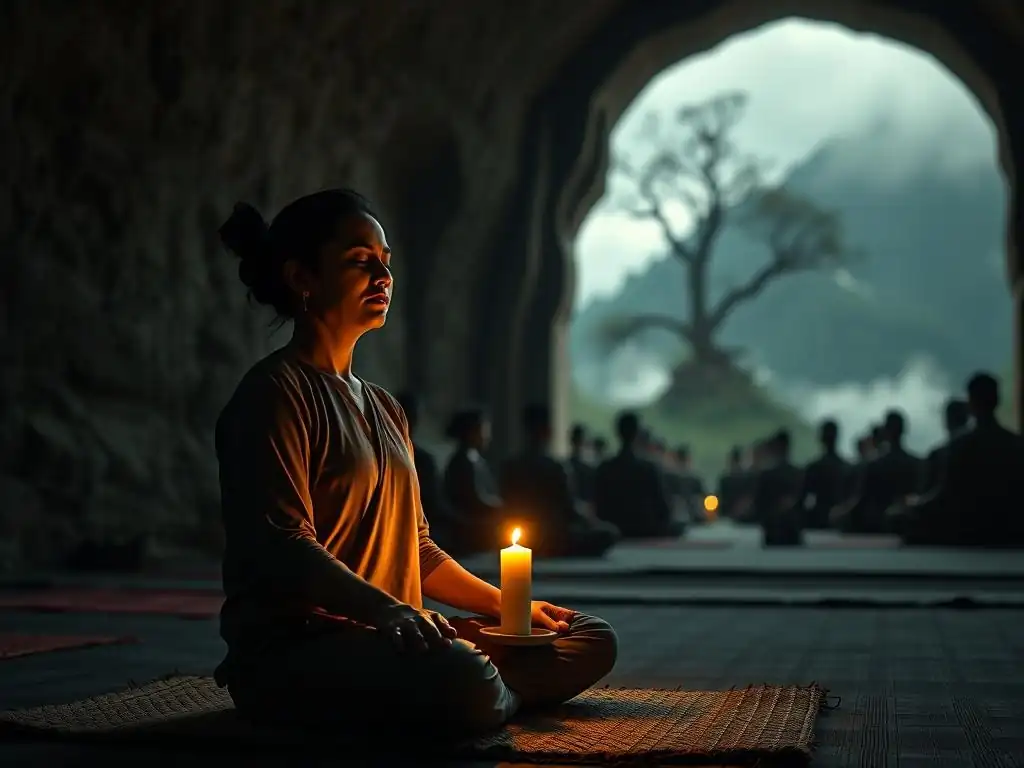
Welcome to Mind Care Guide.
Are you feeling overwhelmed by anxiety and searching for a path to inner peace? You're not alone. Here, we understand the struggles of navigating a complex world. Delve into the transformative power of Vipassana meditation for anxiety relief, and discover how this ancient practice can help you cultivate a calmer, more centered you. Ready to begin your journey within? Let's explore.
- Managing Chronic Pain with Mindfulness Meditation
- What is Mindfulness Meditation? Unveiling the Present Moment
- Mindfulness and Chronic Pain: How Awareness Reduces Suffering
- Benefits of Mindfulness: Beyond Pain Relief
- Getting Started with Mindfulness Meditation for Beginners
- Challenges and Considerations in Mindfulness Practice
- Integrating Mindfulness into Daily Life: Sustaining Awareness
- Mindfulness vs. Other Pain Management Techniques: A Comparative Look
- Resources for Learning More About Mindfulness Meditation
- Conclusion: Embracing Mindfulness for a More Fulfilling Life with Chronic Pain
-
Frequently Asked Questions
- What is Vipassana meditation and how does it relate to anxiety relief?
- How does Vipassana meditation differ from other types of meditation?
- How long should I practice Vipassana meditation to experience anxiety relief?
- Are there any specific resources or courses recommended for learning Vipassana meditation for anxiety?
- What are some potential challenges or considerations when starting Vipassana meditation for anxiety relief?
- Final Reflection: The Quiet Revolution Within
- Unlock Your Inner Peace: Start Your Vipassana Journey Today
Managing Chronic Pain with Mindfulness Meditation
Understanding Mindfulness: A Path to Pain Acceptance
Chronic pain is a complex experience, extending far beyond simple physical sensation. It often intertwines with emotional distress, frustration, and a pervasive sense of suffering. Traditional approaches frequently focus solely on eliminating the pain itself, which can be challenging when dealing with persistent conditions. Mindfulness meditation for chronic pain offers an alternative perspective, shifting the focus from fighting the pain to cultivating a different relationship with it. It's about learning to observe the sensations, thoughts, and emotions that arise without getting overwhelmed by them.
This practice encourages a state of non-judgmental awareness of the present moment. For someone living with chronic pain, this means acknowledging the presence of pain without immediately reacting with resistance or despair. It involves gently turning towards the difficult sensations rather than away from them, allowing for a deeper understanding of the pain experience. This acceptance is not resignation, but rather a powerful step towards reducing the suffering associated with the pain, even if the physical sensation remains.
The Role of Mindfulness in Chronic Pain Management
Mindfulness meditation has emerged as a valuable tool in the multidisciplinary approach to chronic pain management. It doesn't promise to cure the underlying condition or eliminate the pain entirely for everyone, but research indicates its potential to significantly improve quality of life. By training the mind to stay present and observe internal experiences without excessive reactivity, individuals can break the cycle of pain-related fear, anxiety, and avoidance that often exacerbates suffering.
Studies on mindfulness-based interventions, such as Mindfulness-Based Stress Reduction (MBSR), have shown promising results for various chronic pain conditions. Participants often report reduced pain intensity, decreased interference of pain with daily activities, and improvements in mood. For instance, research published in reputable journals has indicated that individuals completing MBSR programs for chronic low back pain experienced improvements in pain scores and functional capacity compared to control groups, with effects often sustained over several months.
What is Mindfulness Meditation? Unveiling the Present Moment
Origins of Mindfulness: Tracing its Roots to Buddhist Practices
Mindfulness, as practiced in contemporary meditation techniques, has deep historical roots stretching back thousands of years to ancient Buddhist traditions, particularly those originating in India. Practices like Vipassana, meaning "insight" or "clear seeing," form the bedrock of modern mindfulness approaches. These ancient methods emphasized cultivating direct, non-judgmental awareness of one's internal and external experiences as a path to understanding the nature of reality and alleviating suffering.
While its origins are spiritual, the adaptation of mindfulness into secular therapeutic contexts began more prominently in the late 20th century. Jon Kabat-Zinn's development of Mindfulness-Based Stress Reduction (MBSR) at the University of Massachusetts Medical School was a pivotal moment. He distilled core principles from Buddhist meditation, stripping away the religious context to create an evidence-based program accessible to a Western audience, specifically designed to help people cope with stress, illness, and pain.
Core Principles of Mindfulness: Attention, Acceptance, and Non-Judgment
At its heart, mindfulness meditation rests on a few key principles. The first is attention. This involves intentionally directing one's awareness to the present moment, noticing thoughts, feelings, bodily sensations, and external stimuli as they arise, without getting lost in planning the future or dwelling on the past. It's about training the mind, which is often scattered, to focus gently on what is happening now.
Equally crucial are acceptance and non-judgment. Acceptance means acknowledging things as they are, without wishing them to be different. For someone with chronic pain, this means recognizing the presence of pain without resistance. Non-judgment involves observing internal and external experiences without labeling them as "good" or "bad," "right" or "wrong." This principle is particularly powerful in the context of pain, helping individuals move away from the negative self-talk and frustration that often accompany chronic conditions.
The Mindfulness Meditation Technique: A Step-by-Step Guide
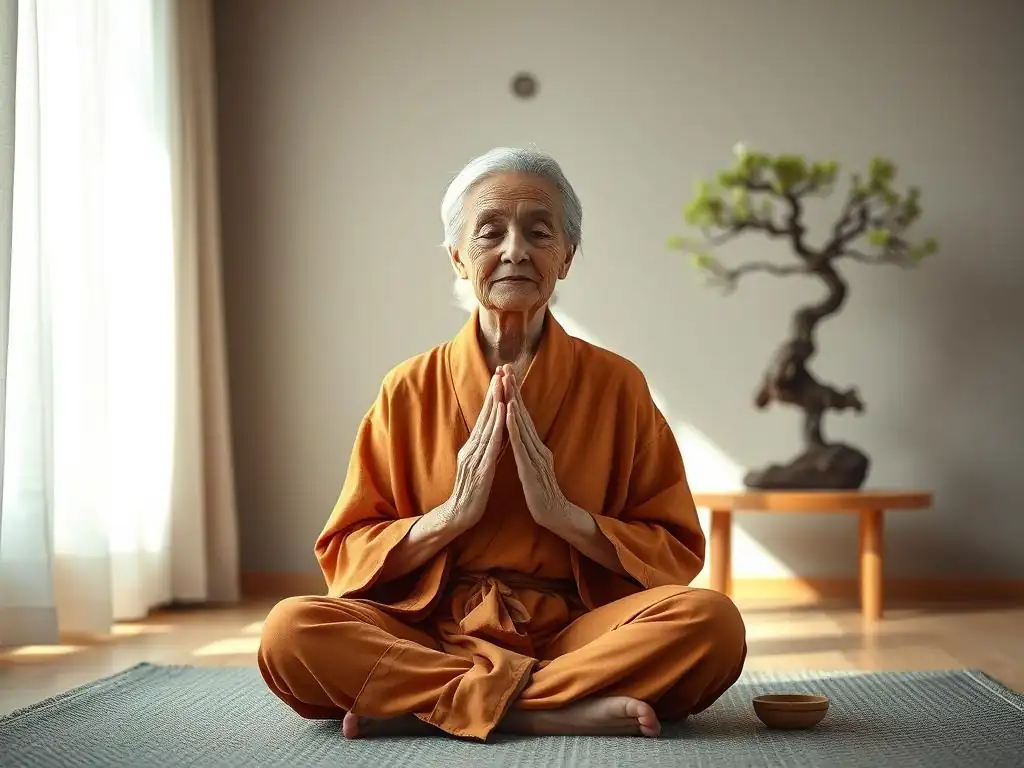
Mindfulness meditation can be practiced in various ways, but a common starting point is focusing on the breath. Find a comfortable seated position, with your spine reasonably straight but relaxed. Close your eyes gently or soften your gaze. Bring your attention to the physical sensation of breathing – the rise and fall of the abdomen, the air entering and leaving the nostrils, or the expansion and contraction of the chest. There's no need to control the breath, just observe it as it naturally is.
As you focus on the breath, you will inevitably notice your mind wandering. Thoughts, feelings, or sensations (including pain) will arise. This is completely normal. The practice isn't about stopping thoughts, but about noticing when your mind has wandered and gently guiding your attention back to the breath. Each time you notice your mind drifting and return your focus, you are strengthening your capacity for mindful awareness. Start with short sessions, perhaps 5-10 minutes, and gradually increase the duration as you feel comfortable.
Mindfulness and Chronic Pain: How Awareness Reduces Suffering
The Science Behind Mindfulness's Pain-Reducing Effects
The effectiveness of mindfulness meditation for chronic pain is supported by a growing body of scientific research. Neuroimaging studies have provided insights into how mindfulness impacts brain regions associated with pain processing. For example, research using fMRI has shown that mindfulness practice can lead to decreased activation in areas like the medial prefrontal cortex and posterior cingulate cortex, which are involved in the evaluation and emotional reaction to pain, even if the activity in sensory areas (like the somatosensory cortex) remains similar.
Furthermore, mindfulness appears to influence the body's stress response system. Chronic pain often triggers the release of stress hormones like cortisol, which can perpetuate inflammation and heighten pain sensitivity. Regular mindfulness practice has been shown to reduce levels of stress hormones and decrease activity in the sympathetic nervous system, promoting a state of relaxation and potentially lowering overall pain perception and the associated suffering.
Mindfulness Meditation for Chronic Pain Relief: A Practical Approach
Practically speaking, mindfulness meditation helps individuals with chronic pain by changing their relationship with the pain. Instead of viewing pain as a catastrophic enemy to be fought at all costs, mindfulness encourages observing the sensation with curiosity and non-judgment. A typical exercise might involve a "body scan," where attention is systematically brought to different parts of the body, noticing sensations (including pain) without trying to change them. This practice can help desensitize the individual to the intensity of the pain and reduce the fear associated with it.
Another practical application involves mindful movement, such as gentle stretching or walking with awareness. By paying close attention to bodily sensations during movement, individuals can learn their physical limits, reduce fear of movement (kinesiophobia), and discover ways to move with less discomfort. This mindful approach to physical activity can be a crucial component in managing chronic pain and improving functional capacity.
Specific Pain Conditions Addressed by Mindfulness: Back Pain, Fibromyalgia, Arthritis
Mindfulness-based interventions have been studied and applied to a range of specific chronic pain conditions with positive outcomes. Chronic low back pain, a widespread issue, has been a frequent focus of research. Studies, including those conducted by the National Institutes of Health, have demonstrated that programs like MBSR can lead to clinically significant improvements in pain intensity and functional limitations for individuals suffering from persistent back pain.
Fibromyalgia, characterized by widespread musculoskeletal pain accompanied by fatigue, sleep, memory, and mood issues, is another condition where mindfulness shows promise. Research indicates that mindfulness practice can help individuals with fibromyalgia manage their symptoms, particularly by reducing pain sensitivity, improving sleep quality, and alleviating associated psychological distress like anxiety and depression. Similarly, people living with various forms of arthritis have reported reduced pain, stiffness, and improved psychological well-being after engaging in mindfulness meditation for chronic pain relief.
Benefits of Mindfulness: Beyond Pain Relief
Improved Mood and Reduced Depression through Mindfulness
Chronic pain is often accompanied by significant psychological distress, including depression and anxiety. The constant presence of pain can erode one's sense of well-being, lead to social isolation, and make even simple tasks feel overwhelming, contributing to low mood. Mindfulness meditation offers a powerful antidote to this emotional burden. By cultivating present moment awareness and non-judgment, individuals learn to observe negative thoughts and feelings without getting caught up in them.
Research consistently shows that mindfulness interventions can significantly reduce symptoms of depression and anxiety in individuals with chronic pain. A meta-analysis of multiple studies might indicate an average reduction in depression scores among participants practicing mindfulness. This effect is thought to stem from mindfulness's ability to interrupt rumination (dwelling on negative thoughts) and promote a more balanced perspective on challenging experiences.
Enhanced Sleep Quality and Mindfulness Meditation
Sleep disturbances are incredibly common among individuals with chronic pain. Pain can make it difficult to fall asleep, stay asleep, or achieve restful sleep, creating a vicious cycle where poor sleep exacerbates pain sensitivity, and increased pain further disrupts sleep. Mindfulness meditation can help break this cycle by calming the nervous system and reducing the mental and physical tension that often interferes with sleep.
Practices like body scans or mindful breathing before bed can help quiet a busy mind and relax the body, making it easier to drift off to sleep. Furthermore, mindfulness teaches individuals to relate differently to sleeplessness itself, reducing the frustration and anxiety that often arise when one cannot sleep. Studies have reported that participants in mindfulness programs for chronic pain often experience improvements in sleep quality and duration.
Cultivating Self-Compassion with Mindfulness Meditation
Living with chronic pain can be incredibly challenging, often leading to feelings of frustration, self-blame, and inadequacy. Mindfulness meditation naturally fosters self-compassion, which is the practice of being kind and understanding towards oneself, especially in times of suffering or difficulty. It involves recognizing that suffering is a shared human experience and treating oneself with the same warmth and care one would offer a friend.
Through mindfulness, individuals become more aware of their internal dialogue and reactions to pain. This awareness opens the door to choosing a more compassionate response rather than harsh self-criticism. Practicing self-compassion alongside mindfulness meditation for chronic pain helps to reduce the emotional burden of the condition, improves resilience, and fosters a more positive self-image despite the physical challenges.
Stress Reduction and Mindfulness Practice
Stress is a major contributor to increased pain perception and intensity. The body's stress response activates physiological pathways that can heighten sensitivity to pain signals and increase muscle tension. Mindfulness meditation is fundamentally a stress-reduction technique. By training the mind to remain present and non-reactive, it helps to dampen the body's fight-or-flight response.
Regular mindfulness practice has been shown to lower physiological markers of stress, such as heart rate, blood pressure, and cortisol levels. Learning to observe stressful thoughts and sensations without immediately reacting allows the nervous system to settle. For someone managing chronic pain, this reduction in overall stress levels can lead to a significant decrease in pain flares and an improved ability to cope with daily discomfort.
Getting Started with Mindfulness Meditation for Beginners
Finding a Qualified Mindfulness Instructor or Program
Embarking on the journey of mindfulness meditation, especially when dealing with chronic pain, can be greatly beneficial with guidance. While there are many resources available, finding a qualified instructor or a structured program can provide a solid foundation and support. Look for programs specifically designed for individuals with chronic pain, such as Mindfulness-Based Stress Reduction (MBSR) or Mindfulness-Based Cognitive Therapy (MBCT), which have extensive research backing their effectiveness.
When seeking an instructor, consider their training, experience, and understanding of chronic pain conditions. Many healthcare facilities and community centers offer mindfulness programs. Online directories and professional organizations dedicated to mindfulness can also be valuable resources for finding certified teachers and reputable programs tailored to your needs and limitations due to chronic pain.
Preparing for Your First Mindfulness Session
Preparing for your first mindfulness meditation session is straightforward and doesn't require special equipment. Find a quiet space where you won't be interrupted. Choose a comfortable position, whether seated on a cushion on the floor, on a chair with your feet flat, or even lying down if that's more comfortable for your chronic pain. The key is to be alert yet relaxed.
Give yourself permission to simply be present without any expectations. It's common for the mind to be very active, especially when starting. Don't judge yourself for having thoughts; the practice is simply noticing them and gently returning your attention. Set a realistic time goal for your first session, perhaps just 5-10 minutes, and commit to staying with the practice for that duration, even if it feels challenging.
Essential Tips for a Successful Mindfulness Experience
Consistency is more important than duration when starting mindfulness meditation for chronic pain. Aim to practice for short periods daily rather than long sessions sporadically. Even 5-10 minutes each day can make a significant difference over time. Be patient and kind to yourself; mindfulness is a skill that develops gradually, and there will be days when it feels easier than others.
Approach the practice with curiosity and an open mind. Remember that there's no "right" or "wrong" way to meditate, only your experience in the moment. If you find yourself getting frustrated or judgmental, simply notice that with kindness and return to your anchor, like the breath. If sitting is too difficult due to pain, explore guided lying-down meditations or mindful movement practices.
Challenges and Considerations in Mindfulness Practice
Dealing with Difficult Emotions During Mindfulness
It's not uncommon for difficult emotions like sadness, fear, anger, or frustration to arise during mindfulness meditation, especially when living with chronic pain. The practice of paying close attention to internal experience can sometimes bring uncomfortable feelings to the surface. When this happens, the mindfulness approach is not to push these emotions away or get swept away by them, but to acknowledge their presence with awareness and acceptance.
Try to observe the emotion as a temporary experience in the body and mind, perhaps noticing where you feel it physically. Remind yourself that emotions are not facts and that they will eventually pass. If the emotion feels overwhelming, it's okay to gently open your eyes, take a few deep breaths, and ground yourself in your surroundings. You can also shorten the session or seek support from your instructor or a mental health professional.
Maintaining Consistency in Your Mindfulness Practice
One of the biggest challenges in integrating mindfulness meditation for chronic pain into daily life is maintaining consistency. Life's demands, fluctuations in pain levels, and simple forgetfulness can all make it difficult to stick to a regular practice schedule. It helps to view mindfulness not as another chore, but as an act of self-care and a valuable tool for managing your condition.
Try to establish a regular time and place for your practice, making it a consistent part of your routine, like brushing your teeth. Even practicing for a few minutes at the same time each day can build momentum. Consider using guided meditations or joining a mindfulness group for accountability and support. Be flexible; if you miss a session, don't dwell on it, just start again the next day.
Overcoming Skepticism and Resistance to Mindfulness
It's natural to feel skeptical or resistant when trying something new, especially when you've tried many other approaches to manage chronic pain. Mindfulness meditation might seem too simple or too "passive" compared to more active treatments. Resistance can also come from the discomfort of confronting difficult internal experiences that arise during practice.
Acknowledge your skepticism without judgment. Approach mindfulness as an experiment. Commit to practicing consistently for a set period, perhaps 4-8 weeks, and observe your own experience. Keep a journal to note any subtle shifts in your relationship with pain, your mood, or your ability to cope. Learning about the science behind mindfulness can also help build confidence in the practice. Remember that mindfulness is not about achieving a state of bliss, but about cultivating a wise and compassionate relationship with whatever arises.
Integrating Mindfulness into Daily Life: Sustaining Awareness

Applying Mindfulness Principles Beyond Meditation Sessions
Mindfulness is not confined to formal sitting meditation sessions; its true power lies in integrating its principles into everyday life. This means bringing the same quality of non-judgmental, present-moment awareness to routine activities. For someone with chronic pain, this could involve mindfully washing dishes, paying attention to the temperature of the water and the feel of the soap, or mindfully walking, noticing the sensations in the feet and the movement of the body, rather than being lost in thoughts about pain.
Applying mindfulness also extends to how you relate to challenging moments outside of formal practice. When pain flares up unexpectedly, you can pause, take a few mindful breaths, and observe the sensations and accompanying thoughts without immediately reacting with panic or frustration. This pause allows for a more considered response rather than an automatic, often unhelpful, reaction.
Mindfulness Exercises for Daily Living
There are numerous simple mindfulness exercises that can be woven into the fabric of your day. Mindful eating involves paying full attention to the experience of eating – noticing the colors, smells, textures, and tastes of your food. This can help you slow down and connect with your body's hunger and fullness cues. A one-minute breathing space is a short practice you can do anytime, anywhere, to pause, notice your breath, and check in with your current experience.
Mindful walking, as mentioned earlier, involves paying attention to the physical sensations of walking. You can also practice mindful listening, truly focusing on what another person is saying without formulating your response, or mindful movement, bringing awareness to gentle stretches or exercises. These small, regular practices reinforce the skills learned in formal meditation and help maintain a state of present-moment awareness throughout the day.
Long-Term Benefits of Consistent Mindfulness Practice
Consistent mindfulness practice over the long term can lead to profound and lasting benefits for individuals living with chronic pain. Beyond the potential for reduced pain intensity and suffering, sustained mindfulness cultivates greater emotional resilience and a reduced susceptibility to stress. Individuals often report feeling more in control of their reactions to pain and life's challenges.
Over time, the practice helps to rewire the brain, strengthening areas associated with attention, emotional regulation, and self-awareness. This can lead to improved overall well-being, a greater capacity for joy and appreciation, and a deeper sense of peace, even amidst the ongoing presence of chronic pain. The skills developed through mindfulness become ingrained, supporting a more fulfilling life regardless of physical circumstances.
Mindfulness vs. Other Pain Management Techniques: A Comparative Look
Comparing Mindfulness to Cognitive Behavioral Therapy (CBT) for Pain
Mindfulness-Based Stress Reduction (MBSR) and Cognitive Behavioral Therapy (CBT) for chronic pain are both evidence-based psychological approaches often used in pain management, but they operate from slightly different perspectives. CBT for pain typically focuses on identifying and changing negative thought patterns and behaviors that contribute to pain and disability. It teaches specific coping skills to challenge unhelpful beliefs about pain and increase activity levels.
Mindfulness, while acknowledging the role of thoughts, emphasizes changing one's relationship to thoughts and sensations rather than directly challenging them. It focuses on cultivating non-judgmental awareness of the present moment. While CBT aims to modify thoughts and behaviors, mindfulness aims to foster acceptance of present experience, including pain, and reduce reactivity to it. Many pain management programs integrate elements of both CBT and mindfulness, recognizing their complementary strengths.
Mindfulness vs. Physical Therapy for Chronic Pain
Physical therapy is a cornerstone of chronic pain management, focusing on improving physical function, strength, flexibility, and movement patterns. Physical therapists use exercises, manual therapy, and education to address the physical aspects of pain and help individuals regain lost capabilities. This is a crucial approach for addressing underlying physical impairments and improving biomechanics.
Mindfulness meditation, on the other hand, primarily addresses the psychological and emotional dimensions of chronic pain, as well as the mind-body connection in pain perception. While physical therapy targets the physical structures and movements, mindfulness targets the individual's awareness, acceptance, and emotional response to pain. Ideally, these two approaches work in tandem; mindful movement can enhance physical therapy outcomes, and improved physical function can support mindfulness practice.
Choosing the Right Pain Management Technique for Your Needs
Deciding on the most suitable pain management techniques often involves a combination of approaches tailored to your specific condition, symptoms, and preferences. There is no single "best" method for everyone. It's essential to consult with healthcare professionals, including doctors, pain specialists, physical therapists, and mental health providers, to develop a comprehensive pain management plan.
Mindfulness meditation for chronic pain can be a valuable addition to existing treatments. It can be practiced alongside medication, physical therapy, and other therapies. Consider your goals: Are you looking to reduce pain intensity, improve coping skills, manage emotional distress, or regain function? Understanding your objectives can help you and your healthcare team determine which techniques, including mindfulness, are most likely to support your journey toward living well with chronic pain.
Resources for Learning More About Mindfulness Meditation
Recommended Books on Mindfulness Meditation for Pain
Several excellent books offer in-depth guidance on using mindfulness meditation specifically for chronic pain. Full Catastrophe Living by Jon Kabat-Zinn is the foundational text describing the MBSR program and includes sections directly relevant to chronic illness and pain. This book provides comprehensive background and detailed instructions for various mindfulness practices.
Another highly recommended resource is Mindfulness for Health: A Practical Guide to Relieving Pain, Reducing Stress and Restoring Wellbeing by Vidyamala Burch and Danny Penman. This book is based on the Mindfulness-Based Pain Management (MBPM) program, developed by someone who lives with chronic pain herself. It offers accessible practices and insights specifically tailored for individuals managing persistent pain conditions.
Online Mindfulness Meditation Courses and Guided Practices
Accessing mindfulness instruction is easier than ever with numerous online courses and guided practices available. Many reputable organizations and individual instructors offer online MBSR or MBPM programs that replicate the structure and content of in-person courses. These can be a convenient option for individuals whose mobility is limited by chronic pain.
Furthermore, various apps and websites provide libraries of guided mindfulness meditations, ranging from short breathing exercises to longer body scans and loving-kindness practices. Look for resources specifically designed for pain management or stress reduction. While not a substitute for a full course, these guided practices can be a great way to get started and maintain a regular practice.
Organizations Offering Mindfulness Programs and Support for Chronic Pain
Several organizations are dedicated to providing mindfulness programs and support for individuals with chronic pain. The Center for Mindfulness in Medicine, Health Care, and Society at the University of Massachusetts Medical School (where MBSR originated) offers information and resources, including lists of qualified instructors.
Organizations focused on specific chronic pain conditions, such as arthritis foundations or fibromyalgia associations, often provide resources or links to programs that incorporate mindfulness. Additionally, many hospitals and healthcare systems now offer mindfulness-based programs as part of their pain management services. Exploring these resources can help you find structured support and connect with others on a similar path.
Conclusion: Embracing Mindfulness for a More Fulfilling Life with Chronic Pain
The Transformative Power of Present Moment Awareness
Living with chronic pain presents significant challenges, impacting physical, emotional, and social well-being. While there may not be a simple cure, approaches that empower individuals to change their relationship with pain offer genuine hope for improved quality of life. Mindfulness meditation for chronic pain is one such powerful approach, cultivating a capacity to be present with difficult sensations and emotions without being consumed by them.
By learning to observe pain, thoughts, and feelings with non-judgmental awareness, individuals can reduce the suffering associated with their condition. This practice doesn't make the pain disappear, but it can fundamentally alter how the pain is experienced and perceived, creating space for resilience, self-compassion, and even moments of ease and joy. Embracing mindfulness is an active step towards reclaiming one's life and finding greater fulfillment, even while navigating the complexities of chronic pain.
Frequently Asked Questions
What is Vipassana meditation and how does it relate to anxiety relief?
Vipassana is an ancient Indian meditation technique that focuses on observing reality as it is. It can help with anxiety relief by cultivating mindfulness and acceptance of thoughts and feelings without judgment.
How does Vipassana meditation differ from other types of meditation?
Unlike guided meditations or those focused on visualization, Vipassana emphasizes direct observation of sensations in the body and mind. It aims for self-transformation through self-observation, rather than relying on external prompts.
How long should I practice Vipassana meditation to experience anxiety relief?
The benefits of Vipassana can vary, but consistent practice is key. Many practitioners find that regular sessions, even just 10-15 minutes daily, can lead to noticeable reductions in anxiety over time.
Are there any specific resources or courses recommended for learning Vipassana meditation for anxiety?
The "Mind Care Guide" website likely provides relevant resources. Additionally, consider seeking out reputable Vipassana retreats or qualified instructors for proper guidance and support.
What are some potential challenges or considerations when starting Vipassana meditation for anxiety relief?
It's important to acknowledge that Vipassana can initially be challenging, as it involves facing uncomfortable thoughts and feelings. Patience and self-compassion are crucial, and it's wise to consult with a mental health professional if anxiety is severe.
Final Reflection: The Quiet Revolution Within
The practice of Vipassana meditation isn't just an ancient technique; it's a vital tool for navigating the anxieties of the modern world. In a society constantly bombarded by stimuli and driven by external validation, the ability to cultivate inner peace and self-awareness is more crucial than ever. The journey inward, as explored throughout this article, offers a powerful antidote to the pervasive anxieties that plague so many.
The profound impact of Vipassana on my own life, and the countless others who have embraced its principles, cannot be overstated. It's a practice that gently yet persistently unravels the knots of stress and fear, replacing them with a sense of groundedness and clarity. As the Buddha himself wisely observed: Holding on to anger is like grasping a hot coal with the intent of throwing it at someone else; you are the one who gets burned.
This simple yet profound statement encapsulates the transformative power of Vipassana—releasing the grip of negative emotions and cultivating a compassionate understanding of oneself and the world.
The path to inner peace is not always easy, but the rewards are immeasurable. This article has hopefully provided you with a glimpse into the transformative potential of Vipassana meditation. I invite you to take the first step, to explore this ancient practice, and to discover the quiet revolution that awaits you within. Begin with even just a few minutes of daily practice, and allow the journey inward to begin its healing work. The peace you find will not only alleviate anxiety but will enrich every aspect of your life.
Unlock Your Inner Peace: Start Your Vipassana Journey Today
Thanks for taking the time to explore the fascinating world of Vipassana meditation with us! We hope you gained valuable insights into this transformative practice. Now it's time to put that knowledge into action.
Here's how you can continue your journey:
- Begin your first Vipassana session today. Even 10 minutes of focused practice can make a profound difference. Find a quiet space, sit comfortably, and allow yourself to simply be present.
- Explore introductory resources online. There are many guided meditations and helpful articles available that can deepen your understanding and support your practice.
- Share your experience! Tell us (or others!) about your initial meditation experience – what did you notice? What resonated with you?
Ready to embrace the transformative power of Vipassana? What initial step feels most aligned with your personal journey right now?