
Listen Up: Improving Communication and Connection Through Mindful Listening in Schools


Welcome to Mind Care Guide, a space dedicated to nurturing your mental well-being.
Ever feel like true connection is slipping away in a world of noise? You're not alone. Discover how a simple yet powerful practice – mindful listening – can revolutionize communication, especially within our schools. Dive into "Listen Up: Improving Communication and Connection Through Mindful Listening in Schools" to unlock the secrets of deeper understanding and build stronger relationships. What if the key to a more compassionate and understanding world started with simply…listening? Let's explore this together.
- Listen Up: Improving Communication and Connection Through Mindful Listening in Schools
- Understanding Mindful Listening: A Key Communication Skill for Students and Teachers
- Why Mindful Listening Matters in Schools: Addressing Communication Challenges
- Implementing Mindful Listening Practices in Schools: A Step-by-Step Guide
- Mindful Listening Techniques for Students: Enhancing Comprehension and Connection
- Mindful Listening Techniques for Teachers: Fostering a Supportive Learning Environment
- The Impact of Mindful Listening on School Climate: Creating a Positive and Inclusive Environment
- Mindful Listening Resources for Schools: Tools and Strategies for Success
- Overcoming Challenges to Mindful Listening in Schools
- Conclusion: Cultivating a Culture of Mindful Communication in Schools
-
Frequently Asked Questions
- What is mindful listening, and why is it important in schools?
- How can mindful listening skills improve communication between students?
- What are some practical ways to teach mindful listening in a school setting?
- How does mindful listening contribute to improved mental well-being for both students and teachers?
- What resources are available for schools that want to implement mindful listening programs?
- Final Reflection: The Ripple Effect of Mindful Listening in Schools
- Unlock Deeper Connections: Put Mindful Listening into Practice
Listen Up: Improving Communication and Connection Through Mindful Listening in Schools
Introduction: The Power of Mindful Listening for School Communities
In the bustling environment of a school, effective communication is the bedrock of positive relationships and successful learning. Yet, amidst the daily demands and distractions, genuine connection can sometimes feel elusive. This is where the practice of mindful listening in schools becomes invaluable, offering a pathway to deeper understanding and stronger bonds between students, teachers, and staff. It's more than just hearing words; it's about fully attending to another person with presence and empathy, a fundamental skill for fostering a supportive educational ecosystem.
Cultivating mindful listening skills within a school community can transform interactions, reducing misunderstandings and building trust. For students, it enhances their ability to learn, resolve conflicts, and build friendships. For teachers, it strengthens classroom management, improves student engagement, and fosters a more positive teaching experience. The intentional application of mindful listening schools communication skills lays the foundation for a more compassionate and connected learning environment for everyone involved.
Understanding Mindful Listening: A Key Communication Skill for Students and Teachers
What is Mindful Listening? Definition and Core Principles
Mindful listening is a form of active listening that involves paying full attention to the speaker in the present moment, without judgment or interruption. It draws on the principles of mindfulness, which emphasize conscious awareness and non-reactivity. When practicing mindful listening, the listener focuses not only on the words being spoken but also on the speaker's tone of voice, body language, and underlying emotions, while simultaneously being aware of their own thoughts and feelings without getting carried away by them.
The core principles of mindful listening include presence, openness, non-judgment, and empathy. Presence means being fully engaged with the speaker, setting aside distractions. Openness involves receiving the speaker's message without preconceived notions or immediate counterarguments. Non-judgment requires suspending evaluation or criticism of what is being said. Finally, empathy is the effort to understand the speaker's perspective and feelings, even if you don't agree with them. These principles work together to create a space where the speaker feels truly heard and valued.
The Benefits of Mindful Listening in Educational Settings
Implementing mindful listening in schools offers a wide array of benefits that impact academic, social, and emotional development. For students, it improves concentration during lessons, enhances comprehension of complex material, and strengthens their ability to collaborate effectively on group projects. Studies and anecdotal evidence suggest that students who practice mindful listening are better equipped to follow instructions, participate constructively in discussions, and resolve disagreements with peers.
Beyond academic gains, mindful listening significantly boosts social-emotional learning. It helps students develop empathy by actively trying to understand others' viewpoints, leading to fewer conflicts and more positive peer relationships. For teachers, applying mindful listening skills can lead to a deeper understanding of students' needs and challenges, allowing for more tailored support and instruction. It can also de-escalate tense situations, foster a sense of safety in the classroom, and contribute to reduced teacher stress by improving communication flow and reducing misunderstandings.
Why Mindful Listening Matters in Schools: Addressing Communication Challenges
Common Communication Barriers in the Classroom Environment
Classroom communication can be hindered by various factors that prevent messages from being effectively sent and received. Distractions are a major barrier, ranging from buzzing phones and external noises to internal wandering thoughts and anxieties experienced by both students and teachers. Another common issue is the tendency to interrupt or formulate responses before the speaker has finished, which signals a lack of respect and prevents full understanding.
Furthermore, assumptions and biases can cloud interpretation, leading listeners to hear what they expect or want to hear rather than what is actually being communicated. Fear of judgment or reprisal can also cause students to withhold information or hesitate to ask questions, creating a barrier to open dialogue. Addressing these common hurdles is essential for improving mindful listening schools communication skills.
How Mindful Listening Improves Student-Teacher Relationships
Mindful listening is a powerful tool for building rapport and trust between students and teachers. When a teacher actively and mindfully listens to a student, it conveys respect, validation, and genuine care. This simple act can make a student feel seen and heard, fostering a sense of psychological safety that encourages them to participate more freely, express concerns, and seek help when needed. Approximately 80% of effective communication is non-verbal, and mindful listening pays close attention to these cues, allowing teachers to pick up on unspoken anxieties or needs.
Conversely, when students practice mindful listening towards their teachers and peers, it fosters a classroom environment where everyone feels valued. It helps students understand instructions clearly, reduces the need for repetition, and minimizes misunderstandings about assignments or expectations. This mutual practice of mindful listening schools communication skills transforms the dynamic from a one-way flow of information into a collaborative exchange, strengthening the teacher-student bond and improving overall classroom harmony.
Mindful Listening and Conflict Resolution: Building a More Harmonious School
Conflict is an inevitable part of any community, including schools. However, how conflict is handled can significantly impact the school climate. Mindful listening plays a crucial role in effective conflict resolution by ensuring that all parties feel heard and understood. When individuals involved in a disagreement are encouraged to listen mindfully to each other's perspectives without interruption or judgment, it de-escalates tension and opens the door for finding common ground or mutually acceptable solutions.
In peer mediation or restorative justice circles often used in schools, mindful listening is a foundational skill. It allows students to articulate their feelings and experiences while others listen with empathy, creating a space for healing and understanding rather than blame. For example, in resolving a playground dispute, encouraging students to mindfully listen to each other's accounts can reveal misunderstandings and help them arrive at a fair resolution, promoting a more peaceful and harmonious school environment.
Implementing Mindful Listening Practices in Schools: A Step-by-Step Guide
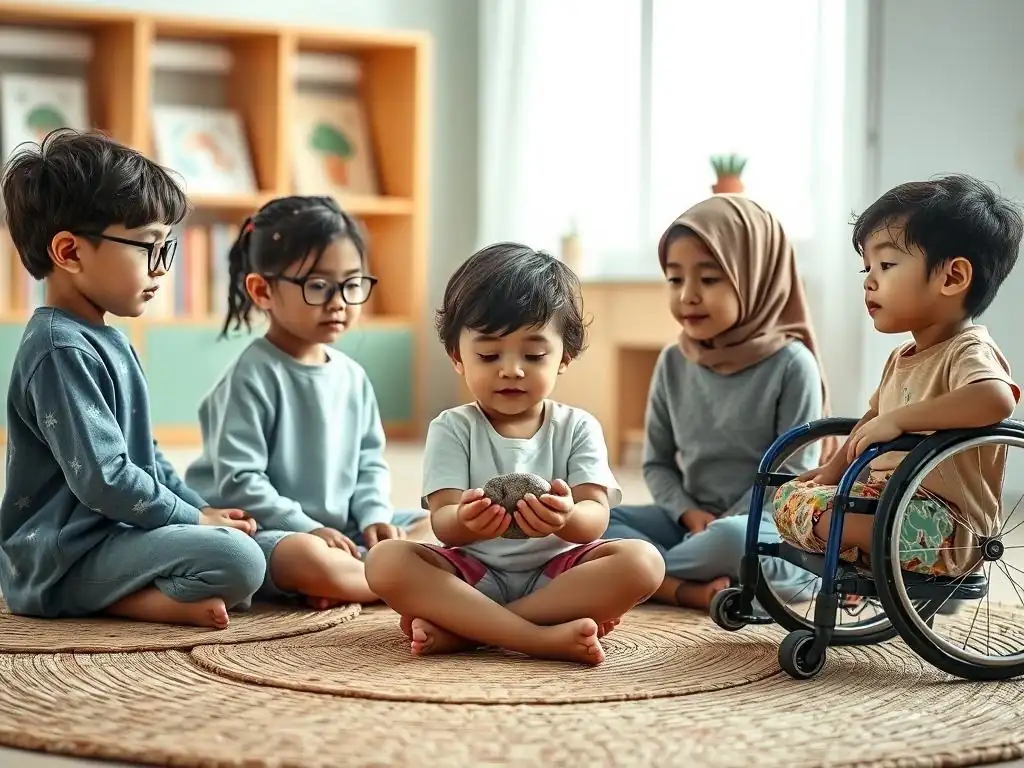
Step 1: Creating a Mindful Listening Culture in the Classroom
Establishing a culture that values mindful listening begins with setting clear expectations and modeling the behavior. Teachers can start by explicitly discussing what mindful listening looks and sounds like with their students. This might involve creating classroom norms together, such as "We listen with our eyes, ears, and hearts" or "One person speaks at a time." Displaying visual reminders or posters about mindful listening can also help reinforce these expectations daily.
Consistency is key. Teachers should consistently model mindful listening when students are speaking, demonstrating patience, making eye contact, and responding thoughtfully. They can also integrate brief moments of quiet reflection before discussions to help students center themselves and prepare to listen attentively. Making mindful listening an explicit part of classroom routines and interactions signals its importance as a core communication skill.
Step 2: Teaching Students Active Listening Skills
While mindful listening is about presence and non-judgment, active listening provides the concrete techniques that students can use. This involves teaching students skills such as making eye contact, nodding to show understanding, avoiding fidgeting or distracting behaviors, and waiting for a speaker to finish before responding. These are the observable behaviors that demonstrate attentive listening.
Teachers can use role-playing exercises, group activities, and specific listening tasks to help students practice these skills. For instance, pairing students and having one talk about a topic for a set time while the other practices active listening, followed by a discussion of the experience, can be highly effective. Providing specific feedback on their listening behaviors helps students understand what they are doing well and where they can improve their mindful listening schools communication skills.
Step 3: Training Teachers in Empathetic Communication
Effective implementation of mindful listening in schools heavily relies on teachers being skilled practitioners and models. Professional development focused on empathetic communication and mindful listening techniques is crucial. This training should go beyond basic active listening and delve into the principles of mindfulness, helping teachers understand how their own presence and emotional regulation impact their ability to listen mindfully to students.
Workshops could include practicing empathetic responses, learning techniques for managing personal reactions during challenging conversations, and understanding the non-verbal cues of students. Teachers can also benefit from peer coaching sessions where they can practice listening skills and receive constructive feedback. Investing in teacher training ensures that educators have the confidence and competence to integrate mindful listening effectively into their daily interactions and classroom management strategies.
Step 4: Practicing Mindful Listening Exercises Regularly
Like any skill, mindful listening requires regular practice to become habitual. Integrating brief, structured listening exercises into the school day can significantly reinforce the practice. This could be as simple as a "listening circle" at the beginning of the day where each student shares how they are feeling while others listen attentively without comment.
Another exercise involves reading a short passage aloud and having students listen for specific details, or having students pair up and practice paraphrasing what their partner has said. Teachers can also incorporate moments of quiet listening to environmental sounds to build auditory awareness. Regular, even short, practice sessions help students and teachers alike strengthen their capacity for focused, non-judgmental listening, embedding mindful listening schools communication skills into the fabric of the school day.
Mindful Listening Techniques for Students: Enhancing Comprehension and Connection
Body Language Awareness: Non-Verbal Cues in Mindful Listening
Understanding and utilizing body language is a key component of mindful listening for students. Teaching students to observe the speaker's non-verbal cues – such as facial expressions, posture, hand gestures, and tone of voice – helps them gain a fuller understanding of the message being conveyed, including the emotional context. For example, a student might say they are "fine," but their slumped shoulders and quiet tone might indicate they are not.
Equally important is teaching students to use their own body language to show they are listening mindfully. This includes making appropriate eye contact (comfortable, not staring), nodding occasionally to show understanding, and maintaining an open and relaxed posture. These non-verbal signals communicate respect and attentiveness to the speaker, strengthening the connection.
Resisting Interruptions: Focusing on the Speaker
A common challenge for students, and people in general, is the urge to interrupt or jump in with their own thoughts or experiences before the speaker has finished. Teaching students the importance of resisting this urge is fundamental to mindful listening. This involves developing patience and self-control, allowing the speaker the time and space they need to fully express themselves.
Students can practice this by consciously focusing their attention solely on the speaker's words and presence, acknowledging their own thoughts as they arise but gently letting them go without acting on them. Simple classroom rules like "raise your hand before speaking" or designated "talking sticks" can provide external structure to support students in developing the internal discipline needed to listen without interrupting.
Summarizing and Reflecting: Ensuring Understanding
To ensure comprehension and show the speaker that they have been heard, students can be taught the technique of summarizing and reflecting. This involves briefly restating in their own words what they understood the speaker to say, perhaps including the feeling they perceived. For example, a student might say, "So, if I understand correctly, you're feeling frustrated because the group project isn't moving forward as quickly as you hoped?"
This practice serves a dual purpose: it allows the listener to check their understanding and gives the speaker an opportunity to clarify if needed. It also demonstrates to the speaker that the listener was truly engaged and making an effort to grasp their message. This technique is particularly useful in group work or during peer-to-peer problem-solving activities.
Asking Clarifying Questions: Deepening the Conversation
Mindful listening isn't just about silently receiving information; it also involves engaging with the speaker in a way that deepens understanding. Teaching students how to ask open-ended, clarifying questions is a valuable skill. Instead of questions that can be answered with a simple "yes" or "no," clarifying questions encourage further elaboration and provide more context.
Examples include, "Could you tell me more about that?" or "What happened next?" or "How did that make you feel?" These types of questions show genuine interest and invite the speaker to share more, enriching the communication and demonstrating the student's commitment to mindful listening.
Mindful Listening Techniques for Teachers: Fostering a Supportive Learning Environment
Empathetic Responses: Showing Understanding and Validation
For teachers, responding with empathy is a cornerstone of mindful listening. This goes beyond simply hearing words; it involves acknowledging and validating the student's feelings and experiences. An empathetic response communicates that the teacher understands the student's perspective, even if they don't agree with it or can't immediately solve their problem.
Phrases like "It sounds like you're feeling really discouraged about this assignment" or "I can see why that situation would be upsetting" can make a significant difference. These responses build trust and encourage students to open up, creating a safe and supportive learning environment where students feel comfortable sharing their thoughts, concerns, and challenges.
Avoiding Judgment: Creating a Safe Space for Sharing
Creating a truly safe space for students to communicate requires teachers to consciously suspend judgment while listening. This means setting aside preconceived notions about a student, a situation, or the message being conveyed. Mindful listening encourages teachers to listen with an open mind and heart, focusing on understanding the student's perspective rather than immediately evaluating or criticizing it.
When students perceive that their teacher is listening without judgment, they are more likely to share honestly about academic struggles, personal challenges, or conflicts with peers. This openness allows teachers to gain a more accurate picture of what students are experiencing and provide more effective support and guidance. Avoiding judgmental language and maintaining a neutral, receptive demeanor are key practices.
Paraphrasing and Reflecting: Confirming Comprehension of Student Needs
Similar to the technique for students, paraphrasing and reflecting are essential for teachers to confirm their understanding of student needs and messages. After a student has shared something, a teacher can briefly restate the core message or feeling they heard. For example, "So, you're finding the math homework particularly challenging this week, is that right?" or "It sounds like you had a tough time during recess today."
This practice ensures accuracy in communication and demonstrates to the student that the teacher has truly listened and processed what was said. It also provides an opportunity for the student to correct any misunderstandings, ensuring that the teacher is addressing the actual issue or need. This confirmation process strengthens the teacher-student relationship and improves the effectiveness of interventions or support provided.
Addressing Student Anxiety Through Active Listening
Student anxiety is a significant factor affecting learning and well-being in schools. Mindful listening is a powerful tool for teachers to help students manage their anxiety. By actively listening to a student who is expressing anxiety, a teacher can provide a calming presence and help the student feel heard and less alone. This involves patiently listening to their worries without minimizing them, using empathetic responses, and validating their feelings.
For instance, if a student is anxious about a test, a teacher listening mindfully might say, "I hear you're feeling really nervous about the test tomorrow. It's understandable to feel that way. Can you tell me more about what specifically is worrying you?" This approach helps the student articulate their fears, which can reduce the intensity of the anxiety, and allows the teacher to identify specific sources of worry that might be addressed.
The Impact of Mindful Listening on School Climate: Creating a Positive and Inclusive Environment

Teaching mindful listening schools communication skills has a ripple effect on students' overall development. Academically, enhanced listening skills lead to better note-taking, improved participation in discussions, and a deeper understanding of complex subjects. When students can truly listen to lectures, instructions, and peer contributions, their learning efficiency increases significantly.
Socially, improved listening skills are fundamental for building strong relationships. Students who are good listeners are often more popular, better at resolving conflicts, and more empathetic towards others. They are better equipped to work effectively in groups, understand different perspectives, and navigate social situations with greater ease, contributing to a more harmonious peer environment.
Reduced Conflict and Bullying: Promoting a Safer School
A school where mindful listening is practiced is inherently a safer school. Many conflicts and instances of bullying stem from misunderstandings, a lack of empathy, or feeling unheard. When students and staff are skilled in mindful listening, they are better able to understand each other's intentions and feelings, reducing the likelihood of misunderstandings escalating into conflict.
Teaching students to listen empathetically to those they disagree with or those who are different from them fosters greater tolerance and reduces prejudice. Peer mediation programs that emphasize listening skills have shown success in resolving disputes peacefully. A school culture where feeling heard is the norm also reduces the motivation for bullying, as students are less likely to resort to aggression when their needs and feelings are acknowledged through positive communication channels.
Increased Student Engagement and Motivation: Fostering a Love of Learning
Students are more likely to be engaged and motivated in school when they feel connected and valued. Mindful listening contributes directly to this by making students feel seen and heard by their teachers and peers. When a student feels that their contributions in class are genuinely listened to and respected, they are more likely to participate actively and take intellectual risks.
Teachers who practice mindful listening can better identify students' interests, learning styles, and challenges, allowing them to tailor instruction to be more relevant and engaging. This personalized approach, born from attentive listening, can reignite a student's curiosity and foster a deeper love for learning.
Enhanced Teacher Well-being and Reduced Burnout: Supporting Educators
The benefits of mindful listening extend significantly to the well-being of teachers. Constant miscommunication, unresolved conflicts, and feeling unheard can contribute significantly to teacher stress and burnout. By improving communication and fostering more positive interactions with students, colleagues, and parents, mindful listening reduces these stressors.
When teachers feel they are effectively communicating with students and that their own voices are heard within the school community, their job satisfaction increases. Mindful listening can also help teachers manage the emotional demands of their profession by providing a framework for staying present and less reactive during challenging interactions, ultimately supporting their resilience and reducing burnout.
Mindful Listening Resources for Schools: Tools and Strategies for Success
Recommended Books and Articles on Mindful Listening
Numerous resources are available to help schools implement mindful listening practices. For foundational understanding, books like "Mindful Listening: Discern the Messages in Your Life" by Mark Coleman offer principles applicable to various contexts, including education. Articles published in educational journals or by organizations focused on social-emotional learning often provide research-backed strategies and case studies relevant to school settings. Searching for resources specifically on "Mindful listening schools communication skills" can yield valuable, targeted materials.
Exploring articles from reputable educational platforms or mindfulness organizations can provide practical tips for integrating listening exercises into the curriculum or professional development plans. Many publications highlight the specific benefits observed in schools that have prioritized mindful listening, offering inspiration and practical guidance.
Online Training Programs and Workshops for Teachers
Online professional development programs and workshops offer flexible options for training teachers in mindful listening and empathetic communication. Platforms like Coursera, EdX, or specialized educational training providers often have courses on mindfulness in education, social-emotional learning, and communication skills that include modules on mindful listening.
Organizations dedicated to mindfulness or character development in youth also offer online workshops tailored specifically for educators. These programs typically provide theoretical background, practical techniques, and opportunities for teachers to practice listening skills in a supportive environment. Investing in such training is a concrete step towards building capacity for mindful listening schools communication skills across the staff.
The "Listening with Empathy" Program for Elementary Schools
Specific programs designed for different age groups can be highly effective. For elementary schools, a program like "Listening with Empathy" could be a valuable resource. Such programs often use age-appropriate language, stories, and interactive activities to introduce young students to the concepts of paying attention, understanding feelings, and responding kindly.
These programs might involve classroom lessons, guided practice sessions, and take-home activities to involve families. For example, a lesson might use puppets to demonstrate good versus poor listening, followed by a simple exercise where students practice listening to a partner describe their favorite toy. Implementing a structured program like this provides a consistent framework for teaching foundational mindful listening skills to young learners.
Overcoming Challenges to Mindful Listening in Schools
Addressing Distractions and Interruptions
Distractions are perhaps the most pervasive challenge to mindful listening in schools. Teachers can address external distractions by creating quiet zones or implementing strategies like turning off notifications during specific listening times. Managing internal distractions requires teaching mindfulness techniques, such as brief breathing exercises, to help students and teachers focus their attention.
For interruptions, reinforcing clear communication norms is essential. Using non-verbal cues to signal "wait your turn" or implementing structured speaking turns (like using a talking piece) can help. Patiently redirecting individuals who interrupt and reminding them of the listening norms reinforces the importance of allowing others to finish speaking.
Dealing with Difficult Conversations and Emotions
Mindful listening can be particularly challenging during difficult conversations or when strong emotions are present. Both speakers and listeners may feel defensive, anxious, or angry. Teachers can prepare themselves and students for such situations by practicing mindful awareness of their own emotional responses. Recognizing when one is becoming reactive allows for a pause before responding.
Teaching strategies for staying calm under pressure, such as deep breathing, can be helpful. Focusing on the goal of understanding the other person, rather than winning an argument or shutting down the conversation, is crucial. Role-playing difficult scenarios in a low-stakes environment can also provide valuable practice for maintaining presence and empathy when emotions run high.
Maintaining Consistency and Commitment to Mindful Listening Practices
The biggest challenge in implementing mindful listening in schools long-term is often maintaining consistency and commitment. Initial enthusiasm may wane, and old habits can resurface, especially during busy or stressful periods. Embedding mindful listening into the school's core values and daily routines is essential for sustainability.
This involves ongoing professional development, regular reminders of the importance of listening, and celebrating successes. School leaders play a critical role by modeling mindful listening themselves and championing its importance. Creating a school-wide language around mindful listening and integrating it into disciplinary policies, staff meetings, and parent communications helps ensure it remains a priority and becomes an ingrained part of the school culture.
Conclusion: Cultivating a Culture of Mindful Communication in Schools
The Long-Term Benefits of Mindful Listening for Students, Teachers, and the School Community
The deliberate cultivation of mindful listening in schools yields profound long-term benefits that extend far beyond improved test scores. For students, it lays the groundwork for strong interpersonal skills, emotional intelligence, and academic success that will serve them throughout their lives. They learn to navigate complex social landscapes, build meaningful connections, and become more compassionate global citizens.
For teachers, mastering mindful listening leads to more fulfilling relationships with students, reduced stress, and a greater sense of effectiveness in their role. It transforms the classroom from a place of instruction delivery to a dynamic space of co-created learning and mutual respect. Across the entire school community, mindful listening fosters a climate of trust, safety, and belonging, making school a more positive and productive environment for everyone.
Empowering Students and Teachers through Effective Communication Skills
Ultimately, integrating mindful listening schools communication skills is an act of empowerment. It empowers students by giving them the tools to express themselves clearly, understand others deeply, and navigate their world with greater empathy and confidence. It empowers teachers by enhancing their ability to connect with students, manage their classrooms effectively, and find greater joy and resilience in their profession.
By prioritizing mindful listening, schools invest in the human element of education, recognizing that strong relationships and effective communication are not just supplementary to learning, but foundational to it. This commitment creates a legacy of connection, understanding, and well-being that enriches the lives of every member of the school community.
Frequently Asked Questions
What is mindful listening, and why is it important in schools?
Mindful listening involves paying full attention to the speaker without judgment. It's crucial in schools because it fosters better communication, empathy, and a more supportive learning environment.
How can mindful listening skills improve communication between students?
By practicing mindful listening, students learn to truly understand each other's perspectives. This reduces misunderstandings, promotes constructive dialogue, and strengthens peer relationships.
What are some practical ways to teach mindful listening in a school setting?
Activities like paired listening exercises, role-playing scenarios, and guided meditations can help. These methods teach students to focus on the present moment and actively engage with the speaker.
How does mindful listening contribute to improved mental well-being for both students and teachers?
Mindful listening reduces stress and anxiety by promoting a sense of connection and understanding. It fosters a more positive and supportive school climate for everyone involved.
What resources are available for schools that want to implement mindful listening programs?
Mind Care Guide offers articles, workshops, and resources on mindful listening techniques. Additionally, many educational organizations provide training and support for implementing these programs in schools.
Final Reflection: The Ripple Effect of Mindful Listening in Schools
The ability to truly listen, mindfully and without judgment, is not merely a social grace; it's a foundational skill for navigating the complexities of modern life, and especially crucial for fostering positive learning environments in our schools. The escalating challenges faced by students – from academic pressure to social-emotional struggles – highlight the urgent need for improved communication, and mindful listening offers a powerful pathway to address these issues.
The impact of mindful listening extends far beyond the classroom. It cultivates empathy, strengthens relationships, and creates a safer, more inclusive space for all learners. This resonates deeply with my own experiences witnessing the transformative power of attentive listening in resolving conflicts and building trust amongst students. The most basic of all human needs is the need to understand and be understood.
– Ralph Nichols. This quote perfectly encapsulates the core of mindful listening: a reciprocal exchange of understanding that fosters genuine connection.
Now, consider your own role in fostering mindful listening. Are you truly present when interacting with students, colleagues, or even family members? I invite you to actively practice mindful listening in your daily life, starting with small steps like putting away distractions and focusing intently on the speaker. By embracing this powerful tool, you not only contribute to a more harmonious school environment but also cultivate a deeper understanding of yourself and those around you, creating a ripple effect of positivity that extends far beyond the school walls.
Unlock Deeper Connections: Put Mindful Listening into Practice
Thanks for taking the time to explore the power of mindful listening in schools! We hope you gained valuable insights into fostering better communication and stronger relationships. Now, let's put these ideas into action.
- Prioritize mindful listening in your next conversation: Try focusing solely on the speaker, observing their body language and truly understanding their message before responding. Notice the difference!
- Share this article with a colleague or educator: Let's spread the word about the transformative impact of mindful listening.
- Consider incorporating a brief mindful listening exercise into your classroom routine: Even a few minutes can make a noticeable difference in classroom dynamics.
What small step will you take today to cultivate more mindful listening in your school or community?