
Mindful Walking Indoors: Stress Relief Without Leaving Home

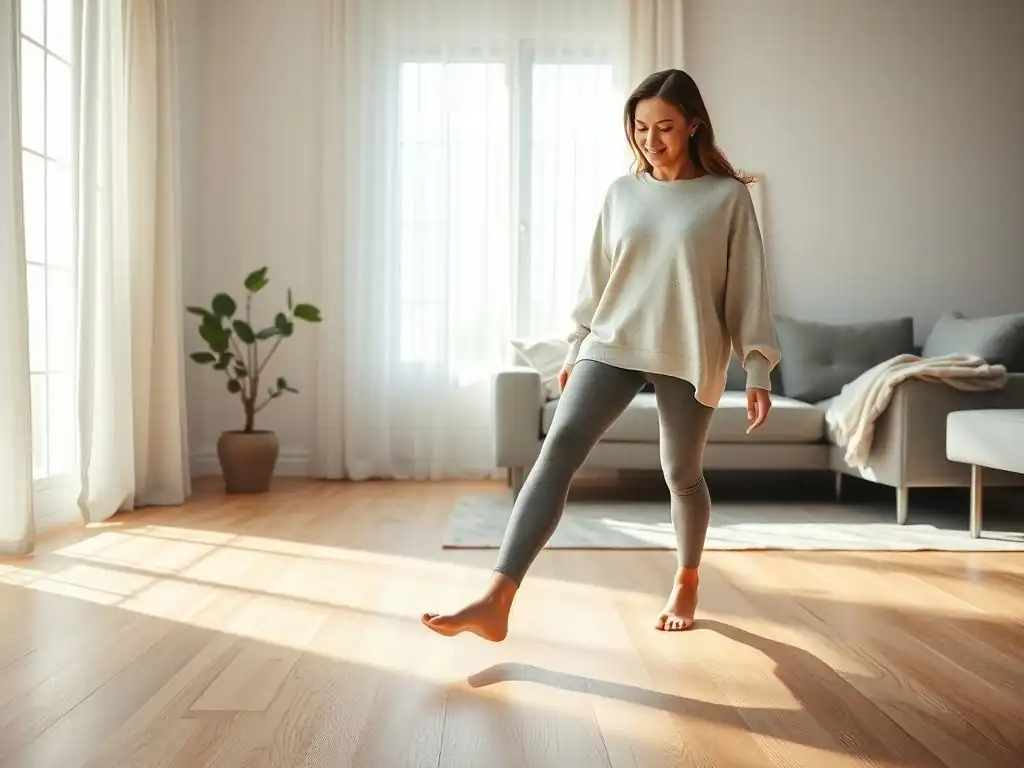
Welcome to Mind Care Guide, your haven for nurturing mental well-being. Feeling overwhelmed, even within the walls of your home? You're not alone. Discover the transformative power of Mindful Walking Indoors: Stress Relief Without Leaving Home, and unlock a simple yet profound technique to find peace and calm amidst the everyday chaos. Intrigued? Let's take the first step together.
Mindful Walking Indoors: Stress Relief Without Leaving Home
- Mindful Walking for Indoor Stress Reduction: An Introduction
- Preparing for Your Mindful Indoor Walk: Setting the Stage for Stress Reduction
-
The Step-by-Step Guide to Mindful Walking Indoors
- Step 1: Starting Position and Posture for Mindful Walking
- Step 2: Focusing on Your Breath: The Foundation of Mindful Walking
- Step 3: Engaging Your Senses: Noticing Your Surroundings Indoors
- Step 4: Paying Attention to Your Feet: Grounding Yourself in the Present Moment
- Step 5: Dealing with Distractions During Your Indoor Walk
- Advanced Techniques for Enhancing Mindful Indoor Walking
- The Benefits of Regular Mindful Walking Indoors for Stress Management
- Troubleshooting Common Challenges in Mindful Indoor Walking
- Integrating Mindful Walking Indoors into Your Daily Stress Relief Routine
- Beyond the Walk: Extending Mindfulness into Your Day After Indoor Practice
- Conclusion: Embrace Mindful Walking Indoors for Lasting Stress Relief
-
Frequently Asked Questions
- How does mindful walking indoors contribute to stress relief?
- Can mindful walking indoors be as effective as outdoor walking for reducing stress?
- What are some tips for creating a mindful walking indoor routine for stress relief?
- What are the benefits of mindful walking indoors compared to other stress relief techniques?
- How does Mind Care Guide support individuals seeking mindful walking indoor stress relief?
- Final Reflection: Reclaiming Calm in the Confines of Home
- Unlock Your Inner Calm: Start Walking Mindfully Today!
Mindful Walking for Indoor Stress Reduction: An Introduction
Understanding Stress and the Need for Indoor Stress Relief Techniques
Stress is a pervasive challenge in modern life, impacting millions globally. The American Psychological Association's "Stress in America" survey consistently shows high levels of stress related to various factors, including work, finances, and health. This chronic stress response can lead to significant health issues, both mental and physical, such as increased risk of heart disease, weakened immune function, anxiety disorders, and depression. The demands of daily life often leave little time or opportunity for traditional outdoor stress-relief activities like long walks in nature.
Furthermore, factors like unpredictable weather, safety concerns, or limited access to green spaces make outdoor activities impractical for many. This highlights a significant need for accessible, effective indoor stress relief techniques. Finding ways to mitigate stress within the confines of one's home or office is crucial for maintaining well-being, offering a convenient and reliable method to interrupt the stress cycle regardless of external circumstances. Mindful walking indoors presents a viable and powerful solution to this challenge.
What is Mindful Walking and How Does it Relieve Stress?
Mindful walking is a form of meditation that involves paying deliberate attention to the sensations of walking. Unlike a casual stroll where the mind might wander through worries or to-do lists, mindful walking brings awareness to the physical act itself – the movement of the legs, the feeling of the feet touching the ground, the rhythm of the breath, and the surrounding environment, even if that environment is indoors. It's about being fully present with each step, rather than focusing on reaching a destination.
This practice helps relieve stress primarily by shifting focus away from ruminative thoughts that often fuel anxiety. By anchoring attention to sensory input and the present moment, mindful walking interrupts the stress response cycle. Research, including studies published in journals like Health Psychology, indicates that regular mindfulness practices can lead to a measurable reduction in stress hormones like cortisol and alleviate symptoms associated with stress, such as muscle tension and irritability. Engaging in mindful walking indoor stress relief allows individuals to access these benefits anytime, anywhere within their living space.
Preparing for Your Mindful Indoor Walk: Setting the Stage for Stress Reduction
Creating a Calm and Quiet Indoor Walking Space
The environment plays a significant role in the effectiveness of mindful walking indoors. While you don't need a large area, selecting a space that allows for uninterrupted movement is key. This could be a hallway, a clear path in a living room, or even a dedicated loop around a room. The goal is to minimize external distractions. Consider turning off electronic devices, such as televisions and phones, or putting them on silent mode.
Further enhancing the space involves creating a calm atmosphere. If possible, choose a time when household noise is minimal. Adjust lighting to be soft rather than harsh. While you cannot bring nature indoors, you can enhance the sensory experience by noticing details – the texture of the floor, the patterns of light and shadow, or perhaps the scent of a nearby houseplant. Making this conscious effort transforms a simple indoor space into a sanctuary for stress relief through indoor walking.
Choosing the Right Time for Your Mindful Walking Practice
Consistency is often more important than duration when starting a mindfulness practice like mindful walking indoors. Find a time of day that you can realistically dedicate, even if it's just for 10-15 minutes. For some, the early morning before the demands of the day begin offers a peaceful window. Others may find a mid-day break useful for resetting and reducing stress. An evening walk can help release tension accumulated throughout the day, preparing the mind and body for rest.
Experiment with different times to see what feels most effective for your mindful walking indoor stress relief. The key is to choose a time when you are least likely to be interrupted and can fully commit to the practice. Even short, regular sessions can accumulate significant benefits over time, contributing to improved stress management and overall well-being.
Setting Your Intention: Focusing on Stress Relief
Before you begin your mindful indoor walk, take a moment to set an intention. This isn't about setting a goal for how far or how long you will walk, but rather about clarifying why you are engaging in this practice. Your intention could be as simple as "I am walking to bring awareness to my body," "I am walking to release tension," or specifically, "I am doing this mindful walking for indoor stress relief."
Setting an intention helps focus your mind and grounds the practice in purpose. It serves as a gentle reminder to return your attention to your chosen focus whenever the mind wanders. This simple act transforms the physical movement into a deliberate act of self-care and mindfulness, enhancing its effectiveness in mitigating stress and cultivating presence.
The Step-by-Step Guide to Mindful Walking Indoors
Step 1: Starting Position and Posture for Mindful Walking
Begin your mindful indoor walk by standing upright at one end of your chosen path. Stand with your feet hip-width apart, feeling the contact of your feet on the floor. Allow your arms to hang naturally by your sides or clasp them gently in front of you – whatever feels comfortable. Your gaze can be soft, looking slightly downward a few feet ahead of you, or simply held loosely.
Take a moment here to arrive in your body. Notice the sensation of standing, the subtle shifts in balance. Allow your shoulders to relax and your spine to lengthen gently. This initial posture sets the stage for the walk, inviting a sense of presence and readiness for the practice of mindful walking indoor stress relief.
Step 2: Focusing on Your Breath: The Foundation of Mindful Walking
Before taking your first step, bring your awareness to your breath. You don't need to change your breathing in any way, just notice it as it is. Feel the air entering and leaving your nostrils or the rise and fall of your chest or abdomen. The breath serves as a primary anchor for your attention during mindful walking.
As you begin to walk, maintain a gentle awareness of your breath. You might coordinate your steps with your breath, perhaps taking two or three steps with each inhale and exhale, or simply let your breath flow naturally while keeping it in the background of your awareness. Whenever your mind gets caught up in thoughts, gently guide your attention back to the sensation of breathing, using it as a tool for mindful walking indoor stress relief.
Step 3: Engaging Your Senses: Noticing Your Surroundings Indoors
While the focus is often on the physical sensations of walking, mindful walking indoors also involves gently opening your awareness to your immediate environment. What do you see around you? Notice colors, shapes, and textures without judgment. What sounds do you hear? Perhaps the hum of an appliance, distant traffic, or even the sound of your own footsteps.
Engaging your senses in this way helps ground you in the present moment and prevents the mind from getting lost in internal narratives. It's not about analyzing or evaluating your surroundings, but simply noticing them as they are. This expanded awareness adds another layer to the practice, making the mindful walking indoor stress relief experience richer and more engaging.
Step 4: Paying Attention to Your Feet: Grounding Yourself in the Present Moment
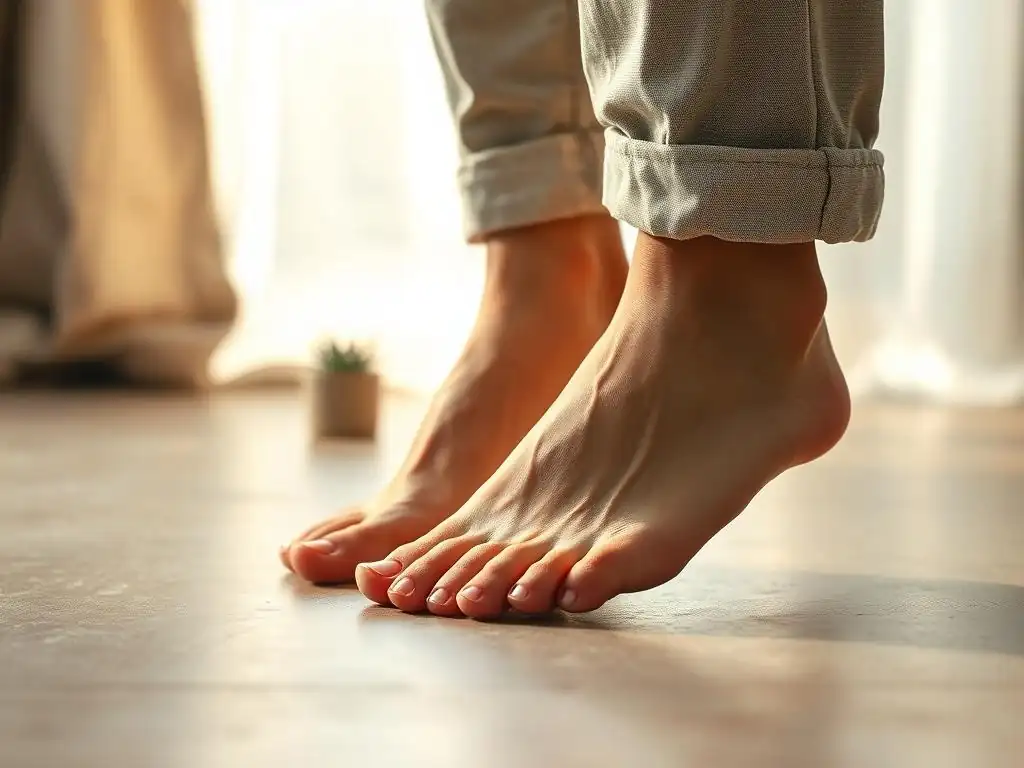
A core element of mindful walking is bringing detailed attention to the physical sensations in your feet and legs as you walk. As you lift one foot, notice the sensation of weight shifting to the other. As you move the foot forward, feel the swing of the leg. As the foot comes down, notice the heel making contact with the ground, then the ball of the foot, and finally the toes. Feel the pressure, the temperature, the texture of the floor beneath you.
This deliberate focus on the mechanics and sensations of walking serves as a powerful anchor to the present moment. It's a tangible, continuous sensory experience that keeps the mind from drifting. Regularly returning your attention to your feet reinforces the practice of mindful walking indoor stress relief, pulling you out of stressful thoughts and into the immediate physical reality.
Step 5: Dealing with Distractions During Your Indoor Walk
Distractions are a natural part of any mindfulness practice, especially mindful walking indoors. Thoughts about the past or future, worries, sounds, or physical discomforts will inevitably arise. The key is not to eliminate distractions, but to change your relationship with them. When you notice your mind has wandered – perhaps you're planning dinner or replaying a conversation – simply acknowledge the thought without judgment.
Gently, but firmly, guide your attention back to your chosen anchor, whether it's your breath, the sensations in your feet, or the sights/sounds around you. This process of noticing and returning is the essence of mindfulness practice. Each time you bring your attention back, you strengthen your capacity for focus and presence, making your mindful walking indoor stress relief practice more effective over time. Don't be discouraged by wandering thoughts; they are opportunities to practice bringing your mind back.
Advanced Techniques for Enhancing Mindful Indoor Walking
Mindful Walking with Body Scan Awareness
Once you are comfortable with the basic steps of mindful walking indoors, you can deepen the practice by incorporating a body scan. As you walk, systematically bring your awareness to different parts of your body, starting perhaps from your feet and moving upwards. Notice any sensations – warmth, coolness, tingling, tightness, relaxation – without trying to change them.
For example, as you take a step, you might focus specifically on the muscles in your calf, then your thigh, then your hips. On the next step, shift your focus to your torso, shoulders, and arms. This adds another layer of sensory awareness to the walk, helping to identify areas of tension you might be holding onto and allowing you to gently release them. Integrating a body scan enhances the stress relief benefits of mindful walking indoors by increasing interoceptive awareness, the awareness of your body's internal state.
Incorporating Affirmations into Your Mindful Indoor Walk
Adding affirmations can infuse your mindful walking indoor stress relief practice with positive intention and self-compassion. As you walk, you can silently repeat phrases that resonate with you and support your goal of reducing stress. Examples might include: "With each step, I release tension," "I am present and calm," "I am safe in this moment," or "My body is strong and capable."
Choose affirmations that feel authentic and supportive. Repeat them silently with each step or each breath. This technique combines the physical movement and sensory awareness of mindful walking with positive self-talk, helping to counteract negative thought patterns that contribute to stress and anxiety. It adds a layer of emotional support to the physical practice.
Varying Your Pace for Deeper Stress Reduction
Experimenting with pace can bring different qualities to your mindful indoor walk. A very slow, deliberate pace can heighten awareness of the subtle sensations of movement and balance, promoting deep relaxation. A slightly brisker pace can help release pent-up physical energy and tension, while still maintaining mindfulness of the body and surroundings.
Try dedicating a few minutes of your walk to each pace. Start slow, then gradually increase the pace for a period, and finally return to a slow, mindful speed to conclude. Paying attention to how your body and mind feel at different paces can reveal which speed is most effective for your particular stress level at that moment. Varying the pace keeps the practice fresh and allows you to tailor your mindful walking indoor stress relief experience to your needs.
The Benefits of Regular Mindful Walking Indoors for Stress Management
Reduced Anxiety and Improved Mood
Consistent practice of mindful walking indoors has been shown to significantly impact psychological well-being. By regularly shifting focus from worrisome thoughts to the present moment, individuals can train their brains to interrupt anxiety loops. Studies, such as those published in the Journal of Consulting and Clinical Psychology, demonstrate that mindfulness-based interventions, including practices like mindful walking, can lead to clinically significant reductions in symptoms of anxiety and depression.
Anecdotal reports from practitioners often describe feeling calmer, more centered, and less overwhelmed after incorporating mindful walking into their routine. The simple act of moving mindfully indoors provides a reliable tool for managing daily stressors, leading to a noticeable improvement in overall mood and a decrease in feelings of restlessness or unease associated with stress. This makes mindful walking indoor stress relief a valuable addition to any mental wellness toolkit.
Enhanced Body Awareness and Physical Well-being
Mindful walking encourages a deeper connection with the physical body. By paying close attention to sensations like muscle movement, balance, and posture, individuals become more attuned to physical signs of stress, such as tension held in the shoulders or jaw. This increased awareness allows for earlier recognition and release of physical stress manifestations.
Furthermore, even gentle physical activity like indoor walking contributes to physical health. Regular movement can improve circulation, reduce muscle stiffness, and contribute to better sleep quality – all factors that positively impact stress levels. While not a strenuous workout, consistent mindful walking indoors provides a foundation of gentle physical activity combined with mental benefits, contributing to holistic physical and mental well-being and enhancing the effects of mindful walking indoor stress relief.
Cultivating a Sense of Calm and Presence in Daily Life
Beyond the dedicated practice time, the skills developed during mindful walking indoors naturally extend into other areas of life. The ability to notice thoughts without judgment, return attention to the present moment, and engage senses can be applied while washing dishes, commuting, or interacting with others. This cultivation of presence helps individuals navigate challenges with greater ease and less reactivity.
Regular mindful walking indoor stress relief practice trains the mind to be more present and less dominated by stressful ruminations about the past or future. This leads to a greater sense of calm, not just during the walk, but throughout the day. It builds resilience, making individuals better equipped to handle stressful situations when they arise, fostering a more peaceful and centered approach to life.
Troubleshooting Common Challenges in Mindful Indoor Walking
Dealing with a Lack of Space for Mindful Walking
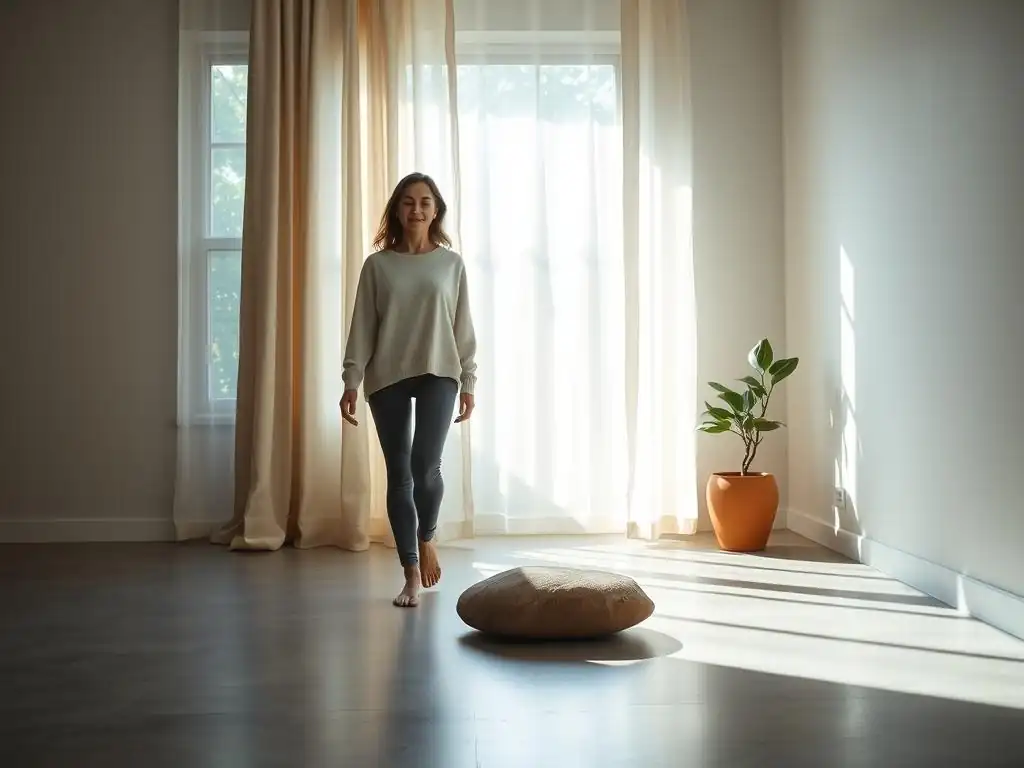
One common concern is having limited space for mindful walking indoors. However, the practice doesn't require a long corridor or a large room. You can effectively practice mindful walking in a small area, even just a few steps back and forth. The key is the mindfulness, not the distance covered.
If space is very restricted, consider walking slowly in a circle, or even practicing mindful walking in place, focusing on the shifting weight from one foot to the other. A designated path of just 5-10 feet is often sufficient. The focus remains on the internal experience – the sensations, the breath, the present moment – rather than the external journey. This adaptability makes mindful walking indoor stress relief accessible even in the most confined spaces.
Maintaining Focus When Feeling Overwhelmed
Feeling overwhelmed can make it particularly challenging to focus during mindful walking. When the mind is racing with worries, sitting still might feel impossible, making movement a helpful option. If you find your mind constantly pulling you away during your indoor walk, try shortening the practice session initially. Even 5 minutes of focused walking can be beneficial.
Increase your reliance on a strong anchor, such as the sensation of your feet hitting the ground. Silently narrate the action: "Lifting left foot... moving left foot forward... placing left foot down." This verbalization can help keep the mind tethered to the present physical experience. Be compassionate with yourself; it's okay if your mind wanders frequently when you're stressed. Simply acknowledge it and gently guide your attention back, practicing patience and persistence with your mindful walking indoor stress relief.
Adapting Mindful Walking for Different Physical Abilities
Mindful walking indoors is highly adaptable for individuals with varying physical abilities. If prolonged standing or walking is difficult, the practice can be modified. For example, mindful movement can be done while seated, focusing on the sensations of shifting weight, gentle arm movements, or even just the feeling of breath within the body.
For those who use mobility aids, the practice involves bringing awareness to the sensations associated with using the aid – the feel of hands on crutches or a walker, the movement of wheels on a wheelchair, combined with the awareness of the body itself. The core principle of bringing non-judgmental attention to present moment sensory experience remains the same, ensuring that mindful walking indoor stress relief is inclusive and accessible to nearly everyone.
Integrating Mindful Walking Indoors into Your Daily Stress Relief Routine
Combining Mindful Walking with Other Mindfulness Practices
Mindful walking indoors can be a powerful standalone practice, but its benefits are often amplified when combined with other mindfulness techniques. For example, you might begin your day with a short period of seated meditation, followed by a 10-minute mindful walk around your home. This combination utilizes different forms of mindfulness to cultivate stillness and movement-based awareness.
Alternatively, you could use mindful walking as a transition between activities, such as walking mindfully from your workspace to the kitchen for a break, incorporating brief moments of stress relief through indoor walking throughout your day. Pairing mindful walking with practices like mindful eating or body scan exercises further strengthens your overall mindfulness muscle and enhances your ability to manage stress effectively.
Creating a Sustainable Mindful Walking Habit
Building any new habit takes consistency and intention. To make mindful walking indoors a sustainable part of your stress relief routine, start small. Commit to just 5-10 minutes daily or a few times a week. Schedule it like any other important appointment. Choose a consistent time that works for you and try to stick to it initially.
Make it easy to start – keep your chosen indoor path clear. Don't aim for perfection; some days your walk will feel more mindful than others, and that's okay. The key is showing up. Over time, as you experience the positive effects of mindful walking indoor stress relief, the practice will become less of a chore and more of a valued part of your day, reinforcing its sustainability.
Tracking Your Progress and Celebrating Your Successes
While mindfulness isn't about achieving goals in the traditional sense, acknowledging your consistency and the subtle shifts you notice can be motivating. You might keep a simple journal, noting down how often you walked, for how long, and perhaps a word or two about how you felt before and after the walk.
Notice changes over time – perhaps you feel less reactive to minor stressors, find it easier to fall asleep, or experience fewer moments of intense anxiety. Celebrate your commitment to yourself and your well-being. Recognizing these successes, no matter how small, reinforces the positive impact of mindful walking indoor stress relief and encourages continued practice.
Beyond the Walk: Extending Mindfulness into Your Day After Indoor Practice
Using Mindful Walking Principles in Other Activities
The core principles learned during mindful walking indoors – paying attention to sensory experience, noticing thoughts without judgment, and returning attention to the present moment – are transferable skills. You can apply mindful awareness to countless daily activities. For instance, when washing dishes, notice the temperature of the water, the feel of the soap, the texture of the plate.
During your commute (even if it's just to another room), notice the sensation of sitting, standing, or moving. When listening to someone, practice truly hearing their words without formulating your response. By consciously bringing mindfulness to these everyday moments, you extend the stress-reducing benefits of your mindful indoor walk throughout your day, making mindfulness less of a separate practice and more of a way of being.
Maintaining a Mindful Mindset Throughout the Day
Cultivating a mindful mindset means approaching your day with a greater sense of presence, awareness, and non-judgment. It involves pausing throughout the day to check in with yourself – how are you feeling physically and emotionally? What is happening around you right now? These brief check-ins, sometimes called "micro-mindfulness moments," can help you stay grounded and prevent stress from accumulating unnoticed.
Your regular mindful walking indoor stress relief practice serves as a foundation for this sustained awareness. It trains your brain to be more present, making it easier to access this state throughout the day. This ongoing mindfulness helps you respond to challenges more effectively, appreciate positive experiences more fully, and ultimately navigate the complexities of life with greater calm and resilience.
Conclusion: Embrace Mindful Walking Indoors for Lasting Stress Relief
Stress is an undeniable part of modern life, but finding effective ways to manage it is crucial for well-being. Mindful walking indoors offers an accessible, adaptable, and powerful technique for stress relief without ever needing to step outside. By bringing conscious attention to the simple act of walking within your own space, you engage your senses, anchor yourself in the present moment, and interrupt the cycle of stressful rumination.
From preparing your space and setting intention to navigating distractions and incorporating advanced techniques, mindful walking indoors is a practice that deepens with consistency. Its benefits extend beyond the walk itself, contributing to reduced anxiety, improved mood, enhanced body awareness, and a greater sense of calm and presence throughout your day. Embrace the simplicity and effectiveness of mindful walking indoor stress relief as a foundational element of your personal well-being strategy.
Frequently Asked Questions
How does mindful walking indoors contribute to stress relief?
Mindful walking indoors helps by shifting your focus to the present moment, reducing rumination on stressful thoughts. The gentle movement and controlled breathing promote relaxation and lower cortisol levels.
Can mindful walking indoors be as effective as outdoor walking for reducing stress?
Yes, mindful walking indoors can be effective. The key is focusing on the sensory experience of walking, regardless of the environment. It's about the mindfulness, not the location.
What are some tips for creating a mindful walking indoor routine for stress relief?
Start with a short session (5-10 minutes) and gradually increase the duration. Focus on your breath, foot placement, and body sensations. Minimize distractions like phones or TV.
What are the benefits of mindful walking indoors compared to other stress relief techniques?
It's accessible and requires no special equipment or training. It's also a low-impact exercise that can be done anywhere, making it a convenient option for indoor stress relief.
How does Mind Care Guide support individuals seeking mindful walking indoor stress relief?
Mind Care Guide offers resources and information on mindful walking techniques. We provide articles, tips, and guides to help you incorporate this practice into your daily routine for better mental well-being.
Final Reflection: Reclaiming Calm in the Confines of Home
The simple act of mindful walking, even indoors, offers a powerful antidote to the pervasive stress of modern life. In a world increasingly dominated by screens and relentless demands, finding pockets of peace is crucial, and this surprisingly accessible practice provides just that. The techniques explored in this article – focusing on breath, engaging the senses, and cultivating present moment awareness – are not merely fleeting trends but essential tools for navigating the complexities of daily existence.
The impact of mindful walking extends far beyond the immediate feeling of relaxation. It cultivates a deeper connection with our bodies and minds, fostering self-awareness and resilience. This practice, once considered niche, is increasingly recognized for its therapeutic benefits, offering a pathway to manage stress and anxiety without relying solely on medication or external interventions. The body benefits from movement, and the mind benefits from stillness.
This simple truth underscores the power of mindful walking to harmonize our inner and outer worlds.
Now, consider how you can integrate mindful walking into your own routine. Perhaps dedicate just five minutes each day to a conscious walk around your home, focusing on your breath and the sensations in your feet. Don't underestimate the transformative potential of this small act. By cultivating this practice, you are not just reducing stress; you are building a foundation of inner peace and resilience that will serve you well in all aspects of your life. Embrace the quiet power of mindful movement, and discover the calm that awaits you, even within the four walls of your home.
Unlock Your Inner Calm: Start Walking Mindfully Today!
Thanks for taking the time to explore the power of mindful walking – even indoors! We hope you've discovered a new way to de-stress and reconnect with yourself. Ready to put it into practice?
- Begin your mindful indoor walk now: Set a timer for 10 minutes and focus on the sensations of your feet on the floor, your breath, and the movement of your body.
- Share your experience: Let us know in the comments how it felt to bring mindfulness into your indoor movement. Did you notice anything surprising?
- Consider adding a simple guided meditation to enhance your mindful walking practice for even deeper relaxation.
What small step will you take today to cultivate more inner peace?