
Mindfulness for Kids and Teens: Teaching Emotional Skills Early

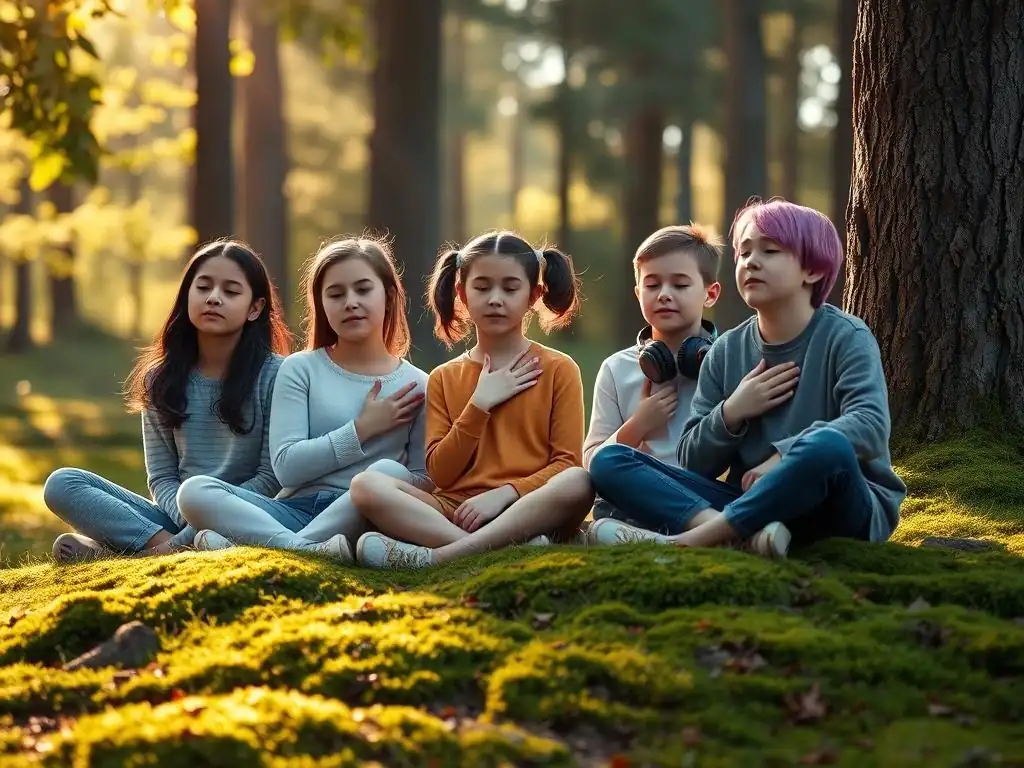
Welcome to Mind Care Guide, a space dedicated to nurturing your mental well-being.
Feeling overwhelmed navigating the complexities of your child's emotional landscape? You're not alone. Many parents and educators are searching for effective ways to equip young ones with crucial life skills. This article dives deep into Mindfulness for Young Children, exploring how simple techniques can foster emotional resilience and reduce stress. Discover the transformative power of early mindfulness and unlock your child's potential for a happier, healthier future. What if the key to their well-being was simpler than you thought?
Mindfulness for Kids and Teens: Teaching Emotional Skills Early
- Introduction to Mindfulness for Young Children and Adolescents
- The Importance of Emotional Regulation in Childhood and Adolescence
-
Practical Mindfulness Exercises for Kids and Teens
- Breathing Exercises for Children: Calming the Mind
- Mindful Movement: Yoga and Body Awareness for Youngsters
- Sensory Awareness Activities: Engaging the Senses Mindfully
- Mindful Listening: Developing Focus and Attention in Kids
- Guided Meditation Scripts for Children and Teens: "The Calming Jar" Meditation
- Adapting Mindfulness Techniques for Different Age Groups
- Integrating Mindfulness into Daily Life: At Home and at School
- Addressing Challenges and Common Misconceptions About Mindfulness for Kids
- The Long-Term Benefits of Mindfulness Practice in Childhood
- Conclusion: Empowering Kids and Teens with Mindfulness for a Brighter Future
-
Frequently Asked Questions
- What is mindfulness and why is it beneficial for young children?
- At what age can I begin teaching mindfulness techniques to my child?
- What are some practical exercises I can use to introduce mindfulness to my child?
- How can I incorporate mindfulness into my child's daily routine?
- What if my child resists mindfulness exercises?
- Final Reflection: Cultivating Inner Peace in a Fast-Paced World
- Unlock Your Child's Inner Calm: Start Practicing Mindfulness Today!
Introduction to Mindfulness for Young Children and Adolescents
Introducing mindfulness for young children and adolescents offers a powerful pathway to developing crucial emotional skills from an early age. In today's fast-paced world, young people face numerous pressures, from academic demands to social dynamics and the constant stimulation of digital media. Learning to navigate these challenges with a sense of calm and self-awareness is invaluable. Mindfulness provides tools that empower them to understand their inner experiences, manage difficult emotions, and build resilience, setting a strong foundation for future well-being.
This article explores the significant benefits of practicing mindfulness for kids and teens, delves into practical techniques tailored for different age groups, and discusses how these practices can be integrated into daily life at home and school. We will also address common questions and misconceptions, highlighting how mindfulness can be a transformative practice for young minds, fostering emotional intelligence and overall mental health.
Why Teach Mindfulness to Kids and Teens? Benefits of Early Emotional Skills Development
Teaching mindfulness to young children and adolescents offers a multitude of benefits that extend far beyond simple relaxation. By introducing these practices early, we equip them with essential life skills for navigating the complexities of their emotional landscape. Studies have indicated that regular mindfulness practice in school settings can lead to a noticeable reduction in reported anxiety and stress levels among students, sometimes showing improvements in emotional regulation scores by as much as 15-20% in certain programs. This early development of emotional awareness helps children and teens recognize feelings like frustration or worry without being overwhelmed by them.
Furthermore, mindfulness cultivates improved focus and attention, skills critical for academic success and everyday functioning. Research involving school-aged children engaging in mindfulness activities has demonstrated enhanced cognitive performance, including better working memory and sustained attention during tasks. For instance, some classroom-based interventions have reported improvements in attention spans, allowing students to concentrate more effectively during lessons. These benefits underscore why incorporating mindfulness for young children is not just about calming down, but about building foundational cognitive and emotional capabilities that support healthy development and resilience.
Understanding Mindfulness: A Simple Definition for Children and Teens
Mindfulness can be simply understood as paying attention to the present moment without judgment. For children and teens, this means noticing what is happening right now – what they are seeing, hearing, smelling, tasting, and feeling, both inside their body and in the world around them – with a sense of curiosity and kindness, rather than trying to change it or label it as good or bad. It's about learning to pause and observe their thoughts and feelings as temporary visitors, not facts that define them.
Imagine your mind is like a sky. Sometimes it's sunny, sometimes cloudy, sometimes stormy. Mindfulness helps us notice the weather in our sky without getting swept away by the storm. It's not about emptying the mind or becoming emotionless; it's about becoming more aware of our inner experience so we can respond thoughtfully instead of reacting impulsively. This simple practice, even just for a few minutes each day, helps young children and teens develop a greater sense of calm, self-awareness, and control over their reactions.
The Importance of Emotional Regulation in Childhood and Adolescence
Developing the ability to manage one's emotions in a healthy way is a cornerstone of psychological well-being throughout life. Emotional regulation involves understanding what you are feeling, accepting those feelings, and having strategies to respond to them constructively. For children and adolescents, whose brains are still developing, particularly the prefrontal cortex responsible for decision-making and emotional control, learning these skills is absolutely vital. Without effective emotional regulation, young people might struggle with intense mood swings, difficulty handling frustration, challenges in social interactions, and increased susceptibility to anxiety or depression.
Teaching emotional regulation early provides children and teens with a toolkit for navigating life's inevitable ups and downs. It helps them build healthy relationships, make better choices, and cope with stress more effectively. Consider a young child learning to share, or a teenager dealing with exam pressure; both situations require managing potentially intense emotions like frustration, disappointment, or anxiety. Mastering emotional regulation empowers them to handle these situations with greater ease and confidence, fostering resilience and promoting positive mental health outcomes as they grow.
Emotional Regulation: A Key Life Skill for Young People
Emotional regulation is far more than just controlling anger or sadness; it encompasses the full spectrum of emotional experience and response. For young people, mastering this skill is foundational for academic success, positive social interactions, and overall mental health. Children and teens who can effectively regulate their emotions are typically better able to focus in school, resolve conflicts peacefully with peers, bounce back from setbacks, and manage stress without resorting to unhealthy coping mechanisms. This capability is strongly linked to higher self-esteem and greater life satisfaction in later years.
Difficulties with emotional regulation in childhood and adolescence can manifest in various ways, including frequent tantrums, excessive worrying, impulsive behavior, or withdrawal from social situations. Approximately 10-15% of children and adolescents experience emotional regulation difficulties significant enough to impact their daily functioning. By explicitly teaching strategies like recognizing emotional triggers, understanding the physical sensations associated with different feelings, and practicing calming techniques, we provide young people with the internal resources they need to navigate challenging emotions and situations successfully, fostering emotional intelligence and resilience.
How Mindfulness Supports Emotional Regulation in Children
Mindfulness practice directly enhances emotional regulation skills in children by teaching them to observe their internal state without immediate reaction. When a child learns to notice a feeling like anger or fear arising in their body through mindful awareness – perhaps recognizing a tight chest or clenched fists – they gain a crucial moment of space between the feeling and their response. This pause allows them to choose a more constructive reaction instead of being automatically carried away by the emotion. It's like learning to watch a wave from the shore rather than being pulled under by it.
Through regular mindfulness exercises, young children develop a greater capacity for self-compassion and acceptance of their feelings. They learn that having difficult emotions is a normal part of being human and that these feelings are temporary. This non-judgmental awareness reduces the tendency to suppress or act out difficult emotions. For example, a teen practicing mindfulness might notice feelings of stress before a test but also recognize that these feelings will pass, allowing them to approach the test with more focus rather than becoming paralyzed by anxiety. This mindful approach builds a stronger internal locus of control over emotional responses.
Practical Mindfulness Exercises for Kids and Teens
Introducing mindfulness for young children and teens doesn't require complex techniques. Simple, engaging exercises can be easily incorporated into their day. These practices help them build awareness, manage emotions, and find moments of calm amidst busy schedules. The key is to make it accessible, fun, and relevant to their experiences.
Here are several practical mindfulness exercises tailored for different age groups:
Breathing Exercises for Children: Calming the Mind
Breathing is a fundamental anchor for mindfulness, and teaching children to pay attention to their breath can be a powerful tool for self-regulation. A popular exercise for young children is "Balloon Breath" or "Belly Breathing." Ask the child to lie down or sit comfortably and place their hands on their belly. Instruct them to imagine their belly is a balloon. As they inhale slowly through their nose, they should feel their belly "balloon" fill up with air, gently pushing their hands up. As they exhale slowly through their mouth, they should feel their belly "balloon" deflate.
Another simple technique is "Finger Breathing." Hold up one hand and use the pointer finger of the other hand to trace the outline of the fingers on the first hand. As you trace up a finger, inhale; as you trace down the other side of the same finger, exhale. Repeat this process for all five fingers. This exercise provides a visual and tactile element that helps children stay focused on their breath for a short period, typically about 30-60 seconds, offering an immediate way to find a moment of calm when feeling overwhelmed.
Mindful Movement: Yoga and Body Awareness for Youngsters
Mindful movement allows children and teens to connect with their bodies in a non-judgmental way, noticing sensations and developing body awareness. Simple yoga poses adapted for kids, like "Tree Pose" (balancing on one leg) or "Cat-Cow" (arching and rounding the back), can be done mindfully by encouraging them to notice how their body feels in each pose, the stretch of muscles, or the stability required for balance. It's not about performing the pose perfectly, but about the experience of being in their body.
Another effective mindful movement practice is a simple "Body Scan" adapted for young children. Have them lie down and guide them to bring their attention to different parts of their body, starting with their toes and slowly moving up to the top of their head. Ask them to simply notice any sensations they feel in each part – maybe tingling, warmth, or tightness – without trying to change anything. This exercise helps them become more aware of physical sensations associated with emotions or stress, and can be done for just 5-10 minutes, promoting relaxation and body awareness.
Sensory Awareness Activities: Engaging the Senses Mindfully
Engaging the five senses is an accessible way to bring attention to the present moment, especially for young children. An easy activity is the "Mindful Eating" exercise, often done with a raisin, a piece of fruit, or even a single chip. Instruct the child to hold the item, noticing its texture, weight, and color. Then, bring it to their nose and smell it, noticing any aromas.
Next, place it on their tongue without chewing, noticing its taste and texture. Finally, chew it slowly, paying attention to the changing sensations and flavors. This simple act of focusing on one item through the senses sharpens their ability to pay attention and find wonder in ordinary experiences.
Another activity involves mindful listening. Find a quiet spot and ask children to close their eyes and listen carefully for one minute. Afterward, ask them to share all the sounds they heard, from the closest to the farthest away. This helps develop auditory attention and an appreciation for the soundscape around them. Similarly, a "Mindful Walking" exercise can be done outdoors or indoors, encouraging them to notice the feeling of their feet on the ground, the movement of their legs, and the sights and sounds around them as they walk slowly and intentionally for a few minutes.
Mindful Listening: Developing Focus and Attention in Kids

Mindful listening is a simple yet powerful exercise that helps children develop focus, patience, and empathy. This practice involves paying complete attention to sounds in the environment or to another person speaking, without judgment or interruption. To practice mindful listening to sounds, find a quiet space and ask children to sit comfortably and close their eyes. Guide them to listen intently for a short period, perhaps 30 seconds to a minute, noticing all the sounds they can hear, both near and far, without trying to identify or label them.
Another form of mindful listening involves interpersonal communication. Teach children the importance of truly listening when someone else is speaking. This means making eye contact (if comfortable), nodding to show understanding, and waiting for the other person to finish before responding. A simple exercise is to have partners take turns sharing about their day for one minute each, with the listener's only job being to listen mindfully without interrupting. This practice not only improves attention but also strengthens communication skills and fosters connection.
Guided Meditation Scripts for Children and Teens: "The Calming Jar" Meditation
Guided meditations offer a structured way for children and teens to practice mindfulness, often using imaginative themes that resonate with them. "The Calming Jar" meditation is a popular visual aid. First, you would prepare a jar with glitter glue, water, and extra glitter (representing busy thoughts and feelings). Shake the jar vigorously to show how the mind can feel when it's full of worries or fast thoughts.
Here is a simple script outline for a "Calming Jar" meditation:
**"The Calming Jar" Meditation Script Outline**

1.  **Getting Comfortable:** Find a comfy spot to sit or lie down. Close your eyes gently if you feel safe, or soften your gaze.
2.  **Hold Your Jar:** Imagine you are holding your calming jar. It's full of all your busy thoughts, worries, and wiggles right now.
3.  **Shake it Up:** Imagine shaking the jar, really fast! See all the glitter swirling around? That's like when your mind feels really busy or upset.
4.  **Put it Down:** Now, gently place the jar down in your lap or next to you.
5.  **Watch the Glitter:** Just watch the glitter. Notice how it slowly, slowly begins to settle. It takes time. Don't try to push it down, just watch it.
6.  **Notice Your Breath:** As you watch the glitter settle, notice your own breath. Breathe in slowly... and breathe out slowly... Just like the glitter settling, your breath can help your body and mind settle too.
7.  **Keep Watching:** Keep watching the glitter. Keep noticing your breath. With each breath out, imagine a little more glitter settling at the bottom of the jar.
8.  **Stillness:** See how the water is becoming clearer? Your mind can become clearer too. Feel how your body might feel a little calmer now.
9.  **Ending:** When you're ready, take a deep breath in, and slowly breathe out. Wiggle your fingers and toes, and gently open your eyes.
This type of guided meditation provides a tangible metaphor for understanding how to manage busy thoughts and feelings, making the concept of mindfulness more accessible and concrete for young minds.
Adapting Mindfulness Techniques for Different Age Groups
Effective mindfulness for young children requires tailoring practices to their developmental stage and attention span. What works for a preschooler will be different from what engages a teenager. Understanding these differences ensures that mindfulness feels accessible, enjoyable, and beneficial for every age group.
Mindfulness for Preschoolers: Playful Activities and Games
For preschoolers (ages 3-5), mindfulness needs to be short, simple, and integrated into playful activities. Their attention spans are typically very brief, often only a few minutes. Focus on sensory experiences and movement. "Bell Listening" is a great activity: ring a small bell or chime and have the children listen until they can no longer hear the sound, raising their hand when it's gone. This develops auditory attention.
Another playful approach is "Mindful Walking" where they pretend to be different animals, noticing how their body moves and feels – creeping like a cat, stomping like an elephant, tiptoeing like a mouse. Using simple visual cues, like the Calming Jar mentioned earlier, or placing a small toy animal on their belly for "Belly Breathing," makes the abstract concept of breath tangible. Keep sessions very short, perhaps just 1-3 minutes, and repeat them throughout the day. The goal is exposure to moments of calm awareness through fun, engaging methods.
Mindfulness for Elementary School Children: Building Focus and Concentration
Elementary school children (ages 6-10) can engage with slightly longer mindfulness practices, typically 5-10 minutes, and can grasp more abstract concepts like focusing attention. Activities should help them build concentration and body awareness. The "Spaghetti Body, Cooked Spaghetti Body" exercise is popular: have them tense their whole body like uncooked spaghetti, then release and become floppy like cooked spaghetti, noticing the difference in sensation.
Guided imagery meditations tied to themes they understand, like being a tree with strong roots or floating on a cloud, can help them practice focus and relaxation. Introducing mindful listening to sounds in the classroom or playground helps them tune into their environment. Using a "Mindfulness Glitter Wand" (similar to the jar but easier to hold) can also serve as a visual aid for settling the mind. The focus shifts slightly towards building conscious awareness and introducing basic emotional identification, such as noticing how their body feels when they are excited or frustrated.
Mindfulness for Teens: Managing Stress and Anxiety
Mindfulness for teens (ages 11-18) can be more sophisticated and directly address common adolescent challenges like stress, anxiety, academic pressure, and social concerns. Practices can be longer, ranging from 10-20 minutes. Teens often benefit from understanding the why behind mindfulness – how it impacts brain development, stress response, and emotional regulation. Introducing formal sitting meditation, body scans, and walking meditation can be effective.
Techniques like mindful journaling, where they write about their thoughts and feelings without judgment, can help process complex emotions. Teaching mindful responses to difficult thoughts, such as labeling thoughts ("I'm having the thought that I'm not good enough") rather than believing them implicitly, is particularly useful for managing self-criticism and anxiety. Apps designed for teen mindfulness can also be a helpful resource. The focus for this age group is on building resilience, self-awareness, and developing healthy coping strategies for navigating the challenges of adolescence and preparing for adulthood.
Integrating Mindfulness into Daily Life: At Home and at School
Making mindfulness a regular part of a child or teen's life doesn't require setting aside large blocks of time. It's about weaving short moments of mindful awareness into existing routines and environments. Consistency is key, even if it's just for a few minutes each day. When mindfulness becomes a normal part of their world, its benefits are more deeply integrated.
Mindfulness at Home: Family Activities and Routines
Integrating mindfulness into the home environment can strengthen family bonds and provide practical tools for managing daily stresses. Simple activities can become mindful moments:
- Mindful Mornings: Start the day with a few deep breaths or a moment of quiet attention before rushing out the door.
- Mindful Mealtimes: Encourage family members to eat slowly, noticing the taste, texture, and smell of their food, and engaging in present conversation without distractions like screens.
- Transition Moments: Use mindfulness to navigate transitions, like coming home from school. Take a few moments to simply sit and breathe before starting homework or chores.
- Bedtime Practice: End the day with a short guided meditation or body scan to help relax and prepare for sleep.
Creating a designated "calm corner" with comforting items like pillows, blankets, and a calming jar can provide a physical space for children to practice self-regulation when feeling overwhelmed. Family mindfulness challenges, like trying a new mindful activity each week, can make it a shared and enjoyable experience.
Mindfulness in the Classroom: Promoting a Calm Learning Environment
Schools are increasingly recognizing the value of mindfulness for supporting students' emotional well-being and academic readiness. Integrating short mindfulness practices into the school day can help create a calmer, more focused learning environment. Teachers can incorporate:
- Morning Check-in: Start the day with a minute of quiet breathing or a body scan to help students settle and prepare to learn.
- Transition Breaks: Use a quick mindful minute between subjects or activities to help students reset their focus.
- Mindful Listening: Practice mindful listening during lessons or class discussions to improve attention and respect for others.
- Dealing with Stress: Teach simple breathing techniques before tests or presentations to manage anxiety.
Studies in schools implementing mindfulness programs have shown positive effects, including reduced disruptive behavior, improved emotional regulation, and enhanced academic engagement. For example, a program implemented in a UK school district reported a significant decrease in bullying incidents and an improvement in student-reported feelings of happiness and calm. Even just a few minutes of practice can make a difference in students' ability to focus and manage classroom challenges.
Resources for Teachers: Implementing Mindfulness Programs
Teachers interested in bringing mindfulness into their classrooms have access to a growing number of resources and programs designed specifically for educational settings. Many organizations offer curricula, training workshops, and lesson plans tailored for different age groups, from early elementary through high school. These resources provide structured approaches and support for educators who may be new to mindfulness practice themselves.
Examples of well-regarded programs include MindUP, developed by The Hawn Foundation, which integrates neuroscience, mindfulness, and social-emotional learning, and provides detailed lesson plans for various grade levels. Another is the Inner Resilience Program, focusing on stress reduction and self-regulation for students and teachers. Online platforms also offer guided meditations and activity ideas suitable for classroom use. While initial training may be required, these resources offer practical guidance and evidence-based strategies to help teachers effectively implement mindfulness for young children and teens in their learning environments, promoting a positive school culture.
Addressing Challenges and Common Misconceptions About Mindfulness for Kids
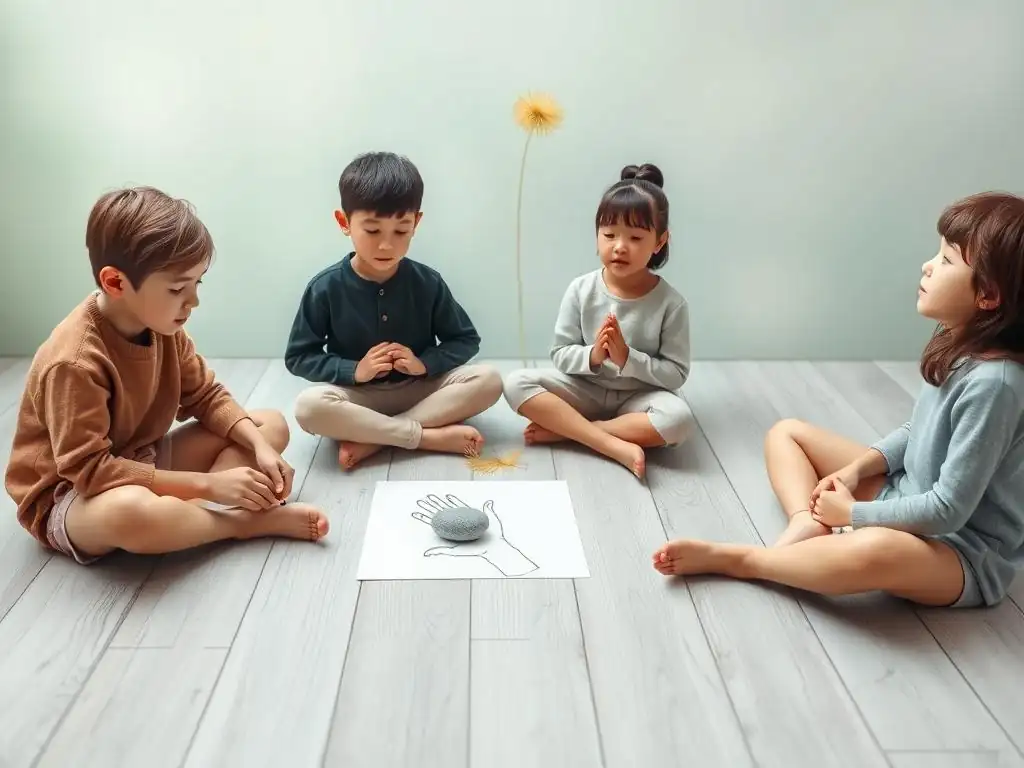
While the benefits of mindfulness for young children and teens are widely supported, it's important to approach the practice with awareness of potential challenges and to address common misunderstandings. Not every technique works for every child, and adapting practices is often necessary.
Is Mindfulness Suitable for All Children? Considerations and Adaptations for ADHD
Mindfulness is generally beneficial for most children, but it may require significant adaptation for those with certain conditions, such as Attention-Deficit/Hyperactivity Disorder (ADHD). Children with ADHD often struggle with sitting still and sustained attention, which can make traditional sitting meditation challenging or even frustrating. It's a misconception that mindfulness requires stillness; it requires attention, which can be cultivated in many ways.
For children with ADHD, more active and shorter mindfulness practices are often more effective. Mindful walking, mindful drawing or coloring, mindful movement like yoga, or sensory-based activities can be excellent starting points. Short bursts of focused attention, perhaps just 1-3 minutes at a time, integrated throughout the day, are often more successful than longer sessions.
The goal is to help them build awareness of their body and internal state in a way that works with their energy levels and attentional style, rather than against it. With thoughtful adaptation, mindfulness can be a valuable tool for children with ADHD, helping them to build self-awareness and develop strategies for managing impulsivity and improving focus over time.
Dispelling Myths About Mindfulness and Meditation for Young People
Several myths persist about mindfulness for young people. One common misconception is that it's about "emptying the mind" or stopping thoughts. This is inaccurate; mindfulness is about noticing thoughts without getting carried away by them. Another myth is that it's only for quiet or spiritual children; mindfulness is a secular practice focused on attention and awareness, beneficial for all personality types.
Some parents or educators worry that mindfulness might make children too passive or withdrawn. In fact, by building emotional regulation and self-awareness, mindfulness typically empowers children to respond more skillfully and engage more fully with their lives. It's also not a quick fix; like learning any new skill, the benefits of mindfulness for young children develop gradually with consistent practice. Understanding what mindfulness is – present moment awareness without judgment – helps demystify the practice and makes it more accessible for families and schools considering its implementation.
The Long-Term Benefits of Mindfulness Practice in Childhood
Introducing mindfulness for young children and teens isn't just about managing immediate stress; it lays the groundwork for lifelong well-being. The skills developed in childhood, such as emotional awareness, self-regulation, and resilience, continue to benefit individuals long into adulthood, contributing to greater mental health, stronger relationships, and a more fulfilling life.
Improved Mental Well-being and Resilience in Adulthood
Individuals who learned mindfulness or similar emotional regulation skills in childhood often demonstrate greater resilience and better mental well-being as adults. Early practice helps wire the brain for calmer responses to stress and challenges. Research suggests a correlation between childhood emotional regulation skills and lower rates of anxiety and depression in adulthood. For example, studies tracking individuals from childhood have found that those with better emotional control in their youth were more likely to report higher life satisfaction and fewer mental health challenges decades later.
Mindfulness cultivates an internal locus of control and a capacity to navigate difficulties with greater acceptance and less reactivity. This foundational resilience built during formative years means that as adults, they are better equipped to handle professional pressures, personal setbacks, and relationship challenges. The ability to pause, observe their internal state, and choose a response rather than reacting impulsively is a protective factor against burnout and emotional distress, contributing significantly to sustained mental wellness throughout life.
Increased Self-Awareness and Emotional Intelligence
A core outcome of consistent mindfulness practice from a young age is a significant increase in self-awareness and emotional intelligence. Children and teens who practice mindfulness become more attuned to their own thoughts, feelings, and physical sensations. This heightened self-awareness is the first step in emotional intelligence, allowing them to recognize their emotions as they arise and understand their impact on their behavior.
As they grow, this understanding deepens, enabling them to empathize more effectively with others, navigate social situations with greater skill, and build stronger, more meaningful relationships. Emotional intelligence, encompassing self-awareness, self-regulation, social awareness, and relationship management, is a strong predictor of success and happiness in adulthood, often more so than traditional measures of intelligence. By teaching mindfulness for young children, we are directly fostering the development of these critical skills, empowering them to understand themselves and connect authentically with the world around them.
Conclusion: Empowering Kids and Teens with Mindfulness for a Brighter Future
Equipping young children and teens with mindfulness skills offers them invaluable tools for navigating the complexities of growing up. By fostering emotional awareness, improving focus, and building resilience, mindfulness empowers them to manage stress, understand their feelings, and develop into well-rounded, emotionally intelligent individuals.
Introducing mindfulness for young children through playful, age-appropriate activities sets a powerful foundation for lifelong well-being. Whether practiced at home, in the classroom, or through dedicated programs, mindfulness helps young people cultivate a sense of calm, self-acceptance, and connection, preparing them for a brighter, more emotionally resilient future.
Frequently Asked Questions
What is mindfulness and why is it beneficial for young children?
Mindfulness is paying attention to the present moment without judgment. It helps children develop emotional regulation, reduce stress and anxiety, and improve focus and concentration.
At what age can I begin teaching mindfulness techniques to my child?
You can introduce basic mindfulness concepts even to preschool-aged children. Simple activities like mindful breathing or sensory exploration can be easily adapted for younger kids.
What are some practical exercises I can use to introduce mindfulness to my child?
Try mindful breathing exercises, like belly breathing, or engaging their senses with a mindful eating exercise, focusing on the taste and texture of a single raisin. Also, try body scan meditation where they pay attention to each part of their body.
How can I incorporate mindfulness into my child's daily routine?
Integrate short mindful moments throughout the day, such as during mealtimes, bedtime routines, or even while playing. Modeling mindfulness yourself is also crucial.
What if my child resists mindfulness exercises?
Don't force it! Make it fun and engaging, and adjust the activity to suit their interests and attention span. Experiment with different techniques and find what works best for your child.
Final Reflection: Cultivating Inner Peace in a Fast-Paced World
The ability to cultivate mindfulness in young people is not just a trend; it's a crucial life skill that equips them to navigate the increasingly complex challenges of the modern world. The pressures faced by children and teens today – academic demands, social media, and a rapidly changing environment – necessitate the development of strong emotional regulation skills, and mindfulness provides the essential foundation. This is more than just a fleeting practice; it's a powerful tool for building resilience and fostering well-being.
The impact of early mindfulness training extends far beyond the individual. It ripples outwards, influencing family dynamics, school environments, and ultimately, the broader societal landscape. By teaching children and teens to understand and manage their emotions, we are investing in a future generation better equipped to handle stress, build healthy relationships, and contribute positively to society. The future depends on what we do in the present.
- Mahatma Gandhi. This quote perfectly encapsulates the urgency and importance of integrating mindfulness practices into the lives of young people, shaping their present for a more peaceful and compassionate future.
Now, consider your own life. How could you incorporate even small moments of mindfulness into your daily routine, or into the lives of the young people you know? Perhaps it's a few minutes of quiet reflection each morning, a mindful breathing exercise before a stressful situation, or simply taking the time to truly appreciate the beauty of nature. Embrace the opportunity to cultivate inner peace, not just for yourself, but for the future generations who will inherit the world we are shaping today. Start small, be consistent, and witness the transformative power of mindfulness unfold.
Unlock Your Child's Inner Calm: Start Practicing Mindfulness Today!
Thanks for taking the time to explore the world of mindfulness for young people! We hope you found valuable insights into nurturing emotional well-being in your kids and teens. Ready to put this knowledge into action?
- Begin a daily mindfulness practice with your child: Even 5 minutes a day can make a difference. Try a guided meditation together, or simply focus on breathing.
- Share this article with other parents or caregivers: Let's build a community of mindful families!
- Explore kid-friendly mindfulness resources: Discover age-appropriate books, apps, and videos to deepen your family's practice.
What small step will you take today to cultivate more calm and focus in your child's life?