
The Power of Your Personal Mantra in TM Practice


Welcome to Mind Care Guide, your trusted companion on the journey to mental well-being.
Feeling overwhelmed or searching for a moment of calm? Discover how the ancient practice of Transcendental Meditation (TM) can unlock inner peace. In this article, we delve into the transformative TM mantra benefits mental health, exploring how personalized mantras can be powerful tools for reducing stress, improving focus, and fostering lasting emotional resilience. Ready to find your inner sanctuary? Let's explore the profound connection between mindfulness, meditation, and a healthier you.
The Power of Your Personal Mantra in TM Practice: A Mind Care Guide
- Understanding Transcendental Meditation (TM) and its Core Principles
- Unlocking TM Mantra Benefits for Mental Health
- Choosing the Right Personal Mantra for Your TM Practice
- Mastering Your TM Practice: The Power of Your Personal Mantra
- Maximizing TM Mantra Benefits for Long-Term Mental Well-being
- Real-Life Examples: TM Mantra Success Stories for Mental Wellness
- Beyond Stress Relief: Exploring the Holistic TM Mantra Benefits
- The Future of TM and Mantra-Based Mental Health Practices
-
Frequently Asked Questions
- What is a TM mantra and how does it relate to Transcendental Meditation?
- What are the key benefits of using a TM mantra for mental health?
- How does a TM mantra differ from other types of meditation techniques?
- Can anyone learn to use a TM mantra, or are there specific requirements?
- How long does it typically take to experience the mental health benefits of using a TM mantra?
- Final Reflection: Unlocking Inner Peace Through Your TM Mantra
- Unleash Your Inner Power: Create Your Personalized Mantra Today!
Understanding Transcendental Meditation (TM) and its Core Principles
What is Transcendental Meditation (TM)? An Introduction
Transcendental Meditation, or TM, is a specific form of mantra meditation that originated in the Vedic tradition of India and was introduced to the West by Maharishi Mahesh Yogi in the mid-20th century. Unlike some other meditation techniques that involve concentration or contemplation, TM is characterized by its effortlessness. The technique involves sitting comfortably with eyes closed for 15-20 minutes, twice a day, and silently repeating a specific, meaningless sound or word, known as a mantra.
The purpose is not to focus intently on the mantra, but rather to use it as a vehicle for the mind to settle inward, reaching a state of deep rest and relaxation while remaining alert. This unique state is often described as "transcendental consciousness," a level of awareness beyond ordinary thinking and feeling.
The practice is taught through a structured course by certified TM teachers. A key element of the instruction is the personal mantra, which is selected specifically for each individual practitioner by the teacher based on traditional principles. This personalized approach is considered crucial to the effectiveness of the technique. The global TM organization estimates that millions of people worldwide have learned the technique, with practitioners reporting a wide range of benefits, including reduced stress, improved focus, and enhanced overall well-being. The simplicity and effectiveness of the method contribute to its widespread adoption across various demographics and cultures.
The Role of Mantras in Transcendental Meditation: A Deeper Dive
In Transcendental Meditation, the mantra is not a tool for concentration or religious chanting; it is a specific sound vibration chosen for its particular effect on the nervous system. These mantras are derived from the ancient Vedic tradition and are considered to be "meaningless sounds." This lack of meaning is intentional, as it prevents the mind from engaging in thought processes associated with the word's definition.
Instead, the silent repetition of the mantra allows the mind to naturally settle down, much like dropping a stone into a pond causes ripples that eventually subside into stillness. The mantra acts as a gentle, effortless guide inward.
The specific mantra given to a student by a certified TM teacher is kept private and is intended for silent mental use only during the meditation sessions. The teacher selects the mantra based on the individual's age and other factors, ensuring it resonates appropriately for that person's mind and nervous system.
The power of the personal mantra lies in its ability to facilitate the mind's journey to quieter levels of thought, ultimately transcending thought altogether to experience the state of pure consciousness. This process is believed to dissolve accumulated stress and tension, paving the way for the TM mantra benefits for mental health to manifest.
How TM Differs from Other Meditation Techniques
Transcendental Meditation stands apart from many other popular meditation practices, primarily in its method and objective. While techniques like mindfulness meditation often involve focused attention on the breath, bodily sensations, or thoughts without judgment, TM is characterized by its effortless approach and the use of a specific, personal mantra. The goal in mindfulness is often present-moment awareness, whereas the primary goal of TM is to transcend active thought and experience a state of deep, restful alertness. This state is distinct from concentration or passive relaxation.
Another key difference lies in the training. TM is taught only by certified teachers in a structured course, ensuring the technique is learned correctly and effortlessly. Many other meditation forms can be learned through books, apps, or group classes without the same level of personalized instruction.
Furthermore, research comparing TM to other techniques often highlights TM's ability to induce a state of deeper physiological rest, sometimes measured by metabolic rate or brainwave patterns, compared to eyes-closed rest or other meditation forms. This unique physiological state is considered foundational to the significant TM mantra benefits for mental health and overall well-being reported by practitioners.
Unlocking TM Mantra Benefits for Mental Health
The Science Behind TM Mantra and Brainwave Activity
Scientific research into Transcendental Meditation has often focused on its effects on brainwave activity. Studies using electroencephalography (EEG) have consistently shown that during TM practice, there is a notable increase in alpha brainwaves, particularly in the frontal regions of the brain. Alpha waves are typically associated with a state of relaxed alertness. Furthermore, some research indicates increased coherence or synchronization between different areas of the brain, suggesting improved communication and integration of brain function. This pattern of brainwave activity is distinct from that observed during sleep, ordinary waking states, or even other forms of meditation.
This unique brainwave signature is believed to correspond with the state of "transcendental consciousness" experienced during TM. It is hypothesized that this deeply restful yet alert state allows the nervous system to release accumulated stress and tension more effectively than ordinary rest. The effortless nature of repeating the TM mantra facilitates this process, allowing the mind to settle without the friction of concentration or effort. This physiological shift is a key mechanism through which the TM mantra benefits mental health, contributing to reduced stress, improved emotional regulation, and greater mental clarity.
Exploring the Link Between TM Practice and Stress Reduction
Stress is a pervasive factor contributing to numerous mental health challenges. One of the most widely reported and scientifically validated TM mantra benefits mental health is its profound effect on stress reduction. The deep rest achieved during TM practice is physiologically distinct from sleep. Research has shown that metabolic rate decreases significantly, and blood lactate levels, a marker of stress, are also reduced. The body enters a state of deep relaxation, allowing the natural healing mechanisms to operate more effectively.
Numerous studies, including meta-analyses, have demonstrated that regular TM practice leads to significant reductions in perceived stress, anxiety, and even the physiological markers of stress like cortisol levels and blood pressure. For instance, a meta-analysis of studies on TM published in the American Journal of Health Promotion found that TM was more effective at reducing anxiety than other relaxation techniques. This ability to buffer the effects of chronic stress is crucial for preventing the onset and progression of mental health issues and underscores the potent stress-reducing aspect of TM mantra benefits for mental health.
TM Mantra Benefits for Anxiety and Depression: Evidence-Based Insights
The impact of TM practice extends significantly to common mental health conditions like anxiety and depression. Clinical studies have investigated the efficacy of TM as a complementary approach for managing these conditions. Research published in journals such as the Journal of Consulting and Clinical Psychology has shown that individuals practicing TM often experience significant reductions in symptoms of anxiety and depression compared to control groups or those practicing other techniques. These studies frequently point to the deep rest and stress reduction achieved during TM as the primary mechanisms.
For example, a study involving veterans with Post-Traumatic Stress Disorder (PTSD) showed significant reductions in PTSD symptoms, depression, and anxiety among those practicing TM, with many participants no longer meeting diagnostic criteria after a few months of practice. While TM is not a substitute for professional medical or psychological treatment, the evidence suggests that incorporating TM with its focus on the personal mantra can be a valuable adjunct therapy, contributing substantially to the overall TM mantra benefits mental health for individuals struggling with these conditions.
The effortless nature of the technique makes it accessible even to those experiencing significant distress.
Choosing the Right Personal Mantra for Your TM Practice
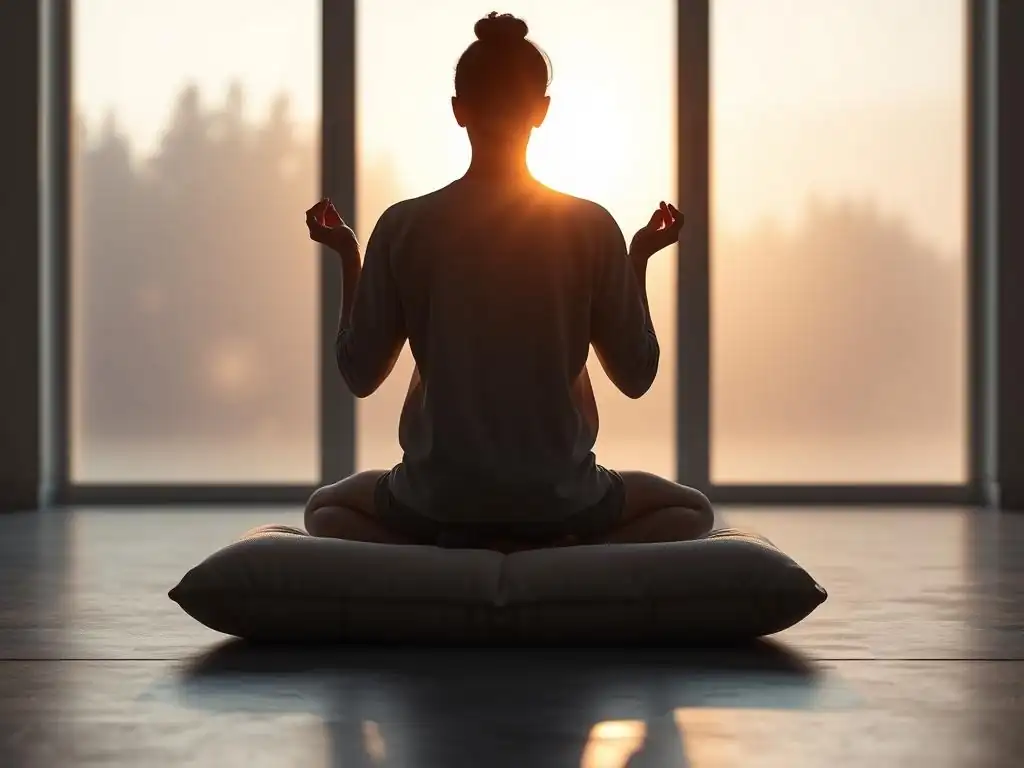
The Importance of a Qualified TM Teacher in Mantra Selection
The process of learning Transcendental Meditation and receiving a personal mantra is highly structured and requires guidance from a certified TM teacher. The teacher undergoes extensive training to understand the principles behind the technique and the traditional criteria for mantra selection. Unlike many other meditation styles where individuals might choose a word or sound they find appealing, the TM mantra is not chosen by the student. It is carefully selected by the teacher from a specific set of ancient Vedic sounds.
This personalized selection is considered essential because the effectiveness of the mantra lies in its specific vibratory quality and how it facilitates the effortless settling of the mind. A qualified teacher understands how to match the appropriate mantra to the individual's specific characteristics, ensuring the technique works naturally and effectively for them.
Attempting to practice TM with a self-chosen word or sound, or a mantra obtained from an unverified source, is not considered authentic TM practice and is unlikely to yield the full range of TM mantra benefits mental health and physiological well-being. The teacher also provides ongoing support and guidance as the student integrates the practice into their life.
Understanding Mantra Sounds and Their Specific Effects
The mantras used in Transcendental Meditation are specific, meaningless sounds derived from ancient Vedic texts. They are not words with conceptual meaning, nor are they affirmations or prayers. Their power lies purely in their vibratory effect. While the specific mantras are kept confidential and are only revealed by a certified teacher, the tradition holds that different sounds have subtle yet specific influences on the mind and nervous system, guiding the awareness inward more effortlessly.
The selection process by a qualified teacher takes into account factors related to the individual to ensure the chosen sound resonates most effectively with their particular psychophysiology. The goal is for the mantra to be effortlessly and spontaneously repeated by the mind, allowing it to settle to quieter levels of thought until it transcends thought altogether. Understanding that the mantra's power comes from its sound vibration, rather than any associated meaning, is crucial to practicing TM correctly and unlocking the deep TM mantra benefits mental health and relaxation that the technique offers.
Recognizing Personal Readiness for TM and Mantra Practice
Deciding to learn Transcendental Meditation is a personal journey, and recognizing one's readiness is an important step. While TM is accessible to people of all ages and backgrounds, a genuine interest in exploring a path towards deeper relaxation and mental clarity is a good indicator of readiness. TM is often sought by individuals looking for effective stress management techniques, those seeking to improve focus and creativity, or those simply desiring a reliable method for daily deep rest.
The learning process involves attending a structured course with a certified teacher, which typically includes an introductory talk, a personal interview, the actual instruction session where the mantra is given, and several follow-up sessions. Being ready means being willing to commit the time for the course and the subsequent twice-daily practice sessions (20 minutes each).
While TM is effortless to do, it requires consistency to gain the full TM mantra benefits mental health and overall well-being. A person is ready when they are motivated to integrate this simple yet powerful technique into their daily routine as a means of self-care and personal growth.
Mastering Your TM Practice: The Power of Your Personal Mantra
Setting the Stage: Creating the Ideal Environment for TM Meditation
Creating a conducive environment is helpful, though not strictly essential, for a successful Transcendental Meditation session. Ideally, find a quiet place where you won't be interrupted for the duration of your practice (typically 20 minutes). This could be a comfortable chair in a quiet room at home or a peaceful spot in an office or other location. Ensure your phone is on silent or turned off. The room doesn't need to be perfectly silent, as TM is designed to be practiced even with some ambient noise, but minimizing distractions allows for a deeper experience.
Comfort is key. Sit in a comfortable chair with back support, keeping your spine naturally erect but not rigid. You don't need to sit in a specific cross-legged posture unless you find it comfortable. The aim is to be completely at ease so your body can relax deeply.
Dim lighting can be helpful, but it's not necessary. The main requirement is a place where you can close your eyes and be undisturbed for the allotted time. Consistency in choosing a regular time and place can also help establish a rhythm for your practice, enhancing the integration of TM mantra benefits mental health into your daily life.
The Technique: How to Use Your Mantra Effectively
The core of Transcendental Meditation lies in the effortless use of the personal mantra. After sitting down comfortably and closing your eyes, you simply begin to think the mantra silently and effortlessly. The instruction is not to concentrate on the mantra, nor to try to repeat it a specific number of times, nor to analyze it. Instead, you allow the mantra to come and go naturally in your mind. Thoughts will inevitably arise during meditation; this is perfectly normal and not a sign of doing it wrong.
When you notice you've been thinking, you simply and gently return to thinking the mantra. There is no need to fight thoughts or try to empty the mind. The mantra acts as a vehicle for the mind to settle down spontaneously. It's like gently guiding a boat to shore rather than trying to push it forcefully.
The effortless nature is paramount. If you find yourself concentrating or making an effort, simply ease back and think the mantra more lightly. This effortless process allows the mind to transcend, leading to the profound rest and activation of the body's inner pharmacy, which contributes significantly to the TM mantra benefits mental health.
Maintaining Consistency: Integrating TM into Your Daily Routine
Consistency is perhaps the single most important factor in maximizing the TM mantra benefits mental health and overall well-being. The recommendation is to practice for 20 minutes, twice a day – typically in the morning before breakfast and in the late afternoon or early evening before dinner. Establishing these two sessions as non-negotiable parts of your day helps to build a cumulative effect, allowing stress to be released regularly and preventing its buildup.
Integrating TM into a busy schedule might seem challenging initially, but finding those two 20-minute slots becomes easier once you experience the tangible benefits. Many practitioners find that practicing TM actually gives them more time and energy throughout the day due to increased clarity, reduced stress, and improved efficiency. Think of it as a vital appointment with yourself that nourishes your mind and body.
Even on days when you feel rushed or tired, committing to the full 20 minutes is crucial, as these sessions can often be the most beneficial. Regular practice is the key to unlocking the full potential of the TM mantra benefits mental health over the long term.
Maximizing TM Mantra Benefits for Long-Term Mental Well-being
Common Challenges in TM Practice and How to Overcome Them
While Transcendental Meditation is designed to be effortless, practitioners may occasionally encounter challenges. One common experience is a "busy mind," where thoughts seem rampant during meditation. It's important to remember that thinking during TM is normal; the technique is about effortlessly returning to the mantra when you notice you've been thinking, not about stopping thoughts. Simply acknowledge the thoughts without judgment and gently return to the mantra. Another challenge can be feeling tired or even falling asleep during practice, especially when stress levels are high. This indicates deep fatigue being released; simply resume the technique when you become aware.
Lack of consistency is another significant hurdle. Life gets busy, and it's easy to skip a session. However, missing practices diminishes the cumulative effect and the ongoing release of stress. Overcoming this requires prioritizing TM as essential self-care. Setting reminders, practicing with a friend or family member, or joining group meditations can help maintain regularity. If you encounter persistent difficulties or have questions about your practice, contacting your certified TM teacher is crucial. They are trained to provide guidance and address specific experiences, ensuring you continue to gain the full TM mantra benefits mental health and well-being.
Deepening Your TM Experience: Exploring Advanced Techniques
After practicing Transcendental Meditation consistently for some time, usually several months, practitioners may become eligible to learn advanced TM techniques. These techniques involve slightly modified procedures or additional elements used in conjunction with the personal TM mantra during meditation. They are designed to accelerate the process of growth and deepen the experience of transcendental consciousness, further refining the mind and body's ability to release stress and integrate higher states of consciousness.
Advanced techniques are not a replacement for the basic TM technique but rather build upon its foundation. They are taught individually by certified TM teachers and are introduced only when the teacher deems the practitioner ready. These techniques are intended to enhance the already significant TM mantra benefits mental health and personal development achieved through regular practice. They are part of the progressive path offered within the TM organization for those who wish to continue deepening their experience and unfolding their full potential.
The Synergy of TM and Other Mental Wellness Practices: Complementary Approaches
Transcendental Meditation is a powerful standalone technique, but its TM mantra benefits mental health can be synergistically enhanced when combined with other healthy lifestyle choices and mental wellness practices. TM provides a deep foundation of rest and stress reduction, which can make other practices more effective. For example, regular physical exercise is known to improve mood and reduce anxiety; combining it with TM can amplify these effects by tackling stress from both physiological and mental fronts.
Mindful eating, sufficient sleep (aiming for 7-9 hours nightly for most adults), and maintaining strong social connections are all crucial components of comprehensive mental well-being. TM practice can support these areas by reducing stress that often interferes with healthy habits and relationships. For instance, reduced stress from TM can lead to better sleep quality.
While TM is distinct from mindfulness, some practitioners find that their ability to be present and mindful in daily life naturally increases as a result of regular TM practice. Integrating TM with these complementary approaches creates a holistic strategy for maximizing TM mantra benefits mental health and fostering overall vitality.
Real-Life Examples: TM Mantra Success Stories for Mental Wellness
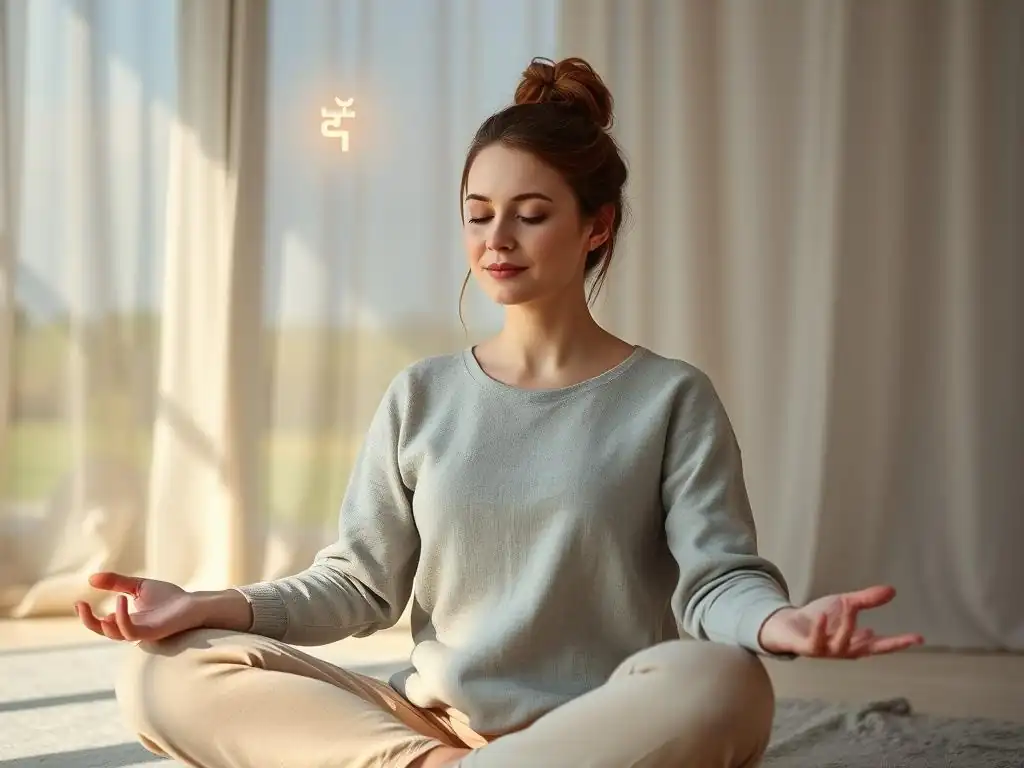
Case Study 1: Reduction in Generalized Anxiety Disorder Symptoms Through Consistent TM Practice
Consider the case of 'Sarah,' a 38-year-old marketing executive who struggled with Generalized Anxiety Disorder (GAD) for years. She experienced persistent worry, restlessness, difficulty concentrating, and muscle tension, significantly impacting her work and personal life. Despite trying various therapies, her symptoms persisted. Sarah learned Transcendental Meditation and began practicing twice daily for 20 minutes using her personal TM mantra. Within three months, she reported a noticeable decrease in the intensity and frequency of her anxious thoughts.
After six months, Sarah's self-reported anxiety scores on a standard psychological scale decreased by approximately 45%. Her physician also noted a reduction in stress-related physical symptoms like muscle tension and headaches. Sarah found that the deep rest provided by TM helped her nervous system settle, making her less reactive to daily stressors. While she continued therapy, she credited TM with providing a foundational calmness that made other coping strategies more effective, illustrating the significant TM mantra benefits mental health for anxiety management.
Case Study 2: Improved Sleep Quality and Insomnia Relief with TM and Mantra
'David,' a 55-year-old teacher, suffered from chronic insomnia, often taking over an hour to fall asleep and waking frequently during the night. This lack of sleep severely affected his energy levels, mood, and ability to focus in the classroom. He learned Transcendental Meditation specifically hoping to improve his sleep. He incorporated two 20-minute TM sessions daily, one in the morning and one in the late afternoon, focusing on the effortless use of his personal mantra.
Within a few weeks, David noticed it was easier to fall asleep. After two months of consistent practice, he reported falling asleep within 15-20 minutes most nights and experiencing fewer nighttime awakenings. On average, his total sleep time increased by roughly 1.5 hours per night. David attributed this improvement to the deep relaxation achieved during TM, which helped calm his overactive mind before bed and reduced the accumulated stress that he realized was contributing to his sleep problems. His experience highlights how TM mantra benefits mental health indirectly by improving physiological functions like sleep.
Case Study 3: Enhanced Focus and Concentration in ADHD Management Through TM
'Liam,' a 25-year-old graphic designer with ADHD, struggled with maintaining focus on tasks, impulsivity, and feeling mentally scattered. While medication provided some support, he sought additional ways to improve his cognitive function and manage associated stress. Liam learned Transcendental Meditation and committed to his twice-daily practice using his personal mantra. He noticed that the 20-minute sessions provided a significant mental reset.
Over four months, Liam reported improved ability to sustain attention on design projects, reduced distractibility, and a greater sense of mental clarity. His productivity at work increased by an estimated 20-30%. He also found that the practice helped him manage the frustration and stress often associated with ADHD symptoms. While TM is not a cure for ADHD, Liam's case exemplifies how the calming and organizing effect of TM on the brain can offer substantial TM mantra benefits mental health by supporting improved focus and cognitive control in individuals with attention difficulties.
Beyond Stress Relief: Exploring the Holistic TM Mantra Benefits
TM and Enhanced Creativity: Unleashing Your Potential
Beyond its well-documented effects on stress and anxiety, Transcendental Meditation is often associated with enhanced creativity and cognitive function. The deep rest and improved brain coherence fostered by TM practice are believed to allow for greater access to one's inner reservoir of creativity. When the mind is less cluttered by stress and busy thoughts, it is more open to new ideas and intuitive insights. Many artists, musicians, writers, and business leaders who practice TM report experiencing creative breakthroughs and a more fluid flow of ideas.
Research exploring the link between TM and creativity has shown positive correlations. Studies have indicated improvements in divergent thinking, a key component of creativity, among TM practitioners. For example, some findings suggest that TM practice can lead to increased scores on tests measuring creative thinking abilities. This suggests that the effortless settling of the mind during TM, facilitated by the personal mantra, doesn't just relieve stress but also optimizes brain function in ways that unlock creative potential, adding another dimension to the TM mantra benefits mental health.
TM and Improved Relationships: Fostering Connection and Empathy
The internal state cultivated through Transcendental Meditation practice can have a profound positive impact on external relationships. By reducing personal stress and irritability, TM practitioners often find themselves more patient, empathetic, and resilient in their interactions with others. Less stress means less reactivity to minor annoyances, allowing for more thoughtful and compassionate responses in challenging situations. The state of inner calm fostered by TM makes it easier to connect authentically with others.
Studies and anecdotal evidence suggest that regular TM practice can lead to improved interpersonal relationships, both personal and professional. For instance, individuals may report feeling more present and engaged during conversations or finding it easier to understand different perspectives. The reduction in stress and increase in inner peace contribute to a more positive outlook and a greater capacity for empathy, which are foundational for healthy connections. This relational benefit is a significant, though sometimes overlooked, aspect of the holistic TM mantra benefits mental health and overall life satisfaction.
TM and Spiritual Growth: Connecting to Your Inner Self
For many practitioners, Transcendental Meditation is not just a technique for stress reduction but also a path to deeper self-discovery and spiritual growth. The experience of transcending thought and experiencing the state of pure consciousness during TM is often described as connecting with one's innermost self, a state of unbounded awareness, peace, and bliss. This regular dip into transcendental consciousness can foster a growing sense of connection to something larger than the individual self and a deeper understanding of one's own nature.
While TM is non-religious and can be practiced by people of any faith or no faith, the experience of transcendence often brings about a sense of inner peace and a more profound perspective on life. This can manifest as increased feelings of gratitude, interconnectedness, and purpose. The TM mantra acts as the key that effortlessly unlocks this inner dimension. This aspect of the practice contributes to a sense of fulfillment and existential well-being, adding a spiritual dimension to the comprehensive TM mantra benefits mental health.
The Future of TM and Mantra-Based Mental Health Practices
Emerging Research on TM and PTSD Treatment
Ongoing research continues to explore the potential of Transcendental Meditation in addressing significant mental health challenges, particularly Post-Traumatic Stress Disorder (PTSD). Studies have shown promising results, indicating that TM can lead to substantial reductions in core PTSD symptoms, including intrusive thoughts, hyperarousal, and avoidance behaviors. For veterans and other individuals who have experienced trauma, finding effective and non-pharmacological approaches is crucial.
Recent research, including studies funded by the U.S. Department of Veterans Affairs and the Department of Defense, is investigating the physiological and psychological mechanisms behind TM's effectiveness in this population. These studies often measure changes in brain function, stress hormones, and symptom severity. The effortless nature of TM, which does not require confronting traumatic memories, makes it a particularly suitable and accessible technique for many individuals with PTSD. Continued research in this area holds significant promise for expanding the recognition and application of TM mantra benefits mental health within trauma recovery.
The Role of Technology in Supporting TM Practice: Apps and Biofeedback
While the core instruction of Transcendental Meditation requires in-person teaching by a certified teacher, technology is beginning to play a supportive role in helping practitioners maintain consistency and deepen their understanding. While there are no official TM apps that teach the technique or provide mantras (as this must come from a teacher), some apps offer timers for meditation sessions and resources for connecting with the TM community or finding group meditations.
Furthermore, biofeedback technology is being explored to help individuals understand the physiological states they achieve during TM. Devices that measure heart rate variability, skin conductance, or even simplified EEG readings can provide practitioners with objective feedback on their state of relaxation and brain activity. While this technology is not a substitute for the practice itself or the guidance of a teacher, it can serve as an educational tool and motivator for some, potentially enhancing the user's appreciation of the physical and mental shifts occurring during TM and reinforcing the pursuit of TM mantra benefits mental health.
The Growing Acceptance of TM in Mainstream Healthcare: Integration and Research
Transcendental Meditation is gaining increasing recognition within mainstream healthcare and scientific communities. The accumulation of research demonstrating its effectiveness in reducing stress, lowering blood pressure (a significant cardiovascular risk factor), and improving mental well-being is leading to greater acceptance. Medical professionals, psychologists, and therapists are becoming more aware of TM as a potential complementary therapy for a range of conditions.
Numerous hospitals, clinics, and wellness centers now include information about TM or have practitioners on staff. Research into TM is being published in reputable medical and psychological journals, contributing to its credibility. For example, studies on TM have been included in guidelines for hypertension management. As the body of evidence grows, particularly regarding the tangible TM mantra benefits mental health, it is likely that TM will become even more integrated into preventative health strategies and clinical care plans, offering a simple, evidence-based tool for enhancing well-being alongside conventional treatments.
Frequently Asked Questions
What is a TM mantra and how does it relate to Transcendental Meditation?
A TM mantra is a specifically chosen sound or word used during Transcendental Meditation. It serves as a tool to quiet the mind and access deeper levels of awareness. The mantra is not meant to be actively focused on, but rather allowed to settle naturally.
What are the key benefits of using a TM mantra for mental health?
Using a TM mantra can lead to reduced stress and anxiety, improved focus and concentration, and enhanced emotional regulation. It helps create a state of deep relaxation that positively impacts mental well-being.
How does a TM mantra differ from other types of meditation techniques?
Unlike some meditation techniques that involve active concentration or visualization, TM with a mantra focuses on effortless transcendence. The mantra helps the mind settle down without forced control or specific instructions.
Can anyone learn to use a TM mantra, or are there specific requirements?
Yes, almost anyone can learn Transcendental Meditation and receive a personalized TM mantra. It's typically taught through certified TM instructors who provide specific guidance and support.
How long does it typically take to experience the mental health benefits of using a TM mantra?
While experiences vary, many practitioners report experiencing noticeable benefits like reduced stress and increased calmness within a few weeks of consistent practice. The cumulative effect of regular meditation over time leads to deeper and more sustained improvements.
Final Reflection: Unlocking Inner Peace Through Your TM Mantra
The consistent practice of Transcendental Meditation (TM), guided by your unique mantra, offers a potent pathway to improved mental well-being, a necessity in our increasingly stressful world. The benefits extend far beyond simple relaxation; they represent a profound shift in how we navigate daily challenges and cultivate lasting inner peace. This is not merely a fleeting trend; it's a timeless technique rediscovering its relevance in the face of modern anxieties.
The impact of the TM mantra on the cultural landscape is subtle yet profound. It represents a quiet revolution, a personal empowerment that moves away from external solutions and towards inner strength. The only way to do great work is to love what you do.
- Steve Jobs. This quote, while not directly about TM, speaks to the core of the practice: finding a deep sense of purpose and fulfillment, which is often a byproduct of the mental clarity and reduced stress TM provides. The ongoing influence of this practice lies in its ability to foster a more mindful and compassionate society, one individual at a time.
Now, consider your own life. What mental or emotional burdens are you carrying? This article has explored the power of your personal mantra within the TM practice; it's now time to explore its power within you. Take a moment to reflect on the potential for inner transformation. Begin a TM practice, or if you already have one, deepen your commitment. Embrace the quiet strength of your mantra, and allow it to guide you towards a more peaceful, balanced, and fulfilling life. The journey to inner peace begins with a single, silent repetition.
Unleash Your Inner Power: Create Your Personalized Mantra Today!
Thanks for taking the time to explore the profound impact of personal mantras on your TM practice. You've now uncovered a powerful tool for self-improvement and inner peace. Ready to take the next step?
- Craft your own mantra: Spend some time reflecting on your goals and aspirations. What feeling do you want to cultivate? What words resonate most deeply with your intentions? Write down a few options and experiment with them during your next meditation.
- Share your mantra experience: Let's build a supportive community! Tell us about your journey in the comments – what challenges did you face, and what breakthroughs did you experience?
- Explore further: Dive deeper into the world of mantras by researching different types and techniques. Consider experimenting with visualization or incorporating your mantra into your daily affirmations.
What personal mantra will you create to enhance your meditation practice and manifest your desires?